تواصل مع BBP

محطات رفع الصرف الصحي التجارية المضخات ومحطات رفع مياه الصرف الصحي المعبأة
مضخات محطة رفع الصرف الصحي المعتمدة من ISO 9001 للمشاريع البلدية والصناعية والتجارية والمطورين orge مصممة للامتثال لمعايير 10 ولايات، ويتم شحنها خلال 4-6 أسابيع، ومدعومة بدعم فني على مدار الساعة طوال أيام الأسبوع في 11 دولة.
ايزو 9001: 2015
علامة CE
مكونات NSF 61
10 دول متوافقة مع المعايير
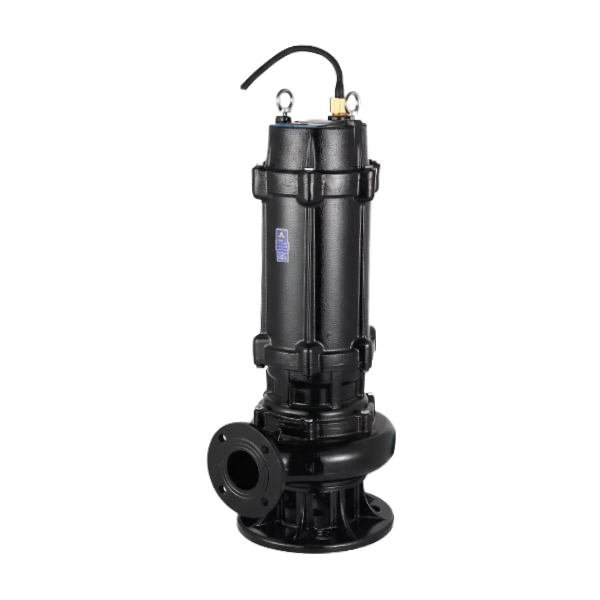
النسخ الاحتياطية لمياه الصرف الصحي لا تبدأ في الأنابيب، بل تبدأ في محطة الرفع
تعد مضخات محطة رفع المجاري التجارية نقطة الفشل الوحيدة في كل نظام تجميع منخفض الجاذبية. عندما تفشل، تكون الاقتصادات واضحة للغاية. مكتب المياه التابع لوكالة حماية البيئة واضح: “ العديد من عمليات SSO التي يمكن تجنبها ناتجة عن التشغيل أو الصيانة غير الكافية أو غير السليمة، وعدم كفاية سعة النظام، والتصميم غير السليم للنظام.” في حديث المشروع يعني الاختيار الخاطئ للمضخة، أو تحديد حجم البئر الرطب الخاطئ، أو المورد الخاطئ وراء المحطة هو حادث صحة عامة ينتظر حدوثه، وبند في تقرير مفتش الامتثال.
محطة رفع الصرف الصحي هي ببساطة غرفة مضخة تنقل مياه الصرف الصحي الخام ومياه الصرف الصحي من ارتفاع منخفض إلى مجاري الجاذبية أو محطة المعالجة عندما تمنع التضاريس أو عمق المبنى أو المسافة التدفق الطبيعي. ما يبدو وكأنه قرار بسيط يتعلق بالمرافق هو في الواقع أربعة قرارات: تكوين المضخة، وهندسة الآبار الرطبة، ومنطق التحكم، ومن هو المورد الذي سيظل يرد على الهاتف في السنة السابعة.
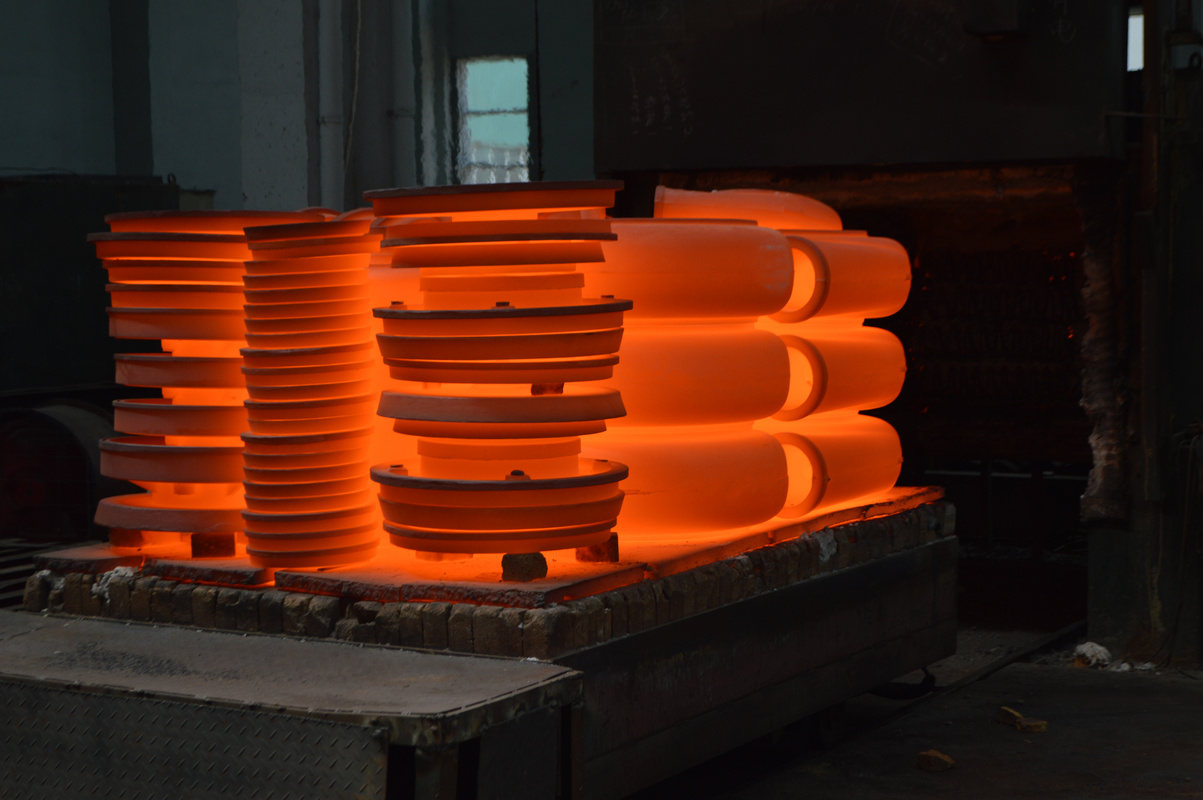
تقوم Beibangpu بتحويل كل محطة رفع صرف صحي تجارية إلى فرضية واحدة بسيطة: مواصفاتك تنجو من الاتصال بالواقع. إن تكاملنا الرأسي في الداخل، مثل الصب والمعالجة الحرارية والتصنيع والتجميع والطلاء والاختبار الهيدروليكي يعني أننا نمتلك كل خطوة تهم لمدة 20 عامًا من عمر الخدمة، بدءًا من تركيبة السبائك للمكره وحتى مواصفات عزم الدوران على غلاف الختم. تترك كل محطة متجرنا مختبراً مقابل منحنى تدفق الرأس المكتوب على لوحة الاسم الخاصة بها.
ألم
يؤدي فشل محطة الرفع إلى انسكاب مياه الصرف الصحي الخام إلى الشوارع والممرات المائية والتربة. ويتم قياس عملية التنظيف بالسنوات، وليس بالساعات.
السبب الجذري
تعمل السعة المنخفضة أو التصميم الضعيف غير المسدود أو التآكل الناتج عن H2S لمكونات الصب على تسريع فشل المضخة.
الحل لدينا
316 عمودًا كبيرًا من الفولاذ المقاوم للصدأ، وممرًا للمواد الصلبة مقاس 3 بوصات، وتكرار مزدوج لكل 10 ولايات قياسية، وطلاءات الجزء الثابت مصنفة للتعرض لـ H2S.
برهان
تم التحقق من التصميم وفقًا للفصل 40 من معايير الولايات العشر (وقت ملء البئر الرطب ≥30 دقيقة؛ ذروة التدفق مع أكبر وحدة غير متصلة بالإنترنت).
شذرات الألم التي نسمعها من المهندسين والمشغلين
أضرار الدورة القصيرة الناجمة عن الآبار الرطبة الصغيرة الحجم
تعمل مضخات ركوب الدراجات كل 90 ثانية على حرق المحركات وتعثر العوامات عالية المستوى في أقل من ثلاث سنوات.
التآكل الناجم عن H2S
تشير إرشادات صيانة محطة الرفع الصادرة عن وكالة حماية البيئة إلى أن تراكم الهواء يسمح للمضخات بالعمل لفترة أطول وأن H2S يدفع درجة الحموضة الرئيسية إلى الأسفل، ويهاجم الخرسانة والحديد المرن من الداخل.
خرقة ومسح الحبال
منتجات “flushable” الاستهلاكية ليست سوى. إنهم يجدلون من خلال الدفاعات غير المخصصة لهذا الغرض ويخفضون ساعات عمل المحطة.
الصمت بعد PO.
لقد تعلمت فرق المشتريات الطريقة الصعبة التي يشحن بها الموردون ثم يصمتون عندما تحتاج المضخة إلى حشية بعد 6 أشهر.
خط إنتاج محطة رفع الصرف الصحي في بيبانجبو
أربعة تكوينات تغطي كل نطاق من المشروع بدءًا من حفرة القاذف ذات المبنى الواحد وحتى المحطة المعبأة البلدية التي يبلغ عدد سكانها 10000 نسمة. تستخدم كل مضخة محطة رفع للصرف الصحي في Beibangpu دافعات غير مسدودة مصممة لتمرير 3 بوصات من المواد الصلبة كما هو محدد في معايير الولايات العشر للتعامل مع المواد الصلبة؛ تأتي كل محطة مصممة للواجبات البلدية أو التجارية مجهزة مسبقًا بمجموعات مضخات مزدوجة أو ثلاثية بحيث تلبي التدفق بالساعة لذروة “ مع أكبر وحدة خارج الخدمة لمتطلبات تحديد الاتجاه المحددة في الفصل 40 من معايير الولايات العشر.
سكنية وتجارية خفيفة
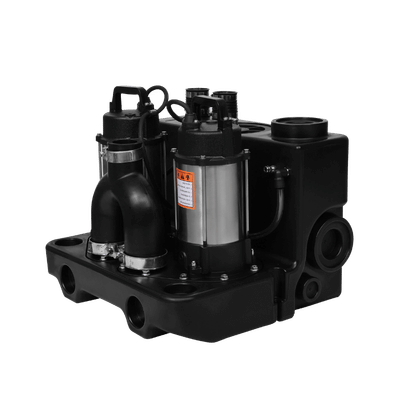
محطة الرفع الغاطسة سيمبلكس
محطة مضخة واحدة فعالة من حيث التكلفة لنظام قاذف أحادي المبنى، وحفر رفع في الطابق السفلي، وتطويرات تجارية صغيرة. يتم تركيبها على مضخة غاطسة من الحديد الزهر، داخل حوض من البولي إيثيلين أو الألياف الزجاجية.
تدفق50 بوصة 200 جالون في الدقيقة
TDHيصل إلى 80 قدمًا
قوة0.5 بوصة بقوة 2 حصان، مرحلة واحدة أو 3 مراحل
حوضHDPE أو الألياف الزجاجية، 24 بوصة مقاس 36 بوصة.
المعايير التجارية والبلدية
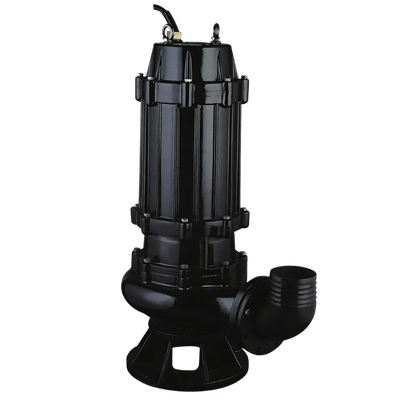
محطة الرفع الغاطسة المزدوجة
يشتمل حصان العمل في جمع مياه الصرف الصحي التجارية على مضختين غاطستين متناوبتين على أنظمة السكك الحديدية، مع لوحة تحكم متناوبة، مما يشارك وقت التشغيل لتوفير التكاليف ويوفر الدعم.
تدفق200 بوصة 2000 جالون في الدقيقة
TDHيصل إلى 180 قدمًا
قوة3 بوصة 40 حصان، 3 مراحل
حوضألياف زجاجية أو فولاذ إيبوكسي قطران الفحم سعة 32 مل، قطر 48 بوصة 96 بوصة.
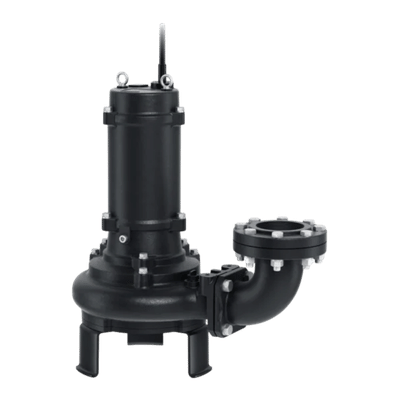
التدفق العالي البلدي والصناعي
محطة الرفع المعبأة ثلاثية
أنظمة المضخات الثلاث للمناطق البلدية والمجمعات الصناعية وأي مشروع آخر لا يمكن أن تشكل فيه المضخة الثانية غير المتصلة بالإنترنت خطرًا تشغيليًا. الرصاص واحد، والتأخر واحد، وواحد في وضع الاستعداد.
تدفق2000 2000 جالون في الدقيقة
TDHيصل إلى 330 قدمًا
قوة40 بوصة 150 حصان، 3 مراحل، جاهز لـ VFD
ضوابطPLC، جاهز لـ SCADA، محول طاقة أساسي + نسخة احتياطية عائمة
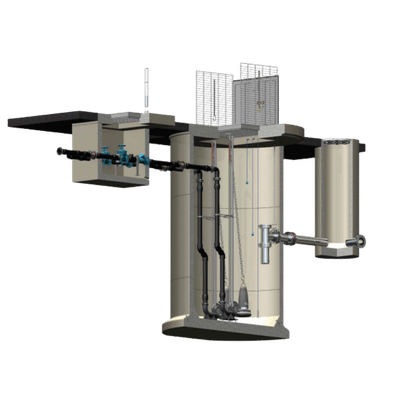
مشاريع النشر السريع
محطة رفع مياه الصرف الصحي المعبأة الجاهزة
تم تجميعها واختبارها بالكامل في المصنع وشحنها على شكل انزلاق واحد. في غضون ساعات، يقوم طاقم الموقع بتجميع أنبوب الشفط وأنبوب التفريغ والوصلات الكهربائية معًا بدلاً من أسابيع. قادرة على التكوينات البسيطة أو المزدوجة أو الثلاثية.
التكويناتسيمبلكس / دوبلكس / ثلاثي
حوضألياف زجاجية أو فولاذية، قطر 24 بوصة مقاس 120 بوصة، يصل عمقها إلى 40 قدمًا
اختبار المصنعمنحنى هيدروليكي + كهربائي + أدوات تحكم
تثبيت1 2 3 أيام في الموقع
المواصفات الأساسية (جميع الإصدارات)
| مكون | تخصيص | لماذا يهم |
|---|---|---|
| رمح المضخة | 304 أو 316 فولاذ مقاوم للصدأ، قطر كبير | يزيل الصدأ، وهو وضع الفشل الغاطس الأكثر شيوعًا |
| المكره | حديد الزهر المرن، غير مسدود، شبه مفتوح أو دوامي؛ ممر المواد الصلبة 3 بوصة | يفي بمعايير 10 ولايات للتعامل مع المواد الصلبة؛ يقاوم الخرق والقابلة للتدفق |
| الختم الميكانيكي | كربيد السيليكون المزدوج مع غرفة مملوءة بالزيت | فشل الختم هو وضع فشل المضخة الغاطسة #2؛ SiC يضاعف MTBF |
| محرك | عزل الفئة H، الحمل الحراري الزائد، مستشعر الرطوبة | ثلاث طبقات من الحماية ضد فيضانات الآبار الرطبة في المحرك |
| لوحة التحكم | خيار UL 508A، حاوية NEMA 3R/4X، مولد كهربائي + شاشة طور | يساوي وقت تشغيل المضخة؛ رحلات قبل تلف الجهد |
| التحكم بالمستوى | محول غاطس (أساسي) + عوامات ميكانيكية (زائدة عن الحاجة) | إرشادات وكالة حماية البيئة: الاستشعار الزائد يمنع الفائض عند فشل أحدها |
مصفوفة القرار 500 التكوين الذي يناسب مشروعك؟
| إذا مشروعك... | يختار | المعادل السكاني النموذجي |
|---|---|---|
| مبنى واحد، 1 من 20 تركيبات، حفرة رفع أقل من 12 قدمًا | محطة سيمبلكس HDPE | <50 بي |
| مبنى تجاري صغير، مطعم، قطاع بيع بالتجزئة، 1.5 كيلو جالون يوميًا | محطة سيمبلكس للألياف الزجاجية، 0.5 بوصة 2 حصان | 50 بوصة 200 بي |
| الحرم التجاري، المدرسة، جناح المستشفى، 5.50 ألف جنيه | محطة الرفع الغاطسة المزدوجة | 200 2000 بي |
| المنطقة البلدية، المنطقة الصناعية، منطقة الصرف الصحي، > 50 ألف جنيه | محطة الرفع المعبأة ثلاثية | 2000 2000+ PE |
| منطقة الفيضانات، أو المناخ المتجمد، أو عدم وجود مساحة تحت الأرض | محطة معبأة مسبقة الصنع فوق الأرض | أي مقياس |
محطة الرفع مقابل محطة الضخ التقليدية 2 إجمالي تكلفة الملكية
التكلفة الرأسمالية هي نقطة البيانات الأقل أهمية في تحليل محطة الرفع الخاصة بك. ما يهم حقًا هو الطاقة والصيانة واستبدال المضخات وقوى العمل الغاطسة الأقل من المستوى والتي تشكل ميزانية تشغيلية مدتها 20 عامًا. من المتفق عليه عالميًا في الصناعة أن فرق التكلفة الإجمالي بين محطة ذكية في الشارع ومصممة بشكل صحيح مقابل محطة أقل يبلغ حوالي 2 على مدى 10 سنوات، ويتم إخفاء معظمها في بنود نادرًا ما تظهر في حزمة العطاءات.
| خط التكلفة (محطة مزدوجة بقدرة 500 جرام في الدقيقة لمدة 10 سنوات، نموذجية) | استيراد رخيص (تقديرات) | بيبانجبو دوبلكس | محطة فوق الأرض أمريكية الصنع |
|---|---|---|---|
| المحطة الأولية + مجموعة المضخة (FOB) | $4 7 ك | $8 14 ك | $45 90 ك |
| بدائل المضخات (10 سنوات، متوسط) | 3 2004 بدائل كاملة | 0 ارسال 1 استبدال | 0 ارسال 1 استبدال |
| علاوة العمالة في الفضاء المحصور | نظام إدارة السلامة والصحة المهنية الكامل | نظام إدارة السلامة والصحة المهنية الكامل | غير مطلوب |
| كفاءة الطاقة (من الأسلاك إلى الماء) | 50 – 62% | 68 – 74% | 72 – 78% |
| توافر قطع الغيار | لا يمكن التنبؤ به | مدى الحياة عبر أسهم Beibangpu | أسعار مميزة، 2-4 أسابيع |
| ضمان | 6 إلى 12 شهرًا | 24 شهرًا + قطع غيار مدى الحياة | 12 إلى 24 شهرًا |
إطار TCO (معيار الصناعة؛ محطة مزدوجة 500 جالون في الدقيقة، أفق 10 سنوات)
تدعو بيانات التكلفة التشغيلية الصادرة عن إحدى المرافق البلدية الأمريكية إلى أن يكون إجمالي التكاليف المستمرة أعلى بحوالي 50% للمشكلات التي كان من الممكن حلها بمحطة محددة جيدًا مقارنة بمحطة رخيصة، وقد تم حساب معظم هذا الاختلاف من خلال عمالة المشغلين وتغيير المضخات -outs. تقع أسعار محطات Beibangpu في منتصف هذا الخط المتأرجح، حيث يكون أداء رأس المال أعلى من المحطات فوق الأرض التي بنتها الولايات المتحدة، مع ملف تعريف التكرار الضروري لتقديم أقل حزمة تكلفة تشغيل.
0 – 1
استبدال المضخة بالكامل على مدى 10 سنوات (ثنائي Beibangpu النموذجي)
68–74%
كفاءة تحويل الأسلاك إلى الماء (غاطسة غير مسدودة، 3 مراحل)
24 مو
الضمان القياسي + الالتزام بقطع الغيار مدى الحياة
النتائج الهندسية حسب الصناعة
يتم شراء محطات رفع الصرف الصحي في Beibangpu من الموزعين والشركات الهندسية وهندستها في 18 دولة عميلة نشطة تغطي العالم حتى عام 2025، حيث أن عدد التطبيقات الخاصة بقطاعات محددة له قواسم مشتركة، لكن عملية صنع القرار تظل ثابتة.
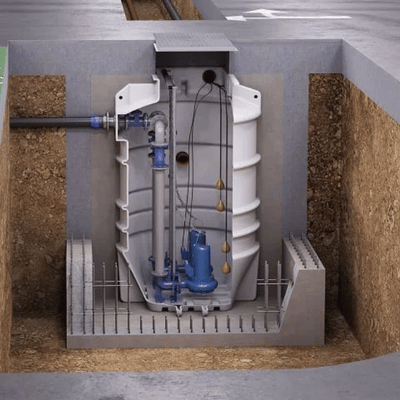
جمع مياه الصرف الصحي البلدية
أنظمة التجميع في المدن الصغيرة، وسلطات الصرف الصحي في المناطق، وعمليات معالجة العبوات]. نموذجي: محطة معبأة ثلاثية، 1000-5000 جرام في الدقيقة، PLC مع إمكانية الوصول إلى SCADA، وتعويم مزدوج وتكرار محول الطاقة.
مشروع مرجعي
2400 جالون في الدقيقة ثلاثية لمنطقة جنوب شرق آسيا تخدم ما يعادل 8500 نسمة؛ تم تشغيله في عام 2024 مع مراجعة التصميم الهيدروليكي المتوافقة مع 10 دول.
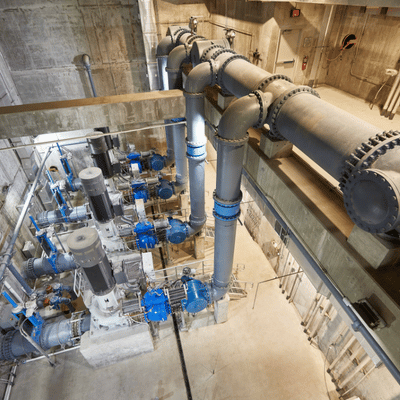
نقل مياه الصرف الصناعي
النفايات السائلة الصناعية: الأعمال الكيميائية، اللب والورق، مصانع البتروكيماويات والأغذية والمشروبات، نقل مياه الصرف الصحي داخل الموقع أو خارجه للمعالجة الكيميائية. نموذجي: مزدوج، 316 SS داخلي للنفايات السائلة العدوانية، VFD للطلب على التدفق.
مشروع مرجعي
دوبلكس 800 جرام في الدقيقة لمصنع مشروبات في الشرق الأوسط، دافعة 316 SS ضد النفايات السائلة ذات الرقم الهيدروجيني العالي CIP؛ تم تثبيته عبر شريك OEM.
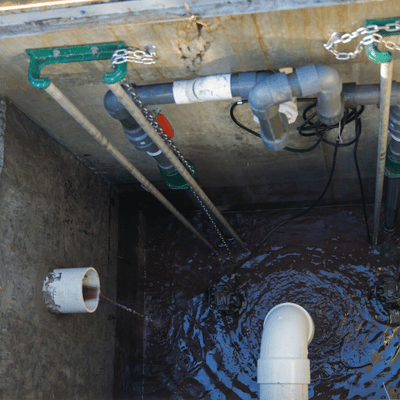
محطات رفع المباني التجارية
مراكز التسوق والمستشفيات والفنادق والأقبية الشاهقة أسفل مجاري الجاذبية البلدية. نموذجي: غاطسة مزدوجة، حوض من الألياف الزجاجية، لوحة تحكم أوتوماتيكية للمولد، إنذار عالي المستوى مع إشعار إنذار عن بعد.
مشروع مرجعي
دوبلكس 500 جرام في الدقيقة يخدم مشروعًا أوروبيًا متعدد الاستخدامات؛ بئر رطب بطول 26 قدمًا؛ تم تركيبها بالتعاون مع مقاول سباكة إقليمي.
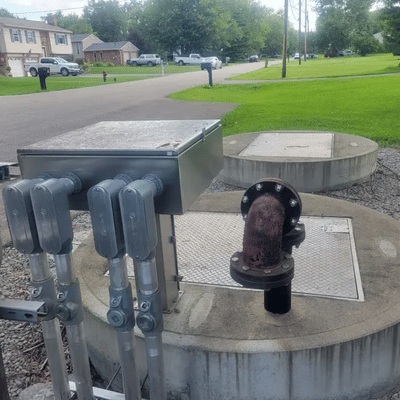
مطور عقاري وتطوير أراضي
التقسيمات الفرعية، وتطويرات الحرم الجامعي، ومرائب السيارات تحت الدرجة. نموذجي: انزلاق بسيط أو مزدوج، مُجهز مسبقًا مصمم للنشر السريع في الموقع، ووضع علامات OEM على العلامة التجارية للمطورين عند الحاجة.
مشروع مرجعي
تم شحن 18 وحدة Simplex إلى مطور في أمريكا اللاتينية بموجب برنامج علامة تجارية خاصة؛ نافذة تسليم مدتها 6 أسابيع بما في ذلك العلامة التجارية OEM وحزمة التقديم الكاملة.
“We محطات المواصفات مع العلم أن كل دقيقة توقف في السنة السابعة تكلف المالك أكثر بكثير من كل دولار يتم توفيره عند الشراء. ولهذا السبب فإن أعمدة المضخات الغاطسة لدينا كبيرة الحجم 316 غير قابلة للصدأ ودفاعاتنا غير القابلة للسد مصبوبة وغير مصنعة والأجزاء التي لا يمكنك رؤيتها من الخارج هي الأجزاء التي تنتهي في النهاية إلى إملاء تشغيل لمدة 20 عامًا.”
مجموعة الشهادات والامتثال
تم تصميم كل محطة رفع صرف صحي تجارية في Beibangpu لتلبية أو تجاوز معايير التصميم التي يقوم مهندس المراجعة الخاص بك بفحصها بالفعل. تظل معايير الولايات العشر (إصدار 2014) هي الإطار الفعلي في 10 ولايات أمريكية وأونتاريو؛ تلبي محطاتنا قواعدها الهيدروليكية والتكرار وقياس التدفق بشكل افتراضي.
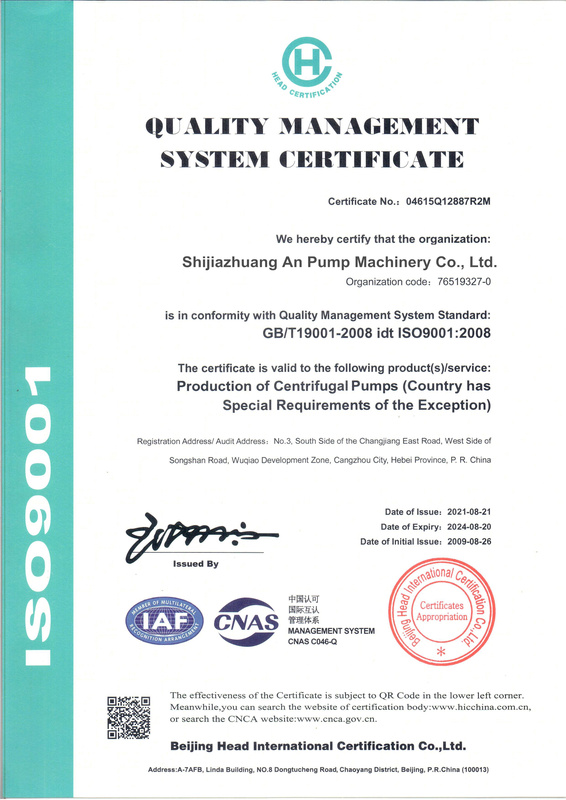
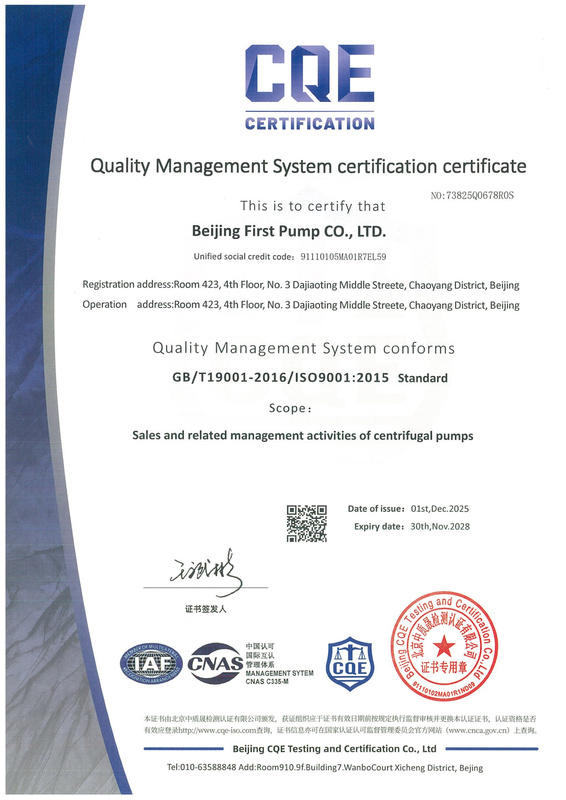
ايزو 9001: 2015
نظام إدارة الجودة، يتم تدقيقه سنويًا
علامة CE
توجيه الآلات 2006/42/EC، LVD 2014/35/EU، EMC 2014/30/EU
مكونات NSF 61
المواد المبللة المعتمدة لخدمة مياه الصرف الصحي العامة عند الحاجة
10 ولايات الأمراض المنقولة جنسيا.
التصميم المتوافق مع المعايير الموصى بها لمرافق مياه الصرف الصحي، الفصل 40
IECEx / ATEX (اختياري)
خيارات المحركات ذات المناطق الخطرة لخدمة مخاطر البتروكيماويات والغاز
إمكانية تتبع المسبك
شهادات المواد 3.1 (EN 10204) على مكونات الحديد الزهر والفولاذ المقاوم للصدأ
معايير التصميم التي نتحقق منها قبل مغادرة محطتك للمتجر
- سعة المضخة تتعامل محطات التدفق مع ذروة التدفق في الساعة مع خروج أكبر وحدة ضخ من الخدمة (وفقًا لمعايير 10 ولايات، قاعدة التكرار).
- وقت ملء البئر الرطب 30 دقيقة عند متوسط التدفق؛ منحدر الأرضية 1:1 إلى القادوس لمنع التقسيم الطبقي للمواد الصلبة.
- يتم الاحتفاظ بالسرعة الرئيسية للقوة بين 2 و8 قدم/ثانية بمعدل الضخ التصميمي، مما يمنع تلف كل من الاستقرار وصمام الفحص.
- قياس التدفق متكامل للمحطات ذات التدفق الأقصى للتصميم 1200 جالون في الدقيقة (75 لتر/ثانية)، وفقًا للفصل 40.
- يتضمن المظهر الجانبي الهيدروليكي المرفق مع كل عرض أسعار التحقق من Manning's وHazen-Williams لروافد الجاذبية والقوة الرئيسية على التوالي.
مؤهلات وشهادات الشركة


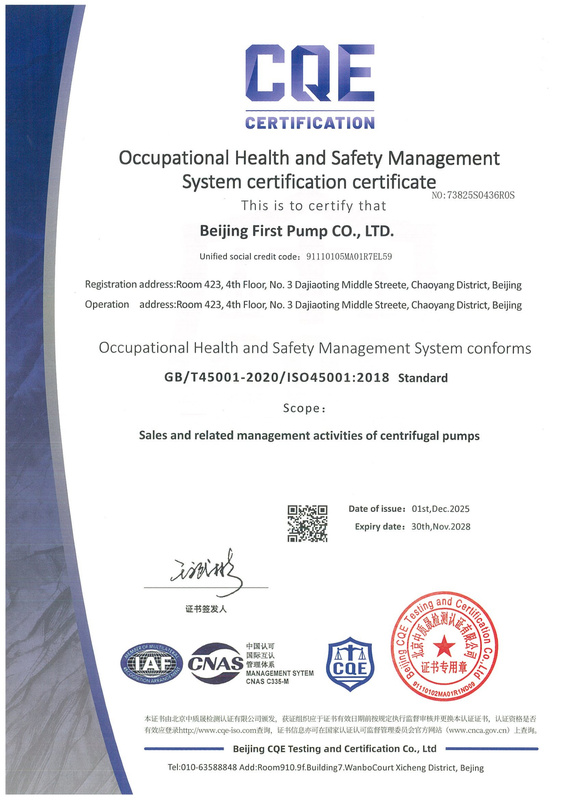

برنامج شراكة صانعي القطع الأصلية والموزعين
يمنحنا الإنتاج الهندسي لشركة Beibangpu شيئًا لا يستطيع معظم موردي محطات رفع الصرف الصحي التجارية تحديده من خلال القدرة على وضع اسمك وورقة المواصفات الخاصة بك ونهايتك على محطة تترك متجرنا قيد الاختبار حتى المنحنى الخاص بك. نقوم بالشحن إلى الموزعين وأصحاب العلامات التجارية ومقاولي EPC في 11 دولة اعتبارًا من عام 2025. .
تصنيع العلامات التجارية الخاصة
هوية علامتك التجارية على لوحة الاسم ولوحة التحكم وملفات الإرسال. لا يوجد شعار Beibangpu إلا إذا كنت تريد ذلك.
التخصيص الهندسي
تصميم القالب وقدرة المسبك في الموقع: نقوم باستخدام الدفاعات المخصصة، والأشكال الحلزونية، وهندسة الأحواض عندما لا تكون خيارات المخزون مناسبة.
تسعير طبقة الموزع
سلم الحجم مع الالتزامات السنوية؛ تخصيص الأولوية خلال مواسم الذروة.
مشاركة المستندات الفنية
حزم التقديم الكاملة، وCAD، وأدلة التثبيت، والمواد التدريبية في علامتك التجارية.
المهل الزمنية المدعومة بالمخزون
النماذج القياسية المرسلة من المخزون؛ قامت الوحدات المكونة خصيصًا بتسليم 30% بشكل أسرع من معايير الصناعة لعمل OEM.
دعم المبيعات والمواصفات
الوصول إلى المكالمات الهندسية قبل البيع لمديري المشاريع الخاصة بك؛ زيارات مشتركة للعملاء حيث يكون ذلك منطقيًا.
الإعداد OEM بثلاث خطوات
01
مكالمة المنتج والملاءمة التجارية
مراجعة مدتها 45 دقيقة لمواصفات منتجك والأسواق المستهدفة وملف تعريف الحجم.
02
عينة بالإضافة إلى إثبات العلامة التجارية
محطة تجريبية واحدة تحمل علامتك التجارية وشهادة اختبار كاملة ويتم شحنها بسعر التكلفة.
03
اتفاقية الطلب المتداول
الالتزام السنوي بالحجم مقابل التسعير المتدرج وفتحات الإنتاج المحجوزة.
مرجع حجم محطة رفع الصرف الصحي
الصداع الهندسي الأكثر شيوعًا الذي نواجهه هو تحديد حجم البئر الرطب بشكل صحيح لتدفقات الذروة والحد الأدنى المتغيرة للغاية، وهذا خطأ يرتكبه كل مشتري تقريبًا بمفرده! تقوم الخزانات كبيرة الحجم بتقسيم المواد الصلبة إلى طبقات وخلق الروائح؛ تتسبب الخزانات صغيرة الحجم في حدوث مضخات قصيرة التدوير ومحركات محترقة. القاعدة أدناه، المستندة إلى الفصل 40 من معايير الولايات العشر، مطابقة لتلك التي يطبقها فريق هندسة التطبيقات لدينا في مواصفات محطة المهندس الاستشاري.
الجدول أ 1 - ذروة التدفق الموصى بها حسب ما يعادلها من السكان
| المعادل السكاني (PE) | متوسط. التدفق اليومي | ذروة التدفق في الساعة (أساس التصميم) | محطة نموذجية |
|---|---|---|---|
| <50 بي | <5000 جي بي دي | 15 بوصة 30 جالون في الدقيقة | سيمبلكس، 1 حصان |
| 50 بوصة 200 بي | 5000 5000 GPD | 30 بوصة 90 جالون في الدقيقة | سيمبلكس أو دوبلكس، 1 بوصة 3 حصان |
| 200 2000 بي | 20.000 200.000 GPD | 90 بوصة 700 جالون في الدقيقة | دوبلكس 3 بوصة 30 حصان |
| 2000 2000 PE | 0.2 1.0 ملغم | 700 3500 جالون في الدقيقة | ثلاثي، 30 بوصة، 100 حصان |
| > 10000 بي | > 1.0 ملغم | 3500 جالون في الدقيقة+ | ثلاثي + معبأ، 100 حصان+ |
الحد الأقصى لعوامل الذروة بناءً على معايير 10 ولايات؛ يفترض 100 جيجا بايت في اليوم التدفق الطبيعي + عامل الذروة من 3.5 إلى 4.5 (يختلف عدد السكان). تأكيد إلى الكود المحلي.
الجدول ب op حساب وقت ملء البئر الرطب (مثال عملي)
استنادًا إلى معايير 10 ولايات، فإن الحد الأقصى لوقت ملء البئر الرطب بناءً على متوسط تدفق يبلغ 160 جالونًا في الدقيقة هو 30 دقيقة. بالنسبة لمحطة الطباعة المزدوجة بسرعة 500 جالون في الدقيقة، فإن الحد الأدنى لحجم العمل بين مستويات التشغيل/التوقف هو:
Vعمل = (سمضخة /4) × ردورة حيث تدورة ≥ 10 دقائق موصى بها
Vعمل = (500 / 4) × 10 = 1250 جالون (الحد الأدنى)
قطر البئر الرطب لحجم عمل 1250 جالونًا عند فرق عمق 3 أقدام:
A = V / D = 1،250 , 7.48 , 3 = 55.8 قدم مربع → د & تقريبا؛ 8 قدم 6 في الحوض
ملء التحقق من الوقت في سمتوسط = 160 جالونًا في الدقيقة: 1،250 < 160 تقريبًا؛ 7.8 دقيقة عند متوسط التدفق &تحقق؛; (أقل بكثير من حد 30 دقيقة)
الجدول ج 1 فقدان الرأس الرئيسي للقوة (هازن ويليامز)
لمعدل تدفق 500 جالون في الدقيقة (أو 1.11 قدم مكعب) من خلال قوة حديد الدكتايل الرئيسية مقاس 6 بوصات (طول 2000 قدم عند درجة حرارة C 120):
hf = (10.67 · لتر · س1.852) / (ج1.852 · د4.87)
hf = (10.67 × 2000 × 1.111.852) / (1201.852 × 0.54.87)
hf &تقريبا؛; 22 قدم (رأس الاحتكاك)
أضف رأسًا ثابتًا (على سبيل المثال، ارتفاع 35 قدمًا) → TDH وتقريبًا؛ 57 قدمًا → حدد نقطة تشغيل المضخة عند 500 جالون في الدقيقة/57 قدم
حدد قائمة المراجعة 1 ما الذي يجب إرساله إلينا للحصول على عرض أسعار
- متوسط وذروة التدفق في الساعة (GPM أو GPD)
- رأس ثابت بين مستوى مياه الآبار الرطبة وقوة التفريغ الرئيسية (قدم)
- القوة الرئيسية الطول والقطر والمواد والعمر (إذا تم التعديل التحديثي)
- يتوفر ارتفاع البئر الرطب (يحدد ما إذا كان البسيط / المزدوج / الثلاثي منطقيًا)
- الخدمة الكهربائية المتاحة (الطور، الجهد، سعة اللوحة الحالية)
- متطلبات التحكم (PLC، SCADA، الإخطار عن بعد، إنذار الرسائل القصيرة)
- تصنيف المناطق الخطرة إن وجد (الفئة الأولى Div 1/2، IECEx، ATEX)
- نطاق الميزانية المستهدف + متطلبات العلامة التجارية OEM (إن أمكن)
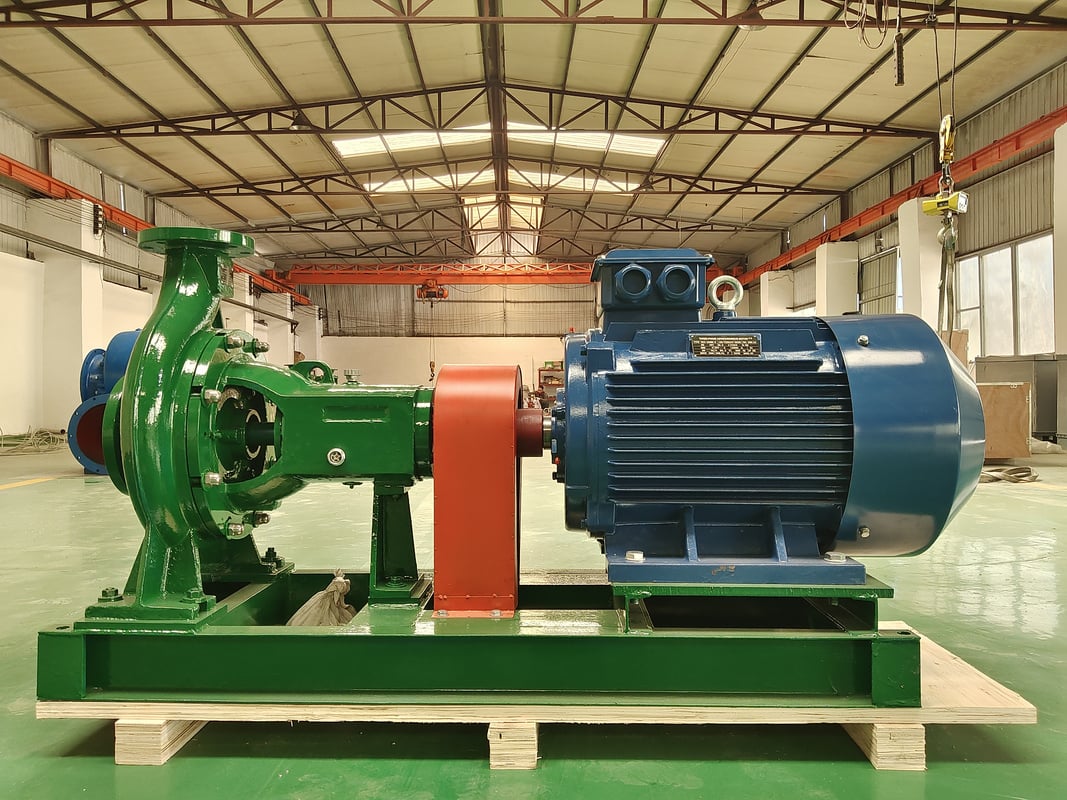
قوة التصنيع والوصول العالمي
البنية التحتية للمصنع





المعارض الدولية


دليل المشتريات: التسعير والمهلة الزمنية وما بعد البيع
معظم المواقع الإلكترونية لمحطات رفع الصرف الصحي تصمت عن السعر. نحن لا نفعل ذلك. الأرقام الواردة أدناه تشير إلى نطاقات USD FOB China لمضخات محطة رفع الصرف الصحي التجارية Beibangpu ذات التكوين القياسي والأنظمة المعبأة؛ يتم ضبط الأسعار الدقيقة لترقية المواد وتعقيد لوحة التحكم وعمق الحوض والعلامة التجارية OEM. عندما يتم تصميم التكوين بالكامل حسب الطلب، نقول ذلك.
سيمبلكس الغاطسة
$2،400 $5،800
دولار أمريكي فوب الصين. نموذجي 50 بوصة 200 جالون في الدقيقة، حوض HDPE/FG، مرحلة واحدة أو 3 مراحل.
دوبلكس غاطسة
$5،500 $18،000
200 بوصة 2000 جالون في الدقيقة، لوحة متناوبة، ألياف زجاجية أو حوض فولاذي مطلي.
ثلاثي معبأة
$14000 $48000
2000 إلى 8000 GPM، عناصر تحكم PLC، جاهزة لـ SCADA؛ تعتمد على التكوين.
مخصص بالكامل / فوق الأرض
طلب اقتباس
محطات معبأة فوق الأرض وأشكال هندسية مخصصة بالكامل؛ التسعير هندسيا حسب الطلب.
سلم المهلة
- يتم إنشاء Stock Simplex وDuplex لمدة 4 أسابيع من PO إلى الإرسال.
- تم تكوين الدوبلكس والثلاثي مع خيارات غير مخزنة لمدة 6 أسابيع.
- مخصص بالكامل، بما في ذلك العلامة التجارية OEM والمواد غير القياسية لمدة 8 إلى 10 أسابيع.
- الشحن الجوي على قطع الغيار الحيوية إرسال سريع لمدة 72 ساعة من مخزوننا في بكين.
التزام ما بعد البيع
- دعم فني على مدار الساعة طوال أيام الأسبوع مع فريقنا الهندسي تحت الطلب للتشخيص عن بعد؛ التوجيه المتوازن للمنطقة الزمنية عبر بكين والشركاء الإقليميين.
- يتم نشر إرشادات التثبيت في الموقع عالميًا حيث يتطلب تعقيد المشروع ممارسة قياسية للتركيبات الثلاثية الأولى من نوعها وإطلاق شركاء OEM.
- قطع الغيار مدى الحياة 2000 نموذج من المضخات الرئيسية الموجودة في المخزون بشكل دائم؛ يتم إرسال الدفاعات الاحتياطية والأختام والمجموعات الدوارة في نفس اليوم.
- التدريب على الصيانة متاح في الموقع أو عبر الفيديو لشركاء الموزعين.
- الضمان: 24 شهرًا ضد عيوب التصنيع من تاريخ الإرسال؛ مجموعات المضخة الدوارة مغطاة بالمواد والتصنيع من طرف إلى طرف.
الأدوات الهندسية والآلات الحاسبة
الوصول إلى مصفوفات التحجيم الخاصة بنا ومقدرات تكلفة دورة الحياة. قم بتكوين أبعاد البئر الرطبة بسرعة، وحساب فقدان الرأس الديناميكي، والتنبؤ بالميزانيات التشغيلية لمدة 10 سنوات بناءً على المعلمات الصناعية التي تم التحقق منها.
حاسبة التحجيم
حدد أبعاد البئر الرطبة المثالية، وتحقق من معدلات ذروة التدفق في الساعة، واحسب فقدان رأس الاحتكاك باستخدام معادلة هازن-وليامز بناءً على معايير 10 ولايات.
إطلاق الحاسبة
مقدر التكلفة الإجمالية للملكية
توقع التكلفة الإجمالية للملكية على مدى 10 سنوات. قارن النفقات الرأسمالية بالتكاليف التشغيلية بما في ذلك كفاءة الطاقة والصيانة المجدولة واستبدال دورة حياة المضخة.
إطلاق المقدر
هل أنت مستعد لتحديد محطة رفع المجاري الخاصة بك؟
زودنا بالتدفق والرأس وهندسة البئر الرطبة. سنرسل مرة أخرى اقتراحًا توجيهيًا يتضمن منحنى هيدروليكيًا، وأقطار منشورة في 10 ولايات، ومؤشر السعر، والمهلة الزمنية، وحزمة CAD للمراجعة في غضون 48 ساعة.
الأسئلة المتداولة
ابدأ بتصميم ذروة التدفق في الساعة والرأس الديناميكي الإجمالي. يتم اشتقاق ذروة التدفق من خلال عدد السكان المكافئ لعدد التركيبات مضروبًا في 10 معايير لعامل الذروة (عادةً 3.5-4.5 في أنظمة التجميع المتواضعة). TDH هو مجموع رفع الارتفاع الثابت بالإضافة إلى فقدان الاحتكاك من خلال القوة الرئيسية 6 يمكن إجراء حساب تقريبي لفقد الاحتكاك باستخدام معادلة Hazen-Williams. من هنا، تتبع قوة حصان المضخة وحجم البئر الرطب واستراتيجية التحكم. يتضمن دليل المقاسات والمواصفات (PDF) الخاص بنا أمثلة عملية وقائمة مرجعية محددة.
نطاقات Beibangpu الإرشادية هي Simplex $2،400-$5،800، وDuplex $5،500-$18،000، وTriplex $14،000-$48،000 USD FOB China للإصدارات القياسية. محطات معبأة مخصصة بالكامل فوق الأرض وأسعار الأشكال الهندسية حسب الطلب عند عرض الأسعار. تأتي معظم اختلافات الأسعار من ترقية المواد (316 غير القابل للصدأ)، وتعقيد لوحة التحكم، وعمق الحوض، ونطاق العلامة التجارية OEM.
يتداخل المصطلحان في الاستخدام الشائع، ولكن هناك تمييز بين المهندسين الممارسين. تشير محطة “lift” عمومًا إلى محطات نقل مياه الصرف الصحي أو مياه الصرف الصحي 100 التي تحتوي على مواد صلبة 10000000000000000000000000000000000000000000000000000000000000000000000000000000000000000000000000000000000000000000000000000000000000000000000000000000.
تتمتع محطة رفع الصرف الصحي التجارية المحددة جيدًا بعمر خدمة تصميمي يبلغ 20 عامًا إلى 25 عامًا على الحوض والهيكل الهيدروليكي، مع مجموعات دوارة للمضخة من المتوقع أن تعمل 8 سنوات قبل 15 عامًا من التجديد الرئيسي. يختلف متوسط العمر المتوقع بشكل حاد مع ثلاثة متغيرات: هامش معالجة المواد الصلبة (يساعد الممر الكبير)، والحماية من التآكل (316 عمودًا مقاومًا للصدأ وطلاءات قطران الفحم والإيبوكسي تطيل العمر)، وانضباط الصيانة الوقائية. المحطات البلدية التي تعمل بدون جدول صيانة موثق تفشل عند نصف العمر التصميمي تقريبًا.
على الأقل: ISO 9001 بشأن نظام جودة التصنيع، وعلامة CE إذا كانت مخصصة للسوق الأوروبية، وNSF 61 على أي مكونات مبللة حيثما يتطلب ذلك الكود المحلي، ومواءمة التصميم مع معايير 10 ولايات (أو معيار إقليمي مكافئ) بشأن المتطلبات الهيدروليكية والتكرار. بالنسبة لخدمة المناطق الخطرة، IECEx أو ATEX على المحركات. يحمل Beibangpu كل ما سبق كمعيار قياسي ويوفر شهادات مواد 3.1 على المكونات المصبوبة والمقاومة للصدأ.
نعم. يقوم برنامج شراكة مصنعي المعدات الأصلية والموزعين بشحن محطات رفع الصرف الصحي ذات العلامات التجارية الخاصة إلى مالكي العلامات التجارية والموزعين في 11 دولة. يتضمن النطاق لوحة أسماء خاصة، ولوحات تحكم ذات علامات تجارية، وحزم تقديم ذات علامات تجارية، والتخصيص الهندسي بما في ذلك هندسة المكره والحوض المخصصة عندما لا يكون المخزون مناسبًا. يعد الإعداد القياسي عملية مكونة من 3 خطوات بدءًا من الاتصال المناسب وحتى اتفاقية الطلب المتداول من 45 إلى 60 يومًا من البداية إلى النهاية.
يقوم Stock Simplex وDuplex بإنشاء الإرسال خلال 4 أسابيع من طلب الشراء. تعمل الدوبلكس والتريبلكس المكونة مع خيارات غير المخزون لمدة 6 أسابيع. تعمل المحطات المخصصة بالكامل بما في ذلك العلامة التجارية OEM أو المواد غير القياسية أو هندسة الحوض المخصصة لمدة تتراوح من 8 إلى 10 أسابيع. يتم إرسال قطع غيار الشحن الجوي من مخزون بكين خلال 72 ساعة من الطلب المؤكد.
تتجه الآن

![التجويف في مضخات الملاط بداية المواد الصلبة NPSH [الدليل الميداني]](https://bbpmfg.com/wp-content/uploads/2026/07/cavitation-in-slurry-pumps-featured-1-150x150.png)