تواصل مع BBP

![Self-Priming Pump How It Works, Types & Selection [2025]](https://bbpmfg.com/wp-content/uploads/2026/04/Self-Priming-Pump-How-It-Works-Types-Selection-2025.png)
المواصفات السريعة
| أقصى ارتفاع شفط نظري (عند مستوى سطح البحر، ماء) | ~33.9 قدم (10.34 م) |
| أقصى ارتفاع شفط عملي | ~25 قدم (7.6 م) |
| زمن التحضير السليم | 30–120 ثانية (المعتاد في القطاع) |
| المواد الشائعة | حديد الزهر، فولاذ مقاوم للصدأ 316، برونز |
| نطاق معدل التدفق المعتاد | 20–500 GPM (إطارات صناعية) |
| مناولة المواد الصلبة (إصدار المياه الملوثة بالمواد الصلبة) | حتى 2″ كروي |
| معيار الاختبار المرجعي | ANSI/HI 14.6-2022 (قبول المضخات الديناميكية الدورانية) |
ما هي المضخة ذاتية التحضير وكيف تعمل؟
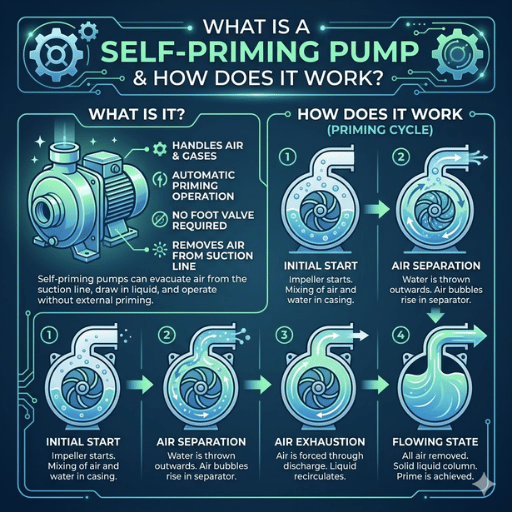 المضخة ذاتية التحضير هي مضخة طرد مركزي مُصممة لطرد الهواء من خط الشفط عند بدء التشغيل، ثم التحول تلقائيًا إلى ضخ السائل — دون مضخة تحضير خارجية أو مأخذ شفط مغمور. وتكمن الحيلة في خزان صغير مدمج في غلاف المضخة، إلى جانب مكره يمكنه أن يعمل لفترة وجيزة كمصدر تفريغ بحلقة سائلة. يغطي طراز سلسلة BBP-SP من المضخات ذاتية التحضير معظم ظروف التشغيل الصناعية.
ما هي المضخة ذاتية التحضير؟ المضخة ذاتية التحضير هي مضخة طرد مركزي تستخدم السائل المخزن في غلافها لتوليد تفريغ على جانب الشفط، فتطرد الهواء من خط الشفط إلى أن يملأ السائل النظام. بعد التحضير، تعمل كمضخة طرد مركزي عادية. ويُعاد ملء الخزان تلقائياً بين الدورات، لذلك لا يلزم التحضير اليدوي إلا عند بدء التشغيل الأول.
عملية التحضير (خطوة بخطوة)
- عند بدء التشغيل، يدور المكره داخل غلاف مضخة يحتوي مسبقاً على كمية مناسبة تقريباً من السائل لإحكام خلوصات الغلاف الحلزوني للمضخة.
- تتكون حلقة سائلة أسطوانية بمحاذاة الجدار الداخلي لغلاف المضخة. تعمل هذه الحلقة كمانع تسرب شبه محكم، بدرجة تمنع تراكم الضغط داخل طرد المضخة، وذلك لتخفيف الخليط الداخل.
- تُنقل فقاعات البخار والهواء المحتجزة في ريش المكره إلى فتحة طرد المضخة وتُطلق.
- يرتفع مستوى السائل في خط مأخذ السحب المناسب مع طرد الهواء. وعندما يؤدي الضخ إلى تكوّن تجمع من السائل داخل غلاف المضخة، يبدأ مكوّن الطرد المركزي عملية الضخ التقليدية.
- عند الإيقاف، يحافظ خط الأنابيب الصاعد على كمية كافية من السائل مقابل مجموعة الأجزاء الملامسة للسائل بالمضخة كي يتم التحضير الذاتي عند بدء التشغيل التالي.
لماذا يتفوق التحضير الذاتي على التحضير اليدوي
يتضمن التحضير اليدوي عادةً ملء الغلاف بخرطوم، وفتح صمام تنفيس، وطرد الهواء حتى يتدفق السائل باستمرار. تتجاوز المضخة ذاتية التحضير هذه العملية بعد تعبئة التشغيل الأولية. ولا يزال حد الضغط الجوي قائماً — حتى المضخة ذات الكفاءة المثالية لا تستطيع نظرياً رفع الماء لأكثر من ~33.9 ft (10.34 m) عند مستوى سطح البحر، وهو ارتفاع الضغط الساكن لغلاف جوي واحد. يحدد الفيزياء هذا الرقم لا تصميم المضخة، كما ورد اشتقاقه في دراسة لجامعة جنوب فلوريدا حول حدود رفع مضخات الشفط وفُصّل في ديناميكا الموائع للمضخات لبيرينن (Caltech). تخفض درجة الحرارة والارتفاع والاحتكاك في الموقع الحد العملي إلى نحو 25 ft.
📐 ملاحظة هندسية
إذا تجاوزت متطلبات ارتفاع الشفط لديكم 25 ft، فلا تحددوا مضخة طرد مركزي ذاتية التحضير. استخدموا مضخة غاطسة، أو مضخة نفاثة للآبار العميقة مزودة بقاذف، أو مجموعة تعزيز متعددة المراحل. لا يمكن لأي إعادة تصميم للغلاف الحلزوني تجاوز حد الضغط الجوي.
مضخة ذاتية التحضير مقابل مضخة طرد مركزي قياسية + صمام قدم: متى تتفوق كل منهما
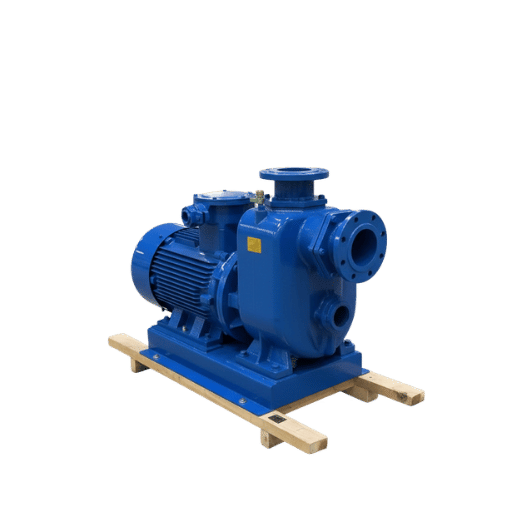 البديل الأقل تكلفة للمضخة ذاتية التحضير هو مضخة طرد مركزي قياسية مقترنة بصمام قدم عند أسفل خط الشفط. صمام القدم هو صمام عدم رجوع يحافظ على الماء في عمود الشفط عند إيقاف المضخة، بحيث يبقى الخط مهيأً لبدء التشغيل التالي. وهو يعمل — إلى أن ينسد صمام القدم أو يعلق أو يتآكل.
| المعيار | مضخة ذاتية التحضير | مضخة طرد مركزي + صمام قدم |
|---|---|---|
| التعامل مع الهواء في خط الشفط | يطرد الهواء عند كل بدء تشغيل | لا يستطيع طرد الهواء؛ يعتمد على إحكام صمام القدم |
| أقصى ارتفاع شفط | ~25 ft (حد الضغط الجوي) | ~25 ft (الفيزياء نفسها) |
| نمط العطل | يزداد خلوص حلقة التآكل بمرور السنوات | ينسد صمام القدم/يعلق؛ خلال أسابيع إلى أشهر |
| الصيانة الميدانية | وصول فوق سطح الأرض؛ لا حاجة لدخول الأماكن المحصورة | صمام القدم عند عمق الشفط — يُسحب ويُنظف ويُعاد تثبيته |
| الكفاءة الهيدروليكية | أقل بنحو ~10–20% من مضخة طرد مركزي قياسية مكافئة | أعلى، لكنها تنخفض بمعامل فقد صمام القدم |
| التكلفة الأولية | أعلى | أقل (حتى دورة استبدال صمام القدم) |
عطل صمام القدم: التكلفة الخفية
تتعطل صمامات القدم بوتيرة أعلى من المضخة نفسها. تتراكم الرواسب على المقعد، وتحشر المخلفات اللسان، ويؤدي التآكل إلى إضعاف مانع التسرب — وكل ذلك قد يجعل المضخة تفقد التحضير وتعمل جافة. تصف تقارير ميدانية من مشغلي تجفيف مواقع البناء والري أعطال صمامات القدم التي تؤدي إلى تكاليف توقف من ستة أرقام عندما تتعطل جداول البناء أو الضخ اللاحقة بينما تسحب الطواقم الصمام وتعيد تثبيته. لا تتضمن إجراءات اختبار Hydraulic Institute (ANSI/HI 7.1-7.5 وANSI/HI 14.6-2022 لقبول المضخات الديناميكية الدورانية) العمر التشغيلي لصمام القدم كقياس خاص بالمضخة، لذا ينبغي أن تضيف مقارنات التكلفة الإجمالية للملكية تكرار صيانة مجموعة الصمام بشكل منفصل.متى تظل مضخة الطرد المركزي القياسية هي الأفضل
اختاروا مضخة طرد مركزي قياسية عندما يكون المدخل أخفض من منسوب السائل (شفط مغمور)، أو عندما تكون الكفاءة عند نقطة تشغيل ثابتة أهم من سلوك بدء التشغيل، أو عندما تعمل دورة التشغيل باستمرار لأسابيع متواصلة ولا يُغلق صمام القدم أبداً. يهم فرق كفاءة قدره 10-20% في مضخة تعمل 8,000 ساعة سنوياً. أما في التشغيل المتقطع — دورات البدء/الإيقاف، والضخ خارج الشبكة، وتجفيف المواقع المتنقل — فعادةً ما يتفوق الطراز ذاتي التحضير من حيث التكلفة الإجمالية للملكية. وبالنسبة إلى سلسلة المضخات ذاتية التحضير المتكاملة رأسياً من BBP مع تقارير اختبار قابلة للتتبع التسلسلي، يستطيع الفريق الهندسي مطابقة منحنى التشغيل مع ارتفاع الشفط وارتفاع الضخ وملف الدورة الخاص بكم.مضخة ذاتية التحضير مقابل المضخة الغاطسة مقابل المضخة النفاثة: أيها يتفوق لمهمتكم؟
للتركيب فوق الماء، توجد ثلاث فئات موثوقة من المضخات: مضخة طرد مركزي ذاتية التحضير، ومضخة غاطسة، ومضخة نفاثة. يعتمد القرار على ارتفاع الشفط، وإمكانية الوصول، ومخاطر المائع، وعدد مرات بدء المضخة وإيقافها.| المعيار | ذاتية التحضير | غاطسة | مضخة نفاثة |
|---|---|---|---|
| التركيب | فوق سطح الأرض | داخل السائل | فوق سطح الأرض؛ القاذف في الأسفل |
| أقصى ارتفاع شفط عملي | ~25 ft | لا يوجد حد مادي لارتفاع الشفط (تضخ من الأسفل) | حتى 100+ ft (بئر عميقة بأنبوبين) |
| وصول الصيانة | مثبتة على السطح؛ لا حاجة لدخول الأماكن المحصورة | غالباً ما يلزم فريق دخول الأماكن المحصورة | المضخة فوق سطح الأرض؛ القاذف غير قابل للوصول |
| الموائع الخطرة (ATEX) | مناسبة بمحرك مقاوم للانفجار | يجري بعض المصنعين إيقاف إنتاج المضخات الغاطسة ATEX تدريجياً | مناسبة؛ المحرك معزول عن السائل |
| مناولة المواد الصلبة | حتى 2″ (سلسلة المياه الملوثة بالمواد الصلبة) | جيدة عموماً؛ خطر الانسداد بالمناديل غير القابلة للتحلل | ضعيفة؛ عنق القاذف صغير |
| أفضل تطبيق | تجفيف متقطع، نقل مياه الصرف الصحي، خارج الشبكة | أحواض تجميع دائمة، وحفر عميقة مغمورة | آبار عميقة، مياه شرب سكنية |
ما الفرق بين المضخات ذاتية التحضير وغير ذاتية التحضير؟
تفترض المضخة غير ذاتية التحضير — أي مضخة طرد مركزي قياسية — أن خط الشفط وجسم المضخة ممتلئان بالفعل بالسائل. وإذا دخل الهواء عند بدء التشغيل، تصبح المضخة محصورة بالهواء: يدور المكره لكن يتوقف الضخ، لعدم وجود مانع تسرب بين جانبي الشفط والطرد. تضيف المضخة ذاتية التحضير خزاناً في الغلاف ووصلة على شكل عنق الإوزة في خط الشفط، بحيث يبقى سائل كافٍ في الجسم لبدء دورة طرد الهواء. الفرق الميكانيكي صغير (حجم صب إضافي وفتحة إضافية لعنق الإوزة)، لكن الفرق التشغيلي كبير: تتحمل المضخة ذاتية التحضير خطوط الشفط الجافة عند بدء التشغيل والتعافي من انقطاع السيفون، في حين لا تستطيع المضخة غير ذاتية التحضير ذلك.متى تتفوق المضخة الغاطسة (ومتى لا تتفوق)
تتفوق المضخات الغاطسة في أحواض التجميع المغمورة بالكامل، وعندما يعتمد تبريد المحرك على السائل (الآبار العميقة)، وعند عدم توافر مساحة سطحية. لكنها تخسر في الصيانة: تُظهر المقارنات القطاعية أن المضخات الغاطسة تُستبدل أو يُعاد تأهيلها بمعدل يصل إلى 4× أكثر من المضخات ذاتية التحضير المثبتة على السطح خلال عمر تطبيقي يبلغ 20 سنة. تغطي سلسلة مضخات الصرف الصحي الغاطسة من BBP التطبيقات المغمورة بالكامل التي لا يمكن لفئة المضخات ذاتية التحضير الوصول إليها.أنواع المضخات ذاتية التحضير: الطرد المركزي والحجاب الحاجز والنفاثة وغيرها
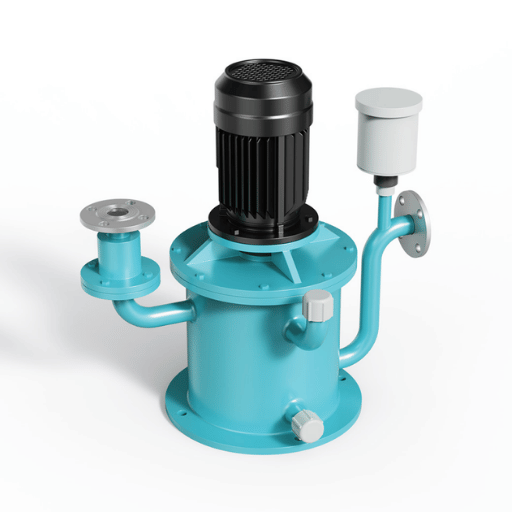 يتصور معظم المهندسين مضخة طرد مركزي ذاتية التحضير عند سماع المصطلح — لكن هذه الفئة أوسع. يوازن كل نوع بشكل مختلف بين معدل التدفق وارتفاع الضخ وتوافق المائع وتحمل التشغيل الجاف.
| النوع | معدل التدفق (GPM) | ارتفاع الضخ (ft) | أفضل مائع | ملاحظات |
|---|---|---|---|---|
| مضخة طرد مركزي ذاتية التحضير | 20–500 | 30–150 | ماء، ملاط خفيف | الأكثر شيوعاً؛ خزان + عنق الإوزة |
| مضخة ذاتية التحضير للمياه الملوثة بالمواد الصلبة | 100–800 | 20–80 | مياه الصرف الصحي، ملاط يحتوي على مواد صلبة | تمرير مواد صلبة كروية حتى 2–3″ |
| حجاب حاجز مزدوج يعمل بالهواء (AODD) | 1–150 | حتى ~150 | متآكل كيميائياً، كاشط، لزج | إزاحة موجبة؛ يعمل جافاً بأمان |
| نفاثة (بئر عميقة) | 5–25 | حتى 100+ | ماء نظيف | قاذف أسفل الماء؛ معدل تدفق منخفض |
| توربيني تجديدي | 5–100 | 100–600 | سوائل نظيفة، غازات | ارتفاع ضخ عالٍ، معدل تدفق منخفض؛ خلوصات ضيقة |
| حلقة سائلة | 10–200 | ظروف تشغيل تفريغ | هواء، غازات، مخاليط بخار | يستخدم كتفريغ مستقل أو وسيلة مساعدة للتحضير |
مضخة طرد مركزي ذاتية التحضير (الأكثر شيوعاً)
هي المضخة الصناعية القياسية متعددة الاستخدامات. يحيط الغلاف بالمكره مع خزان صغير، لذلك يتوفر لدى المضخة دائماً سائل لبدء دورة طرد الهواء. ما دام الخزان لا يتبخر أو يفرغ، تُتم المضخة التحضير الذاتي خلال 30 إلى 120 ثانية عند ارتفاع الشفط المقنّن. تتعامل مضخات الطرد المركزي ذاتية التحضير المخصصة للمياه الملوثة بالمواد الصلبة مع المياه المحملة بالمواد الصلبة من دون انسداد المكره.مضخات الحجاب الحاجز لظروف التشغيل الكيميائية أو الكاشطة
تتميز مضخات الحجاب الحاجز المزدوجة العاملة بالهواء (AODD) بخاصية التحضير الذاتي بطبيعتها، لأن حركة الحجاب الحاجز ذات الخلوص الدقيق تحكم إغلاق جسم المضخة ضد التدفق العكسي أثناء شوط الشفط. وهي تتعامل مع مواد كيميائية شديدة التفاعل (pH 1-14 مع أجزاء ملامسة للسائل من PTFE أو PVDF)، وتضخ الموائع الحساسة للقص، وتعمل جافة من دون تلف مانع التسرب — وهي مفيدة عندما يكون إمداد الشفط متقطعاً.المضخات النفاثة لمهام الآبار العميقة وارتفاع الشفط الكبير
تستخدم المضخة النفاثة مكرهًا صغيراً مع قاذف Venturi لسحب السائل من أعماق تتجاوز حد الضغط الجوي. يوجد القاذف في البئر؛ بينما يبقى المحرك والمكره فوق سطح الأرض. ومعدل التدفق متواضع — 5 إلى 25 GPM في المقاسات السكنية — لكن ارتفاع الشفط قد يتجاوز 100 ft في تهيئات الآبار العميقة ذات الأنبوبين.الأنواع التجديدية وذات الحلقة السائلة
تستخدم المضخات التوربينية التجديدية ريشاً محيطية لتوليد ارتفاع ضخ عالٍ عند معدل تدفق منخفض — وهي مفيدة لتغذية الغلايات وإرجاع المكثفات. أما مضخات الحلقة السائلة فهي مضخات تفريغ من الناحية التقنية، لكنها تعمل كمضخات ذاتية التحضير عند مناولة الموائع التي تحتوي على هواء محتبس؛ إذ تعمل الحلقة السائلة كعنصر الضخ.التطبيقات الصناعية: أين تكون المضخات ذاتية التحضير الخيار المناسب
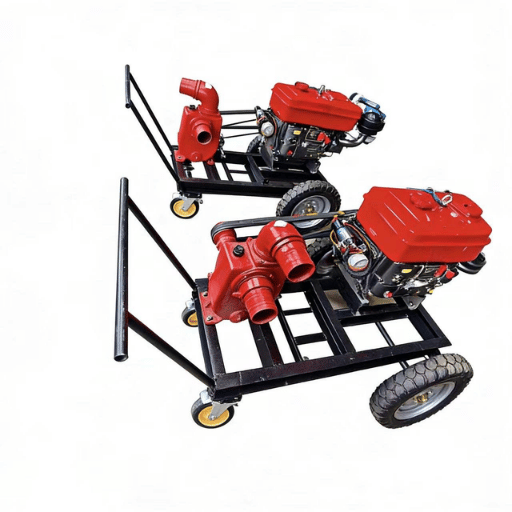 تُستخدم المضخات ذاتية التحضير حيثما يكون المدخل أعلى من منسوب السائل، أو تكون دورة التشغيل متقطعة أو غير متوقعة، أو تكون قابلية الصيانة الميدانية مهمة. وتقود خمس مجموعات من التطبيقات معظم الطلب الصناعي.
تجفيف مواقع البناء والتعدين
تعتمد حفر الخنادق، وأحواض التجميع في الحفريات، والتحكم في مياه المحاجر، وأنظمة تجفيف النقاط البئرية جميعها على مضخات ذاتية التحضير ذات أغلفة من حديد الزهر أو الحديد المرن. وتتراوح أحمال المواد الصلبة من الماء الصافي إلى الغرين الموحل. تمرر الإطارات المخصصة للمياه الملوثة بالمواد الصلبة مخلفات كروية حتى 2″ من دون انسداد. وتتولى مضخات التجريف المخصصة المهمة عندما تتجاوز المواد الصلبة ما يستطيع مكره ذاتي التحضير التعامل معه.مياه الصرف الصحي البلدية والصناعية
تستخدم محطات الرفع وفائض مياه الأمطار ونقل الحمأة واستعادة مياه الغسل مضخات صرف صحي ذاتية التحضير مزودة بألواح تآكل مقساة. يتفوق التحضير الذاتي في هذه الفئة لأن المناديل المبللة والخرق غير القابلة للتحلل التي تسد المضخات الغاطسة يمكن إزالتها من مضخة مثبتة على السطح من دون دخول الأماكن المحصورة. ولظروف تشغيل الملاط الكاشط التي تتجاوز قدرة مضخة ذاتية التحضير، تكون مضخات الملاط الأفقية ذات البطانات المقساة هي الفئة التالية.نقل المواد الكيميائية والأحماض
تستخدم أحواض التخليل وخطوط الطلاء الكهربائي وشحن المفاعلات الدفعي وحلقات العمليات الحساسة لـ pH مضخات ذاتية التحضير مبطنة بـ PTFE أو مصنوعة من الفولاذ المقاوم للصدأ 316. يبقي التركيب فوق سطح الأرض ملفات المحرك بعيداً عن المادة الكيميائية، ويتيح الخزان للمضخة تفريغ البراميل والخزانات حتى بضعة بوصات من دون فقدان التحضير. توقعوا توافقاً مع pH من 2 إلى 12 في 316 SS، ونطاق pH كاملاً مع أنواع الحجاب الحاجز PTFE.الديزل خارج الشبكة والنقل في الطوارئ
تغطي المضخات ذاتية التحضير العاملة بالديزل الري في المواقع النائية والاستجابة للحرائق ونقل الوقود والإخلاء بعد الفيضانات حيث تكون طاقة الشبكة غير متاحة أو غير موثوقة. يشير إجراء اختبار كفاءة مضخات DOE (إجراء اختبار DOE للمضخات التجارية والصناعية) إلى أساليب كفاءة HI 40.6-2021 التي تنطبق على الوحدات العاملة بالمحرك وكذلك الكهربائية.الري ونقل الوقود وأنظمة الرش
تستخدم مجموعات تعزيز الري المحوري والرشاشات في ملاعب الغولف وحقن الأسمدة الزراعية مضخات ذاتية التحضير منخفضة معدل التدفق من حديد الزهر أو البرونز. يتطلب نقل الوقود (البنزين والديزل والكيروسين) محركات مقاومة للانفجار ووصلات مؤرضة.كيفية تحضير مضخة ذاتية التحضير وبدء تشغيلها (إجراء من 5 خطوات)
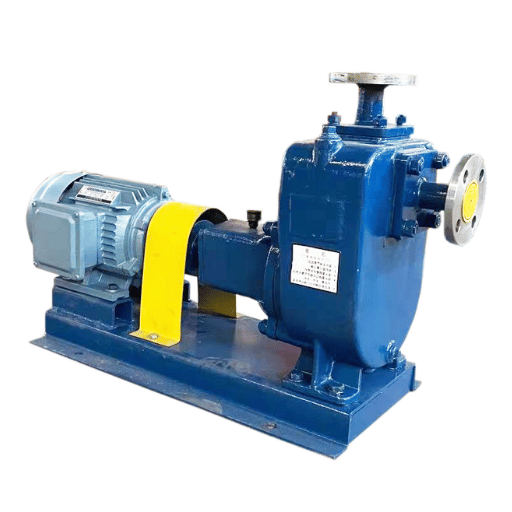 التحضير الأول بعد التركيب هو الوحيد الذي يحتاج إلى تعبئة يدوية. بعد ذلك، يحتفظ خزان الغلاف بشحنة التحضير بين مرات بدء التشغيل. تجاوزوا الخطوتين 1-2 في مرات البدء اللاحقة ما لم تُفتح المضخة أو تبقى متوقفة لأسابيع.
- افتحوا فتحة التحضير أعلى جسم المضخة واسكبوا سائلاً نظيفاً حتى يفيض. يجب أن يكون خزان الغلاف وعنق الإوزة في خط الشفط ممتلئين بالكامل.
- افتحوا صمام الطرد أو فتحة تنفيس قليلاً لتحرير أي جيب هوائي، ثم أغلقوه.
- تأكدوا من أن مصفاة الشفط غير مسدودة، وأن جميع وصلات خط الشفط محكمة الإغلاق (وصلات NPT بشريط، والشفات بحشيات سليمة)، وأنه لا يوجد أي جزء من خط الشفط أعلى من مدخل شفط المضخة.
- شغّلوا المحرك وراقبوا مقياس الطرد. ينبغي أن يرتفع الضغط خلال 30 إلى 120 ثانية بينما تطرد المضخة الهواء ويمتلئ خط الشفط بالسائل.
- ينبغي أن يستقر تدفق الطرد عند اكتمال تحضير المضخة. إذا تذبذب مقياس الضغط بعد دقيقة واحدة، فلا يزال خط الشفط يسحب الهواء — أوقفوا التشغيل وتحققوا من وجود تسربات.
💡 قاعدة التحضير خلال 60 ثانية
تُتم المضخات الصناعية ذاتية التحضير السليمة التحضير عادةً خلال 30 إلى 60 ثانية. أي مدة تتجاوز 4 دقائق تشير إلى تسرب هواء من جانب الشفط، أو شحنة تحضير غير كافية، أو حلقة تآكل للمكره متآكلة. شخّصوا المشكلة قبل ترك المضخة تعمل جافة — فالتشغيل الجاف المطول يضر مانع التسرب الميكانيكي والمحامل.
كم تستغرق المضخة ذاتية التحضير لإتمام التحضير؟
تُتم المضخات الصناعية ذاتية التحضير التحضير خلال 30 إلى 120 ثانية عند ارتفاع الشفط المقنّن، وتستغرق معظم التركيبات السليمة أقل من دقيقة. ويتناسب زمن التحضير مع ثلاثة متغيرات: حجم خط الشفط (كلما زاد طول الأنبوب زادت كمية الهواء المطلوب طردها)، وارتفاع الشفط الفعلي مقارنة بارتفاع الشفط المقنّن (كلما اقترب من الحد أصبح الطرد أبطأ)، وحالة خزان الغلاف (الخزان المفرغ جزئياً يطيل زمن التحضير أو يمنعه تماماً). عند تجاوز 4 دقائق، أوقفوا المضخة وافحصوها — فالتشغيل الجاف المطول يسمح بتبخر سائل الغلاف ويضر المحامل، لأن السائل المضخوخ يوفر عادةً التبريد والتزييت.أخطاء شائعة في التحضير للمرة الأولى
تظهر ثلاثة أخطاء مراراً عند التشغيل الأول: (1) تمرير خط الشفط أعلى من مدخل شفط المضخة، مما ينشئ جيباً هوائياً يقطع التحضير دورياً؛ (2) عدم إحكام ربط وصلات NPT في جانب الشفط، إذ يسحب التفريغ الهواء عبر أي فجوة لولبية قد تخفيها وصلات جانب الضغط؛ (3) بدء تشغيل المضخة قبل استكمال تعبئة الغلاف، فيبقى المكره من دون سائل كافٍ لإحكام الغلاف الحلزوني. يمنع شريط لولبي PTFE على كل وصلة NPT وعزم شد معاير على براغي الشفة المشكلة الثانية.المشكلات الشائعة وكيفية تشخيص سبب عدم إتمام التحضير
تتعطل المضخة ذاتية التحضير التي لا تُتم التحضير بأحد أربعة أشكال متوقعة: تسرب هواء، أو مرشح متسخ أو مصفاة شفط ملوثة، أو حلقة تآكل أو مكره متآكل، أو غلاف فارغ. يهم ترتيب التشخيص — إذ إن البدء من النقطة الخاطئة يهدر ساعات.
شجرة قرارات التشخيص
- هل تُتم المضخة التحضير بشكل ضعيف لكنها تبقى مهيأة؟ المرشح متسخ / مصفاة الشفط ملوثة. نظفوها وأعيدوا الاختبار. (معلومة ميدانية: المضخات التي تفقد الضغط أساساً بدلاً من إعادة دورة التحضير يكون لديها عادةً مشكلة تقييد في التدفق، لا مشكلة في جانب التفريغ.)
- هل تتناوب المضخة بين الحالة المهيأة وغير المهيأة (سلوك السيفون والانقطاع)؟ يوجد تسرب هواء من جانب الشفط. اختبروا خط الشفط بالضغط باستخدام جهاز اختبار تفريغ أو املؤوه وهو قائم وراقبوا القطرات. توجد معظم التسربات في وصلات NPT، أو شفة توصيل المضخة بالأنبوب، أو صمام عدم رجوع عالق.
- هل يوجد صمام قدم في خط الشفط؟ اسحبوا صمام القدم وضعوه على الأرض واملؤوه بالماء وراقبوا معدل التصريف. التصريف السريع = مقعد تالف. استبدلوا صمام القدم قبل إعادة تركيبه.
- هل استُبدلت الأنابيب وما زال التحضير يفشل؟ يقع العطل بعد الأنابيب. افحصوا خلوص حلقة تآكل المضخة، وتحققوا من خلو المكره من المخلفات، وتأكدوا من أن صمام عدم الرجوع في خط الطرد غير عالق في وضع الإغلاق.
- هل بقيت المضخة متوقفة لأسابيع؟ لقد تبخر سائل الغلاف. أعيدوا ملء المضخة وفق الخطوة 1 من إجراء التحضير وأعيدوا الاختبار.
“إذا كان تركيبكم أعلى من منسوب الماء، فينبغي أن يكون لديكم صمام عدم رجوع قبل المضخة، وربما صمام Jandy أيضاً. والسبب الأكثر شيوعاً الذي نراه هو سحب الهواء عبر الحلقة الدائرية لغطاء المضخة أو كوع الوصلة المتشقق في جانب الشفط.” — فني صيانة مضخات، نقاش مجتمع Reddit r/pools
ما عيوب المضخات ذاتية التحضير؟
تستبدل مضخات الطرد المركزي ذاتية التحضير الكفاءة والمساحة والتكلفة الأولية بميزة طرد الهواء التلقائي. وتحديداً: تجعل خلوصات الغلاف الحلزوني الأكبر اللازمة لتكوين الحلقة السائلة هذه المضخات أقل كفاءة بنحو 10 إلى 20 بالمئة من مضخة طرد مركزي قياسية مكافئة تضخ عند نقطة تشغيل مماثلة. ويضيف خزان الغلاف حجماً مادياً يحد من التركيب في ترتيبات القواعد المدمجة. ويكون سعر الشراء الأولي أعلى بسبب حجم الصب الإضافي وأنابيب عنق الإوزة. كما توجد عملية صيانة لا تحتاجها المضخات القياسية، وهي التحقق من امتلاء خزان الغلاف بعد فترات عدم التشغيل، لأن التبخر يعطل التحضير الذاتي لاحقاً. لا تستبعد أي من هذه المفاضلات المضخات ذاتية التحضير، لكن ينبغي ألا يحددها المهندسون عند توافر شفط مغمور.تسربات الهواء: السبب رقم 1 لفشل التحضير
يعمل جانب الشفط في المضخة ذاتية التحضير عند ضغط أقل من الضغط الجوي. أي مسار تسرّب لا يمرر الماء تحت ضغط موجب سيمرر الهواء تحت التفريغ. تتسبب تسرّبات جانب الضغط في تقاطر الماء؛ أما تسرّبات جانب الشفط فتُصدر صفيراً (يُسمع أحياناً وغالباً لا يُسمع). تشخيص ميداني: أوقف المضخة، واملأ خط الشفط حتى يبقى ممتلئاً، ثم راقب انخفاض المنسوب. الخط الذي يفرغ خلال دقائق به تسرّب. يؤكد سلوك التحضير ودورات التشغيل على مقياس ضغط الطرد التشخيص.أضرار التشغيل الجاف وكيفية منعها
يمكن للمضخات ذاتية التحضير أن تعمل جافة لفترة وجيزة أثناء دورة التحضير دون ضرر، لكن التشغيل الجاف الممتد يتلف مانع التسرب الميكانيكي خلال دقائق. يوفر السائل المضخوخ تزييت المحامل وتبريد أسطح مانع التسرب — ومن دونه ترتفع حرارة أسطح مانع التسرب وتتشوه، ويتحلل مزيّت المحمل، وتحك حلقة تآكل المكره غلاف المضخة فتُخدشه. إذا لم تنجح المضخة في إتمام التحضير خلال 4 إلى 5 دقائق، فأوقفها. يمكن لـ فريق الخدمة لدى BBP مراجعة سجلات التحضير والتوصية بالسبب الجذري قبل أن تتحول مشكلة تحضير صغيرة إلى استبدال مانع التسرب.كيفية اختيار المضخة ذاتية التحضير المناسبة: قائمة التحقق للاختيار
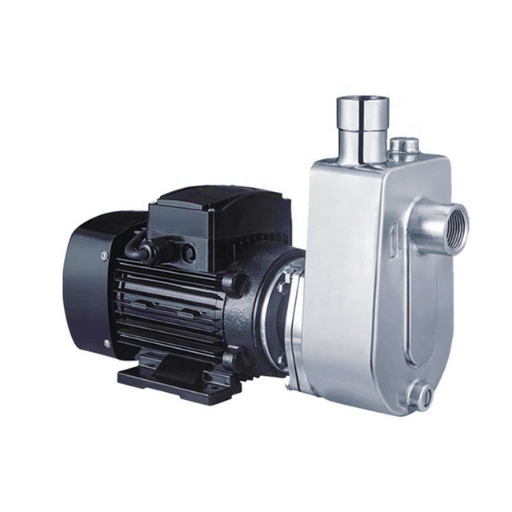 يتطلب طلب عرض السعر الكامل ثماني مواصفات. يؤدي إرسال طلب عرض سعر RFQ غير مكتمل إلى مضاعفة وقت المراسلات المتبادلة وينطوي على خطر الحصول على مضخة غير مناسبة.
- ✔معدل التدفق المطلوب بوحدة GPM عند نقطة التشغيل (ذروة الطلب، وليس المتوسط)
- ✔الارتفاع الديناميكي الكلي (TDH) بالقدم، شاملاً ارتفاع الشفط الساكن وفقد الاحتكاك وأي تعزيز للضغط مطلوب عند الطرد
- ✔ارتفاع الشفط من أدنى منسوب سائل متوقع إلى خط مركز المضخة (تحقق من بقائه أقل من 25 ft)
- ✔خصائص المائع — التركيب الكيميائي ودرجة الحرارة وحجم المواد الصلبة وتركيزها واللزوجة وضغط البخار
- ✔مادة التصنيع — حديد الزهر، أو 316 SS، أو البرونز، أو مواد خاصة (انظر المصفوفة أدناه)
- ✔نوع المشغل — كهربائي (مع الجهد والطور)، أو محرك ديزل، أو هيدروليكي، أو PTO
- ✔مقاسات الوصلات — NPT، أو شفة ANSI، أو DIN، مع مقاس الخط بالبوصة
- ✔دورة التشغيل — التشغيل المستمر أو المتقطع أو ظروف التشغيل الطارئة تحدد اختيار المحمل ومانع التسرب
تحديد حجم المضخة: GPM وTDH وارتفاع الشفط
نقطة التشغيل هي تقاطع GPM المطلوب وTDH المطلوب على منحنى المضخة. سيقدم برنامج اختيار المضخات من المصنع، أو حاسبة تحديد الحجم مثل حاسبة BBP لتحديد حجم محطات الرفع، الطراز الذي يحقق نقطة التشغيل عند أعلى كفاءة. انتبه إلى فخين: تحديد حجم أقل من اللازم بالنسبة إلى TDH (فتعمل المضخة إلى اليمين أكثر على المنحنى، وتنخفض كفاءتها، ويُحمَّل المحرك فوق طاقته) وتحديد حجم أقل من اللازم لقدرة مناولة المواد الصلبة (فينسد المكره).اختيار المواد حسب المائع (مصفوفة القرار)
| المائع | المادة الموصى بها |
|---|---|
| ماء نظيف، pH 6-9 | حديد الزهر |
| مياه الصرف الصحي، الملاط، مواد كاشطة | حديد الزهر مع صفيحة تآكل مقساة أو حديد زهر مطاوع |
| مياه مالحة، مياه شروب | برونز أو فولاذ مقاوم للصدأ 316 |
| أحماض، pH 2-12 | فولاذ مقاوم للصدأ 316 |
| أحماض قوية، نطاق pH كامل | مبطن بـ PTFE أو PVDF (نوع الغشاء) |
| هيدروكربونات، وقود | حديد الزهر مع محرك مقاوم للانفجار؛ وصلات موصلة كهربائياً |
توقعات المضخات ذاتية التحضير: اتجاهات السوق والتكنولوجيا لعامي 2025-2026
تعيد ثلاث قوى تشكيل سوق المضخات ذاتية التحضير حتى 2026 وما بعده: نمو السوق، وتكامل التكنولوجيا، وبيئة تنظيمية متغيرة. مسار السوق. يتوقع محللون مستقلون نمو سوق مضخات الطرد المركزي ذاتية التحضير من نحو $36.6 billion في 2025 إلى ما يقارب $52 billion بحلول 2031، بمعدل نمو سنوي مركب يتراوح بين 5 و5.3 percent لدى عدة شركات أبحاث. ويعد تجفيف المواقع الصناعية، وتحديثات مياه الصرف الصحي البلدية، والمعالجة الكيميائية أكبر محركات الطلب. التحول التنظيمي — القصة غير المتوقعة. لا يزال برنامج كفاءة المضخات التابع لوزارة الطاقة الأمريكية للمضخات المخصصة للمياه النظيفة قائماً — انظر بوابة معايير وإجراءات اختبار DOE — لكن المشهد التنظيمي الأوسع تغير في 2025. ألغت مذكرة للبيت الأبيض في مايو 2025 عدة معايير لكفاءة ضغط المياه، وأصدرت وزارة الطاقة قاعدة نهائية في 9 سبتمبر 2025 تنقح نماذج معدات المنتجات. ينبغي للمهندسين الذين يخططون لمشتريات رأسمالية متعددة السنوات التحقق من متطلبات الكفاءة التي لا تزال تنطبق على تطبيقهم المحدد قبل اعتماد المواصفات نهائياً. تطور التكنولوجيا. تعمل ديناميكيات الموائع الحسابية على تحسين تصميمات المكره وغلاف المضخة. وتوضح أبحاث حديثة خاضعة لمراجعة الأقران، منها دراسة لعام 2025 مفهرسة في NIH PMC عن تأثيرات ارتفاع التركيب في أداء المضخات ذاتية التحضير ودراسة لعام 2025 عن أساليب تحديد الدوامات في أبحاث المضخات، كيف يمكن نمذجة مزج الغاز والسائل خلال مرحلة التحضير لتقصير زمن التحضير وتقليل مخاطر التشغيل الجاف. بدأت المراقبة المدعمة بإنترنت الأشياء IoT (مستشعرات الاهتزاز، ومفاتيح كشف التحضير، والقياس عن بُعد لضغط الشفط) بالظهور في مقاسات الإطارات الصناعية الفاخرة، لكنها ليست بعد معدات قياسية في معظم الوحدات متوسطة الفئة.
📐 ملاحظة هندسية
إذا كنتم تحددون حجم مضخة للكفاءة ضمن إنفاق لعام 2026، فاطلبوا من المصنع إدراج مدى امتثالها لـ ANSI/HI 14.6-2022، وحددوا ما إذا كانت الوحدة تتوافق مع إجراء اختبار المضخات ANSI/HI الساري حالياً. قد تتفاجؤون بمدى تغير أسس الامتثال خلال 18 شهراً.
الأسئلة الشائعة
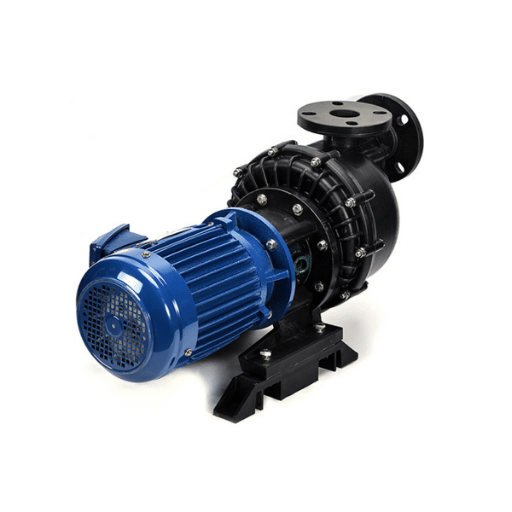
س: هل تحتاج إلى تحضير مضخة ذاتية التحضير في كل مرة؟
عرض الإجابة
لا. يلزم التحضير اليدوي فقط عند التشغيل الأول، أو بعد أعمال الصيانة التي تتطلب فتح غلاف المضخة، أو بعد بقاء المضخة متوقفة مدة كافية لتبخر السائل من الخزان. أما عمليات التشغيل الاعتيادية فتتم تلقائياً.
س: ما أقصى ارتفاع شفط لمضخة ذاتية التحضير؟
عرض الإجابة
يبلغ الحد النظري الأقصى عند ضخ ماء بارد على مستوى سطح البحر نحو 33.9 ft (10.34 m)، ويحدده الضغط الجوي. ينخفض الحد العملي إلى نحو 25 ft (7.6 m) عند احتساب فواقد الاحتكاك في خط الشفط ودرجة حرارة المائع والارتفاع عن سطح البحر وكفاءة المضخة. فوق 25 ft، انتقل إلى مضخة نفاثة للآبار العميقة، أو مضخة غاطسة، أو مجموعة تعزيز ضغط متعددة المراحل.
س: هل يمكن للمضخة ذاتية التحضير أن تعمل جافة؟
عرض الإجابة
نعم، لفترة وجيزة — فتلك هي مرحلة التحضير. لكن التشغيل الجاف الممتد يضر بمانع التسرب الميكانيكي خلال دقائق. يزيت السائل المضخوخ أسطح مانع التسرب والمحامل؛ ومن دونه ترتفع حرارة أسطح مانع التسرب وتتشوه. إذا لم تنجح المضخة في إتمام التحضير خلال 4 إلى 5 دقائق، فأوقفها وشخّص المشكلة قبل إعادة التشغيل. تتحمل بعض المضخات ذاتية التحضير من نوع الغشاء تشغيلًا جافاً أطول، لكن الأنواع الطاردة مركزياً لا تتحمله.
س: ما المضخة الأوتوماتيكية ذاتية التحضير؟
عرض الإجابة
تنتمي إلى الفئة نفسها التي تنتمي إليها المضخة ذاتية التحضير. تؤكد تسمية «أوتوماتيكية» عادةً أن دورة التحضير لا تتطلب تدخلاً من المشغل بعد تعبئة التشغيل الأول. ويتولى خزان غلاف المضخة كل عملية تشغيل لاحقة دون عمليات صمام يدوية.
س: هل تستطيع المضخات ذاتية التحضير مناولة المواد الصلبة؟
عرض الإجابة
تمرر المضخات ذاتية التحضير من طراز مضخات المياه الملوثة بالمواد الصلبة شوائب كروية يصل قطرها إلى 2 إلى 3 inch، وهو مناسب لمعظم تطبيقات مياه الصرف الصحي والتجفيف ومياه الأمطار. تقتصر مقاسات إطارات المياه النظيفة على جسيمات أصغر. ولتشغيل الملاط المستمر عالي المحتوى من المواد الصلبة، تتفوق مضخة الملاط الأفقية المخصصة ذات البطانات المقساة على مضخة المياه الملوثة بالمواد الصلبة ذاتية التحضير من حيث العمر التشغيلي للتآكل.
س: هل تحتاج المضخة ذاتية التحضير إلى صمام قدم؟
عرض الإجابة
لا. تتمثل الغاية الأساسية من المضخة ذاتية التحضير في إخلاء الهواء من خط الشفط عند بدء التشغيل، مما يلغي الحاجة إلى صمام قدم للاحتفاظ بالتحضير. إن إضافة صمام قدم إلى تركيب ذاتي التحضير تعيد نمط العطل ذاته (انسداد صمام القدم أو انحشار اللسان) الذي حُددت المضخة لتجنبه. الاستثناء: قد تستفيد خطوط الشفط الطويلة جداً التي تتجاوز قدرة خزان غلاف المضخة على إخلاء الهواء من صمام فحص أحادي الاتجاه في منتصف الخط، لكن ذلك يعتمد على تحديد الحجم وينبغي التحقق منه مع مهندس التطبيقات لدى المصنع.
هل أنتم مستعدون لتحديد مواصفة مضخة ذاتية التحضير لتطبيقكم؟
أرسلوا قائمة التحقق أعلاه ذات البنود الثمانية لطلب عرض السعر RFQ، وسيقدم فريق BBP الهندسي طرازاً مطابقاً مع منحنى أداء لنقطة التشغيل قابل للتتبع إلى الرقم التسلسلي للوحدة — دون تخمينات من صفحات الكتالوج.
اطلب عرض سعر مطابقاً لمعدل التدفق →عن هذا الدليل الهندسي
تستند معايير الاختيار ونطاقات زمن التحضير (30-120 seconds) ومصفوفة المواد بحسب المائع الواردة في هذا الدليل إلى بيانات إنتاج BBP لعامي 2024-2025 عن سلاسل المضخات ذاتية التحضير BBP-SP وBBP-ST للمياه الملوثة بالمواد الصلبة وBBP-SC الكيميائية، وتم التحقق منها بالمقارنة مع قبول اختبارات المضخات الديناميكية الدوارة ANSI/HI 14.6-2022، وإجراء اختبار مضخات وزارة الطاقة الأمريكية الذي يشير إلى HI 40.6-2021، والأبحاث الحالية الخاضعة لمراجعة الأقران حول هيدروديناميكا مكره المضخات ذاتية التحضير المفهرسة في NIH PMC. أُدرجت الأرقام المرجعية من تحليلات السوق التابعة لأطراف ثالثة ضمن النص.
المراجع والمصادر
- تقييم حد رفع المياه لمضخة شفط تعمل يدوياً – جامعة جنوب فلوريدا (تامبا)
- هيدروديناميكا المضخات – Christopher Earls Brennen، معهد كاليفورنيا للتقنية
- محاكاة عددية لتأثير ارتفاع التركيب في أداء المضخات ذاتية التحضير – NIH PubMed Central
- تطبيقات أساليب مختلفة لتحديد الدوامات في أبحاث المضخات – NIH PubMed Central، 2025
- إجراء اختبار المضخات التجارية والصناعية – وزارة الطاقة الأمريكية
- معايير وإجراءات اختبار DOE – وزارة الطاقة الأمريكية
- ANSI/HI 14.6-2022: اختبارات قبول المضخات الديناميكية الدوارة – المعهد الوطني الأمريكي للمعايير / Hydraulic Institute
- ANSI/HI 7.1-7.5 (جدول المحتويات) – Hydraulic Institute
مقالات ذات صلة
- مضخة مياه ملوثة بالمواد الصلبة للخدمة الشاقة للإنشاءات والصرف الصحي – مقاسات BBP لتجفيف مواقع الإنشاءات مع مرور مواد صلبة بحجم 2″
- سلسلة مضخات الصرف الصحي الغاطسة – عند الحاجة إلى تركيب غاطس بالكامل
- مضخة تجريف لمحتوى عالٍ من المواد الصلبة – لتشغيل الرمل والملاط خارج نطاق التحضير الذاتي
- مضخة ملاط أفقية للأوساط شديدة الكشط – خيارات بطانات مقساة للتعدين والملاط المعالَج
- حاسبة تحديد حجم محطات الرفع – مطابقة نقطة التشغيل لتطبيقات مياه الصرف الصحي