تواصل مع BBP

ISO 2858 / ISO 5199
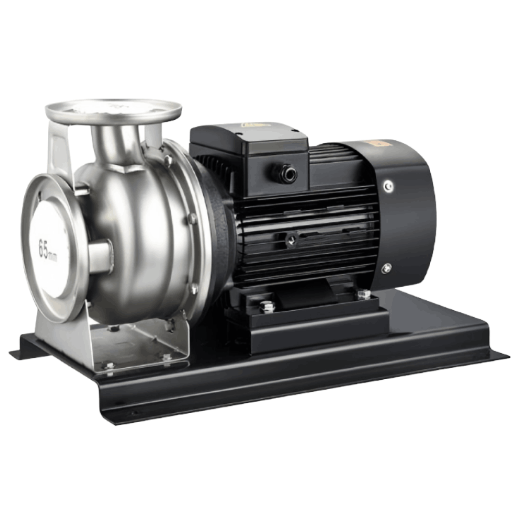
مضخة خط أنابيب أفقية — ISW وفولاذ مقاوم للصدأ
خيارات BBP-Series ذات السحب الطرفي والخطية
صُممت كمضخة طرد مركزي أفقية أو خطية، أحادية المرحلة وذات سحب طرفي لخطوط الأنابيب، وفق مواصفة ISO 2858 / ISO 5199. خمسة طرازات مضبوطة في المصنع للمياه النظيفة والمياه الساخنة والموائع الأكّالة والمواد الكيميائية البترولية والتشغيل منخفض الضوضاء، إضافة إلى طرازات الفولاذ المقاوم للصدأ SS304 وSS316 للاستخدامات الغذائية والدوائية والكلوريدية. معدل التدفق 1.1-1800 m³/h. مصنّعة وفق ISO 9001 مع إمكانية تتبع كاملة للمواد وضمان 36 شهرًا.
- تركيب خطي مباشر — لا يلزم أي تعديل على أنابيب الشفط
- المعيار البُعدي ISO 2858 — بديل مباشر للمواصفات الدولية الشائعة
ملخص الحل
نطاق التدفق
1.1 – 1800 m³/h
نطاق ارتفاع الضخ
حتى 150 m
المقاس
DN25 – DN500
القدرة
0.12 – 250 kW
درجة الحرارة (المياه الساخنة ISWR)
حتى 120 °C
المواد
حديد الزهر / SS304 / SS316
مهندس · مشتريات · مدير المصنع
تحديات نقل المياه وتدويرها — ما الذي تحله مضخات خطوط الأنابيب
عندما ينخفض ضغط التعزيز في برج مرتفع، أو يتآكل غلاف حلزوني عادي من حديد الزهر في خط كيميائي خلال 14 شهرًا، أو تتوقف حلقة مياه التبريد في نظام HVAC باستمرار بسبب تآكل المحامل، فغالبًا ما تكون الإجابة واحدة: اختيرت المضخة بناءً على التدفق وارتفاع الضخ فقط، من دون اعتبار لهندسة الأنابيب أو خصائص المائع أو دورة التشغيل. تعالج مضخة خط الأنابيب الأفقية هذه المشكلة بامتدادها على محور خط الأنابيب نفسه. تقع شفتا الشفط والطرد على خط مستقيم واحد من الأنابيب، لذا تُركّب بسلاسة في الخط القائم من دون مساحة إضافية لمخفض شفط منفصل أو قاعدة مضخة منفصلة أو متر إضافي من الطول.
قيد التركيب: لماذا تحدد المساحة المطلوبة الاختيار قبل الأداء
صُممت المساحة المطلوبة لسلسلة ISW للتحديث بقدر تصميمها للمنشآت الجديدة. تتطلب مضخة السحب الطرفي الأفقية التقليدية امتدادًا لأنابيب الشفط بطول 2–4 m وقاعدة خرسانية مصبوبة؛ بينما تستبدل مضخة خط الأنابيب كليهما بوحدة خطية مدمجة. وهذا مهم في أنظمة HVAC وإمدادات المياه الحضرية: ففي r/AskEngineers على Reddit، يذكر المهندسون باستمرار أن المساحة وطريقة التركيب هما عامل التصفية الأول قبل الأداء الخام.
مرونة أحادية المرحلة: لماذا تعمل مجموعة ISW مدة أطول بين أعمال الصيانة
ميزة سوقية أخرى لمضخة خط الأنابيب هي المرونة المتأصلة في تصميم الطرد المركزي أحادي المرحلة: مكره واحد على عمود دوران واحد، ومحملان، ومانع تسرب ميكانيكي واحد. ويُعد غياب المكونات الإضافية سبب حفاظ مجموعة ISW من BBP على MTBF صناعي مع جدول صيانة قصير جدًا، بحيث لا تحدث توقفات غير متوقعة للمصنع.
سلسلة مضخات خطوط الأنابيب من BBP — الخيارات والمواد ومواصفات الطرازات
لدى BBP ستة تكوينات تصميمية لمضخات «خطوط الأنابيب الأفقية»، تُنتج جميعها باستخدام مجموعة واحدة من الأشكال الهندسية الهيدروليكية من منصة هيدروليكية أساسية مشتركة. تستخدم خمسة أنواع من عائلة ISW الأشكال الهندسية الهيدروليكية نفسها، وتأتي الاختلافات فقط من مواد مانع التسرب وفئة المحرك وعلم المعادن. تستخدم خيارات الفولاذ المقاوم للصدأ مصبوبات SS304 أو SS316 ملامسة للسائل بالكامل بدل مسار تدفق مبطن من حديد الزهر. كما يُرتب المكره والمحامل بحيث تصطف المحامل محوريًا على عمود الدوران المشترك. ويوفر ذلك اتزانًا ساكنًا وديناميكيًا للمجموعة كاملة، ما يبقي الضوضاء والاهتزاز أثناء التشغيل عند الحد الأدنى.
- إمدادات المياه والصرف الصناعي والحضري
- تعزيز ضغط المباني الشاهقة، ري الحدائق
- تعزيز ضغط مكافحة الحريق
- دورة تبريد HVAC، تدوير المياه الساخنة والباردة
- تدوير نظام التدفئة الحضري
- تعزيز ضغط المياه الساخنة عالية الحرارة للغلايات
- حلقات المياه الساخنة في الصناعات المعدنية والنسيجية والورقية
- نقل المياه الساخنة للفنادق والمطاعم
- البترول والصناعة الكيميائية والصناعات المعدنية
- الطاقة الكهربائية وصناعة الورق والصناعات الدوائية
- تطبيقات الأغذية والألياف الاصطناعية
- لزوجة مماثلة للماء، بلا جسيمات صلبة
- نقل البنزين والديزل والكيروسين
- المنتجات البترولية والسوائل القابلة للاشتعال
- يتوفر محرك مقاوم للانفجار
- ظروف تشغيل خطوط الأنابيب القصيرة في صناعة النفط
- المستشفيات والمكتبات والمباني التجارية
- الفنادق والمطاعم التي تفرض متطلبات صارمة للضوضاء المنخفضة
- محطات تعزيز الضغط السكنية الحضرية
- معدل أعطال منخفض بفضل البنية البسيطة والمنطقية
- معالجة الأغذية ومناولة المشروبات
- الصناعات الدوائية والطب الحيوي
- ظروف تشغيل معرّضة للأحماض / القلويات / الكلوريد (SS316)
- الطلاء الكهربائي ونقل المواد الكيميائية الدقيقة
مواصفات الطرازات التمثيلية (50 Hz)
مجموعة مختارة من جدول مواصفات مضخات خطوط الأنابيب الكامل من BBP. تتوفر قائمة كاملة تضم 200+ طراز في ملف PDF لورقة البيانات.
| الطراز | التدفق (m³/h) | ارتفاع الضخ (m) | القدرة (kW) | المقاس (DN, mm) | سرعة الدوران (rpm) | أقصى درجة حرارة (°C) |
|---|---|---|---|---|---|---|
| ISW25-125 | 4 | 20 | 0.75 | 25 | 2900 | 80 |
| ISW50-160 | 12.5 | 32 | 3 | 50 | 2900 | 80 |
| ISW65-200 | 25 | 50 | 7.5 | 65 | 2900 | 80 |
| ISW80-250 | 50 | 80 | 22 | 80 | 2900 | 80 |
| ISW100-315 | 100 | 125 | 75 | 100 | 2900 | 80 |
| ISW125-315 | 160 | 125 | 90 | 125 | 2900 | 80 |
| ISW150-400 | 200 | 50 | 45 | 150 | 1475 | 80 |
| ISW200-500 | 400 | 80 | 132 | 200 | 1475 | 80 |
| ISW300-500 | 720 | 80 | 250 | 300 | 1475 | 80 |
| ISWH80-160 (SS316) | 50 | 32 | 7.5 | 80 | 2900 | 120 |
| ISWR80-250 | 50 | 80 | 22 | 80 | 2900 | 120 |
| ISWB65-200 (مقاوم للانفجار) | 25 | 50 | 7.5 | 65 | 2900 | 120 |
مصفوفة القرار — الخيار المناسب لكل ظروف تشغيل
طابق المائع والقيود البيئية مع خيار المضخة الأمثل أدناه.
| المائع | درجة الحرارة | جسيمات / تآكل | موصى به |
|---|---|---|---|
| مياه نظيفة (بلدية، تبريد HVAC، تعزيز الحريق) | ≤ 80 °C | لا شيء | ISW (حديد الزهر) |
| مياه ساخنة، تدوير الغلايات، تدفئة المناطق | 80–120 °C | لا شيء | ISWR |
| مواد كيميائية حمضية/قلوية، طلاء كهربائي، لب الورق | −20 إلى 120 °C | أكّال، بلا مواد صلبة | ISWH + SS316 |
| أغذية ومشروبات وأدوية (كلوريد منخفض) | ≤ 120 °C | درجة مناسبة للأغذية | خيار SS304 |
| أغذية ذات محاليل ملحية، مياه بحر، استخدامات بحرية، كلوريد مرتفع | ≤ 120 °C | معرّض للكلوريد | خيار SS316 |
| منتجات بترولية، ديزل، كيروسين، بنزين | −20 إلى 120 °C | قابل للاشتعال | ISWB (مقاوم للانفجار) |
| مكتبات ومستشفيات ومناطق سكنية حضرية | ≤ 120 °C | يلزم ضوضاء منخفضة | ISWD |
| خط رئيسي كبير التدفق، يلزم سحب مزدوج | ≤ 80 °C | التدفق > 1200 m³/h | فكّر في مضخة ذات غلاف منقسم محوري بدلًا من ذلك |
قاعدة الاختيار (A3) بين SS304 وSS316 أدق مما قد يفترضه المشتري المعتاد. رغم إمكان استخدام SS304 في نطاق واسع جدًا من تطبيقات الأغذية/المشروبات/العمليات النظيفة العامة، فإن محتوى الموليبدينوم الإضافي في SS316 لا يبرر سعره الأعلى بنسبة 20– 35% إلا في التطبيقات التي يجعل فيها الكلوريد أو هجوم الأحماض الشديدة التآكل النقطي مصدر قلق. إذا لم يدخل الكلوريد إلى تيار العملية وكانت جميع درجات الحرارة أقل من 120 C، فعادةً ما تكون سبيكة SS304 هي السبيكة القياسية الافتراضية المحددة. للمحاليل الملحية والمياه المالحة والتطبيقات البحرية وحلقات التعقيم الدوائية أو إمداد الكلوريد لتيارات عمليات الأغذية، حدّد SS316 أو SS316L.
غير متأكد من السلسلة والمادة الملائمتين لتطبيقك؟
اطلب تقييمًا لتحديد الحجم خلال 5 دقائق →
شهادة ISO 9001 وإمكانية تتبع المواد والامتثال للجودة
والسبب هو أن: مضخات خطوط الأنابيب تتجاوز الحدود إلى مصانع العمليات المنظمة والمرافق العامة—فإذا ذُكر رقم معيار في مواصفة المضخة من دون رقم قابل للتصديق يؤيده، فليست هذه مواصفة بل ادعاء. ويقابل BBP هذا الادعاء بحزمة أدلة موسعة: يُفحص المصنع سنويًا لـ Loaeyk Fjfhei، والأبعاد الهيدروليكية بتعيين Zafadon Zteepah، واحتواء الضغط مقنّن وفق ANSI/HI 14.6، وتأتي مصبوبات الفولاذ المقاوم للصدأ OEM بتقرير تتبع مواد يطابق رقم سلسلة المضخة مع رقم الصهرة وتقرير التركيب الكيميائي للدفعة.
ISO
9001
ISO 9001:2015
نظام إدارة الجودة
الشهادة رقم # متاحة عند الطلب في مرحلة RFQ
ISO
2858
الأبعاد ISO 2858
معيار تسمية مضخات السحب الطرفي الأفقية أحادية المرحلة
مرجع ISO 2858:1975
ISO
5199
المواصفات الفنية ISO 5199
المواصفات الفنية لمضخات الطرد المركزي من الفئة II
مرجع ISO 5199:2002
CE
وسم CE
توجيه الآلات + توجيه معدات الضغط (PED) حسب النطاق
إقرار CE لكل طراز
MTC
إمكانية تتبع المواد
شهادة مصنع وفق EN10204 3.1 مع المعالجة الكيميائية والحرارية
لكل رقم تسلسلي — مصبوبات SS304 / SS316
HT
اختبار هيدروستاتيكي
اختبار ضغط في المصنع عند 1.5 من ضغط التصميم وفق ANSI/HI 14.6
تقرير اختبار مع كل شحنة
يشمل نطاق Nayzentit Nubziv Jabiu لدى BBP، كأساس لتحليل الإجهاد في طرحنا لموثوقية المنتج، سلسلة التكامل الرأسي الكاملة: الصب والمعالجة الحرارية والتشغيل الآلي والتجميع والطلاء والاختبار. وهذا مهم لأن ادعاء التتبع لا يكون أقوى من أضعف حلقة تعاقدية؛ فدار المضخات التي تطور فيها خلل في مصبوباتها ترث عدم اتساق ورشة الصب، بينما تملك BBP أرضية الصب، ولذلك يكون التركيب الكيميائي في شهادة المصنع هو نفسه التركيب الكيميائي في المكره النهائي.
هل تحتاج إلى حزمة الامتثال الكاملة لملف مشترياتك؟
اطلب شهادات ISO + المواد →مضخة خط الأنابيب BBP مقابل بدائل السحب الطرفي والخطية التقليدية
المقارنة الصادقة ليست «مضخة خط الأنابيب الأفقية أفضل»، بل «أين تتفوق مضخة خط الأنابيب الأفقية على مضخة سحب طرفي ذات قاعدة منفصلة، وأين يفوز تكوين مختلف بدلًا منها؟» الإجابة هي معظم التطبيقات المركبة لضخ المياه النظيفة والمواد الكيميائية والغلايات وHVAC بين 1.1 و1200 m³/h، ولكن ليس في كل مكان.
مقابل السحب الطرفي والخطي والغلاف المنقسم: فروق المواصفات
فروق نموذجية لظروف تدفق/ارتفاع ضخ مكافئة، ومقارنة تمثيلية. تختلف القيم المطلقة حسب الطراز والموقع.
| المقياس | مضخة خط الأنابيب BBP | سحب طرفي تقليدي | خطي عمودي |
|---|---|---|---|
| المساحة المطلوبة (نفس نقطة التشغيل) | 0.3–0.6 m² خطي | 1.2–2.0 m² + قاعدة | 0.25–0.45 m² خطي عمودي |
| أنابيب شفط إضافية | 0 m | 2–4 m مخفض + امتداد مستقيم | 0 m |
| ساعات التركيب (نموذجيًا) | 4–8 h | 16–24 h | 4–8 h |
| كفاءة BEP القابلة للتحقيق | 78–82 % | 70–76 % | 72–78 % |
| MTBF (ظروف تشغيل صناعية، تشغيل POR) | 12 000–18 000 h | 8 000–12 000 h | 10 000–14 000 h |
| الضوضاء (خيار ISWD منخفض الضوضاء) | 62–68 dB(A) | 72–78 dB(A) | 65–72 dB(A) |
| حد التدفق لكل مقاس إطار المحرك | 1200 m³/h (1800 في الطراز المشتق) | 1200+ m³/h | عادةً ≤ 450 m³/h |
| قابلية الصيانة — السحب الخلفي | نعم | نعم (مع فصل الأنابيب) | محدودة — قيد عمودي |
إطار ROI / TCO — الفئة الذهبية
لماذا يمثل السعر الأولي 10–15% فقط من تكلفة دورة الحياة
يعلّم كل من Hydraulic Institute وGrundfos وXylem معادلة تكلفة دورة الحياة نفسها — إذ تهيمن الطاقة. خلال عمر تشغيل مدته 10 سنوات، تتجاوز مضخة بقدرة 45 kW تعمل 16 ساعة يوميًا سعر شرائها بمعامل 8-12.
LCC = Cic (أولي) + Cin (تركيب) + Ce (طاقة) + Co (تشغيل) + Cm (صيانة) + Cs (زمن التوقف عن التشغيل) + Cenv (بيئي) + Cd (إخراج من الخدمة)
10–15%
التكلفة الأولية
40–60%
الطاقة (Ce) — المهيمنة
25–30%
الصيانة
متغير
تكلفة زمن التوقف عن التشغيل
يتبع توزيع أوزان LCC متوسطات الصناعة وفق تقرير تكلفة دورة الحياة لكل من Xylem وGrundfos. عند BEP، تعني كفاءة 78% مقابل 72% في أفضل طراز معروض توفير 8% من فاتورة الطاقة السنوية، وقد يعادل الفارق خلال 10 سنوات التكلفة الأولية كاملة.
يتفوق تكوينان على مضخة خط الأنابيب من BBP ضمن نوافذ تصميم محددة: بالنسبة للخطوط الرئيسية للمياه النظيفة بمعدلات تدفق أكبر من 1200 m/h، تستطيع مضخة الغلاف ذات السحب المزدوج إدارة تدفقات أكبر بفضل ساقي الشفط. ولغرف الأقبية والسراديب التي تكون فيها مساحة الأرضية محدودة ومعدلات التدفق أقل من 450 m/h، قد يكون تكوين المضخة الخطية العمودية أفضل. وفي جميع التطبيقات الأخرى، وخاصة تعزيز ضغط المباني الشاهقة وحلقات الغلايات والتطبيقات البترولية والنقل الكيميائي والعمليات عالية الضغط، تكون مضخة خط الأنابيب هي مضخة العمل الأساسية.
هل تريد حساب TCO لتدفقك وارتفاع الضخ وساعات التشغيل الخاصة بك؟
نزّل ملف PDF للمقارنة الكاملة →
نتائج العملاء — دراسات حالة كمية في HVAC والمواد الكيميائية والبلديات
تمثل الأرقام أعلاه دليلًا موثوقًا على العمر الطويل لمضخة خطوط الأنابيب BBP مع المعادن الملامسة للسائل SS304/SS316 والتحسين عند BEP POR. سجّل العملاء خفض زمن التوقف عن التشغيل واستهلاك المرافق وسجلات CMMS YTD، قبل استبدال مضخات خطوط الأنابيب وبعده في ثلاثة مشاريع بنية تحتية. انقر لتوسيع كل ملخص.
صُممت جميع الخصائص لتكون ضمن نطاق التشغيل المفضل (POR) عند 70-120% من BEP – وهكذا تضمن BBP طول MTBF، وتضمن مصبوبات SS304/SS316 الملامسة للسائل مقاومة التآكل، وتضمن مصبوبات SS304 الملامسة للسائل النظافة المناسبة للأغذية.
هل تبحث عن دراسة حالة لقطاعك المحدد؟
اطلب ملخص حالة خاصًا بالقطاع →
دليل المشتريات — عوامل التسعير وMOQ ومدة التوريد وIncoterms
ينتهي كل استفسار عن مضخة خطوط الأنابيب بالأسئلة 5 نفسها من جهة المشتريات: ما التكلفة، وكم تستغرق مدة التوريد، وما الحد الأدنى لكمية الطلب، وكيف يتم التسليم، وما مدة الضمان. هنا نقدم الإجابات.
عوامل التسعير — ما الذي يغير سعر EXW فعليًا
مواد التصنيع
حديد الزهر (خط أساس ISW) → يضيف SS304 نسبة 45–60% → يضيف SS316 نسبة 70–85%. ويعود ذلك إلى فرق التكلفة بين مصبوبات الحديد الرمادي وأسعار مصانع الفولاذ المقاوم للصدأ الأوستنيتي.
فئة التدفق / ارتفاع الضخ
ترتفع تكلفة المحرك في مقاسات الإطار الأكبر (ISW150 وما فوق) بصورة غير متناسبة — فمحرك 75 kW أغلى بكثير من 5× تكلفة محرك 15 kW.
ظروف تشغيل درجة الحرارة
تزيد ISWR (≤120 °C) التكلفة بسبب مانع التسرب المحسّن وجلبة عمود الدوران؛ ويضيف محرك ISWB المقاوم للانفجار علاوة ATEX / Ex-proof.
نطاق الشهادات
CE PED، وشهادة مواد EN 10204 3.1، واختبار حضور طرف ثالث — كل منها يضيف مدة توريد وتكلفة.
تكوين نظام نقل الحركة
اقتران مباشر بمحرك متوفر في السوق مقابل حزمة نظام نقل حركة جاهزة لـ VFD مقابل بادئ تشغيل تدريجي — تسعّر بصورة منفصلة.
طقم قطع الغيار
يمكن تضمين قطع الغيار للتشغيل الأولي (مانع التسرب، المحمل، طقم الحلقة O) اختياريًا — بخصم مقارنةً بالطلب المنفصل.
الحد الأدنى لكمية الطلب ومدة التوريد والشحن
MOQ
1 قطعة للطرازات المتوفرة (مقاسات إطار ISW للمياه النظيفة من DN25 حتى DN125)؛ 10+ قطع لخيارات ISWH الكيميائية المخصصة أو العلامة الخاصة OEM.
مدة التوريد
3 أيام عمل للطرازات المتوفرة بعد إتمام الدفع؛ 15-20 يوم عمل للمواد المخصصة أو الطلاء المخصص أو OEM بالعلامة الخاصة؛ 35-40 يوم عمل للتصميم الهيدروليكي المخصص بالكامل.
Incoterms
EXW وFOB وCIF وDDP – جميعها قياسية. تُدار تعبئة الحاويات ووثائق التصدير داخليًا.
الضمان
36 شهرًا قياسيًا للطرف الهيدروليكي للمضخة. يخضع المحرك لضمان منفصل من مصنع المحرك (عادةً 24 شهرًا). تُضمن قطع التآكل (موانع التسرب والمحامل) ضد العيوب، لا ضد العمر التشغيلي.
مخزون قطع الغيار
تخزن BBP أطقم قطع غيار كاملة (مانع تسرب ميكانيكي ومجموعة محامل كروية ومكره ووصلة اقتران) لأكثر طرازات ISW وISWR وISWH شيوعًا – وتُشحن عادةً خلال 5 أيام عمل من الطلب.
ما بعد البيع
استجابة فنية خلال 24 ساعة عبر مكالمة فيديو أو WhatsApp، ويشمل الضمان استكشاف الأعطال عن بُعد. يتوفر تدريب على التركيب في الموقع والإشراف على التشغيل بناءً على عرض سعر.
هندسة ما قبل البيع
يجري مهندسو التطبيقات في BBP حسابات نقطة التشغيل وفق البيانات الهيدروليكية ISO 2858 قبل تقديم عرض السعر، لضمان تحديد حجم المضخة المستلمة ضمن نطاق التشغيل المفضل، لا لتكون «قريبة بما يكفي» فقط. أرسل التدفق وارتفاع الضخ والمائع ودرجة الحرارة وساعات التشغيل — وسنقدم رقم طراز محدد الحجم، لا صفحة من الكتالوج.
الأسئلة الشائعة — أكثر الأسئلة طرحًا عن مضخات خطوط الأنابيب
لا تتمتع أي منهما بكفاءة أعلى بطبيعتها، وكلتاهما تحققان 72-82% عند BEP في التصميم الحديث. يتحدد الاختيار الفعلي للمضخة في مرحلة التصميم باعتبار المساحة المطلوبة وسهولة الوصول للصيانة. تقلل المضخة الخطية العمودية المساحة المطلوبة إلى الحد الأدنى وتشيع في غرف محطات HVAC من نوع الأقبية؛ أما مضخة خط الأنابيب الأفقية فتسهل السحب الخلفي وتوفر حد تدفق أعلى، وقد تكون أنسب لامتدادات الأنابيب الأفقية الحالية. لمعدلات تدفق تتجاوز نحو 450 m³/h أو عندما تكون المضخة سهلة الصيانة أساسية، اختر المضخة الأفقية.
نعم. يعد كل من خياري SS304 وSS316 من مواد التصنيع المناسبة للأغذية. والخلاصة عمليًا: يناسب SS304 عمليات الأغذية والمشروبات ومنتجات الألبان العامة عند مستويات الكلوريد المنخفضة؛ ويُحدد SS316 للمحاليل الملحية والعمليات المعالجة بالملح وحلقات التعقيم الدوائية وأي مسار عملية ذي مستويات كلوريد أعلى. تشحن BBP جميع السبائك المقاومة للصدأ مع شهادة مصنع EN 10204 3.1 تبين التركيب الكيميائي ورقم الصهرة لأنشطة التحقق من مراقبة الجودة وفق مواصفة العملية الخاصة بكم.
قاعدة تحديد الحجم هي نفسها لأي مضخة طرد مركزي: حدد نقطة التشغيل (التدفق بـ m³/h عند ارتفاع ضخ معين بـ m) عند أقصى حمل، ثم اختر طرازًا تحيط فيه BEP بنسبة 70-120% من نقطة التشغيل تلك. بالنسبة لحلقات المياه المبردة HVAC، يمكن ذلك بإدراج VFD للحمل المتغير كي تتبع المضخة المبنى «بحسب الطلب» كما بُني. أرسل إلى BBP التدفق والارتفاع الديناميكي الكلي ودرجة حرارة المائع وساعات التشغيل/اليوم. سنعيد طرازًا محدد الحجم وفحص BEP وفق البيانات الهيدروليكية ISO 2858.
يمكن أن تبلغ قيمة MTBF لمعظم مضخات الطرد المركزي الصناعية العاملة ضمن POR (70-120% من BEP) ما بين 10,000-20,000 ساعة. تُظهر تركيبات BBP الحديثة أن MTBF للمضخات يقع ضمن هذا النطاق؛ إذ تجاوزت حالة حلقة الغلاية ISWR125-315 المذكورة أعلاه 14,200 ساعة MTBF. العامل الرئيسي في تعطل المضخات هو اختيار نقطة التشغيل؛ فالمضخة التي تعمل بعيدًا جدًا عن BEP يُضمن لها عمر أقصر حتى التعطل، بغض النظر عن الجهة المصنّعة لها. يبلغ العمر التشغيلي لطرف المضخة (المكره، الغلاف الحلزوني) عمومًا 10+ سنوات.
يُشحن ISW المتوفر بالمخزون خلال 3 WDs بحد أدنى للطلب MOQ قدره 1 قطعة. تتطلب الأنواع الكيميائية ISWH المخصصة (أغلفة SS316، ومواد إحكام محددة) حدًا أدنى للطلب MOQ يبلغ 10+ قطع خلال 15-20 WDs. يستغرق التصميم الهيدروليكي المخصص بالكامل (علامة OEM خاصة بمنحنى مضختكم، أو قوالب الغلاف، أو ضبط الأداء) 35-40 WDs بعد اعتماد المواصفة الفنية. تمتلك BBP مسبكها الخاص للصب والقوالب، لذا لا يُسند التخصيص المعتمد على القوالب إلى ورش صب تعاقدية خارجية.
نعم. تُرفق شهادة اختبار المضخة (اختبار الضغط الهيدروستاتيكي عند 1.5 من ضغط التصميم حسبما يتطلب ANSI/HI 14.6) مع كل شحنة، وتُرفق شهادة مصنع EN 10204 3.1 (إمكانية تتبع رقم صهرة الصب إلى تحليل التركيب الكيميائي) مع الطرازات المصنوعة من الفولاذ المقاوم للصدأ. تتوفر إقرارات ISO 9001 وCE في مرحلة RFQ عند الطلب. إذا كان ملف المشتريات لديكم يتطلب اختبارًا بحضور جهة خارجية، تتعامل BBP مع SGS أو BV أو Lloyd’s وفقًا لما هو محدد.
يعني الدعم الفني من BBP على مدار 24 ساعة تلقي رد عبر مكالمة فيديو أو WhatsApp خلال يوم عمل واحد من مهندس التطبيقات المناوب. تُعد التشخيصات عن بُعد جزءًا من الضمان. تُشحن قطع التآكل البديلة (موانع التسرب الميكانيكية، والمحامل) خلال 5 أيام عمل للطرازات الشائعة ISW وISWR وISWH، وهي أصناف متوفرة في مخزون BBP. وإذا تطلب الأمر تدخلاً في الموقع، تتوفر الإشراف على التشغيل على أساس عرض سعر.
نعم. ينطبق التأريض على مجموعة المضخة والمحرك مثل أي معدات صناعية دوارة، بصرف النظر عن مادة غلاف المضخة. لا يحل الفولاذ المقاوم للصدأ محل موصل التأريض الكهربائي. تصل مضخات BBP مزودة بطرف تأريض مقاس إطار المحرك ونقطة ربط على القاعدة الأساسية للمضخة. التزموا بالكود الكهربائي المحلي لديكم (IEC 60364 أو NEC حسب الاقتضاء) عند إعادة موصل التأريض إلى قضيب التأريض الرئيسي للنظام.
عند استخدام الهيدروليكا نفسها، يكون فرق الكفاءة محدودًا — في نطاق 1-3 نقاط مئوية عند BEP — ويختلف عشوائيًا بحسب جيل المكره وتكوين المحامل. عوامل الكفاءة الأكثر أهمية هي: التشغيل ضمن POR (70-120% من BEP)، والتحكم بواسطة VFD في التطبيقات ذات الأحمال المتغيرة، وتجنب المبالغة في تحديد حجم المضخة «احتياطًا». ستتفوق مضخة خطوط أنابيب أفقية محددة الحجم بشكل مناسب وتعمل عند BEP دائمًا على مضخة رأسية متصلة على الخط أكبر من اللازم تعمل عند 50% من BEP.
منظورنا الهندسي حول هذا الدليل
تستند أرقام MTBF وقيم كفاءة BEP وفروقات دراسات الحالة في هذه الصفحة إلى عمليات التحديث التي نفذتها BBP في 2023-2024 لمصانع مضخات سلسلة ISW وISWH المصنوعة من الفولاذ المقاوم للصدأ ضمن تطبيقات HVAC والطلاء الكهربائي والتدفئة البلدية في آسيا والشرق الأوسط. يطبق ترجيح LCC معايير Hydraulic Institute وGrundfos على بياناتنا الفعلية. عندما يشير رقم إلى معيار منشور (ISO 2858، ISO 5199، EN 10204، ANSI/HI 14.6)، فإننا نذكر رقم المواصفة الفنية صراحةً — وليس عبارة مطولة من قسم اللغة. إذا كان رقم محدد أعلاه ذا صلة بوثيقة المشتريات الخاصة بكم، فاستفسروا وسنرسله إليكم.