
تواصل مع BBP

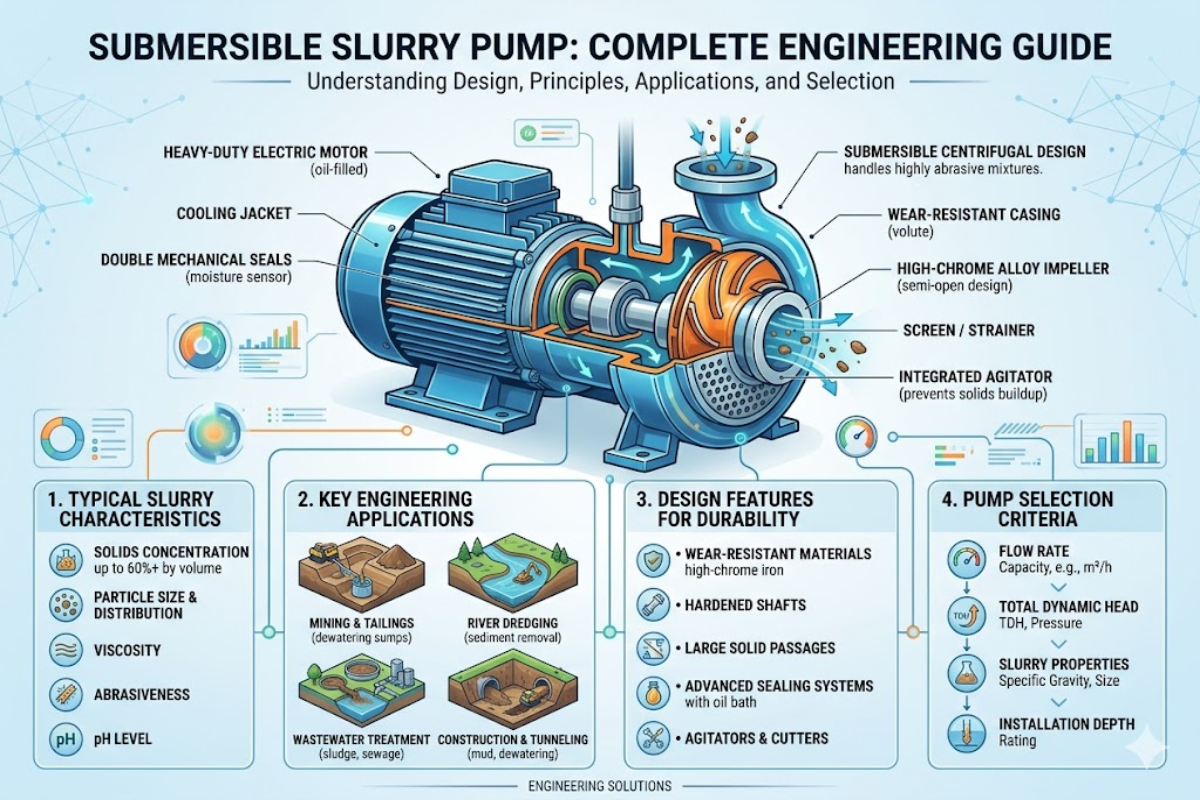
مضخة ملاط غاطسة: الدليل الهندسي الشامل لتطبيقات التجفيف والتعدين والتجريف
تُعد مضخة الملاط الغاطسة العنصر الأساسي وراء كل حوض تجميع في المناجم يُفرغ ذاتياً بين الورديات، وكل بارجة تجريف نهرية تُبقي الرمال المترسبة بعيدة عن قاعها، وكل محطة رفع لمياه الصرف الصحي ترفض الانسداد. وهي من أكثر فئات المضخات سوءاً في الاختيار؛ لأن الاسم المركب يخفي تحديين هندسيين أساسيين، بينما لا تتناول معظم الأدلة سوى أحدهما. يتناول هذا الدليل التحدي الثاني. وفيما يلي تمهيد للمهندس: ما الذي يجعل المضخة غاطسة للملاط، وكيف تتأثر الهيدروليكا في مائع كاشط، وكيفية تحديد حجم المضخة بصورة ملائمة لنقطة التشغيل، ومقارنة طبقات التآكل، وما الذي يتعطل في الموقع، وكيف تصبح هذه الفئة من المضخات الأنسب في التعدين والتجريف والصرف الصحي والإنشاءات.المواصفات السريعة — نطاق مضخة الملاط الغاطسة
| نطاق معدل التدفق (النطاق الصناعي المعتاد) | 50 – 8,000 GPM |
| نطاق ارتفاع الضخ (معتاد) | 10 – 200+ ft |
| قدرات المحرك | ³ – 500 kW (حتى 1,500 kW في التعدين للخدمة الشاقة) |
| قدرة التعامل مع المواد الصلبة | حتى 70% بالوزن في الطرازات للخدمة الشاقة |
| أقصى حجم للجسيمات | عادةً 1 – 4.5 inches (25 – 115 mm) |
| مواد المكره | حديد أبيض عالي الكروم (ASTM A532)، مبطن بالمطاط، مركبات خزفية |
| عزل المحرك | الفئة H (180°C) وفق NEMA MG1 1.66 |
ما الذي يجعل المضخة «غاطسة للملاط» — ولماذا تهم الكلمات
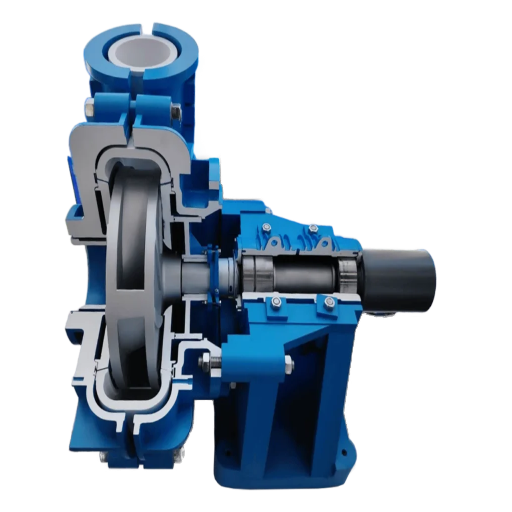 تُصمم المضخات الغاطسة بمحرك محكم الإغلاق داخل غلاف مانع لتسرب الماء، ومغمور في السائل الذي تضخه. وتُهندس مضخات الملاط لنقل المواد الصلبة الكاشطة المعلقة في سائل دون أن تتآكل ذاتياً. ومضخة الملاط الغاطسة هي التصميم النادر الذي يحل المشكلتين في جسم واحد: تشغيل مغمور ومجموعة أجزاء ملامسة للسائل مصممة لتحمل المواد الصلبة.
ينشأ الالتباس الذي يكلف المشغلين أموالاً من التعامل مع مضخة تجفيف غاطسة، مصممة للمياه الصافية أو الملوثة بدرجة طفيفة، كما لو كانت مضخة ملاط. تستخدم مضخات التجفيف الغاطسة مكرهات مغلقة الريش وخلوصات ضيقة؛ وإذا زُودت بـ 20% من المواد الصلبة، تتآكل ريش المكره خلال أسابيع. تستخدم تصاميم مضخات الملاط الغاطسة الحقيقية مكرهات شبه مفتوحة بخلوصات كبيرة، ومواد مقاومة للتآكل، وغالباً مُقلِّباً للرواسب قبل الشفط لإبقاء المواد الصلبة معلقة بدلاً من تراكمها تحت مأخذ سحب المضخة.
تُصمم المضخات الغاطسة بمحرك محكم الإغلاق داخل غلاف مانع لتسرب الماء، ومغمور في السائل الذي تضخه. وتُهندس مضخات الملاط لنقل المواد الصلبة الكاشطة المعلقة في سائل دون أن تتآكل ذاتياً. ومضخة الملاط الغاطسة هي التصميم النادر الذي يحل المشكلتين في جسم واحد: تشغيل مغمور ومجموعة أجزاء ملامسة للسائل مصممة لتحمل المواد الصلبة.
ينشأ الالتباس الذي يكلف المشغلين أموالاً من التعامل مع مضخة تجفيف غاطسة، مصممة للمياه الصافية أو الملوثة بدرجة طفيفة، كما لو كانت مضخة ملاط. تستخدم مضخات التجفيف الغاطسة مكرهات مغلقة الريش وخلوصات ضيقة؛ وإذا زُودت بـ 20% من المواد الصلبة، تتآكل ريش المكره خلال أسابيع. تستخدم تصاميم مضخات الملاط الغاطسة الحقيقية مكرهات شبه مفتوحة بخلوصات كبيرة، ومواد مقاومة للتآكل، وغالباً مُقلِّباً للرواسب قبل الشفط لإبقاء المواد الصلبة معلقة بدلاً من تراكمها تحت مأخذ سحب المضخة.
📐 ملاحظة هندسية
تحمل مضخات الملاط الغاطسة عادةً تصنيف الحماية من الدخول IP68 وتصنيفاً قياسياً لعمق الغمر يبلغ 20 m (تمتد الطرازات للخدمة الشاقة إلى 50 m). ويستخدم غلاف المحرك المانع لتسرب الماء ترتيباً مزدوجاً لمانع التسرب الميكانيكي مع حجرة إحكام مملوءة بالزيت بين مجموعة الأجزاء الملامسة للسائل وتجويف المحرك — يعمل الزيت كحاجز تضحي؛ فإذا تعطل مانع التسرب الأساسي، يظهر تلوث الزيت قبل وصول الماء إلى ملفات المحرك.
داخل المضخة — المكونات الرئيسية ووظيفة كل منها
تؤدي ثمانية مكونات معظم العمل، ومعظم الأعطال أيضاً. وفهم مسؤولية كل مكون يجعل كل قرار آخر — الاختيار والصيانة الوقائية والتشخيص — أكثر سهولة بكثير.| المكون | الوظيفة | نمط العطل الأساسي |
|---|---|---|
| غلاف المحرك والعضو الثابت | يوفر عزم الدوران؛ ومحكم ضد دخول الماء | تلف العزل بسبب ارتفاع الحرارة أو الرطوبة |
| مانع تسرب ميكانيكي مزدوج | يمنع الوسط المضخوخ من دخول تجويف المحرك | تآكل أسطح مانع التسرب بفعل الملاط الكاشط؛ تلف بسبب التشغيل الجاف |
| حجرة الزيت | تشحم أسطح مانع التسرب؛ وتعمل كمؤشر للتسرب | تلوث الزيت يدل على خلل في مانع التسرب |
| عمود الدوران | ينقل عزم الدوران من المحرك إلى المكره | انحراف بسبب تآكل غير متوازن للمكره |
| المحامل | تدعم عمود الدوران؛ وتمتص الأحمال الشعاعية والمحورية | فقدان التزييت نتيجة تلوث حجرة الزيت |
| المكره (ويُفضّل شبه المفتوح) | ينقل الطاقة الحركية إلى الملاط | تآكل الريش حتى الانثقاب؛ تآكل الأطراف |
| لوح التآكل / بطانة الشفط | حاجز تضحي بين المكره والغلاف الحلزوني | فقدان تدريجي للمادة بسبب صدم الجسيمات |
| مُقلِّب للرواسب (اختياري) | يعيد تعليق المواد الصلبة المترسبة عند مأخذ سحب المضخة | تآكل الشفرات في ظروف التشغيل ذات التركيز العالي من المواد الصلبة |
كيف تنقل مضخة الملاط الغاطسة الملاط فعلياً — الآلية الهيدروليكية
 مضخة الملاط الغاطسة هي في جوهرها مضخة طرد مركزي. يدير محركها المكره عند RPM المقنّن؛ وتنقل ريش المكره الدوارة الطاقة الحركية إلى المائع عند عين الشفط؛ ويتسارع المائع شعاعياً إلى الخارج داخل الغلاف الحلزوني؛ وتحول هندسة الغلاف الحلزوني الطاقة الحركية إلى ضغط ساكن؛ ويخرج الملاط الواقع تحت ضغط عبر خط الطرد. وهذه الفيزياء مطابقة لمضخة طرد مركزي للمياه الصافية. وما يتغير للملاط هو كل قرار تصميمي يلي هذه الفيزياء.
تجعل مضخات الطرد المركزي للمياه الصافية الكفاءة هدف التصميم الأساسي. وتعمل مضخة مياه صافية جيدة التصميم عند نقطة أفضل كفاءة (BEP) بكفاءة هيدروليكية تبلغ 75 – 85%. ولا تضع مضخات الملاط الكفاءة أولاً؛ إذ إن العمر التشغيلي في وجود المواد الصلبة الكاشطة هو المحرك الأساسي للتصميم، وتأتي الكفاءة كقيد ثانوي. يحدد ANSI/HI 12.1-12.6 الصادر عن Hydraulic Institute معاملات التصحيح — إذ يجب تخفيض منحنى الأداء المنشور للمياه الصافية لمضخة معينة من حيث ارتفاع الضخ والكفاءة عندما يكون الوسط ملاطاً، ويعتمد مقدار التصحيح على حجم الجسيمات والكثافة النوعية وتركيز المواد الصلبة.
تترتب ثلاث نتائج مباشرة على جعل الكفاءة اعتباراً ثانوياً. أولاً، تكون المكرهات شبه مفتوحة، بلا غطاء أمامي، أو مفتوحة، بلا غطاء أمامي أو خلفي، بدلاً من مغلقة — بحيث تمر المواد الصلبة بحرية بين الغطاء والغلاف من دون انحشار. ثانياً، يُخفض العدد الفعال للريش (غالباً 2-4 ريش مقابل 5-7؛ فالممرات الأعرض تتيح مرور جسيمات أكبر). ثالثاً، يكون الخلوص بين المكره ولوح التآكل كبيراً — فتقبل المضخة كفاءة ساكنة أقل مقابل تحمل التآكل والحت.
مضخة الملاط الغاطسة هي في جوهرها مضخة طرد مركزي. يدير محركها المكره عند RPM المقنّن؛ وتنقل ريش المكره الدوارة الطاقة الحركية إلى المائع عند عين الشفط؛ ويتسارع المائع شعاعياً إلى الخارج داخل الغلاف الحلزوني؛ وتحول هندسة الغلاف الحلزوني الطاقة الحركية إلى ضغط ساكن؛ ويخرج الملاط الواقع تحت ضغط عبر خط الطرد. وهذه الفيزياء مطابقة لمضخة طرد مركزي للمياه الصافية. وما يتغير للملاط هو كل قرار تصميمي يلي هذه الفيزياء.
تجعل مضخات الطرد المركزي للمياه الصافية الكفاءة هدف التصميم الأساسي. وتعمل مضخة مياه صافية جيدة التصميم عند نقطة أفضل كفاءة (BEP) بكفاءة هيدروليكية تبلغ 75 – 85%. ولا تضع مضخات الملاط الكفاءة أولاً؛ إذ إن العمر التشغيلي في وجود المواد الصلبة الكاشطة هو المحرك الأساسي للتصميم، وتأتي الكفاءة كقيد ثانوي. يحدد ANSI/HI 12.1-12.6 الصادر عن Hydraulic Institute معاملات التصحيح — إذ يجب تخفيض منحنى الأداء المنشور للمياه الصافية لمضخة معينة من حيث ارتفاع الضخ والكفاءة عندما يكون الوسط ملاطاً، ويعتمد مقدار التصحيح على حجم الجسيمات والكثافة النوعية وتركيز المواد الصلبة.
تترتب ثلاث نتائج مباشرة على جعل الكفاءة اعتباراً ثانوياً. أولاً، تكون المكرهات شبه مفتوحة، بلا غطاء أمامي، أو مفتوحة، بلا غطاء أمامي أو خلفي، بدلاً من مغلقة — بحيث تمر المواد الصلبة بحرية بين الغطاء والغلاف من دون انحشار. ثانياً، يُخفض العدد الفعال للريش (غالباً 2-4 ريش مقابل 5-7؛ فالممرات الأعرض تتيح مرور جسيمات أكبر). ثالثاً، يكون الخلوص بين المكره ولوح التآكل كبيراً — فتقبل المضخة كفاءة ساكنة أقل مقابل تحمل التآكل والحت.
📐 ملاحظة هندسية
يلزم هامش NPSH أكبر؛ والقاعدة التقريبية العامة لاختيارات تشغيل مضخات الملاط هي: استخدام NPSHa 1.5x NPSHr عند نقطة التصميم. ويبين مسح IIETA للمضخات وأضرار التكهف أن الضرر يتسارع بصورة خطرة عندما ينخفض NPSHa عن 1.3xNPSHr؛ إذ ينحصر الغاز الجزئي في الملاط لزيادة NPSHr الفعال عند حدوث التسارع. ويمكن أن تكون الظواهر العابرة متطلبة بالقدر نفسه في ظروف تشغيل الملاط؛ فلا تقلل التكاليف في هذا الجانب.
اختيار مضخة ملاط غاطسة — إطار نقطة التشغيل
يتلخص اختيار مضخة الملاط الغاطسة في خمسة أرقام. وأي خطأ في تحديد أحدها يجعل المضخة إما تعمل بجهد غير ضروري أو تتعطل مبكراً. اجمعوا هذه البيانات قبل أول طلب لعرض سعر.- ✔
معدل التدفق (GPM أو m³/h) — حجم الملاط المطلوب نقله لكل وحدة زمنية في الحالة المستقرة
- ✔
الارتفاع الديناميكي الكلي (TDH، ft أو m) — ارتفاع الرفع الساكن مضافاً إليه فاقد الاحتكاك في أنابيب الطرد وضغط التسليم المطلوب
- ✔
تركيز المواد الصلبة (% بالوزن) — يحدد التخفيض ومواد التصنيع؛ 5% خفيف، و25% نموذجي للتعدين، و60%+ للمخلفات المكثفة
- ✔
توزيع حجم الجسيمات (متوسط d50 بالـ mm) — يحدد عرض ممر المكره ومعدل التآكل
- ✔
الكثافة النوعية (SG) — الكثافة مقارنة بالماء؛ تحدد متطلب القدرة وتؤثر في NPSHr
مثال تطبيقي — تجفيف حوض تجميع في منجم
قد تكون مهمة تجفيف افتراضية يومية لحوض تجميع في منجم كما يلي: 2,000 GPM عند ارتفاع ديناميكي كلي قدره 120 ft، مع 25% من المواد الصلبة، و2 mm d50، وكثافة نوعية للمواد الصلبة تبلغ 1.18. وتقع نقطة التشغيل هذه ضمن نطاق طرد 150-250 HP و1450-1800 RPM و4-inch، مع مكره شبه مفتوح عالي الكروم، ومانع تسرب ميكانيكي مزدوج، وطرد 4-inch. ويتتبع الطلب على القدرة تقريباً (معدل التدفق ارتفاع الضخ الكثافة النوعية الكفاءة)؛ ولهذه المهمة، تصنف قدرة عمود دوران المضخة بنحو 200 HP، وكفاءة ميدانية أقل بنسبة 18% من الماء، بعد تخفيضها وفق ANSI/HI 12.1. للحصول على كتالوج كامل للطرازات مطابق لنقاط تشغيل تطبيقية في التعدين والتجريف والصرف الصحي، راجعوا مجموعة BBP لمضخات الملاط الغاطسة بمواصفات سلسلة QSZ — وهي مفيدة كمرجع لكيفية ترجمة الأرقام في هذا المثال إلى اختيارات منتجات فعلية وللمقارنة الجانبية لنقاط التشغيل مع عروض المصنعين الآخرين.علم المواد — لماذا يتفوق الكروم العالي والمطاط والسيراميك في مهام مختلفة
 التآكل في مضخة الملاط ليس ظاهرة واحدة؛ بل ثلاث ظواهر. يسود التآكل بالانزلاق — جر الجسيمات الدقيقة على الأسطح المعدنية — في ظروف التشغيل منخفضة السرعة ذات المواد الصلبة الدقيقة. ويسود التآكل بالصدم — اصطدام جسيمات أكبر بسرعة — في ظروف التشغيل ذات المواد الصلبة الخشنة. أما التآكل بالتعرية والتآكل الكيميائي — التآكل الميكانيكي والهجوم الكيميائي مجتمعين — فيسود عندما ينحرف الرقم الهيدروجيني للملاط عن التعادل. وتعد مطابقة المادة لنمط التآكل أكبر عامل منفرد يؤثر في العمر التشغيلي.
| فئة المواد | الصلادة المعتادة | نمط التآكل الأنسب | نقطة الضعف |
|---|---|---|---|
| حديد أبيض عالي الكروم (ASTM A532 Class III) | 55 – 66 HRC | كاشط دقيق، تآكل انزلاقي | هش؛ وقد تؤدي أحمال الصدم إلى تشقق المسبوك |
| بطانة من المطاط الطبيعي / البولي يوريثان | 65 – 85 Shore A | جسيمات خشنة، تآكل بالصدم، ملاط متآكل كيميائياً | حد درجة الحرارة (~70°C)، غير مناسب للمواد الصلبة الحادة الزوايا |
| مركبات خزفية / SiC | ~2000 HV (فيكرز، وليس HRC) | كاشط شديد الدقة، درجة حرارة مرتفعة | هش جداً؛ أحجام القطع محدودة |
| فولاذ المنغنيز الأوستنيتي | ~50 HRC متصلب بالتشغيل | صدم شديد، مواد صلبة كبيرة (مهمة تجريف) | مقاومة منخفضة للتآكل الانزلاقي بالجسيمات الدقيقة |
أنماط الأعطال في الموقع — ما الذي يتعطل وكيف تكتشفه مبكراً
 تمثل خمسة أنماط أعطال غالبية بلاغات الموقع المتعلقة بمضخات الملاط الغاطسة. ولكل منها علامة إنذار مبكر مميزة تظهر قبل العطل الكارثي بوقت كافٍ. وإذا فاتتكم علامة الإنذار، يتحول استبدال مانع تسرب بقيمة $4,000 إلى إعادة بناء للمضخة بقيمة $45,000 إضافة إلى خسارة الإنتاج.
1. تسرب مانع التسرب الميكانيكي
يتآكل سطح مانع التسرب الأساسي مقابل السطح المقابل تحت تأثير الملاط الكاشط. الإنذار المبكر: تلوث حجرة الزيت، ويمكن كشفه بتحليل الزيت على فترات مجدولة. ويصبح الزيت داكناً ويكتسب مظهراً حليبياً عند بدء دخول الماء. واكتشاف ذلك في مرحلة عينة الزيت يتيح استبدال خرطوشة مانع التسرب خلال زمن توقف مخطط له؛ أما إغفاله فيعني وصول الماء إلى ملفات المحرك.2. تآكل المكره حتى الانثقاب
تتآكل أطراف الريش أولاً، ثم الحواف الأمامية، ثم سماكة الريشة. الإنذار المبكر: زيادة الاهتزاز عند سرعة الدوران. ويصبح المكره غير متوازن تدريجياً مع إزالة المادة بصورة غير متماثلة. ويكشف تحليل الاهتزاز ذلك قبل بدء الاهتزاز المسموع — وبحلول الوقت الذي يسمعه فيه المشغل، تكون ألواح التآكل قد فقدت عادةً 30 – 40% من سماكتها.3. احتراق ملفات المحرك
ينشأ إما عن حمل حراري زائد، كالتشغيل على خط طرد مغلق أو التكهف أو التبريد غير الكافي، أو عن تدهور العزل بسبب دخول الرطوبة. ويصنّف عزل الفئة H عند 180°C وفق NEMA MG1 1.66؛ وتجاوز ذلك مراراً يختصر عمر الملفات بشدة. الإنذار المبكر: ارتفاع تدريجي في تيار المحرك أثناء التشغيل المستقر، وقراءات حساس درجة الحرارة ذات اتجاه تصاعدي.4. انهيار المحمل
تتعطل المحامل المشحمة بالزيت عندما يتضرر التزييت — عادةً بسبب تلوث حجرة الزيت عبر مانع تسرب كان يتسرب بالفعل. وبمجرد دخول الماء إلى الزيت، ينخفض عمر المحمل من آلاف الساعات إلى عشرات الساعات. الإنذار المبكر: تحليل الزيت، المشترك مع تشخيص مانع التسرب الميكانيكي، وتغيرات بصمة الاهتزاز عند الترددات المميزة للمحمل.5. تنقر التكهف
ينتج عن انخفاض NPSHa عن NPSHr؛ حيث تتكون فقاعات البخار عند عين المكره وتنهار على أسطح الريش. وتحدد الأبحاث الملخصة في مراجعة PMC بشأن تعرية الملاط والتكهف في المضخات التكهف بوصفه مساهماً رئيسياً في خفض العمر التشغيلي لمضخات الطرد المركزي العاملة قرب حد الشفط. الإنذار المبكر: صوت فرقعة مميز، إن كان مسموعاً، وزيادة ضوضاء المضخة، وفقدان السعة. أصلحوا ظروف الشفط — ولا تعوضوا ذلك بخفض سرعة الدوران.⚠️ مهم: عطل التشغيل الجاف
يؤدي تشغيل مضخة ملاط غاطسة جافاً بمحرك غير مصنف للتشغيل الجاف إلى ارتفاع درجة حرارة عزل الفئة H خلال ثوانٍ. ولا يعود تجويف المحرك، الذي يبدد الحرارة عادةً في المائع المحيط، قادراً على التخلص من الحرارة إلى الهواء. وغالباً ما يصف المشغلون الذين تعرضوا لأعطال التشغيل الجاف الأمر بقولهم: «المضخة توقفت فجأة» — لكن يكون العزل قد تعطل حين يفصل الحمل الحراري الزائد المضخة. ولظروف التشغيل التي قد ينخفض فيها منسوب حوض التجميع، ركّبوا دائماً مفاتيح عوامة منخفضة المنسوب أو محركات مصنفة للتشغيل الجاف.
أين تثبت مضخات الملاط الغاطسة جدواها — التعدين والتجريف والصرف الصحي والإنشاءات
تهيمن أربعة محاور تطبيقية مستقلة على قطاع مضخات الملاط الغاطسة، ولكل منها قيد فيزيائي خاص يحدد تصميم المضخة: تجفيف المناجم. تولّد مناجم التعدين المفتوحة والجوفية تدفقًا للمياه الجوفية يجب إزالته باستمرار لإبقاء الحفرة أو أعمال الاستخراج صالحة للتشغيل. توضع مضخات الملاط الغاطسة عند المجمع مغمورة، لضخ المياه المحمّلة بالرواسب إلى أحواض التجميع السطحية. ويرتكز اختيار المضخة الغاطسة بدلًا من المضخات الأفقية متعددة المراحل على اقتصاديات NPSHa: فالمضخة الأفقية المركّبة عند مستوى سطح الأرض تحتاج إلى أنابيب شفط طويلة ذات احتكاك مرتفع وهامش NPSHa هش، أما المضخة الغاطسة عند المجمع فيتوافر لها NPSHa غير محدود عمليًا. ويقدّر تحليل Global Market Insights لسوق مضخات التعدين قيمة قطاع مضخات التعدين الأوسع بنحو 7.1 مليار دولار أمريكي في عام 2024، بمعدل نمو سنوي مركب قدره 4.9% حتى عام 2034، وهو منحنى نمو يتبع إعادة فتح المكامن القديمة التي يكون فيها حمل التجفيف مرتفعًا. التجريف الهيدروليكي. تُستخدم في تجريف قاع الأنهار والبحيرات والموانئ مضخات ملاط غاطسة مزودة بمُقلِّب للرواسب ومركّبة على أذرع متأرجحة أو رؤوس قاطعة. ويعيد المُقلِّب تعليق مواد القاع حتى تتمكن المضخة من حملها، وبدون التقليب لا تنقل المضخة سوى المياه العلوية. والمعامل الحاسم في التصميم: أن تركيز المواد الصلبة وحجم الجسيمات كليهما يتباينان تباينًا كبيرًا خلال الوردية الواحدة، ولذلك يجب أن تتعامل المضخة مع نطاق تشغيل كامل لا مع نقطة تشغيل واحدة. نقل الحمأة من محطات الصرف الصحي البلدية. تُغذّى المخمّرات بالحمأة المكثّفة من CDA/HDLS. ويجب أن تخضع الحمأة القادمة من المروّقات لمعالجة إضافية بواسطة مضخات، فضلًا عن مضخات مناولة الحمأة. ومما تنفرد به تطبيقات الملاط: أن مضخة الصرف الصحي الطاحنة القياسية تتعامل مع 2–4% من المواد الصلبة، بينما تتعامل مضخة الملاط الغاطسة مع حمأة مكثّفة بنسبة 10–25%. اختيار المواد: أجزاء ملامسة للسائل مبطّنة بالمطاط أو من حديد مطيل بسبب الخصائص الكيميائية. تجفيف مواقع الإنشاءات. يعتمد تجفيف الأنفاق أو الأعمدة على مضخة ملاط متنقلة تعمل في مجمع مؤقت. تركيب سريع، دون لوحة تثبيت ودون محاذاة، إذ تُنزل المضخة في أي موضع. وهي بالتأكيد أقل كلفة في التوريد وأسهل في توفير قطع الغيار من منظومات التجفيف التقليدية المتكاملة على هيئة برج مياه، حيث تكون حالة المحرك ومتانة الكابل أهم من الكفاءة. وفي الحالات الأربع جميعها، تمثل المواصفة الفنية لمضخة الملاط الغاطسة من BBP لخدمات التعدين والتجريف نقطة مرجعية لمعرفة كيف تنعكس المفاضلات الهندسية الواردة في هذه المقالة على خط منتجات فعلي، من خلال اختيار عائلة المواد، وأقطار الطرد، ونطاقات ارتفاع الضخ والتدفق التي عرضناها أعلاه.الأسئلة الشائعة
س: ما العمر التشغيلي المعتاد لمضخة الملاط الغاطسة؟
عرض الإجابة
يعتمد العمر التشغيلي على التآكل الناتج عن مواد الملاط الكاشطة ودورة التشغيل وانضباط الصيانة. وتدوم ظروف تشغيل الصرف الصحي أو التجفيف الخفيفة عادةً 5 – 8 years قبل إعادة بناء رئيسية؛ وقد تحتاج مهمة الملاط في التعدين الشاق إلى إصلاح شامل للطرف المبتل كل 12 – 24 months، مع بقاء المحرك لثلاث دورات إعادة بناء أو أكثر. والمتغير الرئيسي هو ما إذا كان المشغل يلاحظ علامات الإنذار المبكر لعمر مانع التسرب.
س: هل يمكن لمضخة ملاط غاطسة أن تعمل جافة؟
عرض الإجابة
لا تصمم مضخات الملاط الغاطسة القياسية للتشغيل «جافاً». وعندما ينخفض منسوب حوض التجميع عن غلاف المحرك، يفقد تجويف المحرك مسار تبريده بالهواء، وترتفع درجة حرارة العزل بسرعة لتتجاوز تصنيفات تصميم الفئة H حتى مع حدث تشغيل جاف قصير واحد. ويمكن لمحركات العاكس TENV من الفئة H المصنفة للتشغيل تحمل التشغيل الجاف الممتد — لكن ذلك اختيار تصميمي وليس ميزة متأصلة في المضخة. تحققوا دائماً من هذا التصنيف في ورقة المواصفة الفنية قبل تصميم حوض تجميع يمكن أن يتغير فيه المنسوب.
س: ما الفرق بين مضخة ملاط غاطسة ومضخة صرف صحي غاطسة؟
عرض الإجابة
كلتاهما مضختا طرد مركزي غاطستان، لكن هندسة مجموعة الأجزاء الملامسة للسائل مختلفة. تستخدم مضخات الصرف الصحي مكرهات غير قابلة للانسداد — بتصاميم دوامية أو غائرة — مصممة لتمرير المواد الصلبة الخيطية حتى حجم أقصى محدد، عادةً مع تركيز ملاط يبلغ 2 – 4%. وتستخدم مضخات الملاط مكرهات شبه مفتوحة بخلوصات كبيرة ومواد مقاومة للتآكل، ومحددة الحجم للتعامل مع 10 – 70% من المواد الصلبة والهجوم الكاشط المستمر. وتتآكل مكره مضخة الصرف الصحي خلال أسابيع إذا طُلب منها تشغيل الملاط؛ بينما تختنق مضخة الملاط إذا طُلب منها التعامل مع مياه صرف صحي خيطية.
س: كيف أعرف أن مضختي تحتاج إلى إصلاح شامل بدلاً من إصلاح؟
عرض الإجابة
قاعدة شائعة: إذا احتاج أكثر من اثنين من مكونات التآكل الرئيسية، المكره ولوح التآكل وخرطوشة مانع التسرب الميكانيكي والمحامل، إلى الاستبدال في حدث صيانة واحد، فلن يعود استبدال المكونات مجدياً اقتصادياً. إن تركيب مكره جديد في مضخة ذات لوح تآكل متآكل بنسبة 80% لا يؤدي إلا إلى تفاقم التآكل مع ازدياد خلوص التشغيل. والعمر التشغيلي لمضخة الملاط ظاهرة تخص مجموعة الأجزاء الملامسة للسائل بأكملها، وليس مسألة على مستوى المكون الواحد.
س: هل مضخة الملاط الغاطسة أكفأ في استخدام الطاقة من مضخة الملاط الأفقية؟
عرض الإجابة
يعتمد ذلك على معدل التدفق بالنسبة إلى حجم المهمة. ففي المهام التي تقل عن نحو 500 m/h (2,200 GPM)، غالباً ما تعادل المضخات الغاطسة المضخات الأفقية في الأداء أو تتفوق عليها؛ إذ يبقى المحرك المغمور بارداً مع دوران كامل محتويات حوض التجميع، ولا تحتاج المضخة إلى سلوك مسار على شكل U لدفع المائع. أما في المهام الأكبر من ذلك، فتميل المضخات الأفقية ذات التبريد المخصص للمحرك إلى التفوق في الكفاءة القصوى. وهذا الاتجاه أحد أسباب ميل مضخات أحواض تجميع المناجم إلى أن تكون غاطسة وميل مضخات طرد المطاحن إلى أن تكون أفقية.
س: ما الذي يجعل مضخة الملاط الغاطسة تفقد معدل التدفق بمرور الوقت؟
عرض الإجابة
ثلاثة عوامل نموذجية: (1) تآكل ريش المكره، (2) تآكل جانب صفيحة التآكل، (3) انسداد جزئي في خط الطرد. يقلل تآكل المكره من قدرة ارتفاع الضخ ومعدل التدفق؛ ويؤدي تآكل جانب صفيحة التآكل إلى إعادة تدوير داخلية، ما يقلل معدل التدفق؛ كما يؤدي الانسداد في خطوط الطرد إلى تغير منحنى ارتفاع النظام. ومن الطرق الجيدة لتوصيف العوامل الثلاثة مجتمعة مراقبة تيار المحرك: فتآكل المكره والانسداد يؤثران بطرق مختلفة بوضوح — لذا قِس بعناية قبل معالجة المشكلة.
س: هل يمكن لمضخة ملاط غاطسة التعامل مع موائع الملاط عالية الحرارة؟
عرض الإجابة
يُصنَّف عزل المحرك القياسي من الفئة H لدرجة حرارة ملفات تبلغ 180°C، لكن درجة حرارة الحوض المحيطة أهم في ظروف التشغيل الغاطس — إذ يبدد المحرك حرارته في المائع المحيط، وتقترب درجة حرارة المائع التي تزيد على نحو 80°C من الحد الحراري حتى مع الفئة H. تتطلب ظروف التشغيل عند درجات الحرارة العالية (تطبيقات محطات الطاقة، وموائع الملاط العملية القريبة من الغليان) محركات ذات تصنيف مخصص، وغالبًا مجموعات أجزاء ملامسة للسائل مبطنة بالمطاط لمقاومة الكيمياء المسببة للتآكل المصاحبة لموائع الملاط الساخنة. حدّد دائمًا درجة الحرارة المحيطة عند طلب عرض سعر؛ إذ إنها تغيّر اختيار المحرك.
المنظور الهندسي وراء هذا الدليل
يستند تحليل أنماط الأعطال وإرشادات اختيار المواد في هذه المقالة إلى سجلات التشغيل الأولي لدى BBP Manufacturing عبر تركيبات مضخات الملاط الغاطسة في ظروف تجفيف التعدين والتجريف، إلى جانب منهجية خفض التصنيف المنشورة ANSI/HI 12.1 ومعايير المواد ASTM A532. وحيث تكون البيانات غير مؤكدة فعلاً — كنسب توزيع أعطال المكونات وأرقام الكفاءة المحددة لمضخة بعينها — توضح المقالة ذلك بدلاً من اختلاق رقم واحد؛ فالدليل الهندسي الحقيقي الذي يدّعي اليقين حيث لا يوجد، يكلّف القارئ لاحقًا.
المراجع والمصادر
- ANSI/HI 12.1-12.6 — مضخات الملاط الدوارة ذات الطرد المركزي — Hydraulic Institute
- ASTM A532/A532M-10(2023) — المواصفة الفنية القياسية لحديد الزهر المقاوم للتآكل بالاحتكاك — ASTM International
- الصيانة الاستباقية لأنظمة المضخات العاملة في قطاع التعدين — مراجعة منهجية — المكتبة الوطنية الأمريكية للطب (PMC)
- السعي إلى تقليل تآكل الملاط والتكهف في المضخات — المكتبة الوطنية الأمريكية للطب (PMC)
- الدور الحاسم لـ NPSH في تشغيل المضخات — International Information and Engineering Technology Association (IIETA)
- برنامج ترشيد الطاقة: إجراء اختبار المضخات — مرجع IEC 60034 — وزارة الطاقة الأمريكية
- حجم وحصة سوق مضخات التعدين، تقرير الإحصاءات 2025-2034 — Global Market Insights