تواصل مع BBP

ISO · CE · GB
الشهادات
مضخة ملاط أفقية
مضخة ملاط أفقية — مضخات طرد مركزي للخدمة الشاقة للتعدين والتطبيقات الصناعية
مصممة لأقسى ظروف الملاط — مضخات أفقية من سلسلة AM بعمر تآكل يتجاوز 8,000 ساعة
تغطي مضخات الملاط الأفقية BBP من سلسلة AM معدلات تدفق من 20 إلى 5,000 m³/h وارتفاع ضخ يصل إلى 80 m — بإجمالي أكثر من 30 تهيئة طراز. تُورَّد كل مضخة بمكونات من سبيكة عالية الكروم أو بأجزاء ملامسة للسائل مبطنة بالمطاط، ومدعومة بتصنيع معتمد ISO 9001 وضمان لمدة 12 شهرًا. نصنع هذه المضخات للمناجم وعمليات التجريف ومصانع المعالجة التي يؤدي فيها التعطل إلى إيقاف خط الإنتاج بالكامل.
اطلب عرض سعر مخصصًا

20–5,000
التدفق (m³/h)
10–80
ارتفاع الضخ (m)
76–305
أقصى حجم للمواد الصلبة (mm)
Cr26 / المطاط
مواد الأجزاء الملامسة للسائل
3 أنواع
خيارات مانع التسرب
تحديات الملاط في التعدين والصناعة — كيف تعالجها مضخات الطرد المركزي الأفقية
يتسبب مركز تركيز للنحاس يعمل بنسبة مواد صلبة تبلغ 50% عند pH 3 في تآكل مكره مضخة قياسية خلال أقل من 800 ساعة. وتشهد محطة طاقة تعمل بالفحم وتدوّر ملاط الحجر الجيري لإزالة الكبريت من غاز المداخن FGD تآكل أغلفة مضخاتها بفعل الكلوريدات خلال ثلاثة أشهر. كما يستبدل مقاول تجريف يضخ رمل النهر بتركيز 40% البطانات المتآكلة كل بضعة أسابيع — وكل استبدال يعني تحريك الرافعة وفحوص المحاذاة وفقدان إنتاج نصف وردية عمل.
ليست هذه حالات استثنائية. ففي مصانع التعدين والتجريف والمعالجة الصناعية، تتلف الموائع المعلقة الكاشطة المحتوية على جسيمات صلبة معدات لم تُصمم أساسًا لهذا الحمل. وقد تكلف أعطال المضخات غير المخطط لها عمليات التعدين مبالغ من ستة أرقام سنويًا جراء الإصلاحات الطارئة وفقدان الإنتاجية.
لماذا تتعطل المضخات القياسية في ظروف تشغيل الملاط
تستخدم مضخات الطرد المركزي القياسية مكونات داخلية من حديد الزهر أو الفولاذ المقاوم للصدأ مخصصة للمياه النظيفة. ويُدخل الملاط ثلاثة أنماط متزامنة من التلف: التآكل بالاحتكاك الناتج عن حك الجسيمات الصلبة للأسطح الملامسة للسائل، والتعرية الناتجة عن اصطدام الجسيمات عالية السرعة عند لسان الغلاف الحلزوني وأطراف المكره، والتآكل الكيميائي الناتج عن الموائع الحاملة الحمضية أو القلوية. ومضخة الملاط الأفقية هي مضخة طرد مركزي مصممة تحديدًا لتحمل هذه العوامل الثلاثة، باستخدام سبائك مقاومة للتآكل أو بطانات مطاطية وأغلفة سميكة الجدران وملامح هيدروليكية مصممة لتدفق محمل بالمواد الصلبة.
نهج BBP لسلسلة AM
صُممت سلسلة AM حول ثلاث أولويات هندسية تعالج أنماط التعطل هذه مباشرة:
أجزاء ملامسة للسائل من سبيكة عالية الكروم
— حديد أبيض Cr26-28% بصلادة HRC ≥58. وهي درجة السبيكة نفسها التي يستخدمها كبار مصنعي المضخات الغربيين، وتُنتج في مسبكنا الخاص مع ضبط التركيب المعدني.
تصميم غلاف سميك الجدران
— جدران الغلاف الحلزوني أكثر سماكة بنسبة 40-60% من الحد الأدنى للمتطلبات الهيدروليكية. تمثل المادة الإضافية سماحية تآكل تضحية تطيل عمر الغلاف من دون التأثير في أداء المضخة.
بنية معيارية للأجزاء الملامسة للسائل
— يمكن التبديل بين التهيئات المبطنة بالمعدن (AM) والمبطنة بالمطاط (AMR) على مقاس الإطار نفسه. مجموعة محامل واحدة، ولوح قاعدة واحد، وخياران للمواد. ينخفض مخزون قطع الغيار لديكم إلى النصف.
مضخة الملاط من سلسلة AM — المواصفات والطرازات ودليل الاختيار
نظرة عامة على عائلة منتجات AM
تغطي سلسلة AM تطبيقات مضخات الملاط الأفقية العاملة بالطرد المركزي، من تغذية المختبرات ذات الإطارات الصغيرة إلى أعمال التجريف ذات الإطارات الكبيرة. وتتوفر عائلتان من مواد الأجزاء الملامسة للسائل لاستيعاب ظروف الملاط المتباينة:
AM (مبطنة بالمعدن)
مكره وبطانات غلاف من سبيكة عالية الكروم. مصممة للملاط الخشن شديد الكشط، مثل الخام والحصى والمخلفات ذات الجسيمات التي تزيد على 25 mm وصلادة Mohs ≥5. وتتحمل درجات حرارة تصل إلى 120°C.
AMR (مبطنة بالمطاط)
أجزاء ملامسة للسائل من المطاط الطبيعي أو الإلاستومر. تتفوق في الموائع المعلقة ذات الجسيمات الدقيقة والخواص المسببة للتآكل، حين ينخفض pH إلى أقل من 4 أو يكون تأثير الكلوريدات مصدر قلق. يرتد المطاط أمام الجسيمات الدقيقة بدلًا من امتصاص الصدمة، مما يطيل عمر التآكل في الظروف المناسبة.
تشترك العائلتان في مقاس الإطار ومجموعة المحامل وعمود الدوران وتهيئة نظام نقل الحركة. ولا يتطلب التحول من AM إلى AMR — أو العكس — سوى تغيير الأجزاء الملامسة للسائل، دون الحاجة إلى مضخة جديدة.
نطاق الطرازات والمواصفات الفنية
| الطراز | المدخل/المخرج (mm) | أقصى معدل تدفق (m³/h) | أقصى ارتفاع ضخ (m) | أقصى حجم للجسيمات (mm) | المحرك (kW) |
|---|---|---|---|---|---|
| 1.5/1B-AM | 38 / 25 | 25 | 28 | 12 | 7.5 |
| 3/2C-AM | 76 / 51 | 86 | 36 | 25 | 22 |
| 6/4D-AM | 152 / 102 | 360 | 52 | 50 | 75 |
| 8/6E-AM | 203 / 152 | 800 | 60 | 76 | 160 |
| 12/10ST-AM | 305 / 254 | 2,500 | 65 | 127 | 315 |
| 16/14TU-AM | 406 / 356 | 5,000 | 80 | 305 | 560 |
تتبع تسمية الطرازات العرف الصناعي: يشير “8/6E-AM” إلى شفط 8 بوصات وطرد 6 بوصات وإطار E وبطانة معدنية. جميع بيانات الأداء وفق معايير اختبار ANSI/HI 12.1-12.6.
دليل الاختيار — AM (معدن) مقابل AMR (مطاط)
يؤثر اختيار المادة في عمر التآكل وفترات الصيانة ونفقات التشغيل أكثر من أي عامل آخر. استخدم مصفوفة القرار هذه لمطابقة ظروف الملاط لديكم مع تهيئة الأجزاء الملامسة للسائل المناسبة:
| معايير الاختيار | AM (مبطنة بالمعدن) | AMR (مبطنة بالمطاط) |
|---|---|---|
| كشط الملاط | عالٍ (Mohs ≥5) | منخفض إلى متوسط |
| أقصى حجم للجسيمات | خشن ≥25 mm | دقيق ≤12 mm |
| نطاق pH | 5–12 | 1–14 (النطاق الكامل) |
| درجة حرارة الملاط | ≤120°C | ≤80°C |
| تركيز المواد الصلبة | ≤60% بالوزن | ≤45% بالوزن |
| القطاعات المعتادة | التعدين والرمل والحصى والتجريف | المواد الكيميائية وإزالة الكبريت من غاز المداخن FGD وحمض الفوسفوريك |
| عمر تآكل الأجزاء الملامسة للسائل | 4,000–8,000 h | 6,000–12,000 h (كشط منخفض) |
نصيحة للاختيار
إذا كان الملاط لديكم يحتوي على جسيمات خشنة كاشطة وخصائص مسببة للتآكل معًا — وهو تطبيق شائع في مخلفات تعويم النحاس — فابدأوا بتهيئة AM المبطنة بالمعدن. تتحمل سبيكة الكروم التآكل الميكانيكي، ويمكنكم التحكم في التآكل الكيميائي باختيار درجة مادة مناسبة (توفر A07 مقاومة أفضل للتآكل من A05). ويتآكل المطاط سريعًا عندما تثقب الجسيمات الكبيرة سطح البطانة.
المكونات الأساسية والتفاصيل الهندسية
المكره
متاح بريش مغلقة (كفاءة عالية، 65-80% عند BBP) وريش شبه مفتوحة (أقصى ممر للمواد الصلبة الكبيرة والمواد الليفية). سبائك عالية الكروم مصبوبة بصلادة HRC ≥58 أو مطاط طبيعي بصلادة Shore A 40-65. موازنة ديناميكية وفق درجة ISO G6.3.
غلاف المضخة
تصميم غلاف حلزوني سميك الجدران مزود ببطانات قابلة للاستبدال (بطانة لوح الإطار + بطانة الغلاف الحلزوني). يعمل الغلاف الخارجي كهيكل إنشائي، بينما تتحمل البطانة الداخلية التآكل. وعندما تتآكل البطانة، تستبدلونها لا الغلاف بالكامل.
مانع تسرب عمود الدوران
تتوفر ثلاث تهيئات:
- حشوة الإحكام – اقتصادية وقابلة للضبط ميدانيًا. مناسبة لظروف تشغيل الملاط العامة التي يمكن فيها تقبل تسرب طفيف.
- مانع تسرب طارد مركزي – تولد قوة الطرد المركزي مانع تسرب بلا تسرب يعمل جافًا عند جميع السرعات. وهو الخيار المثالي للملاط المحتوي على مواد صلبة قد تتلف موانع التسرب التلامسية.
- مانع التسرب الميكانيكي – مصمم بدقة للتطبيقات التي قد تشهد درجة حرارة مرتفعة أو ضغطًا عاليًا أو أوساطًا عدوانية كيميائيًا. تكلفته أعلى، لكنه يوفر تشغيلًا بلا تسرب عند جميع سرعات التشغيل، بما فيها التوقف.
مجموعة المحامل
محامل بكرية مخروطية للخدمة الشاقة داخل حاوية خرطوشية. مشحمة بالشحم (قياسيًا) أو بحمام زيت (للسرعات أو درجات الحرارة العالية). مصنفة لظروف تشغيل مستمر لمدة ≥2 سنوات (≥16,000 ساعة) مع فترات صيانة قياسية.
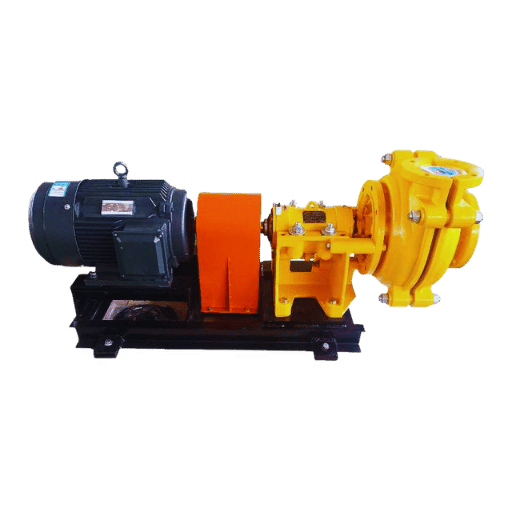
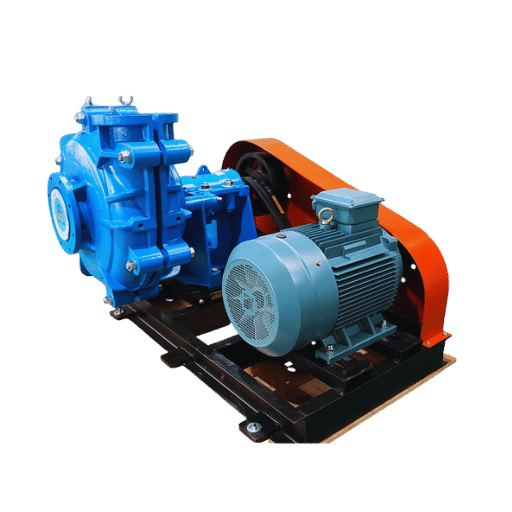
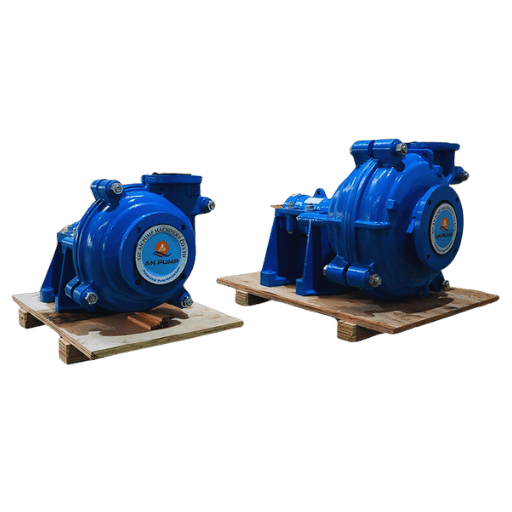
معرض منتجات مضخات الملاط الأفقية
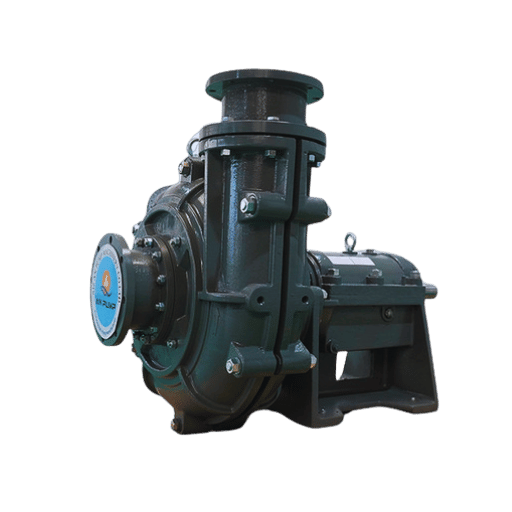
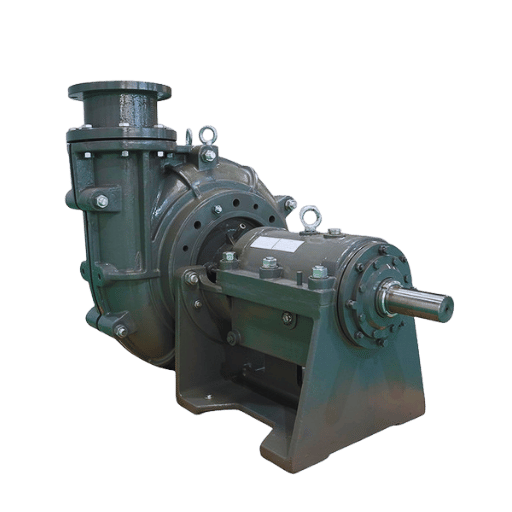

مضخات الملاط الأفقية مقابل العمودية مقابل الغاطسة — أي الأنواع يناسب تطبيقكم؟
ينطوي اختيار نوع المضخة على آثار تشمل النظام بأكمله، وقد يؤثر في قدرة ارتفاع الضخ وميزانية القدرة وجدول التشغيل والبنية التحتية للمنشأة لعقود. ويظل الفرق الجوهري بين هذه الأنواع الثلاثة صحيحًا بغض النظر عن المصنع — Warman أو GIW أو Metso أو BBP أو غيرهم. وفيما يلي مقارنة جنبًا إلى جنب لمقاييس الأداء المرتبطة بتهيئات مضخات الملاط الأفقية والعمودية والغاطسة:
| مقياس الأداء | أفقية | عمودية | غاطسة |
|---|---|---|---|
| نطاق ارتفاع الضخ | 10–80 m | 5–30 m | 5–25 m |
| نطاق التدفق | 20–5,000 m³/h | 20–1,000 m³/h | 10–500 m³/h |
| أقصى حجم للمواد الصلبة | 76–305 mm | 25–76 mm | 10–50 mm |
| نقطة أفضل كفاءة | 65–80% | 45–65% | 40–60% |
| متوسط الزمن بين الأعطال MTBF | 6,000–12,000 h | 3,000–6,000 h | 2,000–4,000 h |
| سهولة الوصول للصيانة | سهلة (فوق الأرض) | متوسطة (طول عمود الدوران) | صعبة (غاطسة) |
| مؤشر تكلفة الطاقة | 1.0× (خط أساس) | 1.2–1.4× | 1.5–1.8× |
| أفضل تطبيق | التعدين والتجريف والمعالجة | تجفيف الحفر والنقل من الخزانات | تحت الماء ومؤقت |
سياق كفاءة الطاقة
تمثل المضخات نحو 20% من استهلاك الطاقة الصناعي عالميًا. يؤدي تشغيل مضخة ملاط أفقية تعمل بالطرد المركزي بكفاءة BBP تبلغ 65-80% بدلًا من مضخة غاطسة بكفاءة 40-60% إلى توفير في الطاقة بنسبة 20-35% طوال عمرها التشغيلي. وبالنسبة لمحرك بقدرة 160 kW يعمل 8,000 ساعة سنويًا، يظهر هذا التوفير في فواتير المرافق الشهرية.
متى تختارون كل نوع
المضخات الأفقية
اختاروا المضخات الأفقية عندما تكون هناك حاجة إلى ارتفاع ضخ عالٍ (>30 m) ومواد صلبة خشنة (>50 mm) ومعدلات تدفق كبيرة، وعندما يلزم أن تكون المضخة متاحة للصيانة فوق مستوى الأرض. وهذا يصف الغالبية العظمى من عمليات التعدين ومعالجة المعادن والتجريف. المضخات الأفقية هي معدات عمل موثوقة وعملية، ولها أطول متوسط زمن بين الأعطال (MTBF) لسبب واضح: أعلى كفاءة وأقل تكلفة تشغيل.
المضخات العمودية
اختاروا المضخات العمودية عندما تكون المساحة الأرضية المتاحة محدودة، أو يتعين وضع المضخة فوق حفرة تجميع أو خزان، ويكون الملاط متوسطًا من حيث حجم الجسيمات والتركيز. تلغي مضخات الحفر العمودية مشكلات التحضير فوق الأرض، لكنها تقلل أيضًا من نطاق ارتفاع الضخ وسعة المواد الصلبة.
المضخات الغاطسة
اختاروا المضخات الغاطسة للتجفيف المؤقت أو التصريف الطارئ أو عند تعذر تركيب المعدات فوق مستوى الأرض. يتطلب ذلك زيادة في استهلاك الطاقة ويقلل سهولة الوصول للصيانة. وتمثل المضخات الغاطسة مفاضلة كبيرة تسرع النشر على حساب محتمل للكفاءة والصيانة طوال العمر التشغيلي.
في دوائر التعدين والتجريف والمعالجة الصناعية، تحدد الصناعة مضخات الملاط الأفقية العاملة بالطرد المركزي لدينا معيارًا صناعيًا، لأنها تتفوق في العوامل الثلاثة المؤثرة في التكلفة الإجمالية للملكية: الكفاءة وMTBF وسهولة الوصول للصيانة.
نتائج مثبتة — تطبيقات التعدين والتجريف والطاقة والمواد الكيميائية
تتعامل سلسلة AM مع ظروف تبدأ من الكواشف الكيميائية الدقيقة بنسبة مواد صلبة 3% وصولًا إلى الحصى الخشن بنسبة 60%. وفيما يلي كيفية تهيئة مضخات الملاط لدينا لخدمة القطاعات التطبيقية الأربعة الرئيسية:
| القطاع | التطبيقات الأساسية | خصائص الملاط | الطرازات الموصى بها |
|---|---|---|---|
| التعدين ومعالجة المعادن | تغذية السيكلون ونقل المخلفات وطرد المطاحن ونقل المركزات | شديد الكشط، جسيمات خشنة، مواد صلبة 30-60% | 6/4D-AM, 8/6E-AM, 12/10ST-AM |
| الرمل والحصى والتجريف | تجريف الأنهار وغسل الرمال ومعالجة الركام | رملي، حجم كبير، مواد صلبة 20-40% | 8/6E-AM, 12/10ST-AM, 16/14TU-AM |
| توليد الطاقة (FGD) | ملاط الحجر الجيري ونقل الجبس ومناولة الرماد | كشط خفيف، مسبب للتآكل، pH 4-6 | 3/2C-AMR, 6/4D-AMR |
| المواد الكيميائية والصناعة | حمض الفوسفوريك وملاط الجير والنفايات الصناعية | مسبب للتآكل، جسيمات دقيقة، pH 1-4 | 1.5/1B-AMR, 3/2C-AMR |
دراسات حالات تطبيقية
نقل مخلفات منجم النحاس
التحدي
لم يستمر مكره المضخة الحالي سوى 800 ساعة قبل الحاجة إلى استبداله. وتطلب كل استبدال 48 ساعة من التوقف عن التشغيل — لتحريك الرافعة والمحاذاة والاختبار — مما أدى إلى فقدان إنتاج كبير كل ربع سنة.
حل BBP
8/6E-AM مزود بمكره عالي الكروم A07 (HRC ≥60). توفر درجة السبيكة A07 مقاومة محسنة للتآكل مقارنةً بـ A05 القياسي في بيئة المخلفات الحمضية (pH 3.5).
النتيجة
امتد عمر تآكل المكره إلى أكثر من 4,000 ساعة — تحسن بمقدار 5×. وانخفض زمن التوقف غير المخطط له سنويًا من 12+ يومًا إلى أقل من 3 أيام.

عملية تجريف رمال النهر
التحدي
بلغ تركيز الرمل 40% بالوزن مع أحجام جسيمات تصل إلى 100 mm. انسدت المضخات التقليدية مرارًا، وتآكلت المراوح المغلقة خلال أسابيع. احتاج المقاول إلى تشغيل مستمر للوفاء بالمواعيد النهائية للمشروع.
حل BBP
12/10ST-AM بمكره شبه مفتوح لأقصى مرور للمواد الصلبة. يستوعب شفط 305 mm الحطام الكبير دون انسداد، ويقلل تصميم الريش شبه المفتوحة من خطر الانسداد عند التركيزات العالية.
النتيجة
تشغيل مستمر تجاوز 3,000 ساعة دون استبدال المكره. وزادت الإنتاجية بفضل إزالة حالات التوقف المرتبطة بالانسداد.
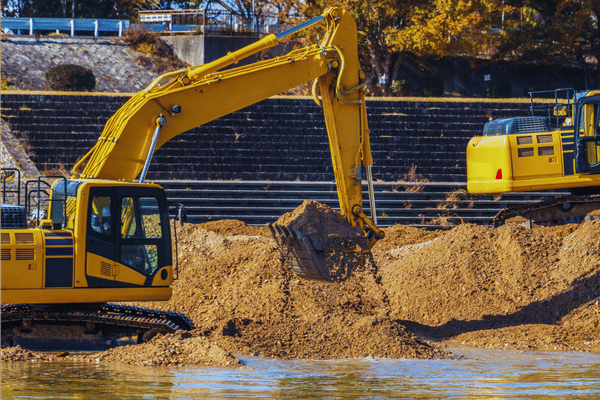
محطة طاقة تعمل بالفحم — ملاط الحجر الجيري لإزالة الكبريت من غاز المداخن FGD
التحدي
تسبب ملاط الحجر الجيري المحتوي على كلوريدات مذابة في تآكل أغلفة المضخات المبطنة بالمعدن خلال ثلاثة أشهر. وكانت المحطة تستبدل ثلاث مضخات سنويًا، وكان كل عطل يهدد بإيقاف نظام FGD ومخالفات الامتثال البيئي.
حل BBP
6/4D-AMR بمركب بطانة من المطاط الطبيعي مصنف للملاط المحتوي على الكلوريدات عند pH 4-6 ودرجات حرارة تصل إلى 65°C.
النتيجة
صمدت البطانة المطاطية لأكثر من 10+ أشهر مقابل 3 أشهر للمعدن — إطالة للعمر التشغيلي بمقدار 3×. وانخفضت تدخلات الصيانة السنوية من 4 إلى 1.
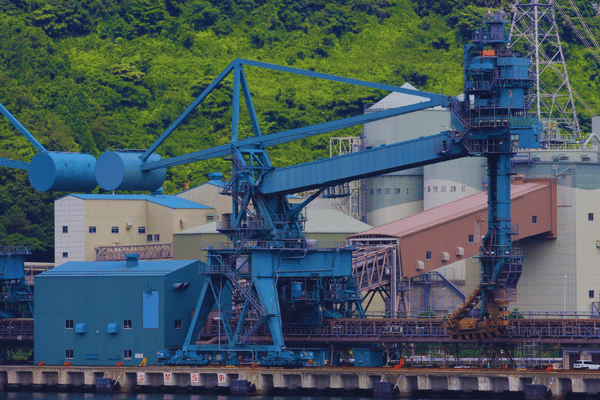
مصنع معالجة حمض الفوسفوريك
التحدي
حمض فوسفوريك مركز عند 60°C يحمل بلورات الفوسفوجبس — هجوم مزدوج من التآكل بفعل الحمض القوي والتعرية الناتجة عن الجسيمات الكاشطة. عانت المضخات المعدنية القياسية من تآكل سريع للغلاف الحلزوني وتعطل مانع تسرب عمود الدوران.
حل BBP
3/2C-AMR بمركب مطاطي مقاوم للمواد الكيميائية ومانع تسرب ميكانيكي للتشغيل بلا تسرب في البيئة الحمضية.
النتيجة
استمر التشغيل بلا تسرب لأكثر من 6,000 ساعة. وتحسن عمر الأجزاء الملامسة للسائل بأكثر من 2× مقارنة بالتركيب السابق المبطن بالمعدن.
ضمان الجودة والشهادات العالمية والتميز التصنيعي

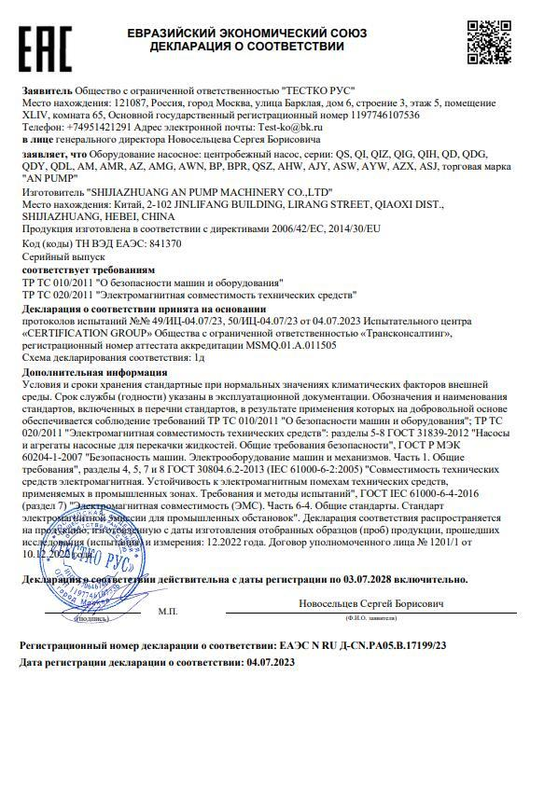
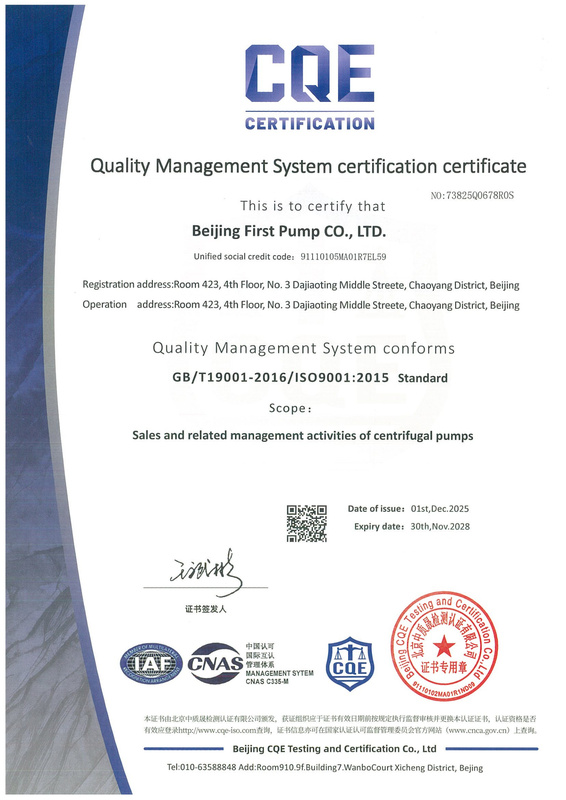
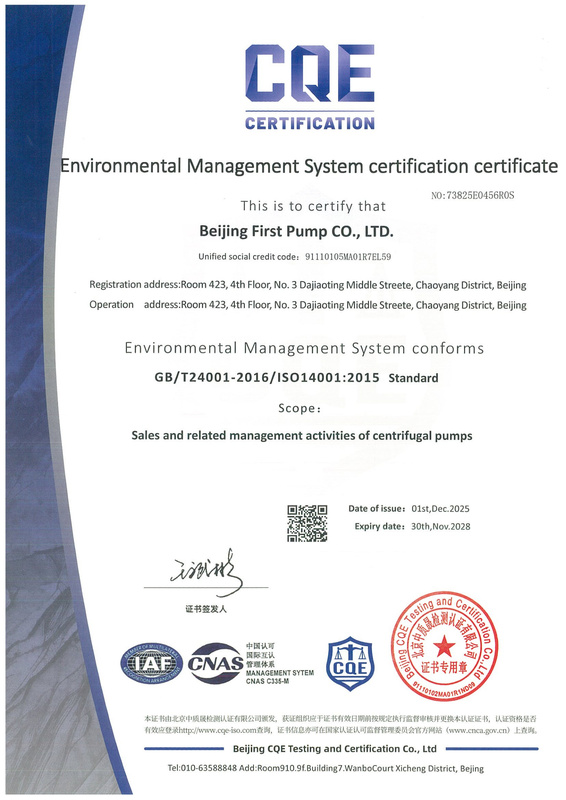
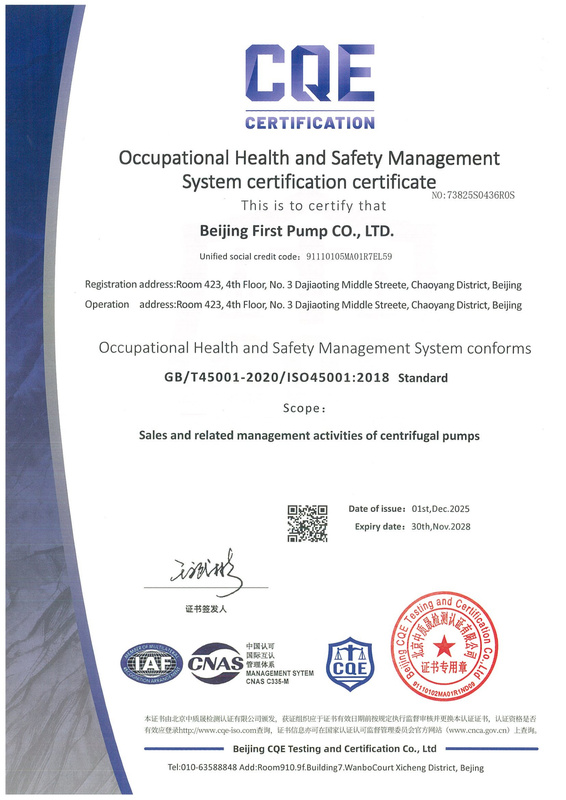

ما تعنيه هذه الشهادات لمشترياتكم
ISO 9001:2015
يغطي سلسلة الإنتاج بالكامل — من فحص المواد الخام الواردة مرورًا بالصب والتشغيل بالـ CNC والتجميع والاختبار والتغليف. وهذا يعني أن كل مضخة من سلسلة AM تُصنع ضمن نظام جودة موثق ومدقق، لا وفق حرفة ورش عمل تختلف من دفعة إلى أخرى.علامة CE
تضمن امتثالنا لتوجيه الآلات في الاتحاد الأوروبي، من حيث السلامة الميكانيكية والسلامة الكهربائية والضوضاء. إذا كان مشروعكم يتطلب استيراد معدات إلى السوق الأوروبية، فيجب أن تحمل علامة CE — ويمكننا توفير ذلك.GB/T2818-2014 الفئة B
هو المعيار الوطني الصيني لمضخات الملاط. وتعني دقة الفئة B أن أداءنا الهيدروليكي (التدفق وارتفاع الضخ والكفاءة) متحقق ضمن ±5% من المنحنيات المنشورة. لا يختبر كل مصنع وفق الفئة B — فكثيرون يعتمدون سماحية الفئة C الأوسع.عملية التصنيع — من الصب إلى الصندوق
المسبك
صب بالرمل الراتنجي وصب بالرغوة المفقودة للأشكال الهندسية المعقدة. صهر سبيكة عالية الكروم بتركيب كيميائي مضبوط: Cr 26-28%، C 2.5-3.0%. ويُتحقق من كل صهرة بمطياف قبل الصب.التشغيل بالـ CNC
تُشغّل أسطح التلامس الحرجة بسماحية ±0.05 mm على مراكز CNC متعددة المحاور. ويجري قياس وتوثيق تجويف المكره ومواضع ارتكاز عمود الدوران وملاءمات تمركز الغلاف.التجميع
تسلسل تجميع موحد بمواصفات عزم دوران. موازنة ديناميكية للمكره وفق درجة ISO G6.3. تُضبط خلوصات المحامل وفق المواصفة الفنية للمصنع مع قيم موثقة.الاختبار
اختبار الأداء الهيدروليكي بنسبة 100% لكل مضخة (منحنيات التدفق وارتفاع الضخ والكفاءة). يُقاس الاهتزاز ويجب أن يكون ≤4.5 mm/s. لا تُشحن أي مضخة من دون تقرير اختبار موقّع.
"نختبر صلادة كل مكره في ثلاثة مواضع: الحافة الأمامية والحافة الخلفية ووجه المحور. إذا كانت أي نتيجة اختبار أقل من HRC 58، يعاد ذلك المكره إلى المسبك. تتراوح نسبة الرفض لدينا بين 3 و4% في مرحلة الصب — وهي أعلى من المتوسط — لأننا نرفض ما قد يشحنه الآخرون."
دليل المشتريات — التسعير ومدة التوريد والدعم مدى العمر التشغيلي
إطار التسعير
يعتمد تسعير سلسلة AM على أربعة متغيرات رئيسية: حجم المضخة (قطر الشفط من 25 mm إلى 356 mm)، ومادة الأجزاء الملامسة للسائل (معدن عالي الكروم مقابل المطاط)، وتهيئة مانع التسرب (حشوة الإحكام أو الطارد المركزي أو الميكانيكي)، والمواصفة الفنية للمحرك (القدرة والجهد والتردد). وتكلف مضخة 1.5/1B-AM صغيرة الإطار للاستخدام المخبري أو المصنع التجريبي جزءًا بسيطًا من تكلفة مضخة 16/14TU-AM كبيرة الإطار لأعمال التجريف.
لا ننشر قوائم أسعار، لأن تطبيقات المستخدمين النهائيين لمضخات الملاط تحددها المواصفات الفنية — فالمضخة "الصحيحة" تعتمد على معدل التدفق وارتفاع الضخ وتركيب الملاط المطلوبين. وما ننشره، خلال 24 ساعة من استلام بيانات تطبيقكم، هو عرض سعر كامل يتضمن اقتراح الطراز ومنحنى الأداء ورسم الترتيب العام.
معلومة للمشتريات
عند النظر في عرض سعر من مورد مضخات الملاط، اطلبوا دائمًا الاطلاع على الكفاءة عند نقطة التشغيل الخاصة بكم — وليس فقط الكفاءات عند نقطة أفضل كفاءة في ورقة البيانات. قد تكلفكم مضخة أقل سعرًا بنسبة 15% وتعمل بكفاءة أقل بمقدار 10 نقاط من القيمة المطلوبة، أكثر بكثير في استهلاك الكهرباء على مدى ثلاث سنوات.
اطلبوا أيضًا الاطلاع على تقارير اختبار المواد للمكونات الملامسة للملاط (تقارير المطياف وتقارير الصلادة) — وليس مجرد مواصفة فنية للمادة.
مدد التوريد
الطرازات القياسية:
15-25 يوم عمل من تأكيد الطلب حتى التسليم من المصنع
التهيئات الخاصة:
30-45 يوم عمل (مواد خاصة، ترتيبات موانع تسرب خاصة، هيدروليكا مختلفة)
التسليم السريع:
اختاروا المقاسات المطلوبة بكثرة من المخزون (3/2C-AM, 6/4D-AM, 8/6E-AM) - الشحن خلال 7 أيام عمل
الشحن:
FOB من ميناء صيني أو CIF إلى ميناء وجهتكم. نُعد وثائق التصدير ويمكننا توفير النقل الداخلي.
MOQ:
1 وحدة. يتوفر تسعير للكميات عند 5+ وحدات — تواصلوا معنا للحصول على عرض سعر متدرج.
مخزون قطع الغيار وقطع التآكل
نحتفظ بمخزون أمان متجدد من قطع التآكل الأعلى استهلاكًا ضمن نطاقات مضخات الملاط AM/AMR:
المراوح (مغلقة وشبه مفتوحة، معدنية ومطاطية)
البطانات بطانات الغلاف الحلزوني وإدخالات بطانة لوح الإطار
الجلب جلب الحلق وأكمام عمود الدوران
موانع التسرب الطارد المركزي وحلقات الطارد المركزي وأطقم حشوة الإحكام
يتضمن كل طلب لمضخة ملاط قائمة قطع غيار موصى بها خاصة بطرازكم. نصمم معدات المستخدمين النهائيين لدينا للحفاظ على قابلية التبادل البُعدي بين العلامات التجارية الرئيسية لمضخات الملاط الصناعية — يرجى مراجعة فريق الهندسة لدينا للحصول على تفاصيل المراجع المتبادلة.
الدعم مدى العمر التشغيلي
الضمان:
12 شهرًا أو 2,000 ساعة تشغيل، أيهما أسبق
الدعم الفني عن بُعد:
24/7 عبر WhatsApp والبريد الإلكتروني. أرسلوا إلينا صورة لمكره متآكل وسنخبركم إن كان يحتاج إلى استبدال أو يمكن استخدامه لدورة أخرى.
التركيب في الموقع:
يتوفر الإشراف والتشغيل التجريبي واستكشاف الأعطال وإصلاحها ودعم الصيانة مقابل رسوم إضافية. يرجى طلب عرض سعر مع ذكر موقعكم والمدة التقديرية.
خطة الصيانة:
نعد نموذج خطة صيانة مصممًا لظروف الملاط وساعات التشغيل لديكم عند تسليم مضخة الملاط.
إجراءات طلب عرض السعر لديكم — 5 خطوات إلى مضخة عاملة
1
أرسلوا مواصفاتكم(التدفق وارتفاع الضخ وبيانات الملاط)
2
توصي BBPبطراز + عرض سعر (24h)
3
تأكيد الطلب+ دفعة مقدمة
4
الإنتاج+ فحص في منتصف المدة
5
اختبار المصنع+ الشحن
أدوات مضخة الملاط الأفقية
أداة اختيار المضخة
اعثروا بسهولة على مضخة الملاط الأفقية المثلى المصممة لتطبيقكم وظروف التشغيل الخاصة بكم.
فتح الأداة
حاسبة التكلفة الإجمالية للملكية
قيّموا التكلفة الإجمالية للملكية لتحسين استثماركم وخفض نفقات التشغيل طويلة الأجل.
فتح الأداة
اختيار البطانة
قارن بين مواد البطانات المختلفة لتحديد الأنسب لزيادة العمر التشغيلي للمضخة وكفاءتها إلى أقصى حد.
فتح الأداة
الأسئلة الشائعة حول مضخات الملاط الأفقية
ما الفرق بين مضخة الملاط والمضخة العادية؟
تستخدم مضخة الملاط مواد مقاومة للتآكل — سبيكة عالية الكروم أو بطانات مطاطية — ومكونات للأجزاء الملامسة للسائل أكثر سماكة بمقدار 3-5x للتعامل مع المواد الصلبة الكاشطة حتى 305 mm. تتعامل مضخة المياه القياسية مع السوائل النظيفة ذات الجسيمات التي تقل عن 2 mm، وستتعطل خلال أسابيع عند تشغيلها مع الملاط.
ما أفضل نوع من المضخات للملاط؟
في معظم التطبيقات، توفر مضخة ملاط أفقية بالطرد المركزي أفضل مزيج من معدل التدفق وارتفاع الضخ وسهولة الوصول لأعمال الصيانة. تعمل المضخات الأفقية بكفاءة 65-80% عند نقطة أفضل كفاءة، وبمتوسط زمن بين الأعطال MTBF يتراوح من 6,000 إلى 12,000 ساعة، وهو أعلى بكثير من البدائل العمودية والغاطسة.
تُفضَّل مضخات الملاط العمودية لتجفيف الحفر التجميعية عندما تكون مساحة الأرضية محدودة. وتُفضَّل الوحدات الغاطسة ذات «الحفرة الرطبة» للتجفيف قصير الأجل، أو ضخ الملاط الكيميائي، أو الاستخدام الغاطس.
مضخة الملاط الأفقية أم العمودية — أيهما أفضل لتطبيقي؟
تتفوق المضخة الأفقية في ارتفاع الضخ (10-80 m مقابل 5-30 m)، وأقصى حجم للجسيمات (305 mm مقابل 76 mm)، وكفاءة الطاقة (خط أساس 1.0x مقابل 1.2-1.4x). كما أن صيانتها أبسط — إذ تقع جميع مكوناتها فوق سطح الأرض. توفر المضخات العمودية مساحة الأرضية ولا تحتاج إلى التحضير، لكن في أعمال التعدين والتجريف، تُعد المضخة الأفقية الخيار القياسي في القطاع.
ما أفضل المواد للأجزاء الملامسة للسائل في مضخة الملاط؟
يُعد حديد الزهر الأبيض عالي الكروم (A05 وA07، HRC 58) بطانة التآكل القياسية المقاومة للصدمات العالية والتآكل الشديد، للمواد الخشنة وشديدة الكشط مثل الحصى، والخام المستخرج من المنجم، والرمل الخشن الذي يتجاوز Mohs 5. ويتميز المطاط الطبيعي (R26 وR33، صلادة Shore A 40-60) بمقاومة أعلى، ويُفضَّل في بيئات الملاط الأكثر تآكلًا كيميائيًا وذات الجسيمات الدقيقة ومنخفضة الألفة، خاصةً معHCl أدنى من pH 4 أو عند التركيزات العالية من الكلوريد.
يتفاعل المطاط كـ«حاجز ارتدادي» مع الجسيمات الدقيقة بدلًا من امتصاص طاقة صدمتها، مما يطيل العمر التشغيلي للأجزاء الملامسة للسائل إلى 6,000-12,000 ساعة في حالات التآكل المنخفض. تشترك سلسلتا المطاط BBP AM وAMR في نمط الإطار نفسه، لذا يمكن تغيير مجموعة الأجزاء الملامسة للسائل دون استبدال المضخة بالكامل.
هل مصنعو مضخات الملاط الصينيون موثوقون؟
تنتج الصين أكثر من 60% من المضخات الصناعية في العالم، ويحمل المصنعون الرائدون شهادات ISO 9001 وCE وSGS ذاتها التي يطلبها المشترون الغربيون. والسؤال الحقيقي ليس «صيني أم لا» — بل ما إذا كان مصنع محدد يضبط عمليات التعدين الخاصة به، ويُشغّل ضمن حدود التفاوت، ويختبر كل وحدة، ويتحمل مسؤولية المنتج بعد التسليم.
في BBP، نتحقق من هذه التفاصيل: التركيب الكيميائي للسباكة (Cr 26-28% مفحوص بمطياف لكل صهرة)، والتشغيل باستخدام CNC حتى ±0.05 mm في التوافقات الحرجة، واختبار الأداء الهيدروليكي بنسبة 100%، ومعدل اجتياز موثق في المصنع يبلغ ≥99.2%.
ما الفرق بين مضخات الملاط ذات البطانة المعدنية وذات البطانة المطاطية؟
يستخدم الطراز ذو البطانة المعدنية (BBP AM) سبيكة عالية الكروم بدرجة HRC 58 — وهو مصمم للجسيمات الخشنة التي تزيد على 25 mm، ودرجات الحرارة حتى 120C، ونسبة المواد الصلبة حتى 60% بالوزن. ويستخدم الطراز ذو البطانة المطاطية (BBP AMR) مطاطًا طبيعيًا بدرجة Shore A 65 — وهو أفضل للجسيمات الدقيقة الأقل من 12 mm، وعلى كامل نطاق pH 1-14، وبحد أقصى 80C. يشترك الطرازان في مقاس إطار المحرك نفسه، لذا يمكنكم تبديل مجموعة الأجزاء الملامسة للسائل دون استبدال المضخة.
كيف أختار مضخة الملاط الأفقية المناسبة لمشروعي؟
ابدأ بثلاثة معايير: معدل التدفق المطلوب (m³/h)، والارتفاع الديناميكي الكلي (m)، وخصائص الملاط — توزيع حجم الجسيمات، وتركيز المواد الصلبة بالوزن، ونطاق pH، ودرجة الحرارة، وقابلية الكشط (رقم Miller أو صلادة Mohs إن توفرت). طابق هذه المعايير مع منحنى أداء المضخة بحيث تقع نقطة التشغيل ضمن 80-110% من نقطة أفضل كفاءة.
بعد ذلك، اختر مادة مجموعة الأجزاء الملامسة للسائل. تتعامل السبيكة عالية الكروم مع أنواع الملاط الخشنة والكاشطة التي تتجاوز Mohs 5. ويُعد المطاط الطبيعي الخيار الأفضل للبيئات المسببة للتآكل وذات الجسيمات الدقيقة أدنى من pH 4.
كم تبلغ تكلفة مضخة الملاط؟
يتأثر اختيار المضخة بـ4 معايير: الحجم (قطر المدخل)، وتكوين المواد (المعدن للأجزاء المسببة للتآكل من الملاط، والمطاط للأجزاء الكاشطة)، ونوع مانع التسرب، ومواصفات المحرك. تبلغ تكلفة طرازات مقاس الإطار الصغيرة (قطر المدخل أدنى من 150 mm / 6 inch) جزءًا بسيطًا من تكلفة الطرازات الكبيرة المخصصة للتجريف.
أحجام مختلفة = أسعار مختلفة، لكن سعر الشراء لا يمثل سوى 10-15% من التكلفة الإجمالية للملكية. تتجاوز تكاليف استهلاك القدرة (40-60% من TCO) والصيانة (20-30%) التكاليف الرأسمالية بسرعة على مدى 5-10 سنوات من ظروف التشغيل.
كم يدوم العمر التشغيلي لقطع غيار مضخة الملاط؟
يعتمد العمر التشغيلي لقطع مجموعة الأجزاء الملامسة للسائل بدرجة كبيرة على ظروف الملاط لديكم. في تطبيقات التآكل المتوسط، تدوم المكرهات عالية الكروم لمدة 4,000-8,000 ساعة تشغيل، وتصل بطانات غلاف المضخة إلى 6,000-10,000 ساعة. وقد تتجاوز المكونات ذات البطانة المطاطية 12,000 ساعة في ظروف التشغيل منخفضة التآكل وذات الجسيمات الدقيقة.
توقعوا أن تدوم مكره الكروم لمدة 2,000-4,000 ساعة في الخام الخشن ذي تركيز المواد الصلبة البالغ 50%. تكاد موانع تسرب الطارد أن تدوم دائمًا أكثر من المكره. صُممت كتل المحامل للعمل لمدة 2 سنوات (16,000 ساعة) مع تزييت مستمر.
ما قطع الغيار التي ينبغي أن أحتفظ بها في المخزون لمضخة ملاط أفقية؟
يُرجى الاحتفاظ بدافعة احتياطية واحدة، ومجموعة واحدة من بطانات غلاف المضخة (بطانة الغلاف الحلزوني + بطانة لوح الإطار الداخلية)، وجلبة حلق احتياطية واحدة، وجلبة عمود دوران احتياطية واحدة. تشكل هذه القطع 4 أكثر من 90% من المواد الاستهلاكية القياسية لنظام الضخ.
لتكوينات مانع تسرب الطارد، أضف طاردًا واحدًا وحلقة طارد. ولموانع التسرب بحشوة الإحكام، احتفظ بمجموعتين من حلقات الحشوة. إذا كنتم تشغلون مضخات متعددة من الطراز نفسه، فإن خرطوشة تجميعة محامل احتياطية واحدة تخفض وقت الإصلاح الطارئ من أيام إلى ساعات.