تواصل مع BBP

ملخص المواصفات السريع
| نطاق معدل التدفق | ³ – 50,000 m³/h (يشمل مضخات الطرد المركزي أحادية المرحلة وصولًا إلى مأخذ التدفق المحوري) |
| نطاق ارتفاع الضخ | ³ – 600 m (تصل المضخة متعددة المراحل إلى نحو ~600 m لخدمة تعزيز RO) |
| نطاق الكلوريد | <5,000 إلى >³5,000 ppm (يحدد الحد الأدنى للسبيكة) |
| درجة حرارة التشغيل | 0 – 70°C (محلول RO الملحي ومآخذ المناطق الاستوائية يدفعان الحد الأعلى) |
| المواد التي يُنظر فيها عادةً | حديد الزهر → البرونز → ³16L → Duple× ²205 → Super Duple× 2507 → التيتانيوم |
| معيار الاختبار | ISO 9906:2012 الدرجة 2B (الإعداد الصناعي الافتراضي؛ ±8% للتدفق / ±5% لارتفاع الضخ) |
| مدة التوريد المعتادة | 2 – 10 أسابيع بحسب السبيكة والعدد |
ما مضخة مياه البحر؟ التعريف والفئات والقطاعات المخدومة
 توزع مضخة مياه البحر محلولًا ملحيًا محملًا بالكلوريد (بنحو 5,000 إلى 50,000 ppm) ضمن عملية صناعية أو ظروف تشغيل بحرية، باستخدام مواد بدرجة مقاومة للتآكل وهيدروليكا مخصصة لمياه البحر. تشترك 4 أنواع مميزة من ظروف التشغيل في تحدي تآكل الكلوريد هذا، لكنها تختلف اختلافًا شبه كامل في مواضع أخرى.
- ✔ الصناعة الساحلية. تبريد مكثفات محطات الطاقة، ومأخذ التحلية، وتغذية المبادل الحراري للبتروكيماويات.
- ✔ الخدمة البحرية الخارجية. مياه خدمة المنصات، وخط حلقة مكافحة الحريق، وطرد مياه الاتزان ومياه الآسن.
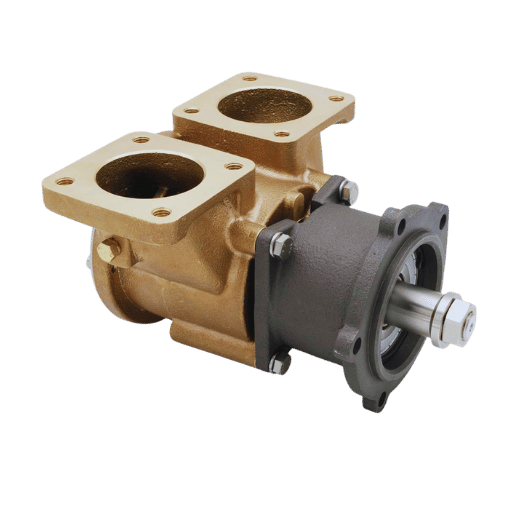
- ✔ مياه البحر الخام لمحركات السفن. تبريد غلاف محرك الديزل في السفن التجارية (فئة فرعية مميزة تُخدم عادةً بتصاميم إزاحة موجبة ذات مكره مرن).
- ✔ الاستزراع المائي الساحلي. مضخات تدوير لمزارع التربية والمفاقس التي تعتمد على مأخذ مياه مالحة.
لماذا تهيمن مضخات الطرد المركزي في خدمة مياه البحر (ولماذا ليست المضخات الترسية)
 لظروف التشغيل المستمرة &10 m/h، تتفوق مضخات الطرد المركزي في 4 عوامل: كفاءة تسلسلية مرتفعة للمحلول الملحي منخفض الملوحة، وموانع تسرب مقاومة للفشل وخالية من الخلوصات الدقيقة التي تتآكل، وهندسة إحكام دوارة تتفوق على ترتيبات عمود الدوران المنزلق في بيئة كلوريدية، وقطع تآكل قابلة للصيانة الميدانية.
س: لماذا تُستخدم مضخة طرد مركزي في مضخة مياه البحر بدلًا من مضخة تروس؟
تتعطل مضخات التروس في المحلول الملحي لأن الأسنان المتشابكة تولّد مواضع محلية للتآكل الجلفاني/الشقّي، ويتآكل الخلوص الدقيق للأسنان سريعًا إذ ينهش الكلوريد الناجم عن المحلول الملحي السطح. تنتج أجهزة الطرد المركزي التآكل نفسه عند الانجراف عبر مكره مصمم لهذا الغرض، حيث تكون خسارة الكتلة البالغة 5% قابلة للإدارة هيدروليكيًا. تظل الإزاحة الموجبة هي الخيار الحاسم تحت 1 m/h – لجرعات المياه المالحة بالمبيد الحيوي أو مانع التكلس أو مركز المحلول الملحي. تحت هذا النطاق من التدفق، يسخّن إعادة التدوير المتسارع بالتآكل أسطح المكره من الفولاذ المقاوم للصدأ المجهدة بما يكفي لبدء التنقر. «الحد الأدنى للتدفق المستقر المستمر لـ …»؟00:00 – نحو 40% من نقطة أفضل كفاءة!💡 نصيحة احترافية
إذا كانت ظروف تشغيل مياه البحر تتطلب تحلية بارتفاع ضخ فائق أو خدمة بين العمليات تتجاوز 150 mH، فاطلعوا على كيفية تعامل ترتيبات الغلاف المنقسم الأفقية مع أداء التدفق المرتفع عبر تصميم مختلف لدعم الدوار.
هندسات المضخات لمياه البحر: 5 فئات ومتى تناسب كل منها
 وفقًا للكتالوجات، يروّج معظم الموردين لتكوين واحد، وتقارن معظم منشورات المضخات العامة بين 2 أو ³. تستخدم معظم خدمات مياه البحر فعليًا واحدًا من 5 أنواع تكوينية؛ ويُحدد الاختيار بتصميم المأخذ ودورة التشغيل لا بمعدل التدفق.
س: ما الأنواع الأربعة (بل الخمسة فعليًا) لمضخات المياه لخدمة مياه البحر؟
تسرد النصوص المرجعية الأنواع الفرعية للطرد المركزي: التوربينية العمودية، والتدفق المحوري، والغاطسة، مع كون التدفق المختلط هجينًا يظهر كثيرًا في خدمة المآخذ الساحلية. تسرد معظم نصوص المضخات المنشورة 4 أنواع؛ لكن في أعمال مياه البحر يعكس اختيار الفئات الخمس تكوين المأخذ.| الهندسة | نطاق معدل التدفق | نطاق ارتفاع الضخ | NPSHr المعتاد | إتاحة الصيانة |
|---|---|---|---|---|
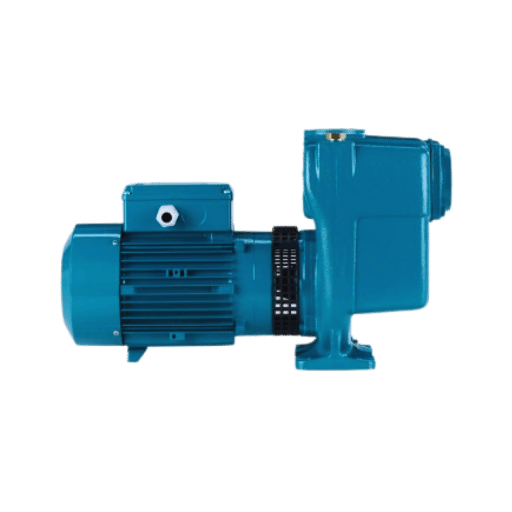
| مضخة طرد مركزي أفقية ذات شفط طرفي | 3 – 1,000 m³/h | حتى 125 m | 3 – 5 m | سحب خلفي على مستوى الأرض |
| مضخة طرد مركزي متعددة المراحل | 5 – 200 m³/h | حتى 600 m | 2 – 4 m | سحب المكونات، أكثر تعقيدًا |
| توربينية عمودية بعمود دوران خطي | 50 – 2,500 m³/h | حتى 300 m | 0 m (وعاء مغمور) | إزالة بالرافعة |
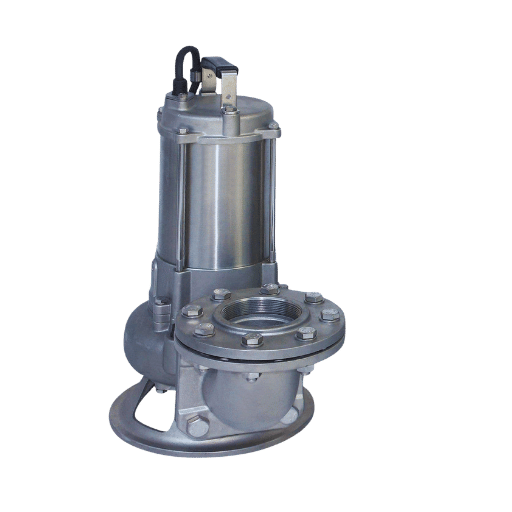
| مضخة غاطسة ذات شفط طرفي | 5 – 1,500 m³/h | حتى 100 m | 0 m (مغمورة بالكامل) | رافعة أو غواص |
| تدفق محوري / مختلط | 200 – 50,000 m³/h | حتى 25 m | 1 – 3 m | إزالة مجموعة الوعاء |
تعكس النطاقات مدى التوافر الصناعي الفعلي في الكتالوجات الميكانيكية. تختلف اصطلاحات التسمية وحدود السعة حسب المصنع؛ اعتبروا ما يلي مخططًا للفئات، لا مواصفة فنية للمشتريات.
منطق بسيط: إذا كان هيكل المأخذ أخفض من منسوب الأرض (بئر رطب، حوض عند مستوى البحر) فاختاروا هذه الأنواع؛ وإذا كان الحوض غير ملحوظ فوق منسوب الطريق مع توفر صافي ارتفاع شفط موجب كافٍ، فإن الشفط الطرفي فعّال من حيث دورة الحياة ورأس المال معًا. إذا تطلب ارتفاع الضخ أكثر من 150 m (معزز غشاء التناضح العكسي؛ مكثف غليان E. طويل)، فالمضخة متعددة المراحل هي الخيار الأفضل. وإذا كان التدفق شديد الارتفاع وارتفاع الضخ شديد الانخفاض (مأخذ تبريد بدء التشغيل لمحطة ساحلية)، فإن التدفق المحوري أو المختلط مع طلاءات محمية كاثوديًا يكون مجديًا من حيث التكلفة. اتجاه ينبغي ملاحظته دائمًا: وفقًا لتجارب الممارسين في أرشيفات البريد الإلكتروني لمجتمعات الهندسة، تعمل التوربينات العمودية جيدًا عند التدفق المقنّن، لكن هامش NPSH قد يُفقد سريعًا عند التشغيل فوق 130% من نقطة أفضل كفاءة. تتبع معايير تركيب المضخات الغاطسة حسابًا مختلفًا لإتاحة الوصول يأخذ أوقات الرافعة والغواص في الحسبان.هيدروليكا الطرد المركزي في المياه المالحة: لماذا تكون حسابات المياه العذبة مضللة
تميّز 4 اختلافات مياه البحر عن أنظمة مضخات المياه العذبة. أغفلوا أحدها فسيكون محرككم أصغر من اللازم، أو يتبخر هامش NPSH صيفًا، أو يتكهف المكره عند التدفق المنخفض.تصحيح الكثافة (الأكثر إغفالًا)
تبلغ كثافة مياه البحر القياسية عند 35 PSU مقدار 1,025 kg/m مقابل 1,000 للمياه العذبة. تزداد قدرة عمود الدوران بنسبة مباشرة إلى الكثافة، لذا تصبح مضخة مياه عذبة بقدرة 100 kW مضخة مياه بحر بقدرة 102.5 kW عند الحمل المطابق. يرجع المهندسون إلى خرائط أداء الشركة المصنعة للمياه العذبة، وغالبًا ما يستقرون على محرك أصغر من اللازم بنسبة 2.5%.NPSH المتاح مع ضغط بخار المياه المالحة
ضغط بخار مياه البحر عند 30C يساوي تقريبًا ضغط المياه العذبة. وتتحدد التقلبات الموسمية بدرجة أكبر بدرجات حرارة المأخذ: عند المستويات الاستوائية (35C)، ينخفض هامش NPSH بنحو 12% مقارنة بالمنحنى المختبر عند 20C. تتفق تقارير الممارسين في مجموعات البريد الإلكتروني Eng-Tips على أن التشغيل عند 150% من نقطة أفضل كفاءة يؤدي إلى فقدان المضخة لهامش NPSH حتى في ظل الحسابات النظرية.
📐 ملاحظة هندسية: حساب قدرة عمود الدوران لمياه البحرتخضع قدرة عمود الدوران لمضخة الطرد المركزي للمعادلة P (kW) = ( g Q H) / (1000 ). حيث = 1,025 kg/m (مياه البحر 35 PSU @ 20 C)، وg = 9.81 m/s، ونقطة تشغيل 200 m/h عند ارتفاع ضخ 50m وكفاءة مضخة 0.78. عندئذٍ تكون القدرة الممتصة 36 kW، مع الماء بكثافة مياه البحر القياسية. في المياه العذبة، ستتطلب 35 kW. تحققوا من إعادة حساب الأداء دائمًا بكثافات البحر، إذ ينشر موردو المضخات منحنياتهم بوحدات المياه العذبة.
قوانين التشابه مع الكثافة
تحافظ قوانين التشابه على التشابه الهيدروليكي لمياه البحر، لكن تطبيق تصحيح كثافة مياه البحر على نسبة التشابه يجعل نسبة القدرة أقل من نسبة ضبط المكره ونسبة تشابه النظام. أعيدوا تطبيق نتيجة حساب القدرة.الحد الأدنى للتدفق المستقر
يؤدي التشغيل دون الحد الأدنى للتدفق المستقر المستمر إلى إعادة تدوير الماء داخل غلاف المضخة. تتراكم الحرارة عند عين الشفط، ويسبب ذلك في المكرهات المصنوعة من الفولاذ المقاوم للصدأ تنقرًا مبكرًا بسبب تركيز الكلوريد. لا تحددوا أبدًا نظامًا يحتاج إلى العمل باستمرار دون مستوى تشغيل الشركة المصنعة، الذي يبلغ عادةً نحو 40% من BBP لمضخة طرد مركزي صناعية لمياه البحر.هندسة المواد: كيفية قراءة تحليل المياه لاختيار السبيكة
 توفر معظم مصفوفات الشركات المصنعة للموردين نطاقات الكلوريد ودرجة الحرارة وpH في الأرشيفات، وهي مريحة جدًا لكنها خطرة بدرجة طفيفة للحالات الشاذة. تستخدم حسابات العملية الأساسية معلمات أكثر من 3.
4 أرقام تحدد اختيار السبيكة فعليًا
Cl (ppm)، وأعلى درجة حرارة صيفية، وpH المتغير بحسب الموسم ووقت اليوم، وتكوّن كبريتيد الهيدروجين (HS). تظهر المواد الصلبة الكلية وحمل الطمي في PSU عادةً في تقارير المختبر، لكن Cl وحده هو نسبة السبيكة. الأكسجين المذاب دون 5 ppm يرجح duplex بسبب حركية الطبقة السلبية؛ ويحمّض CO المذاب الماء، مما يتطلب حدًا أدنى أعلى لـ PREN؛ وHS فوق 50 ppm يندرج ضمن NACE MR0175، لذا تصبح درجة المادة الصلبة super duplex أو التيتانيوم ضرورية.شرح PREN
رقم مكافئ مقاومة التنقر = %Cr + 3.3%Mo + 16%N (حساب مرجعي لجمعية الفولاذ المقاوم للصدأ البريطانية). أمثلة للقيم: 316L ~ 25، Duplex 2205 ~ 35، Super Duplex 2507 ~ 42. في مياه البحر المفتوحة دون 40C، يمثل حد PREN البالغ 35 الحد الأدنى الهندسي المحافظ لتكرار الخبرة.⚠️ مهم: لـ Super Duplex حد أعلى يبلغ 40°C في مياه البحر المعالجة بالكلور
تكون درجة الحرارة العليا لظروف تشغيل مياه البحر لـ super duplex في الخدمة المعالجة بالكلور عادةً 40C، وفقًا لبحث NeoNickel حول تآكل super duplex في مياه البحر المنشور. والحلقة الأضعف هي اللحامات، لا المعدن الأساسي. إذا كانت ظروف التشغيل لديكم أكثر سخونة – زيادة تركيز محلول RO الملحي، أو تبريد مكثف استوائي في ذروة الصيف، أو حلقات تبريد معالجة بالكلور فوق 40C – فإن super duplex ليس تلقائيًا أكثر مقاومة للتآكل من سبائك 6Mo فائقة الأوستنيت أو التيتانيوم لتلك ظروف التشغيل.
المنهج لا المصفوفة
عندما ينشر المورد جدول بحث للكلوريد ودرجة الحرارة، فإن منطق اختيار السبيكة يتضمن قيمة الكلوريد من عينة 12-month، وإجهاد طبقات الحرارة، ومعدلات الملوثات، وحدود كيمياء NACE حيث تنطبق الخدمة الحامضية، واختبار ASTM A923 إذا كان duplex ضمن النطاق. يمكن استخدام جداول المصفوفات السريعة في الاستخدامات الشائعة. أما في الظروف غير الاسمية – مثل درجة الحرارة المرتفعة، أو HS المرتفع، أو التدفق الكاشط، أو مياه التبريد المعالجة بجرعات المبيد الحيوي – فتحققوا من المنطق بأنفسكم. مثال يوضح اختصار المصفوفة: تختزل مصفوفة قرار سبائك QIZ التابعة لـ BBP 4 مدخلات إلى واحد من 6 خيارات للسبائك في 80% من ظروف التشغيل الشائعة. أما في نسبة 20% الأخرى، فإن أداة اختيار سبائك QIZ تستقبل مدخلات تحليل المياه مباشرةً.تصميم النظام: من صندوق البحر إلى مجمع الطرد
 أخيرًا، المضخة ليست سوى قرار واحد من 7 قرارات تتعلق بالعمر التشغيلي. فإذا لم تُراعَ مشكلات النظام الست الأخرى المحيطة بها – ومنها هندسة صندوق البحر، ومصفاة المأخذ، وتوافق مواد الشفة، وتسجيل الحماية الكاثودية، وتحليل الاندفاع، وتفاعل منحنيات المضخات المتوازية، وخنق التدفق الخارج – فلن تحقق مضختكم العمر التشغيلي المستهدف رغم المواصفة الفنية الصحيحة.
هندسة صندوق البحر
صندوق البحر حجرة داخلية أو خارجية في هيكل السفينة تمنع دخول الحطام أو الهواء المنجرف إلى مأخذ شفط المضخة. تحدد ممارسة التصميم عادةً السعة الحجمية عند 3 أضعاف معدل تدفق المضخة في الثانية – وهي علاقة تقريبية سريعة مستنيرة بالصناعة وليست معيارًا حاكمًا. قاعدة الجهد الجلفاني أكثر تحفظًا: يجب أن تشترك مادة شفة الواجهة في صندوق البحر في مجموعة الجهد الكهربي نفسها مع شفط المضخة. سيشكل البرونز مع الفولاذ الكربوني بطارية تآكل عند حشية الواجهة غير المرئية للمفتشين.تحديد حجم مصفاة المأخذ
تصلح إعدادات 200 m الافتراضية للمآخذ البحرية الخارجية. أما للتطبيقات القريبة من الشاطئ التي تسحب مياه بحر غنية بالطمي، فإن 80-150 m يمنع الرمل المحمل بالسيليكا من الاصطدام بالمكره. تمد مصافي التنظيف الذاتي المزودة بخيارات الغسل العكسي فترة الفحص فقط من 2 أسابيع إلى 6 أشهر – وهو تعويض لتكلفة العمالة لمعظم المنشآت الساحلية.دائرة الحماية الكاثودية
تقترن أنودات الزنك التضحية بحديد الزهر والبرونز؛ وتقترن أنودات المغنيسيوم بالفولاذ المقاوم للصدأ duplex. تتقدم أنظمة الحماية من التآكل بالتيار المسلط بمجرد أن يزيد طول أنابيب الفولاذ الكربوني على نحو 50 m. تمثل فترات الصيانة المسألة التي يغفلها معظم المشغلين: فحص بصري عند 6 أشهر، ودراسة فقد الكتلة سنويًا، واستبدال حسب التقويم لا الاستنفاد.الاندفاع والطرق المائي مع مياه البحر
معامل الحجم لمياه البحر أعلى بنحو 3% من المياه العذبة، لذا تكون سرعة موجة الضغط وأقصى ضغط للظواهر العابرة أعلى قليلًا. سيتطلب تحليل الاندفاع عند الفصل الوقائي للمضخة إما صمام طرد بطيء الإغلاق – بحد أدنى 10 ثوانٍ إذا لم يتجاوز أي خط أنابيب 150 m – أو مخمّد اندفاع بغرفة هواء محدد الحجم للظاهرة العابرة الحجمية. كان الطرق المائي، الذي يمزق حشيات الشفاه صباح يوم الاثنين، متوقعًا عمومًا في صيانة عصر السبت عندما أغلق طاقم صمامًا للإيقاف. إظهار المزيدتشغيل المضخات المتوازية
ينتج عن التشغيل المتزامن لـ 2 مضختين متوازيتين متماثلتين في الحجم تدفق أقل قليلًا من الضعف بسبب تفاعل منحنى النظام – وعادةً 1.6 إلى 1.7 مرة من تدفق المضخة الواحدة عند التقاطع المدمج. أكدوا نقطة التقاطع الفعلية على المنحنى المدمج، لا بعد الطلب.أنماط الأعطال في ظروف التشغيل: 6 تشخيصات يغفلها معظم المشغلين
 المضخة المعطلة التي توقفت قرابة الساعة 2 بعد ظهر يوم ثلاثاء، غالبًا ما انتهى عمرها في صباح الاثنين السابق – وغالبًا قبل ذلك بوقت طويل. تلتقط 6 تشخيصات الإنذار المبكر.
تتأثر المواد المختارة لمضخات مياه البحر بمجموعة من الاعتبارات، مثل جودة مياه البحر وقيود المادة وخصائص المعالجة والتكلفة والتوافر. تشتمل أنظمة ومعدات عديدة الآن على فولاذ مقاوم للصدأ عالي السبيكة من الجيل الجديد، لم يكن شائع الاستخدام قبل نحو ثلاثين عامًا. — Stephen J. Morrow، كبير خبراء المعادن والمدير العالمي لتقنية المواد، ITT Corporation Industrial Process، في دروسه التعليمية في Texas A&M Turbomachinery Laboratory حول اختيار المواد لمضخات مياه البحر (عضو NACE، 21+ سنة)
1. انحراف منحنى الأداء
يعود فقد الكفاءة > 5% عند نقطة التشغيل المستقرة عادةً إلى 1.تآكل المكره في المقدمة أو 2.تراكم الغشاء الحيوي داخل الغلاف. اكشفوا عنه باختبار أداء ربع سنوي مقارنة بخط أساس التاريخ الأول لـ ISO 9906—3 اختبارات عند نقطة التشغيل المستقرة، وBBP، و80 percent BBP.2. تغير طيف الاهتزاز
إن ظهور ذروة عند 2 من سرعة الدوران في طيف الاهتزاز مؤشر على اختلال توازن المكره بسبب تنقر أحادي الجانب. يوفر وضع خط أساس عند التكليف نقطة المرجع. وحالما لا يعود ذلك متاحًا، يكون التشخيص تقريبيًا في أحسن الأحوال.3. نمط رشح مانع التسرب الميكانيكي
إذا كان تآكل الوجه في ربع واحد فقط، فعمود الدوران غير محاذٍ، وليس مانع تسرب متعطلًا. أخرجت مانع التسرب وركبت مانع التسرب الصحيح، وبعد 2 أشهر كانت النتيجة نفسها.4. اندفاع ضغط الطرد عند بدء التشغيل
تشير تقلبات الضغط المتكررة عند بدء التشغيل إلى هواء منجرف في صندوق البحر سببه عدم كفاية التحضير أو انسداد تدريجي للمصفاة. يمثل اتجاه فرق الضغط عبر المصفاة جهاز الإنذار المبكر.5. ارتفاع درجة حرارة المحمل دون تغير الحمل
ينقل التآكل السابق للمناطق الراكدة المجاورة الحرارة إلى أسفل عمود الدوران من انتقال الحرارة الأمامي من تغليف المبخر. قد تهاجم وصلة ميتة على جانب المدخل استوطنتها بكتيريا لاهوائية مختزلة للكبريتات الفولاذ المقاوم للصدأ القياسي 316L خلال بضعة أسابيع – لا سنوات، كما يتوقع المشترون غالبًا وفقًا لمجمل الدراسات المنشورة عن تآكل seawaterSTAINLESSSTEEL المائي126. التآكل الجلفاني عند مسامير الشفة
سيظهر ناتج التآكل عند رؤوس المسامير قبل ظهوره على سطح الأنبوب. لذلك، فإن الفحص الجَوْلي الذي يعتمد فقط على سطح الأنبوب المرئي للمفتش سيفوّت ذلك لعدة أشهر. ارجعوا إلى فترات صيانة مكونات التآكل في المضخات عالية التآكل للحصول على وتيرة فحص مماثلة.TCO لدورة الحياة: إطار نمذجة ذاتية (8 فئات للتكلفة)
سعر الشراء الأولي مرتكز ضعيف لمضخات مياه البحر ذات الاستخدام العالي. وفقًا لـ دليل تكلفة دورة حياة المضخات المشترك بين NREL / DOE / Hydraulic Institute / Europump، تمثل أنظمة الضخ نحو 20% من الكهرباء المستخدمة عالميًا، و25 إلى 50% من المستخدمة في مصانع التصنيع، ويمكن توفير 30 إلى 50% من طاقة دورة الحياة المفيدة عبر تعديلات المعدات أو النظام، ما يعني أن الطاقة تهيمن بفارق كبير على تكلفة دورة الحياة عندما تعمل المضخات لأكثر من 2,000 ساعة سنويًا، وهي ظروف تشغيل تعتبرها معظم شركات OEM لمضخات مياه البحر طويلة الأجل.معادلة LCC ذات الفئات 8
معادلة LCC المنشورة: LCC = Cic + Cin + Ce + Co + Cm + Cs + Cenv + Cd.| الفئة | ما الذي تشمله | مدخل النمذجة |
|---|---|---|
| Cic — التكلفة الأولية | المضخة، المحرك، الأنابيب، الخدمات المساعدة | حزمة عرض سعر المورد |
| Cin — التركيب والتكليف | الأساس، والأسلاك، وأجهزة القياس والتحكم، وبدء التشغيل | ~15 إلى 25% من Cic |
| Ce — الطاقة | الكهرباء لنظام نقل الحركة والخدمات المساعدة | kW × الساعات السنوية × التعرفة × تصحيح الكثافة |
| Co — عمالة التشغيل | الإشراف والفحوص الروتينية | الساعات × معدل العمالة المحمل |
| Cm — الصيانة والإصلاح | برنامج مانع التسرب، والمحامل، والعمرة المخططة | التكلفة لكل حدث × عدد الأحداث |
| Cs — زمن التوقف عن التشغيل | فقد الإنتاج بسبب العطل غير المخطط | MTBF × الساعات × معدل فقد الإنتاج |
| Cenv — البيئية | معالجة التلوث، والتخلص من مواد التشحيم | خاص بظروف التشغيل، وغالبًا صغير |
| Cd — إخراج من الخدمة | الإزالة، واسترداد الخردة، واستعادة الموقع | ~1 إلى 4% من Cic |
الحساسية — أي المدخلات تحرك TCO لمدة 10-Year أكثر؟
تهيمن 3 مدخلات على سطح الحساسية: حمل الكلوريد (الذي يحدد فئة السبيكة وبالتالي Cic وCm)، وساعات التشغيل سنويًا (التي تحدد ما إذا كان Ce هو المهيمن)، وتعرفة الكهرباء في منطقة التشغيل. أجروا حساسية 20% على كل من هذه الثلاثة قبل تثبيت قرار السبيكة. وغالبًا ما يكون رابع أكثر المدخلات حساسيةً معدل تكلفة زمن التوقف عن التشغيل، الذي قد ينافس الطاقة في القطاعات التي يتجاوز فيها فقد الإنتاج $5,000 في الساعة. للحصول على مثال عملي لتحليل LCC باستخدام افتراضات QIZ duplex/super-duplex التابعة لـ BBP، راجعوا جدول TCO لمدة 5-year المنشور لـ QIZ، أو أجروا حساباتكم الخاصة عبر حاسبة TCO التفاعلية لـ QIZ.هندسة المشتريات: مواصفة RFQ والتحقق من الموردين
 يؤدي طلب عرض الأسعار الفضفاض إلى ظهور بائعين فضفاضين. يستبعد طلب عرض الأسعار الضيق الموردين الذين قد ينتهي بهم الأمر إلى استهلاك مشروعك. اثنان وعشرون سطرًا من المواصفات هو الحد الأدنى المبلغ عنه.
هيكل RFQ ذي 22 بندًا
سبعة أقسام لطلب عرض السعر — 22 سطرًا إجمالًا
- الواجب الهيدروليكي (4 أسطر) – معدل التدفق عند نقطة التشغيل، الارتفاع الديناميكي الكلي، NPSH المتاح، المواصفة الفنية للمائع مع إرفاق تحليل المياه
- نطاق التشغيل (3 أسطر) – نطاق درجة الحرارة، نطاق ppm للكلوريد، الملوثات (HS / O / CO)
- مواصفة المواد (5 أسطر) – المكره، غلاف المضخة، عمود الدوران، الجلبة، أسطح مانع التسرب الميكانيكي – كل منها حسب درجة ASTM أو UNS، وليس باسم عام
- مواصفة منظومة الإدارة (3 أسطر) – فئة المحرك (NEMA / IEC)، الغلاف (IP / TEFC / منطقة ATEX)، بادئ التشغيل (DOL أو VFD)
- وثائق الجودة (4 أسطر) – شهادة مواد EN 10204 3.1، تقرير اختبار الأداء ISO 9906 درجة 2B، تقرير الاختبار الهيدروستاتيكي، تقرير الموازنة الديناميكية ISO 21940-11 G6.3
- قبول الاختبار (2 سطران) – حقوق اختبار المشاهدة، نطاق سماحية القبول
- التجاري (1 سطر) — مدة التوريد، فترة الضمان، INCOTERMS
المصطلحات بين الموردين — الفخ الخفي
يمكن أن يُدرج Duplex 2205 في عروض الموردين إما باسم UNS S31803، أو UNS S32205، أو EN 1.4462، أو باسم علامة تجارية خاص بالمورد. ويظهر Super Duplex 2507 باسم UNS S32750، أو EN 1.4410، أو LDX 2507. أدرج تعيين UNS أو EN في طلب عرض السعر، واطلب شهادة المصنع بالتعيين المطابق. وأي شيء آخر يفتح باب الغموض الذي يظهر أثناء الفحص عند الاستلام، وهو أسوأ وقت لاكتشاف أن “duplex” كان يعني شيئًا آخر للمورد.التحقق من الموردين على أربعة مستويات
الخطوة الأولى – مراجعة الوثائق – تقارير تدقيق ISO 9001 لمدة ثلاثة أعوام، وليس نسخة الشهادة فقط. الخطوة الثانية – اتصال بالمراجع – عميلان سابقان لديهما نطاق الكلوريد ودرجة الحرارة نفسه، وليس مراجع عامة. الخطوة الثالثة – تدقيق المصنع – مسبك داخلي مقابل صب مُسند إلى مقاول فرعي، واطلب شهادات المصنع من أي ثلاث وظائف عشوائية لا يتجاوز عمرها 6 أشهر. الخطوة الأخيرة – اختبار المشاهدة – راقب اختبار ISO 9906 على وحدتك الأولى بحضور مهندسك للمراقبة. بالنسبة للتوريد الخاص بـ BBP، تستقبل أداة اختيار السبائك QIZ مدخلات تحليل المياه مباشرةً، وتوفر السبيكة المرشحة ومقاس الطراز في استعلام واحد.الحدود الفعلية لضخ مياه البحر
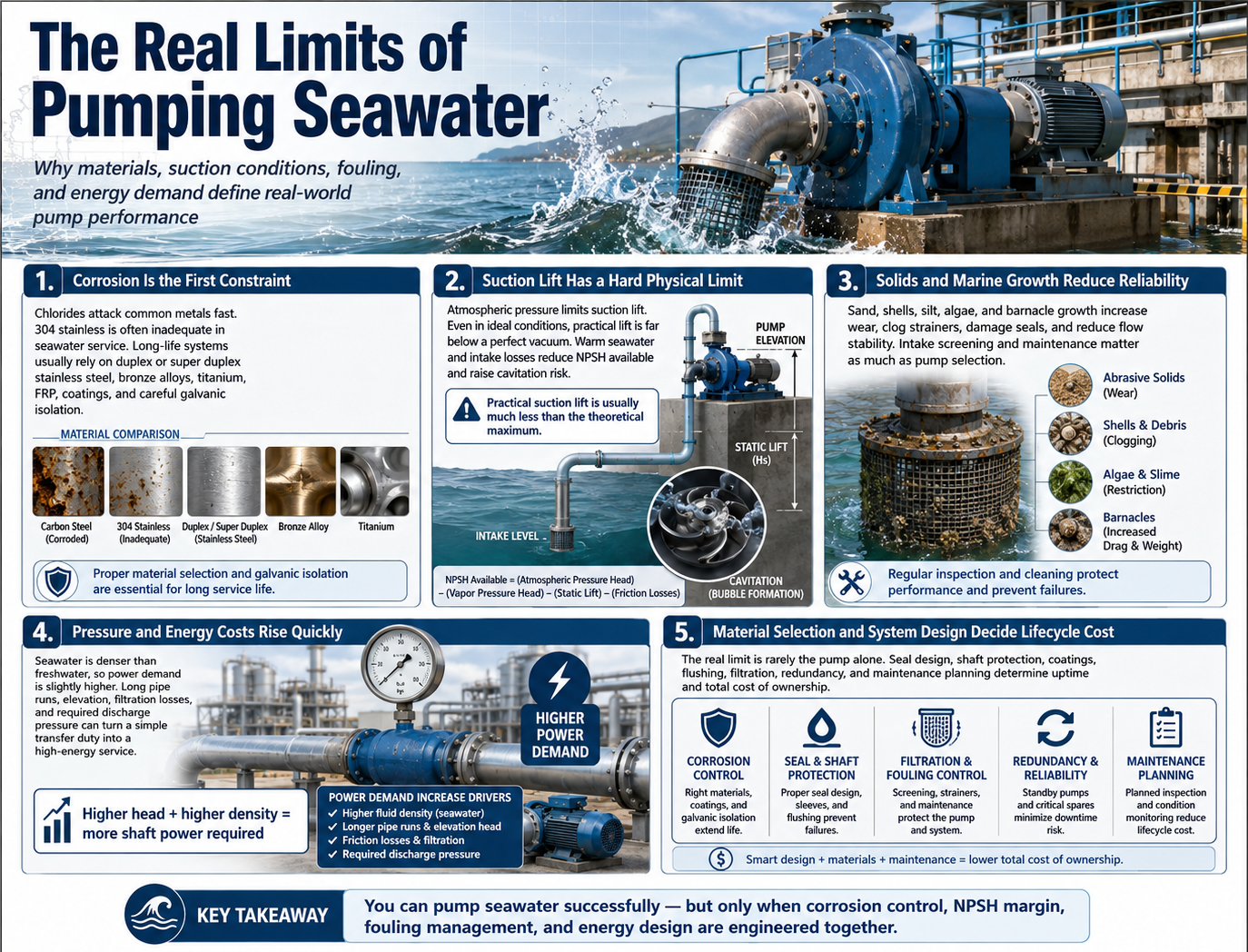
س: لماذا لا نضخ مياه البحر أكثر مما نفعل بالفعل؟
ثلاثة حواجز حدّية هيكلية أمام استخدام مياه البحر حيث كانت ستكون الخيار السهل لولاها: تكلفة الطاقة لكل m مُسلَّم، والتصاريح التنظيمية لهياكل مأخذ السحب، والتصريف البيئي للمحلول الملحي الناتج. تكلفة الطاقة. يكلف مأخذ تبريد ساحلي بسعة 1,000 m/h يعمل 8,000 ساعة/سنة عند ارتفاع ضخ قدره 50 مترًا نحو US$135 MWh إضافية سنويًا مقارنةً بالمياه العذبة بسبب الكثافة وحدها. وعلى مدى عشرة أعوام عند 0.10/kWh، تبلغ تكلفة الطاقة الإضافية $13,500 لكل مضخة، وهي صغيرة مقارنةً بتكلفة معدات المضخة نفسها، لكنها أكبر بكثير عند توسيع النطاق إلى محطة تبريد تضم 12 مضخة. التنظيم. تتطلب هياكل مأخذ السحب في المياه الساحلية بالولايات المتحدة تحسينًا بموجب Clean Water Act 316(b)، يتناول كلاً من سرعة الاصطدام الأقل من 0.5 قدم في الثانية والغربلة لمنع احتجاز الكائنات المائية المحمولة بالماء. وقد جرى تحديد انتقال تصاريح “الامتثال البيئي” الجديدة في ولاية كاليفورنيا مباشرةً إلى عملية مدتها 18-24 شهرًا ضمن أحدث دورات الطلبات. ويهيمن إيقاع المشتريات على الجدول الزمني للمشروع أكثر من مدة توريد المعدات في معظم المشاريع الحرارية. البيئة. يرفع التصريف البيئي لتركيز المحلول الملحي الناتج عن التناضح العكسي الملوحة المحلية بنسبة 5 إلى 15 % عند نقطة التصريف. ويعكس البحث البيئي المنشور خلال الإطار الزمني للعقدين الأخيرين تحولات في المجتمعات القاعية الموزعة حول خمس منشآت رئيسية لتحلية المياه. ويطبق التحليل الاقتصادي للطاقة للضخ عالي الكثافة المشابه لـ دليلنا الميداني لمضخات ملاط التعدين مفاضلات مماثلة على نقل الملاط عالي اللزوجة.توقعات المعايير والتنظيمات لعام 2026
تعيد أربعة عوامل دافعة رسم مصفوفة المواصفات الفنية لمضخات مياه البحر خلال الأفق الزمني 2026-2027.- ✔ تعديلات MARPOL Annex VI المؤرخة 1 أغسطس 2025 سارية الآن. يتطلب الإبلاغ المحسن لخطة إدارة كفاءة طاقة السفن (SEEMP) من السفن التي تزيد على 5,000 GT الإبلاغ عن استهلاك الوقود بدرجة تفصيل أكبر. وبشكل غير مباشر، يدفع ذلك إلى الإبلاغ عن كفاءة المحرك في مضخات تبريد المحرك للسفن الجديدة. الإجراء: اطلب من المورد خيار محرك IE3 أو IE4 لأي تطبيق بحري جديد. المرجع: IMO MEPC-ES.2-2 مشروع MARPOL Annex VI المنقح 2025.
- ✔ تحديث الامتثال لـ U.S. Clean Water Act 316(b). تنتقل مراجعة امتثال هياكل مأخذ السحب للمنشآت التي تضخ أكثر من 2 مليون غالون يوميًا إلى دورة مدتها 18 شهرًا. ويُطلب توثيق ملف السرعة بصورة متزايدة عند التشغيل الأولي. الإجراء: أدرج ملف سرعة الاصطدام في تقرير التشغيل الأولي.
- ✔ تحديث المعايير الكهربائية البحرية IEC TC 18 جارٍ. تخضع سلسلة IEC 60092 لفئات عزل محركات مضخات السفن لمراجعة القطاع، ومن المتوقع اعتمادها في الفترة 2026-2027. الإجراء: حدد محركات بفئة عزل أعلى من الحد الأدنى الحالي بفئة واحدة في السفن طويلة العمر التشغيلي.
- ✔ ضغط سلسلة توريد المواد. أدى تقلب مؤشر النيكل في London Metal Exchange خلال 2024-2025 إلى رفع أسعار صب duplex بنسبة 18 إلى 22% وفقًا لما يورده القطاع. وتندر عروض الأسعار الثابتة لأكثر من 90 يومًا. الإجراء: احصل كتابةً على فترات السعر الثابت لأي طلب يتجاوز $50,000.
الأسئلة الشائعة — أسئلة دورة الحياة والتشغيل
س: ما الفرق بين مضخة مياه البحر ومضخة المياه الخام؟
عرض الإجابة
يُعرَّف مصطلح “مضخة المياه الخام” على أفضل وجه بأنه فئة من مضخات مياه البحر لمحركات السفن، تسحب من خط الأنابيب الذي ينقل المياه إلى أغلفة محركات الديزل. وغالبية تصاميم مضخات المياه الخام البحرية هي تصاميم P. مزدوجة الضخ ذات مكره مرن. أما “مضخة مياه البحر” فهو مصطلح واسع الدلالة لأي مضخة صناعية لمناولة مياه البحر، ويغلب عليها تصميم الطرد المركزي.
س: هل يمكنني تحديث مضخة مياه عذبة لتعمل بمياه البحر؟
عرض الإجابة
ينبغي استبدال الأجزاء الملامسة للسائل فقط – المكره، وغلاف المضخة، وجلبة عمود الدوران، وأسطح مانع التسرب – بسبيكة مقاومة لمياه البحر، ثم إجراء اختبار ISO 9906 جديد على الوحدة المعاد تشغيلها؛ وسيُحتفظ بالمحرك وبيت المحمل وفق تصميم المياه العذبة المقابل. ويتراوح سعر التحديث المعتاد بين 60-80% من سعر الوحدة الأصلية، ولا يكون ذا جدوى إلا إذا كان تركيب مضخة المياه العذبة قد تم خلال السنوات القليلة الماضية.
س: كم مرة ينبغي فحص مانع التسرب الميكانيكي في ظروف تشغيل مياه البحر؟
عرض الإجابة
فحص بصري يومي للتسرب خلال أول 90 يومًا من التشغيل، ثم أسبوعيًا بعد ذلك. التحقق من فتحات شطف مياه التبريد كل 90 يومًا. خطة لاستبدال تطهير خرطوشة مانع التسرب خلال 18 شهرًا للتصميم ذي الخرطوشة المفردة، وخلال 36 شهرًا للتصميم ذي الخرطوشتين مع API Plan 53. ينبغي تغيير جلب عمود الدوران وفق الجدول نفسه لخراطيش مانع التسرب.
س: ماذا يعني عادةً الانخفاض المفاجئ في ضغط الطرد؟
عرض الإجابة
تحقق أولاً من المصفاة: يمكن عزو نحو 80% من الانخفاضات المفاجئة في الضغط إلى حطام يسد وجه المصفاة أو إلى تراكم النمو البحري. وإذا كانت المصفاة نظيفة، فتحقق من صمام الشفط ونظام التحضير. وإذا كان كلاهما سليمًا وظل الضغط منخفضًا، فقدت المكره مادةً بسبب التنقر أو تآكل التكهف. فكها وافحصها خلال 48 ساعة؛ إذ سيُسرّع استئناف التشغيل الفشل.
س: هل البطانة المطاطية مقبولة لظروف تشغيل مياه البحر؟
عرض الإجابة
البطانة المطاطية مناسبة لمياه البحر المحتوية على مواد صلبة – التجريف، ومخارج صرف ملاط، ومخلفات المناجم إلى البحر، ونقل الطمي الشروب – حيث يتغلب التآكل بالاحتكاك على التآكل الكيميائي. أما لخدمة مأخذ مياه البحر الشروب أو التبريد، فلا تقدم البطانة المطاطية ميزة مهمة مقارنةً بالفولاذ المقاوم للصدأ duplex وتتطلب صيانة أعلى. اختر البطانة لمطابقة نمط الفشل الأساسي، لا لمجرد وصف عام بأنه “مياه البحر”.
س: كيف أمنع التلوث الحيوي في مضخة احتياطية؟
عرض الإجابة
تتطور في مضخات مياه البحر الاحتياطية إصابة بـ SRB والبرنقيل خلال 7 إلى 14 يومًا. تمنع ثلاث تقنيات التراكم: التدوير التلقائي وفق جدول أسبوعي بين المضخة في الخدمة والمضخة الاحتياطية؛ فتحات حقن المبيد الحيوي في خط شفط المضخة الاحتياطية؛ الحماية الكاثودية الممتدة لتغطي حلقة الاحتياط بالكامل بما فيها صمام العزل على الطرد.
س: لماذا يحدث التكهف في مضختي الجديدة عند معدل تدفق منخفض وليس عند معدل تدفق مرتفع؟
عرض الإجابة
التكهف عند معدل التدفق المنخفض هو تكهف إعادة الدوران عند شفط المضخة؛ إذ تدور المكره بمحاذاة جدار غلاف المضخة بدلًا من تحريك المائع. حافظ على تشغيل المضخة فوق الحد الأدنى المنشور للتدفق المستقر المستمر في جميع الأوقات. تحدد معظم أنواع مياه البحر MCSF عند نحو 40% من نقطة أفضل كفاءة؛ ويمكن لحلقات التجاوز أو صمامات إعادة الدوران إبقاء المضخة ضمن النطاق، حتى عندما ينخفض طلب المحطة عن MCSF.
س: ما قائمة التحقق المعتادة للتشغيل الأولي لتركيب مضخة مياه بحر جديدة؟
عرض الإجابة
ست خطوات متسلسلة: حدد اتجاه الدوران مع فصل المحرك؛ حضّر خط الشفط وثبّت منسوب صندوق ماء البحر؛ شغّل مع إغلاق صمام الطرد ثم افتحه ببطء حتى نقطة التشغيل؛ سجّل خط أساس الاهتزاز عند نقطة التشغيل للمقارنة لاحقًا؛ أكد هامش NPSH مقابل أنابيب الشفط كما نُفذت؛ وأجرِ اختبار القبول ISO 9906 إذا كانت حقوق المشاهدة محددة في العقد. يُقدَّم تشريح مكونات مجموعة الأجزاء الملامسة للسائل لشرح ما ينبغي البحث عنه في كل خطوة.
المراجع والمصادر
- تكاليف دورة حياة المضخة: دليل لتحليل LCC لأنظمة الضخ – U.S. Department of Energy / Hydraulic Institute / Europump (أرشيف NREL)
- اختيار المواد لمضخات مياه البحر، بقلم Stephen J. Morrow – درس Texas A&M Turbomachinery Laboratory
- ISO 9906:2012 – مضخات ديناميكية دورانية: اختبارات قبول الأداء الهيدروليكي، الدرجات 1 و2 و3 – International Organization for Standardization
- مشروع MARPOL Annex VI المنقح 2025 (MEPC-ES.2-2) – International Maritime Organization
- NACE MR0175 / ISO 15156 وصناعة الفولاذ المقاوم للصدأ – Stainless Steel World (يعرض جداول NACE MR0175-2015 من A24 إلى A26 لدرجات duplex)
- تآكل الفولاذ المقاوم للصدأ Super Duplex في أنواع المياه المختلفة – ورقة فنية من NeoNickel (مرجع الحد الأعلى لمياه البحر المكلورة عند 40C)
- ANSI/HI 14.6 مضخات ديناميكية دورانية لاختبارات قبول الأداء الهيدروليكي – Hydraulic Institute (المكافئ المنسق في U.S. لـ ISO 9906
- حساب أرقام مكافئ مقاومة التنقر (PREN) – British Stainless Steel Association
مقالات ذات صلة
- مضخة أفقية ذات غلاف منقسم – دليل هندسي للتصميم والتشغيل والاختيار
- Firma تحت عنوان ’مضخة ملاط غاطسة’ – البيانات الفنية للتجفيف وتشغيل التعدين ومضخة الرمل:
- قطع تآكل مضخة التجريف — دليل المواد وفترات الاستبدال
- أجزاء مضخة ملاط—مجموعة الأجزاء الملامسة للسائل ومانع التسرب والمحمل، وبالتحديد مجموعة الأجزاء الملامسة للسائل ومانع التسرب والمحمل في مضخة الملاط.
- مضخة ملاط مبطنة بالمطاط-كيفية اختيارها واستخدامها وصيانتها
- الدليل الميداني لمضخات ملاط التعدين
عن هذا الدليل
تستند نطاقات الكلوريد، ومنظومة LCC ذات الفئات 8، والحد الأعلى لـ super duplex عند 40C المذكورة هنا إلى الأدبيات الفنية المتاحة علنًا (NREL/DOE، وTexas A & M Turbomachinery Laboratory، وNeoNickel، وNACE)، إضافةً إلى الممارسة الهندسية لسلسلة QIZ من BBP في ظروف تشغيل المضخات الصناعية الساحلية منذ 2005. وعند تقديم أمثلة خاصة بالمورد، فهي تشير فقط إلى سلسلة QIZ من BBP كمثال واحد – وينبغي أن تسترشد ببيانات مورديك أنفسهم في قرارات السبيكة وTCO. بيانات الطاقة وتكلفة دورة الحياة تقديرات؛ أعد حساب المعادلة باستخدام تعرفة الكهرباء ودورة التشغيل لديك قبل إعداد المواصفة الفنية.