تواصل مع BBP

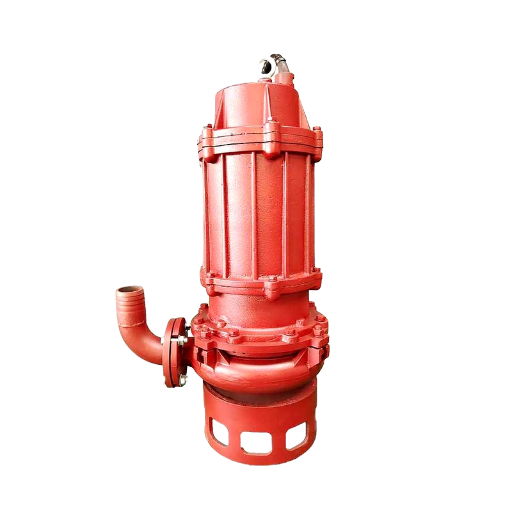
مضخة ملاط غاطسة
مضخة ملاط غاطسة — بمُقلِّب للرواسب مدمج | BBP
مضخات ملاط غاطسة للخدمة الشاقة مضخات الملاط مصممة للتعدين والتجريف وأعمال الإنشاءات العامة. تصنيع معتمد وفق ISO 9001 مع تكامل رأسي شامل من البداية إلى النهاية.
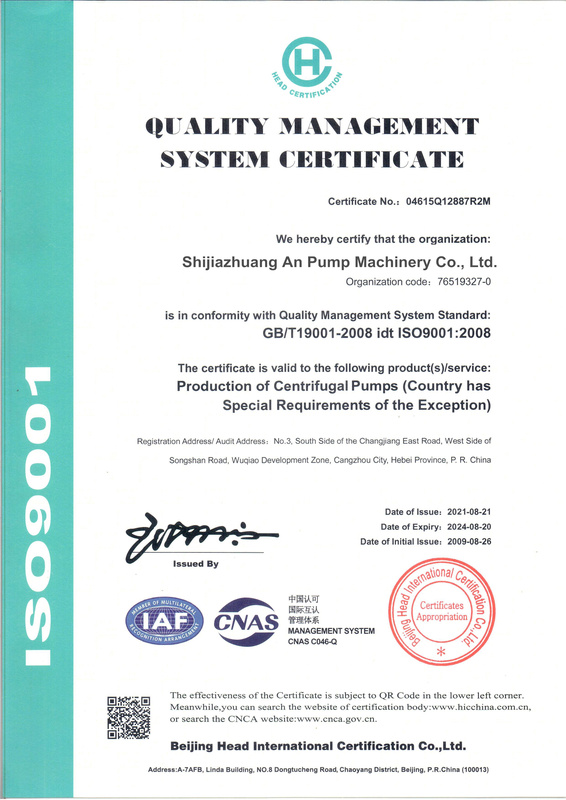
ISO 9001:2015
علامة CE
تم فحصها بواسطة SGS
ISO 14001
اطلب عرض سعر

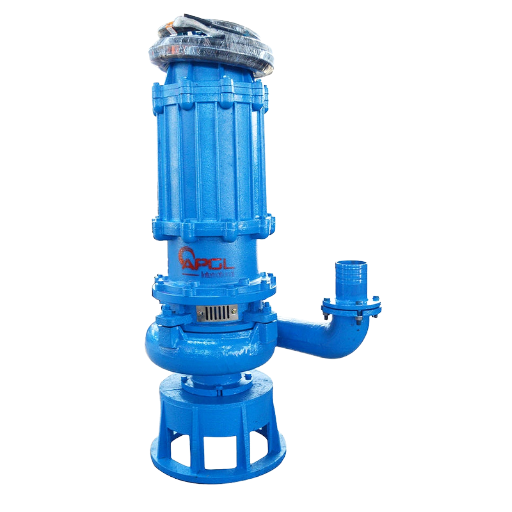
لماذا تفشل المضخات القياسية في الملاط الكاشط — وكيف تعالج مضخات الملاط الغاطسة ذلك
بالنسبة للعاملين في مشاريع التعدين والتجريف والإنشاءات الثقيلة، فأنتم تعرفون أنماط الفشل الثلاثة لتركيبات مجموعات المضخات التقليدية التي تضخ الملاط الكاشط.
نقطة الألم 1: تآكل سريع للمكره وغلاف المضخة
تستخدم مضخات الطرد المركزي القياسية مكونات داخلية من حديد الزهر العادي. في ظروف تشغيل الملاط — رمل السيليكا ودقائق الخام ورماد الفحم — تتآكل تلك المكونات خلال أسابيع. ويتبع ذلك انخفاض التدفق وارتفاع استهلاك القدرة وحالات توقف طارئة. وتكلّف كل حالة توقف غير مخطط لها عادةً $3,000–$12,000 من خسائر الإنتاج وحدها.
نقطة الألم 2: انسداد متكرر بسبب المواد الصلبة المترسبة
تقع مضخة ملاط أفقية فوق مستوى السائل وتعتمد على ارتفاع الشفط. وعندما تترسب المواد الصلبة في حوض التجميع أو الحفرة، تنسد خطوط الشفط. ويلجأ المشغّلون إلى التقليب اليدوي أو يضيفون مضخة تقليب ثانوية مخصصة — وكلا الخيارين يزيد التكلفة والتعقيد. وفي المناجم، يمكن عزو أكثر من 60% من حالات طوارئ المضخات في أحواض التجميع إلى الانسدادات الناجمة عن تراكم الحمأة.
نقطة الألم 3: فشل مانع التسرب الميكانيكي بسبب التشغيل الجاف
قد تنخفض مستويات السائل إلى ما دون مأخذ السحب في ظروف أحواض التجميع غير المستقرة. وتتعرّض موانع التسرب الميكانيكية التقليدية لارتفاع سريع في الحرارة في ظروف التشغيل الجاف، ما يؤدي إلى تسرب كارثي كامل. ويتطلب استبدال مجموعة مانع التسرب المعطلة 4-8 ساعات من عمل فني مؤهل – بافتراض توافر قطع الغيار.
كيف تعالج مضخة الملاط الغاطسة كل نمط من أنماط الفشل
تعمل مضخة ملاط غاطسة وهي مغمورة بالكامل في الملاط نفسه. يُدمج المحرك والطرف الهيدروليكي على محور واحد داخل غلاف محكم واحد — دون موانع تسرب لعمود الدوران مكشوفة أو أنابيب شفط أو تحضير. ولأن المضخة تقع في قاع حوض التجميع، فإنها تسحب مباشرةً خليط المواد الصلبة والسائل عالي التركيز دون قيود ارتفاع الشفط التي تحد من البدائل المركبة على السطح.
صُممت هذه المضخات لمعالجة كل مشكلة بحلول هندسية محددة. فعلى سبيل المثال، تتميز المكرهات وألواح التآكل المصنوعة من سبيكة Cr27 عالية الكروم بمقاومة للتآكل بالاحتكاك تزيد 2-3x عن حديد الزهر. ويعيد مُقلِّب الرواسب القياسي المدمج والمثبت في الأسفل تعليق المواد الصلبة قبل وصولها إلى مأخذ سحب المضخة، مما يمنع دورة الانسداد. كما أن نظام مانع التسرب الميكانيكي المزدوج SiC، مع عزل محرك من الفئة H، يتحمل التشغيل الجاف العرضي.
النتيجة الصافية: تقليل زمن التوقف عن التشغيل المخطط له، وزيادة فترات الصيانة، وتقديم مضخة تلائم فعلياً متطلبات تطبيقات التجفيف الكاشطة.
سلسلة مضخات الملاط الغاطسة BBP — الطرازات والمواصفات ودليل الاختيار
تغطي سلسلة QSZ النطاق الكامل لتطبيقات ضخ الملاط الغاطس — بدءاً من الوحدات المدمجة بقدرة 4kW وصولاً إلى الطرازات للخدمة الشاقة بقدرة 250kW. ويُورّد مكره Cr27 عالي الكروم ومُقلِّب رواسب مدمج قياسي مع كل طراز QSZ. تتوفر خيارات نظام نقل الحركة الكهربائي أو الهيدروليكي. وتخضع كل مضخة لاختبار هيدروليكي في المصنع وفق ANSI/HI 12.1-12.6 قبل الشحن.
إن معرفة معدلات التدفق والارتفاع الديناميكي الكلي وخصائص الملاط هي بداية تحديد حجم المضخة؛ وتوفر الجداول التالية الإطار، بينما يتولى مهندسونا التفاصيل.
مضخة الملاط الغاطسة QSZ — بيانات الأداء
الطراز
المخرج (mm)
التدفق (m³/h)
ارتفاع الضخ (m)
القدرة (kW)
أقصى جسيم (mm)
QSZ50-15-4
80
19
15
4 (1400 r/min)
11
QSZ50-22-11
80
50
22
11 (1400 r/min)
21
QSZ80-30-15
100
80
30
15 (1400 r/min)
13
QSZ100-15-15
100
100
15
15 (1400 r/min)
21
الطراز
المخرج (mm)
التدفق (m³/h)
ارتفاع الضخ (m)
القدرة (kW)
أقصى جسيم (mm)
QSZ150-25-22
150
150
25
22 (1400 r/min)
28
QSZ200-25-37
150
200
25
37 (1400 r/min)
28
QSZ300-25-45
200
300
25
45 (1400 r/min)
42
QSZ400-30-55
200
400
30
55 (1400 r/min)
42
QSZ500-30-75
250
500
30
75 (1400 r/min)
50
الطراز
المخرج (mm)
التدفق (m³/h)
ارتفاع الضخ (m)
القدرة (kW)
أقصى جسيم (mm)
QSZ800-30-110
300
800
30
110 (1400 r/min)
50
QSZ1000-30-160
300
1000
30
160 (1400 r/min)
50
QSZ1500-25-200
350
1500
25
200 (1400 r/min)
56
QSZ2000-15-250
400
2000
15
250 (1400 r/min)
56
يشمل النطاق الكامل 75+ تهيئة من مخرج 80mm إلى 400mm. اتصل بـ BBP للحصول على الكتالوج الكامل.
مصفوفة التطبيق ← اختيار الطراز
تجفيف حوض التجميع في المناجم
سلسلة QSZ100–QSZ300
يمنع مُقلِّب الرواسب المدمج ترسب الرواسب في أحواض التجميع
تجريف الأنهار والبحيرات
سلسلة QSZ500–QSZ2000
تدفق عالٍ + مرور جسيمات كبيرة حتى 56mm
تجفيف مواقع الإنشاءات
سلسلة QSZ50–QSZ100
حجم مدمج، نشر سريع، تركيب خلال 1–2 يوم
نقل مياه الصرف الصحي والحمأة
سلسلة QSZ150–QSZ400
يتعامل مُقلِّب الرواسب مع الحمأة المترسبة، وموانع تسرب مقاومة للمواد الكيميائية
عمود منجم عميق (>30m ارتفاع ضخ)
طرازات QSZ بارتفاع ضخ مقنّن 30–80m
أقصى ارتفاع ضخ لتطبيقات الرفع العمودي
تحليل تقني متعمق
مُقلِّب رواسب مدمج قياسي
تشتمل كل مضخة ملاط غاطسة QSZ على مُقلِّب رواسب مدمج قياسي مثبت في الأسفل — وليس إضافة اختيارية. ويتموضع المُقلِّب أسفل المكره، ويزيد مستويات الطاقة الحركية للمواد الصلبة في طبقات المواد الصلبة المترسبة عند مأخذ سحب المضخة، معيداً تعليق الجسيمات لتكوين ملاط قابل للضخ. ولا يلزم أي معدّات تقليب خارجية، ويُخفض الترسيب (المرتبط بزمن توقف المضخة عن التشغيل) بمقدار 35-50% — ما يقلل مباشرةً أنماط الفشل المسؤولة عن أكثر من 60% من حالات توقف المضخات غير المخططة في أحواض المناجم. ولأن المُقلِّب يشترك مع المكره في عمود دوران المحرك نفسه، فلا توجد معدّات إضافية تحتاج إلى صيانة — ولا محامل مضخة أو موانع تسرب أو مكونات لنظام نقل الحركة. وبالنسبة للملاط عالي المواد الصلبة (<1.5 S.G.)، يجري تحسين عمل المُقلِّب لتحقيق أقصى ارتفاع احتفاظ للمكره.
المواصفات
خيارات المواد والتوافق الكيميائي
تُصنع مكونات مجموعة الأجزاء الملامسة للسائل القياسية في QSZ — المكره وغلاف المضخة وحلقة التآكل ولوح الشفط — من سبيكة عالية الكروم (Cr26–Cr28, HRC 58–63) لتحقيق أقصى مقاومة للتآكل بالاحتكاك. وتتعامل هذه التهيئة مع الملاط ضمن pH 5–12. وللبيئات شديدة الحموضة أو القلوية (pH 1–14)، نوفر عند الطلب أجزاء ملامسة للسائل من سبيكة خاصة أو مبطنة بالمطاط. وتستخدم حجرة الزيت ترتيباً يضم مانع تسرب هيكلياً إضافة إلى مانع تسرب ميكانيكي بتصميم لموازنة الضغط، لمعادلة ضغط حجرة الزيت الداخلي والخارجي وإطالة عمر مانع التسرب تحت الغمر المستمر.
التعدين والتجريف والإنشاءات — كيف تقلل مضخات BBP زمن التوقف وتطيل عمر التآكل
تدفع أربعة استخدامات صناعية رئيسية الطلب على مضخات الملاط الغاطسة. ولكل تطبيق متطلبات أداء محددة، وقد يبرز الإخفاق في تلبيتها جوانب قصور مختلفة في نظام الضخ. وهنا نوضح أبعاد التشغيل الموثوق في كل غرض رئيسي.
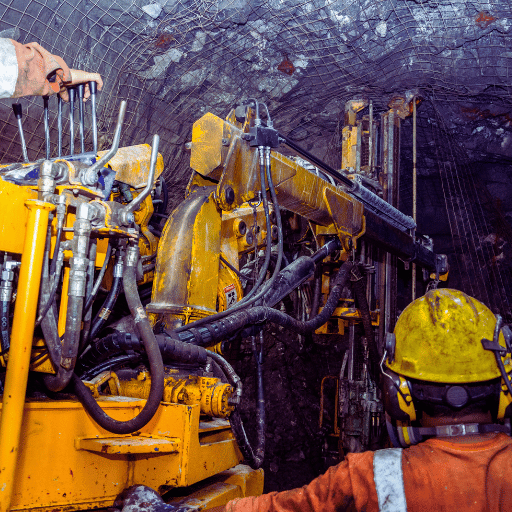
تجفيف حوض التجميع في المناجم
تنتج المناجم تحت الأرض والمناجم المفتوحة ملاط خام كاشطاً بتركيز مواد صلبة 45-55%. وتمنع مضخات BBP من سلسلة QSZ100–QSZ300 المزودة بمُقلِّب رواسب مدمج قياسي تراكم المواد في حوض التجميع، حيث تترسب المخلفات الدقيقة باستمرار. ويتحمل مكرهنا Cr27 عالي الكروم صدمات دقائق الكوارتز وخام الحديد. وقد ركّبنا مضخات تشغيل 24/7 في مناجم النحاس والذهب والفحم—إذ يمكن أن يؤدي توقف المضخة لمدة ساعة واحدة إلى تعطيل دائرة استخراج الخام بالكامل.
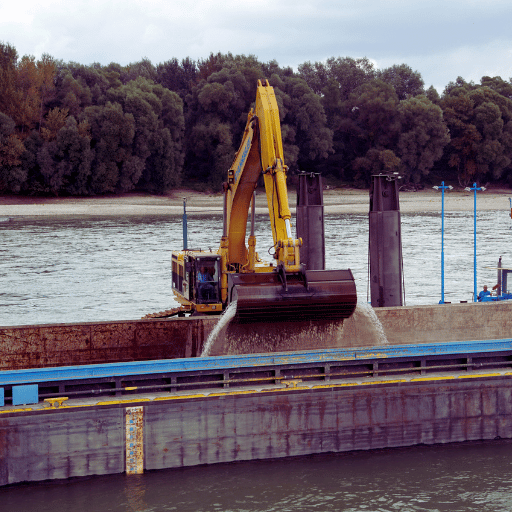
التجريف واستخراج الرمال
يشمل تجريف الأنهار والبحيرات رمالاً كاشطة وحصى ومخلفات يصل قطرها إلى 56 mm. وتوفر طرازات BBP QSZ500–QSZ2000 للخدمة الشاقة سعة عالية حتى 2,400 m³/h، إلى جانب قطع تآكل متينة وكفاءة الطرد المركزي لأعماق تشغيل طويلة الأمد للقوارب أو الطوافات أو القوارب ثلاثية البدن أو الجرافات البرية حتى 80 m.

تجفيف مواقع الإنشاءات
تنتج حفر الحفر ومداخل الأنفاق وخنادق الأساسات—رطبة كانت أم جافة—كميات غير منتظمة من الملاط الملوث الذي يتحرك بمعدل تدفق غير كافٍ للمناولة. وتحتاج مضخات BBP من السلسلة المدمجة QSZ50–QSZ100 إلى رفعة رافعة واحدة ووصلة خطاف لحام واحدة، لتصبح المحطة جاهزة للتشغيل خلال دقائق. وتستقر الوحدات خفيفة الوزن على منصات مسطحة. وتتحمل محركات الفئة H للتشغيل الجاف التقلبات المتكررة في NPSH المعتادة في مشاريع التجفيف.
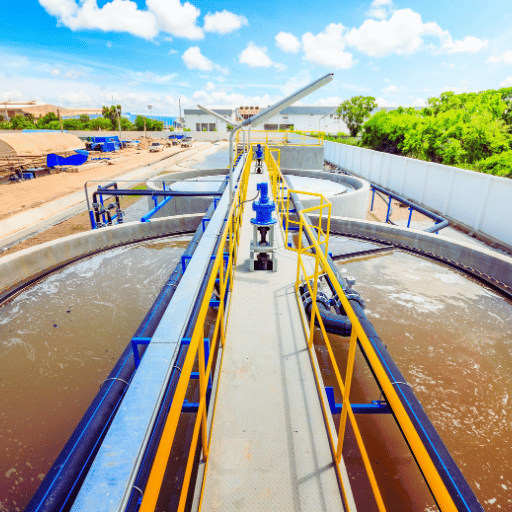
نقل مياه الصرف الصحي والحمأة
تتعامل محطات المعالجة البلدية والصناعية مع أحمال متغيرة من الحمأة والمخلفات. وتلائم مضخات الملاط الغاطسة لدينا (المزودة بمُقلِّب للرواسب) جميع ظروف مناولة ملاط الحمأة، بما في ذلك التطبيق الغاطس في حوض التهوية وقسم الترويق الثانوي من العملية. ويمنع مانع التسرب الميكانيكي المزدوج SiC تسرب التلوث إلى البيئة.
مضخة الملاط الغاطسة مقابل المضخة الأفقية — مقارنة أداء قائمة على البيانات
ينطوي الاختيار بين مضخة ملاط غاطسة ومضخة ملاط أفقية على آثار تتعلق بالتكلفة الإجمالية للملكية - فهو ليس مجرد مقارنة بين أوراق المواصفات. ويعتمد خياركم الأفضل على متطلبات التدفق وارتفاع الضخ، وقيود موقعكم، والبنية التحتية للصيانة لديكم. وفيما يلي مقارنة أداء للأبعاد الرئيسية المؤثرة في التكلفة الإجمالية للملكية.
| بُعد الأداء | مضخة ملاط غاطسة | مضخة ملاط أفقية |
|---|---|---|
| الكفاءة التشغيلية | 82–88% (<500 m³/h) | 78–90% (>500 m³/h) |
| وقت التركيب | 1–2 أيام (لا حاجة إلى غرفة مضخات) | 5–7 أيام (يتطلب أساساً + محاذاة) |
| تكلفة الصيانة السنوية | 8–12% من تكلفة المعدّات | 5–8% من تكلفة المعدّات |
| العمر التشغيلي المعتاد | 16–24 شهراً | 24–32 شهراً |
| مناولة الحمأة | مُقلِّب رواسب مدمج (ترسيب أقل بنسبة 35–50%) | يتطلب معدات مساعدة |
| أقصى عمق للغمر | حتى 80 m | تركيب أرضي فقط |
| متطلبات المساحة | حد أدنى (دون غرفة مضخات) | كبيرة (مضخة + محرك + أنابيب + أساس) |
| الحماية من التشغيل الجاف | محرك من الفئة H، قادر على التشغيل الجاف | يتطلب نظام حماية خارجياً |
متى تختارون المضخة الغاطسة بدلاً من الأفقية
تتفوق مضخة الملاط الغاطسة عندما تحتاجون إلى معدل نقل أقل من 500 m³/h، أو يكون موقعكم محدود المساحة (مناجم تحت الأرض، أو مناطق إنشاءات مزدحمة، أو تجريف مركب على بارجة، أو مواقع نائية معزولة)، أو تخططون للضخ من مستويات سائل عميقة، أو يكون الترسيب متغيراً مستقلاً في عملياتكم. وفي كل حالة، يؤدي إلغاء غرفة المضخات وأنابيب الشفط وإجراءات محاذاة عمود الدوران إلى وفورات تشغيلية في التركيب والتشغيل الأولي غالباً ما تسترد فرق تكلفة المعدات خلال دورة المشروع الأولى.
تتفوق مضخة الملاط الأفقية عندما تحتاجون إلى معدل نقل يزيد على 500 m³/h، وتعمل عملياتكم لسنوات في موقع ثابت، ويتوفر الوصول على مستوى الأرض للصيانة اليومية. وتقدم المضخات الأفقية عمراً تشغيلياً أطول ونسبة أقل من تكلفة صيانة دورة الحياة عند احتساب الصيانة السنوية على قيمة المعدات، وهو ما يناسب عمليات التشغيل المستمر طويلة الأجل مثل منشآت معالجة المعادن.
معالجة الصيانة والبنية التصميمية
أحد المخاوف التي تُثار كثيراً: "صيانة المضخات الغاطسة أصعب لأنكم تحتاجون إلى رفع الوحدة." لكن الواقع أن مضخات الملاط الغاطسة BBP تتميز بتصميم معياري لمجموعة الأجزاء الملامسة للسائل. ويمكن تغيير المكره ولوح التآكل ومُقلِّب الرواسب في الموقع دون فصل المحرك أو الكابل. وقت إتمام استبدال مجموعة الأجزاء الملامسة للسائل: 2-4 ساعات. قارنوا ذلك بتركيب يستغرق 5-7 أيام وبمحاذاة دقيقة لعمود الدوران لازمة بعد أي إصلاح كبير لمضخة أفقية. وللعمليات التي تتطلب تعظيم وقت التشغيل على حساب العمر التشغيلي المطلق، يكون التصميم الغاطس هو الخيار المفضل عادةً.
لا توجد إجابة واحدة تنطبق على جميع تصاميم مضخات الطرد المركزي. فإذا كان زمن توقفكم عن التشغيل ناتجاً عن تعطل المحرك بسبب التشغيل الجاف، أو تسرب مانع تسرب عمود الدوران، أو محدودية الارتفاع الديناميكي الكلي، فإن التصميم الغاطس يزيل هذه الأسباب الجذرية من خلال بنيته التصميمية.
هل ترغبون في استكشاف تفاصيل تطبيقكم؟
اطلبوا مقارنة مخصصة →منشأة متقدمة لتصنيع قطع غيار مضخات الملاط

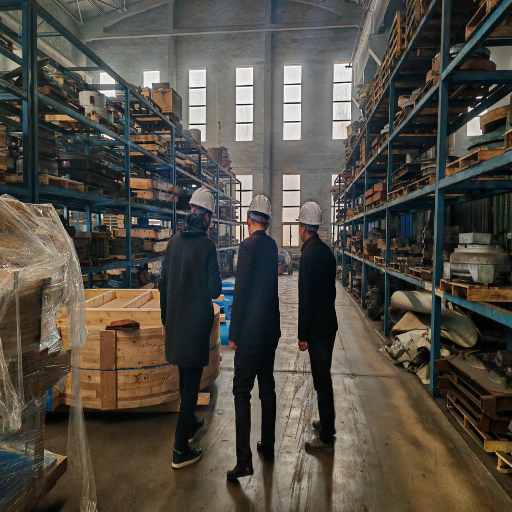


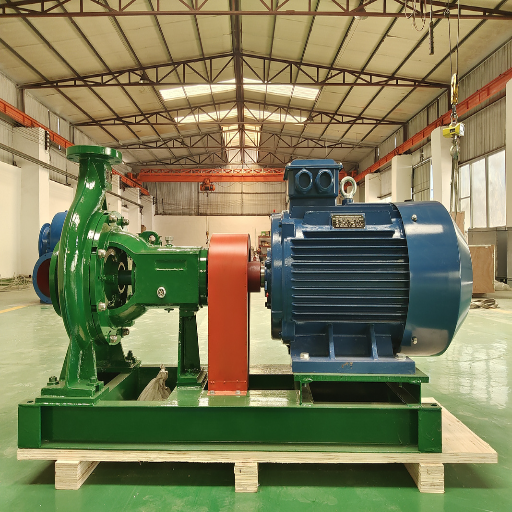


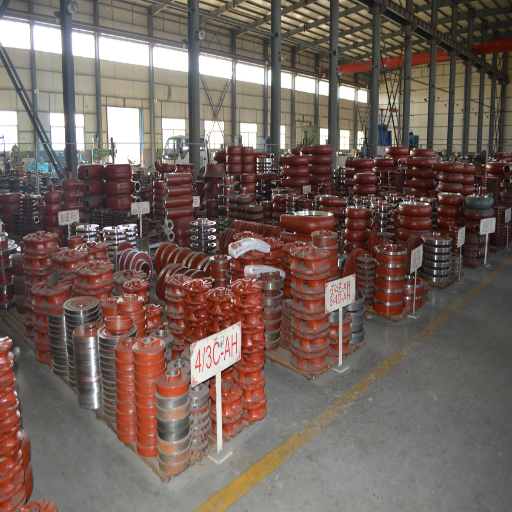
×
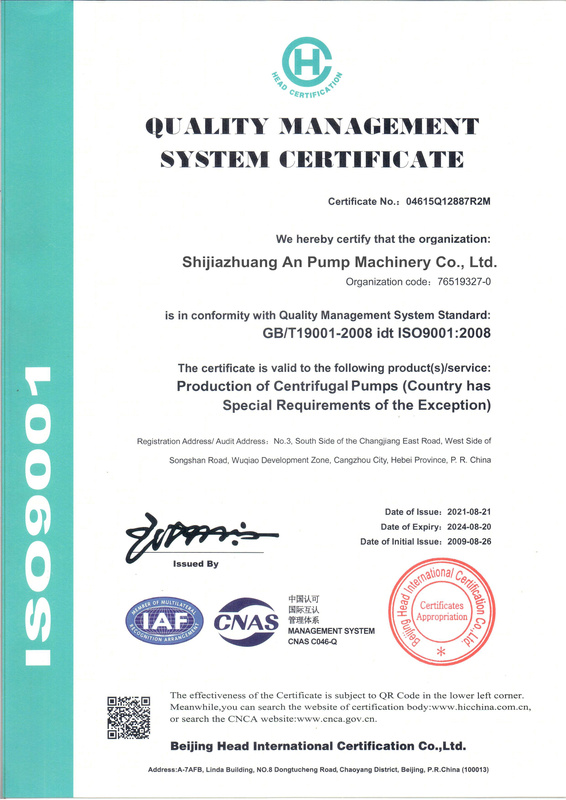
![شهادة مكبرة]()
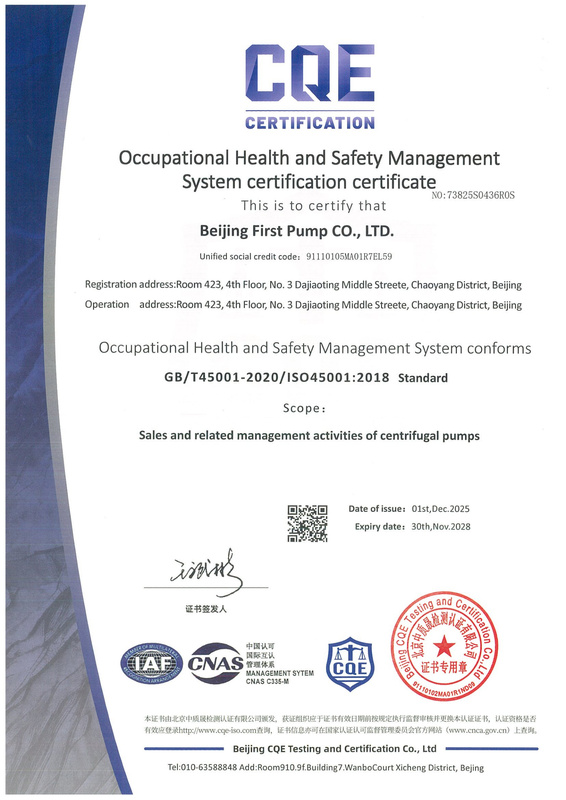
تصنيع مضخات ملاط غاطسة معتمد وفق ISO 9001 — من الصب إلى الاختبار
نحن مصنع ننتج مضخاتنا بأنفسنا. يغطي مصنعنا سلسلة الإنتاج الكاملة: الصب، والمعالجة الحرارية، واللحام، والتشغيل الآلي CNC، والتجميع، والطلاء، واختبارات القبول النهائية. ويمكننا إسناد أي جزء في وحدة مكتملة إلى رقم الصهرة—مما يحسن الجودة ويقلل VOCs ويحدد متغيرات التحكم في العملية لكل تجميع.



عملية الإنتاج: ست مراحل خاضعة للتحكم
الصب
يُصب حديد Cr27 عالي الكروم في مسبكنا الخاص. وتؤخذ عينة من كل صهرة للتحقق من التركيب الكيميائي والبنية المجهرية.
المعالجة الحرارية
دورة تبريد سريع ومراجعة خاضعة للتحكم لتحقيق الصلادة المستهدفة (HRC 58–63) لمقاومة التآكل بالاحتكاك.
التشغيل الآلي CNC
تشغيل آلي دقيق لملامح المكره وتجويف الغلاف الحلزوني وأسطح مانع التسرب وفق سماحات الأبعاد ANSI/HI.
التجميع
دمج المحرك وتركيب مانع التسرب والتوصيلات الكهربائية. وتُجمع كل وحدة على يد فريق الفنيين نفسه الذي اختبر النموذج الأولي.
الطلاء
طلاء إيبوكسي وفق ISO 12944-2:2017 للحماية من التآكل في ظروف التشغيل الغاطس ومنطقة الرذاذ.
اختبار الضغط
اختبار الأداء الهيدروليكي وفق ANSI/HI 12.1–12.6. اختبار عزل المحرك والتسرب وفق IEC 60335-2-41.
تتبّع المواد
يُتحقق من كل سبيكة معدنية باستخدام مطياف محمول قبل الصب. وتخضع جميع الأجزاء المصبوبة لتحليل طيفي وفحص أبعاد وفق ANSI/HI 12.1-12.6 واختبارات قبول هيدروليكية نهائية. وهذا الانضباط في التتبع — المطبق على كل صهرة من سبيكة Cr27 — هو سبب تقديم قطع التآكل لدينا باستمرار للعمر التشغيلي المتوقع.
إرشاد للمشتري
يمكننا تتبع دورة الحياة الكاملة من حالة الصب الخام إلى المنتج النهائي، وسيجري التحقق من أداء المضخة عند الشحن بشهادة اختبار المواد(MTC) وتقرير الاختبار الهيدروليكي المستند إلى معيار HI. وإذا كانت إجراءات الاستلام لديكم تتطلب أيضاً فحص طرف ثالث معتمداً من ISO/ABS، فإننا نوفر كذلك فحص نقاط التوقف من SGS وBureau Veritas وTUV في مصنعنا.
سعر مضخة الملاط الغاطسة ومدة التوريد ودعم ما بعد البيع
ما الذي يحدد تسعير مضخة الملاط الغاطسة
نوفر تسعيراً متغيراً لمضخات الملاط الغاطسة بحسب التهيئة. وعوامل التسعير الرئيسية هي: (من الأكبر إلى الأصغر): تصميم المضخة الغاطسة أو المركبة أفقياً، وقدرة المحرك بالحصان (HP)، ونوع المكره (Cr27 عالي الكروم أو خيار مبطن بالمطاط)، وترتيب مانع التسرب الميكانيكي (مزدوج أو ثلاثي) والملحقات المرتبطة به (جهاز تقليب، محول التردد(VFD)، أجهزة الاستشعار وغيرها..).
نطاقات الأسعار المتداولة في القطاع لمضخات الملاط الغاطسة:
غاطسة صغيرة
(5–15 HP) $5,000–$15,000غاطسة متوسطة
(15–50 HP) $15,000–$50,000غاطسة للخدمة الشاقة
(50–150 HP) $50,000–$150,000هذه القيم قيم مرجعية نموذجية للسوق وقد تختلف. وسيعتمد عرض السعر النهائي على تطبيقكم المحدد ومعلمات التهيئة الخاصة بكم.
مدة التوريد وقطع الغيار
تُشحن تهيئات QSZ القياسية من المخزون — اتصلوا بنا للحصول على تقدير محدد لمدة التوريد بناءً على طرازكم وكميتكم. وتتطلب التهيئات المخصصة وقتاً إضافياً للهندسة والإنتاج، نقدّره بعد مراجعة مواصفاتكم.
هناك مسألة أخرى تقلق فرق المشتريات عند التعامل مع مصنع صيني: “هل تصل قطع الغيار في الموعد." وبصفتها أحد أبرز مصانع مضخات الملاط الصينية، تحتفظ BBP دائماً بمخزون طويل الأجل من فئات قطع الغيار عالية التآكل: المكره والبطانة ومانع التسرب وطقم تجميع مُقلِّب الرواسب. وتشمل مراقبة حالة مجموعة الأجزاء الملامسة للسائل وتخطيط الصيانة توافر الإصلاحات الحرجة مسبقاً في موقعكم، لتقليص فترة زمن التوقف عن التشغيل من أيام إلى ساعات.
دعم ما بعد البيع
- التشخيص عن بُعد: دعم عبر مؤتمرات الفيديو 24/7 لاستكشاف أعطال ظروف التشغيل وتحليل الاهتزازات ومراقبة حالة مانع التسرب
- خدمات التركيب في الموقع: متابعة فني BBP للتشغيل الأولي للوحدة الأولى (للتطبيقات التي تتجاوز الحد)
- التدريب على الصيانة: تدريب في الموقع على إزالة مجموعة الأجزاء الملامسة للسائل وفحص حالة مانع التسرب وإصلاح مُقلِّب الرواسب، لتقليل اعتمادكم علينا في التشغيل الروتيني
أدوات الهندسة والاختيار
الأسئلة الشائعة حول مضخة الملاط الغاطسة
ابدأوا بهذه المعلمات الأربع: التدفق (GPM أو m/h)، وارتفاع الضخ (بما يشمل إجمالي الرفع الرأسي ومعامل احتكاك الأنابيب)، والملاط (نسبة المواد الصلبة، وتوزيع حجم الجسيمات، والكثافة النوعية)، والبيئة (نمط الغمر، ودرجة الحرارة، والوسط المسبب للتآكل)، ثم اتصلوا بمصنع المضخات واطلبوا حساب تحديد حجم المضخة/تقرير جدوى مع منحنى الأداء. ونحلل بيانات التشغيل المطلوبة لديكم مقابل النطاق الكامل لسلسلة QSZ — من QSZ50 المدمجة إلى QSZ2000 للخدمة الشاقة — لإيجاد أفضل تطابق كي لا تشتروا أكثر أو أقل من حاجتكم.
تُصمم مضخة الملاط الغاطسة للعمل مع المواد الصلبة الكاشطة: الرمل والحصى ودقائق الخام وما شابهها، التي ستؤدي إلى تآكل معظم المواد القائمة على السبائك والنحاس خلال أيام. أما مضخة الحمأة، فتُصمم للعمل مع المواد اللزجة: مياه الصرف الصحي والمواد الصلبة الحيوية وما شابهها، حيث تكون اللزوجة عامل التقييد بدلاً من الكشط. وعلى مستوى المكوّنات، يكمن الفرق في مادة المكره؛ سبيكة عالية الكروم (Cr27, 26% كروم، فوق HRC50.) أو مبطنة بالمطاط للملاط الكاشط؛ وحديد الزهر أو الفولاذ المقاوم للصدأ المصبوب وما شابه ذلك للحمأة. إذا كان التطبيق يتضمن رمالاً خشنة أو مواد صلبة معدنية أو نواتج حفر، فهو تطبيق لمضخة ملاط.
نعم — ضمن حدود. تشتمل مضخات الملاط الغاطسة لدينا على محركات بعزل من الفئة H وموانع تسرب ميكانيكية SiC تتحمل التشغيل الجاف المتقطع دون ضرر. لكن لا ينبغي لأي مضخة أن تعمل جافة باستمرار، لأن السائل يعمل وسيط تبريد ومادة تشحيم في آن واحد. ولتقلب مستويات السائل، ركّبوا مفتاح مستوى كإجراء أمان احتياطي.
تتم عملية إعداد المواصفة الفنية في أربع خطوات: (1) تحديد معدل تدفق المواد الصلبة والسائل في المياه النظيفة، (2) حساب الارتفاع الديناميكي الكلي بإضافة ارتفاع الرفع الساكن إلى احتكاك الأنابيب وارتفاع الوصلات، (3) تطبيق معاملات تصحيح الملاط؛ إذ تحدد الكثافة النوعية وحجم الجسيمات القدرة المطلوبة لكل وحدة من معدل التدفق - فكلما زادت كثافة الملاط، زادت القدرة اللازمة لتحريكه ، (4) اختيار طراز المضخة ذي نقطة أفضل كفاءة، أو BBP، التي ينبغي أن تكون ضمن 80-110% من نقطة التشغيل. إن اختيار مضخة ملاط أكبر من اللازم سيئ بقدر اختيار مضخة أصغر من اللازم: إذ تعمل المضخة بعيدًا جدًا عن BBP، مما يسرّع تآكل المكره ويرفع استهلاك الطاقة.
هناك خمسة عوامل متأصلة مشتركة في جميع حالات التآكل المتسارع: (1) التشغيل بعيدًا جدًا عن BBP، (2) الاختيار غير الصحيح لمادة المكره بما يتناسب مع كيمياء الملاط، (3) سرعة الجسيمات على طول ريشة المكره، (4) التكهف، الذي يحدث عند عدم توافر NPSH كافٍ، (5) التشغيل مع تعطل موانع التسرب، مما يسمح للملاط الكاشط بالدخول إلى حجرة المحمل. يكشف الفحص المنتظم لخلوص المكره وألواح التآكل عن قطع التآكل قبل أن تتسلسل الأعطال.
بالنسبة إلى الملاط شديد الكشط ذي الكثافة النوعية التي تزيد على 1.4 والتوزيع الواسع لأحجام الحبيبات، يكون المكره المفتوح أو شبه المغلق المصنوع من حديد عالي الكروم هو الأنسب للتطبيق؛ إذ توازن سبيكة تحتوي على نحو 26% من الكروم (HRC58-63) بين الكفاءة الهيدروليكية ومقاومة التآكل بالاحتكاك. تتعامل المكرهات المبطنة بالمطاط مع الملاط الحمضي دقيق الحبيبات بصورة أفضل بكثير من الكروم. تتوفر طرازات BBP QSZ للخدمة الشاقة بالخيارين؛ قاعدة من فولاذ الكروم مع بطانة مطاطية مركبة في المصنع.
حتى 80 مترًا. بعد عمق 30m، نوصي بطرازات QSZ ذات ارتفاع الضخ العالي (مقنّنة 30–80m) المزودة بثلاثة موانع تسرب ميكانيكية من SiC وحشوات كابلات معززة للتعامل مع زيادة الضغط الهيدروستاتيكي.
المصنعون الرئيسيون هم KSB وEimco (Weir Minerals) وGlowne Houpy (Metso) وTsurumi وBBP. لا تحدد مصنع مضخات بالاسم فحسب. ما تحتاج إلى معرفته: (1) شهادات الاختبارات المعدنية لمادة المكره وقطع التآكل، (2) نتائج الاختبارات الهيدروليكية في المصنع المطابقة لـ ANSI/HI 12.1-12.6، (3) وجود منشأة مرجعية في تطبيق وملاط مماثلين، (4) التوافر المحلي لقطع الغيار الصحيحة، (5) هل لدى المصنع شهادة ISO 9001 وإمكانية وصول مفتشي طرف ثالث. تصنع BBP المكره وقطع التآكل من خلال مسبكها وعملية التشغيل الآلي الخاصة بها.
احصل على مضخة الملاط الغاطسة المناسبة لتطبيقك
زوّدونا بمواصفات معدل التدفق وارتفاع الضخ والملاط لديكم. خلال 48 ساعة، سيتواصل معكم مهندسونا لتقديم حزمة مفصلة لاختيار المضخة تتضمن منحنيات الأداء.
اطلب عرض سعر