تواصل مع BBP

شهادة ISO 9001/NFPA 20
مضخة حالة الانقسام الأفقي
مضخة سبليت أفقية ذات تدفق عالي للتدفئة والتهوية وتكييف الهواء والنار | بي بي بي
مضخات ذات علبة مقسمة أفقية مصممة لتبريد 440 بوصة و31.700 جالون في الدقيقة من التدفئة والتهوية وتكييف الهواء والحماية من الحرائق NFPA 20 وإمدادات المياه البلدية.
-
ايزو 9001:2015 نظام إدارة الجودة
-
علامة CE المطابقة الأوروبية
-
ايزو 14001 الإدارة البيئية
-
متوافق مع NFPA 20 سلسلة النار (سلسلة F)

نطاق التدفق
440.31.700 جالون في الدقيقة
نطاق الرأس
يصل إلى 525 قدمًا
كفاءة
ما يصل إلى 90% BEP
تحديات الضخ عالي التدفق حول كيفية حل مضخات الحالة المنفصلة لها
المضخة ذات العلبة الأفقية المنقسمة هي مضخة طرد مركزي ينقسم غلافها على طول مستوى أفقي، مما يتيح لأطقم الصيانة وصولاً سهلاً ومباشرًا إلى المكره، وحلقات التآكل، والمحامل دون فصل أنابيب النظام. تقوم المكره ذات الشفط المزدوج بسحب الماء من كلا الجانبين في وقت واحد، مما يوازن الدفع المحوري ويتيح معدلات تدفق عالية تكافح تصميمات الشفط الفردي من أجل الحفاظ عليها.
أنظمة التدفئة والتهوية وتكييف الهواء التجارية
إن تصميمات المضخات ذات العلبة المقسمة العمودية ليست جديدة على صناعة المياه، ولكن غالبًا ما يساء فهمها. يقوم مديرو المرافق التي تقوم بتشغيل أنظمة التدفئة والتهوية وتكييف الهواء التجارية الكبيرة (HVAC) بالضغط على معدات الضخ لنقل كميات كبيرة جدًا من المياه المبردة أو المكثفة من خلال دورات المباني عالية الكثافة مع البقاء ضمن ميزانيات التشغيل. يجب أن تجد محطة ضخ المياه المبردة في الحرم الجامعي مضخة تعمل بجميع معدلات التدفق بنفس اليقين والكفاءة، بدلاً من مضخة مياه عالية التدفق لا توفر سوى ميزة قليلة عند التدفقات المنخفضة. نظرًا لميزة الشفط المزدوج، تحافظ المضخات الأفقية ذات العلبة المنقسمة على أداء ثابت على نطاق واسع من معدلات التدفق عن طريق تقليل القوى الشعاعية التي تمارس على المكره بشكل كبير، بالإضافة إلى الحث الهيدروليكي للمكره في مسار التدفق.
تطبيقات الحماية من الحرائق
الحماية من الحرائق تمثل ضغطًا مختلفًا. يفرض NFPA 20 منحنيات محددة لأداء المضخة، ويجب أن تبدأ مضخة الحريق بشكل موثوق بعد أشهر من الاستعداد وتصل على الفور إلى التدفق المقدر. تلبي مضخات الحريق ذات العلبة المقسمة الأفقية هذه المتطلبات من خلال البناء للخدمة الشاقة، والمحامل المضادة للاحتكاك المصنفة لفترات السكون الممتدة، وإعدادات السائق التي تتضمن خيارات المحرك الكهربائي ومحرك الديزل. يسمح الغلاف المقسم محوريًا لمراقبي الإطفاء ومفتشي التأمين بالتحقق من المكونات الداخلية دون هدم النظام بالكامل.
المرافق ومصانع التصنيع
تعمل مرافق المياه ومحطات الطاقة ومطاحن التصنيع بشكل مستمر لآلاف الساعات كل عام، وتتطلب سهولة الصيانة حتى تتعطل نادرًا قدر الإمكان. باستخدام المضخات ذات العلبة المقسمة، تقوم فرق الصيانة بإزالة النصف العلوي بالكامل من غلاف المضخة، ورفع مجموعة المغزل والمكره، واستبدال أجزاء التآكل باهظة الثمن، وإعادة تجميعها معًا مرة أخرى مع الحفاظ على شفة الشفط والتفريغ سليمة. وهذا يعني تخفيضات في الوقت الذي يقضيه التوقف عن العمل للإصلاحات، وزيادة طول عمر الاستثمارات في المعدات.
ميزة التصميم العالمي
عبر جميع هذه التطبيقات، ينبع الخيط المشترك الذي يجعل تصميم العلبة المنقسمة الأفقية مفضلاً، وفي بعض الحالات لا يمكن تجنبه، من توفير التصميم لصيانة سريعة وقصيرة. في تلك المناطق التي تصل فيها معدات الطرد المركزي ذات الشفط النهائي بسرعة إلى سقف الأداء، يمكن لمضخات العلبة المنقسمة الأفقية الاستمرار في العمل بكفاءة وفعالية.
BBP سلسلة مضخة سبليت الأفقية 5 نماذج ودليل الاختيار
تقوم شركة BBP بتصنيع مضخة ذات علبة مقسمة أفقيًا من سلسلة QS، وهي عبارة عن مضخة طرد مركزي أحادية المرحلة ومزدوجة الحلزون ومقسمة محوريًا مع تصميم دافعة مزدوجة الشفط. مع قدرات تصل إلى 14000 متر مكعب في الساعة وأحجام تفريغ من 6 إلى 48 بوصة، تغطي سلسلة QS تطبيقات التدفئة والتهوية وتكييف الهواء والحماية من الحرائق والمياه البلدية والري وتوليد الطاقة والعمليات الصناعية. يبدأ تحديد التكوين الصحيح بمعدل التدفق ورأس النظام وضغط العمل وما إذا كانت هناك حاجة إلى شهادة الحماية من الحرائق.


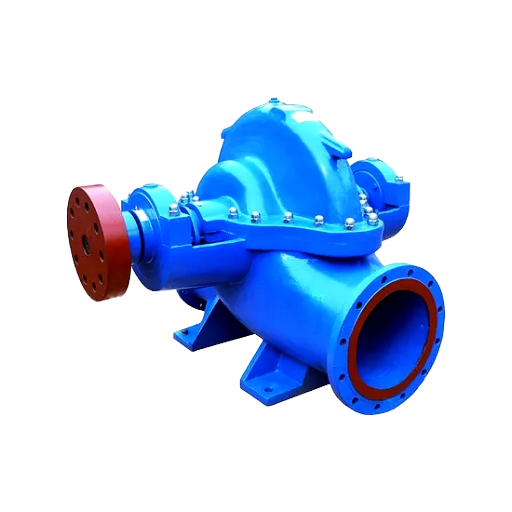
سلسلة QS القياسية
تطبيق: التدفئة والتهوية وتكييف الهواء وإمدادات المياه والري
تدفق: 440.3.500 جالون في الدقيقة (100.800 م³/ساعة)
رئيس: يصل إلى 312 قدمًا (95 مترًا)
قوة: 22.90 كيلو واط (29.120 حصان)
منفذ: 6 امس 10 بوصة
مواد: حديد الزهر / SS304 / SS316 / برونزي
ختم: الختم الميكانيكي أو تعبئة الغدة
مثالية لبناء حلقات التدفئة والتهوية وتكييف الهواء وأبراج التبريد وتوزيع المياه والري

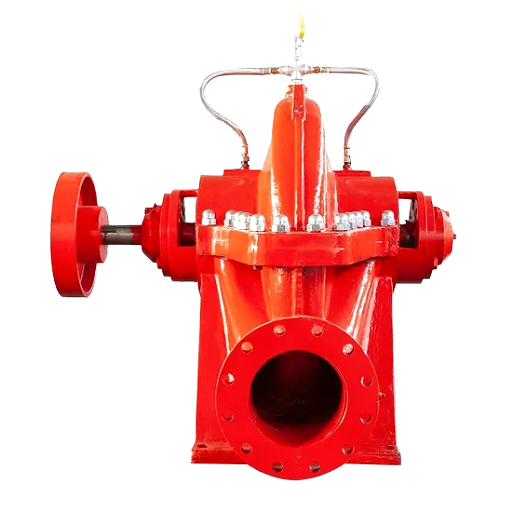
سلسلة QS ذات سعة عالية
تطبيق: البلدية ومحطة توليد الكهرباء والصناعية
تدفق: 1،500.31.700 جالون في الدقيقة (360.7.200 م³/ساعة)
رئيس: يصل إلى 525 قدمًا (160 مترًا)
قوة: 55 بوصة 1250 كيلووات (75 بوصة 1676 حصان)
منفذ: 12 بوصة 48 بوصة
مواد: حديد الزهر / SS316L / دوبلكس SS/SS904L / برونزي
ختم: الختم الميكانيكي أو تعبئة الغدة
بنيت للمياه البلدية، وتبريد محطات الطاقة، وتحلية المياه، وتغذية الغلايات، والمعالجة الكيميائية
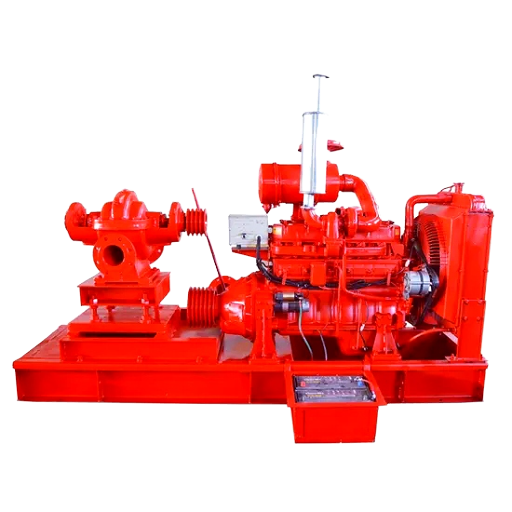

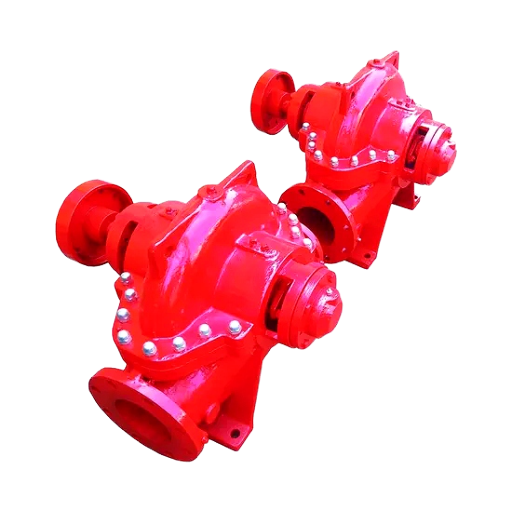

سلسلة QS-F للحماية من الحرائق
تطبيق: مضخات الحريق المتوافقة مع NFPA 20
تدفق: 500.5.000 جالون في الدقيقة
ضغط: إلى 175 رطل لكل بوصة مربعة
ميزة: تصميم جاهز لـ UL، متوافق مع NFPA 20
يقود: محرك كهربائي ومحرك ديزل
اقتران: حزام أو مباشر
تم تصميمه لأنظمة الرش والأنابيب العامة والصنابير
السلسلة الموصى بهامعيار QS
نطاق التدفق440.3.500 جالون في الدقيقة
ماكس هيد312 قدم
الميزة الرئيسيةارتفاع BBP عند الأحمال المتغيرة
السلسلة الموصى بهاQS قدرة عالية
نطاق التدفق1،500.31،700 جالون في الدقيقة
ماكس هيد525 قدم
الميزة الرئيسيةقدرة الرأس متعددة المراحل
السلسلة الموصى بهاحريق QS-F
نطاق التدفق500.5.000 جالون في الدقيقة
ضغط175 رطل لكل بوصة مربعة
الميزة الرئيسيةمتوافق مع NFPA 20، وجاهز لـ UL
السلسلة الموصى بهامعيار QS/غطاء مرتفع
نطاق التدفق440.31.700 جالون في الدقيقة
ماكس هيد312 بوصة 525 قدم
الميزة الرئيسيةمحامل مصنفة للخدمة المستمرة
السلسلة الموصى بهاQS قدرة عالية
نطاق التدفق1،500.31،700 جالون في الدقيقة
ماكس هيد525 قدم
الميزة الرئيسيةخيارات المواد عالية الحرارة
السلسلة الموصى بهاQS قدرة عالية
نطاق التدفق1،500.31،700 جالون في الدقيقة
ماكس هيد525 قدم
الميزة الرئيسيةستانلس/أجزاء مبللة مزدوجة
| نموذج | السعة (م³/ساعة) | الرأس (م) | السرعة (دورة في الدقيقة) | الطاقة (كيلوواط) | الكفاءة (%) | NPSHR (م) |
|---|---|---|---|---|---|---|
| TQSO-16 | 100–230 | 59–95 | 2,960 | 30–90 | 74–79 | 5 |
| كيو إس-42 | 130–360 | 14–42 | 1,480 | 22–55 | 79–84 | 3–4.25 |
| كيو إس-422 | 252–720 | 15–45 | 1,480 | 22–110 | 83–87 | 3.5–5 |
| كيو إس-323 | 360–1,080 | 15–32 | 1,480 | 30–132 | 85–88 | 3.5–5 |
| كيو اس-325 | 540–1,404 | 14–32 | 1,480 | 37–160 | 86–90 | 4–5.5 |
| سس-22 | 720–1,620 | 12–22 | 980 | 37–132 | 86–89 | 4–5 |
| سس-25 | 1,260–2,880 | 10–25 | 740 | 55–280 | 84–88 | 4–6 |
| QSO-16 | 1,980–4,680 | 7–16 | 590 | 75–315 | 82–86 | 4.5–6.5 |
| كيو إس-70 | 3,600–7,200 | 44–70 | 590 | 710–1,250 | 85–89 | 5–8 |
ملاحظة هندسية
يعمل تصميم المكره مزدوج الشفط على موازنة القوى الهيدروليكية على جانبي المكره، مما يقلل حمل المحمل بما يصل إلى 50% مقارنة بتصميمات الشفط الفردي. يدخل الماء إلى عين المكره من كلا الجانبين في وقت واحد، مما يلغي قوى الدفع المحورية التي من شأنها أن تدفع دوران العمود بعيدًا عن المركز نحو نهاية الشفط. تُترجم ميزة الموثوقية هذه إلى عمر محمل ممتد يبلغ عادةً 40،000+ ساعة بين البدائل 2000 ومستويات اهتزاز أقل أثناء التشغيل. بالنسبة للمهندسين الذين يقومون بقياس المضخات في نطاق 1000+ GPM، توفر مضخة الشفط المزدوجة المنفصلة باستمرار هوامش NPSHr أفضل، مما يعني مشاكل تجويف أقل في ظل ظروف النظام المتطابقة.
مضخة الحالة المقسمة الأفقية مقابل مضخة الشفط النهائية، بيانات أداء 100000
يعتمد الاختيار بين مضخة الطرد المركزي ذات العلبة الأفقية المقسمة ومضخة الشفط النهائية بشكل أساسي على معدل التدفق والكفاءة عند نقطة التشغيل وتكاليف العمر الافتراضي. تستخدم المقارنة أدناه معايير الصناعة المقبولة للمساعدة في تسهيل اتخاذ القرار.
| معلمة | مضخة حالة سبليت | مضخة الشفط النهائية | مصدر |
|---|---|---|---|
| نطاق التدفق | 440.31.700 جالون في الدقيقة | 50.5.000 جالون في الدقيقة | مواصفات سلسلة QS |
| كفاءة بيب | 68–90% | 70–85% | معيار الصناعة |
| NPSHR | أقل (شفط مزدوج) | أعلى (شفط واحد) | المبدأ الهندسي |
| التوجه المحوري | التوازن الذاتي | يتطلب تحمل التوجه | خاصية التصميم |
| الوصول إلى الصيانة | افتح الغلاف دون إزعاج الأنابيب | يجب فصل الأنابيب | ممارسة الصناعة |
| مساحة أرضية | بصمة أكبر | أكثر إحكاما | عام |
| التكلفة الأولية | أعلى | أقل | بيانات السوق |
| تكلفة دورة الحياة | عادة أقل (الكفاءة + عمر التحمل) | عادة أعلى (الطاقة + الصيانة) | إطار NREL LCC |
الحد الأقصى لسعة التدفق (GPM)
التحليل الهندسي المتعمق
هندسة المكره وإدارة الدفع
المساهم الأساسي في كفاءة المضخة ذات العلبة المنقسمة عند التدفقات الحجمية العالية يأتي من تصميم المكره. تسمح الهندسة للمياه بالدخول إلى المكره مرتين، وليس مرة واحدة، وتوجه الماء بشكل اتجاهي في نمط تدفق جانبي مزدوج بدلاً من إدخال أحادي الاتجاه واحد. ما يفعله هذا على المستوى العملي هو منع الماء من ممارسة دفع غير مرغوب فيه على عمود المضخة، حيث يعتني توازن المكره به نيابةً عنك، من خلال الجمع بين الانبعاثات الاتجاهية للمكره المزدوج لمنع الاهتزاز الزائد أو اختلال العمود. والنتيجة هي تصميم مضخة ذات علبة مقسمة رأسيًا تنتج تكاليف أقل على مدار عمرها الافتراضي من خلال صيانة أقل مستمرة أو إهدار الطاقة.
كفاءة دورة الحياة عند التدفقات الحجمية العالية
بمعدلات التدفق فوق 1000 جالون في الدقيقة, ، فجوة الكفاءة تتسع أكثر. قد تكون مضخة الشفط النهائية التي تعمل بسرعة 3000 جالون في الدقيقة تعمل بالفعل بالقرب من أفضل نقطة كفاءة أو أبعد منها، حيث ترتفع الخسائر الهيدروليكية بشكل حاد. لا تزال مضخة الحالة المقسمة ذات الحجم المناسب التي تتعامل مع هذا الحجم تعمل ضمن نطاق الكفاءة الأمثل الخاص بها، مما يوفر نفس الحجم مع طاقة إدخال أقل بشكل قابل للقياس. على مدار دورة حياة المضخة التي تبلغ 20 عامًا والتي تعمل 6000+ ساعة سنويًا، يتفاقم فرق الكفاءة هذا إلى توفير كبير في الطاقة ولهذا السبب تفضل تحليلات تكلفة دورة الحياة باستمرار تصميم العلبة المقسمة للخدمة المستمرة عالية التدفق.
نافذة التطبيق واعتبارات التكلفة
تعمل مضخات الشفط النهائية بشكل أفضل عند نافذة تدفق أضيق، حيث تحل غلافها المدمج والتكاليف الأولية غير المكلفة نسبيًا محل مزايا الكفاءة التي تحددها مضخات العلبة الأفقية ذات الحافظة بمعدلات تدفق حجمية كبيرة. يقع نطاق القرار لمعظم المنشآت بين 500-1000 جالون في الدقيقة. فوق 1000 جالون في الدقيقة، فإن مزايا كفاءة المضخات المنفصلة تعني انخفاض تكاليف الكهرباء والصيانة.
نتائج التطبيق: التدفئة والتهوية وتكييف الهواء والحماية من الحرائق والمياه البلدية

الماء المبرد HVAC
تعتمد دورات المياه المبردة في الحرم الجامعي واستراتيجيات تبريد المناطق على تدفق ثابت كبير الحجم عند ضغوط ثابتة. تم تصميم مضخات BBP الأفقية المنفصلة لتوفير معدلات التدفق العالية هذه مع الحد الأدنى من التقلبات (خط من المصاعد التي تبلغ 800 جالون في الدقيقة عبر مناطق الأعمال المركزية في المناطق الحضرية التي تدفع أكثر من 10000 جالون في الدقيقة عبر أميال من شبكات الأنابيب تحت الأرض.
يحافظ التصميم مزدوج الشفط على مستويات اهتزاز منخفضة، وهو أمر مهم في المباني المشغولة حيث تنتقل ضوضاء المضخة عبر التوصيلات الهيكلية. تعني كفاءة BBP العالية في تدفق التصميم استهلاكًا أقل للطاقة عبر مواسم التبريد التي تعمل لمدة تتراوح بين 4000 إلى 6000 ساعة سنويًا في المناخات الدافئة.

الحماية من الحرائق (NFPA 20)
تخدم مضخات الحريق الأفقية ذات العلبة المقسمة من سلسلة F من BBP أنظمة الرش والأنابيب العامة والصنابير في المباني التجارية والصناعية والشاهقة. توفر هذه المضخات ما يصل إلى 175 رطل لكل بوصة مربعة من ضغط العمل مع خيارات محرك كهربائي ومحرك ديزل.
تم تصميم كل مضخة حريق من السلسلة F وفقًا لمتطلبات NFPA 20: تم التحقق من منحنيات الأداء عند 150% من التدفق المقدر، ومفاتيح النقل التلقائي للطاقة الزائدة، وتكامل وحدة التحكم لدوائر الإنذار والإشراف. يتيح الغلاف المقسم محوريًا إجراء عمليات فحص سنوية لمضخة الحريق دون إزعاج أنابيب النظام، وهو مطلب عملي للمرافق المشغولة.

البلدية والصناعية
تتطلب إمدادات المياه البلدية، وشبكات الري الزراعية، وحلقات تبريد مكثف محطات الطاقة، ومرافق توليد الكهرباء، ومحطات تحلية المياه، وغلايات غلايات مصانع الصلب تشغيلًا عالي السعة بدون توقف. تنتج BBP مضخات أفقية مقسمة ذات أعمدة كبيرة الحجم، ومحامل للخدمة الشاقة، وخيارات مواد مقاومة للتآكل بما في ذلك SS316L، وDuplex Stannes، وSS904L، والبرونز 201 التي تتعامل مع كل شيء بدءًا من المياه البلدية النظيفة وحتى السوائل الكيميائية العدوانية ومياه البحر.
تقدر مرافق المياه البلدية إمكانية الوصول إلى الصيانة لتصميم العلبة المقسمة، حيث تخرج المجموعات الدوارة من خلال النصف العلوي من الغلاف بينما يظل جسم المضخة مثبتًا بمسامير في الأساس. وهذا يقلل من نوافذ الصيانة المخططة من أيام إلى ساعات. توفر نماذج BBP التي تعمل بالديزل DQS نفس الأداء الهيدروليكي مع قوة محرك الديزل للمواقع النائية، والنسخ الاحتياطي في حالات الطوارئ، والمواقع التي لا تحتوي على بنية تحتية كهربائية موثوقة.
5–15%
تخفيض تكلفة دورة الحياة النموذجية مقابل بدائل الشفط النهائية في تطبيقات الخدمة المستمرة التي تزيد عن 1000 جالون في الدقيقة
استنادًا إلى إطار تحليل تكلفة دورة حياة مضخة NREL
الشهادات والمعايير حاصلة على شهادة ISO 9001، NFPA 20، CE
تتحرك كل مضخة BBP من خلال الصب والمعالجة الحرارية والتصنيع الدقيق والتجميع والطلاء الواقي واختبار الأداء تحت سقف واحد. يزيل هذا التحكم الشامل تقلب سلسلة التوريد ويضمن إمكانية التتبع من المواد الخام إلى الوحدة المسلمة.
صب
المعالجة الحرارية
التصنيع
الجمعية
طلاء
اختبار
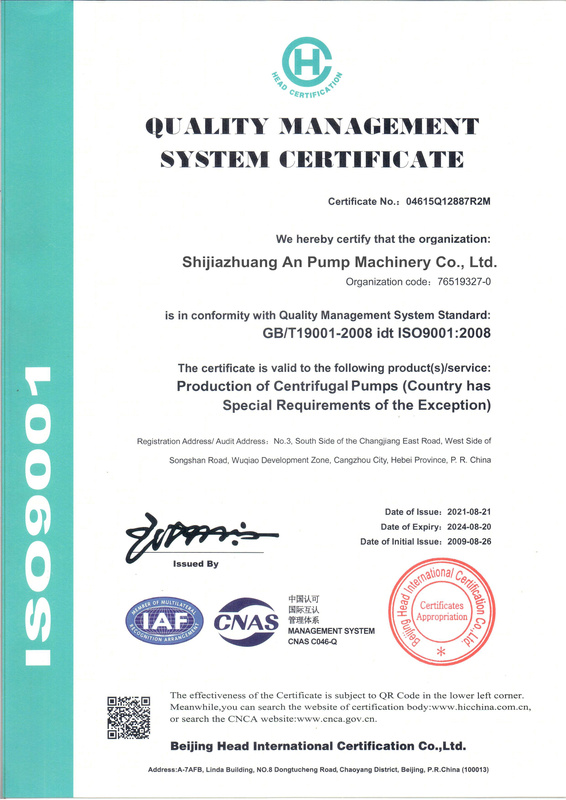
التحكم في صب المواد الخام
يتتبع نظام إدارة الجودة لدينا كل البعد الحرج وشهادة المواد منذ مرحلة الصب الأساسية. تضمن الرقابة الداخلية أن المواد الخام تلبي متطلبات السلامة الهيكلية الصارمة قبل المضي قدمًا.
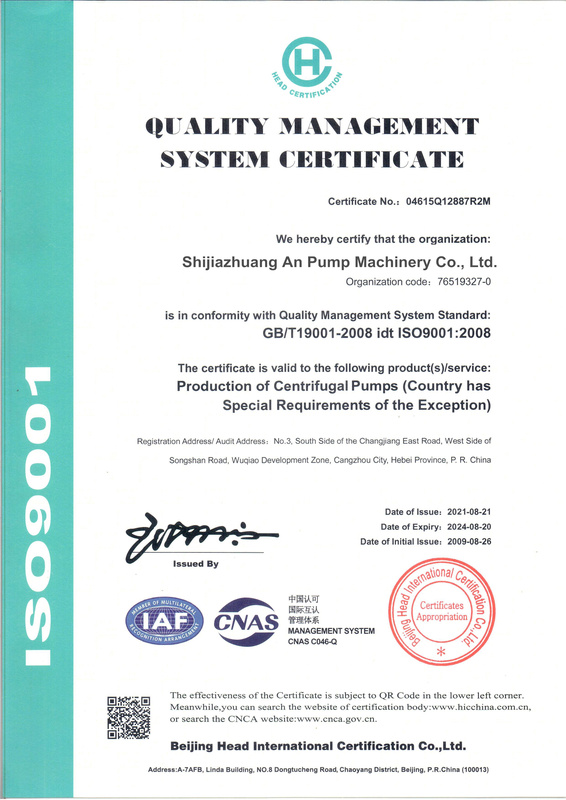
المعالجة الحرارية الدقيقة
يتيح لنا التخلص من تقلب سلسلة التوريد إجراء معالجات حرارية صارمة داخليًا. تضمن هذه العملية الخواص الميكانيكية ومتانة غلاف المضخة والدفاعات في ظل ظروف الضغط العالي.

التصنيع الدقيق باستخدام الحاسب الآلي
تقوم مراكز التصنيع باستخدام الحاسب الآلي الحديثة بتشكيل المكونات وفقًا للتفاوتات الدقيقة. تعد هذه الخطوة ضرورية لضمان محاذاة العمود المثالية، وموازنة المكره، وتناسب الغلاف الخالي من التسرب للتدفقات الحجمية العالية.

جمعية الخبراء
يتم تجميع كل مضخة بواسطة فنيين مدربين يتحققون من الخلوصات وسلامة الختم الميكانيكي. يتم ضمان إمكانية التتبع حيث يتم تسجيل الأرقام التسلسلية للمكونات في نظام الجودة المركزي لدينا.

طلاء صناعي وقائي
يتم تطبيق الطلاءات الصناعية المتخصصة على كل من الأجزاء المبللة الداخلية والأغلفة الخارجية. وهذا يحمي من السوائل المسببة للتآكل والتآكل البيئي، مما يطيل دورة حياة المضخة بشكل كبير.
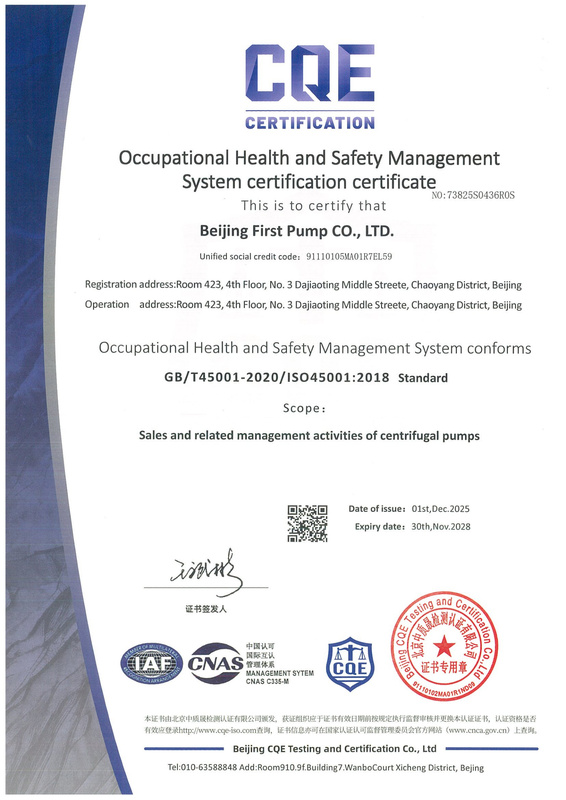

الأداء والامتثال
قبل مغادرة المنشأة، تخضع المضخات لاختبارات هيدروليكية وهيدروستاتيكية صارمة. نحن نضمن أن الوحدة تلبي نقاط التشغيل المحددة وتتوافق مع المعايير الدولية مثل NFPA 20 وISO 9001.
الامتثال العالمي للتوثيق
يتتبع نظام إدارة الجودة لدينا كل البعد الحرج وشهادات المواد ونتائج الاختبار طوال فترة الإنتاج. تتوفر تقارير اختبار الطرف الثالث وشهادات المواد عند الطلب لمتطلبات توثيق المشروع. نحن نقوم بتوريد المضخات للعملاء في 30+ دولة، ويفهم فريقنا الهندسي معايير التوثيق التي تتطلبها الأسواق والصناعات المختلفة بدءًا من الامتثال لـ ASME في أمريكا الشمالية وحتى علامة CE للمنشآت الأوروبية.
ترقيات المواد المتقدمة
بفضل ميزات ترقية المواد مثل الفولاذ المقاوم للصدأ 316 أو الفولاذ المقاوم للصدأ المزدوج أو السبائك المتخصصة المبللة بسائل الضخ، يمكن لـ BBP تلبية احتياجات السوائل المسببة للتآكل وذات درجة الحرارة العالية للعديد من التطبيقات الصناعية. يعد اختيار المواد جزءًا من عملية المراجعة الهندسية لدينا عند تحديد حجم المضخة.
×
![شهادة مكبرة]()
دليل المشتريات: التسعير والمهلة الزمنية ودعم ما بعد البيع
العوامل التي تؤثر على السعر
يختلف تسعير المضخة الأفقية المقسمة بناءً على العديد من العوامل الهندسية والتجارية: طراز المضخة والسلسلة المختارة، ودرجة المادة (الحديد الزهر، SS304، SS316، SS316L، الفولاذ المقاوم للصدأ المزدوج، SS904L)، وتصنيف قوة المحرك، ونوع المحرك (الكهربائي مقابل الديزل) ومستوى الشهادة المطلوب ونطاق أي هندسة مخصصة. نظرًا لأن هذه المتغيرات تتفاعل، فإن تكلفة مضخة الحريق من سلسلة F المصنوعة من الفولاذ المقاوم للصدأ مع محرك الديزل تزيد بشكل كبير عن تكلفة مضخة التدفئة والتهوية وتكييف الهواء من سلسلة S المصنوعة من الحديد الزهر مع محرك كهربائي، فإننا نقدم عروض أسعار خاصة بالمشروع بدلاً من قائمة الأسعار.
المهلة والضمان
يتم شحن نماذج QS القياسية في غضون 17 يومًا لطلبات مجموعة واحدة من مجموعات 10. الطلبات الأكبر والمضخات المصممة خصيصًا تطلب مواد غريبة مثل SS904L أو الفولاذ المقاوم للصدأ المزدوج، أو إعدادات السائق غير المنتظمة، أو منحنيات الأداء الفريدة 1000 متر مربع، ثم تابع جدول المشروع المحدد بدءًا من تأكيد الطلب وحتى الإنتاج والاختبار والتسليم. تحمل جميع مضخات BBP الأفقية المقسمة ضمانًا لمدة 3 سنوات يغطي عيوب التصنيع في المواد والتصنيع. اتصل بفريق مشروع BBP للحصول على جدول زمني مصمم خصيصًا وفقًا لمواصفاتك.
دعم ما بعد البيع
تشتمل البنية التحتية الداعمة لـ BBP على خط ساخن تقني يعمل على مدار الساعة طوال أيام الأسبوع، وإمكانية التشخيص عن بعد، وتوجيه التثبيت في الموقع، والتدريب على الصيانة لفريق العمليات الخاص بك. نحن نحتفظ بمخزون واسع من قطع الغيار لجميع سلاسل المضخات الحالية والحديثة الإنتاج، مما يتيح الإرسال السريع لاستبدال المحامل، والأختام الميكانيكية، وحلقات التآكل، ومجموعات المكره. يقدم مهندسو الخدمة لدينا برامج صيانة مجدولة مصممة خصيصًا لساعات التشغيل الخاصة بك وشدة التطبيق.
نصيحة المشتريات
عند مقارنة عروض أسعار المضخة، اطلب توقعات تكلفة دورة الحياة وليس فقط سعر الوحدة. يمكن للمضخة ذات كفاءة BEP أعلى بمقدار 5% أن تعوض أقساطها خلال 18 شهرًا و24 شهرًا من التشغيل المستمر. اطلب من كل مورد الحصول على تقدير إجمالي لتكلفة الملكية يتضمن استهلاك الطاقة عند نقطة التشغيل الفعلية، وفترات الصيانة المتوقعة، وتسعير قطع الغيار على مدى 10 سنوات.
احصل على عرض أسعار محدد للمشروع لهذه المعدات مع المواصفات الفنية الكاملة وتحليل تكلفة دورة الحياة.
طلب عرض أسعارالأسئلة الشائعة حول مضخة الحالة المقسمة الأفقية
المضخة ذات العلبة المنقسمة الأفقية هي مضخة طرد مركزي ذات غلاف مقسم على طول المحور الأفقي إلى النصف العلوي والسفلي. تشتمل العديد من المضخات ذات العلبة المنقسمة الأفقية على دافعة مزدوجة الشفط تسحب السائل من كلا الجانبين، مما يلغي الدفع بسبب عدم التوازن الهيدروليكي ويسمح بكميات كبيرة بكفاءة عالية.
الاختلافات الأساسية هي سعة التدفق، والكفاءة عند الكميات الكبيرة، والوصول إلى الصيانة. تتعامل مضخات العلبة المقسمة مع 440 نيوتن 31،700 جالون في الدقيقة مع كفاءة BEP بين 80 و89%، بينما تغطي مضخات الشفط النهائية 50 نيوتن 5000 جالون في الدقيقة بكفاءة 70 بوصة 85%. تسمح تصميمات العلبة المقسمة بالصيانة الداخلية دون فصل أنابيب النظام؛ تتطلب مضخات الشفط النهائية إزالة الأنابيب للوصول إلى المكره. تتمتع مضخات الشفط النهائية بمساحة أصغر وتكلفة مقدمة أقل، مما يجعلها عملية للتركيبات ذات التدفق المنخفض.
الكفاءة وإمكانية الوصول هي أهم فوائد هذه المضخة. يتم تقليل الدفع المحوري إلى الحد الأدنى بواسطة القوى الهيدروليكية في المكره ذات الشفط المزدوج وبالتالي يتأخر إجهاد المحمل والاهتزاز. من وجهة نظر خدمة مقصات أجزاء التآكل، يمكن رفع حلقات التآكل والمحامل والأختام في النصف العلوي من المضخة دون إزعاج توصيلات الشفط أو التفريغ ويمكن فحص المضخة وصيانتها.
تعد المكره ذات الشفط المزدوج سمة شائعة في معظم المضخات ذات العلبة المنقسمة الأفقية، والتصميم القياسي لهذه الفئة. في بعض تخطيطات العلبة المنقسمة رأسيًا وبعض الأنواع المتخصصة، يتم أيضًا استخدام الدفاعات أحادية الشفط. عندما يستخدم المصممون عبارة “split case pump،” فهي تعني دافعة أفقية مزدوجة الشفط، وهي المضخة التي تنسب توازن الدفع طويل الأمد والكفاءات العالية إلى هذه الفئة.
توفر المضخة الأفقية المقسمة التي يتم صيانتها جيدًا 20 ساعة و30 عامًا من عمر الخدمة. يبلغ متوسط فترات استبدال المحامل حوالي 40.000 ساعة من التشغيل، ويتم استبدال حلقات تآكل المكره حيث يفرض التآكل حدوث انخفاض كل 5.8 سنوات عادةً في تطبيقات المياه النظيفة. تعمل السوائل العدوانية أو الجزيئات الكاشطة أو التجويف الناتج عن تصميم النظام غير المناسب على تقصير هذه الفترات. تساعد مراقبة الاهتزازات المنتظمة وفحوصات المحاذاة في تحديد المشكلات الناشئة مثل تسرب الختم أو تآكل المحمل قبل أن تتسبب في توقف غير مخطط له.
تحمل منشأة التصنيع التابعة لشركة BBP شهادات إدارة الجودة ISO 9001:2015 وشهادات الإدارة البيئية ISO 14001. تحمل منتجاتنا علامة CE للامتثال للسوق الأوروبية. تم تصميم خط مضخة الحريق من السلسلة F الخاص بنا وفقًا لمعايير NFPA 20 مع بناء جاهز لـ UL. تتوفر تقارير اختبار الطرف الثالث وشهادات المواد عند الطلب لأي طلب مضخة BBP.
ابدأ بالمتغيرات الأربعة الأكثر تأثيرًا على اختيار المضخة: معدل التدفق (GPM)، وإجمالي الرأس الديناميكي (الأقدام أو PSI)، وفئة التطبيق المحددة (التدفئة والتهوية وتكييف الهواء، والصناعي، والبلدي، والأمن من الحرائق)، وأي شهادات مطلوبة. راجع الجدول أعلاه للوصول إلى سلسلة S أو XS أو F ثم استشر موظفي الهندسة الفنية لدينا باستخدام بيانات منحنى النظام الخاص بك. نحن نقدم أداة اختيار المضخة والخدمات الهندسية التي توثق الأداء الهيدروليكي، وصافي هامش رأس الشفط الإيجابي، ومتطلبات طاقة المحرك، وأقصى نقطة كفاءة. يمكن أن يساعد محدد المضخة عبر الإنترنت في تحديد أفضل تطابق للتطبيقات الأقل تحديًا.
تتجه الآن

![التجويف في مضخات الملاط بداية المواد الصلبة NPSH [الدليل الميداني]](https://bbpmfg.com/wp-content/uploads/2026/07/cavitation-in-slurry-pumps-featured-1-150x150.png)