تواصل مع BBP

ايزو · CE · غيغابايت
الشهادات
مضخة الطين الأفقية
مضخة الملاط الأفقية مضخات الطرد المركزي للخدمة الشاقة للتعدين والتطبيقات الصناعية
تم تصميمها لأقسى ظروف الملاط من سلسلة AM بمضخات أفقية مع عمر تآكل يصل إلى 8000+ ساعة
تغطي مضخات الملاط الأفقية من سلسلة BBP AM معدلات التدفق من 20 إلى 5000 متر مكعب في الساعة ورؤوس تصل إلى 80 مترًا فوق 30 تكوينًا نموذجيًا في المجموع. تأتي كل مضخة مزودة بسبائك عالية الكروم أو مكونات رطبة مبطنة بالمطاط مدعومة بتصنيع معتمد من ISO 9001 وضمان لمدة 12 شهرًا. نقوم ببناء هذه المضخات للمناجم وعمليات التجريف ومصانع المعالجة حيث يؤدي الفشل إلى إغلاق خط الإنتاج بأكمله.
احصل على عرض أسعار مخصص

20–5,000
التدفق (م³/ساعة)
10–80
الرأس (م)
76–305
ماكس سوليد (مم)
Cr26 / مطاط
المواد الرطبة
3 أنواع
خيارات الختم
تحديات التعدين والطين الصناعي كيف تحلها مضخات الطرد المركزي الأفقية
سوف يأكل مكثف النحاس الذي يعمل بمواد صلبة 50% عند درجة حموضة 3 من خلال دافعة مضخة قياسية في أقل من 800 ساعة. محطة توليد الطاقة التي تعمل بالفحم والتي تقوم بتدوير ملاط الحجر الجيري لـ FGD تراقب أغلفة مضخاتها وهي تتآكل من هجوم الكلوريد في غضون ثلاثة أشهر. يقوم مقاول التجريف بضخ رمال النهر بتركيز 40% باستبدال البطانات البالية كل بضعة أسابيع، وكل مبادلة تعني تعبئة الرافعة، وفحص المحاذاة، ونصف نوبة من الإنتاج المفقود.
هذه ليست حالات حافة. في مصانع التعدين والتجريف والمعالجة الصناعية، تعمل الملاط الكاشطة التي تحتوي على جزيئات صلبة على تدمير المعدات التي لم يتم تصميمها مطلقًا للحمل. يمكن أن تكلف أعطال المضخة غير المخطط لها عمليات التعدين ستة أرقام سنويًا في الإصلاحات الطارئة وفقدان الإنتاجية.
لماذا تفشل المضخات القياسية في خدمة الملاط
تستخدم مضخات الطرد المركزي القياسية الأجزاء الداخلية من الحديد الزهر أو الفولاذ المقاوم للصدأ المصنفة للمياه النظيفة. يقدم الملاط ثلاثة نواقل هجوم متزامنة: تآكل من الجزيئات الصلبة التي تطحن الأسطح الرطبة،, تآكل من تأثير الجسيمات عالية السرعة عند أطراف قطع المياه والدافع الحلزونية، و تآكل من السوائل الحاملة الحمضية أو القلوية. مضخة الملاط الأفقية عبارة عن مضخة طرد مركزي مصممة خصيصًا لتحمل جميع القوالب الثلاثة باستخدام سبائك مقاومة للتآكل أو بطانات مطاطية، وأغلفة الجدران الثقيلة، ومقاطع هيدروليكية مصممة للتدفق المحمل بالمواد الصلبة.
نهج سلسلة BBP AM
تم تصميم سلسلة AM حول ثلاث أولويات هندسية تتحدى بشكل مباشر أوضاع الفشل هذه
نهاية رطبة من سبائك الكروم العالية
over Cr26-28% حديد أبيض عند HRC ≥58. هذه هي نفس درجة السبائك المستخدمة من قبل الشركات المصنعة للمضخات الغربية الرائدة، والتي يتم إنتاجها في مسبكنا الخاص باستخدام المعادن الخاضعة للرقابة.
تصميم غلاف الجدار الثقيل
over جدران حلزونية 40-60% أكثر سمكًا من الحد الأدنى من المتطلبات الهيدروليكية. المادة الإضافية عبارة عن بدل تآكل مضحي يعمل على إطالة عمر الغلاف دون التأثير على أداء المضخة.
بنية نموذجية للنهاية الرطبة
ob قم بالتبديل بين التكوينات المبطنة بالمعدن (AM) والمطاطية (AMR) على نفس الإطار. مجموعة محمل واحدة، ولوحة قاعدة واحدة، وخيارين من المواد. ينخفض مخزون قطع الغيار لديك بمقدار النصف.
مضخة الملاط من سلسلة AM us us المواصفات والنماذج ودليل الاختيار
نظرة عامة على عائلة منتجات AM
تغطي سلسلة AM تطبيقات مضخة الملاط بالطرد المركزي الأفقي بدءًا من التغذية المعملية ذات الإطار الصغير وحتى مهمة التجريف ذات الإطار الكبير. توجد عائلتان من المواد الرطبة لاستيعاب ظروف الملاط المختلفة
صباحا (مبطن بالمعدن)
دافعة وبطانات غلاف من سبائك الكروم العالية. مصممة للملاط الخشن عالي الكشط: الخام والحصى والمخلفات ذات الجزيئات التي يزيد حجمها عن 25 مم وصلابة موس ≥5. يتعامل مع درجات حرارة تصل إلى 120° مئوية.
AMR (مبطن بالمطاط)
المطاط الطبيعي أو المطاط الصناعي ذو النهاية الرطبة. يتفوق في ملاط الجسيمات الدقيقة المسببة للتآكل حيث ينخفض الرقم الهيدروجيني إلى أقل من 4 أو يكون هجوم الكلوريد مصدر قلق. المطاط “bounces” الجزيئات الدقيقة بدلاً من امتصاص التأثير، مما يطيل عمر التآكل في الظروف المناسبة.
كلتا العائلتين لهما نفس الإطار ومجموعة المحمل والعمود وتكوين المحرك. التبديل من AM إلى AMR emer أو العكس 0.00 لا يتطلب سوى تغيير الطرف الرطب، ولا حاجة لمضخة جديدة.
نطاق النموذج والمواصفات الفنية
| نموذج | مدخل/مخرج (مم) | الحد الأقصى للتدفق (م³/ساعة) | ماكس هيد (م) | ماكس الجسيمات (مم) | المحرك (كيلوواط) |
|---|---|---|---|---|---|
| 1.5/1ب-ص | 38 / 25 | 25 | 28 | 12 | 7.5 |
| 3/2C-AM | 76 / 51 | 86 | 36 | 25 | 22 |
| 6/4 د-ص | 152 / 102 | 360 | 52 | 50 | 75 |
| 8/6E-AM | 203 / 152 | 800 | 60 | 76 | 160 |
| 12/10 صباحًا | 305 / 254 | 2,500 | 65 | 127 | 315 |
| 16/14TU-AM | 406 / 356 | 5,000 | 80 | 305 | 560 |
تتبع تسمية الطراز اصطلاح الصناعة: “8/6E-AM” يعني شفط 8 بوصة، وتفريغ 6 بوصة، وإطار إلكتروني، ومبطن بالمعدن. جميع بيانات الأداء وفقًا لمعايير اختبار ANSI/HI 12.1-12.6.
دليل الاختيار بين AM (المعدن) مقابل AMR (المطاط)
يؤثر اختيار المواد بشكل كبير على عمر التآكل وفترات الصيانة ونفقات التشغيل أكثر من أي عامل آخر. استخدم مصفوفة القرار هذه لربط ظروف الملاط الخاصة بك بالتكوين المناسب للنهاية الرطبة
| معايير الاختيار | صباحا (مبطن بالمعدن) | AMR (مبطن بالمطاط) |
|---|---|---|
| كشط الطين | عالية (موهس ≥5) | من الأقل إلى المتوسط |
| الحد الأقصى لحجم الجسيمات | ≥25 ملم خشن | ≥12 ملم غرامة |
| نطاق الرقم الهيدروجيني | 5–12 | 1 request14 (نطاق كامل) |
| درجة حرارة الطين | ≥120°C | ≥80°C |
| تركيز المواد الصلبة | ≥60% بالوزن | ≥45% بالوزن |
| الصناعات النموذجية | التعدين والرمل والحصى والتجريف | الكيميائية، FGD، حمض الفوسفوريك |
| حياة ارتداء النهاية الرطبة | 4000 إلى 8000 ساعة | 6000 إلى 12000 ساعة (تآكل منخفض) |
نصيحة الاختيار
إذا كان الملاط الخاص بك يجب أن يحتوي على كل من الجزيئات الخشنة الكاشطة والكيمياء المسببة للتآكل aper وهو تطبيق يتم مواجهته بشكل متكرر في تطبيقات مخلفات التعويم النحاسية ابدأ بالتكوين المبطن بالمعدن AM. تتعامل سبائك الكروم مع التآكل الميكانيكي ويمكنك إدارة التآكل عن طريق اختيار درجة المادة (سيوفر A07 مقاومة أفضل للتآكل من A05). يتآكل المطاط بسرعة عندما تثقب الجزيئات الكبيرة سطح البطانة.
المكونات الأساسية والتفاصيل الهندسية
المكره
متوفر في ريشة مغلقة (كفاءة عالية، 65-80% عند BBP) وريشة شبه مفتوحة (أقصى مرور للمواد الصلبة الكبيرة والمواد الليفية). مصبوبات سبائك عالية الكروم عند HRC ≥58 أو المطاط الطبيعي عند Shore A 40-65. التوازن الديناميكي إلى درجة ISO G6.3.
غلاف المضخة
تصميم حلزوني سميك الجدار مع إدخالات بطانة قابلة للاستبدال (بطانة لوحة الإطار + بطانة حلزونية). يعمل الغلاف الخارجي كغلاف هيكلي؛ البطانة الداخلية تتحمل التآكل. عندما تبلى البطانة، فإنك تستبدلها دون الغلاف بأكمله.
ختم رمح
ثلاثة تكوينات متاحة:
- تعبئة الغدة (فعال من حيث التكلفة وقابل للتعديل في المجال. مناسب تمامًا لخدمة الملاط العامة حيث يمكن تحمل التسرب الخفيف.
- ختم الطارد تنتج قوة الطرد المركزي مانعًا للتسرب جافًا عند جميع السرعات. الخيار المثالي للملاط الذي يحتوي على مواد صلبة من شأنها أن تلحق الضرر بأختام التلامس.
- الختم الميكانيكي oric تم تصميمه بدقة للتطبيقات التي قد تتعرض لدرجة حرارة عالية أو ضغط مرتفع أو وسائط عدوانية كيميائيًا. أكثر تكلفة، ولكن هذا الختم يوفر عدم تسرب في جميع سرعات التشغيل، بما في ذلك إيقاف التشغيل.
تحمل الجمعية
محامل أسطوانية مدببة شديدة التحمل في مبيت الخرطوشة. حمام تشحيم (قياسي) أو حمام زيت (عالي السرعة/درجة حرارة عالية). مُصنف لمدة ≥2 سنة (≥16000 ساعة) خدمة مستمرة مع فترات صيانة قياسية.
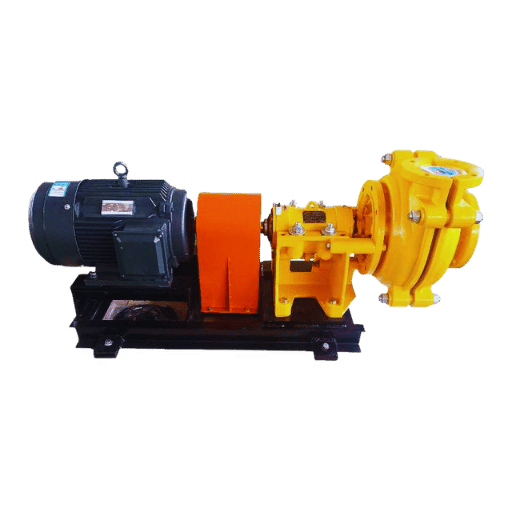
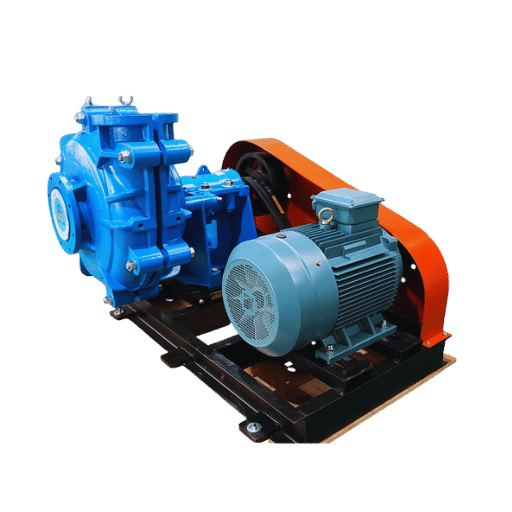
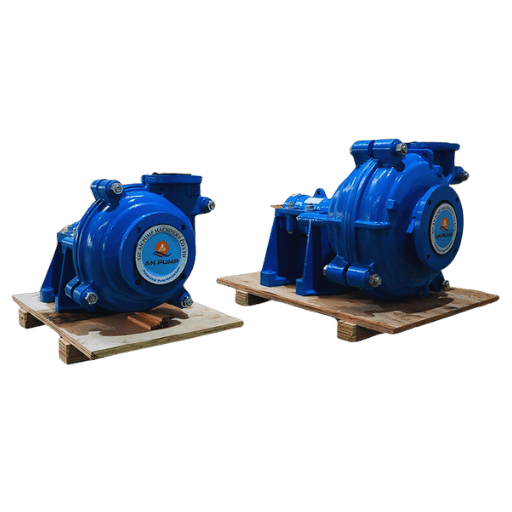
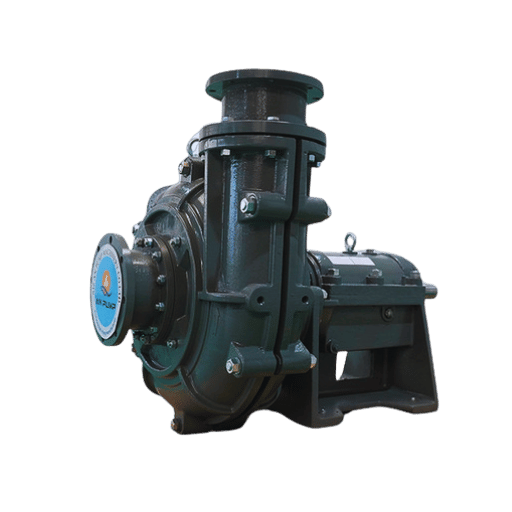
معرض منتجات مضخة الملاط الأفقية
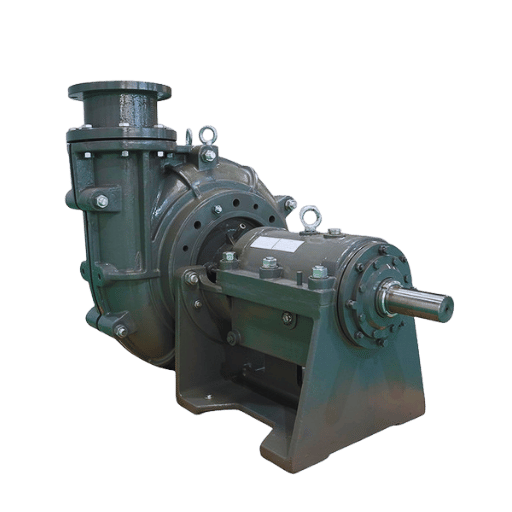

مضخات الملاط الأفقية مقابل العمودية مقابل الغاطسة، ما هو النوع الذي يناسب تطبيقك؟
يطرح اختيار نوع المضخة آثارًا على مستوى النظام قد تؤثر على قدرة رأس النظام، وميزانية الطاقة، وجدول التشغيل، والبنية التحتية للمحطة لعقود من الزمن. الفرق الأساسي بين أنواع المضخات الثلاثة هذه صحيح بغض النظر عن الشركة المصنعة مثل Warman أو GIW أو Metso أو BBP أو أي شخص آخر. فيما يلي المقارنة جنبًا إلى جنب لمقاييس الأداء المرتبطة بتكوينات مضخة الملاط الأفقية والرأسية والغاطسة
| مقياس الأداء | أفقي | عمودي | غاطسة |
|---|---|---|---|
| نطاق الرأس | 10.80 م | 5.30 م | 5 &25 م |
| نطاق التدفق | 20.5.000 م³/ساعة | 20 بوصة 1000 م³/ساعة | 10500 م³/ساعة |
| الحد الأقصى لحجم الصلبة | 76.305 ملم | 25.76 ملم | 10.50 ملم |
| أفضل نقطة كفاءة | 65–80% | 45–65% | 40–60% |
| MTBF النموذجي | 6000 إلى 12000 ساعة | 3000 إلى 6000 ساعة | 2000 إلى 4000 ساعة |
| الوصول إلى الصيانة | سهل (فوق الأرض) | معتدل (طول العمود) | صعبة (مغمورة) |
| مؤشر تكلفة الطاقة | 1.0× (خط الأساس) | 1.2–1.4× | 1.5–1.8× |
| أفضل تطبيق | التعدين والتجريف والمعالجة | تصريف الحوض، نقل الخزان | تحت الماء، مؤقت |
سياق كفاءة الطاقة
تمثل المضخات حوالي 20% من استهلاك الطاقة الصناعية في جميع أنحاء العالم. تشغيل أ مضخة الطين الطرد المركزي الأفقية بكفاءة 65-80% BBP بدلاً من المضخة الغاطسة عند 40-60% تؤدي إلى توفير الطاقة بمقدار 20-35% طوال فترة الخدمة. بالنسبة لمحرك بقدرة 160 كيلووات يعمل 8000 ساعة سنويًا، ينعكس هذا التوفير في فواتير الخدمات الشهرية.
متى تختار كل نوع
المضخات الأفقية
اختر الوضع الأفقي عندما يكون الرأس مرتفعًا (> 30 مترًا)، والمواد الصلبة الخشنة (> 50 مم)، وكميات التدفق العالية مطلوبة ويجب أن تكون المضخة متاحة للوصول إلى الصيانة فوق الأرضية. يصف هذا الغالبية العظمى من عمليات التعدين ومعالجة المعادن والتجريف. تعتبر المضخات الأفقية بمثابة حصان عمل قادر ولها أطول متوسط وقت بين الأعطال (MTBF) لسبب ما بأعلى كفاءة وأقل تكلفة تشغيل.
مضخات عمودية
حدد الوضع الرأسي عندما تكون المساحة الأرضية المتاحة ضيقة، ويجب أن توضع المضخة فوق حوض أو خزان ويكون الملاط متوسطًا في حجم الجسيمات وتركيزها. تعمل مضخات الحوض العمودية على التخلص من مخاوف التحضير فوق الأرض ولكنها تضحي أيضًا بنطاق الرأس وقدرة المواد الصلبة.
المضخات الغاطسة
اختر غاطسة لنزح المياه مؤقتًا أو الصرف في حالات الطوارئ أو تركيب المعدات المستحيل على المستوى فوق سطح الأرض. وهذا يتطلب زيادة في استهلاك الطاقة وتقليل إمكانية الوصول إلى الصيانة. المضخات الغاطسة هي مقايضة قوية تعمل على تسريع النشر على حساب الكفاءة ومن خلال خدمة الحياة.
بالنسبة لدوائر التعدين والتجريف والمعالجة الصناعية، تحدد الصناعة مضخات الملاط الطاردة المركزية الأفقية القياسية في صناعتنا، لأنها تسود على جميع العوامل الثلاثة التي تؤثر على التكلفة الإجمالية للملكية: الكفاءة، وMTBF، وإمكانية الوصول للصيانة.
نتائج مثبتة في تطبيقات التعدين والتجريف والطاقة والكيماويات
تدير سلسلة AM الظروف بدءًا من الكواشف الكيميائية الدقيقة عند المواد الصلبة 3% إلى الحصى الخشن عند 60%. وإليك كيفية تكوين مضخات الملاط لدينا لخدمة قطاعات التطبيق الأربعة الرئيسية
| صناعة | التطبيقات الأساسية | الملف الشخصي للملاط | النماذج الموصى بها |
|---|---|---|---|
| التعدين ومعالجة المعادن | تغذية الأعاصير، نقل المخلفات، تفريغ المطاحن، نقل التركيز | جزيئات خشنة عالية الكشط، 30-60% مواد صلبة | 6/4 د-ص، 8/6هـ-ص، 12/10 ص |
| الرمال والحصى والتجريف | تجريف الأنهار، وغسل الرمال، ومعالجة الركام | ساندي، كبيرة الحجم، 20-40% المواد الصلبة | 8/6E-AM، 12/10ST-AM، 16/14TU-AM |
| توليد الطاقة (FGD) | ملاط الحجر الجيري، نقل الجبس، التعامل مع الرماد | جلخ خفيف، تآكل، الرقم الهيدروجيني 4-6 | 3/2C-AMR، 6/4D-AMR |
| الكيميائية والصناعية | حمض الفوسفوريك، ملاط الجير، النفايات الصناعية | تآكل، جزيئات دقيقة، الرقم الهيدروجيني 1-4 | 1.5/1ب-عمار، 3/2ج-عمار |
دراسات حالة التطبيق
نقل مخلفات مناجم النحاس
تحدي
استمرت دافعة المضخة الحالية لمدة 800 ساعة فقط قبل أن تتطلب الاستبدال. تطلبت كل عملية تبديل 48 ساعة من التوقف عن العمل، مما أدى إلى تعبئة الرافعة ومحاذاتها واختبارها مما أدى إلى فقدان الإنتاج بشكل كبير كل ثلاثة أشهر.
حل BBP
8/6E-AM مع دافعة عالية الكروم A07 (HRC ≥60). توفر درجة السبائك A07 مقاومة محسنة للتآكل مقارنة بـ A05 القياسي في بيئة المخلفات الحمضية (الرقم الهيدروجيني 3.5).
نتيجة
امتد عمر تآكل المكره إلى ما بعد 4000 ساعة مما أدى إلى تحسين بمقدار 5×. تم تقليل وقت التوقف السنوي غير المخطط له من 12+ يومًا إلى أقل من 3 أيام.

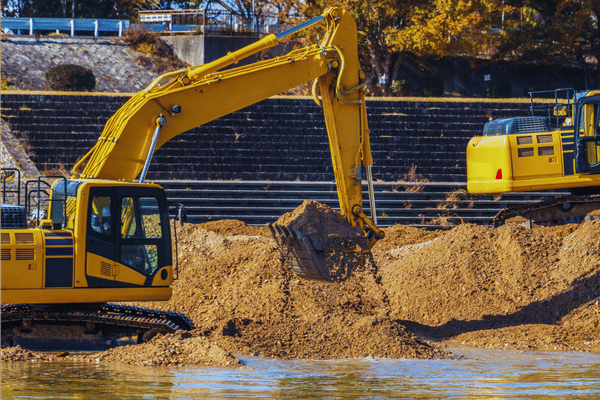
عملية تجريف رمال النهر
تحدي
يصل تركيز الرمال إلى 40% بالوزن بأحجام جسيمات تصل إلى 100 مم. وانسدت المضخات التقليدية بشكل متكرر، وتآكلت الدفاعات المغلقة خلال أسابيع. احتاج المقاول إلى التشغيل المستمر للوفاء بالمواعيد النهائية للمشروع.
حل BBP
12/10ST-AM مع دافعة شبه مفتوحة لأقصى قدر من مرور المواد الصلبة. يستوعب الشفط مقاس 305 مم الحطام الكبير دون انسداد، كما يقلل تصميم الريشة شبه المفتوحة من خطر الانسداد بتركيزات عالية.
نتيجة
التشغيل المستمر لأكثر من 3000 ساعة دون استبدال المكره. زادت الإنتاجية بسبب التخلص من التوقفات المرتبطة بالانسداد.
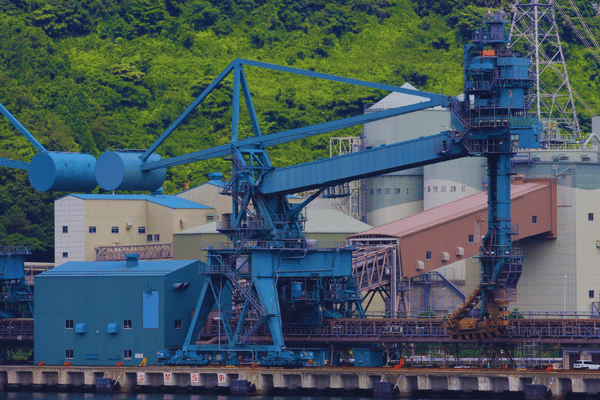
محطة توليد الطاقة التي تعمل بالفحم · FGD ملاط الحجر الجيري
تحدي
أدى ملاط الحجر الجيري مع الكلوريدات المذابة إلى تآكل أغلفة المضخات المبطنة بالمعادن في غضون ثلاثة أشهر. كان المصنع يدور عبر ثلاث عمليات استبدال للمضخات سنويًا، وكان كل فشل يعرضك لخطر إغلاق نظام FGD وانتهاكات الامتثال البيئي.
حل BBP
6/4 D-AMR مع مركب بطانة مطاطية طبيعية مُصنف للملاط الحامل للكلوريد عند درجة حموضة 4-6 ودرجات حرارة تصل إلى 65° مئوية.
نتيجة
بقيت البطانة المطاطية لمدة 10+ أشهر مقابل 3 أشهر للمعدن باستثناء تمديد عمر الخدمة 3×. تم تخفيض تدخلات الصيانة السنوية من 4 إلى 1.
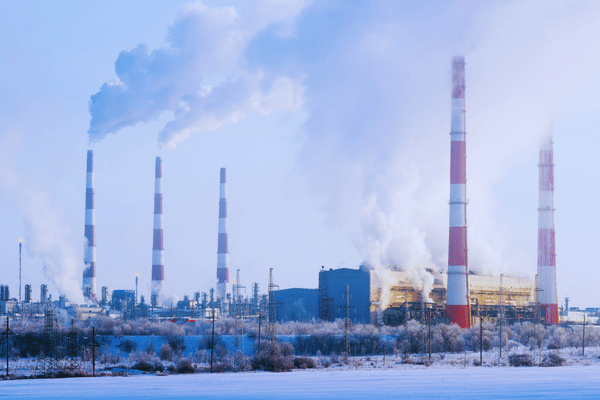
مصنع معالجة حمض الفوسفوريك
تحدي
حمض الفوسفوريك المركز عند درجة حرارة 60° مئوية يحمل بلورات الجبس الفوسفوري 2 مما يؤدي إلى هجوم مزدوج من التآكل الحمضي القوي وتآكل الجسيمات الكاشطة. عانت المضخات المعدنية القياسية من تآكل حلزوني سريع وفشل في ختم العمود.
حل BBP
3/2C-AMR مع مركب مطاطي مقاوم للمواد الكيميائية وختم ميكانيكي لعملية عدم التسرب في البيئة الحمضية.
نتيجة
عملية عدم التسرب استمرت لأكثر من 6000 ساعة. تحسن عمر نهاية الرطب بأكثر من 2× مقارنة بالتركيب السابق المبطن بالمعدن.
ضمان الجودة والشهادات العالمية والتميز في التصنيع

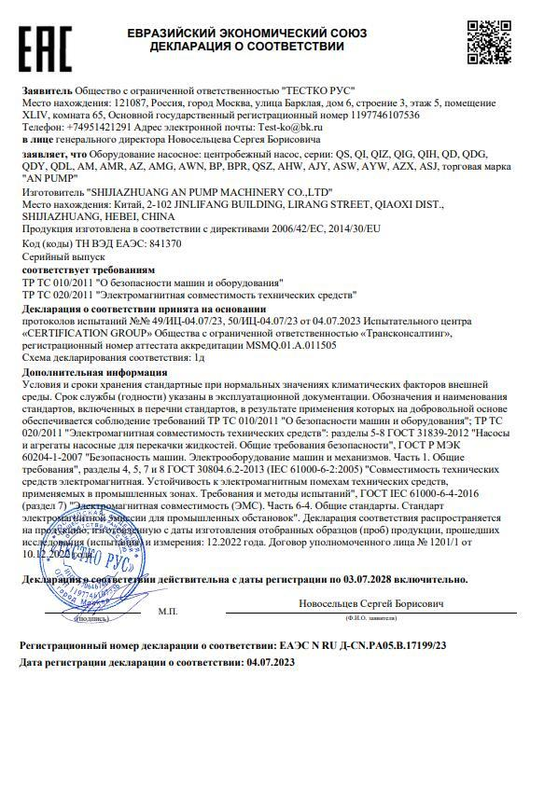
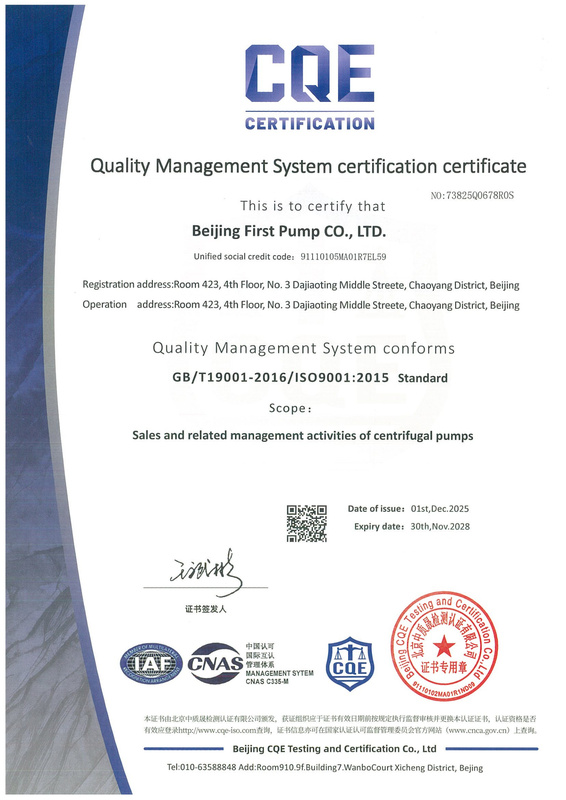
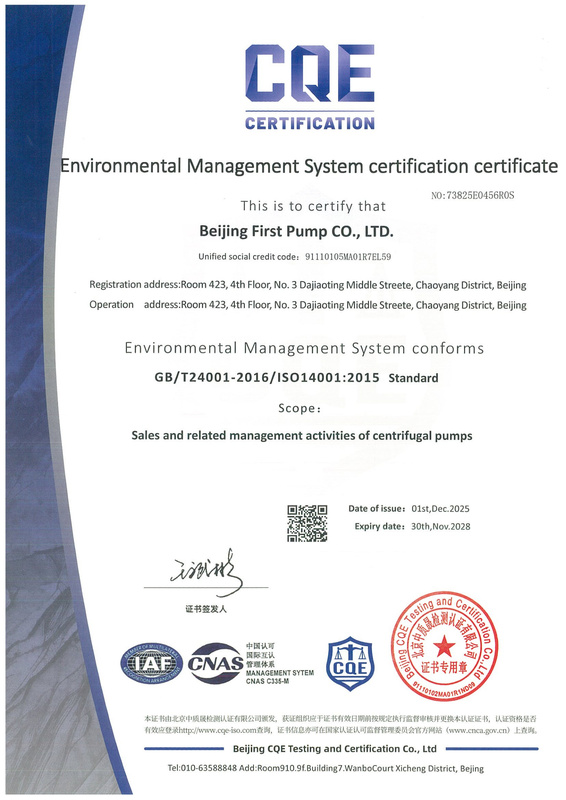
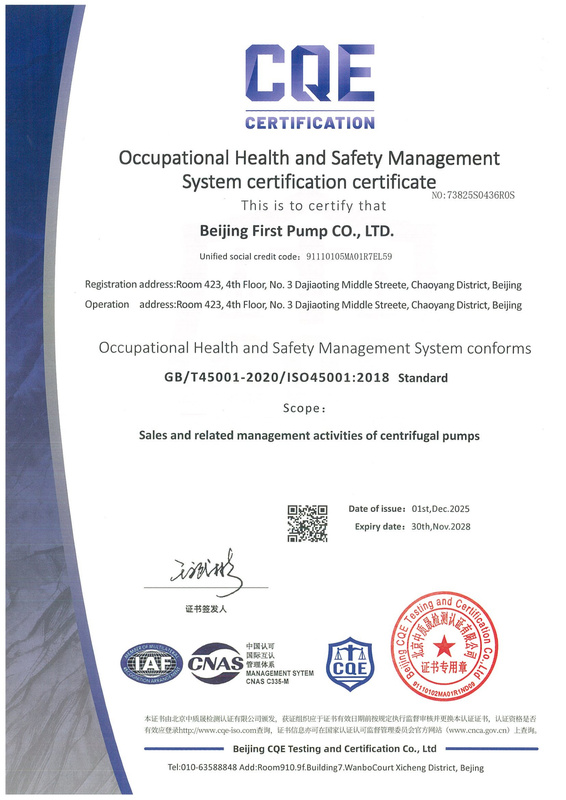

ماذا تعني هذه الشهادات بالنسبة لمشترياتك
ايزو 9001:2015
يغطي سلسلة الإنتاج بأكملها بدءًا من فحص المواد الخام الواردة وحتى الصب والتصنيع باستخدام الحاسب الآلي والتجميع والاختبار والتعبئة. وهذا يعني أن كل مضخة من سلسلة AM يتم تصنيعها بموجب نظام جودة موثق ومدقق، وليس حرفية ورشة العمل التي تختلف من دفعة إلى أخرى.علامة CE
ضمانات أننا نلبي توجيهات الاتحاد الأوروبي للآلات فيما يتعلق بالسلامة الميكانيكية والسلامة الكهربائية والضوضاء. إذا كان مشروعك يتطلب استيراد المعدات إلى السوق الأوروبية، فيجب أن تحمل علامة CE - ويمكننا توفير ذلك.GB/T2818-2014 الفئة ب
هو المعيار الوطني الصيني لمضخات الملاط. دقة الفئة B تعني أنه تم التحقق من أدائنا الهيدروليكي (التدفق والرأس والكفاءة) ضمن ±5% من المنحنيات المنشورة. لا تقوم كل الشركات المصنعة باختبار الفئة B بتعويض العديد من العناصر الافتراضية عن التسامح الأكثر مرونة مع الفئة C.عملية التصنيع من الصب إلى الصندوق
مسبك
صب رمل الراتنج وصب الرغوة المفقودة للأشكال الهندسية المعقدة. ذوبان سبائك عالية الكروم مع كيمياء خاضعة للرقابة: Cr 26-28%، C 2.5-3.0%. يتم التحقق من كل حرارة بواسطة المطياف قبل الصب.التصنيع باستخدام الحاسب الآلي
أسطح التزاوج الحرجة مُشكَّلة بتسامح ± 0.05 مم في مراكز CNC متعددة المحاور. يتم قياس وتوثيق تجويف المكره ومجلات العمود وتركيبات سجل الغلاف.الجمعية
تسلسل تجميع موحد مع مواصفات عزم الدوران. التوازن الديناميكي للمكره إلى درجة ISO G6.3. تحديد خلوص المحمل وفقًا لمواصفات الشركة المصنعة بقيم موثقة.اختبار
اختبار الأداء الهيدروليكي 100% على كل مضخة (منحنيات كفاءة رأس التدفق). يتم قياس الاهتزاز ويجب أن يكون ≥4.5 مم/ثانية. لا توجد سفن مضخة بدون تقرير اختبار موقع.
"نحن نختبر صلابة كل دافعة في ثلاثة مواقع: الحافة الأمامية والحافة الخلفية ووجه المحور. إذا كانت أي نتيجة اختبار أقل من HRC 58، فإن تلك المكره تعود إلى المسبك. يتراوح معدل الرفض لدينا بين 3 و4% في مرحلة الصب - وهو أعلى من المتوسط - لأننا نعيد ما قد يشحنه الآخرون."
دليل المشتريات: التسعير والمهلة الزمنية والدعم مدى الحياة
إطار التسعير
يعتمد تسعير سلسلة AM على أربعة متغيرات أساسية: حجم المضخة (قطر الشفط من 25 مم إلى 356 مم)، والمواد الرطبة (المعدن عالي الكروم مقابل المطاط)، وتكوين الختم (تعبئة الغدة، أو الطارد، أو الميكانيكي)، ومواصفات المحرك (الطاقة، الجهد، التردد). يكلف الإطار الصغير 1.5/1B-AM للمختبر أو المصنع التجريبي جزءًا صغيرًا من الإطار الكبير 16/14TU-AM لخدمة التجريف.
نحن لا ننشر قوائم الأسعار، لأن تطبيقات المستخدم النهائي لمضخة الملاط تعتمد على المواصفات - تعتمد المضخة "الصحيحة" على معدل التدفق المطلوب وتكوين الرأس والملاط. ما ننشره، خلال 24 ساعة من استلام بيانات التطبيق الخاص بك، هو عرض أسعار كامل يتضمن اقتراح النموذج ومنحنى الأداء ورسم الترتيب العام العام.
رؤية المشتريات
عند النظر في عرض أسعار من مزود مضخة الملاط، اطلب دائمًا رؤية الكفاءة عند نقطة التشغيل الخاصة بك - وليس فقط الكفاءات عند أفضل نقطة كفاءة في ورقة البيانات. إن المضخة الأرخص 15% والتي تعمل بمعدل 10 نقاط كفاءة أقل من القيمة المطلوبة قد تكلفك أكثر بكثير في استهلاك الكهرباء على مدى ثلاث سنوات.
اطلب أيضًا الاطلاع على تقارير اختبار المواد للمكونات المبللة بالملاط (تقارير مقياس الطيف، وتقارير الصلابة) - وليس مجرد مواصفات المواد.
الأوقات الرائدة
النماذج القياسية:
15-25 يوم عمل من تأكيد الطلب حتى تسليم العمل
تكوينات خاصة:
30-45 يوم عمل (مواد خاصة، ترتيبات ختم خاصة، هيدروليكا مختلفة)
التسليم السريع:
اختر من بين أحجام الطلب المرتفع على المخزون (3/2C-AM، 6/4 D-AM، 8/6E-AM) - الإرسال خلال 7 أيام عمل
شحن:
ميناء FOB الصيني أو CIF إلى ميناء وجهتك. نقوم بإعداد وثائق التصدير ويمكننا توفير النقل الداخلي.
موك:
وحدة واحدة. يتوفر سعر الحجم عند 5+ وحدة، اتصل بنا للحصول على عرض أسعار متدرج.
قطع الغيار وارتداء مخزون الأجزاء
نحن نحتفظ بمخزون أمان متدحرج من أعلى مكونات تآكل عبء العمل ضمن نطاقات مضخة الملاط AM/AMR:
الدفاعات (مغلق وشبه مفتوح، معدني ومطاطي)
بطانات بطانات حلزونية وإدخالات بطانة لوحة الإطار
شجيرات شجيرات الحلق وأكمام رمح
الأختام الطارد وحلقات الطارد ومجموعات تعبئة الغدد
يتضمن كل طلب لمضخة الملاط قائمة موصى بها من قطع الغيار الخاصة بطرازك. نحن نصمم معدات المستخدمين النهائيين لدينا للحفاظ على إمكانية تبادل الأبعاد عبر العلامات التجارية الكبرى لمضخة الملاط الصناعية - يرجى التحقق مع فريقنا الهندسي من تفاصيل المراجع التبادلية.
دعم مدى الحياة
ضمان:
12 شهرًا أو 2000 ساعة من التشغيل، أيهما يأتي أولاً
الدعم الفني عن بعد:
24/7 عبر الواتساب والبريد الإلكتروني. أرسل لنا صورة للمكره البالي وسننصحك إذا كان بحاجة إلى استبداله أو إذا كان من الممكن استخدامه لدورة أخرى.
التثبيت في الموقع:
يتوفر دعم الإشراف والتشغيل واستكشاف الأخطاء وإصلاحها والصيانة مقابل رسوم إضافية. يرجى طلب عرض أسعار يوضح موقعك والمدة التقديرية.
خطة الصيانة:
نقوم بإعداد قالب خطة صيانة مصمم خصيصًا لظروف الملاط وساعات التشغيل في وقت تسليم مضخة الملاط.
عملية طلب عرض الأسعار الخاصة بك 2 5 خطوات لتشغيل المضخة
1
إرسال المواصفات الخاصة بك(بيانات التدفق والرأس والملاط)
2
يوصي BBPالموديل + الاقتباس (24 ساعة)
3
تأكيد الطلب+ دفعة مقدمة
4
إنتاج+ التفتيش منتصف المدة
5
اختبار المصنع+ شحنة
أدوات مضخة الملاط الأفقية
محدد المضخة
يمكنك بسهولة العثور على مضخة الملاط الأفقية المثالية المصممة خصيصًا لتطبيقاتك وظروف التشغيل المحددة.
افتح الأداة
حاسبة TCO
قم بتقييم التكلفة الإجمالية للملكية لتحسين استثمارك وتقليل النفقات التشغيلية طويلة الأجل.
افتح الأداة
قرار بطانة
قارن بين مواد البطانة المختلفة لتحديد الملاءمة الأفضل لزيادة عمر تآكل المضخة وكفاءتها.
افتح الأداة
الأسئلة المتداولة حول مضخات الملاط الأفقية
ما الفرق بين مضخة الملاط والمضخة العادية؟
تستخدم مضخة الملاط مواد مقاومة للتآكل، مثل سبائك عالية الكروم أو بطانات مطاطية، ومكونات رطبة أكثر سمكًا 3-5x للتعامل مع المواد الصلبة الكاشطة حتى 305 مم. تتعامل مضخة المياه القياسية مع السوائل النظيفة بجزيئات أقل من 2 مم وقد تفشل في غضون أسابيع في خدمة الملاط.
ما هو نوع المضخة الأفضل للملاط؟
في معظم التطبيقات، توفر مضخة الملاط بالطرد المركزي الأفقي المزيج الأمثل من كمية التدفق وسعة الرأس وسهولة الوصول إلى الصيانة. تعمل المضخات الأفقية بكفاءة 65-80% عند أفضل نقطة كفاءة مع MTBF من 6000 إلى 12000 ساعة - أعلى بكثير من البدائل الرأسية والغاطسة.
تُفضل مضخات الملاط العمودية لتصريف الحوض عندما تكون المساحة الأرضية مقيدة. تُفضل وحدات "البئر الرطبة" الغاطسة لنزح المياه على المدى القصير، أو ضخ الملاط الكيميائي، أو الاستخدام الغامر.
مضخة الملاط الأفقية مقابل العمودية 4 أيهما أفضل لتطبيقي؟
المكاسب الأفقية على الرأس (10-80 م مقابل 5-30 م)، والحد الأقصى لحجم الجسيمات (305 مم مقابل 76 مم)، وكفاءة الطاقة (1.0x خط الأساس مقابل 1.2-1.4x). الصيانة أبسط أيضًا حيث أن كل شيء يقع فوق سطح الأرض. توفر المضخات العمودية المساحة الأرضية وتتخطى عملية التحضير، ولكن بالنسبة لواجب التعدين والتجريف، فإن الوضع الأفقي هو الوضع الافتراضي في الصناعة.
ما هي المواد الأفضل للأجزاء الرطبة لمضخة الملاط؟
الحديد الأبيض عالي الكروم (A05 وA07، HRC 58) هو بطانة التآكل القياسية عالية التأثير وعالية المقاومة للتآكل للمواد الخشنة شديدة الكشط مثل الحصى وخام المناجم والرمل الخشن فوق موس 5. المطاط الطبيعي (R26 وR33، صلابة Shore A 40-60) أكثر مقاومة ومفضل في بيئات الملاط الأكثر تآكلًا والجسيمات الدقيقة ومنخفضة الألفة - خاصة مع حمض الهيدروكلوريك أقل من الرقم الهيدروجيني 4 أو تركيز الكلوريد العالي.
يتفاعل المطاط باعتباره "حارسًا" للجسيمات الدقيقة بدلاً من امتصاص طاقة تأثيرها، وبالتالي إطالة عمر الطرف الرطب إلى 6000-12000 ساعة في حالات التآكل المنخفض. تشترك كلتا السلسلتين من المطاط، BBP AM وAMR، في نفس نمط الإطار بحيث يمكن تغيير الطرف الرطب دون استبدال المضخة بأكملها.
هل الشركات المصنعة لمضخات الملاط الصينية موثوقة؟
تنتج الصين أكثر من 60% من المضخات الصناعية في العالم، وتحمل الشركات المصنعة الرائدة نفس شهادات ISO 9001 وCE وSGS التي يطلبها المشترون الغربيون. السؤال الحقيقي ليس "صيني أم لا" بل ما إذا كانت شركة مصنعة معينة تتحكم في تعدينها، وآلاتها للتسامح، وتختبر كل وحدة، وتقف خلف المنتج بعد التسليم.
في BBP، نتحقق من هذه التفاصيل: كيمياء الصب (مطياف Cr 26-28% يتم فحصه لكل حرارة)، وتصنيع CNC إلى ±0.05 مم عند التركيبات الحرجة، واختبار الأداء الهيدروليكي 100%، ومعدل نجاح المصنع الموثق ≥99.2%.
ما الفرق بين مضخات الملاط المبطنة بالمعدن والمبطنة بالمطاط؟
تستخدم المبطنة بالمعادن (BBP AM) سبيكة عالية الكروم في HRC 58 10 مصممة للجسيمات الخشنة التي يزيد حجمها عن 25 مم، ودرجات الحرارة إلى 120 درجة مئوية، وما يصل إلى 60% من المواد الصلبة بالوزن. يستخدم المطاط المبطن (BBP AMR) المطاط الطبيعي في Shore A 65 أفضل للجسيمات الدقيقة التي يقل حجمها عن 12 مم، ونطاق الأس الهيدروجيني الكامل 1-14، والحد الأقصى 80 درجة مئوية. كلاهما يشتركان في نفس الإطار، لذا يمكنك تبديل الأطراف الرطبة دون استبدال المضخة.
كيف يمكنني اختيار مضخة الملاط الأفقية المناسبة لمشروعي؟
ابدأ بثلاث معلمات: معدل التدفق المطلوب (م³/ساعة)، وإجمالي الرأس الديناميكي (م)، وخصائص الملاط، وتوزيع حجم الجسيمات، وتركيز المواد الصلبة حسب الوزن، ونطاق الرقم الهيدروجيني، ودرجة الحرارة، والكشط (رقم ميلر أو صلابة موس إذا كان متاح). قم بمطابقتها مع منحنى أداء المضخة بحيث تقع نقطة التشغيل الخاصة بك ضمن 80-110% من أفضل نقطة كفاءة.
بعد ذلك، اختر المادة الرطبة. مقابض سبائك عالية الكروم ملاط خشن وكاشط فوق Mohs 5. المطاط الطبيعي هو الخيار الأفضل لبيئات الجسيمات الدقيقة المسببة للتآكل تحت الرقم الهيدروجيني 4.
كم تكلفة مضخة الملاط؟
يتأثر اختيار المضخة بأربعة معايير: الحجم (قطر المدخل)، وتكوين المادة (المعدن للأجزاء المسببة للتآكل من الملاط، والمطاط للأجزاء الكاشطة)، ونوع الختم، ومواصفات المحرك. تعمل نماذج الإطارات الصغيرة (قطر المدخل أقل من 150 مم/6 بوصة) على جزء صغير من تكلفة نماذج التجريف الكبيرة.
أحجام مختلفة = أسعار مختلفة، ولكن سعر الشراء هو 10-15% فقط من إجمالي تكلفة الملكية. استخدام الطاقة (40-60% من التكلفة الإجمالية للملكية) وتكاليف الصيانة (20-30%) يفوق بسرعة التكاليف الرأسمالية على مدى 5-10 سنوات من الخدمة.
كم من الوقت تستمر أجزاء مضخة الملاط؟
يعتمد عمر الجزء الرطب بشكل كبير على ظروف الملاط الخاصة بك. في تطبيقات التآكل المعتدل، تدوم الدفاعات عالية الكروم من 4000 إلى 8000 ساعة تشغيل وتصل بطانات الغلاف إلى 6000 إلى 10000 ساعة. يمكن أن تتجاوز المكونات المبطنة بالمطاط 12000 ساعة في خدمة الجسيمات الدقيقة منخفضة التآكل.
توقع أن تستمر دافعة الكروم لمدة 2000-4000 ساعة في الخام الخشن بتركيز صلب 50%. تصمد أختام الطارد دائمًا تقريبًا بعد المكره. تم تصميم الكتل الحاملة لمدة عامين (16000 ساعة) من الخدمة التي يتم تغذيتها بمواد التشحيم.
ما هي قطع الغيار التي يجب أن أحتفظ بها في المخزون لمضخة الملاط الأفقية؟
يرجى الاحتفاظ بدافع احتياطي واحد، ومجموعة واحدة من بطانات الغلاف (بطانة حلزونية + بطانة لوحة الإطار)، وشجيرة حنجرة احتياطية واحدة، وجلبة عمود احتياطي واحدة. تشتمل هذه الأجزاء الأربعة على أكثر من 90% من المواد الاستهلاكية لنظام الضخ القياسي.
لتكوينات ختم الطارد، أضف حلقة طرد وطارد واحدة. بالنسبة لأختام تعبئة الغدة، احتفظ بمجموعتين من حلقات التعبئة. إذا قمت بتشغيل مضخات متعددة من نفس الطراز، فإن خرطوشة مجموعة المحمل الاحتياطية الواحدة تقلل وقت الإصلاح الطارئ من أيام إلى ساعات.
تتجه الآن

![التجويف في مضخات الملاط بداية المواد الصلبة NPSH [الدليل الميداني]](https://bbpmfg.com/wp-content/uploads/2026/07/cavitation-in-slurry-pumps-featured-1-150x150.png)