تواصل مع BBP

شهادة الأيزو 9001
علامة CE
مضخة التدفق المحوري
مضخة التدفق المحوري ذات حجم كبير جدًا، وحلول نقل رأس منخفضة
مضخة المروحة ذات التدفق المحوري BBP AHW هي مضخة تدفق محورية صناعية غاطسة لنقل المياه بكميات كبيرة. تحرك حتى 68000 متر مكعب/ساعة عند رأس 2 بوصة و15 مترًا مع سلسلة AHW.
- التكوينات: غاطسة · عمودية · أفقية
- الكفاءة النموذجية: 78–85%
- مهلة: 45.90 يومًا (مقدمة من MTC)
السعة القصوى
68.000 م³/ساعة
نطاق الرأس
2 بوصة 15 متر
كفاءة
ما يصل إلى 85%
المعايير
ايزو 9001 · CE
AHW سلسلة مضخة التدفق المحوري، التكوينات والمواصفات
تشترك ثلاثة أشكال هندسية للتركيب في منصة تقنية هيدروليكية واحدة من AHW. اختر من خلال بيئة التثبيت 5 لا تتأثر بضغط المبيعات. تتراوح قوة المحرك من 50 إلى 100 حصان (36.75 كيلو واط) على الخط الغاطس، ويتم تصغيرها أو تصغيرها لبيئات التطبيقات الأخرى. الميزة المشتركة في الثلاثة هي القدرة على ضبط درجة المكره المحورية لتتناسب مع طلب التدفق الموسمي عبر نقاط العمل المتغيرة.
الكتالوج القياسي
مضخة التدفق المحوري الغاطسة AHW-S
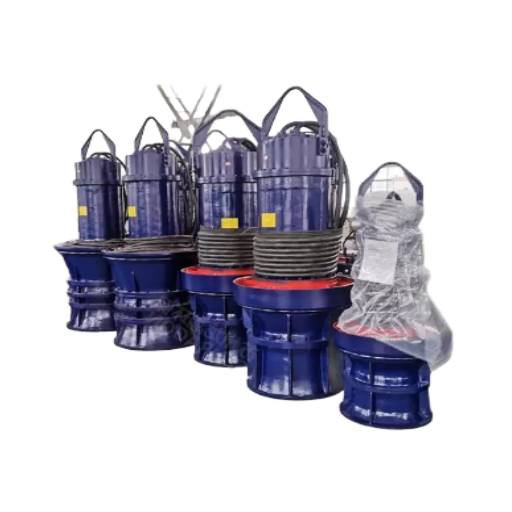
محرك غاطس مقترن مباشرة بالمكره المحوري. مثالية للأحواض وحفر السحب والمحطات المعرضة للفيضانات حيث يكون الوصول إلى الحفرة الجافة محفوفًا بالمخاطر. لا يلزم وجود مبيت محرك فوق سطح السفينة.
- سعة: 5000 إلى 15000 م³/ساعة
- رئيس: 2.8 م
- محرك: 50.100 حصان (36.75 كيلو واط)، 8P/10P/12P
- المكره: SCS13 غير قابل للصدأ، شفرة قابلة للتعديل 3 intor4، برونز ALBC3 اختياري للمياه المالحة
- ختم: ختم ميكانيكي مزدوج SiC/SiC
- غلاف: FC200 الحديد الزهر، عمود SUS420J2
- حماية: IP68، عزل الفئة H، أجهزة استشعار تسرب الختم الحراري MTS + MS
- اختياري: الأنود الذبيحة لخدمة المياه المالحة/المالحة
الكتالوج القياسي
مضخة التدفق المحوري العمودي AHW-V (الحفرة الجافة)

دوران عمودي للتدفق المحوري مع محرك حفرة جافة على السطح الخلفي. المكره أقل بقليل من الحد الأدنى لمستوى البئر الرطب. يعد هذا تركيبًا شائعًا جدًا حيث يكون من المعتاد فحص المحرك (المحركات) دون الحاجة إلى نزح المياه من الحوض.
- سعة: 15.000 إلى 50.000 م³/ساعة
- رئيس: 3 reach12 م
- رمح: عمود خطي بمحامل توجيه متوسطة، مشحم بالزيت
- وعاء: FC200 حديد الزهر، SCS13 دافع غير قابل للصدأ
- ختم: ختم ميكانيكي واحد من SiC/الكربون (محمي بمحرك الحفرة الجافة)
- يقود: محرك تحريضي عمودي ذو عمود صلب، فئة كفاءة IE3
- تطبيق: محطات التحكم في الفيضانات البلدية، ومآخذ الري الكبيرة
الاستفسار-قابل للتكوين
AHW-H التدفق المحوري الأفقي (مخصص)

التدفق المحوري الأفقي المقسم مع هندسة مخصصة للخدمة. سنقدم عرض أسعار بناءً على غلاف واجبك، وخصائص السوائل المتوفرة لديك، ومنحنى QH الخاص بك وليس من أحد كتالوجاتنا. الواجبات النموذجية: مياه تبريد المكثف، وتدوير المبخر، وضخ الصابورة البحرية.
- القدرة النموذجية: 30.000 إلى 68.000 م³/ساعة
- رأس نموذجي: 5 reach15 م
- أساس التصميم: الهندسة المحورية ذات الحالة المنقسمة، عمود الإدارة الأفقي
- نطاق مخصص: درجة المكره، مادة الغلاف (تتوفر ترقية التآكل)، نوع الحافة.
- مهلة: 90-120 يومًا بما في ذلك المراجعة الهندسية
- اتصال: اتصل بالهندسة لتأكيد جدوى واجبك المحدد.
مصفوفة القرار هي تكوين AHW الذي يناسب مشروعك
يتم الاختيار من خلال هندسة التثبيت ومتطلبات الوصول ومظروف الواجب وليس من خلال عرض التسويق. يستخدم الجدول أدناه قيم معلمات محددة حتى يتمكن مهندس التصميم ومدير المشتريات من عرض نفس الصف والوصول إلى نفس القرار.
| التكوين | نطاق السعة | نطاق الرأس | التثبيت الأفضل | لماذا هذا واحد |
|---|---|---|---|---|
| AHW-S غاطسة | 5000 إلى 15000 م³/ساعة | 2.8 م | الأحواض المعرضة للفيضانات، وحفر مياه الأمطار، ومآخذ المزارع السمكية | لا حاجة إلى حفرة جافة؛ المحرك يتحمل الغمر الكامل |
| AHW-V الحفرة الجافة العمودية | 15.000 إلى 50.000 م³/ساعة | 3 reach12 م | محطات الضخ البلدية، قنوات الري الكبيرة | يمكن الوصول إلى المحرك دون نزح المياه؛ MTBF أطول |
| AHW-H أفقي (مخصص) | 30.000 إلى 68.000 م³/ساعة | 5 reach15 م | مآخذ مياه التبريد، حلقات الدوران الصناعية | تم تصميمه للعمل في هندسة الاتصال |
مواد البناء
مواصفات المواد مدرجة أدناه. تحمل جميع درجات الفولاذ المقاوم للصدأ والبرونز تقارير اختبار مطحنة EN 10204 3.1؛ خيار الترقية إلى 3.2 مع اختبار الشاهد متاح عند الطلب.
| مكون | AHW-S غاطسة | AHW-V الحفرة الجافة العمودية |
|---|---|---|
| غلاف / وعاء المضخة | FC200 الحديد الزهر | FC200 الحديد الزهر |
| رمح | SUS420J2 غير قابل للصدأ | SUS420J2 غير قابل للصدأ (عمود الخط) |
| المكره (قياسي) | SCS13 غير القابل للصدأ | SCS13 غير القابل للصدأ |
| المكره (خيار المياه المالحة) | ALBC3 برونز الألومنيوم | ALBC3 برونز الألومنيوم |
| الختم الميكانيكي | مزدوج SiC/SiC | SiC واحد/كربون |
| ارتداء الخاتم | ALBC3 (وحدات 75 بوصة 100 حصان) | حديد الزهر/ALBC3 اختياري |
| حامل القاعدة / العمود | الفولاذ الهيكلي SS400 | الفولاذ الهيكلي SS400 |
| كابل (غاطس) | VCT / PNCT / H07RN-F | غير متوفر (الحفرة الجافة) |
على استعداد لتأكيد التكوين الذي يناسب محطتك؟ أرسل لنا معدل التدفق والرأس وهندسة التثبيت الخاصة بك، حيث سيقوم فريقنا الهندسي بمطابقة النموذج وإرجاع المواصفات الأولية في غضون 24 ساعة.
تحديات الضخ ذات الحجم الكبير والمنخفض وكيف يحلها التدفق المحوري
تؤدي ثلاثة أوضاع فشل إلى أسوأ قرارات شراء المضخات في التحكم في الفيضانات والري وخدمة مياه التبريد. أولاً، يتم تحديدها لمضخات الطرد المركزي ذات الشفط النهائي لنقاط العمل التي تزيد عن 5000 متر مكعب في الساعة حيث تأكل كميات هائلة من وقت التشغيل الموسمي من خلال الانخفاض عن أفضل نقطة كفاءة بمقدار 15-25%، وينفجر تيار محرك القفص السنجابي وتفقد الكفاءة. ثانيًا، في الأحواض العميقة، يكون NPSH متاحًا تحت مستوى محدد وتتجويف الدفاعات وتقصير عمر التآكل لدينا من سنوات إلى أشهر. ثالثًا، في حين أن بناء محطات الضخ الغاطسة الثابتة يكلف أكثر من خيارات الحفرة الجافة، فإن مخاطر الصرف والفيضانات تتطلب هندسة غاطسة. بينما أثناء إصلاح محطة الحفرة الجافة بعد عامين، فإن تشغيله يزيد من تكلفة كلا الخطأين. كلا الخطأين سوف يأكلان أكثر من 5 سنوات من المضخة نفسها.
مضخة التدفق المحوري 100 تسمى أيضًا مضخة المروحة أو مضخة الكوع 10 تستخدم دافعة محورية دوارة (مروحة دوارة) لدفع السائل بالتوازي مع محور العمود. توقيعه الهيدروليكي هو معدل تدفق مرتفع عند ارتفاع الضغط المنخفض (أي الرأس المنخفض)، بكفاءة عادةً 78 morece85%، مما يجعله الشكل الهندسي المناسب لأي واجب يزيد عن 5000 متر مكعب/ساعة عند أقل من 15 مترًا. وعلى النقيض من ذلك، تقوم مضخة الطرد المركزي بدفع السائل بشكل قطري وتضيء عند التدفق المتوسط برأس مرتفع.
حيث تقوم مضخات التدفق المحوري AHW بتوصيل تطبيقات ونتائج العملاء
ومن الجدير بالذكر في هذه المرحلة أن هندسة العجلة المقلوبة (التدفق المحوري) غالبًا ما تكون خيار تصميم “first لخمسة تطبيقات صناعية حيث يتفوق معدل تدفق الحجم على الرأس الهيدروستاتيكي في معايير الاختيار. تُظهر خمس بطاقات سيناريو أدناه عمليات نشر صناعية نموذجية حيث يتم تصميم نطاق AHW ليناسب خيارات تكوين الحجم والمواد الأكثر أهمية في كل حالة، لتصميم تقليدي كبير الحجم.

محطات التحكم في الفيضانات البلدية ومضخات مياه العواصف
النطاق والمواصفات
النطاق النموذجي هو 4 مضخات حفرة جافة 12 AHW-V لكل محطة، كل منها تتعامل مع 15000 متر مكعب/ساعة عند رأس 30000 متر مكعب/ساعة. السياق المرجعي: يوثق كتيب هندسة التحكم في الفيضانات الخاص بشركة Grundfos تدفقًا محوريًا لمحطة ضخ التدفق KPL مكونة من 8 وحدات يصل إلى 6 متر مكعب/ثانية (21600 متر مكعب/ساعة) عند رأس 6 أمتار لكل مضخة، وهو معيار مفيد لمواصفات مقياس المحطة. AHW-V مع المكره المقاوم للصدأ SCS13 هو اختيار المواد القياسي لهذه الخدمة.
↺

الري الزراعي (الأرز، قصب السكر، القطن)
النطاق والمواصفات
عادةً ما يتم استخدام أنظمة الري بالمضخات وأنظمة الضخ في حقول الأرز وقصب السكر ومزارع القطن في غلاف تبلغ سرعته 5000 متر مكعب و15000 متر مكعب في الساعة عند رأس 2 بوصة 6 متر. تعتبر الغواصة AHW-S العمود الفقري هنا، مع متغيرات قياسية للمحرك الكهربائي ومتغيرات مثبتة على الانزلاق بمحرك ديزل للحقول النائية بدون طاقة الشبكة. المكره البرونزي ALBC3 هو ترقية لمياه القناة الثقيلة بالطمي.
↺

محطة توليد الكهرباء لتداول مياه التبريد
النطاق والمواصفات
بمجرد تبريد المكثف ودوران البرج ذو الحلقة المغلقة في محطات الدورة الحرارية والمجمعة، سيتم تشغيل تدفق يزيد عن 30000 م/ساعة عند رأس 5-12 م. تم تحديد التكوين الأفقي AHW-H لهذه الخدمة، جنبًا إلى جنب مع الغلاف المحدث للتآكل على مياه النهر الغنية بالكبريتات أو المصادر قليلة الملوحة. يتم أيضًا تحديد الأنود الذبيحة على مآخذ مياه البحر.
↺

تبادل المياه الاستزراع المائي
النطاق والمواصفات
تتطلب إعادة تدوير تربية الجمبري والأسماك الخطيرة ما بين 10000 إلى 25000 م/ساعة عند 3-7 م، وغالبًا ما تكون الخدمة على مدار 24 ساعة في بيئة مياه البحر. بالنسبة لهذا التطبيق، فإن تكوين المياه المالحة هو AHW-S مع الأنود المضحي + المكره البرونزي ALBC3. بغض النظر عن مصدر مياه التغذية، فإن الختم الميكانيكي المزدوج SiC/SiC هو خيار الختم الذي ينجو من الغمر المستمر في الخدمة قليلة الملوحة.
↺

تداول العمليات الصناعية
النطاق والمواصفات
تعد الخدمة ذات الحجم الكبير والمنخفض لتدوير المبخر الكيميائي، ونقل السائل الأسود من اللب والورق، وتدوير مبخر البنجر/قصب السكر بمثابة هندسة تدفق محورية في كل حالة. من وجهة النظر الكيميائية، تظهر الحزمة المقاومة للتآكل للمواد سعة 304 لترًا على AHW-H. تم تحديد Mullite أو Silcap لمقاومة تآكل غلاف المحرك إذا لزم الأمر في الخيار الكيميائي. يتم استخدام نفس المنصة لنقل صابورة الرصيف البحري.
↺
ISO
ايزو 9001:2015
إدارة الجودة
م
علامة CE
أهلية سوق الاتحاد الأوروبي
إم تي سي
إن 10204
3.1 المعيار · 3.2 شاهد
CCS
شهادة البحرية
CCS/ABS are اختياري للخدمة البحرية
CCIC
ما قبل الشحن
SGS/فحص CCIC عند الطلب
التكامل الرأسي يتكون من سبع عمليات تحت سقف واحد
تتم جميع خطوات التصنيع الهامة داخل الشركة. وهذا هو الفرق بين المضخة التي قمنا بتصنيعها والمضخة التي قمنا بتجميعها. تتوافق شهادات اختبار المواد مع رقم الدفعة الموجودة على شحنتك لأننا قمنا بصب المعدن بأنفسنا، وليس مسبكًا تابعًا لجهة خارجية.
01صب
02المعالجة الحرارية
03التصنيع
04موازنة
05الجمعية
06طلاء
07الاختبار الهيدروليكي
لكل مشتري: يتم منح المهندسين إمكانية التتبع من مواصفات المواد الخام إلى منحنى الأداء النهائي؛ يتم منح مديري المشتريات مساءلة المورد الفردي دون الموردين الفرعيين من المستوى الثاني والثالث لتعقب عند حدوث خلل؛ يتم منح مديري العمليات هيكل تكلفة التصنيع بشكل مستقل عن هوامش صب الطرف الثالث، ويتم تمريرها كتسعير تنافسي بدلاً من إخفائها في العلامات. يتم إجراء الاختبار الهيدروليكي باستخدام منهجية اختبار القبول ISO 9906؛ التفاوتات من الدرجة 2B طبيعية، والتفاوتات من الدرجة 1B متاحة للخدمة الحيوية عند الطلب.
دليل المشتريات، عوامل التسعير والمهلة الزمنية والدعم العالمي
غالبًا ما يتوقع المشترون الذين يختارون مضخات التدفق المحوري مقابل معيار BBP التعامل مع أربع حقائق تجارية؛ المهلة والحد الأدنى لكمية الطلب وشروط الدفع النهائية ووثائق التصدير. وفيما يلي الإجابات:
المهلة الزمنية حسب التكوين
AHW-S الغاطسة القياسية
45-60 يومًا من أمر الشراء حتى الشحن جاهز (محرك قياسي، مادة دافعة قياسية)
AHW-V الحفرة الجافة العمودية
60-90 يومًا (تجميع عمود الخط + المحامل المتوسطة تعمل على تمديد وقت التصنيع)
AHW-H مخصص أفقي
90-120 يومًا (بما في ذلك بالإضافة إلى المراجعة الهندسية، والتحقق من صحة زاوية شفرة المكره، والاختبار الهيدروليكي)
شروط الطلب
- موك: وحدة واحدة لجميع التكوينات الثلاثة بدون حد أدنى لترتيب المحطة
- دفع: وديعة 30% T/T + رصيد 70% مستحق الدفع قبل الشحن للهيكل القياسي؛ يتم قبول خطابات الاعتماد في الأفق، والتي يتم تأكيدها من خلال البنك الرئيسي، عند الحاجة
- شروط التجارة: تتوفر EXW وFOB وCIF وDDP؛ يتم تحديد أسعار CIF أو DDP منفصلة حسب الوجهة النهائية
- تصنيع المعدات الأصلية/علامة خاصة: متوفر في طلبات 3+ وحدات للهيدروليكا الخاصة؛ ينطبق الحد الأدنى للطلب لوحدة واحدة على ترقيات المواد أو الطلاءات على المكونات الهيدروليكية القياسية
وثائق التصدير · الحزمة القياسية
ستحتوي جميع الشحنات على حزمة قياسية من الوثائق؛ يمكن توفير مستندات إضافية (شهادة التحليل، ودرجة MTC معينة، وتقارير اختبار النوع) عند الطلب ولا تؤثر على المهلة الأساسية.
- إعلان المطابقة CE
- شهادة الأيزو 9001 (نسخة)
- شهادات اختبار المواد وفقًا للمعيار EN 10204 3.1 (قابلة للترقية إلى 3.2 شاهد)
- شهادة المنشأ (CO) مختومة بالغرفة
- الفاتورة التجارية + قائمة التعبئة + بوليصة الشحن
- تقارير التفتيش قبل الشحن SGS/CCIC عند الطلب
قطع الغيار وما بعد البيع
يتم الاحتفاظ بالدافعات والأختام الميكانيكية والمحامل وأكمام العمود وحلقات التآكل بـ “ جاهزة للتسليم على مدار 24 ساعة لتكوينات AHW-S وAHW-V OEM. يتم تخزين المواد الاستهلاكية الهندسية AHW-H بعد اكتمال كل مشروع مقابل الاحتياجات المستقبلية. يمتد الضمان لمدة 12 شهرًا ليشمل المحرك والأختام والمحامل والمكره فقط (لا توجد أجزاء تآكل أخرى)، ويتم استبدالها بالتكلفة بعد ذلك. الدعم الفني عن بعد، الذي يتم تشغيله على مكتب مساعدة للاستعلام يعمل على مدار الساعة طوال أيام الأسبوع، ويعمل جنبًا إلى جنب مع التشغيل الاختياري في الموقع وتدريب المشغلين، المقترح والمحسوب بناءً على الاتفاق بين الوجهة والشركة المصنعة.
إشارة السعر 2 ما الذي يدفع عرض الأسعار الخاص بك
نظرًا لأن خمس معلمات تؤثر على سعر الوحدة أكثر بكثير من قدرة الإنتاج الرئيسية، فإننا لا ننشر قائمة أسعار مضخات التدفق المحوري. هذه المعلمات الخمس هي مادة دافعة (قاعدة SCS13، أو تكلفة تعزيز البرونز ALBC3، أو زيادة مزدوجة أو Hastelloy بشكل أكبر بكثير)، وتصنيف قوة المحرك، وعدد أعمدة المحرك، ودرجة بدل تآكل الغلاف، ونوع الحافة (ASME B16.5، EN 1092-1، أو غيرها) وأبعاد التفريغ، بالإضافة إلى أي متطلبات قبول خاصة. أرسل لنا نقطة العمل وشروط التطبيق (مثل رفع الشفط أو NPSH المقبول)، وسنرسل لك عرض أسعار ذا معنى خلال يومي عمل.
الأسئلة المتداولة
ما الفرق بين مضخة التدفق المحوري ومضخة الطرد المركزي؟
تنقل مضخة التدفق المحوري السائل بالتوازي مع عمود المضخة، باستخدام آلية المروحة الدوارة (المروحة المحورية). وتتراوح مهمتها الأكثر ملاءمة من 5000 إلى 68000 متر مكعب في الساعة عند 2 متر و15 متر من الرأس. تستخدم مضخة الطرد المركزي دافعة شعاعية تقوم برمي السائل إلى الخارج بقوة الطرد المركزي، مما يجعلها أكثر ملاءمة لـ 10003000 متر مكعب في الساعة عند 5000 متر رأس. بعبارات بسيطة من القاعدة: التدفق المحوري عند الحاجة إلى حجم كبير عند رفع منخفض؛ أجهزة الطرد المركزي عند الحاجة إلى تدفق أقل نسبيًا عند رأس أعلى. يمكن أن يؤدي الانتقاء بين الاثنين إلى تعطيل نقطة التوازن بأكملها، مما يدفع عمليتك لاستهلاك المزيد من الطاقة وتسريع التآكل المرئي.
هل مضخات التدفق المحوري ذاتية التحضير؟
لا. مضخات التدفق المحوري ليست مصممة لتكون ذاتية التحضير. تحتاج المكره إلى أن تكون دورته، عند الزحف، مغمورة بالكامل تحت مستوى ماء الشفط خلال فترة التشغيل بأكملها. إن AHW-S هو بطبيعته إعداد ذاتي لأنه يتم وضعه في/من خلال الماء. يحتوي تكوين الحفرة الجافة AHW-V على جرس شفط يجب أن يكون أقل من الحد الأدنى لمستوى مياه الآبار الرطبة. هذا المستوى الأدنى هو معلمة العمل للمحطة، وليس للمضخة وحدها. إذا/عندما يكون التحضير الذاتي عند المضخة مرغوبًا، فمن المستحسن تحديد مضخة طرد مركزي لأن المكره لن يتمكن أبدًا من توليد مصعد الشفط على غلاف فارغ.
ما هي السوائل التي يمكن لمضخات التدفق المحوري AHW التعامل معها؟
مياه نظيفة أو جيدة مع تحميل مواد صلبة خفيفة فقط (مياه العواصف، والري، ومياه التبريد المكثفة، ومياه الصرف الصحي منخفضة المواد الصلبة مع حاجز المنبع، ومياه البحر مع حماية الأنود المضحي، والمياه قليلة الملوحة، ومياه المعالجة مع مواد أكالة خفيفة مع تحديد المواد التي تمت ترقيتها للتآكل). عندما ترتفع المواد الكاشطة (تحميل المواد الصلبة أكبر من 5% حجمًا، خدمة ملاط المواد الصلبة الكاشطة)، يكون التدفق المحوري أداة خاطئة (راجع خط مضخة الملاط الخاص بنا. تتطلب الخدمة الكيميائية الحمضية أو القلوية Hastelloy أو الفولاذ المقاوم للصدأ المزدوج، حسب الحاجة.
كيف يمكنني الاختيار بين تكوينات التدفق المحوري العمودي والحفرة الجافة والغاطسة؟
ميكانيكيا، هناك ثلاثة اعتبارات. أين يمكنك تثبيته؟ عندما يتم التثبيت في محطة لا تحتوي على حفرة جافة (حواجز أو حفر مفتوحة)، اختر AHW-S الغاطسة. عندما يكون فحص المحرك الروتيني واستبداله في المحطة دون إزالة الحشف أو نزح المياه، يكون الحوض أمرًا ضروريًا، اختر AHW-V عموديًا للحفرة الجافة. التكلفة: AHW-S عمومًا أقل بمقدار 15-20% ولا يحتوي على منصة مرتفعة أو عمود إدارة؛ من الأسهل التثبيت والصيانة، وبالتالي فإن CapEx الأصلي أقل. الموثوقية على المدى الطويل: تعمل محامل AHW-V دائمًا في بيئة جافة؛ تصل إلى 60.000 ساعة MTBF، vsc حوالي 40.000 ساعة للمحرك المغمور AHW-S. إذا كانت المحطة تتطلب التشغيل على مدار الساعة طوال أيام الأسبوع، وكانت أوقات التوقف الطويلة مكلفة، فإن قسط AHW-V يعود إلى دورة حياة المحطة.
ما هو الاسم الآخر لمضخة التدفق المحوري؟
مضخة المروحة هي المرادف الأكثر شيوعًا 2000، والمكره المحوري هو حرفيًا مروحة. تُستخدم مضخة الكوع عندما تقوم أنابيب التفريغ بإخراج المضخة بزاوية 90 درجة، وهو أمر شائع في تركيبات الحفرة الجافة العمودية. غالبًا ما تُستخدم مضخة العمود ومضخة عمود الخط في التكوينات الرأسية ذات العمود الطويل مثل AHW-V. تختلف تسميات الصناعة حسب المنطقة؛ تستخدم الوثائق الهندسية عادةً مضخة التدفق المحوري “” كمصطلح أساسي وفقًا لتصنيف المضخة الديناميكية الدوارة ISO 9906 والمعهد الهيدروليكي.
ما هي عيوب مضخات التدفق المحوري؟
تحدد أربعة قيود المكان الذي لا يكون فيه التدفق المحوري هو الإجابة الصحيحة. أولاً، نطاق الرأس محدود، حيث يصل التدفق المحوري أحادي المرحلة إلى 15 مترًا تقريبًا، لذا فإن الطرد المركزي متعدد المراحل هو الحل للرأس الأعلى. ثانيًا، NPSH المطلوب أعلى (4.8 م نموذجي) من الطرد المركزي بالشفط النهائي، وهو أمر مهم في منشآت الشفط العميق. ثالثًا، يكون منحنى الطاقة حادًا عند الإغلاق، حيث تسحب مضخة التدفق المحوري تيارًا عاليًا للمحرك عند اختناق التفريغ، لذلك يجب تصميم النظام لتجنب تشغيل الصمام المغلق لفترة طويلة. رابعًا، التدفق المحوري ذو السعة الصغيرة (أقل من 5000 متر مكعب/ساعة) ليس اقتصاديًا عادةً مقابل مضخة الطرد المركزي التي تعمل بنفس الخدمة. داخل غلاف الرأس الذي يبلغ 5000+ متر مكعب/ساعة وأقل من 15 مترًا، لا ينطبق أي من هذه القيود.
ما هي مدة خدمة دافعة مضخة التدفق المحوري AHW؟
يرتبط العمر الافتراضي للمكره ارتباطًا مباشرًا بالمادة مع كشط السائل المحمل ودرجة مادة البناء. للحصول على مياه جيدة (مياه العواصف، ومياه المكثف، ومياه الري من القنوات الصافية، وخدمة عدم وجود رواسب)، يستمر الدفع بدافع من الفولاذ المقاوم للصدأ SCS13 عادةً لمدة 5-8 سنوات قبل الإصلاح أو الاستبدال. بالنسبة للمياه المحملة بالرواسب (الأنهار النموذجية التي تغذي الري الصناعي)، 3-5 سنوات. بالنسبة للمياه المالحة أو المياه قليلة الملوحة المسببة للتآكل مع الأنودات المضحية والدافع البرونزي ALBC3، 4-6 سنوات. تعمل هذه الفترات الزمنية عند حدوث التشغيل عند نقطة الكفاءة القصوى؛ الأداء خارج BEP يقلل من العمر الافتراضي بغض النظر عن المادة. سوف يعيش الختم الميكانيكي المزدوج SiC/SiC بعد دورة إصلاح المكره الأولى.
هل يوفر BBP تخصيص OEM لمضخات التدفق المحوري؟
بالتأكيد نفعل. هناك أربعة أنواع من التخصيص التي يرغب قسمنا الهندسي في القيام بها. إعادة التصميم الهيدروليكي (زاوية المكره المخصصة/رقم الشفرة لتناسب نقطة عمل فريدة خارج غلاف الكتب-AHW)؛ الحد الأدنى للطلب لإعادة التصميم الهيدروليكي الكامل هو 3 وحدات. ترقية المواد (الستانا المزدوج، Hastelloy، غلاف مبطن بالمطاط لواجب الكشط)؛ وحدة واحدة كحد أدنى لترقية المواد فقط. الطلاء (الإيبوكسي المحمل بالسيراميك لمقاومة التآكل، والتلميع الكهربائي لواجب درجة الغذاء). العلامة التجارية الخاصة (يمكن لشركاء الموزعين تكليف وحدة AHW بلوحة الاسم والوثائق ونظام الألوان الخاص بك)؛ لذا يرجى التحدث إلى قسم المبيعات لدينا لمعرفة الخيارات والشروط مع الشركاء. سيتم شحن المشاريع المخصصة مع مهلة AHW-H التي تتراوح من 90 إلى 120 يومًا.
تتجه الآن

![التجويف في مضخات الملاط بداية المواد الصلبة NPSH [الدليل الميداني]](https://bbpmfg.com/wp-content/uploads/2026/07/cavitation-in-slurry-pumps-featured-1-150x150.png)