تواصل مع BBP

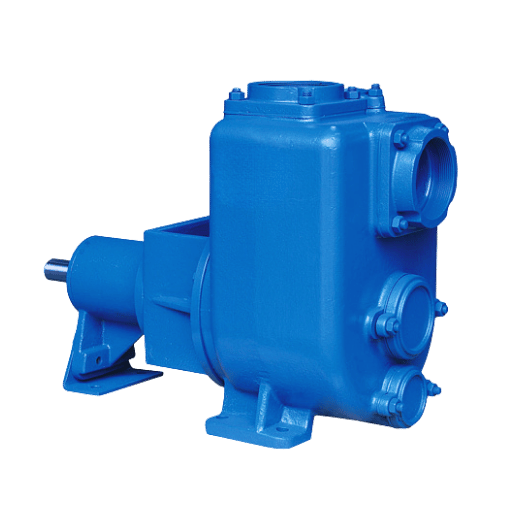
A مضخة مياه الصرف الصحي ذاتية التحضير هي مضخة طرد مركزي تضخ كل الهواء من خط الشفط الخاص بها بعد كل بداية، ثم ترفع السائل من درجة حرارة رطبة أقل بكثير من درجة الحرارة دون تعبئة يدخلها المشغل، أو صمامات قدم على جانب الشفط، أو زحف المشغلين إلى الحفرة. يوضح دليل التمهيدي هذا فيزياء دورة التحضير، ويقارن التحضير الذاتي بثلاثة بنيات مضخة متنافسة، ويقدم نظرة عامة على رياضيات الحجم، ويقدم صيغة TCO مدتها 10 سنوات للمستخدمين النهائيين لدعمها أثناء مراجعة الشراء.
المواصفات السريعة: غلاف مضخة الصرف الصحي ذاتية التجهيز
| الرفع الشفط النظري ma× | 10.³³6 م/³³.9 قدم (السقف الجوي عند مستوى سطح البحر) |
| رفع الشفط العملي في واجب الصرف الصحي | 6.0 7.6 م/20 بوصة 25 قدم (بعد تخفيض تآكل الحبيبات) |
| القدرة على مرور المواد الصلبة | 40 porch60% من قطر المخرج (يعتمد على الهندسة المعمارية) |
| وقت إعادة التشغيل (مضخة دافئة) | 30.90 ثانية |
| عمر الخدمة 2000 واجب الصرف الصحي | 8 سنوات و12 سنة (مقابل 4 سنوات 6 سنوات غاطسة غير مسدودة) |
| درجة اختبار القبول الهيدروليكي | ISO 9906 درجة 2B (تدفق 8%/رأس 5% ثنائي) |
ما هي مضخة الصرف الصحي ذاتية التجهيز؟ مبدأ العمل الغوص العميق

تضفي كل مضخة طرد مركزي زخمًا على السائل عن طريق تدوير عجلة المكره بمقدار كبير من الزخم بحيث يتم دفع السائل إلى الخارج. وهذا يترك فراغًا داخل عين المكره، وهو أمر قيل لنا (ولكن لم يتم إثباته) أن الضغط الجوي على منفذ مدخل علبة المضخة يندفع إلى الداخل ويدفع السائل إلى أعلى الأنبوب. لا تستطيع مضخات الطرد المركزي التقليدية القيام بذلك لأن الهواء أقل كثافة بحوالي 800 مرة من الماء، ولا يمكن لفرق الضغط الخاص بها التغلب على الجاذبية ودفع السائل إلى قلب المضخة.
تتغلب مضخة الصرف الصحي ذاتية التحضير على هذه المشكلة من خلال وجود مقعد دافعة ذكي جدًا مدمج في الغلاف. إنها تشكل غرفة دوامة وخزان مياه متزامنين يسمحان للهواء والماء بالمرور عبر بعضهما البعض، ثم ينفصلان، ثم يعيدان تشغيل المضخة بشكل متزامن. عند الشوط الأول، تقوم المكره بتحويل حلقة مضطربة من الماء المتبقي في الغلاف، ثم تدفع خليط الماء هذا إلى غرفة الدوامة × 1، مما يؤدي إلى دفع حلقة الماء لأعلى وإخراج الهواء من مصرف المضخة. فقاعة هواء تلو الأخرى، يتولى الطرد المركزي المهمة تمامًا مثل المضخة التقليدية، بينما يدفع الماء من البئر الأنبوب المهجور لأعلى.
📐 ملاحظة هندسية 2 السقف الجوي 10.3 متر
المطلق 101.3 كيلو باسكال هو ضغط رأس ماء يبلغ 10.336 مترًا، وهو الحد الأقصى لارتفاع مضخة التفريغ، وهو العمود الفقري لأي مضخة قادرة ماديًا على امتصاص الماء. من الناحية العملية، فإن خسائر الاحتكاك، وضغط بخار مياه الصرف الصحي الدافئة، وهامش NPSH المتاح للمكره، وتآكل الحبيبات المدملة في وجوه الختم، كلها تتضافر لتجعل ارتفاع الشفط 6-8 أمتار هو ma× النموذجي (في حين أن بعض الخيارات الغاطسة الخاصة عالية التقنية يمكن أن تصل إلى 10-12 م).
كيف تعمل المضخة ذاتية التحضير خلال الدورة ثلاثية المراحل؟
المرحلة الأولى: الخزان. للتحضير للإغلاق، يتم تشغيل المضخة ثم إيقاف تشغيلها بصمام فحص مغلق في التفريغ. الترس bo × والأنابيب فارغة، بعد الاحتفاظ بالحصى المزاح. المرحلة الثانية: الإخلاء. تبدأ المضخة وتخلق حلقة مضطربة من المادة المرفوضة التي تدور نفسها في غرفة دوامة، وتمزق الأوقية القليلة الأخيرة من رطوبتها في مزيج الهواء والماء المنفوخ، ثم تنفثها عبر التفريغ، بينما يدور جزء الماء مرة أخرى إلى جزء الماء. بمجرد تطهير الدوامة، يتم سحب القليل من الهواء المتبقي في الغلاف مباشرة إلى الأنبوب الجاف الفارغ. المرحلة الثالثة: رئيس الوزراء. مع عدم وجود بخار في الخط، يتراكم الضغط الجوي وفقًا لذلك، ثم يبني عمود الماء في الأنبوب ويرفعه إلى عين المكره، ليتدفق مرة أخرى كدوامة ماء معلقة. يستمر هذا حتى يتم تجفيف الغلاف بالمكنسة الكهربائية، أو المضخة فوق الأحمال، أو يتسع خلوص لوحة المكره حتى التآكل، أو أي شيء يجعل الأشخاص العاديين يشيرون بالعامية إلى مضخة موصولة باسم “ مهترئة.”
في الأنبوب الذي تقوم بشحنه مقابل الماء الساخن، سيكون وقت الذروة من 30 إلى 90 ثانية، ولكن تشغيل المضخة التي تحتوي على خلوص من المكره إلى لوحة التآكل قد يستغرق أكثر من 5 دقائق قبل تجهيز المدخل.
التجهيز الذاتي مقابل الغاطسة مقابل النفاثة مقابل مضخة القمامة مقارنة معمارية رباعية الاتجاهات
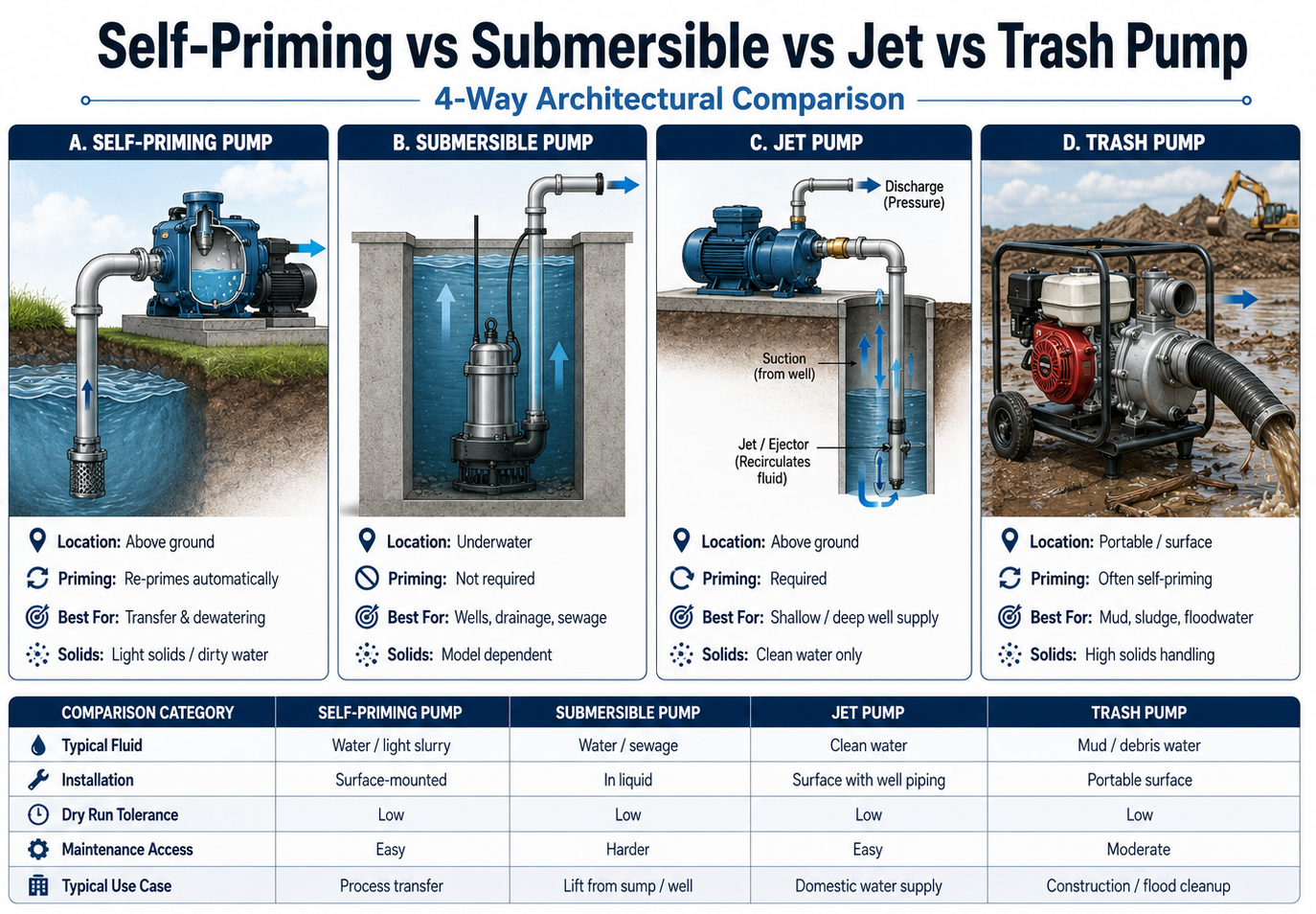
تميل أدلة المشتري إلى تقديم ذلك كخيارين: مضخة الصرف الصحي ذاتية التحضير أو الغاطسة. يهمل هذا العرض بنيتين متجاورتين (المضخات النفاثة ومضخات القمامة التقليدية) التي تتداخل تطبيقاتها وتختلف أغلفة التشغيل بشكل كبير. فيما يلي جدول مقارن لأربعة بنيات حول سبعة متغيرات (باستخدام معلمات الصناعة النموذجية بدلاً من معلمات البائع).
| البعد | تشذيب ذاتي | غاطسة | مضخة نفاثة | مضخة القمامة (غير ذاتية التحضير) |
|---|---|---|---|---|
| طريقة فتيلة | غرفة دوامة أوتوماتيكية | لا يوجد تحضير مغمور | القاذف يخلق الشفط | تعبئة يدوية + صمام قدم |
| أقصى رفع شفط عملي | 6.8 م/20.26 قدم | غير متوفر (مغمور) | 25.80 م مع طائرة نفاثة عميقة | 5.7 م/16.23 قدم |
| التعامل مع المواد الصلبة | 40 CHOR60% من قطر المخرج | 40 toren50% (متغيرات المروحية أعلى) | المياه النظيفة فقط | 50.75% (أكبر ممر من بين الأربعة) |
| الوصول إلى الخدمة | فوق الدرجة 000، افتح منفذ التنظيف | إدخال المساحة المحصورة وفقًا لإدارة السلامة والصحة المهنية 1910.146 | فوق الدرجة جزء دوار واحد | فوق الدرجة يتم التفكيك الكامل لمسحها |
| عمر الخدمة النموذجي 200 متر مياه الصرف الصحي | 8-12 سنة | 4.6 سنوات (فشل ختم المحرك) | لا يستخدم في مياه الصرف الصحي | 5-8 سنوات |
| نسبة التكلفة الرأسمالية (مقابل التحضير الذاتي) | 1.0× (خط الأساس) | 0.85 (1.10× (مشابه) | 0.5 – 0.7× (أقل) | 0.6–0.8× |
| الأفضل ل | محطات الرفع البلدية، الأغذية/المشروبات، نزح المياه من التعدين | الآبار الرطبة العميقة، قاذفات الطابق السفلي السكنية | مياه الآبار المنزلية، معزز للري | نزح المياه من موقع البناء، والاستخدام المتقطع |
تختلف اصطلاحات التسمية من مصنع إلى آخر، حيث تُظهر هذه الأظرف نطاقات صناعية نموذجية. قد تقع الحدود القصوى الخاصة بالبائع لرفع الشفط ومرور المواد الصلبة وعمر الخدمة خارج الأظرف الموضحة اعتمادًا على هندسة المكره ومواد الختم ودورة العمل.
مصفوفة القرار هي البنية التي تفوز بالتطبيق
- محطة رفع مياه الصرف الصحي البلدية مع توفر مساحة سطحية ذاتية التحضير. لا توجد دورة تصريح للمساحة الضيقة OSHA 1910.146.
- تجف بشكل أعمق من 8 أمتار (رفع الشفط يتجاوز سقف الغلاف الجوي) غاطسة. لا يمكن أن يصل التحضير الذاتي إلى سطح السائل
- نزح المياه من موقع البناء. 1-2 أسابيع لكل مشروع مضخة قمامة بتكلفة رأسمالية أرخص. دليل أولي مقبول لدورة العمل القصيرة.
- مياه الآبار السكنية من 30-60 م. (100-200 قدم). مضخة نفاثة عميقة البئر. هذه هي البنية الوحيدة التي تتمتع بالقدرة على سحب المياه إلى ما هو أبعد من حدود الغلاف الجوي باستخدام فيزياء القاذف.
ما الفرق بين المضخة ذاتية التحضير والمضخة الغاطسة؟
كلاهما يمكن أن يضخ مياه الصرف الصحي بتدفق ورأس مماثل. المزايا والعيوب موجودة في ثلاثة مجالات: النشر والخدمة والعمر الافتراضي. يتم تركيب المضخات ذاتية التحضير فوق الدرجة ويتم امتصاصها من خلال خط الشفط، حيث تقوم أطقم الخدمة بفتح منفذ على الحائط على مستوى الأرض لإزالة المكره المحشور.
يتم تركيب المضخات الغاطسة تحت الماء، ومن أجل خدمتها، يجب رفع المضخة (للأسف) من بئر رطب. (لوائح HAZWOPER،, إدارة السلامة والصحة المهنية 29 CFR 1910.146, ، تتطلب اتباع إجراءات المساحة الضيقة المطلوبة للحصول على تصريح.)
ومن المثير للاهتمام أن بيانات عمر الخدمة تشير إلى أن التحضير الذاتي يضاعف تقريبًا العمر الافتراضي للتجهيز الذاتي في مهمة الصرف الصحي. كلما اقتربنا من قاع البئر الرطب (السنة 4-6)، يهيمن فشل ختم المحرك الغاطس على نهاية العمر الافتراضي، مقارنة بوحدات التحضير الذاتي ذات ألواح التآكل القابلة للاستبدال والمحركات المثبتة على الجفاف، والتي تميل إلى رؤية 8-12 سنة من الاستخدام قبل التجديد بالجملة المطلوب. إذا قام المشتري بمقارنة هذين الهيكلين من صفائح التدفق والتباين بينهما، فسوف يرغب في المصارعة عند إعادة تعيين القرار إلى عمق البئر الرطب (الحد المادي الصعب)، وتكلفة العمالة لطاقم الخدمة، والتسامح مع سحب الامتثال للمساحة الضيقة.
ميكانيكا مضخة الطرد المركزي ذاتية التجهيز 2 كيفية اختلافها عن الطرد المركزي القياسي

إن وضع علامة على المضخة ذاتية التحضير كمضخة طرد مركزي أمر صحيح، ولكنه يتجاهل عنصر المضخة مما يجعلها مبتكرة. في مضخة الطرد المركزي النموذجية، تحتاج إلى بعض السائل في الغلاف لبدء ضخ الوقود، يجب على المشغل ملء الغلاف من خلال منفذ تعبئة ونزيف الهواء عبر التفريغ حتى تتمكن المكره من توليد فراغ والبدء في سحب السائل. في جهاز الطرد المركزي ذاتي التحضير، هناك ثلاثة أجزاء إضافية تجعل ذلك ممكنًا: 1. غلاف خزان مفرغ على شكل كرة أو أكبر. غرفة تفصل الهواء عن السائل الموجود في المنطقة فوق حلزوني الماء3. صمام فحص4
تختلف هندسة المكره في مضخة الصرف الصحي ذاتية التحضير عن تلك الموجودة في مضخات الطرد المركزي للمياه النظيفة. في ضخ مياه الصرف الصحي هناك ثلاثة أنواع رئيسية من المكره؛ ريشة واحدة (أعلى ممر للمواد الصلبة، أدنى كفاءة 45-55%)، دوامة متعددة شبه مفتوحة (كفاءة معتدلة 60-70% مع معالجة معتدلة للمواد الصلبة) ودوامة (مضخات دافعة غائرة للسوائل عن طريق تدفق الدوامة المستحث، أدنى كفاءة 35-45% ومعالجة المواد الصلبة الكبيرة). شكل ريشة المكره مسؤول بشكل مباشر عما تستطيع المضخة تمريره، وزوايا الريشة الأكثر عدوانية تجبر المكونات على المرور بسهولة أكبر، ولكن لها رأس أقل في كل مرحلة.
💡 نصيحة احترافية، متى يتم تحديد كل نوع من أنواع المكره
تحديد ريشة واحدة لمياه الصرف الصحي البلدية الخام التي تحتوي على الخرق والمناديل (ممر قطر المخرج 60%). حدد ريشة متعددة شبه مفتوحة لمياه الصرف الصناعي التي تحمل مواد صلبة معلقة معتدلة 50000000000000000000000000000000000000000000000000000000000000000000000000000000000000000000000000000000000000000000000000000000000000000000000000000000000000000000000000000000000000000000000000000000000000000000000000000000000000000000000000000000000000000000000000000000000000000000000000000000000000000000000000000000000000000000000000000000000.
كيفية تحديد حجم مضخة الصرف الصحي ذاتية التجهيز وفقًا للمنهجية، وليس البحث في الكتالوج

يتضمن تحديد حجم مضخة الصرف الصحي ذاتية التحضير استخلاص أربعة أرقام قبل أن تتمكن من التحقق من كتالوج واحد: التدفق المطلوب (GPM أو m/h)، والرأس الديناميكي الإجمالي (عدادات TDH أو قدم)، وNPSH المتوفر عند شفط المضخة، ولوحة اسم السائل. هناك حاجة إلى الأربعة جميعًا قبل عملية الاقتباس؛ وإلا فسيصل عرض أسعار بدون معلمات حرجة أو بنقطة أسوأ، حيث تصل مضخة أبهى وتتجويف في الجزء السفلي من منحنى التشغيل الخاص بها.
يوجد أدناه برنامج من خمس خطوات يؤدي إلى ورقة مواصفات نقطة العمل في حوالي نصف ساعة لكل مشروع.
إطار تحجيم مكون من 5 خطوات
- حدد أولاً التدفق المطلوب. بالنسبة لمحطات الرفع، ذروة التدفق هي متوسط التدفق اليومي مضروبًا في عامل الذروة (3-4 للمدن الصغيرة، 1.5-2 للمناطق الحضرية). بالنسبة لنزح المياه، قم بتقدير التدفق من منسوب المياه الجوفية الثابت وأبعاد الحفرة.
- تحديد الرأس الديناميكي الإجمالي ثانيًا (رأس المضخة المطلوب عند نقطة العمل). TDH يساوي الرفع الثابت بالإضافة إلى خسائر الاحتكاك بالإضافة إلى رأس السرعة بالإضافة إلى رأس الضغط عند التفريغ. تكون خسائر الاحتكاك كبيرة عندما يكون أنبوب التفريغ طويلًا، حدد قطر الأنبوب للحفاظ على السرعة أقل من 2.4 م/ثانية (8 قدم/ثانية).
- ثالثًا، تأكد من أن NPSH المتوفر يتجاوز NPSH المطلوب. NPSHa: الضغط الجوي (-10.33 م عند مستوى سطح البحر) مطروحًا منه أربعة عمليات طرح: ضغط بخار السائل عند درجة حرارة التشغيل، ورفع الشفط الثابت (المسافة بين سطح البئر الرطب والخط المركزي للمضخة)، وفقدان الاحتكاك في خط الشفط، و فائض الأمان. NPSHr هي سمة منحنى المضخة. هامش NPSHa NPSHr + 0.6 م/2 قدم يمنع التجويف.
- الرابع مطابقة المادة لكيمياء السوائل. يتعامل الحديد المصبوب مع الرقم الهيدروجيني 6-9 (معظم مياه الصرف الصحي البلدية)، SS304 التآكل الخفيف. SS316L لخدمة الكلوريد أو الرقم الهيدروجيني المنخفض. حدد الفولاذ المقاوم للصدأ المزدوج لمزيد من الكلوريد أو الملاط الكاشط أو الخدمة البحرية.
- أخيرًا تأكد من بقاء نقطة التشغيل في أفضل نقطة كفاءة (BBP) 15%. تعمل المضخات بأعلى موثوقية وأقل استهلاك للطاقة في نطاق BBP؛ يؤدي نقل الخدمة بعيدًا عن BBP إلى تقصير عمر الخدمة من خلال انحراف العمود وحمل التحمل.
كيف يمكنني حساب NPSH لمضخة ذاتية التحضير؟
Npsh المتوفر عند شفط المضخة يساوي الفراغ عند سطح البئر الرطب مطروحًا منه أربع عمليات طرح: ضغط بخار السائل عند درجة حرارة التشغيل، والرأس الوارد الثابت (المسافة العمودية بين سطح البئر الرطب والخط المركزي للمضخة)، وفقدان الاحتكاك في أنبوب الشفط، هامش الأمان. مثال عملي: مضخة ذاتية التحضير بارتفاع 4 أمتار = بئر رطب تقع على بعد 6 أمتار من مصدر الشفط عبر أنبوب 150 مم (6 بوصة) بمرفق واحد.
Npsha = 10.33 م (جوي) 0.24 م (ضغط البخار عند 20° مئوية) 4.0 م (رفع ثابت) 0.55 م (احتكاك في 6 م من الأنبوب + الكوع عند 60 م/ساعة) 0.6 م (هامش الأمان) = 4.94 م متاح. ومع ذلك، إذا كان منحنى المضخة يحتوي على NPSH يتطلب 4.0 م عند نقطة العمل، فإن هذا التثبيت يحتوي على 0.94 م فقط من الإرتفاع، وليس كثيرًا. يمكن تقليل طول أنبوب شفط المضخة، أو زيادة قطر الأنبوب، أو تقليل إجمالي ارتفاع تركيب المضخة.
ملاحظة هندسية — اختيار المواد مرجع سريع
الحديد الزهر مع المكره البرونزية (أفضل شراء لمياه الصرف الصحي ذات الرقم الهيدروجيني 6-9). SS304 (أكسدة خفيفة، كيمياء خفيفة). SS316L إلى أستم A276 (خدمة الكلوريد والأغذية والمشروبات CIP).
دوبلكس 2205 (كلوريد + ملاط كاشط، بحري). يسمح ل أستم A351 درجة CD4MCu عند مواجهة كل من التآكل الشديد والتآكل في نفس تيار السائل emin الشائع في تصريف المناجم الحمضية أو تيار النفايات الصناعية العدوانية.
المشاكل الشائعة واستكشاف الأخطاء وإصلاحها الشجرة 5 عندما تفشل المضخات ذاتية التحضير

توفر مضخات الصرف الصحي ذاتية التحضير خمسة أوضاع فشل قياسية. تتوافق إحصائيات المسح الميداني المنشورة لفشل المضخة من منتديات المشغل مع نفس مجموعة الأسباب الجذرية لتسرب الهواء في خط مدخل المضخة، وفشل صمام القدم، ومصافي المدخل المسدودة، والأضرار الناجمة عن التشغيل الجاف أثناء عمليات الإغلاق الطويلة، وتآكل لوحة التآكل -a يؤدي إلى تفاقم فقدان الخلوص بشكل مطرد. كل نوع فشل له دلالة تشخيصية مميزة ويتعلم أيضًا كيفية تشخيص السبب الجذري المناسب في أول ثلاثين دقيقة من أي مكالمة لإصلاح المضخة.
| أعراض | السبب الجذري الأكثر احتمالا | التشخيص الأول | إصلاح الحقل |
|---|---|---|---|
| تعمل المضخة، وتفقد ببطء أكثر من 10 إلى 30 دقيقة | تسرب الهواء في خط الشفط أو التركيب | ضغط الشفط باستخدام كريم الحلاقة على المفاصل، مما يؤدي إلى تسرب الكريم إلى الأنبوب | شد أو استبدال المفصل المتسرب؛ التحقق من حالة الحشية |
| دورات المضخة بشكل متكرر، لا تحمل أبدًا | فشل صمام القدم (حيثما تم تركيبه) أو صمام عدم الرجوع | سحب واختبار صمام القدم بالكامل على الأرض؛ ملء وفحص | استبدال صمام القدم؛ غالبًا ما تقضي البادئات الذاتية الحديثة عليه تمامًا |
| إعادة التشغيل البطيئة، تتعافى في النهاية | مصفاة مدخل قذرة أو مرشح المنبع | فحص المصفاة؛ التحقق من فرق الضغط عبر الفلتر | مصفاة نظيفة؛ استبدال عنصر الفلتر المسدود |
| ختم ميكانيكي يبكي أو طحن الضوضاء | تلف الجفاف في وجوه الختم (يمكن لكربيد السيليكون أن ينجو من فترات الجفاف القصيرة؛ ويسجل فترات زمنية أطول) | تفكيك وفحص وجوه الختم تحت التكبير | استبدال خرطوشة الختم؛ تثبيت حماية المفتاح العائم في المنبع |
| ينخفض رفع الشفط الفعال على مر السنين | يتم فتح خلوص لوحة التآكل عن طريق تآكل الحصى | قياس التخليص لكل دليل O&M؛ مقارنة بمواصفات المصنع | ضبط لوحة التآكل لكل إجراء خدمة؛ استبدال عند استنفاد نطاق التعديل |
سلسلة مرتبة من الارتباطات التي يدركها OP: في Eng-Tips وفي المنتديات الفرعية للمشغل، لن تؤدي حوالي ثلثي مضخة “ إلى أن تؤدي المكالمات الهاتفية الأولية إلى جانب الامتصاص، وليس المضخات. تقنية مضخة ذات خبرة منشورة على Eng-Tips، ”rule“ التي تستخدمها أطقم التكنولوجيا الميدانية الآن كفرز سريع للمرور الأول: تعمل المضخة وتتوقف ببطء (دقائق) تمتص، وتتحقق من التسرب؛ لا يمكن للمضخة أن تمتص وتتعافى بعد بضع دورات، تحقق من الفلتر المتسخ؛ المضخة لا تعد ولا تحصى أبدًا، تحقق من صمام القدم/الفحص.
يشير المشغلون الذين يتمتعون بخبرة تزيد عن خمس سنوات في استخدام مضخة الصرف الصحي ذاتية التحضير إلى فقدان المادة الأولية بسبب تآكل الحطام في مياه الصرف الصحي مما يؤدي إلى تآكل الخلوصات الداخلية وتقليل رفع الشفط الفعال بحوالي ثلاثة أقدام في السنة الأولى من الاستخدام. التآكل هو حقيقة واضحة له بدلاً من تجاهله.
لماذا تستمر مضخت التحضير الذاتي في فقدان البرايم؟
أربعة أسباب جذرية متميزة ستكون مسؤولة عن جميع الحالات الميدانية تقريبًا. الأول: تسرب بسيط للهواء في نهاية أنابيب الشفط أو وصلة مفكوكة تسحب الهواء بشكل مستمر في جميع الدورات حتى تصبح المضخة غير قادرة على زيادة سرعة السحب، وتدفق الرفع الرأسي في الحالة المستقرة. اثنان: صمام القدم الفاشل (إذا تم تركيبه) يسمح لخط الشفط بالتصريف مرة أخرى أثناء إيقاف التشغيل ويتطلب إعادة التشغيل الكامل، ولا يتم إعادة التشغيل السريع أبدًا.
ثالثًا: تشير المصفاة المتسخة أو عنصر المرشح إلى عدم كفاية التدفق بحيث تتجويف المضخة (فارغة) وتكسر الشفط أثناء التشغيل. رابعا: تجاوز خلوص لوحة التآكل الداخلية النقطة المركزية الزائدة للضبط القادر على تحمل التكاليف (إذا لم تعد المضخة قادرة على إنشاء فراغ لرفع السائل المتبقي ضد سبيكة التسرب.
⚠️ هام: كربيد السيليكون ليس قيد التشغيل الجاف بشكل غير محدود
غالبًا ما تقول أوراق بيانات الشركة المصنعة أن وجوه الختم الميكانيكية لكربيد السيليكون يمكن أن تجف.“ هذا التسامح محدود - عادةً أقل من دقيقتين. هذا كل ما لديك. بعد علامات الدقائق هذه، حتى كربيد السيليكون يفشل. إذا كانت مضختك ستجف لفترة أطول (فشل صمام البوابة الأولية، خطأ في مفتاح المستوى، انقطاع التيار الكهربائي لفترة طويلة)، فكن مستعدًا لاستبدال خرطوشة الختم بغض النظر عن مادة الوجه. استخدم المفتاح العائم أو محولات الضغط كميزة مصممة.
اختيار التطبيق: عندما تفوز مضخات الصرف الصحي ذاتية التجهيز (وعندما لا تفعل ذلك)

تهيمن مضخات الصرف الصحي ذاتية التحضير على ستة من نماذج التطبيقات الثمانية، وتخسر في اثنين. يعد اختيار التصميم المناسب للتطبيق الصحيح بمثابة تمرين في العثور على المكان المناسب؛ يؤدي سوء تطبيق التصميم الأساسي ذاتي التحضير إلى تكلفة رأس المال عندما يكون محددًا بشكل زائد (بئر رطب عميق، مياه نظيفة نقية، خدمة مستمرة عالية الضغط)، ويدفع مقابل تصاريح الأماكن الضيقة عندما يكون غير محدد بشكل كافٍ لواجب (بئر رطب ضحل، مياه الصرف الصحي الخام، واجب متقطع) على مدى عمره.
| طلب | الملاءمة | لماذا |
|---|---|---|
| محطة رفع الصرف الصحي البلدية | ✔ مقاس قوي | يلغي دورة تصريح الأماكن الضيقة OSHA 1910.146؛ يقلل من دورة حياة العمل بمقدار 20 إلى 30 ساعة لكل محطة سنويًا |
| مياه الصرف الصحي للأغذية والمشروبات (دورات CIP) | ✔ مقاس قوي | الأجزاء المبللة سعة 316 لترًا تتعامل مع الكيمياء الكاوية؛ يتحمل ختم حمام الزيت فترات جفاف قصيرة أثناء دورات التنظيف في المكان |
| تدفق الورق واللب (المعلقات الليفية) | ✔ مقاس قوي | تمرر المكره المفتوحة أو الدوامية مادة خيطية بدون غلاف؛ الوصول إلى الخدمة على مستوى الأرضية يتعامل مع القباقيب التي لا مفر منها والتي تعمل بالألياف |
| نزح المياه من موقع البناء (الحصى الثقيل) | ✔ مشروط | يتعامل التمهيدي الذاتي مع الحصى بشكل أفضل من الغاطسة غير المسدودة؛ فكر في مضخة قمامة مخصصة لدورات العمل القصيرة جدًا حيث يكون رأس المال أكثر أهمية من عمر الخدمة |
| تداول أحواض تربية الأحياء المائية | ✔ مشروط | تعمل المكره ذات الريشة الواحدة ذات القص المنخفض على تقليل الضرر البيولوجي أثناء نقل الأسماك؛ مصعد الشفط يستوعب ارتفاع ضفة البركة |
| الآبار الرطبة أعمق من 8 م | ✘ عدم تطابق صعب | سقف الضغط الجوي هو 10.3 م نظري، ~ 7 م عملي، الفيزياء تستبعد التحضير الذاتي، الغاطسة هي البنية الوحيدة التي تعمل |
| الخدمة المستمرة للمياه النظيفة البكر | غير فعال | تعمل مضخة الطرد المركزي أو مضخة الشفط النهائي القياسية بمعدل 5 نقاط كفاءة أعلى بمقدار 10 نقاط؛ التحضير الذاتي يحمل التكلفة والقدرة التي لا يحتاجها الواجب |
مزايا ✔
- الوصول إلى الخدمة على المستوى السطحي 2 لا يسمح بمساحة محدودة
- إعادة التشغيل التلقائي عند كل إعادة تشغيل
- يعمل المحرك فوق الماء 500 على إطالة عمر الختم والمحمل
- خدمة ميدانية لشخص واحد لإزالة الانسداد الروتيني
- يتحمل الخدمة المتقطعة (تجاوز العاصفة، نقل الدفعة)
قيود ⚠
- يقتصر رفع الشفط على حوالي 7 أمتار من الناحية العملية الفيزيائية، وليس الهندسية
- عقوبة كفاءة طفيفة مقابل نقطة العمل المكافئة المغمورة (كفاءة 3-8 نقاط)
- يتطلب حماية من العقارات والطقس فوق المستوى
- الشحن الأولي عند التثبيت الأول (تقوم التصميمات الخالية من صمامات القدم بتبسيط هذه الخطوة)
- يؤدي فقدان خلوص اللوحة إلى تآكل عملية الرفع بالشفط على مدار سنوات
بالنسبة للمشترين المحتملين الذين يتجهون نحو التحضير الذاتي، فإن الخطوة المنطقية التالية هي مطابقة نقطة العمل مع غلاف النموذج. تقدم BBP خطًا من مضخات الصرف الصحي ذاتية التحضير، مع 36 تكوينًا نموذجيًا، تغطي 3-800 م/ساعة من معدل التدفق، حتى 60 مترًا، ويتم اختيارها من الحديد الزهر إلى SS 316L لخدمات الكلوريد والمواد الكيميائية.
عمر الصيانة والخدمة يتجاوز ما تبدو عليه 8 سنوات و12 عامًا في الممارسة العملية

تأتي بيانات عمر الخدمة للمضخات الصناعية من مصادر منشورة موثوقة. المعهد الهيدروليكي تنشر عمر المضخة الصناعية النموذجي لمدة 15-20 عامًا في تحليلات تكلفة دورة الحياة، مع التحذير من أن سعر الشراء الأولي لا يتجاوز حوالي 10 بالمائة من التكلفة الإجمالية خلال تلك الفترة. توجيهات مجلس مراقبة الموارد المائية بولاية كاليفورنيا يسرد عمر خدمة محطة الضخ النموذجي عند 30-50 عامًا للهيكل و35-40 عامًا للصمامات والملحقات لفترات متعددة العقود تعكس المنشآت التي تتم صيانتها جيدًا تحت الخدمة المعتدلة.
واجب الصرف الصحي أصعب من متوسط المضخة الصناعية. يؤدي تآكل الحبيبات، والجفاف المتقطع خلال فترات التدفق المنخفض، وكيمياء الكبريتيد المسببة للتآكل إلى تقصير المكونات. يقع عمر الخدمة الواقعي الميداني لمضخة الصرف الصحي ذاتية التحضير بموجب واجب محطة الرفع البلدية المستمر في نطاق 8-12 عامًا قبل التجديد الرئيسي لاستبدال لوحة التآكل حوالي العام 5، واستبدال الختم الميكانيكي في العام 5-7، وخدمة التحمل في العام 10. غالبًا ما تشهد المضخات الغاطسة غير المسدودة في نفس الخدمة نهاية العمر الافتراضي في العام 4-6، مدفوعة بفشل ختم المحرك تحت الغمر المستمر في البئر الرطبة.
جدول الصيانة 1 مضخة مياه الصرف الصحي ذاتية التجهيز (واجب بلدي مستمر)
| تردد | مهمة | وقت |
|---|---|---|
| شهري | فحص مستوى حمام الزيت؛ التحقق من توقيع الاهتزاز؛ التحقق من وقت التحضير | 15 دقيقة |
| ربع سنوي | فحص المكره من خلال منفذ التنظيف؛ مسح أي تراكم خرقة | 30 دقيقة |
| نصف سنوي | تغيير سائل حمام الزيت؛ التحقق من خلوص لوحة التآكل مقابل مواصفات المصنع | 60 دقيقة |
| سنوي | استبدال خرطوشة الختم الميكانيكية في حالة اكتشاف تسرب؛ فحص محامل المحرك | 3.4 ساعة |
| السنة 5 7 | استبدل لوحة التآكل عند استنفاد نطاق الضبط؛ إعادة بناء الختم الميكانيكي | 1 يوم |
إجمالي تكلفة الملكية خلال دورة حياة الرياضيات لمدة 10 سنوات

في ميزانية التشغيل لمدة 10 سنوات لمضخة الصرف الصحي، عادة ما تكون التكلفة الرأسمالية هي الخط الأقل فعالية. تكاليف التشغيل المضافة معًا - الطاقة، والصيانة المجدولة، ووقت التوقف غير المجدول، والعمالة - حوالي تسعة أضعاف التكاليف الرأسمالية في المجموع، بما في ذلك أقساط إدارة السلامة والصحة المهنية اللازمة لدخول مضخات الصرف الصحي الغاطسة إلى الفضاء الضيق، على مدى عمر 10 سنوات. معظم مواصفات المشتريات التي تقارن الخيارات تحدد التكلفة الرأسمالية فقط، ولا تصبح جدولة التكلفة الإجمالية للملكية مشكلة إلا بعد التعديل التحديثي المتعلق على مستوى المنشأة.
~10%
التكلفة الرأسمالية كحصة من التكلفة الإجمالية للملكية على مدى 15.20 سنة
(المعهد الهيدروليكي)
(المعهد الهيدروليكي)
$2,750
التوفير السنوي لكل محطة 2 الوصول إلى السطح مقابل الهندسة المعمارية الغاطسة
(دراسة بلدية 53 محطة)
(دراسة بلدية 53 محطة)
36،096 كيلووات ساعة
توفير الطاقة السنوي من خلال التحديث التحديثي للمضخة المعززة في إحدى محطات الرفع البلدية
(دراسة حالة وزارة الطاقة الأمريكية)
(دراسة حالة وزارة الطاقة الأمريكية)
في تحليل التكلفة الرسمي، يصف دليل وزارة الطاقة الأمريكية لتكاليف دورة حياة المضخة العناصر الستة المختلفة التي تشكل التكلفة الإجمالية لكل مضخة والتي تشمل كل منها على مدى العمر الافتراضي.
صيغة TCO لمدة 10 سنوات، 6 عناصر خطية
- تكلفة رأس المال مضخة ، محرك، لوحة قاعدة، أدوات التحكم، الشحن
- تكلفة التثبيت os وسادة خرسانية، الأنابيب، الكهربائية، تشغيل العمالة
- Akeness 5 رسوم الطاقة 5 تعريفة سنوية كيلووات ساعة 10 سنوات (أكبر خط للخدمة المستمرة)
- الصيانة خارج الخدمة؛ ساعات المكونات X الشحن بالساعة + الأجزاء (الزيت، خرطوشة الختم، لوحات التآكل)
- الصيانة التصحيحية 5: حجب المفاصل غير المجدولة، وتجديد الختم، وخدمة المعدات. تكلفة تصريح المساحة الضيقة على الغواصات تدخل هنا.
- تكلفة التوقف عن العمل هي قيمة انتظار الخدمة (عقوبة تنظيمية على فيضان مياه الصرف الصحي أو فقدان إنتاج مياه الصرف الصناعي)
وقد وثق أحد التقارير مقارنة بين 53 نظامًا بلديًا درس فعالية تكلفة مرافق التحضير الذاتي فوق الدرجة مقابل المحطات الغاطسة، التي تملكها وتديرها منشأة واحدة لمدة عشر سنوات. كانت تكلفة النظام المخترق السطح أقل بمقدار 56%، مما أدى إلى توفير حوالي $2،750 لكل محطة سنويًا، وخفض دورة التشغيل السنوية بحوالي 30 ساعة عمل، ويرجع ذلك أساسًا إلى إزالة دورات تصريح الأماكن الضيقة المطلوبة للصيانة الروتينية للغواصات. وبالتالي، حقق النظام البلدي المكون من 50 محطة وفورات لمدة 10 سنوات تزيد عن $1.3 مليون.
📐 ملاحظة هندسية حول كيفية تكلفة مركب إدارة السلامة والصحة المهنية 1910.146
تحتوي دورة تصريح الدخول إلى الفضاء الضيق على: اختبار الغلاف الجوي، تصريح كتابي، معدات الاسترجاع، /مضيف احتياطي خارج الفضاء. تشير متوسطات الصناعة إلى 90-180 دقيقة/دورة تصريح مع عاملين $200-$400 في العمالة المحملة بالكامل قبل أي عمل فعلي للمضخة 300-1 قبل تكاليف المعدات. فترات الخدمة لمدة 2-4 أسابيع للمحطات الغاطسة تعادل $5،200-$10،400 في تكاليف التصريح فقط/المحطة/السنة. بنية السطح ذاتية التحضير تلغي التصريح تمامًا.
المعايير الهندسية وماذا تعني للمشترين

يتم تصنيف المعايير إلى ثلاث عائلات في مواصفات شراء المضخة. تتعامل كل عائلة مع مستوى متميز من الامتثال، ويقع المشترون الذين يكتبون شروط العقد دون التمييز في فخ الحصول على سجل لا يمكنهم التحكم في أي شيء يريدون التحكم فيه.
ISO 9001:2015 هو نظام لمعيار نظام إدارة الجودة. إن معرفة أن المضخة قد تم شحنها بواسطة مصنع معتمد من ISO 9001 يخبرك أن المورد لديه إجراءات موثقة ومسارات تدقيق، فهذا لا يخبرك شيئًا عن الأداء الهيدروليكي للمضخة. تعتبر الشهادة ذات قيمة لإمكانية التتبع والتعامل مع الإجراءات التصحيحية ولكن لا يمكن أن تحل محل اختبار القبول على مستوى المنتج.
ISO 2858 يوحد أبعاد جميع مضخات الطرد المركزي ذات الشفط النهائي الموجودة في السوق. سوف تتطابق المضخات المصممة وفقًا لمواصفات ISO 2858 مع أبعاد التركيب وارتفاعات العمود ومواقع الحافة، مما يضمن التوافق مع الأنابيب الحالية وألواح القاعدة حتى عند الحصول على معدات بديلة من الشركات المصنعة الأخرى. قم بدمج ISO 2858 في طلب عرض الأسعار الخاص بك إذا كنت قد تحتاج إلى استبدال مضخة خلال خمس أو عشر سنوات وترغب في خيارات متعددة للموردين.
ISO 9906 هو المسؤول عن اختبارات قبول الأداء الهيدروليكي. يمنح المعيار ثلاث درجات 1B و2B و3B لكل منها نطاق تسامح أوسع للتدفق والرأس واستهلاك الطاقة.
| درجة | تحمل التدفق | تحمل الرأس | تحمل القوة | استخدم متى |
|---|---|---|---|---|
| 1 ب | ±5% | ±3% | +4% | الخدمة الحيوية 100 تبريد توليد الطاقة، نقل المواد الكيميائية المنظمة |
| 2 ب | ±8% | ±5% | +8% أو -5% | الرسوم الصناعية القياسية هي معظم مواصفات مياه الصرف الصحي البلدية ومياه الصرف الصناعي التي تهبط هنا |
| 3 ب | ±9% | ±7% | +9% | مضخات السلع، نزح المياه، الخدمة المتقطعة |
سيكون لدى معظم محطات الصرف الصحي البلدية ومياه الصرف الصناعي متطلبات تتطلب درجة 2B في العقد لضمان وجود دليل على تقرير اختبار قبول المصنع مع عدم وجود عبء تكلفة إضافي لاختبار الدرجة 1B. يجب توخي الحذر لتحديد الدرجة 1B فقط إذا كانت اللوائح أو متطلبات العملية تتطلب رقابة أكثر صرامة.
💡 Pro Tip معايير المواد الخاصة بمواصفات 100 بشكل منفصل عن معايير الأداء
مرجع أستم A276 بالنسبة لمخزون قضبان الفولاذ المقاوم للصدأ المستخدم في الأعمدة والدفاعات 2008، تحدد المواصفات الحدود التركيبية والخواص الميكانيكية للقضبان المطاوع SS304 وSS316 وSS316L. مرجع أستم A351 بالنسبة لمسبوكات الفولاذ المقاوم للصدأ المستخدمة في الغلاف، تنطبق تفاوتات كيميائية مختلفة لأن هيكل الصب يختلف عن المطاوع. لا تقيد كيمياء المواد في حد ذاتها الأداء الهيدروليكي، حيث تقترن مواصفات المواد بمعيار ISO 9906 Grade 2B للحماية الكاملة.
توقعات الصناعة 2026، حيث تتجه مضخات الصرف الصحي ذاتية التجهيز
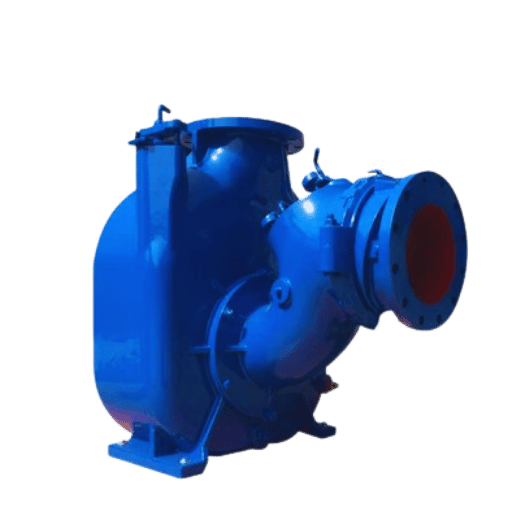
ستضغط ثلاث قوى على اختيار مضخة الصرف الصحي ذاتية التحضير نحو مجموعة جديدة من المعايير من الآن وحتى عام 2027. ومن الأفضل للمشترين الذين يكتبون مواصفات عام 2026 أن يدمجوا المسارات التنظيمية والتكنولوجية في طلبات عرض الأسعار الآن لتجنب تكاليف التعديل التحديثي بعد عامين أو ثلاثة أعوام من الآن.
1. IE3 → IE4 تفويض المحرك. تتطلب لوائح الاتحاد الأوروبي MEPS كفاءة IE3 منذ عام 2021 للمحركات من 1 كيلووات إلى 1000 كيلووات؛ أصبح IE4 إلزاميًا منذ 1 يوليو 2023 للمحركات في نطاق 75.200 كيلوواط. ال القاعدة النهائية المباشرة لوزارة الطاقة الأمريكية بشأن المحركات الكهربائية تم نشره في عام 2023 ويحدد عام الامتثال لعام 2027 لمعايير الكفاءة الفيدرالية الجديدة. يجب على المشترين الذين يشترون المضخات في عام 2026 بمحركات في نطاق 75.200 كيلووات تحديد IE4 الآن، حيث تتجنب علاوة الكفاءة الصغيرة اليوم التعديل التحديثي القسري عندما يدخل المعيار حيز التنفيذ.
2. تحسين نظام الطاقة يتفوق على استبدال المضخة. سجلت دراسة الحالة التي أجرتها وزارة الطاقة بشأن محطة رفع مياه الصرف الصحي البلدية توفيرًا سنويًا للطاقة قدره 36،096 كيلووات في الساعة عن طريق إضافة مضخة معززة صغيرة إلى النظام الحالي بدلاً من استبدال المضخات الرئيسية. تصميم النظام محركات متغيرة التردد على المضخة الرئيسية، وزيادة معززة لأحداث الحمل الأقصى، والتحكم في الضغط (ser) يتفوق عادةً على التعديلات التحديثية على مستوى المضخة على كفاءة رأس المال. حدد أدوات التحكم في المحرك الجاهزة ذات محرك التردد المتغير وخطافات الأجهزة في وثائق شراء المضخة الجديدة لترك باب تحسين النظام مفتوحًا.
3. تنتقل مراقبة حالة إنترنت الأشياء الصناعية من الخيار إلى التوقع. انخفضت الصيانة التنبؤية باستخدام توقيع الاهتزاز وسحب تيار المحرك ودرجة حرارة المحمل إلى تكلفة يمكن تبريرها على أي مضخة صرف صحي تزيد عن عمر $5000. يجب أن يشتمل كاتب مواصفات المصادر في عام 2026 على مبيتات محامل قابلة للتركيب على المستشعر، وتحويلات قياس التيار على أسلاك المحرك، وإما واجهة بيانات سلكية أو لاسلكية. عقود مراقبة الحالة (ما على أساس البيانات بدلاً من الفواصل الزمنية القائمة على التقويم 5-1 قطع الصيانة الوقائية غير الضرورية ومكالمات خدمة الطوارئ من التدهور المفقود.
الخطوة العملية التالية لكتاب المواصفات الذين يتطلعون إلى الاستفادة من الاتجاهات الثلاثة هي العودة وتحديث نموذج الشراء الخاص بهم الآن. مواصفات محرك IE4 لأي مضخة للخدمة المستمرة تتراوح قدرتها بين 75 و200 كيلووات يتم شحنها بعد عام 2025. دمج لغة التحكم في محرك التردد المتغير في مشترياتك من المضخات المخصصة للمواقع التي يصعب الوصول إليها. مواصفات خطافات مراقبة الحالة في كل بئر مياه مكياج يتم صيانتها بموجب عقد صيانة.
الأسئلة الشائعة الأسئلة الهندسية التي يطرحها المشترون
س: كم من الوقت تستغرق المضخة ذاتية التحضير للتجهيز عند البداية الأولى؟
عرض الإجابة
طريقة التحضير هي البدء الأول في التحضير من خلال فتح منفذ التعبئة لملء غلاف المضخة يدويًا بشكل طبيعي حوالي 5-10 دقائق لمضخة 100 مم إلى 200 مم على مصعد شفط 6 م. بعد هذا التعبئة الأولية، يتم إعادة تشغيل كل عملية بدء بعد ذلك تلقائيًا بطريقة سحرية خلال 30-90 ثانية، باستخدام السائل الموجود في خزان الغلاف الذي يبقى بين دورات التشغيل. تشير أوقات إعادة التشغيل التي تزيد عن دقيقتين إلى تسرب الهواء في خط الشفط أو فتحة خلوص لوحة التآكل بأكثر من نطاق الضبط.
س: هل يمكنني تعديل محطتي الغاطسة إلى محطة سطحية ذاتية التحضير؟
عرض الإجابة
نعم (ولكن 3-تحذيرات) 1) يجب أن يظل عمق البئر الرطب (الدرجة النهائية إلى مستوى الماء المنخفض) أقل من 7 أمتار (عند رفع شفط معقول، والآبار العميقة تجعل التعديل التحديثي مستحيلاً بسبب الفيزياء). 2) أعلى من الدرجة (وسادة المحولات) العقارات متاحة لانزلاق المضخة + حاوية الطقس. 3) سوف تحتاج إلى تركيب أنابيب شفط جديدة بين البئر الرطب والسطح، وإعادة توجيه أنابيب التفريغ. عادةً ما يتم استرداد تكاليف التعديل التحديثي خلال 4-7 سنوات لمحطة بلدية تعمل باستمرار عن طريق إزالة دورات تصريح المساحة الضيقة وإطالة عمر خدمة المعدات، وبالتالي يجب أن تكون فعالة من حيث التكلفة.
س: ما هو معدل التدفق الذي يجب أن أقوم بقياس مضخة الصرف الصحي ذاتية التحضير؟
عرض الإجابة
تصميم لتدفق ساعة الذروة لمحطة الرفع البلدية المزودة بمضخات مزدوجة أو ثلاثية يمكن أن تعمل بشكل مستقل لأحمال الذروة. يبلغ تدفق ساعة الذروة في المجتمعات الصغيرة (<5000 نسمة) حوالي 3-4 ADWF، و2-2.5 للنظام متوسط الحجم و1.5-2 للمحطات الحضرية التي تسبقها بركة معادلة التدفق. السماح بهامش 15-20% للتطوير المستقبلي.
التصميم للوصول إلى ذروة التدفق لنزح المياه والنقل الصناعي بالإضافة إلى هامش لتغير خاصية السوائل.
س: لماذا تفقد مضختي ذاتية التحضير فترة الذروة بمرور الوقت؟
عرض الإجابة
الأسباب الجذرية الأربعة النموذجية للخسارة الأولية التدريجية هي: تسرب الهواء في أنابيب الشفط أو التركيبات 5 الأكثر شيوعًا هو ضغط واختبار جميع المفاصل أو التركيبات؛ صمامات القدم أو الفحص الفاشلة (استبدال أو سحب واختبار المقعد كما تم تركيبها؛ مصفاة المدخل المتسخة 2 قم بالفحص والتنظيف خارج اتجاه التدفق؛ وفتح لوحة التآكل، غير المكتشف لمدة سنوات، عن طريق تآكل الحبيبات بعد نطاق الضبط القابل للاسترداد 0.00 مرة واحدة، استبدل لوحة التآكل في حالة استنفاد التعديل.
س: هل مضخات الصرف الصحي ذاتية التحضير مناسبة لتطبيقات الطابق السفلي السكني؟
عرض الإجابة
في معظم الحالات، لا تستخدم قاذفات الصرف الصحي السكنية النموذجية مضخة (مضخات) غاطسة في حوض حوض بسعة 50-100 جالون. الخدمة السكنية ليست كبيرة بما يكفي لتبرير الإنفاق الرأسمالي على بنية التحضير الذاتي الإضافية ولن تنطبق مخصصات المساحة الضيقة على معدات الطابق السفلي التي تخدم السكان. فقط المضخات ذاتية التحضير هي التي تنتصر في البيئات التجارية والبلدية 5 حيث تتاح لأطقم الخدمة العديد من الفرص للصعود إلى الآبار الرطبة والعمل حولها.
س: كم تكلفة مضخة الصرف الصحي ذاتية التحضير؟
عرض الإجابة
النطاق المرجعي S 2026 صغير ذاتي التحضير أقل من 7.5 كيلووات (10 حصان) سينخفض عادةً في نطاق $1،500-$4،000 من الحديد الزهر مع نطاق الختم الميكانيكي التقليدي. ستقع المضخات الصناعية ذات النطاق الموصى به من 11 إلى 22 كيلووات في نطاق $4،000-$12،000. ستقع مضخات محطات الرفع البلدية التي تزيد عن 30 كيلووات والأجزاء المبللة غير القابلة للصدأ وأدوات التحكم الهندسية في نطاق $15،000-$45،000 (لكل مضخة).
تبلغ تكلفة رأس مال المضخة حوالي 10% من قرارات الشراء التي تركز على التكلفة الإجمالية للملكية لمدة 10 سنوات بشأن كفاءة الطاقة، وفترات الخدمة، ومطابقة المواد لكيمياء السوائل بدلاً من رأس المال. تختلف الأسعار المذكورة باختلاف تكاليف المواد الخام؛ قد لا تكون الأسعار التي يزيد عمرها عن 6 أشهر انعكاسًا صالحًا للسوق الحالي.
حول هذا الدليل
كتبه فريق هندسة BBP بالاعتماد على سجلات الخدمة الميدانية من سلسلة مضخات الصرف الصحي ذاتية التحضير AZX للأعوام 2010-2025، والتي تغطي محطات الرفع البلدية، ومياه الصرف الصحي للأغذية والمشروبات، وتطبيقات نزح المياه في التعدين. تستشهد المعايير والمراجع التنظيمية بالوثائق المنشورة حاليًا؛ يجب على مؤلفي مواصفات المشتريات تأكيد تاريخ الإصدار ضد المنظمة المصدرة.
اطلب ورقة مواصفات المضخة ذاتية التجهيز →
المراجع والمصادر
- 29 CFR 1910.146 الأماكن المحصورة التي تتطلب تصريحًا 1 إدارة السلامة والصحة المهنية الأمريكية
- تكاليف دورة حياة المضخة: دليل لتحليل LCC لأنظمة الضخ 5 وزارة الطاقة الأمريكية/المعهد الهيدروليكي
- محترفو المضخة يعرفون تحليل تكلفة دورة حياة الجهاز المعهد الهيدروليكي
- معايير الحفاظ على الطاقة للمحركات الكهربائية 2023 القاعدة النهائية 5 وزارة الطاقة الأمريكية/السجل الفيدرالي
- دراسة حالة: توفير الطاقة في محطة رفع مياه الصرف الصحي 5 وزارة الطاقة الأمريكية
- تقييمات استخدام الطاقة في أنظمة المياه والصرف الصحي 1 وكالة حماية البيئة الأمريكية
- العمر المتوقع للمعدات النموذجية مجلس مراقبة الموارد المائية في ولاية كاليفورنيا
- ISO 9906:2012 المضخات الديناميكية الدوارة واختبارات قبول الأداء الهيدروليكي 5 المنظمة الدولية للتوحيد القياسي
- المواصفات القياسية ASTM A276 لقضبان وأشكال الفولاذ المقاوم للصدأ air ASTM الدولية
- ASTM A351 المواصفات القياسية للمسبوكات، الأوستنيتي، للأجزاء المحتوية على الضغط air ASTM الدولية
مقالات ذات صلة
- سلسلة مضخات الصرف الصحي ذاتية التحضير من AZX مقاس 36 طرازًا، غلاف تدفق 3-800 متر مكعب/ساعة
- فئة مضخة الصرف الصحي مجموعة منتجات BBP الكاملة
- الدليل الهندسي لمضخة الملاط الغاطسة
- مضخة طاحونة الصرف الصحي تحديد متى تختار المطحنة على بنية غير مسدودة
- دليل هندسة مضخة الحالة المنقسمة الأفقية
- الدليل الميداني لمضخة ملاط التعدين واختيار arte وTCO

![التجويف في مضخات الملاط بداية المواد الصلبة NPSH [الدليل الميداني]](https://bbpmfg.com/wp-content/uploads/2026/07/cavitation-in-slurry-pumps-featured-1-150x150.png)