تواصل مع BBP

قطع تآكل مضخة التجريف — المواد والعمر التشغيلي وكيفية اختيار الدرجة المناسبة
المواصفات السريعة
| المكونات الحرجة الملامسة للسائل | 6 — المكره، بطانة الغلاف، جلبة الحلق، بطانة الشفط، بطانة لوحة الإطار، جلبة عمود الدوران |
| السبيكة الموصى بها | حديد أبيض Ni-Hard عالي الكروم (>58 HRC) وفق ASTM A532 |
| العمر التشغيلي مقارنةً بحديد الزهر | أطول بمقدار 2–4× في ظروف تشغيل ملاط الرمل/الحصى |
| فترة الصيانة | 6–12 شهراً في الخدمة المستمرة (تعتمد على المادة والظروف) |
| أقصى مرور للجسيمات (مضخة التجريف) | 82–400 mm (مقابل 25–76 mm لمضخة الملاط القياسية) |
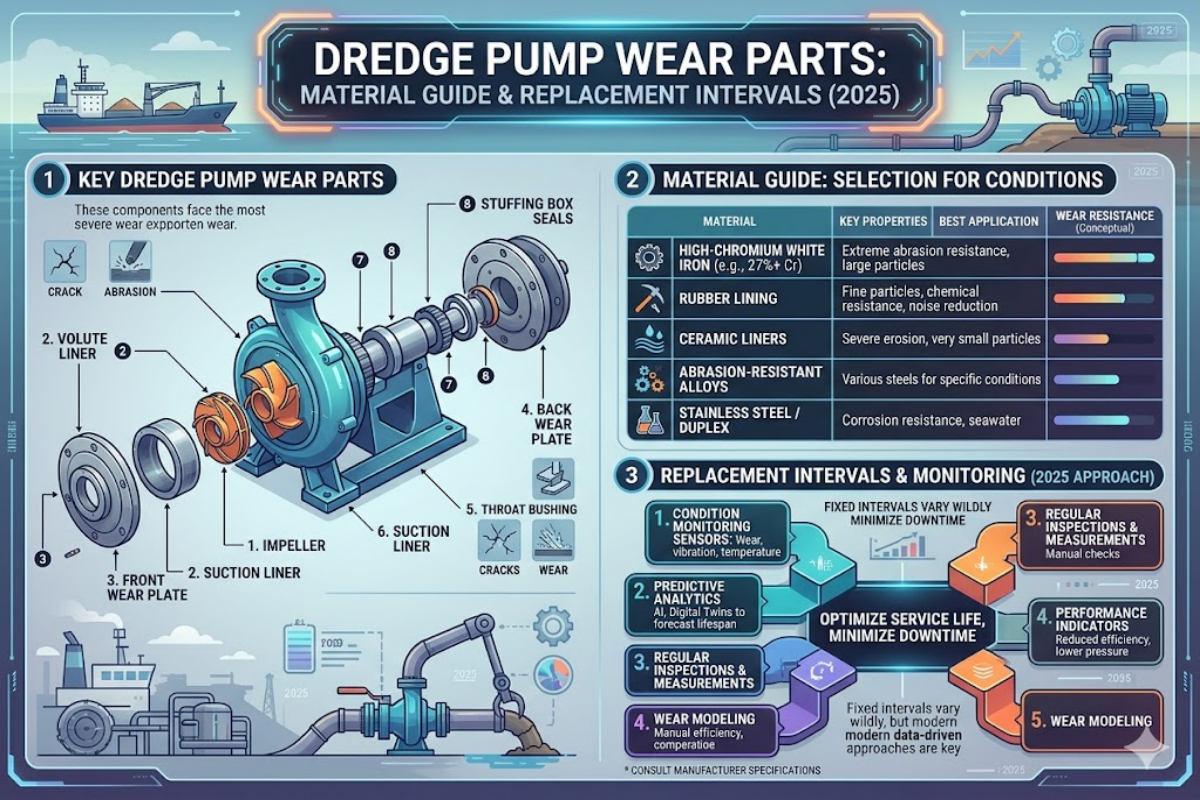
ما قطع التآكل الحرجة في مضخة التجريف؟
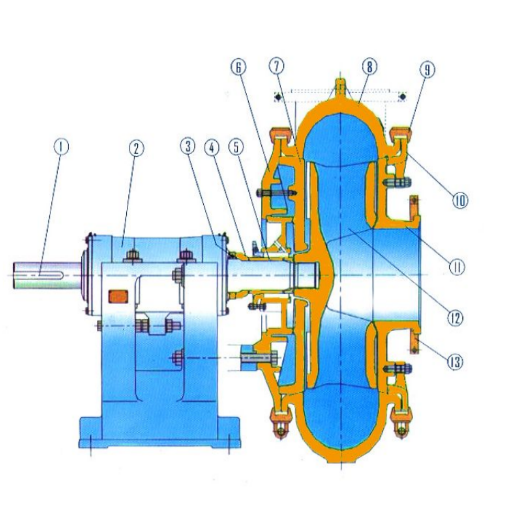
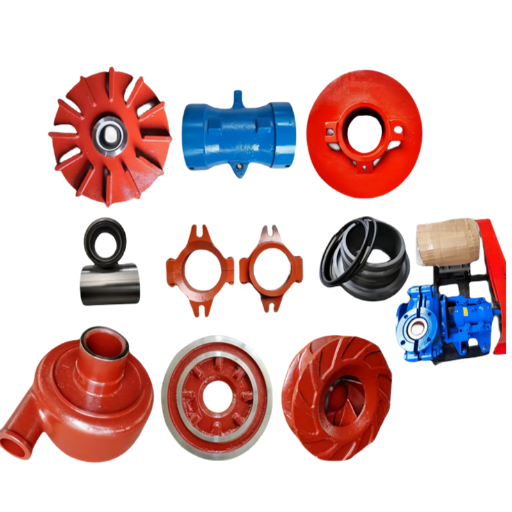 تحتوي جميع مضخات التجريف ذات الطرد المركزي على ستة أجزاء مشتركة ملامسة للسائل تتلقى معظم تأثيرات التآكل الكاشط. وتساعدكم معرفة وظيفة كل جزء والأجزاء التي تتآكل أولاً على طلب قطع الغيار اللازمة والتخطيط للفحوصات بأعلى فاعلية.
| المكوّن | الوظيفة | المادة النموذجية | نمط العطل الأساسي |
|---|---|---|---|
| المكره | يولّد قوة الطرد المركزي؛ وينقل الملاط من الشفط إلى الطرد | حديد أبيض عالي Cr (>58 HRC) | تآكل الحافة الأمامية للريشة بفعل الجسيمات الزاوية |
| بطانة الغلاف | تحمي غلاف المضخة من التآكل الداخلي بفعل الملاط | حديد أبيض عالي Cr أو مطاط | ترقق جدار الغلاف الحلزوني في مناطق السرعة العالية |
| جلبة الحلق | تضبط الخلوص بين المكره والغلاف؛ وتقلل إعادة التدوير | حديد أبيض عالي Cr | يزداد الخلوص بسبب تآكل كاشط → انخفاض الكفاءة |
| بطانة الشفط | توجّه الملاط الوارد إلى عين المكره؛ وتتلقى الصدمة الأولى للجسيمات | حديد أبيض عالي Cr | تآكل بالصدمة من مواد صلبة كبيرة الحجم تدخل إلى الشفط |
| بطانة لوحة الإطار | تحمي لوحة الإطار (الجدار الخلفي) من الملاط المعاد تدويره | حديد أبيض عالي Cr | تآكل بفعل التدفق المرتد خلف المكره |
| جلبة عمود الدوران | تحمي عمود دوران المضخة في منطقة مانع التسرب من ملامسة الملاط | الفولاذ المقاوم للصدأ أو السيراميك | تخدد ناتج عن حشوة الإحكام أو تسرب المواد الكاشطة |
لماذا تتآكل قطع مضخة التجريف — التآكل الكاشط والتعرية والتكهف
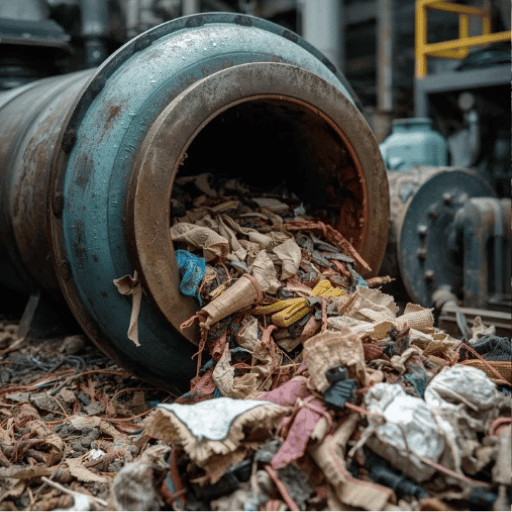 قد ينشأ التآكل في مضخات التجريف عن ثلاث آليات مختلفة، وجميعها ناتجة عن اختلاف ظروف التشغيل وخصائص الملاط. وتُعد معرفة الآلية السائدة منها المرحلة الأولى لإطالة عمر قطع الغيار:
الأثر التخريبي الرئيسي هو التآكل الكاشط. فتعمل جسيمات الرمل والحصى الزاوية كورق كاشط يطحن سطح المعدن. وتزداد شدة التآكل بزيادة صلادة المعدن؛ فعند التركيز نفسه، يؤدي الكوارتز (7 Mohs) إلى خصائص تآكل تبلغ نحو 3-5 أضعاف الحجر الجيري (3Mohs).
ينشأ التآكل بالتعرية نتيجة ملاط متآكل يصطدم بالأسطح بزاوية ضحلة من الاتجاه الداخلي، ولا سيما لسان المكره وأطراف الريش. وقد يحدث ضرر التكهف عندما تتجاوز المضخة قيمة NPSH الضرورية؛ إذ تمتلك فقاعات البخار ضغطاً فعالاً أقل من المكره، ثم تنهار بعنف على الأسطح المعدنية فتسبب تنقراً.
قد ينشأ التآكل في مضخات التجريف عن ثلاث آليات مختلفة، وجميعها ناتجة عن اختلاف ظروف التشغيل وخصائص الملاط. وتُعد معرفة الآلية السائدة منها المرحلة الأولى لإطالة عمر قطع الغيار:
الأثر التخريبي الرئيسي هو التآكل الكاشط. فتعمل جسيمات الرمل والحصى الزاوية كورق كاشط يطحن سطح المعدن. وتزداد شدة التآكل بزيادة صلادة المعدن؛ فعند التركيز نفسه، يؤدي الكوارتز (7 Mohs) إلى خصائص تآكل تبلغ نحو 3-5 أضعاف الحجر الجيري (3Mohs).
ينشأ التآكل بالتعرية نتيجة ملاط متآكل يصطدم بالأسطح بزاوية ضحلة من الاتجاه الداخلي، ولا سيما لسان المكره وأطراف الريش. وقد يحدث ضرر التكهف عندما تتجاوز المضخة قيمة NPSH الضرورية؛ إذ تمتلك فقاعات البخار ضغطاً فعالاً أقل من المكره، ثم تنهار بعنف على الأسطح المعدنية فتسبب تنقراً.
📐 ملاحظة هندسية — صلادة موس لمواد التجريف الشائعة
إضافةً إلى صلادة المعادن، توجد ثلاثة معلمات تشغيلية تسبب التآكل بمعدل أسرع مما يتوقعه معظم الناس:
رمل الكوارتز: 7 الفلسبار: 6 الكالسيت / الحجر الجيري: 3 معادن الطين: 1 2. وبما أن الكوارتز هو المكوّن الرئيسي في معظم الرمال النهرية والبحرية، فإن الأجزاء الملامسة للسائل في مضخات التجريف تتعرض لتآكل بفعل بعض أصلب الجسيمات المعدنية الموجودة في أي عملية ضخ. ولهذا تكون قيم صلادة سبائك مضخات الملاط القياسية، التي تتراوح عادةً بين 45 55 HRC، غير كافية؛ إذ إن مصفوفة الكربيدات المقاومة للتآكل في سبيكة Ni-Hard عالية الكروم (<58 HRC) هي المصممة للتفوق على صلادة جسيمات الكوارتز على المستوى المجهري.
تدين مضخات التجريف عالية الكفاءة بجزء كبير من نجاحها وكفاءتها العالية لهذه الميزة المادية المتآكلة عبر كامل قطر المكره وفتحة أنبوب الشفط.- تركيز الملاط: كلما ارتفع مستوى المواد الصلبة بالوزن، زادت نسبة التلامس بين الجسيم والسطح. ويبيّن نمذجة CFD متعددة الأطوار بطريقة أويلرية للتدفق أن التعرية على السطح ترتبط بالتركيز بعلاقة غير خطية، إذ تؤدي زيادة تركيز المواد الصلبة بمقدار مرتين إلى معدل تعرية يعادل ضعفين إلى ثلاثة أضعاف.
- نقطة التشغيل مقارنةً بـ BBP: تُشغّل مضخة التجريف عادةً بمعدل 15-20% فوق نقطة أفضل كفاءة (BBP)، وهذا قد يضاعف إلى الحد الأقصى معدل تآكل المكره، لأن نمط التدفق يتغير مؤدياً إلى تكوّن مناطق إعادة تدوير مضطربة تركز صدمات الجسيمات على حواف الريش.
- شكل الجسيمات: قد تسبب الجسيمات الزاوية (الصخور المكسرة حديثاً، حصى المحاجر) تآكلاً كاشطاً يعادل 2-3 أضعاف ما تسببه الجسيمات المستديرة (الرمل المتآكل نهرياً) ذات الحجم والصلادة نفسيهما، وذلك بتركيز قوة القطع على مساحة تلامس أصغر.
هل يؤثر تركيز الملاط في معدل تآكل مضخة التجريف؟
نعم – لكن العلاقة ليست خطية. تحت نحو 10 %SCW (محتوى المواد الصلبة بالوزن)، يزداد التآكل تقريباً بالتناسب مع تركيز الملاط (معدل التدفق الكتلي). وعند التراكيز الأعلى (فوق نطاق 15-20 %SCW)، يزداد معدل التآكل بسرعة أكبر لأن تصادمات الجسيمات بعضها ببعض داخل الملاط تولد أحداث تآكل كاشط ثانوية تزيد، عند جمعها، معدل التآكل بالتزامن مع التلامس السطحي المباشر (الجسيمات على السطح). تشير حسابات CFD لمكرهات مضخات التجريف ذات الطرد المركزي إلى أن تعرية أطراف ريش المكره تكون واضحة بوجه خاص عند الحد الفاصل بين تدفق اللب عالي التركيز وتدفق الجدار منخفض التركيز، حيث تكون تدرجات السرعة في أعلى مستوياتها. والدرس العملي للمنشأة هو أن الحفاظ على كثافة ملاط ثابتة نسبياً ضمن نطاق التشغيل المقصود للمضخة (وربما عبر ضبط ظروف العملية) يتفوق على أي تحسين مادي محدد أو تعديل لتدفق العملية في إطالة عمر المكونات.⚠️ خطأ شائع للمشغلين
رفع سرعة المضخة إلى الحد الأقصى RPM «لدفع مزيد من المواد» عندما يكون الخط مسدوداً جزئياً. تنتقل نقطة التشغيل إلى أقصى يمين BBP، فتزداد سرعة طرف المكره والتعرية كثيراً بينما تُنقل مواد أقل بعض الشيء بسبب زيادة خسائر إعادة التدوير.. والاستجابة للخط المسدود جزئياً هي خفض RPMs ثم إزالة الانسداد.
الكروم العالي مقابل المطاط مقابل السيراميك — مقارنة مواد قطع التآكل
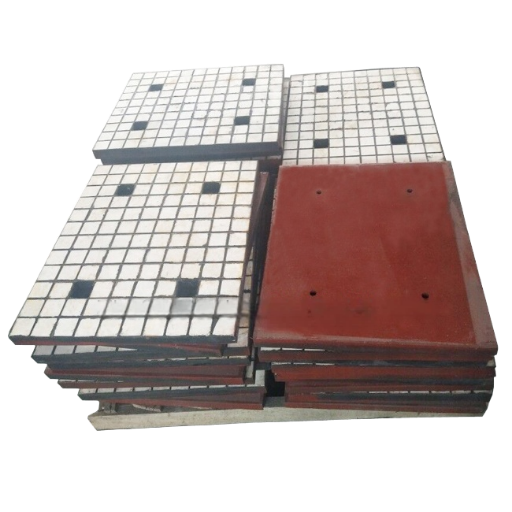 يؤثر اختيار المادة الذي تجرونه لقطع تآكل مضخة التجريف في نهاية المطاف في عمرها المتوقع وتكاليفها الإجمالية طوال العمر التشغيلي. وتسود ثلاث عائلات من المواد تقدم مزايا في تطبيقات الملاط. وتستند مقارنتنا أدناه إلى قيم صلادة مؤكدة وحدود للتطبيق، وليس إلى تعميمات مثل «عالٍ/متوسط/منخفض».
| الخاصية | حديد أبيض عالي Cr (Ni-Hard) | مطاط طبيعي | مركب سيراميكي |
|---|---|---|---|
| الصلادة | >58 HRC (الكربيدات: 1,500–1,800 HV) | Shore A 40–70 | HRA 85–93 (بلاطات الألومينا) |
| محتوى الكروم | 12–30% (ASTM A532 الفئة II–III) | N/A | N/A |
| مقاومة التآكل | متوسطة (يشكل Cr طبقة أكسيد خاملة) | ممتازة (pH 3–14) | ممتازة (خامل كيميائياً) |
| أقصى درجة حرارة للتشغيل | حتى ~600 °C | ~80 °C (يتدهور فوقها) | حتى ~1,000 °C |
| أقصى حجم للجسيمات | حتى 400 mm (مكرهات تجريف بقنوات واسعة) | حتى 76 mm (يتمزق المطاط مع المواد الصلبة الكبيرة) | للملاطات الدقيقة فقط (<5 mm؛ تتشقق البلاطات عند الصدمة) |
| أفضل تطبيق | تجريف الرمل/الحصى، التعدين، المواد الكاشطة الخشنة | الملاطات الحمضية، الجسيمات الدقيقة، الموائع المسببة للتآكل | مادة كاشطة دقيقة + درجة حرارة مرتفعة (مثل معالجة الألومينا) |
💡 قاعدة عتبة 58 HRC
تحت 58 HRC، تنخفض القدرة على التآكل الكاشط بدرجة كبيرة عندما تنتقل الملاطات الغنية بالكوارتز من دعم المصفوفة المعدنية إلى تمزيقها. ويُعد نطاق HRC من 45-55 في سبائك مضخات الملاط القياسية (A05/A49) نموذجياً ومناسباً لتصريفات المطاحن وتطبيقات المخلفات، لكنه غير مناسب لتطبيقات الرمال الأولية، حيث يحتوي كل متر مكعب من الملاط على نسبة ملحوظة من كوارتز بدرجة 7 على مقياس موس. ولظروف تشغيل مضخة التجريف، حددوا قطع تآكل بقيمة HRC تتجاوز 58. فهذه العتبة الواحدة تفصل بين دورات استبدال مدتها 6 أشهر وأعطال بعد 6 أسابيع — وهي العامل الأهم منفرداً في اختيار القطع المقاومة للتآكل لواجبات التجريف عالية الأداء.
العمر التشغيلي وفترات الاستبدال — متى يجب تغيير كل جزء
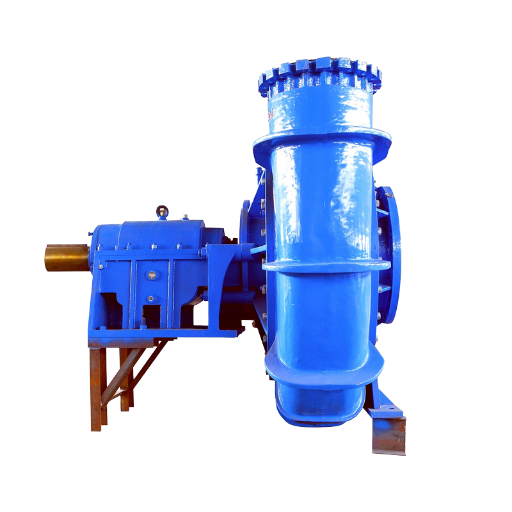 فترة الاستبدال المثلى هي حصيلة ثلاثة عوامل: درجة السبيكة، وكيمياء الملاط، وانضباط التشغيل. وتمثل النطاقات المرجعية أدناه معلمات نموذجية لسبيكة Ni-Hard المصبوبة عالية الكروم في تجريف الرمل والحصى ضمن الخدمة المستمرة.
| المكوّن | Ni-Hard عالي Cr (>58 HRC) | حديد زهر قياسي / A05 | مبطن بالمطاط |
|---|---|---|---|
| المكره | 2,000–5,000 hrs | 500–2,000 hrs | N/A (مكرهات المطاط نادرة في واجبات التجريف) |
| بطانة الغلاف | 3,000–6,000 hrs | 1,000–3,000 hrs | 1,500–4,000 hrs (للملاط الدقيق فقط) |
| جلبة الحلق | 1,500–4,000 hrs | 500–1,500 hrs | 1,000–2,500 hrs |
| بطانة الشفط | 2,000–5,000 hrs | 800–2,000 hrs | 1,000–3,000 hrs |
| بطانة لوحة الإطار | 3,000–6,000 hrs | 1,500–3,000 hrs | 2,000–4,000 hrs |
| جلبة عمود الدوران | 5,000–10,000 hrs | 3,000–6,000 hrs | 5,000–8,000 hrs |
ملاحظة: تستند النطاقات إلى تجريف نموذجي للرمال النهرية والبحرية عند 15-25% من المواد الصلبة بالوزن. وستؤثر التراكيز الأعلى من حصى المحاجر شديد الزوايا أو المعدلات التي تتجاوز 30% بشكل متناسب في الفترات. وقد تختلف نتائجكم.
تتضح الجدوى الاقتصادية القوية لسبائك الكروم العالي عند مقارنة Ni-Hard بالمسبوكات القياسية. فأنسب مكرهات Ni-Hard تدوم 2-4 مرات أطول في التطبيق نفسه، مؤكدةً على نحو لا لبس فيه درساً تثبته خبرة القطاع: إن التكلفة الحقيقية للتآكل ليست قطعة الاستبدال، بل زمن التوقف الإنتاجي المطلوب لتغييرها — ولهذا يحقق تحديد المواد التي تقلل التآكل من مصدره عائداً مضاعفاً مرات عديدة.ما العلامات التي تدل على ضرورة استبدال قطع تآكل مضخة التجريف؟
تكشف هذه العلامات الأربع الدالة عن قرب عطل قطع التآكل: 1) يُظهر قياس معدل التدفق في ظروف rpm ثابتة فرقاً قدره 10-15% قبل فحص المكره أو البطانة، مما يشير إلى تآكل ملحوظ. 2) ازدياد اهتزاز المحمل، وهو مؤشر مبكر على مكره غير متزن وإشارات إلى تخدد جلبة عمود الدوران. 3) ارتفاع ضغوط الطرد مع تقلبات ناتجة عن إعادة تدوير جلب الحلق المتآكلة. 4) الفحص البصري للبحث عن خدوش أو ترقق في الجدار على وجه المكره والبطانات: يتطلب ظهور أي زوج من الأعراض جدولة الاستبدال قبل العطل بوقت طويل.كيفية فحص قطع تآكل مضخة التجريف
يمكن أن يجمع تقييم حالة قطع التآكل بفاعلية بين ثلاثة أساليب: الفحص البصري عند كل توقف مجدول عبر كامل وجه المكره وأوجه البطانات، وقياس أبعاد المكره والبطانة باستخدام الفرجار أو مقاييس السماكة فوق الصوتية، وجمع بيانات الاهتزاز بمرور الوقت. وتؤكد خبرة القطاع مراراً: إن تكلفة كل قطعة تآكل صغيرة جداً مقارنة بزمن دورة التصنيع المفقود عند استبدالها. وتُعد خريطة توصية المعادن إلى معدل التآكل من BBP أداة لا غنى عنها لتطبيق هذا المبدأ في الموقع.كيفية اختيار قطع التآكل — عملية من 4 خطوات وقائمة تحقق للمورد
حددوا توافق قطع التآكل استناداً إلى ظروف التحميل وخصائص المواد وجودة المورد المثبتة باعتبارها الفحص النهائي. وينتقل هذا النهج المكوّن من أربع خطوات من معلمات التشغيل إلى العثور على مصنع مؤهل، سواء لطلب مضخة واحدة أو لتحديد قطع لأسطول كامل.
عملية اختيار قطع التآكل من 4 خطوات
- حددوا ملف ملاطكم لتخصيص اختيار القطع: المعدن السائد (Mohs)، وأقصى حجم للجسيمات (mm)، والمواد الصلبة (% بالوزن)، وpH، ودرجة حرارة التشغيل.
- طابق المواد مع ظروف التشغيل: كوارتز زاوي >2mm سبيكة عالية الكروم Ni-Hard (>58 HRC). عند pH حمضي <4 مع جسيمات دقيقة، استخدم بطانة من المطاط. للمواد الكاشطة الدقيقة >80 C، استخدم مركبًا خزفيًا. عند اختلاط المعايير، أعطِ الأولوية للعامل الأكثر عدوانية.
- أكدوا التكافؤ البُعدي: تحققوا من أن أبعاد قطعة الغيار وهندسة ريش المكره وعرض الممر تطابق تماماً طراز مضختكم. استخدموا أداة مرجعية متقاطعة للقطع لربط أرقام قطع OEM بالمكافئات المتوافقة الشائعة.
- قيّموا المورد: تحققوا من النقاط التالية ضمن عملية الطلب الخاصة بكم.
- ✔ شهادة إدارة الجودة ISO 9001:2015
- تقارير اختبار ميتالورجية لكل دفعة من المسبوكات (تحقق بمطياف من Cr/Ni/Mo)
- وثائق اختبار الصلادة (HRC لكل دفعة)
- السباكة والمعالجة الحرارية داخل المنشأة (التكامل الرأسي يقلل التباين)
- مدد توريد صفرية لقطع الغيار المخزنة بانتظام خلال أقل من 2 أسابيع
- ✔ قابلية التبادل بين الطرازات (تقلل المخزون في الموقع)
- ✔ اختبار الأداء الهيدروليكي وفق ISO 9906
- دعم فني لاختيار قطع التآكل الصحيحة لظروف التشغيل
قطع تآكل مضخة التجريف مقابل مضخة الملاط — لماذا لا يمكن تبادلها
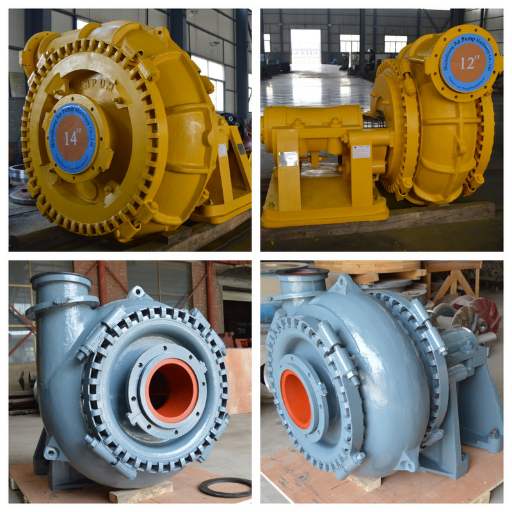 تسعى فرق مشتريات عديدة إلى استبدال قطع مضخات الملاط المخصصة أو مرتفعة التكلفة بقطع ملاط عامة لاستخدامها في التجريف. ومن الخطأ المكلف تجاهل الفروق الهندسية. وتمثل المواصفات التالية سلسلة مضخات التجريف AMG/AWN الخاصة بـ BBP ومنتجات مضخات الملاط النموذجية لتوضيح أسباب عدم قابلية التبادل.
| المواصفة الفنية | قطع مضخة التجريف (AMG/AWN) | قطع مضخة الملاط القياسية |
|---|---|---|
| أقصى مرور للجسيمات | 82–400 mm | 25–76 mm |
| تصميم المكره | قنوات واسعة، مانع للانسداد، 3 أو 4 ريش | مغلق أو شبه مفتوح، عدد ريش أعلى |
| مادة الأجزاء الملامسة للسائل | سبيكة Ni-Hard عالية Cr (>58 HRC) | سبيكة كروم A05/A49 (45–55 HRC نموذجياً) |
| نطاق التدفق | 36–14,000 m³/h | 10–1,000 m³/h |
| متطلب NPSH | <1 m (سلسلة AWN — شفط عميق) | قياسي (يتطلب عادةً شفطاً مغموراً) |
ما الذي يتغير في تقنية قطع تآكل مضخة التجريف (2025–2026)
 من المتوقع أن تصل القيمة السوقية العالمية لمعدات التجريف إلى USD 21.8 billion by 2033، بفضل مشروعات توسعة الموانئ وزيادة الاستثمار في البنية التحتية لحماية السواحل وغيرها من تطويرات البنية التحتية، بمعدل نمو سنوي مركب قدره 5.2%. ويغذي هذا الطلب المتزايد على أصول التجريف ثلاثة تحولات تقنية في هندسة قطع التآكل:
ثلاثة اتجاهات تشكّل قطع تآكل مضخات التجريف
- تصميم المكره المعتمد بواسطة CFD: تجاوزت ديناميكيات الموائع الحسابية أصولها البحثية وأصبحت معيارًا في دورات التصميم خلال مشروعات تطوير المكره الجديدة. وقدمت ورقة منشورة في MDPI Water عام 2024 إطارًا هجينًا بين AI وCFD قادرًا على تقليل تكوّن البقع الساخنة التآكلية مع زيادة الكفاءة الهيدروليكية بالمقدار نفسه، مما يشير إلى أن الجيل المقبل من المكرهات قد يوفر تحسينات قابلة للقياس في العمر التشغيلي عند نقاط التشغيل الحالية.
- استشعار التآكل التنبؤي في المجاري المائية: تتيح مستشعرات الاهتزاز وسماكة الجدار المدمجة في أغلفة المضخات عمليات استبدال أدق تستند إلى الحالة بدلًا من جداول مدة التشغيل التقليدية. ويمكن للأساطيل التي تشغّل عدة كراكات أن تتوقع انخفاضًا قدره 15-25% في تكاليف لوجستيات قطع الغيار عند استخدام هذه المنهجية القائمة على البيانات، إلى جانب منع الأعطال غير المخطط لها.
- تركيبات سبائكية متقدمة (ترقية رئيسية مقارنة بالتركيبات السابقة): تختبر المسابك البحثية الثقيلة إضافات أعلى من الفاناديوم والتنغستن إلى أساسها ASTM A532 لرفع قيم متانة الكسر دون خفض الصلادة أو إنتاج حديد زهر أبيض أكثر هشاشة مما هو مرغوب اقتصاديًا.
“بين 2023-2032، ينبغي أن يصل الطلب العالمي السنوي على المعدات اللازمة لاستدامة التطورات الجديدة إلى 5.8%. وسيشهد المشغلون الذين يعتمدون قطع تآكل ذات درجة مادة أعلى اليوم انخفاضًا تراكميًا حقيقيًا في التكلفة الإجمالية للملكية مع نمو استخدام الأسطول.”إجراء ينبغي أن تتخذه فرق المشتريات التي تقيّم جداول مشروعات 2026: ابدأوا بطلب مخططات مكرهات معتمدة بواسطة CFD من مورد مضخات التجريف، واستفسروا عن توافر تهيئات مضخات مُمكّنة بإنترنت الأشياء IoT. تتوافر خيارات التكنولوجيا المتقدمة للبيع الآن ضمن خطوط المعدات المتميزة، وستحقق مردودًا سريعًا عبر فترات صيانة أطول.
الأسئلة الشائعة
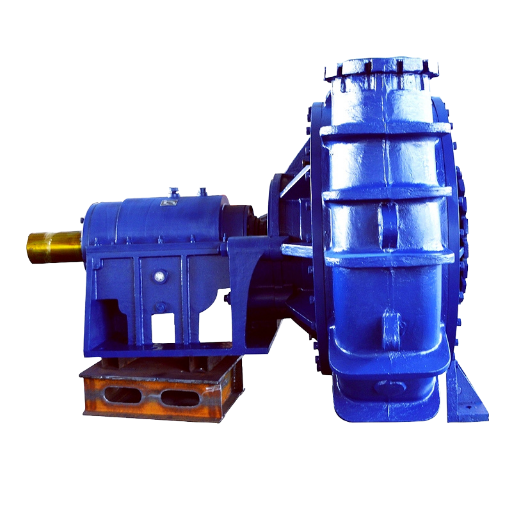
س: ما قطع التآكل الرئيسية في مضخة التجريف؟
عرض الإجابة
أجزاء التآكل الستة الرئيسية هي المكره، وبطانة الغلاف، وجلبة الحلق، وبطانة الشفط، وبطانة لوحة الإطار، وجلبة العمود. المواد المصنفة كأجزاء تآكل مبللة هي تلك التي لها اتصال مباشر مع الملاط.
س: كم مرة ينبغي استبدال مكرهات مضخة التجريف؟
عرض الإجابة
يعتمد العمر التشغيلي للمكره في أعمال تجريف الرمل والحصى المستمرة على متغيرات عديدة، منها النسبة المئوية للمواد الصلبة في الملاط، وشكل جسيمات العقيق، وصلادة المعادن، ونوع المكره، وموقعه بالنسبة إلى نقطة BES. وتتراوح معدلات الاستهلاك النموذجية للمكرهات المصنوعة من Ni-Hard عالي الكروم بين 2000-5000 ساعة، بينما تكون للمسبوكات أقل قليلًا، بين 500-2000 ساعة. وتشير مراقبة تآكل المكره Raranak Bnehnase عبر معدل التدفق عند RPM ثابت إلى أن انخفاضًا بمقدار 10-15% يدل على تدهور المكره.
س: ما تكلفة لوح التآكل لمضخة التجريف؟
عرض الإجابة
تُظهر أسعار ألواح تآكل مضخات التجريف تفاوتًا واسعًا بحسب حجم المضخة ودرجة المادة السبائكية وكمية القطع المطلوبة. تواصلوا مع الشركة المصنّعة الأصلية للمضخة مع رقم طرازكم المحدد ودرجة السبيكة المفضلة للحصول على معلومات تسعير دقيقة، إذ تتأثر التكلفة بحجم المسبوكات وأسعار المواد الخام للسبائك الحالية.
س: هل يمكن تخصيص قطع مضخات التجريف لمشروعات محددة؟
عرض الإجابة
تتوافر خيارات لتهيئات قطع التآكل المخصصة، تشمل اختيار درجة المادة السبائكية، وهندسة ريش المكره، وخيارات نظام نقل الحركة للمضخة، ونوع اختيار مانع التسرب، واتجاه فتحة الطرد. توفر BBP تصاميم مخصصة وعروض أسعار فنية لذلك خلال 48 ساعة من استلام مدخلات المشروع.
س: ما الشهادات التي ينبغي أن يمتلكها مورد قطع التآكل؟
عرض الإجابة
لتحديد نقاط إضافية للفحص البصري: تأكدوا من حصولكم على ISO 9001:2015 كشكل من أشكال ضمان الجودة الذي يوفر لكم نتائج متسقة. وعند العمل في مشروعات تجريف دولية، ابحثوا عن ISO 14001:2015 (البيئة)، وISO 45001:2018 (الصحة والسلامة)، وعلامات CE. اطلبوا تقارير اختبارات المعادن لكل دفعة من مواد المسبوكات المقدمة، وليس مجرد لقطات شاشة من جهاز القياس، لاعتماد محتوى السبيكة. وأكملوا الاختبارات الهيدروليكية وفقًا للتحقق ISO 9906 لتأكيد أداء المضخة النهائية.
س: هل تستحق قطع المضخات عالية الكروم التكلفة الإضافية؟
عرض الإجابة
في أعمال تجريف الرمل والحصى، نعم. تعوّض زيادة سعر شراء مكوّن Ni-Hard عالي الكروم بعمر تشغيلي إضافي يبلغ 2-4 مرات مقارنة بمكونات حديد الزهر التقليدية. ولا تأخذ عملية حساب التكلفة الإجمالية للملكية في الاعتبار تكلفة المكوّن فحسب، بل تشمل أيضًا تكلفة زمن التوقف عن التشغيل، وتكاليف انتظار الطاقم، وتكاليف الإنتاج المفقود أثناء استبدال المكوّن. وعلى سفينة عاملة، تعادل عملية توقف واحدة بسبب وقت “تعطل” عادة تكلفة مجموعة كاملة من قطع التآكل المتميزة.
هل تحتاجون إلى قطع تآكل لمضخة تجريف مصممة لتطبيقكم؟
مهندس BBP لتحديد درجة المادة السبائكية وهندسة المكره وترتيب مانع التسرب بما يلائم متطلبات الملاط لديكم. قطع مضخات مصممة بكفاءات عالية لتقليل التآكل وإطالة العمر التشغيلي. حاصلة على شهادة ISO 9001. يدخل spect في كل دفعة من المسبوكات.
اطلبوا عرض سعر / احصلوا على المواصفات ←لا تترددوا في التواصل معنا للحصول على تهيئات مخصصة وأسعار الكميات.
حول هذا التحليل
الإنتاج: تنتج BBP مضخات تجريف الرمل AMG وAWN بمكونات ملامسة للسائل من سبيكة Ni-Hard عالية الكروم، تتمتع بالخصائص التالية التي تُقاس بواسطة مقياس الطيف في ورشنا لجميع دفعات المسبوكات:. ويستند مخطط مقارنة السبائك وتجميع فترات الاستبدال المقترحة في هذا الكتيب إلى أبحاث منشورة في مجال علم المعادن، والمعايير المرجعية ASTM A532، فضلًا عن فحص جودة الإنتاج الخاص بـ BBP. وقد أدرجنا النطاقات المرجعية في القطاع كإرشادات، إذ تعتمد الحالة الفعلية للسبيكة أيضًا على ظروف التشغيل.
المراجع والمصادر
- مقدمة عن الحديد الأبيض الكرومي – ASTM A532 – Penticton Foundry.
- لماذا يعمل الحديد الأبيض عالي الكروم بكفاءة كبيرة في الضخ الكاشط؟ -Cornell Pump Company
- نموذج CFD متعدد الأطوار الأويلري المطور لمحاكاة أداء مضخة التجريف – Chemineer.
- دراسة مقاومة التآكل لحديد الزهر عالي الكروم A532
- أساليب التحسين الهجينة لتصميم مكره مضخات الطرد المركزي – MDPI Water (2024)
- سوق التجريف يصل إلى USD 21.8 billion بحلول 2033: OpenPR Market Research
- حجم سوق معدات التجريف وتوزيع الوزن السوقي – Metastat Insights (2025)
مقالات ذات صلة
- مضخة تجريف رمل — حلول للخدمة الشاقة لقطاعي التعدين والتجريف
- مضخة ملاط عالية الكروم
- قطع غيار مضخة الملاط
- مضخة ملاط للتعدين
- مخطط مرجعي من المعدن إلى العمر التشغيلي للتآكل
تمت المراجعة بواسطة قسم الهندسة في BBP – اختبار المضخات وقسم الجودة
![Sand Dredge Pump vs Slurry Pump: Key Differences [2026]](https://bbpmfg.com/wp-content/uploads/2026/04/2-17-768x512.png)