تواصل مع BBP

أبرز 20 مصنعًا لمضخات الملاط للتعدين في العالم

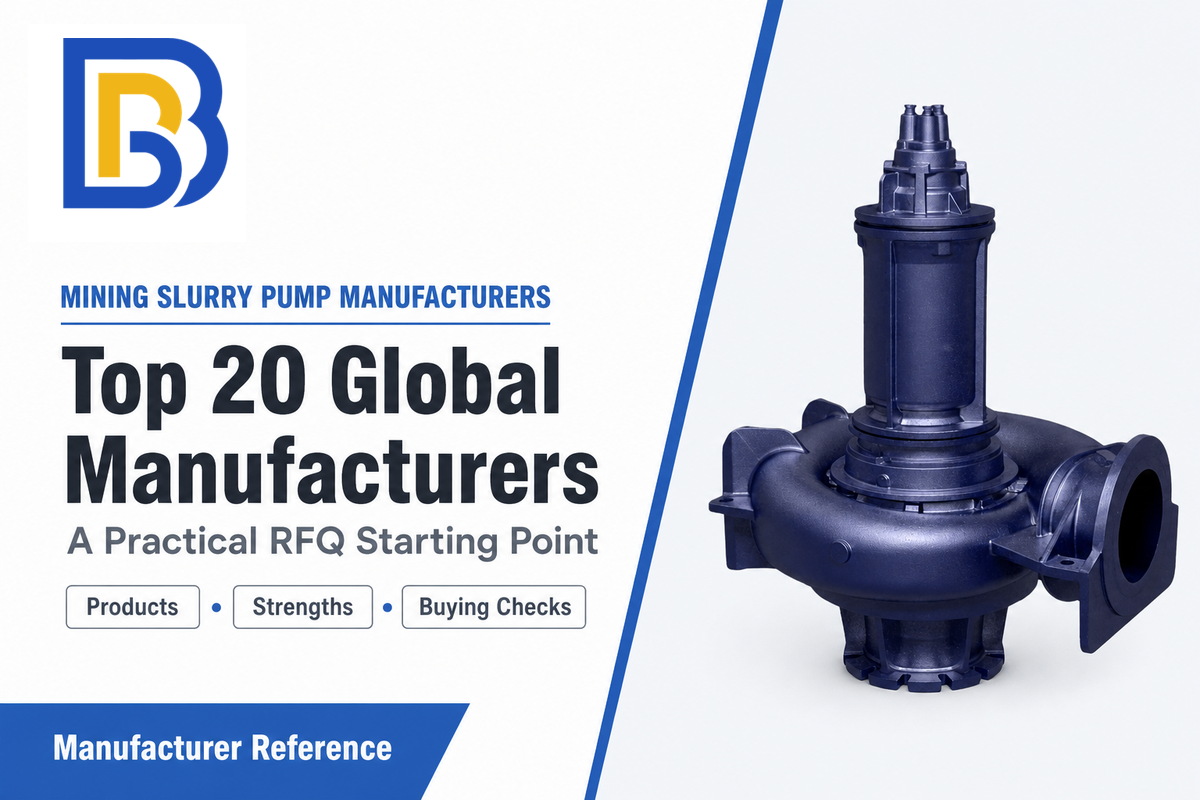
ملاحظة: باستثناء BBP، المُدرَجة أولًا بناءً على الطلب، تُعرض الشركات المتبقية دون ترتيب محدد.
مصنعو مضخات الملاط للتعدين هم شركات تصمم أو تصنع أو تورّد نطاقات مضخات للمهام التعدينية الكاشطة والحاوية على مواد صلبة والمهام ذات الصلة. توفر هذه القائمة المختصرة نقطة انطلاق متكافئة للمقارنة: 20 مصنعًا ومتخصصًا في المضخات لديهم نطاقات منشورة للملاط أو مناولة المواد الصلبة أو معالجة المعادن أو التعدين أو التجفيف أو ما يرتبط بها. وهي سجل لطلبات عروض الأسعار RFQ، وليست تصنيفًا للأداء مدعومًا بالاختبارات أو ادعاءً بشأن الحصة السوقية أو السعر أو المخزون أو ملاءمة المنجم.
يُعد حد الاختيار العملي مهمًا. تتحدد مهمة الملاط بالكثافة النوعية للخليط وتركيز المواد الصلبة وحجم الجسيمات وشكلها وصلادتها، إلى جانب التوازن بين التآكل بالاحتكاك والتآكل الكيميائي. ويجب أن يحدد الموقع أيضًا معدل التدفق وارتفاع الضخ وظروف الشفط ونطاق التشغيل ومتطلبات السلامة قبل مقارنة منحنى المورد ومواد مجموعة الأجزاء الملامسة للسائل وخطة مانع التسرب أو الضمان بعدل.
ما الذي تغطيه هذه القائمة وما الذي لا تغطيه
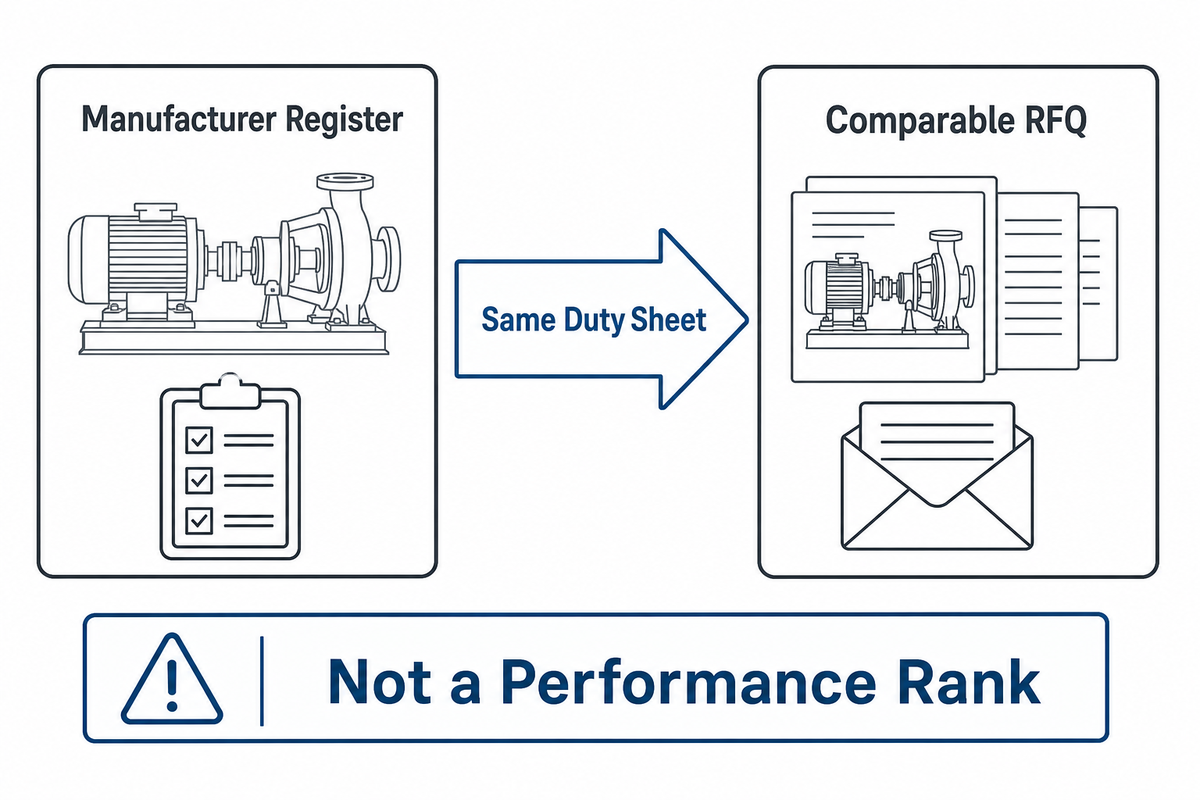
قد يخدم مصنع مضخات الملاط للتعدين مهام النقل في المكثفات أو المخلفات أو الرغوة أو الحفر أو طرد المطاحن أو التجفيف أو التجريف، ولكل منها قيود هيدروليكية وميكانيكية مختلفة. يجمع هذا السجل مجموعات عالمية ومتخصصين وموردين لحالات حدودية. وقبل مقارنتهم، أكد مطابقة عائلة الطراز المقترحة لمهمة المواد الصلبة الفعلية، بدلًا من الاعتماد على مرجع تعدين عام.
تظهر BBP أولًا فقط بتوجيه من طالب القائمة. أما الإدخالات المتبقية فلا تُرتب عمدًا. تُستخدم ملفات الشركات المنشورة لتاريخها ونطاقاتها المعلنة؛ وهي ليست دليلًا مستقلاً على الأداء المقارن. استخدم القائمة لاختيار الجهات التي تتلقى ورقة المهمة نفسها، ثم قيّم الردود استنادًا إلى أدلة فنية وتجارية متكافئة.
مخاطر المشتريات هي التكافؤ الزائف: فقد يظهر المورد في صفحة رسمية لكنه يظل غير مناسب للمهمة لأن طرازه المعروض ومواده ونطاق ظروف التشغيل تختلف. استخدم هذا السجل مع إرشادات ISO ذات الصلة أو إرشادات Hydraulic Institute للمواد الصلبة والملاط، وصفحة منتج رسمية وورقة بيانات RFQ نفسها قبل طلب التزام من مصنع أو موزع.
سجل أدلة خدمات المناجم لـ 20 ملفًا
يوفر الجدول مراجعة أولية موجزة وقابلة للمقارنة لملفات 20 موردًا. ويسجل سياق التأسيس والمقر أو الدولة وفئة المضخات المنشورة، ثم تضيف الملفات نطاق المنتجات وميزة وسؤالًا للمشتريات. استخدمه مع إرشادات Hydraulic Institute لمضخات الملاط لاختيار الشركات التي ينبغي أن تتلقى ورقة المهمة نفسها، لا لاستنتاج ترتيب للأداء.
| الرقم. | المصنع | التأسيس / أساس التاريخ | المقر أو الدولة | فئة المضخة / الملاءمة المنشورة الأساسية |
|---|---|---|---|---|
| 1 | BBP | 1980s | بكين، الصين | نطاق مضخات الملاط والمضخات الصناعية |
| 2 | Weir | 1871 | غلاسكو، المملكة المتحدة | نطاق مضخات الملاط Warman |
| 3 | KSB / GIW | 1871؛ استحوذت KSB على GIW في 1988 | فرانكنتال، ألمانيا / الولايات المتحدة | مضخات التعدين والملاط للخدمة الشاقة |
| 4 | Metso | 2020 للشركة المدمجة الحالية؛ أعيدت تسميتها Metso في 2023 | إسبو، فنلندا | مضخات الملاط ومعالجة المعادن |
| 5 | FLS | 1882 | كوبنهاغن، الدنمارك | مخطط تدفق التعدين ومعدات الملاط |
| 6 | Sulzer | 1834 | فينترتور، سويسرا | ضخ العمليات والتعدين للخدمة الشاقة |
| 7 | Flowserve / TKL | شركة 1997؛ يعود تاريخ علامة TKL إلى 1875 | إرفينغ، الولايات المتحدة | نطاق مضخات الملاط Titan |
| 8 | شركة ITT Goulds Pumps | تاريخ Goulds منذ 1848 | الولايات المتحدة | مضخات ملاط بالطرد المركزي للخدمة الشاقة |
| 9 | EBARA | 1912 | طوكيو، اليابان | مضخات صناعية ولملاط خفيف |
| 10 | Tsurumi | 1924 | أوساكا، اليابان | مضخات غاطسة للإنشاءات وتجفيف المناجم |
| 11 | ANDRITZ | 1852 | غراتس، النمسا | أنظمة مضخات العمليات والتعدين |
| 12 | NETZSCH | 1873 | سيلب، ألمانيا | مناولة المواد الصلبة بمضخات التجويف التقدمي |
| 13 | شركة Schurco Slurry | 1975 | جاكسونفيل، الولايات المتحدة | مضخات ملاط بالطرد المركزي للخدمة الشاقة وقطع الغيار |
| 14 | EDDY Pump | 1984 | إل كاخون، الولايات المتحدة | نقل المواد الصلبة عالية التركيز والتجريف والملاط |
| 15 | KETO Pumps | 2013 للتكامل التشغيلي الحالي KETO/PTS | هندرسون، أستراليا | مضخات الملاط للتعدين وقطع الغيار |
| 16 | Multotec | 1973 | جوهانسبرغ، جنوب أفريقيا | معدات ومضخات معالجة المعادن |
| 17 | Naipu Mining | 2005 | شانغراو، الصين | مضخات الملاط للتعدين وقطع التآكل |
| 18 | مجموعة Kingda Pump Group | تاريخ المجموعة منذ 1948؛ تحقق من تاريخ الكيان | خبي، الصين | مضخات الملاط والمضخات الصناعية بالطرد المركزي |
| 19 | Dragflow | 1980s | روفربيلا، إيطاليا | مضخات ملاط غاطسة ومضخات تجريف |
| 20 | PEMO Pumps | 1947 | فيمودروني، إيطاليا | مضخات ملاط بالطرد المركزي للموائع الكاشطة والأكّالة |
كيفية قراءة السجل
يُقيَّد مصطلح «التأسيس» عمدًا عندما تكون الشركة التشغيلية الحالية أو الشركة الأم أو العلامة المستحوذ عليها أو السلف التاريخي أشياء مختلفة. قد يكون تاريخ العلامة الطويل سياقًا مفيدًا، لكن لا ينبغي الخلط بينه وبين عمر الكيان القانوني الذي سيصدر الضمان أو يقبل أمر الشراء أو يقدم الخدمة في الموقع. وتنطبق القاعدة نفسها على المقر: فهو يصف سياق الشركة، وليس بالضرورة المصنع الذي سيصنع الوحدة المعروضة أو المستودع الذي سيدعمها. اطرح هذه الأسئلة صراحةً في RFQ.
كما أن خانة الميزة محدودة عمدًا. فهي تحدد خاصية منشورة للمنتج أو المنظمة تجعل المورد جديرًا بالفحص؛ ولا تعني أن الشركة أفضل من إدخال آخر. وخانة التحفظ سؤال للتحكم في الشراء، وليست ادعاءً بوجود عيب. وهي موجودة لأن قائمة المصنعين واسعة بطبيعتها: فقد يصنع المورد نفسه مضخة ملائمة جيدًا وأخرى غير ملائمة، بحسب المهمة والمواد ونطاق التوريد وترتيب الدعم المختار.
لإعداد قائمة مختصرة منضبطة، قسّم المرشحين إلى ثلاث مجموعات قبل طلب السعر. أولًا، حدد المرشحين المباشرين لمضخات الملاط بالطرد المركزي للخدمة الشاقة لمهمة العملية. ثانيًا، احتفظ بمرشحي التجفيف أو المضخات الغاطسة أو التجريف أو الإزاحة الموجبة فقط عندما يناسب هذا النوع من التركيب فعليًا. ثالثًا، حدد الموردين الذين تتمثل ميزتهم في حزمة معالجة المعادن الأوسع بدلًا من عائلة مستقلة لمضخات الملاط. يمنع ذلك مقارنة عروض أسعار غير متكافئة مع إتاحة مجال لتهيئة بديلة صالحة تقنيًا.
رقم 1: BBP
تتبع الإدخالات في كل ملف أدناه ترتيب الحقول نفسه: تاريخ التأسيس؛ المقر أو الدولة؛ نطاق الشركة؛ المنتجات الرئيسية؛ الميزة المنشورة؛ فحص الشراء؛ والموقع الرسمي. جُمعت التسميات المتكررة هنا كي تبقى سجلات الموردين الـ20 مقروءة مع بقاء كل حقل مطلوب حاضرًا.
بالنسبة إلى BBP، لا تكمن مخاطر المشتريات ذات الصلة في موضعها بهذه القائمة، بل في ما إذا كان عرض المصنع يحدد مهمة الملاط بدقة. وهذا التمييز مهم لأن صفحة الشركة الرسمية تصف النطاق، بينما يجب أن تحدد اختبارات على نمط ISO وRFQ المطلوب حالة النظام الفعلية والمواد وأدلة القبول.
1. BBP
- تأسست في 1980s، وفقًا لملف شركة BBP.
- بكين، الصين.
- تقدم BBP Manufacturing Co., Ltd. نفسها بصفتها مصنع مضخات متكاملًا يخدم تطبيقات الملاط ومناولة الموائع الصناعية الأوسع.
- مضخات الملاط، ومضخات الصرف الصحي، ومضخات المياه النظيفة، والمضخات الكيميائية، ومضخات الحريق، ومضخات الري؛ ونقطة المراجعة ذات الصلة بالتعدين هي نطاق الملاط.
- يمكن أن يتيح وضع التصنيع الداخلي المنشور ونطاق المضخات الواسع تغطية مهمة الملاط واحتياجات المضخات المجاورة في المنشأة ضمن محادثة واحدة مع المورد.
- اطلب من BBP الاختيار وفق معدل التدفق الفعلي وارتفاع الضخ والكثافة النوعية للخليط وحجم الجسيمات وpH ودرجة الحرارة وترتيب مانع التسرب وأساس الاختبار. لا تعامل الكتالوج الواسع بوصفه دليلًا على ملاءمة كل طراز لملاط المناجم الكاشط.
- الرابط:
https://bbpmfg.com/
للاطلاع على النطاق المنشور لـ BBP، راجع صفحة منتجات مضخات الملاط الداخلية. ويجب أن يحدد RFQ قابل للمقارنة المهمة الدقيقة قبل اختيار الطراز.
مجموعات مضخات التعدين العالمية الراسخة
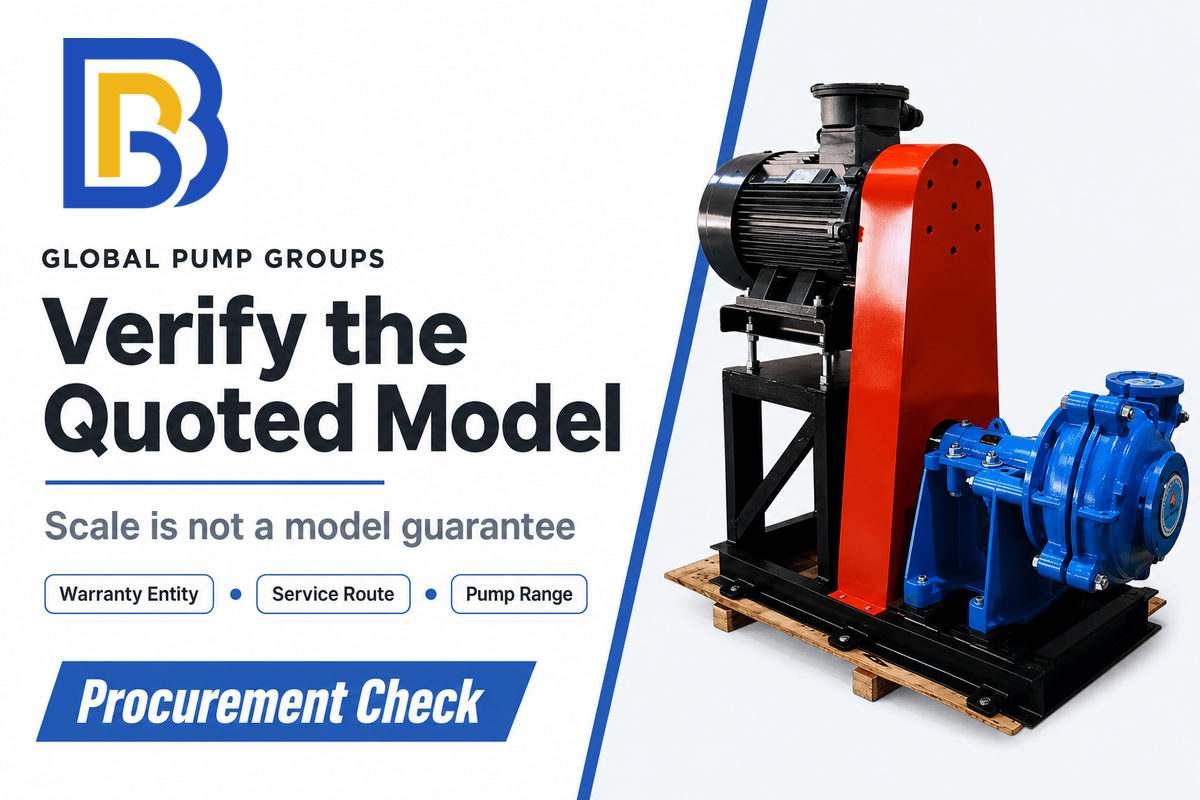
بالنسبة إلى المجموعات العالمية، تتمثل مخاطر المشتري في التعامل مع الحجم المؤسسي كضمان على مستوى الطراز. اسأل لأن المصنع المعروض والكيان المحلي للخدمة وقسم المنتجات قد تختلف؛ واستخدم صفحة رسمية وحد المهمة المعلن وفق ISO أو Hydraulic Institute وورقة بيانات المورد نفسه لتحديد التهيئة المسؤولة.
2. Weir
- 1871.
- غلاسكو، المملكة المتحدة.
- Weir مجموعة هندسية عريقة ترتبط علامتها Warman ارتباطًا وثيقًا بضخ الملاط لمعالجة المعادن.
- تهيئات Warman الأفقية والعمودية وما يرتبط بها لمضخات الملاط، إضافة إلى معدات التعدين ودعم ظروف التشغيل.
- يجعل تاريخ المنتجات المتخصص في الملاط منها نقطة مقارنة مناسبة لمهام معالجة المعادن المتطلبة.
- أكد عائلة Warman المحددة، ومواد مجموعة الأجزاء الملامسة للسائل، وخطة مانع التسرب، وتغطية الخدمة المحلية، ومدة توريد قطع الغيار الأصلية للموقع، لا اسم العلامة فقط.
- الرابط:
https://www.global.weir/
3. KSB / GIW
- تأسست KSB في 1871؛ واستحوذت KSB على KSB GIW, Inc. في غروفيتاون، الولايات المتحدة، في 1988.
- فرانكنتال، ألمانيا؛ عمليات GIW في الولايات المتحدة.
- تجمع KSB بين مجموعة مضخات عالمية وأعمال GIW لملاط التعدين.
- مضخات طرد مركزي وصمامات وأنظمة، بما فيها عروض GIW لمضخات الملاط للخدمة الشاقة للتعدين.
- يمكن للمشتري تقييم قسم ملاط يركز على التعدين ضمن منظمة أكبر للمضخات والخدمات.
- حدد ما إذا كان عرض السعر لطراز تعدين GIW أو لعائلة KSB أخرى، ثم قارن منحنى المهمة والمواد وبيانات NPSH ودعم الموقع على هذا الأساس.
- الرابط:
https://www.ksb.com/
4. Metso
- 2020 للشركة المدمجة الحالية؛ وأعيدت تسميتها Metso في 2023. لا ينبغي استبدال تواريخ المنتجات السابقة والأسلاف بهذا التاريخ للشركة الحالية.
- إسبو، فنلندا.
- تورّد Metso التكنولوجيا والمعدات لعملاء الركام ومعالجة المعادن، بما في ذلك تطبيقات ضخ الملاط.
- مضخات الملاط، ومعدات العمليات، وقطع التآكل، وتكنولوجيا معالجة المعادن ذات الصلة.
- يمكن ربط نقاش المنتجات بمعدات عمليات المعادن الأوسع ودعم دورة الحياة.
- أكد نطاق المضخة المحدد والكيان المسؤول عن الضمان ومسار قطع الغيار والخدمة المحلي؛ فتاريخ التوحيد المؤسسي ليس مواصفة أداء.
- الرابط:
https://www.metso.com/
5. FLS
- 1882.
- كوبنهاغن، الدنمارك.
- FLS مورد لتكنولوجيا التعدين ومخططات التدفق، ويشمل عرضه المنشور معدات مستخدمة عبر معالجة المعادن.
- معدات عمليات التعدين والأسمنت، وأنظمة معالجة المعادن، والمعدات المرتبطة بالملاط.
- قد يكون سياق مخطط التدفق مفيدًا عندما يلزم تقييم المضخة مع الأعاصير والمطاحن والفصل أو معدات التحكم بالمنشأة.
- اطلب طراز المضخة الدقيق ومراجع الملاط السابقة المماثلة له؛ فمحفظة مورد مخططات التدفق الواسعة لا تجعل كل تهيئة مضخة ملاط للخدمة الشاقة.
https://fls.com/
6. Sulzer
- 1834.
- فينترتور، سويسرا.
- Sulzer شركة سويسرية لمعدات التدفق تشمل تطبيقات مضخاتها التعدين وغيرها من مهام العمليات الشاقة.
- مضخات العمليات، ومضخات المياه ومياه الصرف الصحي، ومعدات الطاقة، وحلول الضخ الموجهة للتعدين.
- قد تكون القدرة الهندسية الواسعة لمضخات العمليات ذات صلة عندما تتداخل مناولة الملاط مع أنظمة المياه أو العمليات أو المرافق.
- تحقق من أن وحدة Sulzer المقترحة مقننة لتركيز المواد الصلبة وتوزيع الجسيمات والبيئة الكاشطة/الأكّالة المعلنة، بدل افتراض أن جميع مضخات العمليات قادرة على مناولة الملاط.
- الرابط:
https://www.sulzer.com/
7. Flowserve / TKL
- أُنشئت Flowserve في 1997؛ ويُقدَّم تاريخ علامة TKL على أنه يعود إلى 1875.
- إرفينغ، تكساس، الولايات المتحدة.
- Flowserve شركة عالمية للتحكم في التدفق؛ ويرتبط خط TKL لديها بنطاق مضخات الملاط Titan.
- مضخات، ومانعات تسرب، وصمامات، ووحدات تحكم، ومضخات الملاط TKL Titan.
- قد يكون هذا الجمع ذا صلة عندما تُراجع مانعات التسرب الميكانيكية وهيدروليكا المضخات ومعدات التحكم بتدفق المنشأة معًا.
- افصل المورد القانوني الحالي عن تاريخ علامة المنتج الأقدم، واطلب منحنى مهمة Titan الدقيق ومواصفة المادة ومسار ظروف التشغيل.
- الرابط:
https://www.flowserve.com/
8. شركة ITT Goulds Pumps
- 1848 لتاريخ Goulds Pumps؛ وITT هي سياق الشركة الأم الحالي للعلامة.
- الولايات المتحدة، مع تاريخ Goulds في سينيكا فولز، نيويورك.
- Goulds Pumps علامة راسخة لمضخات الطرد المركزي ضمن ITT، وتنشر تطبيقات لمضخات الملاط للخدمة الشاقة.
- مضخات عمليات، ومضخات API، ومضخات مياه، وخطوط مضخات ملاط للخدمة الشاقة مثل XHD.
- يوفر خط ملاط محدد للخدمة الشاقة عائلة بدء أوضح من استفسار عام عن مضخات صناعية.
- أكد نطاق التشغيل الفعلي لعائلة XHD أو العائلة الأخرى المقترحة، ومواد المكره والبطانة، ودعم مانع التسرب، وتوافر قطع الغيار في موقع المنجم.
- الرابط:
https://www.gouldspumps.com/
9. EBARA
- 1912.
- طوكيو، اليابان.
- EBARA مصنع متنوع للمضخات والمعدات البيئية، ولديه عروض ملاط صناعي ضمن محفظته الأوسع.
- مضخات مياه وصناعية وعمليات وبيئية؛ وتشمل خيارات الملاط المنشورة ظروف ملاط خفيف.
- قد تكون مرشحًا مناسبًا حين تقع المهمة قرب ظروف العمليات الصناعية أو الملاط الخفيف.
- هذا ليس بديلًا عن تأكيد مهمة تعدين كاشطة شاقة. احصل على حد المواد الصلبة واختيار المواد وترتيب مانع التسرب وأدلة تطبيق مماثل لطراز SAL الدقيق أو الطراز المقترح.
- الرابط:
https://www.ebara.com/
10. Tsurumi
- 1924.
- أوساكا، اليابان.
- تشتهر Tsurumi بالمضخات الغاطسة المستخدمة في تطبيقات الإنشاءات والتصريف ومياه الصرف الصحي والتجفيف.
- مضخات غاطسة للتصريف والتجفيف ومياه الصرف الصحي والإنشاءات.
- قد يكون تركيزها على التجفيف بالمضخات الغاطسة ذا صلة بحالات مياه المناجم والحفر الحدودية.
- تعامل مع التجفيف وملاط العمليات الكاشط كمتطلبات منفصلة. أكد مرور المواد الصلبة والكشط المسموح وحماية الكابل ومانع التسرب ومنسوب الغمر والمتطلبات الكهربائية لموقع المنجم.
- الرابط:
https://www.tsurumipump.com/
11. ANDRITZ
- 1852.
- غراتس، النمسا.
- ANDRITZ مجموعة تكنولوجية دولية تضم تقنيات مضخات العمليات والفصل لخدمة قطاعات متعددة، بما فيها تطبيقات العمليات المرتبطة بالتعدين.
- مضخات عمليات، وأنظمة فصل، ومعدات طاقة مائية، وتقنيات صناعية.
- قد يساعد سياق العمليات والفصل الأوسع في مناقشة حزمة متكاملة للمنشأة.
- اطلب بيانًا خاصًا بالطراز لمهمة المواد الصلبة وحدود المرجع. فالحضور العام في قطاع التعدين وحده لا يثبت الملاءمة لطرد المطحنة أو المخلفات شديدة الكشط.
- الرابط:
https://www.andritz.com/
12. NETZSCH
- 1873.
- سيلب، ألمانيا.
- NETZSCH متخصص ألماني في المضخات، معروف بتقنيات التجويف التقدمي وغيرها من تقنيات الإزاحة الموجبة.
- مضخات NEMO ذات التجويف التقدمي، ومضخات الفصوص الدوارة، وأنظمة الطحن، ومعدات عمليات مناولة المواد الصلبة.
- توفر تقنية الإزاحة الموجبة خيار مقارنة مفيدًا لبعض مهام المواد الصلبة اللزجة أو الشبيهة بالمعجون أو ذات التدفق المتحكم فيه.
- لا تقارنها كما لو كانت قابلة للاستبدال تلقائيًا بمضخة ملاط بالطرد المركزي. أكد حساسية القص والضغط ومخاطر التشغيل الجاف وتوافق العضو الثابت وخطة الصيانة.
- الرابط:
https://www.netzsch-pumps.com/
مصنعو مضخات الملاط للتعدين المتخصصون والإقليميون
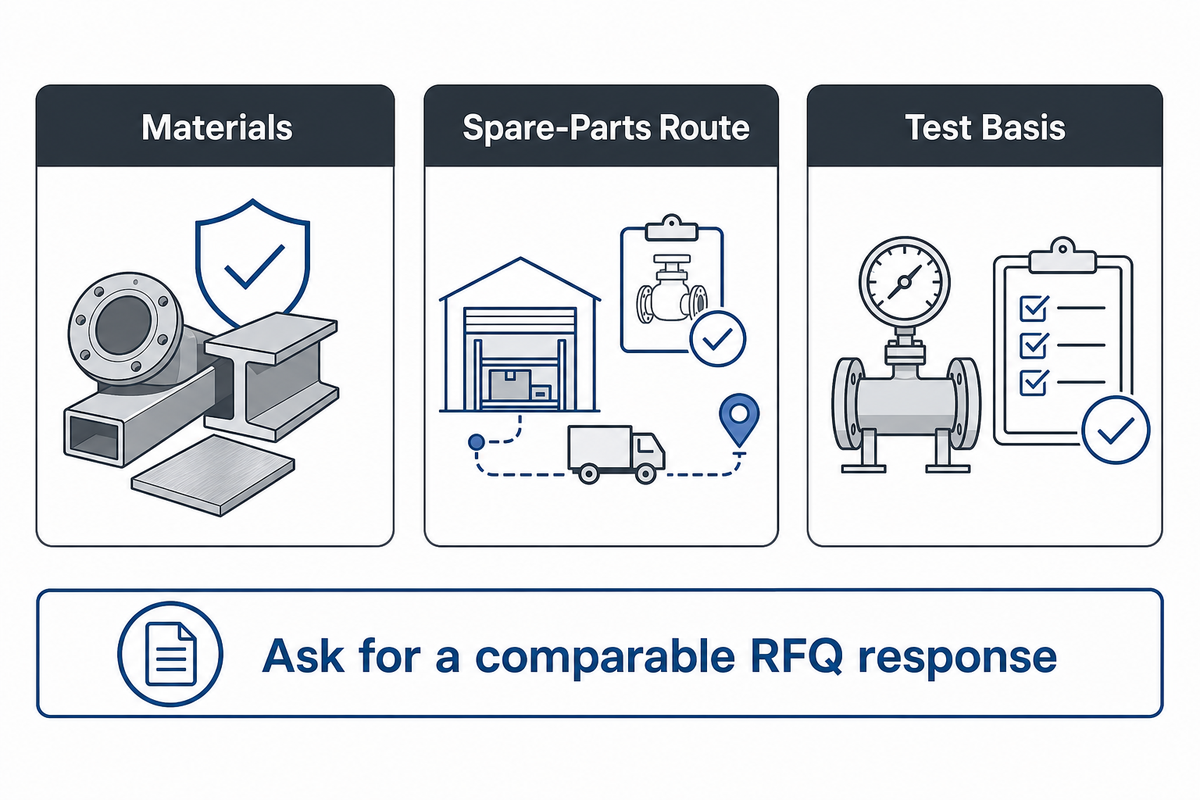
قد يكون ملف المتخصص ذا قيمة، لكن مخاطر المشتريات تظل عدم التحقق من الملاءمة بين كتالوج مركز والنظام الفعلي للمنجم. اطلب ردًا مماثلًا على RFQ لأن المصنع أو الموزع المحلي يجب أن يحدد المواد المقترحة ومسار قطع الغيار وأساس الاختبار؛ فالصفحة الرسمية وحدها ليست هذا الدليل.
13. شركة Schurco Slurry
- 1975.
- جاكسونفيل، فلوريدا، الولايات المتحدة.
- Schurco Slurry مورد متخصص لمضخات الملاط بالطرد المركزي للخدمة الشاقة وقطع الغيار البديلة.
- مضخات ملاط أفقية وعمودية، ومكونات مطاطية ومعدنية للأجزاء الملامسة للسائل، وقطع غيار.
- يمكن لعرض مركز لمضخات الملاط وقطع الغيار تبسيط بحث المشتري عن مكونات ظروف تشغيل متوافقة.
- أكد تسمية المادة وقابلية التبادل البعدي والضمان ومنحنى المضخة ومصدر قطع الغيار الحرجة للتهيئة الدقيقة.
- الرابط:
https://www.schurcoslurry.com/
14. EDDY Pump
- 1984.
- إل كاخون، كاليفورنيا، الولايات المتحدة.
- تسوّق EDDY Pump معدات نقل المواد الصلبة عالية التركيز والتجريف ومناولة الملاط باستخدام نهجها الخاص في المضخات.
- مضخات الملاط، ومضخات التجريف، ووحدات غاطسة، وملحقات للحفارات، وأنظمة نقل المواد الصلبة.
- قد يكون توجهها المنشور نحو المواد الصلبة عالية التركيز والتجريف مفيدًا لتطبيقات نقل أو استرداد مختارة.
- اطلب منحنى النظام الكامل ومرجعًا مماثلًا لمهمة المواد الصلبة. فمبدأ المضخة وتركيزها على التجريف يعنيان أنه لا ينبغي افتراض قابليتها للمقارنة مع مضخة ملاط تقليدية بالطرد المركزي في كل مهمة.
- الرابط:
https://eddypump.com/
15. KETO Pumps
- 2013 للتكامل التشغيلي الحالي KETO/PTS؛ تاريخ PTS السابق أقدم وينبغي ذكره منفصلًا.
- هندرسون، أستراليا الغربية، أستراليا.
- تورّد KETO Pumps أنظمة مضخات الملاط وقطع الغيار والخدمات الهندسية لعملاء التعدين.
- مضخات الملاط للتعدين، وقطع غيار المضخات، والخدمات الفنية الداعمة.
- قد يناسب التركيز على التعدين في أستراليا المشترين الباحثين عن متخصص في الملاط لديه سياق إقليمي للقطاع.
- تحقق من الكيان القانوني المتعاقد وسلسلة المضخات الدقيقة وخطة قطع الغيار الإقليمية ووثائق المهمة المماثلة بدل الاعتماد على خبرة السلف وحدها.
- الرابط:
https://www.ketopumps.com/
16. Multotec
- 1973.
- جوهانسبرغ، جنوب أفريقيا.
- Multotec مورد لمعدات معالجة المعادن، وتندرج المضخات ضمن عرضه الأوسع للعمليات.
- معدات معالجة المعادن، وأعاصير، وغرابيل، ولوالب، وحلول تآكل، ومعدات ضخ.
- قد تكون مفيدة حين يلزم فهم اختيار المضخة بجانب دائرة معالجة معادن قائمة أو مقترحة.
- افصل توافق الحزمة عن ملاءمة المضخة. اطلب منحنى خاصًا بالمضخة وقائمة مواد وخطة مانع تسرب وحدود المهمة والتزامًا بالدعم.
- الرابط:
https://www.multotec.com/
17. Naipu Mining
- 2005.
- شانغراو، جيانغشي، الصين.
- تنشر Jiangxi Naipu Mining Machinery and New Materials مضخات الملاط للتعدين ومعدات تعدين مقاومة للتآكل.
- مضخات الملاط، وقطع تآكل مطاطية ومركبة، ومعدات التعويم ومعالجة المعادن.
- قد يكون الجمع المعلن بين المضخات ومواد التآكل ذا صلة بمقارنة مجموعة الأجزاء الملامسة للسائل وقطع الغيار.
- وضح المواد والأبعاد ووثائق الجودة ومحتوى اختبار المصنع والخدمات اللوجستية والخدمة المحلية قبل مقارنة عرض سعر بحزمة مورد آخر.
- الرابط:
https://www.naipumining.com/
18. مجموعة Kingda Pump Group
- تاريخ المجموعة منذ 1948؛ تستخدم صفحة منتجات Kingda الرسمية 1949، لذا ينبغي تأكيد تاريخ الكيان القانوني في RFQ.
- خبي، الصين.
- تنشر Kingda تاريخًا واسعًا للمضخات الصناعية مع خطوط لمضخات الملاط للتعدين والقطاعات الشاقة ذات الصلة.
- مضخات الملاط، ومضخات التجريف، ومضخات إزالة الكبريت، ومضخات المياه، وأنظمة مضخات طرد مركزي أخرى.
- قد يوفر النطاق الواسع المعلن خيارات لمهام الملاط والتجريف ومرافق المنشأة.
- أبقِ التباين التاريخي 1948/1949 ظاهرًا، وتحقق من كيان التصنيع الفعلي ومنحنى الطراز ومواد مجموعة الأجزاء الملامسة للسائل وخطة الفحص ومواصفة قطع الغيار.
- الرابط:
https://www.kingdapump.com/
19. Dragflow
- 1980s.
- روفربيلا، إيطاليا.
- تصمم Dragflow معدات مضخات تجريف وملاط غاطسة مستخدمة في التعدين والتطبيقات الصناعية وتطبيقات الاسترداد.
- مضخات ملاط غاطسة، ومضخات تجريف، ومعدات هيدروليكية، وملحقات.
- قد يكون نطاقها للملاط الغاطس والتجريف ذا صلة عندما تفضّل هندسة التركيب وحدة مغمورة.
- أكد حجم الجسيمات ونسبة المواد الصلبة والعمق ونظام نقل الحركة الكهربائي أو الهيدروليكي ومسار الكابل والحاجة إلى مُقلِّب للرواسب وإتاحة ظروف التشغيل لمهمة الحفرة أو الاسترداد الفعلية.
- الرابط:
https://www.dragflow.it/
20. PEMO Pumps
- 1947.
- فيمودروني، قرب ميلانو، إيطاليا.
- PEMO مصنع لمضخات الطرد المركزي يركز على تطبيقات الملاط الكاشط والأكّال.
- مضخات ملاط بالطرد المركزي، ومضخات عمودية، ومضخات مكابس الترشيح، وأنظمة مضخات العمليات.
- يجعل تركيزها المنشور على الموائع الكاشطة والأكّالة من مناقشة اختيار المواد عنصرًا محوريًا في مراجعة عرض السعر.
- احصل على تركيبة المواد المختارة وبيان التوافق الكيميائي وافتراضات التآكل وتهيئة مانع التسرب وطريقة اختبار الملاط أو التصحيح؛ فلا يمكن تقييم التآكل بالاحتكاك ولا التآكل الكيميائي من pH وحده.
- الرابط:
https://www.pemopumps.com/
طابق عائلة المضخة مع مهمة التعدين قبل مقارنة العلامات التجارية
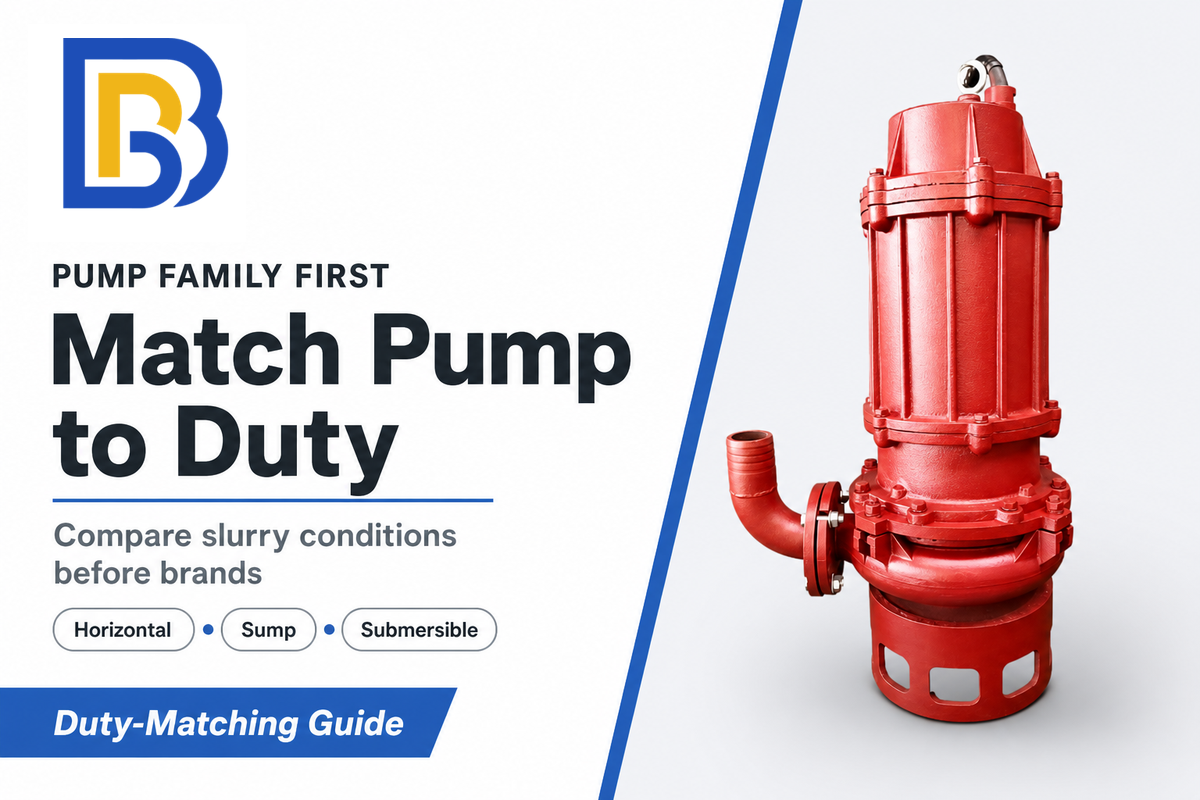
قارن عائلات المضخات قبل العلامات التجارية: فالوحدات الأفقية بالطرد المركزي والعمودية أو مضخات الحفر والغاطسة ووحدات الإزاحة الموجبة تستجيب لمهام تعدين مختلفة. ويعتمد الاختيار الصحيح على خصائص الملاط ومرحلة العملية والتركيب وإتاحة ظروف التشغيل. يحول هذا الحد قائمة الموردين الواسعة إلى قائمة مختصرة قابلة للمقارنة تقنيًا.
ما أنواع المضخات المستخدمة عادةً في قطاع التعدين؟
يُستخدم في التعدين عادةً مضخات طرد مركزي أفقية للنقل ضمن العمليات، ومضخات عمودية أو مضخات حوض للحفر، ومضخات غاطسة للتجفيف أثناء الغمر، ومضخات إزاحة موجبة مختارة للمهام ذات الموائع اللزجة. ولا يمكن استبدالها ببعضها تلقائياً: قارن كلّاً منها بالخليط الفعلي في الموقع والحدود الهيدروليكية ومتطلبات التركيب.
ابدأ بمرحلة العملية، لا بشعار المورد: فطرد المطحنة، وتغذية السيكلون، والمخلفات، ونقل المركز، والرغوة، وتغذية المرشح، والاسترجاع، وتجفيف الحفر، والتجريف تفرض قيوداً مختلفة. وتؤكد إرشادات Hydraulic Institute بشأن المواد الصلبة والملاط أن الكثافة النوعية للخليط والتركيز وخصائص الجسيمات والتآكل الكاشط مقابل التآكل الكيميائي تؤثر في نوع المضخة والمواد معاً. لذا فإن منحنى المياه النظيفة أو نطاق التدفق العام في الكتالوج يمثلان أساساً غير مكتمل للاختيار.
يكمن الخطر الذي يمكن تجنبه في اختيار وحدة تجفيف أو وحدة عمليات لمهمة تتطلب فئة مضخات مختلفة، إذ قد يضم موقع التعدين نفسه كليهما. اطلب من المورد أو المصنع استجابة رسمية لورقة بيانات المهمة، ثم تحقّق من الافتراضات الهيدروليكية وافتراضات الاختبار بأسلوب ISO مقابل المدخل الفعلي والجسيمات ونطاق التشغيل، بدلاً من الاعتماد على تسمية تطبيق عامة.
لأمثلة التهيئة، قارن بين نطاق مضخات الملاط الأفقية لدى BBP ونطاق مضخات الملاط الغاطسة لديها؛ وينبغي أن يتبع الاختيار ورقة بيانات المهمة لا اسم المنتج.
منظومة أدلة التوريد لمهام التعدين
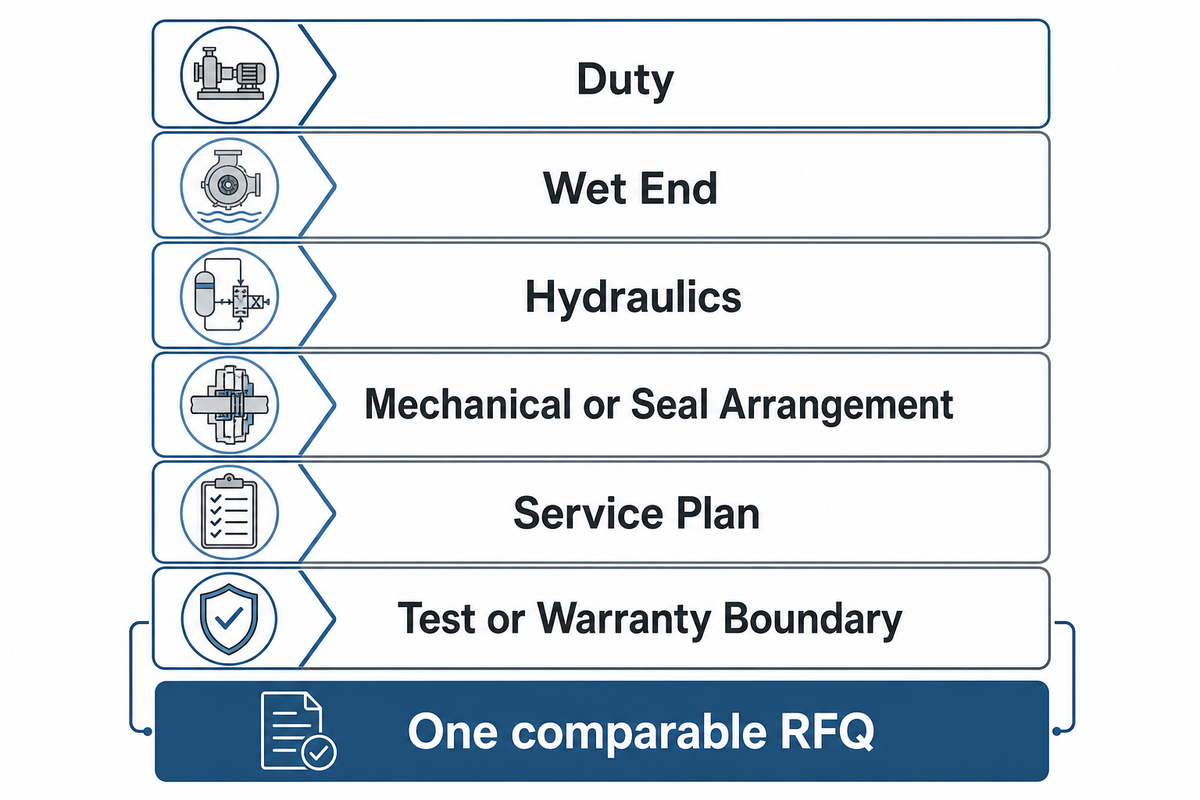
تحوّل منظومة أدلة التوريد لمهام التعدين قائمة المصنعين إلى منهج لطلب عرض السعر RFQ: سجّل المهمة، ومجموعة الأجزاء الملامسة للسائل، والهيدروليكا، والترتيب الميكانيكي أو ترتيب مانع التسرب، وخطة ظروف التشغيل، وحدود الاختبار أو الضمان. اطلع على الطبقة الهيدروليكية مع إرشادات Hydraulic Institute لهامش NPSH. ولا تكون مقارنة الموردين موثوقة إلا عندما يجيب كل مقدم عطاء عن الطبقات الست نفسها.
ما أفضل مضخة ملاط؟
لا توجد مضخة ملاط هي الأفضل على مستوى العالم. اختر التهيئة الموثقة الملائمة للخليط والمهمة النظامية المحددين، والمصحوبة بعرض سعر وضمان متوافقين، والقابلة للدعم الموثوق في الموقع. طبّق طبقات الأدلة الست نفسها على كل مصنع ضمن القائمة المختصرة:
- تعريف المهمة: نطاق التدفق، وارتفاع الضخ، وساعات التشغيل، والكثافة، وتركيز المواد الصلبة، وتوزيع أحجام الجسيمات، والشكل، والصلادة، ودرجة الحرارة، وpH، والمكونات المسببة للتآكل.
- مجموعة الأجزاء الملامسة للسائل: مواد غلاف المضخة والمكره والبطانة وبطانة عنق الغلاف؛ مع بيان ما إذا كان الخطر السائد هو الصدم أو التآكل الكاشط أو التعرية أو التآكل الكيميائي.
- الاختيار الهيدروليكي: المنحنى المقترح، ونقطة الكفاءة، وسرعة الدوران، وهامش القدرة، وظروف الشفط، وNPSH المتاح والمطلوب، بالإضافة إلى منطقة التشغيل الكاملة.
- الترتيب الميكانيكي وترتيب مانع التسرب: مقاس إطار المحمل، وعمود الدوران، وترتيب مانع التسرب أو الحشوة، وافتراضات مياه الشطف، ونظام نقل الحركة، وأجهزة القياس والتحكم.
- قطع الغيار وظروف التشغيل: الدعم المحلي أو الإقليمي، وقائمة قطع الغيار الحرجة، ومدد التوريد، والقدرة على تقديم ظروف التشغيل الميدانية، والحد الفاصل بين قطع الغيار الأصلية والقطع المتوافقة.
- القبول والضمان: إجراء الاختبار، ووسط الاختبار، والكميات المسجلة، وسماحية القبول، والاستثناءات، وبيان ما يمثله الاختبار، وما لا يمثله، للملاط الفعلي.
يمنع هذا الهيكل كتيباً مصقولاً من أن يصبح الدليل الحاسم. وينبغي للمشتري طلب مراجع ووثائق مهام قابلة للمقارنة، ثم تقييم مدى الصلة والموثوقية بدلاً من اعتبار قائمة العملاء الحالية دليلاً على الملاءمة.
تسجل ورقة المقارنة المفيدة كل افتراض لكل مورد في عمود مستقل. فعلى سبيل المثال، قد يفترض أحد مقدمي العطاء 35% من المواد الصلبة بالوزن، بينما يسعّر آخر مائعاً منخفض الكثافة؛ وقد يشمل أحدهم مياه خدمة الحشوة، بينما يفترض آخر مانع تسرب ميكانيكياً؛ وقد يعرض أحدهم مضخة مبطنة، بينما يستخدم آخر مجموعة أجزاء ملامسة للسائل معدنية. وهذه ليست فروقاً طفيفة في الصياغة. فهي تغيّر الفواقد الهيدروليكية، وآليات التآكل، والأنظمة المساعدة، وطلب القدرة، ونطاق الفحص، وأحياناً التركيب نفسه. اجعل كل افتراض ظاهراً قبل اتخاذ قرار تجاري.
اطلب من جهة اتصال فنية محددة اعتماد المنحنى المقدم وقائمة المواد. واطلب من البائع تحديد مهمة التصميم والمهمة العادية وحالة الاضطراب الممكنة؛ إذ قد تنكشف مضخة ثبت أداؤها عند نقطة واحدة فقط عند تغير الكثافة أو نقطة التشغيل. وحيث يقدم مصنع مرجعاً ميدانياً، اطلب وصفاً لعملية مماثلة بدلاً من اسم العميل وحده: نوع المواد الصلبة، ونطاق الحجم، والتركيز، وارتفاع الضخ التقريبي، وساعات التشغيل، وحدود ما يثبته المرجع فعلياً. احترم السرية، لكن لا تستبدل الأدلة ذات الصلة بجدار من الشعارات.
لإعداد قائمة مختصرة للمصنعين، قارن مضخات الملاط الأفقية المستخدمة في نقل الملاط بتقنيات المضخات البديلة اللازمة للمواد المثخنة والتجفيف والتطبيقات الصناعية الأخرى. وينبغي لمصنع المضخات توثيق تصميم المضخة واختيار السبيكة وقطع غيار المضخة البديلة لعمليات التعدين المحددة. ومصنع مضخات الملاط المناسب هو القادر على إثبات تلك التفاصيل للمهمة الفعلية، لا من يدرج المصطلحات في كتالوج فحسب.
تحذيرات المشتريات التي لا تحلها قائمة المصنعين وحدها
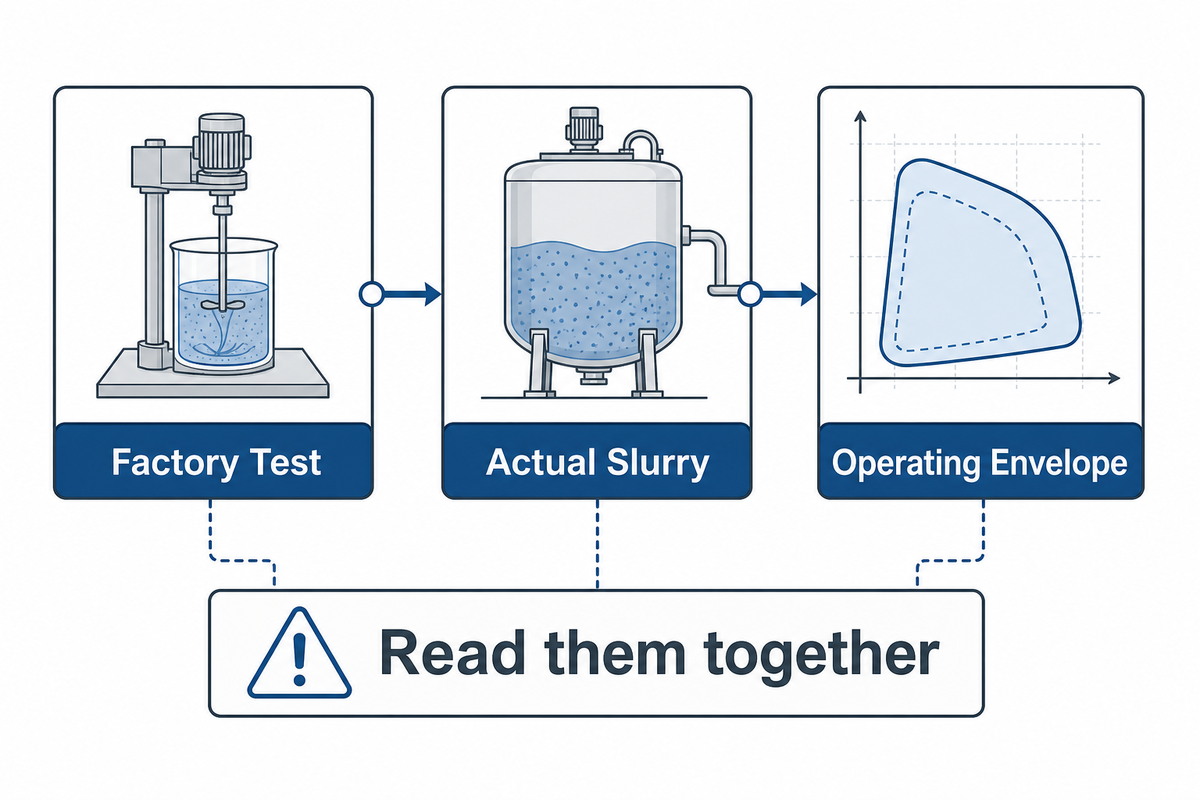
يكمن خطر التوثيق في افتراض أن اختبار المصنع الناجح يثبت جميع الظروف الميدانية. وهذا غير صحيح، لأن حد القبول وفق ISO 9906 وسجل الاختبار الرسمي يجب قراءتهما إلى جانب الملاط الفعلي ونظام الأنابيب وغلاف التشغيل. حافظ على هذا التمييز في استجابة المورد لطلب عرض السعر ومراجعة الضمان.
قد يكون اختبار القبول الهيدروليكي بالماء مرجعاً مهماً في طلب عرض السعر، لكنه لا يثبت تلقائياً أداء ملاط التعدين. ويُصاغ ISO 9906 صراحةً لاختبارات القبول الهيدروليكي لمضخات الطرد الديناميكي باستخدام سوائل تتصرف كمياه نظيفة وباردة. اسأل المورد عن كيفية تصحيح أو التحقق بطريقة أخرى من توقعات المنحنى والقدرة والتآكل لملاطكم. وأبقوا أساس اختبار الملاط ووسط الاختبار وغلاف التشغيل المضمون في عرض السعر الموقّع.
“يتطلب أي تطبيق لمضخة ملاط وصفاً كاملاً لمكونات الخليط.” Hydraulic Institute، المواد الصلبة والملاط.
تستحق ظروف الشفط والتشغيل أيضاً مراجعة محددة المسؤولية. وتميز إرشادات Hydraulic Institute بين NPSH المتاح للنظام وNPSH المطلوب الذي يقدمه المصنع، وتوضح أن المائع المضخوخ وظروف المدخل ومنطقة التشغيل والظواهر العابرة والتآكل والشيخوخة قد تؤثر في الهامش. راجع أدنى حالة موثوقة لـ NPSH المتاح عبر نطاق التشغيل بدلاً من نسخ قيمة واحدة من الكتالوج.
وأخيراً، لا تحولوا السلامة إلى مقارنة بين العلامات التجارية. فقد وثق تحقيق تاريخي لـ MSHA في منجم فحم خط طرد مسدوداً، واستمرار تشغيل مضخة الملاط، وتراكم الحرارة والضغط، وانفجاراً قاتلاً في جسم المضخة. ولا يشكل ذلك التقرير ادعاءً عن أي مصنع في هذه القائمة. لكنه تذكير بإدراج التعامل مع انسداد خط الطرد، وعزل الضغط المحتجز، والاستجابة للتشغيل غير الطبيعي، ومتطلبات سلامة الموقع المحلية في إجراء الموقع والمراجعة الهندسية.
ينبغي التحقق من النطاق التجاري بالعناية نفسها. فقد يختلف عرض السعر في المحرك، ولوحة القاعدة، وواقي الوصلة، ومانعات التسرب، ونظام مياه الحشوة، وأجهزة القياس والتحكم، والتشغيل الأولي، والتدريب، والوثائق، والشحن، والضرائب، والتغليف، وقطع الغيار لبدء التشغيل. اطلب جدولاً بالمشمولات والاستثناءات وسجل إصدار ورقة البيانات الحاكمة. وإذا احتاج المنجم إلى ضمان للعملية، فميّز هذا الالتزام على مستوى المنشأة عن اختبار القبول الهيدروليكي وضمان مكونات مصنع المضخة. ولا يستفيد أي طرف من اكتشاف نظام مساعد غير مسعّر بعد إصدار أمر الشراء.
كيفية تحويل هذه القائمة إلى طلب عرض سعر قابل للمقارنة
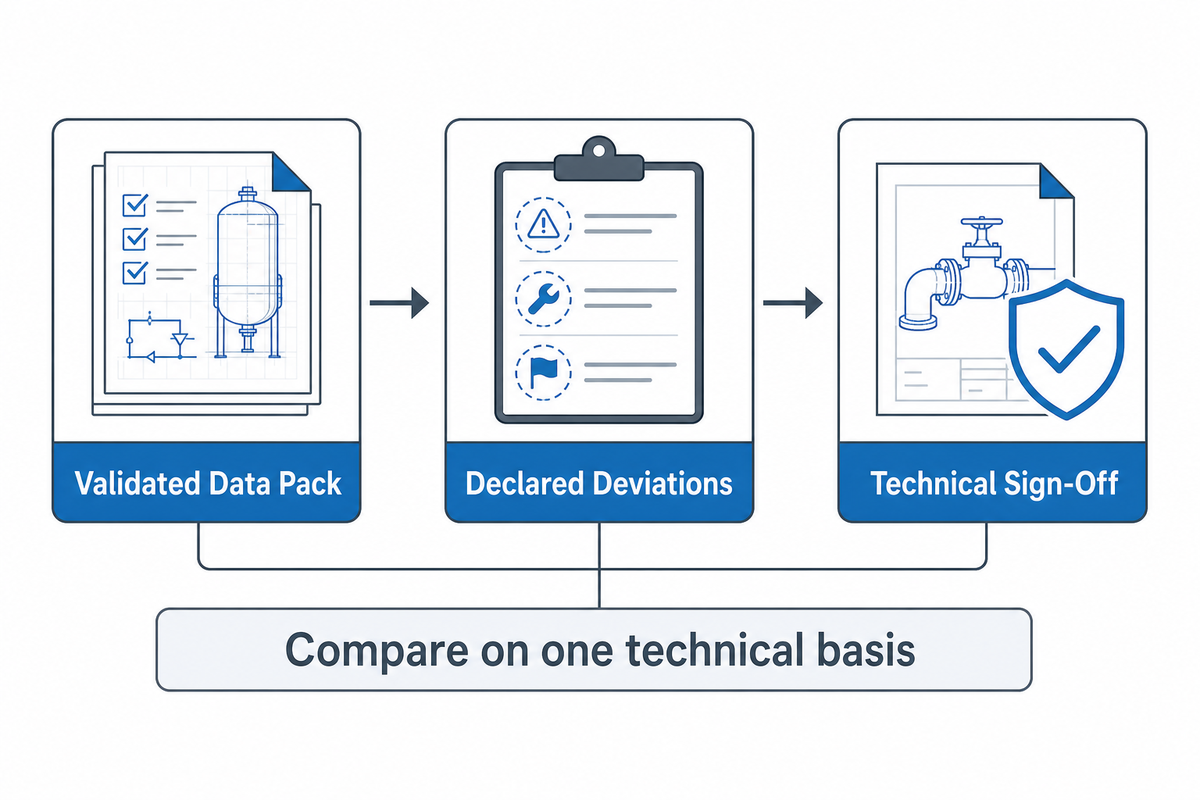
أرسلوا إلى كل مورد ضمن القائمة المختصرة حزمة البيانات المعتمدة نفسها: وصف العملية، وتركيز المواد الصلبة والكثافة، وتوزيع الجسيمات وكيميائيتها، ونطاق التدفق وارتفاع الضخ، وترتيب الشفط، وأعمال الأنابيب، ودرجة الحرارة، ودورة التشغيل، والقدرة، ورسم التركيب، والمراقبة، وتوقعات ظروف التشغيل، ووثائق الاختبار المطلوبة. حدّدوا الانحرافات المقبولة كي يمكن مقارنة كل عرض على أساس فني واحد.
اطلب من كل مقدم عطاء إعادة ورقة مهمة مكتملة، ومنحنى، وبيانات NPSH، ومواد مجموعة الأجزاء الملامسة للسائل، وخطة مانع التسرب، وبيانات المحرك، وإجراء الاختبار، واستثناءات الضمان، وشروط التسليم، وقطع الغيار الموصى بها لبدء التشغيل، ومسار دعم محدد. قارن الإجابات جنباً إلى جنب قبل مقارنة السعر. وللبدء، راجع صفحة مضخة الملاط للتعدين الداخلية لدى BBP وقائمة التحقق لطلب عرض سعر للمضخات الصناعية.
مثال لتخطيط وحدات طلب عرض السعر
الأرقام أدناه مثال للتنسيق فقط، وليست قيم تصميم موصى بها. استبدلوا كل رقم ببيانات العملية المعتمدة للمنجم، وبيّنوا ما إذا كانت حالة دنيا أو عادية أو قصوى أو حالة اضطراب. والغرض منها هو إظهار كيف يمكن لطلب عرض سعر واحد منع الغموض بشأن الوحدات بين العطاءات.
| فئة طلب عرض السعر | تنسيق خانة توضيحي فقط | سبب حاجة المورد إليه |
|---|---|---|
| معدل التدفق | 250 / 300 / 350 m³/h | يحدد نطاق التشغيل، وليس نقطة واحدة على المنحنى فقط. |
| الارتفاع الديناميكي الكلي | 45 / 55 / 65 m | يوضح المتطلبات الهيدروليكية العادية والحدّية. |
| المواد الصلبة بالوزن | تنسيق قيمة توضيحية تقريبية فقط، وليس بيانات موقع: 50% / 55% / 60% | يدعم تقييم الخليط والتآكل. |
| حجم الجسيمات | d50 80 µm; d80 150 µm; الحجم الأقصى 300 µm | يغير اختيار الممر والتآكل وفئة المضخة. |
| درجة الحرارة | 20°C / 30°C / 40°C | قد تؤثر في خصائص المائع وافتراضات مانع التسرب. |
| قدرة نظام نقل الحركة | 45 / 55 / 75 kW | يتيح لمقدمي العطاء بيان افتراضات المحرك وهامش القدرة. |
| وصلة الطرد | 150 / 200 / 250 mm | يربط اختيار المضخة بأعمال الأنابيب ومراجعة السرعة. |
| سرعة الدوران | 980 / 1,180 / 1,480 rpm | يساعد على مقارنة الآثار الهيدروليكية وآثار التآكل ونظام نقل الحركة. |
| جدول التشغيل | 12 / 16 / 24 ساعة يومياً | يحدد أساس تخطيط الصيانة وقطع الغيار. |
| ضغط الطرد | 4 / 6 / 8 bar | يدعم مراجعة الأنابيب والعزل والسلامة. |
| NPSH المتاح | 3 / 4 / 5 m | يتطلب من المورد مقارنته بـ NPSH المطلوب. |
| الحد الأدنى للممر | 20 / 25 / 30 mm | يسجل افتراض مرور الجسيمات للمراجعة. |
| حدث استجابة الصمام | 5 / 10 / 15 s | يجعل مدخلاً محتملاً للظواهر العابرة ظاهراً لجميع مقدمي العطاءات. |
| الظروف المحيطة | 10 / 20 / 30 °C | يحث على التحقق من افتراضات المحرك والغلاف والتركيب. |
| طول خط الأنابيب | 250 m | يدعم افتراضاً شفافاً لفقد الاحتكاك. |
| ارتفاع الرفع الساكن | 35 m | يفصل فرق المنسوب عن مكونات ارتفاع الضخ الأخرى. |
| القدرة المقنّنة للمحرك | 75 kW | يسجل افتراض نظام نقل الحركة المقترح. |
| ضغط دعم مانع التسرب | 2 bar | يحث على مراجعة أنظمة الحشوة أو مانع التسرب المساعدة. |
| زمن التشغيل السنوي | 8,000 ساعة | يساعد في تحديد نطاق تخطيط الصيانة وقطع الغيار. |
| حد الجسيمات الدقيقة | 0.5 mm | يجعل افتراض توزيع الأحجام ظاهراً. |
| الحد الأدنى لعمق غمر المدخل | 1.5 m | يحث على مراجعة الدوامة وظروف المدخل. |
أرفقوا إصدار ورقة البيانات ورسمًا مبسطًا للنظام وتعريف كل وحدة بطلب عرض السعر. وينبغي للمورد تحديد أي تحويل يجريه وإعادة أسماء خانات البيانات نفسها في الرد الفني. ويكون ذلك مفيداً بصفة خاصة عندما تستخدم فرق المشروع الوحدات المترية والوحدات العرفية معاً، أو عندما تكون بيانات المواد الصلبة المخبرية غير مكتملة، أو عندما تتغير مهمة التصميم أثناء التشغيل الأولي. وملاحظة شفافة تفيد بأن «المعلومات مفقودة» أفضل من تقدير غير متعقب يظهر لاحقاً بصفته شرط مهمة مضموناً.
الأسئلة الشائعة
ما الشركات التي تصنع مضخات الملاط في الولايات المتحدة؟
لدى ITT Goulds Pumps وSchurco Slurry وEDDY Pump وFlowserve وKSB GIW جميعاً تصنيع أو إرث منتجات في الولايات المتحدة. تحقّق من مصنع الطراز المحدد وموقع الإصلاح والمخزون المحلي وجهة الضمان، لأن مكتب المبيعات وشريك ظروف التشغيل ومنشأة التصنيع التزامات مختلفة. واسأل أيضاً عن الجهة التي ستقدم التشغيل الأولي وقطع الغيار الحرجة لمجموعة الأجزاء الملامسة للسائل؛ فتسميات الدول وحدها لا تقول الكثير عن مدة التوريد أو استجابة ظروف التشغيل.
ما أفضل مضخة ملاط؟
يعتمد الخيار الأفضل على المهمة، وليس حكماً عاماً على علامة تجارية. طابقوا الملاط الفعلي والتدفق وارتفاع الضخ وظروف الشفط والمواد وترتيب مانع التسرب وأساس الاختبار وخطة ظروف التشغيل مع متطلبات تشغيل المنجم. ويمكن للقائمة تحديد الموردين الموثوقين المدعوين، لكنها لا تحل محل اختيار هيدروليكي أو مراجعة للمواد أو مراجعة سلامة الموقع أو عرض سعر فني قابل للمقارنة.
ما أنواع المضخات الشائعة الاستخدام في قطاع التعدين؟
يستخدم التعدين عادةً مضخات ملاط أفقية بالطرد المركزي، ومضخات عمودية أو مضخات حوض، ومضخات غاطسة للتجفيف أو للملاط، ومضخات إزاحة موجبة مختارة. اختر الفئة المطابقة للملاط الكاشط الناتج عن العمليات، أو المخلفات، أو طرد المطحنة، أو المواد المثخنة، أو النقل من الحوض، أو التجفيف، أو التجريف في الموقع.
ما المشكلات الشائعة في مضخات الملاط؟
تشمل مجالات الخطر الشائعة تآكل الجسيمات، والتآكل الكيميائي، وتدهور البطانة أو المكره، وتسرب مانع التسرب، وتلف المحمل، والتكهف، ونقطة التشغيل غير الملائمة، والانسداد، وعدم كفاية تخطيط قطع الغيار. ولا يمكن تحديد السبب من قائمة مشكلات عامة: فكل من صلادة الجسيمات وحجمها وشكلها وتركيزها وكيمياء المائع وظروف الشفط وسرعة الدوران وتغيرات النظام أمور مهمة. سجّل المهمة وسجل التشغيل قبل طلب توصية تصحيحية. وطابق مؤشرات التشغيل المرصودة مع سجل الفحص وتغير العملية وسجل الإصلاح قبل اختيار المواد أو طلب قطع الغيار البديلة.
كيف ينبغي مقارنة عروض أسعار مصانع مضخات الملاط للتعدين؟
وحّدوا الأساس الفني قبل مقارنة الإجماليات التجارية. اشترطوا على كل مورد بيان الطراز الدقيق والمنحنى وسرعة الدوران والمواد وخطة مانع التسرب والقدرة ومتطلبات NPSH وطريقة الاختبار واستثناءات الضمان والتزام التسليم ونطاق التشغيل الأولي وتوصية قطع الغيار مقابل ورقة المهمة نفسها. وإذا غيّر مقدم عطاء افتراضاً للعملية، فسجلوه باعتباره انحرافاً. لا يمكن مقارنة السعر الأقل مباشرةً قبل مواءمة المهمة والنطاق. احتفظوا بكل انحراف معلن في عمود منفصل واحصلوا على اعتماد فني قبل الإسناد التجاري.
المراجع والمصادر
تستخدم ملفات الشركات صفحات الشركات والمنتجات المنشورة الخاصة بالمصنعين المعنيين لوصف تاريخهم ونطاقاتهم المنشور ذاتياً. وتدعم المصادر المستقلة أو الموجهة نحو المعايير التالية الحدود الهندسية وحدود المشتريات العامة للمقال:
- Hydraulic Institute: المواد الصلبة والملاط
- Hydraulic Institute: سجل معيار مضخات الملاط ANSI/HI 12.1–12.6
- Hydraulic Institute: إرشادات هامش NPSH
- Hydraulic Institute: سجل اختبار القبول ANSI/HI 14.6
- ISO 9906:2012 اختبارات قبول الأداء الهيدروليكي
- Pumps & Systems: تصحيحات الملاط لأداء مضخات الطرد المركزي
- Pumps & Systems: إحكام المحامل وصيانة مضخات الملاط
- MSHA: تحقيق تاريخي في حادث بمنجم فحم
لماذا يعمل المشترون مع BBP
حول تصنيع BBP
BBP Manufacturing Co., Ltd. هي مصنع مضخات صناعية مقرّه بكين، ويمتلك قدرات داخلية في السباكة والمعالجة الحرارية والتشغيل الآلي والتجميع والطلاء والفحص. وندعم المشاريع الصناعية في مناولة الطين ومعالجة الصرف الصحي ونقل المياه النظيفة والخدمة الكيميائية والحماية من الحريق والري وتوريد المضخات بنظام OEM.
دعمنا الهندسي
نحن نساعد المشترين الهندسيين على تحديد التكوين الصحيح للمضخة وتحديد مصدرها، وليس فقط مقارنة الأسعار. أرسل لنا معدل التدفق والرأس والوسيط ومحتوى المواد الصلبة ودرجة الحرارة وقيمة الرقم الهيدروجيني ومتطلبات المواد وظروف التثبيت. سيوصي مهندسو BBP بسلسلة المضخات وخيار المواد وأساس منحنى الرسوم والمهلة الزمنية وخطة قطع الغيار لطلب عرض الأسعار الخاص بك.
ملف الشركة // DATA_SHEET
اسم
شركة بي بي بي للتصنيع المحدودة.
اسم العلامة التجارية
بب
دولة
الصين
مقر
بكين، جمهورية الصين الشعبية
نوع العمل
مصنع مضخات صناعية
نموذج
B2B / OEM / ODM / توريد المشروع
المنتجات الرئيسية
مضخات الملاط، مضخات الصرف الصحي، مضخات الطرد المركزي، مضخات الحالة المنفصلة، المضخات متعددة المراحل، المضخات الكيميائية، مضخات الحريق، مضخات الري
القدرة التصنيعية
مسبك، معالجة حرارية، تصنيع، تجميع، طلاء، فحص
الشهادات
ايزو 9001 / سي / اس جي اس / بي في / تي يو في
وصول التصدير
90+ البلدان والمناطق
المهلة القياسية
حوالي 25 يومًا للتكوينات القياسية
شخص الاتصال
ويسلي · المبيعات الدولية
الهاتف / الواتساب
+86 182 1085 0516
بريد إلكتروني
contact@bbpmfg.com
موقع إلكتروني
https://bbpmfg.com/
عنوان
غرفة 2803، المبنى 11، المرحلة الثانية، مركز نود، منطقة فنغتاى، بكين، جمهورية الصين الشعبية