Póngase en contacto con BBP

Bomba sumergible para lodos
Bomba sumergible para lodos con agitador integrado | BBP
Bombas sumergibles para lodos de alta resistencia, diseñadas para minería, dragado y obras de construcción en general. Fabricación homologada conforme a ISO 9001 con integración vertical de principio a fin.
ISO 9001:2015
Marcado CE
Inspeccionado por SGS
ISO 14001
Solicite una oferta
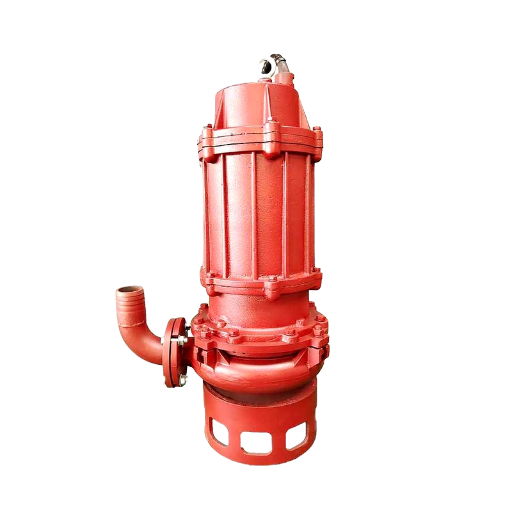

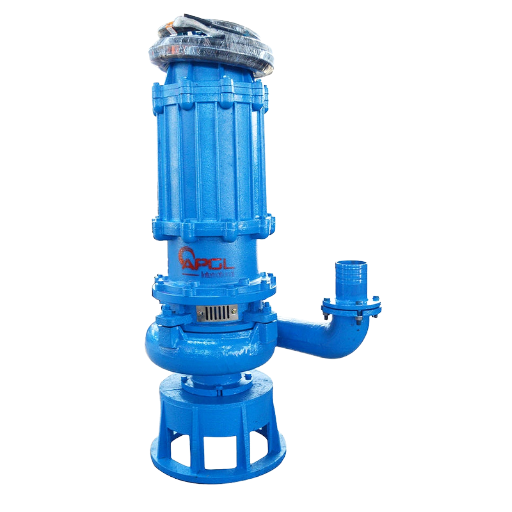
Por qué fallan las bombas estándar con lodos abrasivos y cómo lo resuelven las bombas sumergibles para lodos
Quienes trabajan en proyectos de minería, dragado y construcción pesada conocen los tres modos de fallo de las instalaciones convencionales de grupos de bombeo que bombean lodos abrasivos.
Problema 1: desgaste rápido del impulsor y la carcasa
Las bombas centrífugas estándar utilizan componentes internos de hierro fundido convencional. En servicio con lodos —arena de sílice, finos de mineral, cenizas de carbón— dichos componentes se erosionan en pocas semanas. Le siguen la reducción del caudal, el aumento del consumo de potencia y las paradas de emergencia. Cada parada no planificada suele costar $3.000–$12.000 solo en producción perdida.
Problema 2: obstrucciones frecuentes por sólidos sedimentados
Una bomba horizontal para lodos se instala por encima del nivel del líquido y depende de la altura de aspiración. Cuando los sólidos se sedimentan en el pozo de bombeo o la fosa, las tuberías de aspiración se obstruyen. Los operarios recurren a la agitación manual o añaden una bomba agitadora secundaria específica; ambas opciones incrementan el coste y la complejidad. En las minas, más del 60 % de las emergencias de bombeo en pozos se atribuyen a obstrucciones causadas por la acumulación de lodo.
Problema 3: fallo del cierre mecánico por funcionamiento en seco
Los niveles de líquido pueden descender por debajo de la toma de aspiración de la bomba en condiciones irregulares del pozo. Los cierres mecánicos convencionales se sobrecalientan rápidamente en condiciones de funcionamiento en seco, lo que provoca fugas catastróficas totales. La sustitución de un conjunto de cierre averiado requiere 4-8 horas de trabajo de un técnico cualificado, suponiendo que haya repuestos disponibles.
Cómo una bomba sumergible para lodos aborda cada modo de fallo
Una bomba sumergible para lodos funciona completamente inmersa en el propio lodo. El motor y la parte hidráulica se integran coaxialmente en una única carcasa sellada: sin cierres de eje expuestos, sin tuberías de aspiración ni necesidad de cebado. Como la bomba se sitúa en el fondo del pozo, aspira directamente la mezcla sólido-líquido de alta concentración sin las limitaciones de altura de aspiración que restringen las alternativas instaladas en superficie.
Estas bombas están diseñadas para resolver cada problema mediante soluciones de ingeniería específicas. Por ejemplo, los impulsores y placas de desgaste de aleación de alto cromo Cr27 son 2-3x más resistentes a la abrasión que el hierro fundido. Nuestro agitador integrado estándar, montado en la parte inferior, resuspende los sólidos antes de su llegada a la toma de aspiración de la bomba, evitando así el ciclo de obstrucción. Además, nuestro sistema de doble cierre mecánico de SiC, con aislamiento de motor de clase H, soporta el funcionamiento ocasional en seco.
Resultado neto: menor tiempo de parada planificado, intervalos de mantenimiento más prolongados y una bomba que se adapta realmente a los requisitos de las aplicaciones de achique abrasivas.
Serie de bombas sumergibles para lodos BBP: modelos, especificaciones y guía de selección
La serie QSZ cubre toda la gama de aplicaciones de bombeo sumergible de lodos, desde unidades compactas de 4kW hasta modelos de alta resistencia de 250kW. Todos los modelos QSZ se suministran con un impulsor de alto cromo Cr27 y un agitador integrado estándar. Hay disponibles opciones de accionamiento eléctrico o hidráulico. Cada bomba se somete en fábrica a una prueba hidráulica conforme a ANSI/HI 12,1-12,6 antes del envío.
Conocer sus caudales, altura manométrica total y propiedades del lodo es el punto de partida para el dimensionamiento de la bomba; las tablas siguientes aportan la estructura y nuestros ingenieros se ocupan de los detalles.
Bomba sumergible para lodos QSZ: datos de rendimiento
Modelo
Impulsión (mm)
Caudal (m³/h)
Altura manométrica (m)
Potencia (kW)
Partícula máxima (mm)
QSZ50-15-4
80
19
15
4 (1400 r/min)
11
QSZ50-22-11
80
50
22
11 (1400 r/min)
21
QSZ80-30-15
100
80
30
15 (1400 r/min)
13
QSZ100-15-15
100
100
15
15 (1400 r/min)
21
Modelo
Impulsión (mm)
Caudal (m³/h)
Altura manométrica (m)
Potencia (kW)
Partícula máxima (mm)
QSZ150-25-22
150
150
25
22 (1400 r/min)
28
QSZ200-25-37
150
200
25
37 (1400 r/min)
28
QSZ300-25-45
200
300
25
45 (1400 r/min)
42
QSZ400-30-55
200
400
30
55 (1400 r/min)
42
QSZ500-30-75
250
500
30
75 (1400 r/min)
50
Modelo
Impulsión (mm)
Caudal (m³/h)
Altura manométrica (m)
Potencia (kW)
Partícula máxima (mm)
QSZ800-30-110
300
800
30
110 (1400 r/min)
50
QSZ1000-30-160
300
1000
30
160 (1400 r/min)
50
QSZ1500-25-200
350
1500
25
200 (1400 r/min)
56
QSZ2000-15-250
400
2000
15
250 (1400 r/min)
56
La gama completa incluye 75+ configuraciones con salida de 80mm a 400mm. Contacte con BBP para obtener el catálogo completo.
Matriz de selección de aplicaciones → modelos
Achique de pozos mineros
Serie QSZ100–QSZ300
El agitador integrado evita la sedimentación en los pozos
Dragado de ríos y lagos
Serie QSZ500–QSZ2000
Alto caudal + paso de partículas grandes de hasta 56mm
Achique en obras de construcción
Serie QSZ50–QSZ100
Tamaño compacto, despliegue rápido, instalación en 1–2 días
Trasiego de aguas residuales y lodos
Serie QSZ150–QSZ400
El agitador maneja lodo sedimentado; cierres resistentes a productos químicos
Pozo minero profundo (>30m de altura manométrica)
Modelos QSZ con altura manométrica nominal de 30–80m
Altura manométrica máxima para aplicaciones de elevación vertical
Análisis técnico en profundidad
Agitador integrado estándar
Todas las bombas sumergibles para lodos QSZ incluyen un agitador integrado estándar montado en la parte inferior; no es un complemento opcional. Situado bajo el impulsor, el agitador incrementa los niveles de energía cinética de los sólidos en las capas de sólidos sedimentados frente a la toma de aspiración de la bomba y resuspende las partículas en un lodo bombeable. No se requiere equipo de agitación externo y la sedimentación, vinculada al tiempo de parada de la bomba, se reduce 35-50 %, lo que reduce directamente los modos de fallo responsables de más del 60 % de las paradas no planificadas de bombas en pozos mineros. Como el agitador comparte el mismo eje del motor que el impulsor, no hay equipos adicionales que mantener: ni rodamientos de bomba, ni cierres ni componentes de accionamiento. Para lodos con alto contenido de sólidos (<1.5 S.G.), la acción del agitador está optimizada para maximizar la altura manométrica de retención del impulsor.
Especificaciones
Opciones de materiales y compatibilidad química
Los componentes estándar de la parte húmeda QSZ —impulsor, carcasa, anillo de desgaste y placa de aspiración— se funden en aleación de alto cromo (Cr26–Cr28, HRC 58–63) para lograr la máxima resistencia a la abrasión. Esta configuración maneja lodos con pH 5–12. Para entornos muy ácidos o alcalinos (pH 1–14), suministramos bajo pedido piezas húmedas de aleación especial o revestidas de caucho. La cámara de aceite utiliza una disposición de retén radial y cierre mecánico con diseño de equilibrado de presión, que iguala la presión interna y externa de la cámara de aceite para prolongar la vida útil del cierre bajo inmersión continua.
Minería, dragado y construcción: cómo las bombas BBP reducen el tiempo de parada y prolongan la vida útil frente al desgaste
Cuatro usos industriales principales impulsan la demanda de bombas sumergibles para lodos. Cada aplicación presenta requisitos de rendimiento específicos, y no cumplirlos puede poner de manifiesto diversas deficiencias del sistema de bombeo. Aquí mostramos las dimensiones de una operación fiable en cada uso principal.
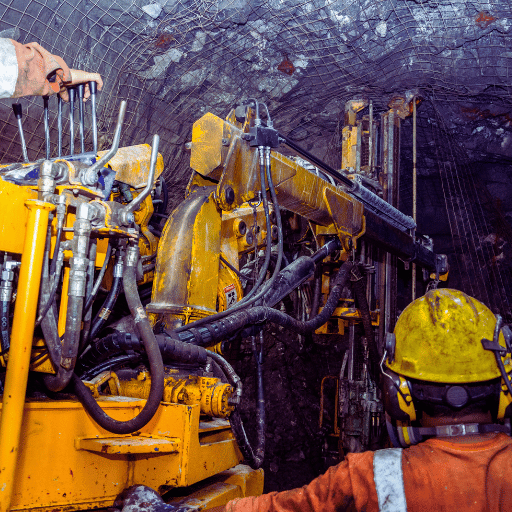
Achique de pozos mineros
Las minas subterráneas y a cielo abierto producen pulpa de mineral abrasiva con una concentración de sólidos del 45-55 %. Las bombas BBP de la serie QSZ100–QSZ300, con agitador integrado estándar, evitan la acumulación en el pozo donde los estériles finos se sedimentan continuamente. Nuestro impulsor de alto cromo Cr27 soporta los impactos de finos de cuarzo y mineral de hierro. Hemos instalado bombas para servicio 24/7 en minas de cobre, oro y carbón; tan solo una hora de parada de la bomba puede detener todo un circuito de extracción de mineral.
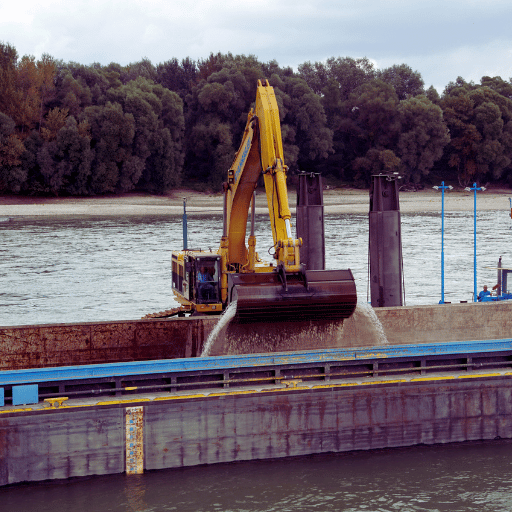
Dragado y extracción de arena
El dragado de ríos y lagos implica arena abrasiva, grava y residuos de hasta 56 mm de diámetro. Los modelos BBP QSZ500–QSZ2000 de alta resistencia ofrecen una gran capacidad de hasta 2.400 m³/h, combinada con piezas de desgaste duraderas y rendimiento centrífugo, para profundidades de trabajo de hasta 80 m en dragas sobre barcaza, pontón, trimarán o tierra.

Achique en obras de construcción
Las fosas de excavación, bocas de túnel y zanjas de cimentación —húmedas o secas— generan cantidades irregulares de lodo contaminado que se mueve a un caudal insuficiente para su manejo. Las bombas de la serie compacta BBP QSZ50–QSZ100 requieren una elevación con grúa, una conexión con gancho de soldador y la estación queda lista para funcionar en cuestión de minutos. Las unidades ligeras se colocan sobre plataformas planas. Los motores de clase H aptos para funcionamiento en seco soportan los frecuentes cambios de NPSH típicos de los proyectos de achique.
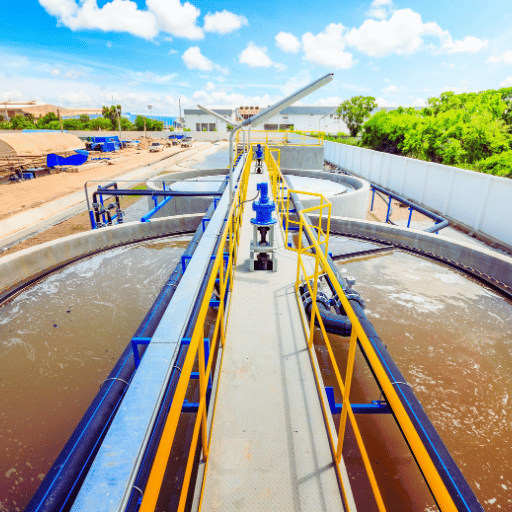
Trasiego de aguas residuales y lodos
Las plantas de tratamiento municipales e industriales gestionan cargas variables de lodos y residuos. Nuestras bombas sumergibles para lodos, con agitador, son adecuadas para todas las condiciones de manejo de lodos, incluida la aplicación sumergida en la cuba de aireación y la etapa de clarificación secundaria del proceso. Nuestro doble cierre mecánico de SiC evita la salida de contaminación al medio ambiente.
Bomba sumergible para lodos frente a bomba horizontal: comparación de rendimiento basada en datos
Decidir entre una bomba sumergible para lodos y una bomba horizontal para lodos tiene implicaciones para su coste total de propiedad; no es simplemente una comparación de fichas técnicas. La mejor elección depende de sus requisitos de caudal y altura manométrica, las limitaciones de su instalación y su infraestructura de mantenimiento. Esta es una comparación de las principales dimensiones de rendimiento que influyen en el coste total de propiedad.
| Dimensión de rendimiento | Bomba sumergible para lodos | Bomba horizontal para lodos |
|---|---|---|
| Rendimiento operativo | 82–88 % (<500 m³/h) | 78–90 % (>500 m³/h) |
| Tiempo de instalación | 1–2 días (no se requiere sala de bombas) | 5–7 días (requiere cimentación + alineación) |
| Coste anual de mantenimiento | 8–12 % del coste del equipo | 5–8 % del coste del equipo |
| Vida útil típica | 16–24 meses | 24–32 meses |
| Manejo de lodos | Agitador integrado (35–50 % menos sedimentación) | Requiere equipos auxiliares |
| Profundidad máxima de inmersión | Hasta 80 m | Solo instalación a nivel del suelo |
| Requisito de espacio | Mínimo (sin sala de bombas) | Importante (bomba + motor + tuberías + cimentación) |
| Protección contra funcionamiento en seco | Motor de clase H, apto para funcionamiento en seco | Requiere sistema de protección externo |
Cuándo elegir una bomba sumergible frente a una horizontal
Una bomba sumergible para lodos resulta preferible cuando necesita un caudal inferior a 500 m³/h, su instalación tiene limitaciones de espacio —minas subterráneas, zonas de construcción congestionadas, dragado sobre barcaza o emplazamientos remotos y aislados—, prevé bombear desde niveles profundos de líquido o la sedimentación es una variable independiente en su operación. En cada caso, eliminar la sala de bombas, las tuberías de aspiración y los procedimientos de alineación de ejes genera ahorros operativos en instalación y puesta en marcha que a menudo compensan la diferencia de coste del equipo durante el primer ciclo del proyecto.
Una bomba horizontal para lodos resulta preferible cuando necesita un caudal superior a 500 m³/h, su operación se mantendrá durante años en una ubicación fija y dispone de acceso a nivel del suelo para el mantenimiento diario. Las bombas horizontales ofrecen una vida útil más larga y un menor porcentaje de coste de mantenimiento durante el ciclo de vida al calcular el mantenimiento anual sobre el valor del equipo, lo que favorece las operaciones continuas a largo plazo, como las plantas de procesamiento de minerales.
Mantenimiento y arquitectura
Una preocupación frecuente es: "las bombas sumergibles son más difíciles de mantener porque hay que elevar la unidad". En realidad, las bombas sumergibles para lodos BBP incorporan un diseño modular de parte húmeda. El impulsor, la placa de desgaste y el agitador pueden sustituirse in situ sin desconectar el motor ni el cable. Tiempo necesario para sustituir la parte húmeda: 2-4 horas. Compárelo con los 5-7 días de instalación y la alineación precisa del eje necesaria tras cualquier reparación importante de una bomba horizontal. Para operaciones que requieren maximizar la disponibilidad por encima de la vida útil absoluta, la arquitectura sumergible suele ser preferible.
No hay una única respuesta aplicable a todas las arquitecturas de bombas centrífugas. Si su tiempo de parada se debe a fallos del motor por funcionamiento en seco, fugas del cierre de eje o altura manométrica total limitada, el diseño sumergible elimina esas causas raíz mediante su arquitectura.
¿Desea analizar los detalles de su aplicación?
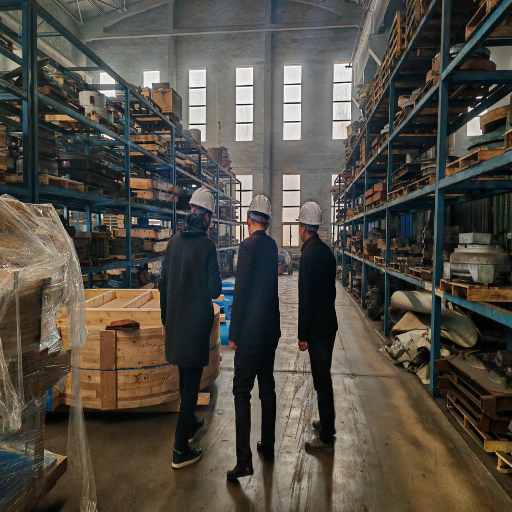
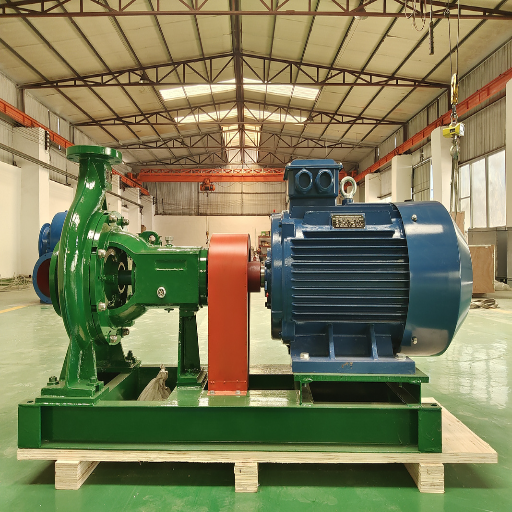
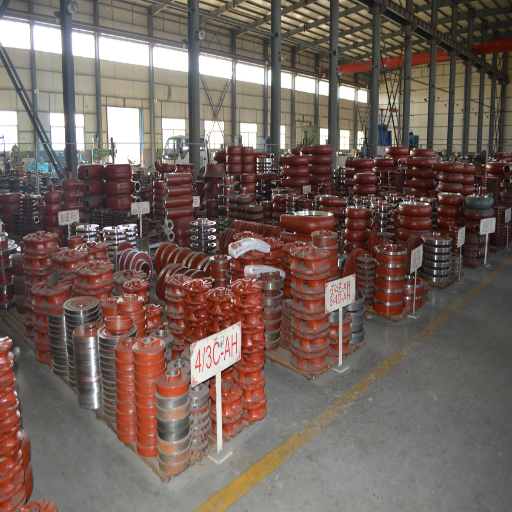
Solicite una comparación personalizada →Instalación avanzada de fabricación de repuestos para bombas de lodos





×
![Certificación ampliada]()
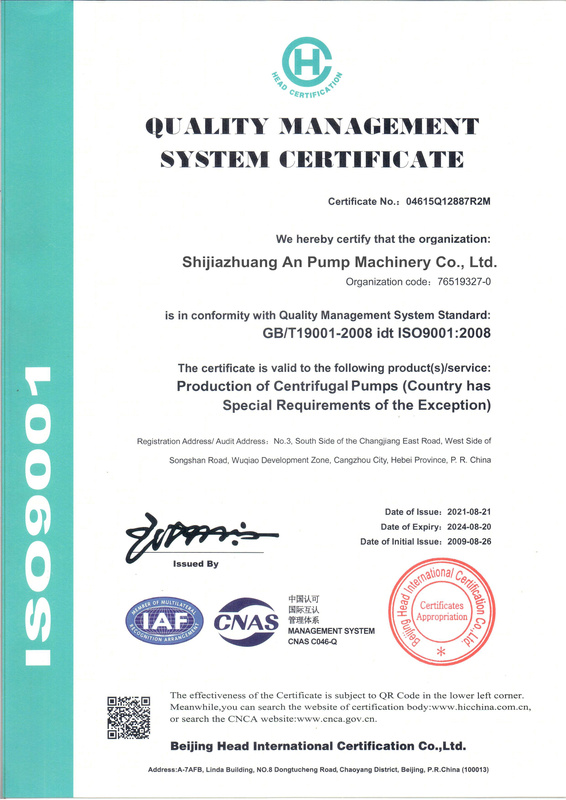
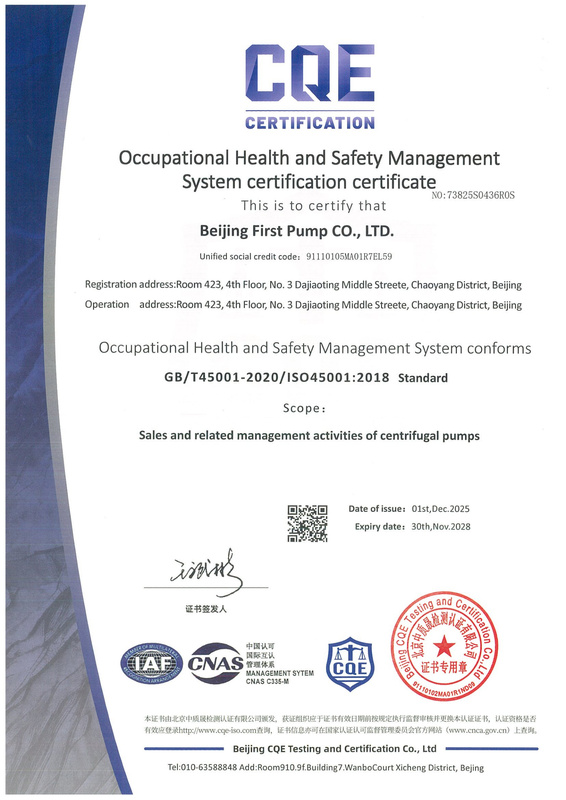
Fabricación certificada ISO 9001 de bombas sumergibles para lodos: de la fundición a los ensayos
Somos un fabricante que produce sus propias bombas. Nuestra fábrica abarca toda la cadena de producción: fundición, tratamiento térmico, soldadura, mecanizado CNC, montaje, revestimiento y ensayos de aceptación al final de la línea. Podemos atribuir cualquier pieza de una unidad terminada a un número de colada, mejorando la calidad, reduciendo los VOC y definiendo las variables de control del proceso para cada montaje.



Proceso de producción: seis etapas controladas
Fundición
Hierro de alto cromo Cr27 vertido en nuestra propia fundición. Cada colada se somete a muestreo de composición química y microestructura.
Tratamiento térmico
Ciclo controlado de temple y revenido para alcanzar la dureza objetivo (HRC 58–63) de resistencia a la abrasión.
Mecanizado CNC
Mecanizado de precisión de los perfiles del impulsor, el alojamiento de la voluta y las superficies de cierre conforme a las tolerancias dimensionales ANSI/HI.
Montaje
Integración del motor, instalación del cierre y cableado. Cada unidad la monta el mismo equipo de técnicos que probó el prototipo.
Revestimiento
Revestimiento epoxi conforme a ISO 12944-2:2017 para protección contra la corrosión en servicio sumergido y en zona de salpicaduras.
Ensayos de presión
Ensayo de rendimiento hidráulico conforme a ANSI/HI 12,1–12.6. Ensayos de aislamiento del motor y fugas conforme a IEC 60335-2-41.
Trazabilidad de materiales
Cada lingote de aleación se verifica mediante espectrómetro portátil antes de la fundición. Todas las piezas fundidas se someten a análisis espectroscópico, inspección dimensional conforme a ANSI/HI 12,1-12.6 y ensayos finales de aceptación hidráulica. Esta disciplina de trazabilidad, aplicada a cada colada de aleación Cr27, explica por qué nuestras piezas de desgaste ofrecen de forma constante la vida útil esperada.
Aviso para compradores
Podemos trazar todo el ciclo de vida, desde el estado de fundición en bruto hasta el producto terminado; el rendimiento de la bomba en el envío se validará mediante el certificado de ensayo de materiales(MTC) y el informe de ensayo hidráulico basado en la norma HI. Si su proceso de recepción también requiere una inspección de terceros aprobada por ISO/ABS, también realizamos en nuestra fábrica inspecciones en puntos de parada de SGS, Bureau Veritas y TUV.
Precio, plazo de entrega y asistencia posventa de bombas sumergibles para lodos
Factores que determinan el precio de las bombas sumergibles para lodos
Ofrecemos precios variables para bombas sumergibles para lodos según la configuración. Los principales factores de precio son, de mayor a menor: diseño de bomba sumergible o de montaje horizontal, potencia del motor en caballos de vapor (HP), tipo de impulsor —alto cromo Cr27 u opción revestida de caucho—, disposición del cierre mecánico —doble o triple— y accesorios asociados —dispositivo agitador, variador de frecuencia(VFD), sensores etc..—.
Rangos de precios sectoriales de bombas sumergibles para lodos:
Sumergible pequeña
(5–15 HP) $5.000–$15.000Sumergible mediana
(15–50 HP) $15.000–$50.000Sumergible de alta resistencia
(50–150 HP) $50.000–$150.000Estos valores son referencias de mercado habituales y pueden variar. Su oferta final dependerá de su aplicación concreta y de los parámetros de configuración.
Plazo de entrega y repuestos
Las configuraciones estándar QSZ se envían desde existencias; contacte con nosotros para obtener una estimación concreta del plazo de entrega según su modelo y cantidad. Las configuraciones personalizadas requieren tiempo adicional de ingeniería y producción, que estimaremos tras revisar sus especificaciones.
Otra cuestión que preocupa a los equipos de compras con un fabricante chino es: “¿Llegan los repuestos a tiempo?”. Como uno de los principales fabricantes chinos de bombas para lodos, BBP mantiene siempre existencias a largo plazo de categorías de repuestos de alto desgaste: impulsor, revestimiento interior, cierre y kit de conjunto agitador. La supervisión del estado de la parte húmeda y la planificación del mantenimiento incluyen la disponibilidad preposicionada de reparaciones críticas en sus instalaciones, de modo que su periodo de parada se reduce de días a horas.
Asistencia posventa
- Diagnóstico remoto: asistencia por videoconferencia 24/7 para la resolución de problemas de condiciones de funcionamiento, análisis de vibraciones y supervisión del estado del cierre
- Servicios de instalación in situ: supervisión por un técnico de BBP durante la puesta en marcha de la primera unidad (aplicación por encima del umbral)
- Formación de mantenimiento: formación in situ para desmontar la parte húmeda, inspeccionar el estado del cierre y reparar el agitador, para que reduzca su dependencia de nosotros en la operación rutinaria
Herramientas de ingeniería y selección
Calculadora de coste total de propiedad
Bomba sumergible frente a bomba horizontal para lodos: comparación lado a lado
Abrir calculadora →Calculadora de dimensionamiento de bombas para lodos
Introduzca los parámetros de su sistema para determinar los requisitos de la bomba
Iniciar dimensionamiento →Preguntas frecuentes sobre bombas sumergibles para lodos
Empiece por estos cuatro parámetros: caudal (GPM o m/h), altura manométrica —incluida la elevación vertical total y el factor de fricción de las tuberías—, lodo —porcentaje de sólidos, distribución del tamaño de partícula y gravedad específica— y entorno —perfil de inmersión, temperatura y ambiente corrosivo—; contacte con el fabricante de bombas y solicite un cálculo de dimensionamiento/informe de viabilidad con una curva de rendimiento. Analizamos los datos de funcionamiento requeridos frente a toda la gama de la serie QSZ, desde la compacta QSZ50 hasta la QSZ2000 de alta resistencia, para encontrar la mejor opción y evitar que compre de más o de menos.
Una bomba sumergible para lodos está diseñada para trabajar con sólidos abrasivos: arena, grava, finos de mineral y similares, que desgastan la mayoría de los materiales basados en aleaciones y cobre en pocos días. Una bomba de lodo, por el contrario, está diseñada para trabajar con material viscoso: aguas residuales, biosólidos y similares, donde la viscosidad es el factor limitante, en lugar de la abrasividad. A nivel de componentes, la diferencia está en el material del impulsor: aleación de alto cromo (Cr27, 26 % de cromo, por encima de HRC50.) o revestimiento de caucho para lodo abrasivo; hierro fundido, acero inoxidable fundido y similares para lodo. Si la aplicación implica arena, sólidos minerales o material de excavación, se trata de una bomba para lodos.
Sí, con límites. Nuestras bombas sumergibles para lodos incorporan motores con aislamiento de clase H y cierres mecánicos de SiC que toleran el funcionamiento intermitente en seco sin daños. Pero ninguna bomba debe funcionar continuamente en seco, ya que el líquido actúa tanto como medio de refrigeración como lubricante. Para niveles de líquido fluctuantes, instale un interruptor de nivel como sistema de seguridad.
El proceso de especificación consta de cuatro pasos: (1) establecer el caudal sólido-líquido en agua limpia, (2) calcular la altura manométrica total sumando la altura estática de aspiración a la fricción de las tuberías y la altura manométrica de los accesorios, (3) aplicar los factores de corrección para lodos; la gravedad específica y el tamaño de partícula determinarán la potencia necesaria por unidad de caudal: cuanto más denso sea el lodo, mayor será la potencia necesaria para moverlo, (4) seleccionar el modelo de bomba con el punto de mejor rendimiento, o BBP, que debe situarse dentro del 80-110 % del punto de funcionamiento. Sobredimensionar una bomba de lodos es tan perjudicial como infradimensionarla: la bomba funciona muy alejada del BBP, lo que acelera el desgaste del impulsor y aumenta el consumo de energía.
Hay cinco factores inherentes comunes a todos los casos de desgaste acelerado: (1) funcionar muy alejada del BBP, (2) seleccionar incorrectamente el material del impulsor en relación con la química del lodo, (3) la velocidad de las partículas a lo largo del álabe del impulsor, (4) la cavitación, que se produce cuando no hay NPSH disponible suficiente, (5) funcionar con cierres mecánicos averiados, lo que permite que el lodo abrasivo entre en el alojamiento de los rodamientos. La inspección periódica de la holgura del impulsor y de las placas de desgaste permite identificar las piezas desgastadas antes de que se produzca una cascada de averías.
Para lodos muy abrasivos con una gravedad específica superior a 1.4 y una amplia distribución de tamaños de grano, el impulsor abierto o semiabierto de hierro de alto cromo es el más adecuado para la aplicación; una aleación con alrededor del 26 % de cromo (HRC58-63) equilibra el rendimiento hidráulico y la resistencia a la abrasión. Los impulsores revestidos de caucho gestionan lodos ácidos de grano fino mucho mejor que el cromo. Los modelos BBP QSZ de alta resistencia están disponibles en ambas opciones; base de acero al cromo con revestimiento interior de caucho instalado en fábrica.
Hasta 80 metros. Por encima de 30m de profundidad, recomendamos los modelos QSZ de alta altura manométrica (nominal 30–80m), con cierres mecánicos triples de SiC y prensaestopas de cable reforzados para soportar el aumento de la presión hidrostática.
Los principales fabricantes son KSB, Eimco (Weir Minerals), Glowne Houpy (Metso), Tsurumi y BBP. No especifique simplemente un fabricante por su nombre. Debe saber lo siguiente: (1) certificados de ensayos metalúrgicos para el material del impulsor y las piezas de desgaste, (2) resultados de ensayos hidráulicos de fábrica conformes con ANSI/HI 12,1-12.6, (3) existencia de una instalación de referencia con una aplicación y lodo similares, (4) disponibilidad local de las piezas de repuesto correctas, (5) si el fabricante cuenta con la certificación ISO 9001 y acceso para inspectores externos. BBP fabrica el impulsor y las piezas de desgaste mediante su propia fundición y proceso de mecanizado.
Obtenga la bomba sumergible para lodos adecuada para su aplicación
Envíenos sus especificaciones de caudal, altura manométrica y lodo. En un plazo de 48 horas, nuestros ingenieros le responderán con un paquete detallado de selección de bomba que incluye curvas de rendimiento.
Solicite una ofertaTendencias actuales