تواصل مع BBP

شهادة الأيزو 9001
مضخة الطين الثقيلة
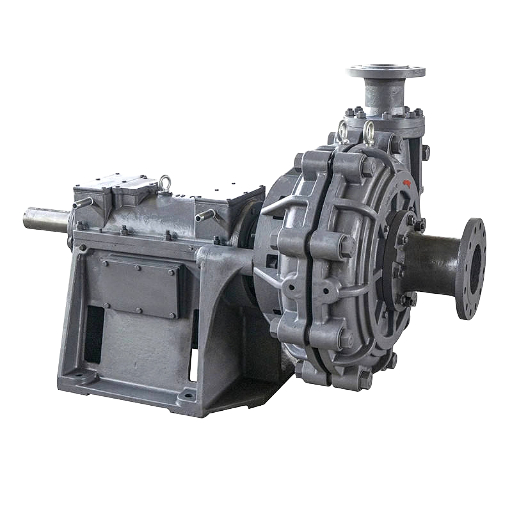
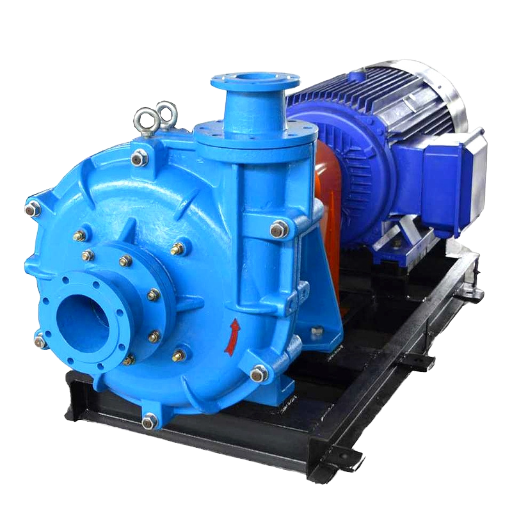
مضخة الملاط شديدة التحمل ذات رأس مرتفع وتدفق كبير للتعدين والاستخدام الصناعي
قم بنقل الملاط الكاشط عالي الكثافة بمعدلات تدفق من 36 إلى 2800 متر مكعب في الساعة (سلسلة AMG) أو ما يصل إلى 30000 متر مكعب في الساعة (سلسلة تجريف AWN)، برؤوس تصل إلى 80 مترًا. تم بناء مضخات الملاط الثقيلة BBP على النيكل - تعدين سبائك الكروم الصلبة عالية الكروم (> 550 BHN)، مدعومة بالتصنيع المعتمد من ISO 9001 وعقدين من النشر الميداني في تطبيقات التعدين والتجريف والركام والطاقة.
- مواد: سبيكة NI الصلبة> 550 BHN
- تحمل الحياة: >50000 ساعة (LB10)
- الحضور العالمي: 6 قارات
- نطاق التدفق
- 36 بوصة 2800 م³/ساعة (AMG)
- ماكس هيد
- حتى 80 م
- التعامل مع المواد الصلبة
- ممر يصل إلى 241 ملم
عندما تفشل المضخات القياسية، لماذا تحتاج إلى مضخة ملاط شديدة التحمل
مضخة الملاط هي مضخة طرد مركزي مصممة لتحريك سائل الملاط المحتوي على مواد صلبة معلقة على طول المخلفات المعدنية الدقيقة أو كثافة تكتل الحصى الخشنة التي من شأنها أن تقضي على مضخة المياه في غضون أسابيع. لا، إنها ليست مجرد جدران أكثر سمكًا؛ مضخة الملاط هي حصان مختلف تمامًا عن مجموعة جديدة تمامًا من خيول التصميم الهيدروليكي وعلوم المواد وهندسة الفقمة.
تفشل مضخات الطرد المركزي القياسية في خدمة الملاط لأنها لم تكن مصممة لها أبدًا. يمكن التنبؤ بأوضاع الفشل: يؤدي تآكل المكره إلى تخفيف الريش حتى تنخفض الكفاءة إلى ما دون العتبات القابلة للاستخدام. تتسرب أختام العمود تحت ملامسة الجسيمات الكاشطة، مما يؤدي إلى تلوث المحامل وفشل كارثي. يؤدي تآكل الغلاف إلى إعادة تدوير داخلية تهدر الطاقة أحيانًا 15.20% من طاقة الإدخال str مع تقليل ضغط التفريغ. يؤدي الانسداد عند مداخل الشفط إلى إيقاف تشغيل دوائر العملية بأكملها.
تعالج مضخات الملاط الثقيلة BBP كل نقطة من نقاط الفشل هذه من خلال اختيار المواد والتصميم الهندسي. يتم صب مكونات النهاية الرطبة لدينا (الدفاعات وبطانات الحلزونات وشجيرات الحلق (N08HC) من سبيكة Ni-hard عالية الكروم (N08HC) بصلابة تتجاوز 550 BHN، مما يوفر مقاومة للتآكل أكبر مرتين بمقدار 4 مرات من الحديد الأبيض القياسي. يولد نظام ختم الطارد حاجز طرد مركزي يمنع الملاط من الوصول إلى تعبئة العمود، مما يزيل السبب الوحيد الأكثر شيوعًا لإيقاف تشغيل المضخة غير المخطط لها. تتعامل ممرات التدفق الواسعة وهندسة الريشة العدوانية مع المواد الصلبة حتى 241 مم دون انسداد، مما يحافظ على التشغيل الموثوق به في أقسى بيئات المعالجة.
عمليات إيقاف تشغيل أقل، وفترات زمنية أطول بين استبدال أجزاء التآكل، ونوع المتانة التي تحافظ على الأداء الهيدروليكي المتسق طوال عمر الخدمة لكل مجموعة من الأجزاء الرطبة. في تجربتنا في خدمة عمليات التعدين عبر 6 قارات، فإن المضخة التي تستمر في العمل تستحق أكثر من المضخة التي تكلف أقل.
استخدمنا مضخات الملاط في التعدين (تغذية الأعاصير، وتفريغ المطاحن، ونقل المخلفات)، والمعالجة الإجمالية (غسل الرمل والحصى، والتصنيف)، وتوليد الطاقة (ملاط الجير FGD، ومعالجة الرماد)، ومعالجة مياه الصرف الصحي (نقل الحمأة، وتغذية نزح المياه). وكان لكل من هذه التطبيقات متطلبات مختلفة لخصائص مقاومة التآكل والتآكل مقابل الكفاءة الهيدروليكية، وهو أمر غالبًا ما يتم الخلط بينه في حجم واحد يناسب الجميع.
سلسلة مضخات الملاط الثقيلة BBP نماذج ودليل الاختيار
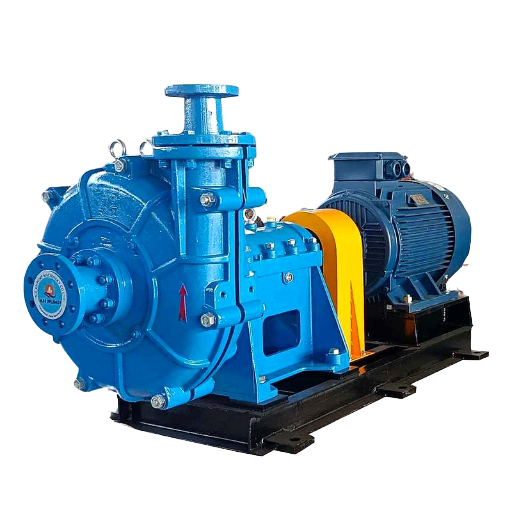
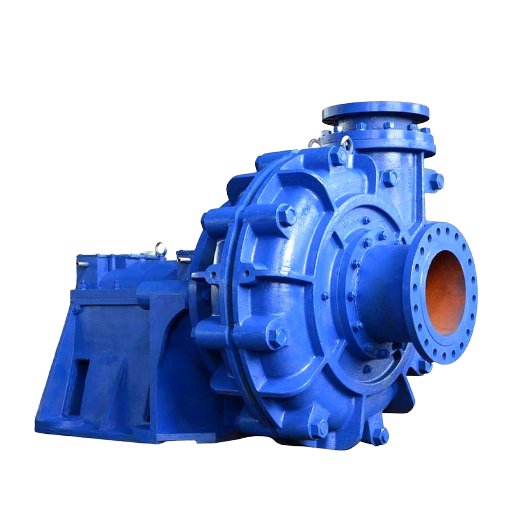
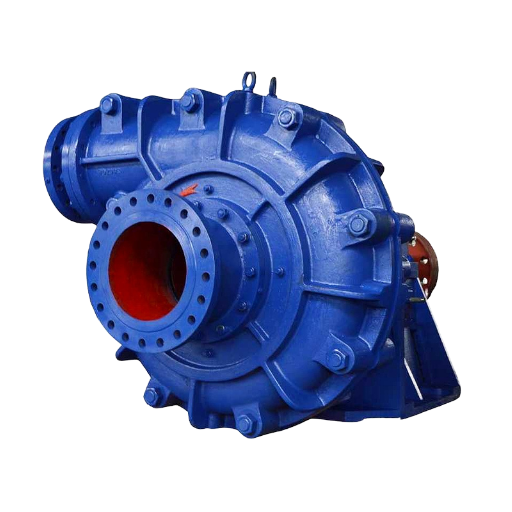
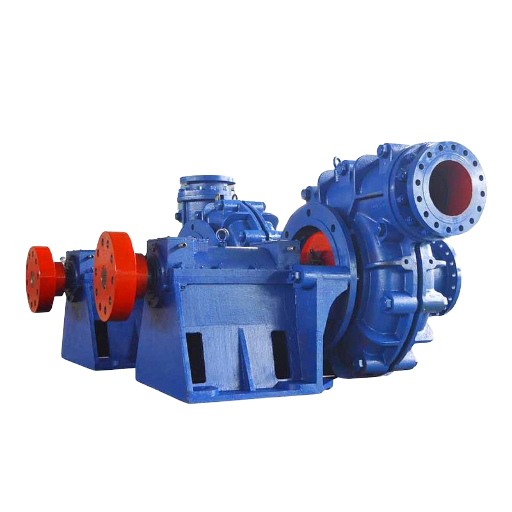
تشتمل مجموعة مضخات الملاط للخدمة الشاقة من BBP على عائلتين أساسيتين من المنتجات: مضخات رمل الحصى من سلسلة AMG لمعالجة الملاط الكاشطة، ومضخات التجريف من سلسلة AWN للتجريف عالي الحجم واستصلاح الأراضي. تأتي سلسلة AMG في تكوينات عمود مكشوف أو تكوينات كاملة مثبتة على المحرك مع خيارات محرك تشمل أحزمة V، وأداة توصيل مرنة، وصندوق تروس، وأداة توصيل هيدروليكية، ومحرك متغير التردد. تتراوح سلسلة AWN من نماذج الشفط الفردي (200AWN mon500AWN) للإنتاجية المعتدلة إلى نماذج الشفط المزدوج (600AWN mon000AWN) القادرة على التدفق حتى 30000 متر مكعب في الساعة. نقوم أيضًا بتوريد متغيرات مضخة الملاط الغاطسة ومجموعات محرض المضخة لتطبيقات الحوض حيث تحتاج المواد الصلبة المستقرة إلى إعادة التعليق قبل النقل. تشترك كلتا العائلتين في تعدين النيكل الصلب عالي الكروم مع صلابة تتجاوز 550 BHN.
مضخة الرمل الحصى من سلسلة AMG
| نموذج | منفذ | السرعة (ص/دقيقة) | التدفق (م³/ساعة) | الرأس (م) | ماكس باور | ماكس سوليد |
|---|---|---|---|---|---|---|
| 6/4 د-AMG | 100 ملم | 600–1400 | 36–250 | 7–76 | 60 كيلو واط | 82 ملم |
| 8/6E-AMG | 150 ملم | 300–1400 | 180–540 | 12–52 | 120 كيلو واط | 120 ملم |
| 10/8F-AMG | 200 ملم | 500–1000 | 180–828 | 12–46 | 960 كيلو واط | 178 ملم |
| 12/10G-AMG | 250 ملم | 400–850 | 460–1200 | 12–40 | 660 كيلو واط | 220 ملم |
| 14/12G-AMG | 300 ملم | 300–700 | 700–2700 | 8–70 | — | 241 ملم |
| 14/12TU-AMG | 300 ملم | 300–700 | 700–2700 | 8–70 | 1200 كيلو واط | 241 ملم |


سلسلة AMGH متغيرات الرأس العالي
| نموذج | منفذ | السرعة (ص/دقيقة) | التدفق (م³/ساعة) | الرأس (م) | ماكس باور | ماكس سوليد |
|---|---|---|---|---|---|---|
| 10/8F-AMGH | 250 ملم | 300–1100 | — | — | 960 كيلو واط | 180 ملم |
| 12/10G-AMGH | 250 ملم | 360–700 | 400–2000 | 20–80 | 600 كيلو واط | 210 ملم |
| 16/14TU-AMGH | 350 ملم | 250–500 | 1000–2800 | 20–40 | 1200 كيلو واط | — |
جميع المكونات الرطبة: سبائك الحديد الزهر عالية الكروم Ni-hard (N08HC)، الصلابة> 550 BHN. غلاف واحد مع وصلة شريط المشبك. اتجاه التفريغ: 360° قابل للتعديل. خيارات القيادة: أحزمة على شكل حرف V، اقتران مرن، صندوق تروس، اقتران هيدروليكي، VFD.
الاختيار على أساس التطبيق
| طلب | النموذج الموصى به | الميزة الرئيسية |
|---|---|---|
| تفريغ مطحنة التعدين/تغذية الإعصار | 6/4 D-AMG أو 8/6E-AMG | كروم عالي، مدمج، يصل إلى 76 مترًا |
| استخراج الرمال والحصى | 10/8F-AMG أو 12/10G-AMG | ممرات واسعة، تتعامل مع المواد الصلبة حتى 220 ملم |
| التجريف واستصلاح الأراضي | سلسلة AWN (200 بوصة 1000 ظهرًا) | ما يصل إلى 30.000 متر مكعب/ساعة، شفط عميق NPSH |
| نقل المخلفات (رأس مرتفع) | 12/10G-AMGH أو 10/8F-AMGH | متغير عالي الرأس يصل إلى 80 مترًا |
| نقل الملاط بكميات كبيرة | 14/12TU-AMG أو 16/14TU-AMGH | محرك يصل إلى 2800 متر مكعب في الساعة، 1200 كيلووات |
الغوص العميق الفني: خيارات الختم
ختم الطارد (حاجز الطرد المركزي)
الاختيار الافتراضي لمعظم تطبيقات الملاط. تخلق الريشة الخلفية قوة طرد مركزي تمنع الملاط من الاتصال بالعمود. لا يلزم وجود مياه دافقة. الأنسب عندما تعمل المضخة بشكل مستمر بسرعة كافية للحفاظ على حاجز الطرد المركزي.
ختم التعبئة (صندوق الحشو)
التعبئة التقليدية المضفرة في ترتيب صندوق الحشو. يتطلب إمدادات مياه دافقة. تكلفة أولية أقل وصيانة مباشرة، على الرغم من الحاجة إلى تعديل منتظم مع تآكل التعبئة.
الختم الميكانيكي
خيار عدم التسرب للخدمات الكيميائية أو التطبيقات الحساسة بيئيًا. تكلفة أولية أعلى. يتطلب إمدادات مياه دافقة نظيفة لحماية وجوه الختم من التلامس الكاشطة.
مضخة الملاط شديدة التحمل مقابل المضخة التقليدية بيانات الأداء
يبدأ اختيار مضخة الملاط المثالية بفهم الملاط نفسه. سيحدد حجم الجسيمات وتركيزها وتكوينها الكيميائي التكنولوجيا التي ستنجو وأيها ستستنزف ميزانية الصيانة الخاصة بك. جميع خيارات تكنولوجيا الملاط الثلاثة الرئيسية تقارن على النحو التالي.
مقياس الأداء
مضخة الطين الثقيلة
الطرد المركزي القياسي
النزوح الإيجابي
تركيز المواد الصلبة القصوى
ما يصل إلى 65% بالوزن
5–10%
حتى 80%
الحد الأقصى لحجم الجسيمات
حتى 241 ملم
<3 ملم
50 ملم (يختلف)
ارتداء الحياة (ساعات)
3,000–8,000
500–1,500
2,000–6,000
كفاءة المضخة
65–80%
75–90%
50–70%
فترة الصيانة
3000 إلى 8000 ساعة
500 1500 ساعة
1500 إلى 4000 ساعة
التكلفة الأولية (نسبية)
1.3–1.5×
1.0× (خط الأساس)
2.0–3.0×
الأفضل ل
الملاط الكاشطة الخشنة، التعدين
مياه نظيفة/شبه نظيفة
عالية اللزوجة، جرعات دقيقة
نعم، فجوة الكفاءة بين مضخة الملاط شديدة التحمل ومضخة الطرد المركزي للمياه الصافية هي فجوة حقيقية تبلغ 65.80% مقابل 75.50%. لكن هذه المقارنة تتجاهل السؤال الأساسي: ما هي المدة التي تعمل فيها المضخة فعليًا قبل أن تحتاج إلى أجزاء؟ تحقق مضخة الطرد المركزي القياسية كفاءة ذروة أعلى في اليوم الأول. بحلول الأسبوع السادس، في دائرة الملاط الكاشطة، أدى تآكل المكره إلى انخفاض هذه الكفاءة إلى ما دون خط الأساس لمضخة الملاط، وأنت تقوم بجدولة إيقاف التشغيل.
اختيار المواد: متى تستخدم ماذا
سبيكة Ni-hard عالية الكروم (N08HC،> 550 BHN)
up أفضل خيار عام للملاط الخشن عالي التآكل. علم المعادن الخاص (الكوارتز ذو الحواف الحادة، مخلفات النحاس)، أحجام الجسيمات تتجاوز 1 مم. يمكن أن تصل مادة الجيل الجديد من BBP إلى 700 BHN للتطبيقات الأكثر تطلبًا. يوفر 3-4+ أضعاف عمر التآكل للحديد الأبيض القياسي المكافئ على نفس الملاط. استخدم الكروم العالي فقط إذا كان التآكل هو آلية التآكل في الغالب.
[+] اقرأ المزيد
بطانة مطاطية طبيعية
2.7 مخصص لملاط الجسيمات الدقيقة (أقل من 0.5 مم) والمخلفات المعدنية والرمل الناعم جدًا والمعلقات الطينية. يتمتع المطاط بطاقة امتصاص أكبر من تأثير المعدن الذي يقلل من التأثير عند التعامل مع حمولة من الجزيئات الخشنة، كما يوفر مقاومة للتآكل في البيئات الحمضية المخففة. عمر التآكل في السيليكا الدقيقة يزيد عن 6000 ساعة.
[+] اقرأ المزيد
الحديد الأبيض (ني هارد)
: خيار فعال من حيث التكلفة لتطبيقات التآكل المعتدل حيث لا يكون هناك ما يبرر علاوة الكروم العالية. مناسبة للغسيل الكلي والملاط منخفض التركيز. توقع 1000 إلى 2000 ساعة من الخدمة في ظروف التعدين النموذجية.
[+] اقرأ المزيد
3 × 4 × عمر أطول للارتداء
توفر الأجزاء الرطبة عالية الكروم عادةً عمر تآكل أطول بمقدار 3،4× مقارنة بالمواد القياسية، مما يقلل التكلفة الإجمالية للملكية بما يقدر بـ 20،40% على مدى فترة تشغيل مدتها 5 سنوات.
بناءً على بيانات صيانة الصناعة وأنماط النشر الميداني
هل تريد أن ترى كيف نقارن لتطبيقك المحدد؟
اطلب مقارنة مخصصة →دراسات الحالة تشير إلى أداء مضخة الملاط الثقيلة عبر الصناعات
توضح هذه السيناريوهات التمثيلية كيفية أداء مضخات الملاط للخدمة الشاقة عبر البيئات الصناعية المختلفة. يمثل كل تطبيق تحديات متميزة في تكوين الملاط وظروف التشغيل ومتطلبات الأداء.
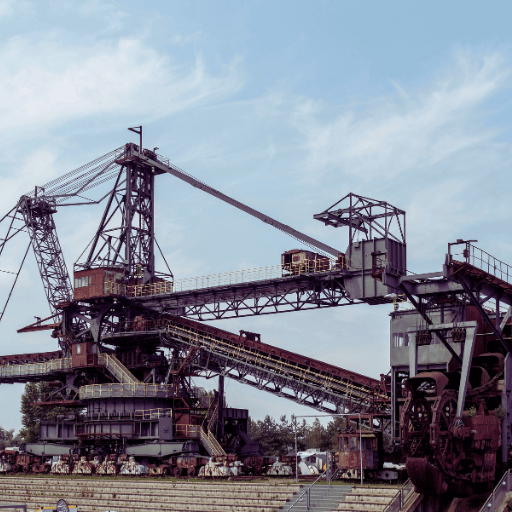
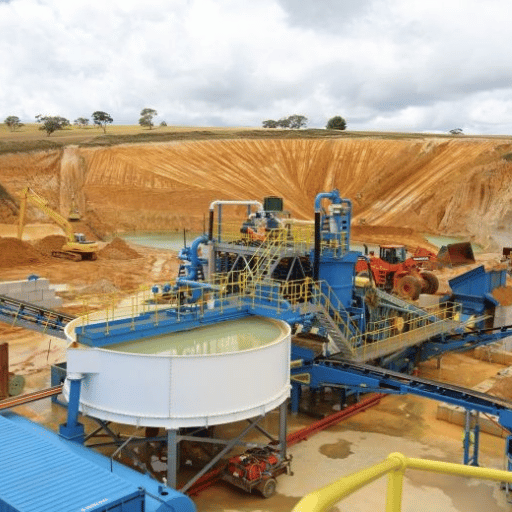
التعدين us مكثف النحاس
واجب تغذية الإعصار عند تركيز المواد الصلبة 45%
مكثف نحاسي بقدرة 15000 طن/يوم من مضخات التغذية الإعصارية اللازمة قادرة على ضخ 451 مادة صلبة TP3T بالوزن من المواد الصلبة المهمة لمعالجة الملاط بما في ذلك 0.2-2 مم من السيليكا ذات الحبيبات الحادة. ستمنح المضخات القياسية في المصنع 800000 ساعة من عمر التآكل لكل مجموعة بطانة قبل الاستبدال وتؤدي إلى إيقاف تشغيل العملية المكلفة وغير المخطط لها.
حدد الفريق الهندسي مضخة ملاط ثقيلة 6/4 E-AH مع مكونات رطبة عالية الكروم A05. تمت مطابقة هندسة المكره والبطانة الحلزونية مع نقطة العمل البالغة 280 م/ساعة عند رأس 42 م بحيث تعمل ضمن أفضل منطقة كفاءة. كما ألغى ختم الطارد الخاص بـ BBP استهلاك مياه التدفق الذي كان يساهم سابقًا في تخفيف إضافي قدره 12 م/ساعة للدائرة.
امتد عمر البطانة إلى ما يقرب من 3200 ساعة، وهو عامل تحسن قدره 4 مرات مما أدى إلى تقليل تدخلات الصيانة المجدولة من 6 سنويًا إلى أقل من 2. أدى التخلص من مياه الشطف إلى تحسين كفاءة التصنيف في اتجاه مجرى النهر عن طريق تقليل التخفيف غير المرغوب فيه.
إجمالي غسل الرمال
التعامل مع السيليكا الدقيقة لإنتاج رمل البناء
تحدي: محطة غسيل الرمال بطاقة إنتاجية 400 م/ساعة من ملاط السيليكا الناعم (d50 = 0.3 مم). كشفت التجارب السابقة في استخدام المضخات المبطنة بالمعادن عن تآكل سريع للبطانة والمكره من التركيز العالي للجزيئات الكاشطة الدقيقة واستلزم استبدال المكره كل 1200 ساعة.
حل BBP: قدمت مضخة 4/3 D-AH المبطنة بالمطاط الطبيعي حلاً لهذا التطبيق. سمح التشوه المرن للمطاط بامتصاص نسبة أعلى بكثير من طاقة التأثير التي تنقلها الجزيئات الدقيقة مقارنة بالمكره المعدني الصلب والاحتفاظ بهذه الميزة على مدى عمر تآكل أطول بكثير.
نتيجة: زاد عمر التآكل إلى حوالي 6200 ساعة لكل مجموعة بطانة. انخفضت عمليات الإغلاق غير المخطط لها من متوسط 4 سنويًا إلى ما يقرب من الصفر. كما خفضت البطانة المطاطية ضوضاء التشغيل بما يقدر بـ 8.10 ديسيبل مقارنة بالسابقة المبطنة بالمعدن.
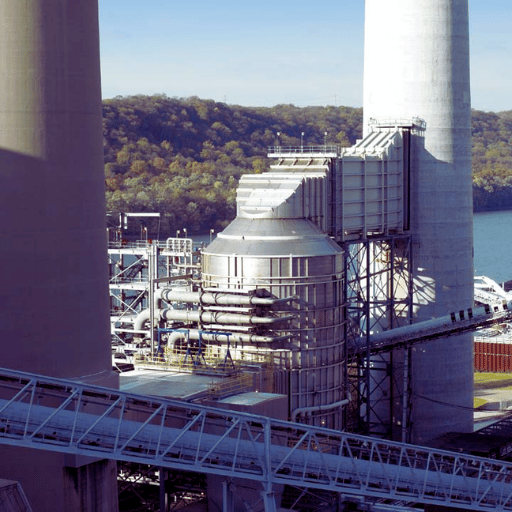
توليد الطاقة نظام FGD
خدمة الطين الجيري في بيئة تآكلية
س: ما الذي يجعل ملاط FGD مختلفًا عن ملاط التعدين؟
تعمل عمليات FGD (إزالة الكبريت من غاز المداخن) ضمن نافذة درجة الحموضة 2-4 والتي تسبب تآكلًا شديدًا لسبائك البناء التقليدية عالية الكروم لأنها تتعرض للهجوم ليس فقط من المواد الكاشطة ولكن أيضًا من الحموضة نفسها في شكل مادة كيميائية التآكل. تحتوي كل دفعة من الملاط على خليط من بلورات كبريتات الكالسيوم وجزيئات كربونات الكالسيوم مع أيونات الكلوريد في المحلول لتعزيز التنقر.
س: كيف تم اختيار المادة؟
أوصى الفريق الهندسي بسبيكة عالية الكروم مقاومة للتآكل مع زيادة محتوى الموليبدينوم لمقاومة هجوم الكلوريد وبطانة مطاطية للحلزون للتعامل مع الجزيئات الحادة والخشنة (أقل من 0.1 مم). احتفظ مهندسونا بالمكره في شكل مقاوم للتآكل للحصول على أقصى قدر من القوة عند السرعة العالية.
س: ما هي النتيجة؟
قدم مفهوم المادة الهجينة للبطانة الحلزونية المطاطية جنبًا إلى جنب مع دافعة معدنية مقاومة للتآكل ما يقرب من 4800 ساعة بين الاستبدال مقارنة بالنسخة المعدنية (الرقم الهيدروجيني 3.2) التي حققت سابقًا حوالي 1600 ساعة.
تتطلب معدلات تدفق مماثلة؟
اطلب عرض أسعار بناءً على تفاصيل طلبك →
تصنيع مضخة الملاط المعتمدة من ISO 1 من الصب إلى الاختبار
يتم تصنيع كل مضخة ملاط ثقيلة BBP تحت سقف واحد بدءًا من صهر السبائك الخام وحتى التحقق النهائي من الأداء. هذا التكامل الرأسي ليس مطالبة تسويقية؛ إنه قرار مراقبة الجودة. عندما نقوم بصب سبائكنا عالية الكروم، ومعالجتها بالحرارة في أفراننا، وتصنيعها آليًا باستخدام معدات CNC الخاصة بنا، فإننا نتحكم في كل متغير يحدد المدة التي تدوم فيها تلك المضخة في مصنعك.
01
ذوبان السبائك
02
صب
03
المعالجة الحرارية
04
التصنيع باستخدام الحاسب الآلي
05
الجمعية
06
طلاء
07
اختبار الأداء
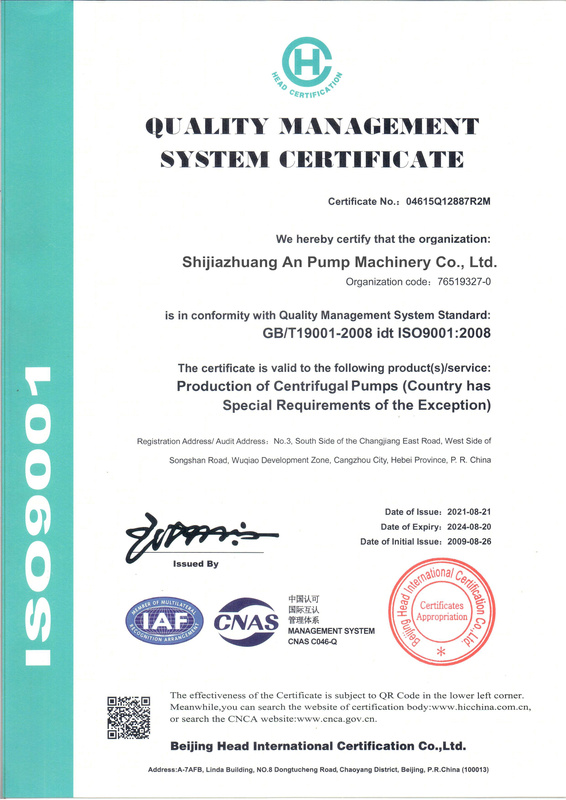
تدقيق مصنع TUV
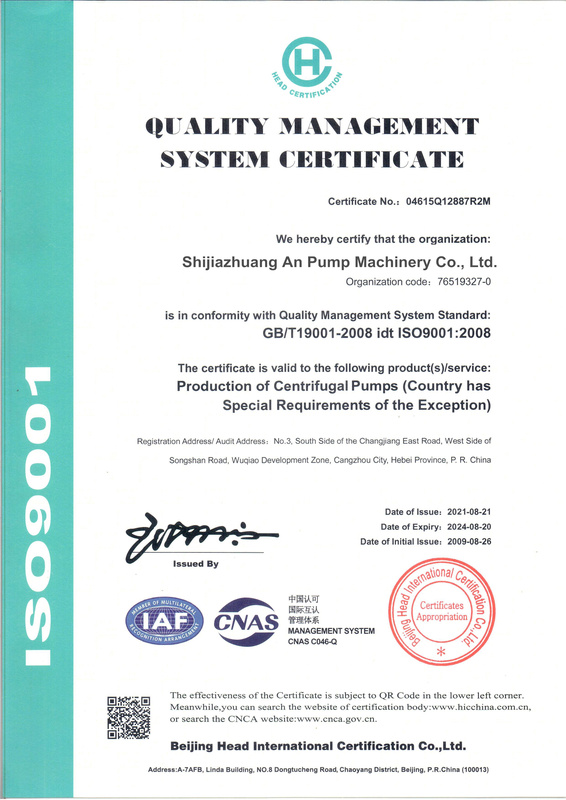
جودة ISO9001

ISO14001 البيئية

ISO45001 الصحة والسلامة

شهادة سي
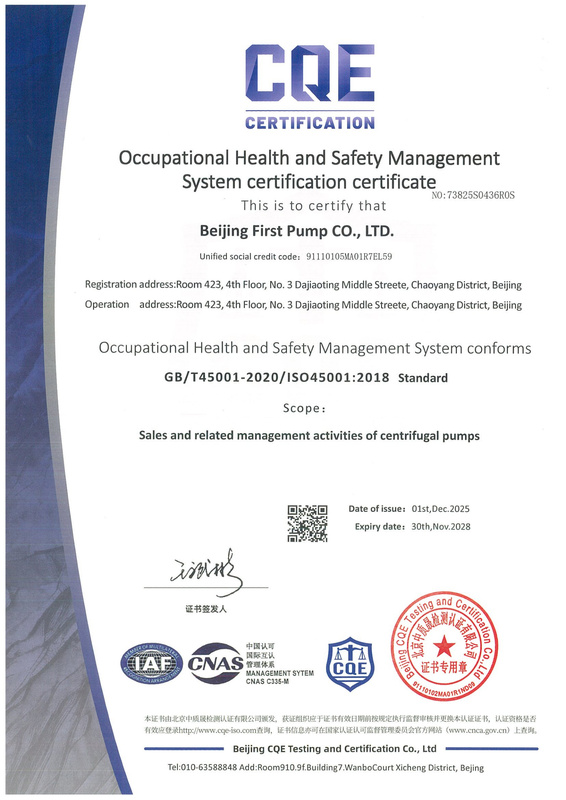
شهادة EAC

نظام إدارة الجودة
تدقيق مصنع TUV
جودة ISO9001
ISO14001 البيئية
ISO45001 الصحة والسلامة
شهادة سي
شهادة EAC
نظام إدارة الجودة
← قم بتمرير الجوانب للتمرير تلقائيًا · انقر للتكبير →
قدرة OEM والتخصيص بقيادة الهندسة
توفر BBP قطع غيار متوافقة مع OEM لسلسلة Warman AH ومنصات مضخات الملاط الأفقية المماثلة. يعمل فريقنا الهندسي من الرسومات المقدمة من العملاء أو العينات ذات الهندسة العكسية لإنتاج مكونات رطبة متطابقة الأبعاد في درجات المواد عالية الكروم أو المبطنة بالمطاط. بالنسبة للتطبيقات الجديدة، يقوم قسم البحث والتطوير لدينا بإجراء تحليل هيدروليكي بمساعدة CFD لمطابقة هندسة المضخة مع ظروف الملاط المحددة لديك، وتوزيع حجم الجسيمات وتركيزها ومنحنى مقاومة الدائرة.
نحن نحافظ على أنماط قوالب المضخة لأكثر من 200 طراز مختلف، مما يتيح إنتاج كل من التصميمات القياسية والمخصصة دون فترات زمنية ممتدة للأدوات. تخضع كل مضخة لاختبار قبول المصنع وفقًا لمعيار ISO 9906:2012 Grade 1B قبل الشحن، مع الوثائق الكاملة بما في ذلك شهادات اختبار المواد وتقارير فحص الأبعاد والتحقق من منحنى الأداء.
يقوم مختبرنا المعدني باختبار كل حرارة من السبائك لمحتوى الكروم، والصلابة (HRC 58 main63 لـ A05)، وتوحيد البنية المجهرية قبل دخول أي صب إلى ورشة التصنيع. تتبع تفاوتات الأبعاد على الدفاعات والبطانات الحلزونية مواصفات ISO لضمان قابلية التبادل ifer داخل نطاق المضخات الخاصة بنا ومع النماذج المماثلة المتوافقة مع معايير الصناعة.
إن عمق التصنيع هذا مهم لسبب عملي واحد: عندما تحتاج إلى دافعة بديلة في غضون ثلاثة أسابيع، وليس ثلاثة أشهر، يمكن للشركة المصنعة التي تقوم بصب السبائك الخاصة بها وتدير ورشة الآلات الخاصة بها أن تقوم بالتسليم. نحن لا نستعين بمصادر خارجية لمكونات المسار الحرج، مما يعني أن المهل الزمنية لدينا يتم التحكم فيها من خلال جدول الإنتاج الخاص بنا، وليس تراكم المقاول من الباطن.
هل أنت مستعد لترقية أداء المضخة الخاصة بك؟
احصل على عرض أسعار فوري →
×
![عرض الشهادة المكبرة]()
دليل المشتريات 1 عوامل التسعير والمهلة الزمنية والدعم مدى الحياة
إطار عوامل التسعير
يتم تحديد تكاليف مضخات الملاط للخدمة الشاقة من خلال أربعة عوامل:
حجم المضخة
قطر التفريغ من 1 بوصة إلى 18 بوصة يحرك حجم الإطار ووزنه.
درجة المواد
يكلف الكروم العالي 30 بوصة 50% أكثر من الحديد الأبيض ولكنه يوفر 3 بوصة 4× عمر التآكل.
تكوين المحرك
مضخة مستقلة أو وحدة كاملة مع محرك، اقتران وإطار أساسي.
حجم الطلب
مدى الخصم الحجمي المتاح للاستخدام ضمن 4+ مواقع ووفرة الأسطول.
مهلة
خيارات الطراز القياسية 200 الأحجام الأكثر شيوعًا في المواد عالية الكروم والمطاطية 500 عادةً ما يتم شحنها خلال أسبوعين إلى أربعة أسابيع من تأكيد الطلب. تتطلب التكوينات المخصصة، بما في ذلك السبائك غير القياسية أو التصميمات الهيدروليكية المعدلة أو ترتيبات المحركات المتخصصة، 4 أسابيع ونصف حسب النطاق. نحن نقدم تواريخ تسليم ثابتة في مرحلة عرض الأسعار، وليس التقديرات التي تتغير بعد تقديم الطلب.
قطع الغيار والمخزون
نحن نقدم مخزونًا من الأجزاء التي يتم ارتداؤها بشكل شائع لجميع المضخات ذات الحجم القياسي بما في ذلك الدفاعات والبطانات الحلزونية وشجيرات الحلق ومجموعات الختم وحزم التشحيم. إن توفر هذه المعدات على موقعك يعني أنه يمكن تقليل وقت التوقف غير المخطط له من 60-80% مقارنة بطلب العناصر بعد الانهيار. يمكن لفريق قطع الغيار لدينا تطوير قائمة المخزون الموصى بها بناءً على الملف التعريفي لعمر الأسطول وأنماط التآكل السابقة.
دعم ما بعد البيع
تتضمن كل عملية شراء لمضخة BBP هندسة تطبيقات ما قبل البيع، ومواد توجيه التشغيل، والوصول إلى خط الدعم الفني الخاص بنا على مدار الساعة طوال أيام الأسبوع. بالنسبة لعملاء التعدين والمعالجة، فإننا نقدم الإشراف على التثبيت في الموقع، وتدريب المشغلين، والتشخيص عن بعد من خلال برامج مراقبة الاهتزاز ومعدل التآكل. يتمتع مهندسو الخدمة لدينا بإمكانية الوصول المباشر إلى نفس فريق البحث والتطوير الذي صمم المضخة الخاصة بك، حيث لا يوجد جدار دعم من المستوى الأول بينك وبين المهندسين الذين يفهمون المكونات الهيدروليكية.
الأدوات الهندسية لمضخة الطين
مضخة الطين التكلفة الإجمالية لحاسبة الملكية
قارن تكاليف صيانة المضخة الحالية بمضخات الملاط عالية الكروم BBP. توفر مضخات BBP عمر تآكل أطول يصل إلى 3 مرات، مما يقلل من تردد الاستبدال ووقت التوقف غير المخطط له عبر دائرتك.
حساب التكلفة الإجمالية للملكية →دليل اختيار مواد مضخة الطين
أجب عن خمسة أسئلة حول ظروف الملاط الخاصة بك. يطبق هذا الدليل مبادئ هندسة المواد BBP للتوصية بالمادة المبللة المثالية لتحقيق أقصى عمر للتآكل والمقاومة الكيميائية.
فتح الدليل →الأسئلة الشائعة دليل المشتري لمضخة الملاط الثقيلة
يختلف السعر بناءً على حجم المضخة (تفريغ 1 بوصة إلى 18 بوصة)، ودرجة المادة (الكروم العالي، أو المبطن بالمطاط، أو الحديد الأبيض)، والتكوين (مضخة عارية أو وحدة كاملة مع محرك). بدلاً من نشر قائمة أسعار قد تكون غير دقيقة لتطبيقك المحدد، فإننا نقدم عروض أسعار مفصلة خلال 24 ساعة و48 ساعة من استلام معلمات نقطة العمل الخاصة بك. تذكر أن سعر الشراء يبلغ عمومًا 10.15% فقط من إجمالي تكلفة دورة الحياة، كما أن اختيار المواد والكفاءة الهيدروليكية لهما تأثير أكبر بكثير على نفقاتك لمدة 5 سنوات.
تعمل البطانات المطاطية بشكل جيد مع الجزيئات التي يقل حجمها عن 0.5 مم، حيث تكون سرعة التأثير منخفضة بدرجة كافية بحيث يمكن للتشوه المرن امتصاصها. البطانات المعدنية 30-سبائك الكروم العالية بشكل خاص 5 أكثر نجاحًا مع الجزيئات الحادة والمرهقة التي يزيد حجمها عن 1 مم حيث يتم قطع المطاط أو تمزيقه. بالنسبة للجزيئات ذات الحجم (0.5-1 مم)، تكون أي من المادتين مثالية، ويجب أن يعتمد اختيارك على التركيب الكيميائي للملاط ودرجة حرارته ودورة الصيانة المستهدفة. يسعد مهندسو التطبيقات لدينا بتقديم المشورة بمجرد تزويدهم ببيانات تحليل الملاط الخاصة بك.
هناك أربعة عوامل تؤثر على اختيارك للمضخة (1) معدل التدفق 000 حدد عدد الم3/الساعة التي يجب تحريك الملاط فيها؛ (2) إجمالي الرأس الديناميكي 000 هو الرفع الرأسي بالإضافة إلى خسائر الاحتكاك داخل خط الأنابيب؛ (3) خصائص الملاط 5 محتوى المواد الصلبة، وتوزيعات حجم الجسيمات، والجاذبية النوعية، ودرجة الحموضة؛ و (4) تكوين النظام 100 هو حالة الشفط وقطر الأنبوب وتصميمه. أعطنا هذه المعلومات الأربع وسيعود فريقنا الهندسي بمنحنى المضخة، الذي يسلط الضوء على النموذج الصحيح والسرعة والكفاءة.
يعتمد عمر التآكل على الملاط. تدوم الدفاعات والبطانات عالية الكروم 3000 إلى 8000 ساعة في معظم تطبيقات التعدين ذات التآكل المتوسط إلى العالي. يمكن أن تتجاوز المضخات المبطنة بالمطاط على المخلفات الدقيقة 6000 ساعة. تدوم أجزاء الحديد الأبيض القياسية 1000 إلى 2000 ساعة في ظل ظروف مماثلة. تم تصميم إطار المضخة ومجموعة المحمل لمدة 20+ عامًا من الخدمة، وليس المضخة بأكملها.
إذا لم تفعل شيئًا آخر، فتأكد من الاحتفاظ بما يلي: دافعة واحدة على الأقل؛ مجموعة واحدة من البطانات الحلزونية (جانب الشفط والغلاف)؛ شجيرة الحلق واحدة؛ مجموعة ختم واحدة (حلقات التعبئة، أو خرطوشة الختم الميكانيكية، اعتمادًا على تطبيقك). إذا كان لديك مضخات ذات مسار حرج (تكاليف التوقف عن العمل تزيد بكثير عن قيمة مخزون الأجزاء)، قم بتخزين مجموعة دوارة كاملة (العمود، مبيت المحمل، المكره) للتبديل في ساعات وليس أيام.
نعم. نقوم بتصنيع أجزاء رطبة متوافقة الأبعاد لسلسلة Warman AH ومنصات مضخات الملاط الأفقية المماثلة. يتم إنتاج أجزائنا من نفس درجات المواد عالية الكروم والمطاط، ويتم صبها وتصنيعها آليًا في منشأتنا الخاصة. قم بتوفير رقم الجزء الحالي الخاص بك أو رسم الأبعاد، وسيقوم فريقنا الهندسي بتأكيد التوافق والاقتباس وفقًا لذلك.
عادةً ما يتم شحن مضخات الطراز القياسي وأجزاء التآكل الشائعة خلال أسبوعين إلى أربعة أسابيع. تتطلب التكوينات المخصصة للسبائك غير القياسية أو المكونات الهيدروليكية المعدلة أو إعدادات المحرك المتخصصة 4 أسابيع. نحن نقدم تواريخ شحن ثابتة عند عرض الأسعار، ويقوم فريق تخطيط الإنتاج لدينا بتحديثك في كل مرحلة: الصب والتصنيع والتجميع والاختبار.
منشأة التصنيع لدينا حاصلة على شهادة إدارة الجودة ISO 9001:2015. يتم اختبار المضخات وفقًا لمعايير ISO 9906:2012 (معايير القبول من الدرجة 1B). المواد الرطبة تلبي مواصفات ASTM A532 Class III Type A للحديد عالي الكروم. علامة CE متاحة لشحنات السوق الأوروبية. يتم توفير شهادات اختبار المواد وتقارير اختبار قبول المصنع مع كل طلب.
تتجه الآن

![التجويف في مضخات الملاط بداية المواد الصلبة NPSH [الدليل الميداني]](https://bbpmfg.com/wp-content/uploads/2026/07/cavitation-in-slurry-pumps-featured-1-150x150.png)