تواصل مع BBP

4 خطوط إنتاج: مختلط · محوري · الصرف · سلسلة Q
مضخات التدفق والري المختلطة
مضخات الري الصناعية 5 سلسلة التدفق المختلط والمحوري والصرف الزراعي 2026
انقل 100 إلى 34870 جالونًا في الدقيقة على ارتفاع 2 إلى 64 قدمًا من مصنع واحد معتمد من ISO. تقوم BBP ببناء أربعة خطوط إنتاج لمضخات الري للتحكم في الفيضانات البلدية والمناطق الزراعية ومياه تبريد محطات الطاقة ونقل المياه على نطاق المزرعة لكل وحدة تم اختبارها وفقًا لمعايير ISO 9906 Grade 2B ويتم شحنها من بكين مع استجابة RFQ لمدة 48 ساعة.
اطلب عرض أسعار لنقاط العمل →


100.34.870 جالون في الدقيقة
عبر جميع السلاسل الأربع
2 · 64 قدم
نطاق الرأس مغطى
ايزو 9906 الصف 2ب
افتراضي؛ 1 ب متاح
48 ح
وقت استجابة طلب عرض الأسعار
لماذا يتطلب الري الصناعي أكثر من مجرد مضخة رش
مضخات الري التي تحرك 3000 جالون في الدقيقة أو أكثر لا تأتي أبدًا من ممر المستهلك. نقطة العمل شديدة الانحدار، والحمل الكاشطة مرتفع جدًا، وقد يكلف الفشل الموسمي الواحد أثناء ذروة المطر أو ذروة السحب أكثر من المضخة نفسها.
مشكلة الحجم التي يقلل معظم المشترين من شأنها:
تم احتساب دراسة مجموعة كاديو المقدمة في الاجتماع الفني للمعهد الهيدروليكي (أكتوبر 2022) 600,000 مضخات الري في جميع أنحاء الولايات المتحدة. ويمثل تحديث هذه الأنظمة $2.8 مليار في الوفورات السنوية المحتملة، مع $1.8 مليار من تلك الناتجة عن ترقيات المضخات ومحركات التردد المتغير وحدها، توجد فجوة كفاءة تبلغ 13% بين الوحدات المتوسطة والأفضل في فئتها في قاعدة بيانات وزارة الطاقة.
هذه الفجوة هي بالضبط المكان الذي تنتمي إليه مضخات الري الصناعية. وحدات الرش الاستهلاكية في نطاق 1.5 درجة و5 حصان تصل إلى حوالي 100 جالون في الدقيقة عند رأس 50 قدمًا. Cross 500 GPM وتحتاج إلى فئة مختلفة من المكونات الهيدروليكية: أجهزة الطرد المركزي الديناميكية الدوارة مع الدفاعات شبه المحورية، ومحركات الحفرة الجافة التي تعمل على مدار الساعة طوال أيام الأسبوع، واختبار قبول ISO 9906 الذي يوثق ما يدعيه الكتالوج.
لمحة سريعة عن سلسلة مضخات الري BBP 4 خطوط إنتاج
تغطي معظم الشركات المصنعة نطاقًا واحدًا أو نطاقين من الخدمة؛ نحن نغطي أربعة لأن مشاريع الري الحقيقية نادرًا ما تقع في مظروف واحد. قد تقوم محطة بلدية بإقران وحدة محورية منخفضة الرفع بمعزز عالي التدفق المختلط. غالبًا ما تدير المنطقة الزراعية أجهزة طرد مركزي ذات شفط نهائي من سلسلة Q على المشعب ومقطورة تصريف عند فيضانات القناة.
تقوم كل بطاقة منتج أدناه بتوجيهك إلى صفحة المواصفات المخصصة حيث يتم عرض منحنيات المحرك وخيارات المواد وجداول النماذج الكاملة. أرسل نقطة العمل الخاصة بك ونعيد مطابقة النموذج خلال 24 ساعة.
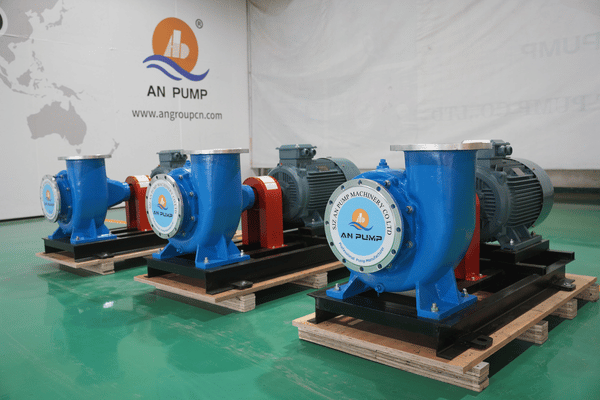
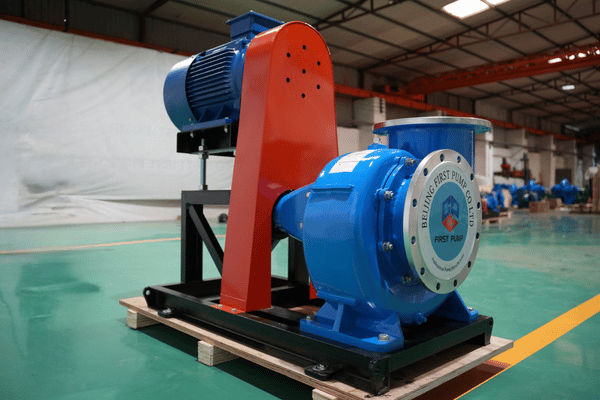
مضخة التدفق المختلط
مواصفات
- تدفق
- 100 بوصة 11،200 لتر/ثانية
- رأس
- 3.40 م
- نماذج
- 9 (BBP-150 إلى BBP-800 MFH)
- بيب
- 75–85%
- الأفضل ل
- تصريف الفيضانات والري ودوران مياه البحر
التدفق المحوري (سلسلة AHW)
مواصفات
- تدفق
- 5،000 إلى 68،000 م³/ساعة
- رأس
- 2 reach15 م
- التكوينات
- غاطسة، حفرة جافة عمودية، أفقية
- كفاءة
- 78–85%
- الأفضل ل
- مياه التبريد، السيطرة على الفيضانات الكبيرة، تربية الأحياء المائية

مضخة الصرف الصحي (AHW)
مواصفات
- تدفق
- 634.34.870 جالون في الدقيقة
- رأس
- 9.5 64 قدم
- نماذج
- 8 (150AHW إلى 600AHW)
- التكوينات
- لوحة أساسية ثابتة أو انزلاق درب
- الأفضل ل
- مياه العواصف، ونزح المياه من البناء، وحفر المناجم
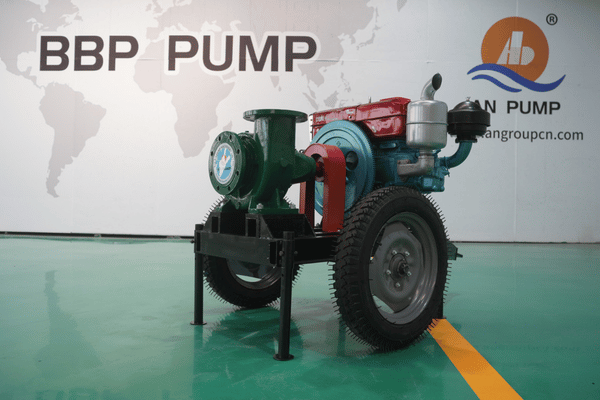
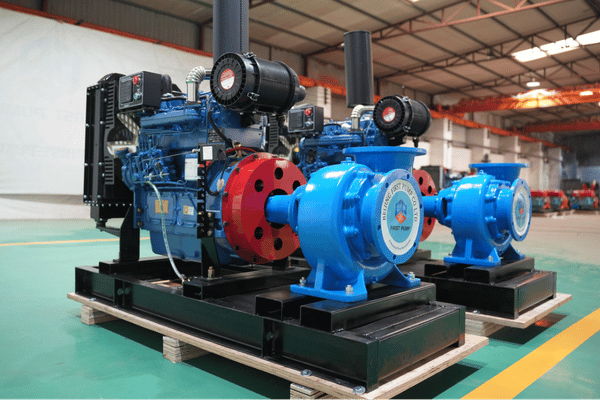
سلسلة Q الزراعية
مواصفات
- تدفق
- 3.4 بوصة 1200 م³/ساعة
- رأس
- 3.6 132.5 م
- قوة
- 0.55.132 كيلو واط
- معيار
- الشفط النهائي ISO 2858؛ محرك IE3
- الأفضل ل
- بالتنقيط، الرشاش، المحور، إمدادات الماشية، الأسمدة
لماذا أربعة أسطر بدلا من نموذج عالمي واحد؟
إن حجم الطرد المركزي ذو المكره الشعاعي الذي يصل إلى 30 مليون جالون يوميًا من الفيضانات سوف يجوف، ويبتعد عن أفضل نقطة كفاءة، ويمزق الأختام في غضون اثني عشر شهرًا. ما يقرب من 76% من مضخات الري الأمريكية ترفع المياه الجوفية (مسح إدارة مياه الري التابع لوزارة الزراعة الأمريكية) وتحتاج إلى هيدروليكا توربينية رأسية، وليس شفط نهائي أفقي.
إن مضخة المزرعة Q-series الخاصة بنا والتي تتعامل مع 800 جالون في الدقيقة على ارتفاع 80 قدمًا إلى المحور المركزي هي الأداة الخاطئة لنقطة عمل مياه التبريد الساحلية. تحدد السرعة المحددة (ns) العائلة التي تناسب 2000 وهذا ما سيحدده H2 التالي.
مصفوفة اختيار المضخة تطابق نقطة واجبك مع سلسلة BBP الصحيحة
السرعة المحددة (ns) هي المتغير الوحيد الذي يقرر ما إذا كنت بحاجة إلى طرد مركزي شعاعي، أو دافعة ذات تدفق مختلط، أو مروحة محورية. تعرفها أداة بيانات المعهد الهيدروليكي بأنها Ns = n · Q0.5 / H0.75 عند أفضل تدفق نقطي كفاءة مع المكره ذات القطر الأقصى.
أدناه، يتم تعيين نطاقات ns ومظاريف الخدمة لخطوط إنتاج BBP الأربعة. اقرأ الجدول مع ذروة GPM والرأس الديناميكي الإجمالي في متناول اليد، حيث تقع السلسلة الموصى بها في صف واحد.
نقطة واجبك
السرعة النوعية ns (مترية)
السلسلة الموصى بها
ملاحظة التكوين
50500 جالون في الدقيقة، رأس 50500 قدم، بئر أو مصدر ضحل
10–35
سلسلة Q (الطرد المركزي الشعاعي)
نهاية الشفط الأفقي؛ أبعاد ISO 2858
500 بوصة 3000 جالون في الدقيقة، رأس 30 بوصة 130 قدمًا، رشاش/مشعب محوري
20–60
سلسلة Q (كبيرة) أو تدفق مختلط (صغير)
سلسلة Q للمياه النظيفة؛ تدفق مختلط إذا كان الطمي عالي
3000 إلى 15000 جالون في الدقيقة، رأس 12.64 قدم، مياه الصرف الصحي/مياه العواصف
50–160
الصرف AHW (ثابت أو مقرب)
مقطورات لمشروع متنقل؛ ثابتة للمحطة الدائمة
15.000 إلى 50.000 متر مكعب في الساعة، 3.12 متر رأس، فيضان البلدية
120–200
التدفق المحوري AHW-V (الحفرة الجافة العمودية)
المحرك فوق مستوى الفيضان؛ MTBF أطول من المغمورة
30.000 إلى 68.000 متر مكعب في الساعة، رأس 5 بوصات و15 مترًا، تبريد محطة توليد الكهرباء
180–300
التدفق المحوري AHW-H (أفقي)
خطوة المكره المخصصة؛ ترقية التآكل لمياه البحر
5000 متر مكعب 15000 متر مكعب/ساعة، 2.8 متر رأس، أحواض وحفر
200–400
التدفق المحوري AHW-S (غاطس)
لا حاجة إلى حفرة جافة؛ معيار ختم SiC/SiC مزدوج
1،000 متر 11،200 لتر/ثانية، 3.40 متر رأس، ري/تبريد/مياه البحر
35–160
التدفق المختلط (BBP-150 إلى BBP-800 MFH)
متغير العمود الأفقي أو الرأسي أو الغاطس
كيف تترجم السرعة المحددة إلى عمر المضخة
يعد التشغيل ضمن ± 15% من أفضل تدفق لنقطة الكفاءة هو الرافعة الأكثر فعالية لتكلفة الطاقة مدى الحياة. تحدد دراسة Cadeo الجانب الإيجابي: متوسط دورة عمل المضخة ag (حوالي 70% للبلدية) بالإضافة إلى فجوة الكفاءة 13% في قاعدة بيانات وزارة الطاقة يساوي تقريبًا $1000 لكل مضخة سنويًا في تكلفة الطاقة القابلة للاسترداد. أضف محركًا متغير التردد مطابقًا لمنحنى طاقة مستقر مختلط التدفق ويتسلق الرقم $2،700 آخر لكل مضخة سنويًا.
احصل على عرض أسعار فوري“لقد قمنا بإعادة بناء ما يكفي من محطات الضخ كبيرة الحجم في عامها السابع من الخدمة لنعرف أن اختيار السرعة المحددة في مرحلة التصميم يوفر أموالاً أكثر من أي تحديث بعد التشغيل. إن مضخة المكره الشعاعية التي تعمل بـ 25% من BEP لمدة خمسة عشر موسمًا تكلف أكثر لتشغيلها من وحدتي تدفق مختلط بالحجم الصحيح بالتوازي.”
النتائج الميدانية 2 النتائج الكمية من التحكم في الفيضانات والري وتبريد محطات الطاقة
يتم الحكم على اختيار المضخة بعد التشغيل، وليس عند عرض الأسعار. تعكس أنماط النشر أدناه فئة المشروع وليس المشاريع ذات الأسماء الفردية، نظرًا لأن اتفاقيات سرية BBP مع عملاء المرافق وقطاع الطاقة تحظر الاستشهاد بأسماء المواقع في المواد العامة. تتوفر جهات اتصال مرجعية على نطاق مماثل بموجب NDA خلال مرحلة ما قبل الجائزة.
ثلاث فئات نشر تمثل معظم رسوم مضخة الري BBP

محطة ضخ الفيضانات الحضرية
نطاق
30 مليون جالون يوميًا (~113.500 متر مكعب/ساعة) ذروة الطقس الرطب؛ الصرف الروتيني عند 25.40% من الذروة
تكوين BBP
4 × BBP-600-MFH متوازي + وضع الاستعداد واحد؛ أكمام عمود من الحديد الزهر ذات نهاية مبللة من الكروم الصلب
علامة الخدمة
هامش NPSH 8 مم لكل ANSI/HI 9.6.1؛ مشاركة التحميل ضمن 3% عبر الوحدات
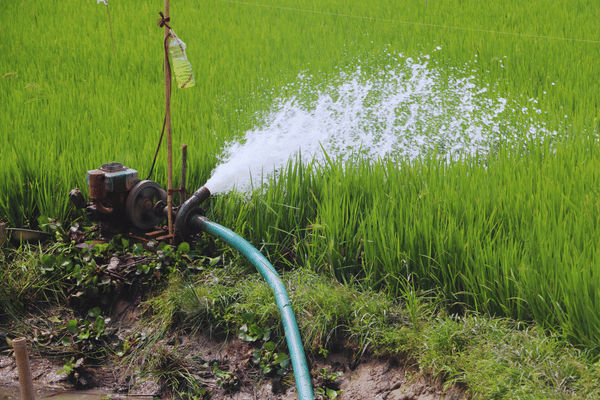
منطقة الري الزراعي (أرز + قطن)
نطاق
2500 هكتار من الأراضي الزراعية؛ 6.9 م مصعد من النهر؛ الدورة الموسمية 300-500 بداية/سنة
تكوين BBP
2 × BBP-500-MFH (واجب واحد، واحد دوار)؛ تكوين ختم الغدة المعبأة
علامة الخدمة
مبادلة المكره الاحتياطية المجدولة في السنة الخامسة؛ تم الإبلاغ عن صفر انقطاعات غير مخطط لها خلال موسمين
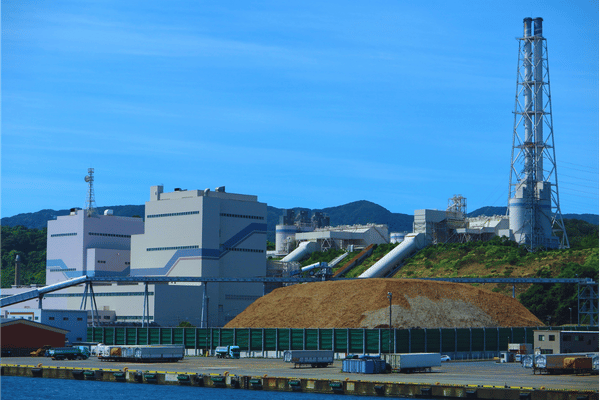
مياه تبريد محطات الطاقة الحرارية
نطاق
66.000 متر مكعب/ساعة دوران مياه البحر؛ تبريد المكثف في المحطة الساحلية
تكوين BBP
6 × العمود الرأسي BBP-800-MFH؛ المكره والعمود المزدوج 2205؛ ختم العمود المصنف بالكلوريد
علامة الخدمة
تم تحقيق فترة خدمة مدتها 8 سنوات دون إجراء إصلاح شامل على الوحدة الرائدة لكل تقرير عميل
5-التكلفة الإجمالية للملكية لمدة عام 1900 دولار أمريكي مقابل مضخة الري كبيرة الحجم
تحدد بيانات الصناعة تكاليف اختيار السرعة المحددة الخاطئة على مدى خمس سنوات. الأرقام أدناه مأخوذة من دراسة مجموعة Cadeo المقدمة في الاجتماع الفني للمعهد الهيدروليكي (أكتوبر 2022) ودليل تكاليف دورة حياة المضخة الخاص بـ DOE EERE.
$1,000
لكل مضخة سنويًا مضخة عالية الكفاءة مقابل المضخة المتوسطة (كاديو)
$2,700
لكل مضخة سنويًا إضافة VFD لواجب الري (كاديو)
$7,716
لكل مضخة سنويًا مضخة كهربائية مقابل مضخة ديزل (وزارة الزراعة الأمريكية عبر كاديو)
13%
فجوة الكفاءة في قاعدة بيانات مضخات وزارة الطاقة (التوقيت المتوسط مقابل الأفضل في فئتها)
20–40%
تخفيض الطاقة السنوي باستخدام مضخة BBP ذات الحجم المناسب في الخدمة المطابقة
<2 سنة
استرداد نموذجي يلتقط الطاقة + تقليل التآكل
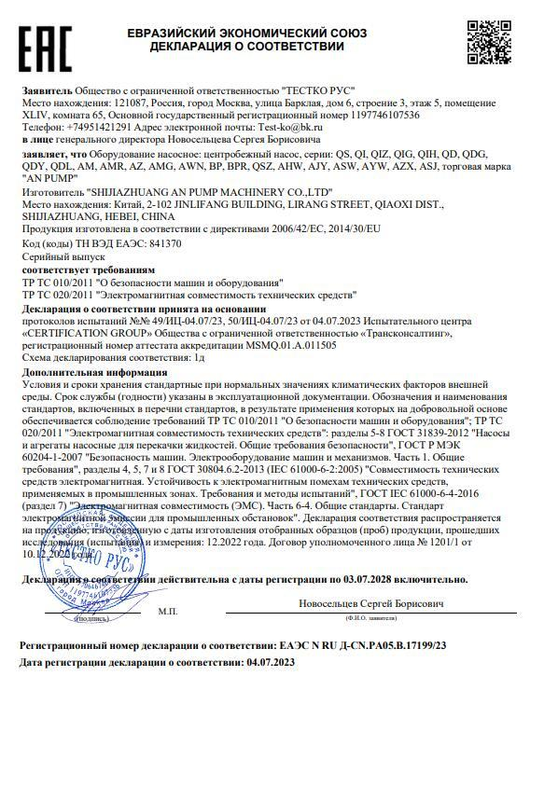
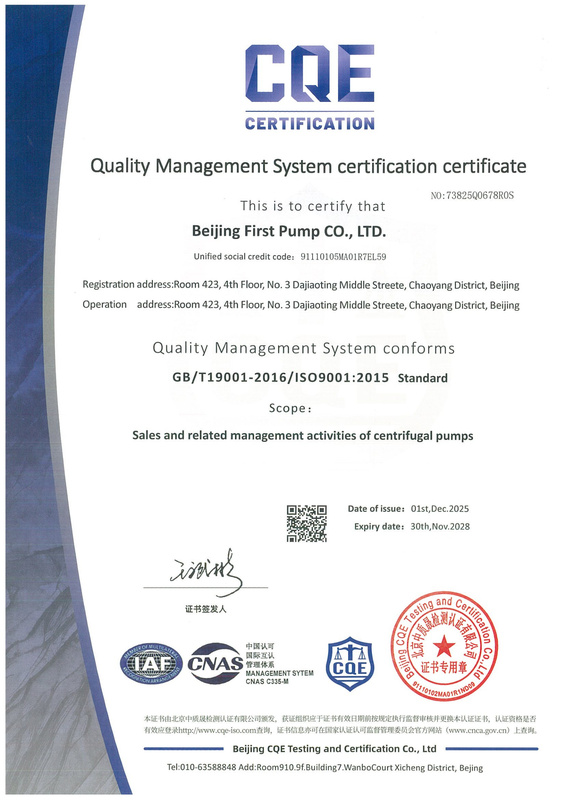
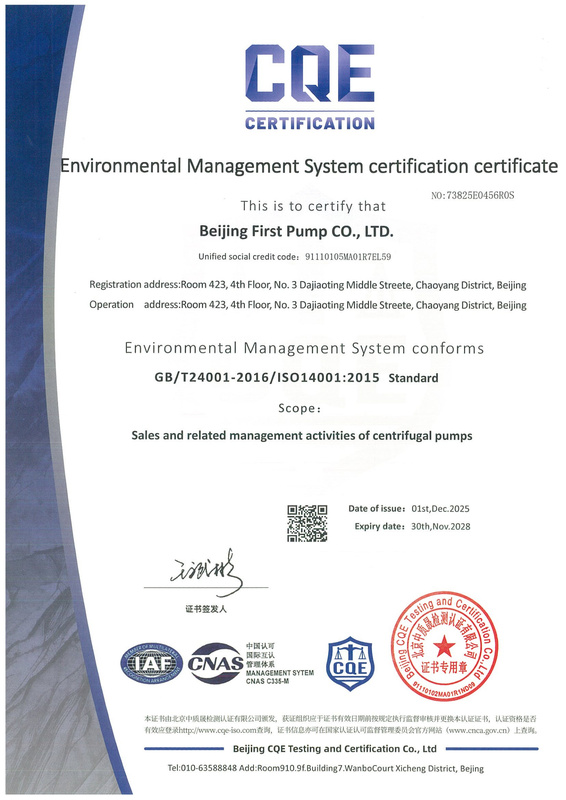
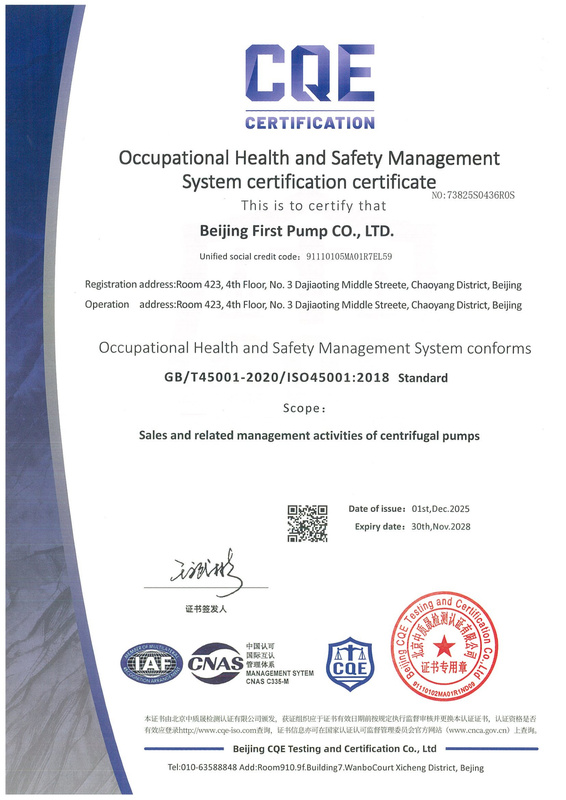
الشهادات والمعايير 1 ما يتم شحنه مع كل مضخة ري BBP
تقوم فرق المشتريات في الأسواق البلدية والزراعية وأسواق التصدير بمراجعة الموردين على محورين: الامتثال للوثائق وإمكانية تتبع سلسلة التوريد. حزمة المستندات الافتراضية الخاصة بنا أسفل السفن مع كل مضخة ري BBP دون أي تكلفة إضافية. تتوفر درجات الاختبار التي تمت مشاهدتها والتقارير الإضافية عند الطلب.
ايزو 9001:2015
نظام إدارة الجودةايزو 9906:2012
القبول الهيدروليكي من الدرجة 2بعلامة CE
توجيه الاتحاد الأوروبي للآلات 2006/42/ECإن 10204 3.1
شهادة اختبار المواد؛ 3.2 شهد المتاحةجيجابايت/تي 3216-2016
اختبار قبول المضخة الدوارة الصينيةأنسي/مرحبًا 14.3
مرجع التصميم والتطبيقAPI 610/ايزو 13709
ترقية اختيارية لواجب النفط والغازايزو 21940-11
ميزان المكره درجة G6.3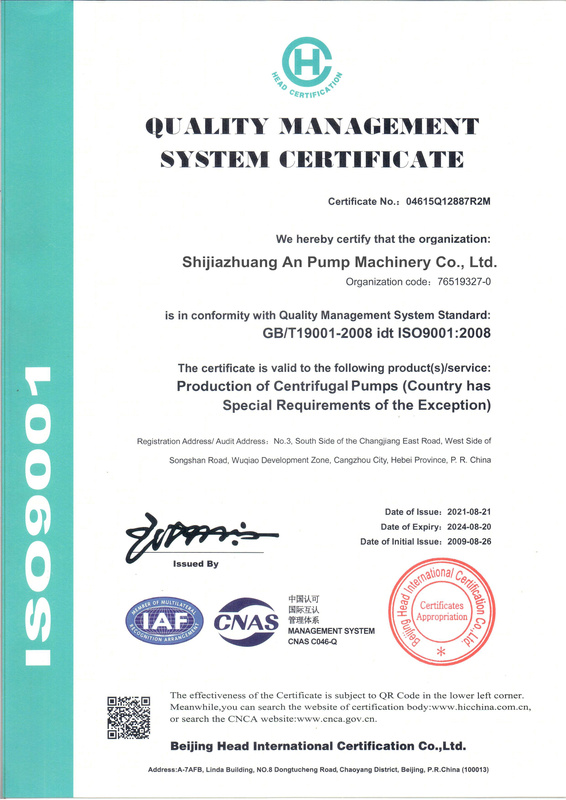
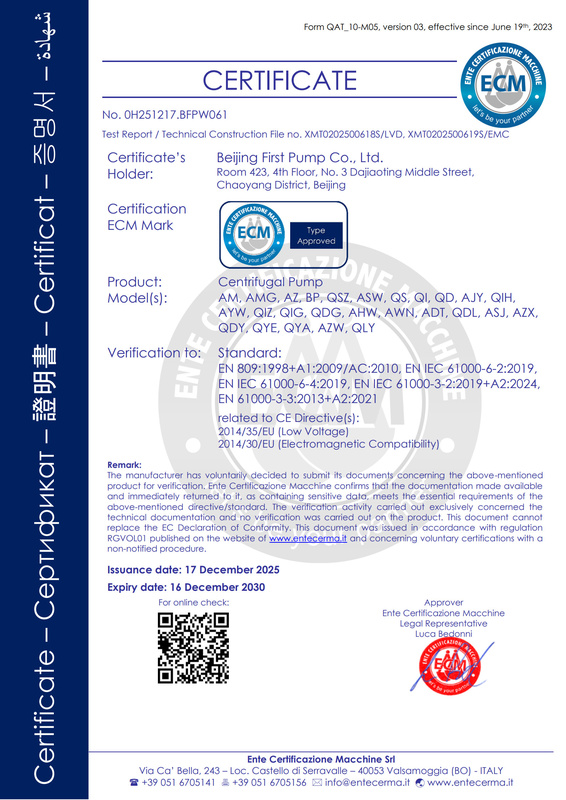
دليل المشتريات: مستويات التسعير، والمواعيد النهائية، وموك، وما بعد البيع
يخفي معظم موردي المضخات الواقع التجاري وراء نموذج عرض الأسعار. أدناه، تُظهر الأسعار الإرشادية لـ CFR Tianjin من طلبات BBP التي تم شحنها خلال الاثني عشر شهرًا الماضية نطاقات فعلية. تتغير الأرقام الدقيقة مع مادة المكره، وجهد المحرك، ومستوى الشهادة، ونطاق الملحقات 2018، لكن النطاقات تمنحك مرساة للميزانية قبل وصول عرض الأسعار.
طبقة القدرات
نطاق المحرك
مؤشر FOB الإرشادي/CFR تيانجين (دولار أمريكي)
المهلة القياسية
د.ن.80 ن.150 (مضخات المزرعة من سلسلة Q)
0.55.30 كيلو واط
$1،800 $9،500
14 يومًا من المخزون؛ بناء 3-4 أسابيع
150300 دينار (التدفق المختلط/دخول الصرف)
11.132 كيلو واط
$8،500 $34،000
مخزون 2-3 أسابيع؛ بناء 6-8 أسابيع
400600 دينار (التدفق المختلط/وسط الصرف)
110700 كيلو واط
$28،000 $92،000
8-12 أسبوعًا حسب الطلب
DN 700-800 + AHW-H محوري مخصص
450 1600 كيلو واط
$78،000 $210،000
10.14 أسبوع؛ 90-120 يومًا لـ AHW-H
حيث تغلبت المهل الزمنية لـ BBP على خط الأساس للصناعة
تشير أدلة مصادر B2B القياسية إلى أن المهل الزمنية لمضخة OEM تبلغ في المتوسط 25 إلى 40 يومًا حتى بالنسبة للتكوينات الجاهزة. تحتفظ BBP بأحجام قياسية تبلغ 150.300 دينار بحريني في مخزون السلع التامة الصنع، ولهذا السبب يتم شحن أصغر طبقة خلال 14 يومًا من المخزون والطبقة التالية خلال أسبوعين إلى ثلاثة أسابيع، وليس الأسابيع الستة إلى الثمانية التي تقتبسها معظم المصانع على أنها “standard.” تجتذب الطلبات المجمعة لثلاث مضخات متطابقة أو أكثر عادةً خصمًا على مستوى 5 mimpeller، والمواد البديلة، وتركيب الإطار المخصص) نافذة البناء بمقدار 2 إلى 4 أسابيع.
شروط الدفع والضمان وقطع الغيار
دفع
إيداع T/T 30% + 70% مقابل B/L هو المعيار. يتم قبول خطاب الاعتماد غير القابل للإلغاء في الأفق؛ D/P متاح لحسابات الموزعين طويلة الأجل.
شروط التجارة
دعم EXW وFOB وCIF وDDP. يتم اقتباس CFR/CIF/DDP بشكل منفصل حسب الوجهة من خلال فريقنا اللوجستي المخصص.
ضمان
12 شهرًا من بدء التشغيل أو 2000 ساعة تشغيل (أيهما أولاً) على مجموعة المضخة الكاملة.
قطع غيار
يتم شحن مكونات التآكل الشائعة (المحامل، والأختام، وحلقات تآكل المكره، وأكمام العمود) خلال 48 ساعة من مخزون بكين؛ سفينة المسبوكات الكبيرة في غضون 10 أيام.
هندسة ما قبل الجائزة
تم إرجاع مراجعة مجانية لهندسة الحوض مقابل ANSI/HI 9.8 (تصميم مدخل المضخة) خلال 5 أيام عمل، دون أي التزام بالشراء.
ما الذي يدفع تباين أسعار BBP
مادة المكره (خط الأساس من الحديد الزهر، الطبقة المتوسطة غير القابل للصدأ 304/316، دوبلكس 2205/CF8M لمياه البحر، برونز ALBC3 لواجب الكلوريد)، جهد المحرك وعدد الأقطاب، درجة الشهادة (ISO 9906 درجة 2B الافتراضية، ترقية مدفوعة من الدرجة 1B)، معيار الحافة (ASME B16.5 vs EN 1092-1)، ونطاق الملحقات (VFD، التحكم في المستوى، مجموعة التحضير التلقائي، المكره الاحتياطي في الصندوق). أرسل نقطة العمل ووصف السوائل الخاص بك ونعيد عرض أسعار مفصلًا خلال يومي عمل.
الأدوات الهندسية لمضخات التدفق والري المختلطة
محدد نوع المضخة
تحديد التكوين الأمثل لمضخة الري الزراعية أو البلدية.
أداة الوصول
حاسبة التكلفة الإجمالية للملكية لمدة خمس سنوات
تقييم التكلفة الإجمالية للملكية عبر دورة حياة تشغيلية مدتها 5 سنوات.
حساب التكاليف
حاسبة السرعة المحددة
تحديد السرعة المحددة للمعدات لتحقيق أقصى قدر من الكفاءة الهيدروليكية.
تشغيل الحساب
الأسئلة المتداولة us الحجم والاختيار والمشتريات
ما هو نوع المضخة الأفضل للري الصناعي؟
السرعة المحددة تجيب على هذا، وليس التفضيل. أقل من 500 جالون في الدقيقة عند رأس 50 بوصة 200 قدم، تفوز أجهزة الطرد المركزي ذات الشفط النهائي (BBP Q-Series).
من 500 إلى 3000 جالون في الدقيقة برأس معتدل، تتولى هندسة التدفق المختلط المسؤولية. فوق 3000 جالون في الدقيقة عند الرأس المنخفض، توفر المضخات المروحية ذات التدفق المحوري أعلى كفاءة. تقوم مصفوفة الاختيار الخاصة بنا في القسم أعلاه بتعيين نقطة واجبك للعائلة الصحيحة في صف واحد.
كيف يمكنني تحديد حجم مضخة الري مقابل واجب 5000+ جالون في الدقيقة؟
تحتاج إلى أربعة أرقام: معدل التدفق الأقصى (GPM أو m³/h)، وإجمالي الرأس الديناميكي (مجموع الرفع الثابت، وفقدان الاحتكاك، ورأس الضغط)، وNPSHa عند الشفط (يحتاج البائع إلى ذلك لتأكيد هامش التجويف)، ودورة العمل (مستمر، موسمي، أو طارئ). أرسل هذه القيم الأربع بالإضافة إلى وصف السوائل الخاص بك إلى هندسة تطبيقات BBP ونعيد نموذج مطابقة مع تراكب المنحنى خلال 24 ساعة.
ما الفرق بين مضخات التدفق المختلط ومضخات التدفق المحوري؟
تقوم المكره ذات التدفق المختلط بدفع السائل بشكل قطري (للخارج من العمود) ومحوريًا (على طول العمود). تقوم مروحة التدفق المحوري بتحريك السائل بالكامل تقريبًا على طول العمود.
مقابض التدفق المختلط 3 رؤوس 40 م عند التدفقات العالية؛ مقابض التدفق المحوري 1 رأس 15 م عند التدفقات العالية جدًا. تقع نقطة التقاطع حول ns = 160 في السرعة المحددة المترية (حوالي 8000 في اتفاقية الولايات المتحدة).
الطرد المركزي مقابل التوربينات العمودية مقابل الغاطسة 1 ما هو المناسب للري؟
يعتمد اختيار التكوين على مصدر المياه وعمقها. المياه السطحية ضمن 6 م من المضخة تفضل أجهزة الطرد المركزي ذات الشفط النهائي الأفقي. الآبار العميقة (عمق غلاف البئر أكثر من 7 م أو التقلبات الموسمية في منسوب المياه الجوفية) تفضل التوربينات العمودية أو الغاطسة.
تفوز الغواصات عندما يكون الوصول إلى الحفرة الجافة غير عملي (الحفر، الحفر المغمورة بالمياه) ولكنها تدفع تكلفة صيانة غمر المحرك. تعمل إعدادات AHW العمودية للحفرة الجافة على تقسيم الفرق: يظل المحرك جافًا فوق مستوى الفيضان، وتبقى المكونات الهيدروليكية مغمورة بالمياه.
ما هو TDH ولماذا يحدد نوع المضخة؟
إجمالي الرأس الديناميكي هو مجموع الرفع الثابت (المسافة العمودية التي يقطعها الماء)، ورأس الضغط (ضغط التشغيل المطلوب في اتجاه مجرى النهر)، ورأس الاحتكاك (الطاقة المفقودة بسبب مقاومة الأنابيب والتركيب)، ورأس السرعة (صغير، غالبًا ما لا يكاد يذكر). جنبًا إلى جنب مع معدل التدفق، يحدد TDH السرعة المحددة 100000000000000000000000000000000000000000000000000000000000000000000000000000000000000000000000000000000000000000000000000000000000000000000000000000000000000000000000000.
كم من الوقت تستمر مضخة الري الصناعية؟
تعتمد فترات الخدمة الميدانية على مادة المكره، وكشط السوائل، ودورة العمل. تعمل دافعات SCS13 غير القابل للصدأ في المياه النظيفة عادةً قبل 5 إلى 8 سنوات من الإصلاح.
مياه النهر المحملة بالرواسب تقصر ذلك إلى 3.5 سنة. تصل خدمة المياه المالحة باستخدام الأنودات المضحية والدفاعات البرونزية ALBC3 إلى 4.6 سنوات. تم توثيق حالة BBP-800-MFH Duplex 2205 في قسم النتائج الميدانية أعلاه لمدة 8 سنوات في وحدة الرصاص دون إصلاح شامل.
ما هي الشهادات القياسية مع مضخات الري BBP؟
تأتي كل وحدة بشهادة إنتاج ISO 9001:2015، وتقرير الاختبار الهيدروليكي ISO 9906:2012 من الدرجة 2B، وعلامة CE وفقًا لتوجيهات الاتحاد الأوروبي للآلات 2006/42/EC، واختبار قبول GB/T 3216-2016، وشهادات اختبار المواد EN 10204 3.1. اختبار الدرجة 1B، واختبار EN 10204 3.2 الذي شهد الاختبار، والامتثال لمضخة المعالجة API 610 / ISO 13709، وشهادة CCS / ABS البحرية كلها متاحة كترقيات مدفوعة.
ما هي المهلة الزمنية لـ BBP للمواصفات المخصصة؟
يتم شحن الأحجام القياسية DN 150-300 من الحديد الزهر مع المحركات القياسية من المخزون في 14 يومًا أو البناء حسب الطلب في 3 إلى 4 أسابيع. يتم شحن DN 400.600 متوسطة الحجم في 8.12 أسبوعًا من البناء حسب الطلب.
يتم شحن السفن المخصصة المحورية الأفقية الكبيرة DN 700 bor800 وAHW-H خلال 10 أسابيع و14 أسبوعًا (AHW-H 90 ber20 يومًا بما في ذلك المراجعة الهندسية). تعديلات OEM impeller تقليم، مواد بديلة، تركيب مخصص ستضيف 2-4 أسابيع إلى نافذة البناء. يبلغ متوسط خط الأساس الصناعي لمهلة مضخة OEM 25 إلى 40 يومًا، لذا فإن مخزون BBP لمدة 14 يومًا في أصغر طبقة يعد أمرًا غريبًا ملحوظًا.
هل تقدم BBP إنتاج OEM أو إنتاج علامة تجارية خاصة؟
نعم. نقوم بتعديل قطر المكره وهندسة الريشة لتتناسب مع منحنى واجبك، والمواد البديلة (خيارات Duplex 2205، CF8M، Hastelloy)، وإنتاج لوحات أسماء ووثائق ذات علامة تجارية خاصة في علامتك التجارية، وضبط معايير الحافة (ASME B16.5، EN 1092-1، JIS B 2220، GB/T 17241). المكونات الهيدروليكية القياسية مع ترقيات المواد ليس لها موك؛ تتطلب إعادة التصميم الهيدروليكي الكامل باستخدام أدوات الأنماط الجديدة عادةً 3+ طلبات وحدة. يتم تضمين هندسة ما قبل البيع حتى تسجيل الخروج من المواصفات.
كيف يعمل تسعير CFR Tianjin للمشترين الدوليين؟
CFR (التكلفة والشحن) Tianjin تعني أن BBP تقوم بترتيب ودفع الشحن البحري إلى ميناء الوجهة المحدد؛ يتحمل المشتري مسؤولية التأمين وتخليص الاستيراد والشحن الداخلي من ميناء الوصول. يضيف CIF التأمين إلى نطاق BBP؛ يتضمن DDP كل شيء على باب المشتري (يستخدم غالبًا للموزعين الحاصلين على ترخيص استيراد ثابت).
يتم أيضًا دعم EXW وFOB. تحدد عروض الأسعار مصطلح التجارة بشكل صريح ويمكن إعادة تسعيرها في أي من المصطلحات الخمسة خلال يوم عمل واحد.
تتجه الآن

![التجويف في مضخات الملاط بداية المواد الصلبة NPSH [الدليل الميداني]](https://bbpmfg.com/wp-content/uploads/2026/07/cavitation-in-slurry-pumps-featured-1-150x150.png)