
تواصل مع BBP

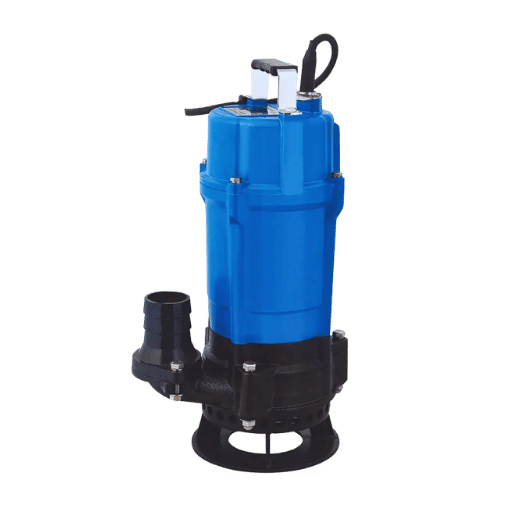
تتعامل مضخة الحمأة مع الحمأة شبه السائلة بالمواد الصلبة العالقة أو اللزوجة أو الحصى أو الألياف أو الحطام المستقر. تسمية المضخة بسيطة؛ اختيار المضخة المناسبة للمادة هو ما يمنع فقدان التدفق والمحركات المحروقة وخطوط التفريغ المسدودة.
المواصفات السريعة: لمحة سريعة عن واجب مضخة الحمأة
- سلوك السوائل: حمأة شبه سائلة، وليست مياه نظيفة.
- المدخلات الأساسية: نسبة المواد الصلبة، حجم الجسيمات، اللزوجة، التدفق، الرأس، NPSHa، دورة العمل، ونوع الحطام.
- عائلات المضخات المشتركة: غاطسة، طرد مركزي، مروحية، الحجاب الحاجز، والتجويف التدريجي.
- مخاطر الفشل الرئيسية: الانسداد، وتآكل الختم، والتجويف، والحمل الزائد للمحرك، وتسوية خط التفريغ.
- التسليم التجاري: بمجرد معرفة بيانات التدفق والرأس والمواد الصلبة والمواد، انتقل إلى مواصفات مضخة الحمأة الصناعية.
ما هي استخدامات مضخة الحمأة؟
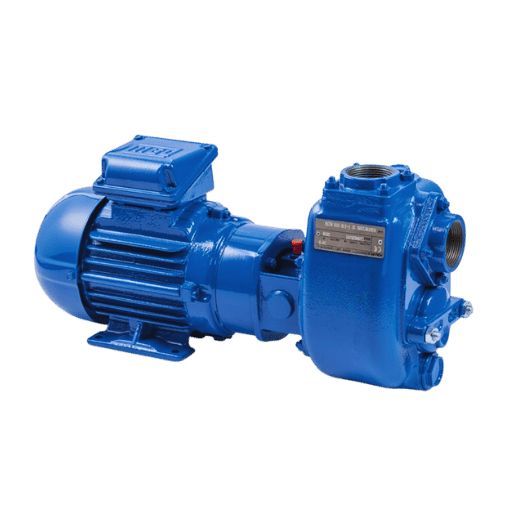
استخدم مضخة الحمأة حيث يحتوي السائل على مواد صلبة أو ألياف أو حبيبات أو محتوى بيولوجي كبير بحيث تكون مضخة المياه القياسية هي الآلة غير المناسبة. في معالجة مياه الصرف الصحي التي قد تكون حمأة أولية، أو حمأة منشطة، أو حمأة منشطة للنفايات، أو مواد صلبة حيوية سميكة. في الخدمة الصناعية التي قد تكون حمأة مصنع الورق، أو بقايا العمليات، أو نفايات الطعام، أو المخلفات الكاشطة.
هذا الاختلاف مهم لأن الحمأة هي مشكلة هيدروليكية ومشكلة في التعامل. يجب أن تنتج المعدات التدفق، وتحتفظ بالمواد الصلبة في حالة تعليق، وتحد من مخاطر الانسداد، وتتعامل مع نمط التآكل الذي تفرضه المادة.
وفقا لوكالة حماية البيئة دليل إنجليزي عادي لقاعدة المواد الصلبة الحيوية الجزء 503 من وكالة حماية البيئة, ، المواد الصلبة الحيوية هي في المقام الأول منتجات صلبة عضوية يتم توليدها من معالجة مياه الصرف الصحي البلدية. يمكن لمشتري المضخات استخدام هذا التعريف لمعالجة الحمأة باعتبارها تيارًا متغيرًا للمواد، وليس سائلًا ثابتًا.
يمكن أن تكون نتائج بحث المستهلك مربكة. مضخات حمأة غسالة الضغط، ومضخات حمأة البركة، وملحقات تصريف حوض السباحة ليست هي نفس عملية الشراء التي تتم بها مضخة نقل الحمأة الصناعية. إذا كانت نقطة العمل عبارة عن مصنع بلدي، أو حوض صناعي، أو منجم، أو مصنع ورق، أو خزان معالجة، فابق في الوحدات الصناعية: GPM أو m³/h، والرأس، والمواد الصلبة، واللزوجة، وحجم الجسيمات، وقوة المحرك، والمواد.
في مواقع البناء أو بعد الفيضان، لا يعد نزح المياه من الحمأة تلقائيًا مهمة مضخة الحوض؛ يمكن أن يتسبب حطام المرشح والحصى والبقايا اللزجة في تلف المضخة إذا حاول الطاقم ضخ الحمأة بمضخات قياسية. قد تساعد شاحنة التفريغ في الإزالة الطارئة، ولكنها لا تحل محل اختيار المضخة عندما لا تزال المواد الصلبة بحاجة إلى المرور عبر الخط.
ما هو الاسم الآخر لمضخة الحمأة؟
هناك أيضًا أسماء بديلة لمضخة الحمأة، مثل مضخة المواد الصلبة الحيوية، أو مضخة معالجة المواد الصلبة، أو المضخة غير المسدودة، أو مضخة الحمأة الحوضية، أو مضخة نزح المياه، أو مضخة المروحية، أو مضخة نقل الحمأة. اعتمادًا على المصنع والمواد، هذه الأسماء غير قابلة للتبديل لأنها يمكن أن تشير إلى هندسة مختلفة للمكره، وتصميم المدخل، ومرور المواد الصلبة، ومخاطر الصيانة.
الوجبات الجاهزة الرئيسية: استخدم كلمة “sludge” لبدء البحث، ولكن استخدم سلوك المواد الصلبة لاختيار الجهاز.
كيف تعمل مضخة الحمأة؟
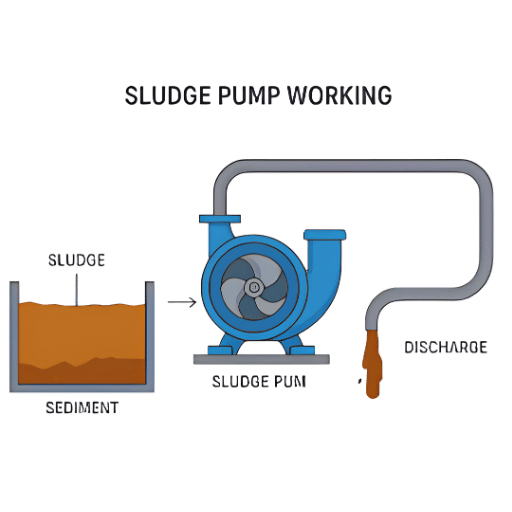
تعمل معظم مضخات الحمأة عن طريق خلق فرق في الضغط ينقل الحمأة من جانب الشفط إلى الغلاف، من خلال المكره أو عنصر الضخ، وإلى الخارج من خلال التفريغ. يبدو ذلك بسيطًا حتى يتوقف السائل عن التصرف مثل الماء: تستقر المواد الصلبة، وتلتف الألياف، وتزيد اللزوجة من الاحتكاك، وتؤدي الحبيبات الكاشطة إلى تآكل الخلوصات الداخلية.
تضفي دافعة مضخة الحمأة بالطرد المركزي الطاقة على شكل سرعة وضغط على الحمأة. يحول حلزوني المكره نسبة أكبر من تلك السرعة إلى ضغط تفريغ. تستخدم مضخات الحمأة المروحية عناصر القطع لإزالة أي حطام ليفي يمكن أن يسد المدخل.
تستخدم مضخات الحجاب الحاجز والتجويف التدريجي الإزاحة الإيجابية لتحريك الحمأة الأكثر لزوجة أو حساسية للقص بسرعة أقل.
تعتبر نسبة المواد الصلبة متغيرًا مهمًا جدًا. كما هو مذكور في صحيفة حقائق سماكة الجاذبية EPA، فإن سماكة حمأة 3% إلى حمأة 6% تقلل الحجم بمقدار 50%، وتكون قيعان مكثفات الجاذبية بشكل عام في نطاق المواد الصلبة 4-6%، مع تركيزات تصل إلى 15% إجمالي المواد الصلبة في بعض الحالات. ولهذا السبب قد يكون الخط الذي كان أداؤه جيدًا بالأمس محملاً بشكل زائد أو مسدودًا بعد تغيير معلمات السماكة في اتجاه المنبع.
ملاحظة هندسية: لا تعامل لزوجة الحمأة على أنها لزوجة مياه نظيفة إلا إذا كانت المواد الصلبة منخفضة جدًا وتم التحقق منها. غالبًا ما تحذر المناقشات الميدانية بين مهندسي مياه الصرف الصحي من أن سلوك مياه الصرف الصحي والحمأة يتغير بمجرد ارتفاع إجمالي المواد الصلبة فوق النطاق المنخفض المكون من رقم واحد. في مراجعة التصميم، اسأل عن إجمالي المواد الصلبة ودرجة الحرارة وملف الجسيمات وما إذا كانت المواد الصلبة تستقر أثناء إيقاف التشغيل.
مقارنة أنواع مضخات الحمأة
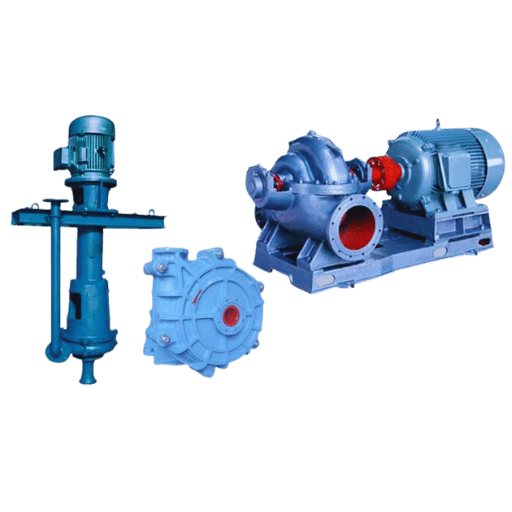
يعتمد اختيار المضخة على وظيفة الحمأة داخل المضخة، وليس على الاسم العام للمصنع. يمكن للأحواض البلدية ذات المناديل، ومجاري مخلفات التعدين، وخطوط حمأة مصانع الورق أن تستخدم كلمة حمأة، ولكنها ستعطي ضغوطًا مختلفة للمضخة.
| نوع المضخة | الأنسب | الحد الرئيسي | شيك المشتري |
|---|---|---|---|
| مضخة الحمأة الغاطسة | الحفر والأحواض ومحطات الرفع ونزح المياه المؤقتة | الوصول ومخاطر الانسداد | مرور المواد الصلبة، طول الكابل، حماية المحرك |
| مضخة حمأة الطرد المركزي | تدفق أعلى، نقل اللزوجة أقل إلى متوسطة | تسوية المواد الصلبة واللزوجة العالية | منحنى المضخة، NPSHa، خلوص المكره |
| مضخة المروحية | الحمأة الليفية، والمناديل المبللة، والخرق، والنفايات الخيطية | ارتداء عنصر القطع | الوصول إلى الشفرة، مرور المواد الصلبة، فترات الخدمة |
| مضخة الحجاب الحاجز | نقل متقطع للمواد الصلبة العالية أو الحمأة الكيميائية | حدود النبض والقدرة | التوافق الكيميائي وإمدادات الهواء |
| مضخة تجويف تقدمية | الحمأة اللزجة والتحكم في تدفق القص المنخفض | تآكل الجزء الثابت وحساسية التشغيل الجاف | حجم المادة الدوارة/الثباتية والمواد الصلبة |
| مضخة القمامة | المياه القذرة مع الحطام السائب | ليس محلول الحمأة السميكة | حدود واجب مضخة القمامة |
مزايا
- تسمح عائلات المضخات المتعددة للمهندسين بمطابقة وضع الفشل.
- تعمل التصميمات الغاطسة على تقليل التعرض لغرفة المضخة لخدمة الحفرة.
- يمكن لتصميمات المروحية أن تقلل من الانسداد المرتبط بالخرقة حيث تهيمن الألياف.
القيود
- لا يوجد نوع مضخة يصلح بيانات الخدمة السيئة.
- حيث من المتوقع وجود مواد صلبة معدنية كاشطة، أ مضخة الطين الثقيلة ينبغي النظر في الاختيار.
- يمكن للحمأة عالية اللزوجة أن تجعل منحنيات المياه النظيفة مضللة.
ما هو نوع المضخة الأفضل للحمأة؟
غالبًا ما تبدأ الحمأة المائية في الحفر بمضخة حمأة غاطسة. تستحق النفايات البلدية الليفية المقارنة بمضخة المروحية أو المطحنة، بما في ذلك مضخة طاحونة الصرف الصحي خيار. عندما يتعلق الأمر بالمواد الصلبة المعدنية، يتحول القرار نحو المواد الرطبة ذات المضخة الملاطية. عندما تكون المادة سميكة ولزجة، قد يكون هناك ما يبرر تصميم الإزاحة الإيجابية على تصميم الطرد المركزي.
الحمأة مقابل الملاط مقابل مضخة القمامة: مشكلة الحدود
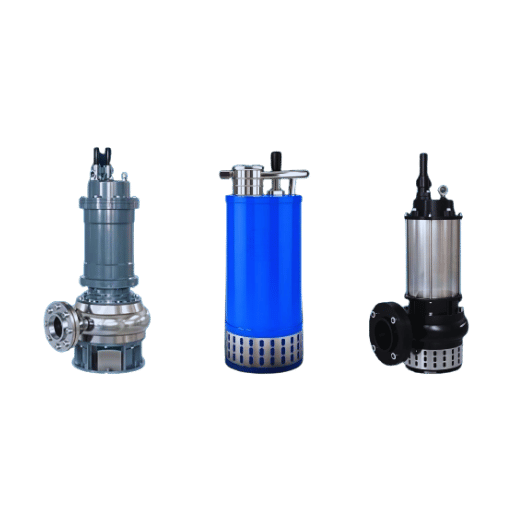
يمكن أن تتداخل الحمأة والملاط ومياه القمامة بلغة غير رسمية، لكنها لا تعاقب المضخات بنفس الطريقة. الحمأة غالبا ما تكون بيولوجية أو شبه صلبة. من المرجح أن يكون الملاط معدنيًا وكاشطًا. مياه القمامة هي مياه أرق تحمل الحطام السائب. تؤثر هذه الاختلافات على اختيار المكره واختيار المواد وحمل المحرك وتخطيط قطع الغيار.
| فئة | المخاطر المهيمنة | خطأ المشتري النموذجي | الخطوة التالية أفضل |
|---|---|---|---|
| حمأة | اللزوجة، الألياف، المواد الصلبة البيولوجية، التسوية | شراء مضخة مياه نظيفة بمحرك أكبر | تحقق من عائلة المضخات الخاصة بالحمأة |
| الطين | المواد الصلبة المعدنية الكاشطة والتآكل الرطب | سبائك أو مواد بطانة غير محددة | مراجعة مضخة الطين الغاطسة واجب |
| مياه القمامة | الحطام السائب في المياه الرقيقة نسبيا | استخدامه للحمأة البيولوجية السميكة | تحقق من حدود القمامة أو نزح المياه |
في قطعة واحدة من اختبار الحدود، تختلف الإجابات. المواد التي تستقر تسمح بسؤال حول إبقائها مقيدة. المواد التي تلتف تسمح بسؤال حول قطع أو تمرير المواد الليفية. المواد التي تتآكل تتطلب سؤالاً حول قطع الغيار المضحية. تؤدي مشاكل التزايد إلى أسئلة حول استخلاص عزم الدوران اللازم وظروف الضخ المطلوبة عند بدء التشغيل.
إطار فرز المواد الصلبة واللزوجة والتآكل المكون من 9 نقاط
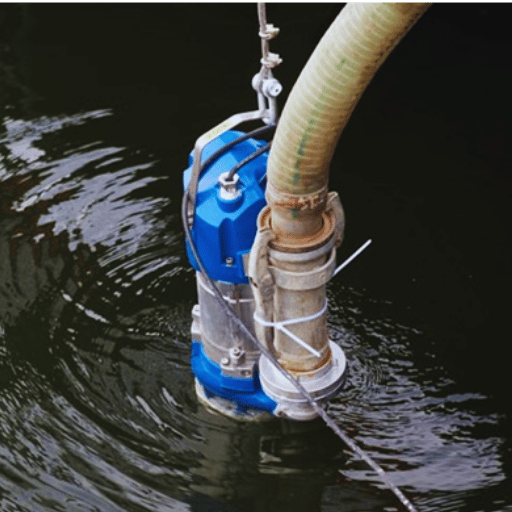
يجب أن تبدأ أي دعوة للمعدات بتصنيف الرسوم على ثلاثة محاور: المواد الصلبة، واللزوجة، والتآكل. يساعد إطار عمل فرز المواد الصلبة واللزوجة والتآكل المكون من 9 نقاط على منع مشكلتين باهظتين: شراء مضخة لا يمكنها تمرير المادة، أو اختيار مضخة أكثر صلابة مما يحتاجه التطبيق.
حساب التفاضل والتكامل للتكلفة هذا ليس منطقيًا فحسب، بل إن كل مثال في العالم الحقيقي يؤكد ذلك. وزارة الطاقة كتاب مرجعي لنظام الضخ يشير إلى أن المضخات كبيرة الحجم تزيد من تكاليف التشغيل والصيانة. يمكن لمضخات الحمأة كبيرة الحجم أن تحرك المضخة بعيدًا عن منطقة التشغيل الأكثر راحة، مما يقلل من الموثوقية.
| إذا أظهرت المواد الخاصة بك... | اسأل عن... | لماذا يهم |
|---|---|---|
| الألياف، المناديل، الخرق | تقييم المروحية أو المطحنة | يمنع جسر المدخل والرفع المتكرر من الحفر |
| الحصى المعدنية أو المخلفات | نهاية رطبة عالية الكروم أو مبطنة | ينقل القرار من الانسداد إلى التحكم في التآكل |
| لزوجة عالية | مراجعة عزم الدوران والشفط والإزاحة الإيجابية | يمكن لمنحنيات المياه النظيفة أن تقلل من الطلب على الطاقة |
| خط تفريغ طويل | فحص السرعة والتسوية | المواد الصلبة المستقرة تحول الأنبوب إلى انسداد |
| الطلب على التدفق المتغير | طريقة التحكم ومراجعة VFD | تعتمد الطاقة والتآكل على كيفية التحكم في التدفق |
| الحمأة المسببة للتآكل | التحقق من توافق المواد | يمكن أن تفشل المعادن الخاطئة قبل ظهور التآكل الهيدروليكي |
| متطلبات القبول الضيقة | درجة الاختبار الهيدروليكي وحزمة المستندات | يجعل المشتريات قابلة للتدقيق |
| بيانات المواد الصلبة غير المعروفة | اختبار العينة أو نقطة التجربة المحافظة | تختلف القيم الدقيقة حسب الموقع والعملية الأولية |
| بيانات الواجب الجاهزة | محدد مضخة الحمأة | يحول الدليل إلى مدخلات التحجيم |
في تطبيقات الحمأة، السؤال المفيد الأول ليس دائمًا “، أي نموذج؟” هو “، ما هو وضع الفشل الذي نحاول تجنبه: الانسداد، أو التآكل، أو التجويف، أو التحكم غير المستقر؟”
لماذا تفشل مضخات الحمأة
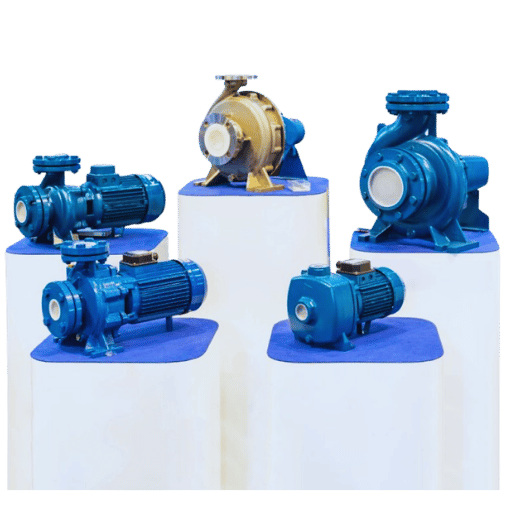
تفشل مضخات الحمأة بطرق يمكن التعرف عليها. يحدث الانسداد عندما لا تتمكن المادة من المرور. المواد الصلبة الكاشطة تقطع الخلوصات. ظروف الشفط السيئة تؤدي إلى التجويف. اللزوجة المضافة، المواد الصلبة، أو نقطة التشغيل الضعيفة يمكن أن تتطلب طاقة أكبر مما يمكن أن يوفره المحرك والمحرك.
ومن الأمثلة العملية على ذلك تنظيف جهاز تنقية مياه الصرف الصحي حيث يقوم المشغلون بشكل متكرر بخفض ورفع المضخة الغاطسة لأن المدخل يستمر في الانسداد. وهذا أكثر من مجرد مشكلة عمل. إنه دليل على أن عائلة المضخة أو مرور المواد الصلبة أو طريقة القطع لا تتطابق مع المادة.
يستحق التجويف اهتمامًا خاصًا لأنه من السهل أن يُساء قراءته على أنه مضخة ضعيفة. المعهد الهيدروليكي، في دليل مناطق تشغيل NPSH والمضخة, ، يشير إلى أن NPSH أساسي لتجنب التجويف وحماية موثوقية المضخة. إذا زادت سماكة الحمأة أو تغير فقدان الشفط، يمكن أن يتقلص هامش NPSH الفعال حتى عندما لا تتغير أجهزة المضخة.
| أعراض | السبب المحتمل | نقطة التفتيش |
|---|---|---|
| ينخفض التدفق فجأة | المواد الصلبة المسدودة أو التفريغ المستقرة | المدخل، الخرطوم، سرعة التفريغ |
| الضوضاء والاهتزاز | التجويف أو التشغيل خارج المنحنى | NPSHA، خسائر الشفط، منطقة التشغيل |
| ارتداء المكره السريع | حبيبات كاشطة أو مادة رطبة خاطئة | شهادة المواد وتحليل المواد الصلبة |
| رحلات السيارات | اللزوجة العالية، الحمل الزائد، مشكلة الجهد | أمبير، الجهد، الكثافة، حالة بدء التشغيل |
لماذا مضخة الحمأة الخاصة بي لا تعمل؟
ابدأ بالمادة وليس بالمحرك. تأكد مما إذا كان المدخل مسدودًا، أو أن خرطوم التفريغ مسدود جزئيًا، أو أن الحوض قد استقر على المواد الصلبة أو أن الحمأة أكثر سمكًا من الواجب الأصلي. ثم تحقق مما إذا كانت المضخة تعمل بالقرب من منطقة التدفق التصميمية الخاصة بها. غالبًا ما يؤدي الفشل في القيام بذلك عند استبدال نفس الطراز إلى تكرار الفشل.
المواد والمعايير وفحوصات القبول
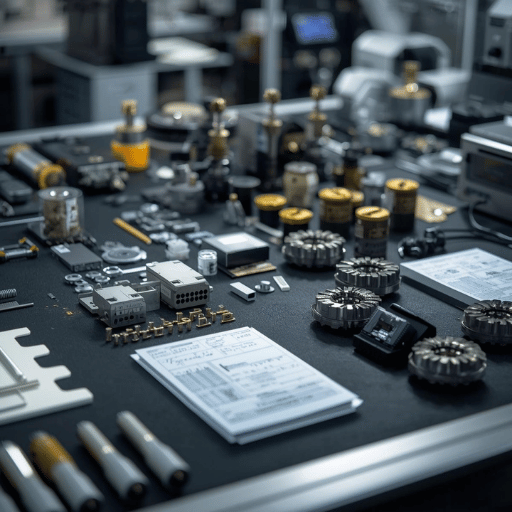
يعد اختيار مواد مضخة الحمأة قرارًا محفوفًا بالمخاطر. قد يكون الحديد الزهر مناسبًا لحمأة مياه الصرف الصحي منخفضة التآكل. الفولاذ المقاوم للصدأ هو خيار أفضل للتآكل والنظافة. يستحق الحديد الأبيض عالي الكروم النظر فيه بالنسبة للمواد الصلبة الكاشطة حيث يهيمن محرك التآكل.
يصف ASTM مكاوي صب مقاومة للتآكل A532/A532M مثل سبائك الحديد الزهر الأبيض لمقاومة التآكل الكاشط في تطبيقات التعدين والطحن ومعالجة الأرض والتصنيع. يكون هذا النطاق مناسبًا عندما تعمل الحمأة مثل الملاط الكاشط أكثر من مياه الصرف الصحي البيولوجية.
ISO 9906 هو المرجع المعتاد للقبول الهيدروليكي. تنص ISO على ذلك ايزو 9906:2012 يحدد اختبارات قبول الأداء الهيدروليكي للمضخات الديناميكية الدوارة. يجب أن تذكر المواصفات أو طلب عرض الأسعار درجة القبول أو سجل الاختبار المطلوب، حتى لو لم يتم ذكر المعيار بأكمله.
- حدد المادة الرطبة ومعيارها، وليس حديد Raffecast“ أو ”stainless Steel.“
- حدد ما إذا كان سيتم اختبار المضخة وفقًا لمعايير القبول مثل ISO 9906.
- اطلب منحنى الأداء وبيانات المحرك وخطة الختم وقائمة قطع الغيار.
- واجب جلخ يتطلب مراجعة خيارات المواد الرطبة لمضخة الحمأة قبل الموافقة على الاقتباس.
- قد تكون هناك حاجة إلى تركيب وخرطوم وحزمة رطبة للخدمة الشاقة عندما تهيمن المواد الصلبة الكاشطة.
قائمة التحقق من التركيب والصيانة لواجب مضخة الحمأة
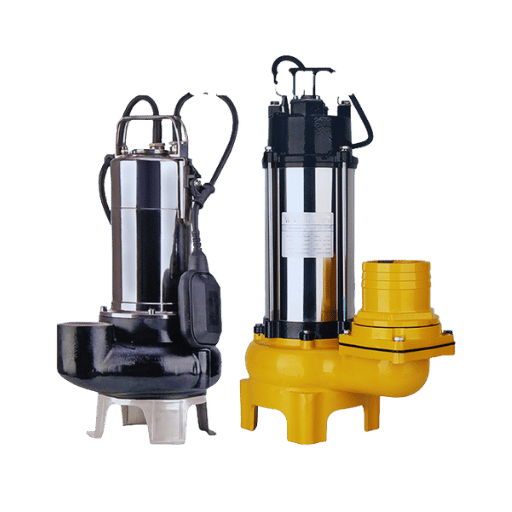
يحدد التثبيت ما إذا كانت المضخة المثبتة تحصل على عمر خدمة مفيد. تتطلب خدمة الحمأة هامش شفط واسعًا، ومسار تفريغ يمنع الاستقرار، وإمكانية الوصول للتنظيف، وخطة صيانة تكتشف التآكل قبل تعطل الأداء.
قائمة مراجعة ما قبل البدء
- لاحظ التدفق والرأس ونسبة المواد الصلبة ودرجة الحرارة واللزوجة والحطام المتوقع.
- تحديد غمر الشفط وهامش NPSHa وما إذا كانت المضخة تبدأ التشغيل ضد المواد المستقرة.
- افحص أنبوب التفريغ أو الخرطوم بحثًا عن النقاط المنخفضة التي يمكن أن تستقر فيها المواد الصلبة.
- حدد قوة المحرك والجهد والحماية من الحمل الزائد وأكد تصنيف الكابل للغواصة.
- قم بتخزين أجزاء التآكل الأولى: المكره، والختم، ولوحة التآكل أو البطانة، والحشية والمسامير.
مراقبة الأمبيرات، والاهتزاز، والتدفق، وتسرب الختم، وخصائص الحمأة. لا ينبغي افتراض أن الزيادة في الأمبيرات مع انخفاض التدفق تعني أن المحرك هو السبب الوحيد للفشل. قد يتم تحدي تشغيل المضخة عن طريق الحمأة السميكة، أو التشغيل خارج المنحنى، أو الانسداد الجزئي.
تنتمي فحوصات السلامة والامتثال إلى خطة التثبيت، وليس بعد بدء التشغيل. للتعامل مع المواد الصلبة الحيوية، تأكد مما إذا كان 40 CFR الجزء 503 ينطبق؛ بالنسبة لأعمال إدخال الآبار الرطبة أو استرجاعها أو تنفيذها ميدانيًا في الأماكن الضيقة، تحقق إدارة السلامة والصحة المهنية 29 CFR 1910.146 قبل تعيين الجدول الزمني للمشروع. أثناء التثبيت، قم بتسجيل خط الأساس للمضخمات والتدفق والاهتزاز وتسرب الختم، لذا فإن استكشاف الأخطاء وإصلاحها لاحقًا له نقطة مقارنة حقيقية.
متى تنتقل من الدليل إلى المواصفات والحجم والاقتباس

توجيه المشكلة مع هذه المادة. لا تذهب إلى المواصفات حتى يمكن توفير التدفق والرأس ونسبة المواد الصلبة وحجم الجسيمات واللزوجة وكيمياء المواد ونوع التثبيت والتطبيق والجهد ودورة التشغيل. ثم يمكن لمهندس التطبيق العمل بشكل منتج بدلاً من التخمين.
مثال على تنسيق بيانات RFQ: استبدل هذه الأمثلة بقيم تم قياسها بالموقع قبل التحجيم: رأس 32 مترًا، مواد صلبة 6%، حجم جسيمات 12 مم، كثافة 1050 كجم/م3، درجة حرارة الحمأة 35° مئوية، محرك 15 كيلووات، طاقة 60 هرتز، تفريغ 100 مم، كابل 20 م، رفع شفط 2 م، غمر 4 م، نقطة منخفضة لخرطوم 5 م، بدل تآكل 3 مم، شاشة خرقة 10 مم، تأرجح المواد الصلبة اليومي 2%، مواد صلبة لبدء التشغيل 8%، خلاط مساعد 1.5 كيلو واط، وإمدادات بديلة 50 هرتز. بالنسبة لقطع الغيار وفحوصات تركيب الموقع، أحجام توصيل المستندات 75 مم و150 مم، خيارات محرك 5 كيلووات و30 كيلووات، دورات عمل 4 ساعات و6 ساعات، نوافذ فحص 12 شهرًا و24 شهرًا، وأي حد لمياه التدفق يبلغ 10 رطل لكل بوصة مربعة.
بمجرد بدء عمل اختيار BBP، فإن الخطوة التالية هي منتج مضخة الحمأة وصفحة التحجيم. إذا كان الواجب لا يزال غير واضح، استخدم حاسبة TCO لمضخة الحمأة أو إرسال بيانات السوائل للمراجعة. بالنسبة لسجلات المشتريات، اطلب منحنى المضخة وشهادة المواد وحزمة المستندات ISO 9001:2015 مع عرض الأسعار.
توقعات الصناعة: تصميم مضخة الطاقة والمراقبة ومعالجة المواد الصلبة
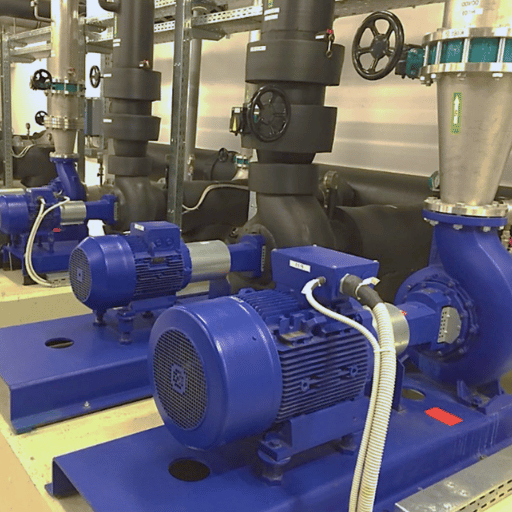
في مشاريع عام 2026، ستتجاوز مناقشة مضخة الحمأة “، هل ستمرر المواد الصلبة؟ يتساءل المشترون أيضًا عن كيفية التحكم في المضخة، وإلى أي وقت مبكر يمكن للموقع اكتشاف مشاكل الختم أو المحمل، وما إذا كان يمكن تشغيل المعدات بالقرب من منطقة التشغيل التصميمية الخاصة بها بدلاً من أن تكون كبيرة الحجم من أجل السلامة.
وفقا ل دليل الضخ ذو السرعة المتغيرة تستخدم أنظمة الضخ الصادرة عن وزارة الطاقة ما يقرب من 20% من طاقة المحركات الكهربائية في العالم و25% إلى 50% من إجمالي الطاقة الكهربائية في بعض المنشآت الصناعية. ويحدد الدليل أيضًا التحكم في سرعة المضخة باعتباره الطريقة الأكثر كفاءة للتحكم في التدفق.
يتم تحديد معايير الموثوقية بشكل متزايد. في ملخص المعهد الهيدروليكي لعام 2025 لتحديث ANSI/HI 9.6.1 لعام 2024، تم تشديد إرشادات هامش NPSH الخاصة بالشركة المصنعة للمضخة إلى نصيحة خاصة بالتطبيق، مع الإشارة إلى NPSHR لتحديد الهامش. قد يرغب عملاء الحمأة الآن في تحديد ظروف الشفط وخصائص السوائل في طلب عرض الأسعار الخاص بهم، بالإضافة إلى التدفق والرأس.
التخطيط للعمل لعام 2026: حدد المضخة وطريقة التحكم وحزمة المستشعر وحزمة المستندات معًا. تعامل مع منطق VFD ومراقبة تيار المحرك واتجاه الاهتزاز والوصول إلى قطع الغيار كجزء من نظام المضخة، وليس كأفكار لاحقة.
الأسئلة الشائعة حول مضخة الحمأة
ما هي مضخة الحمأة المستخدمة؟
عرض الإجابة
ينقل الحمأة، مع وجود المواد الصلبة أو الحبيبات أو الألياف أو المواد البيولوجية أو المواد اللزجة، في تطبيقات مياه الصرف الصحي والتطبيقات الصناعية والحوضية والعملياتية.
ما هو نوع المضخة الأفضل للحمأة؟
عرض الإجابة
يجب أن يوجه مكياج التدفق والحمأة الاختيار الأول. غالبًا ما يبدأ عمل الحفرة والحوض بمضخات الحمأة الغاطسة لأنها يمكن أن تجلس بالقرب من المادة وتقلل من مشاكل التحضير. الألياف والمناديل المبللة والحطام البلدي الخيطي تجعل تصميمات المروحية أو المطحنة تستحق المقارنة. المواد الصلبة المعدنية الكاشطة تحرك المراجعة نحو الأطراف الرطبة لمضخة الملاط وأجزاء التآكل.
قد تحتاج الحمأة عالية اللزوجة إلى مراجعة إيجابية للإزاحة بدلاً من اختيار الطرد المركزي بناءً على منحنيات المياه النظيفة فقط.
ما هي المضخة التي تزيل الحمأة؟
عرض الإجابة
يمكن استخدام مضخة الحمأة، أو المضخة المروحية، أو مضخة معالجة المواد الصلبة الغاطسة، أو مضخة الحجاب الحاجز، أو مضخة التجويف التدريجي، اعتمادًا على المواد الصلبة، واللزوجة، ورفع الشفط، وحجم الجسيمات، والحطام. توفر بيانات المواد نقطة البداية الأكثر حكمة.
هل يمكن لمضخة الطرد المركزي التعامل مع الحمأة؟
عرض الإجابة
نعم، ولكن فقط في نافذة العمل الصحيحة. يمكن أن تعمل مضخات حمأة الطرد المركزي على النقل الثقيل التدفق عندما يظل سلوك اللزوجة والمواد الصلبة متوافقًا مع منحنى المضخة. قد تتطلب الحمأة شديدة اللزوجة أو الليفية أو الترسيب مروحية أو مطحنة أو آلة إزاحة إيجابية.
ما الفرق بين مضخة الحمأة ومضخة الملاط؟
عرض الإجابة
عادة، سيتم اختيار مضخات الحمأة للخدمة اللزجة أو البيولوجية أو الليفية أو اللزجة. عادةً ما يتم التعامل مع التآكل الرطب أو المواد الصلبة المعدنية بواسطة مضخات الملاط. عندما تتداخل الظروف، يكون تحليل المادة أكثر أهمية من الملصق.
كيف يمكنني قياس مضخة الحمأة؟
عرض الإجابة
اجمع التدفق المطلوب، والرأس الديناميكي الإجمالي، والمواد الصلبة %، وحجم الجسيمات، وملاحظات اللزوجة، ودرجة الحرارة، والكيمياء، والشفط، ودورة العمل. ثم انظر إلى الواجب على منحنى المضخة وخطة المواد، بدلاً من اختيار المضخة بقوة حصانية فقط.
متى يجب أن أختار مضخة المروحية؟
عرض الإجابة
حدد مضخة المروحية عندما يكون السبب الرئيسي للانسداد هو الخرقة أو المسح أو الألياف أو المواد الخيطية. في ظل وجود حبيبات معدنية كاشطة، فكر في مواد مضخة الملاط وأجزاء التآكل الرطبة أولاً.
هل أنت مستعد لحجم مضخة الحمأة؟
إذا كنت تعرف بالفعل التدفق والرأس والمواد الصلبة واللزوجة ونوع التثبيت، فانتقل مباشرة من التعليم إلى الحجم.
موارد BBP ذات الصلة
المراجع والمصادر
- دليل إنجليزي عادي لقاعدة المواد الصلبة الحيوية الجزء 503 من وكالة حماية البيئة 1 وكالة حماية البيئة الأمريكية
- صحيفة حقائق عن تكنولوجيا المواد الصلبة الحيوية: سماكة الجاذبية 1 وكالة حماية البيئة الأمريكية
- تحسين أداء نظام الضخ: كتاب مرجعي للصناعة 5 وزارة الطاقة الأمريكية
- الضخ ذو السرعة المتغيرة: دليل للتطبيقات الناجحة 5 وزارة الطاقة الأمريكية
- المواصفات القياسية A532/A532M للمكاوي المصبوبة المقاومة للتآكل air ASTM الدولية
- ISO 9906:2012 المضخات اختبارات قبول الأداء الهيدروليكي 5 المنظمة الدولية للتوحيد القياسي
- أساسيات NPSH ومناطق تشغيل المضخات المعهد الهيدروليكي
- فهم تحديثات 2024 لـ ANSI/HI 9.6.1 المعهد الهيدروليكي

![التجويف في مضخات الملاط بداية المواد الصلبة NPSH [الدليل الميداني]](https://bbpmfg.com/wp-content/uploads/2026/07/cavitation-in-slurry-pumps-featured-1-150x150.png)