Entre em contacto com a BBP

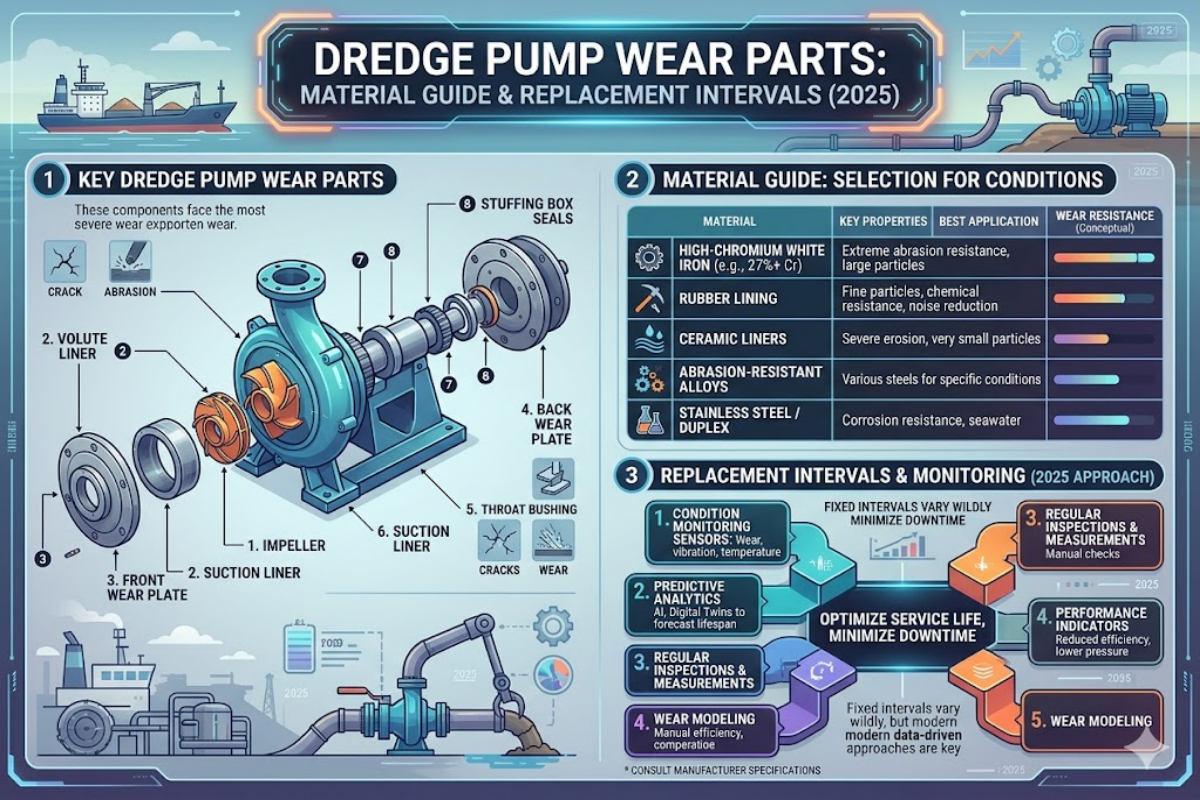
Peças de desgaste para bombas de dragagem — materiais, vida útil e como escolher a classe certa
Especificações rápidas
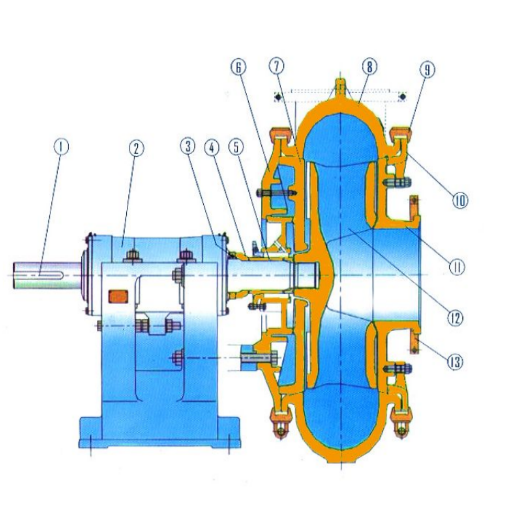
| Componentes críticos da parte hidráulica | 6 — impulsor, revestimento interior do corpo da bomba, anel de garganta, revestimento de aspiração, revestimento da placa traseira, camisa do veio |
| Liga recomendada | Ferro branco Ni-Hard de alto crómio (>58 HRC) conforme ASTM A532 |
| Vida útil face ao ferro fundido | 2–4× mais longa no serviço com lamas de areia/gravilha |
| Intervalo de manutenção | 6–12 meses em serviço contínuo (dependente do material e das condições) |
| Passagem má×. de partículas (bomba de dragagem) | 82–400 mm (vs. 25–76 mm numa bomba para polpas normal) |
Quais são as peças de desgaste críticas numa bomba de dragagem?
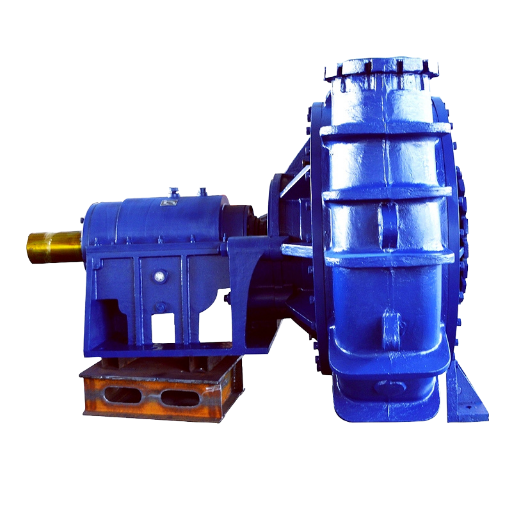
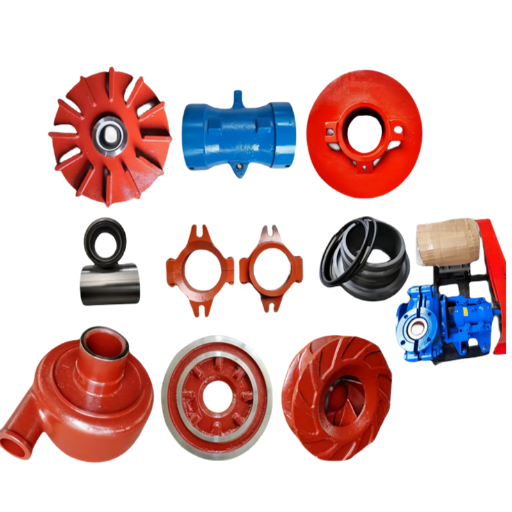 Todas as bombas centrífugas de dragagem têm si× peças comuns da parte hidráulica que suportam a maior parte dos impactos abrasivos. Saber a função de cada uma — e quais se desgastam primeiro — ajuda a encomendar as peças sobresselentes necessárias e a planear inspeções com o máximo efeito.
| Componente | Função | Material típico | Modo de falha principal |
|---|---|---|---|
| Impulsor | Gera força centrífuga; desloca as lamas da aspiração para a descarga | Ferro branco de alto Cr (>58 HRC) | Erosão do bordo de ataque das pás por partículas angulares |
| Revestimento interior do corpo da bomba | Protege o corpo da bomba contra a abrasão interna das lamas | Ferro branco de alto Cr ou borracha | Afinamento da parede da voluta em zonas de alta velocidade |
| Anel de garganta | Controla a folga entre o impulsor e o corpo da bomba; reduz a recirculação | Ferro branco de alto Cr | A folga aumenta devido ao desgaste abrasivo → queda de rendimento |
| Revestimento de aspiração | Conduz as lamas de entrada para o olho do impulsor; recebe o impacto inicial das partículas | Ferro branco de alto Cr | Desgaste por impacto de sólidos sobredimensionados que entram pela aspiração |
| Revestimento da placa traseira | Protege a placa da carcaça (parede traseira) contra lamas recirculantes | Ferro branco de alto Cr | Erosão por refluxo atrás do impulsor |
| Camisa do veio | Protege o veio da bomba, na zona do empanque mecânico, do contacto com lamas | Aço inoxidável ou cerâmica | Formação de ranhuras pela gaxeta ou entrada de abrasivos |
Porque se desgastam as peças das bombas de dragagem — abrasão, erosão e cavitação
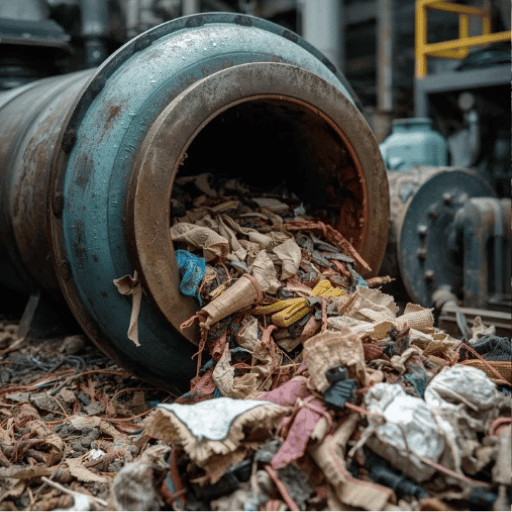 O desgaste nas bombas de dragagem pode dever-se a três mecanismos diferentes, todos causados por propriedades operacionais e das lamas variáveis. Saber qual deles é mais predominante é a fase inicial para aumentar a vida útil das peças:
O principal efeito destrutivo é o desgaste abrasivo. Partículas angulares de areia e gravilha atuam como papel abrasivo, desgastando a superfície metálica. A eficácia mineral aumenta com a dureza do mineral: assim, a uma concentração idêntica, o quartzo (7 Mohs) apresenta cerca de 3-5 das propriedades de abrasão do calcário (3Mohs).
O desgaste erosivo ocorre em consequência de lamas erosivas que atingem as superfícies numa direção interna, com um ângulo reduzido, em particular a lingueta do impulsor e as pontas das palhetas. Podem ocorrer danos por cavitação quando a bomba excede o NPSH essencial; as bolhas de vapor têm uma pressão efetiva inferior à do impulsor e colapsam sobre as superfícies metálicas, provocando picaduras.
O desgaste nas bombas de dragagem pode dever-se a três mecanismos diferentes, todos causados por propriedades operacionais e das lamas variáveis. Saber qual deles é mais predominante é a fase inicial para aumentar a vida útil das peças:
O principal efeito destrutivo é o desgaste abrasivo. Partículas angulares de areia e gravilha atuam como papel abrasivo, desgastando a superfície metálica. A eficácia mineral aumenta com a dureza do mineral: assim, a uma concentração idêntica, o quartzo (7 Mohs) apresenta cerca de 3-5 das propriedades de abrasão do calcário (3Mohs).
O desgaste erosivo ocorre em consequência de lamas erosivas que atingem as superfícies numa direção interna, com um ângulo reduzido, em particular a lingueta do impulsor e as pontas das palhetas. Podem ocorrer danos por cavitação quando a bomba excede o NPSH essencial; as bolhas de vapor têm uma pressão efetiva inferior à do impulsor e colapsam sobre as superfícies metálicas, provocando picaduras.
📐 Nota de engenharia — dureza Mohs dos materiais dragados comuns
Além da dureza dos minerais, os três parâmetros de funcionamento que provocam desgaste a um ritmo mais rápido do que a maioria das pessoas espera são:
Areia de quartzo: 7 Feldspato: 6 Calcite /Calcário: 3 Minerais argilosos: 1 2. Como o quartzo é o principal constituinte da maioria das areias fluviais e marinhas, as peças hidráulicas das bombas de dragagem estão sujeitas à abrasão provocada por algumas das partículas minerais mais duras encontradas em qualquer operação de bombagem. Para este fim, o equipamento normalmente utilizado emprega valores de dureza de liga de bombas para polpas normais de 45 55 HRC, que são inadequados; é a matriz de carbonetos resistente ao desgaste da liga Ni-Hard de alto crómio (<58 HRC) que está preparada para superar a dureza das partículas de quartzo ao nível micro.
As bombas de dragagem de alto rendimento devem grande parte do seu êxito e dos seus elevados rendimentos a esta vantagem material, desgastada ao longo de todo o diâmetro do impulsor e do diâmetro interno do tubo de aspiração.- Concentração de lamas. Quanto mais elevados forem os níveis de sólidos em peso, maior será a proporção de contacto entre a partícula e a superfície. A modelação CFD multifásica Euleriana do escoamento mostra que a erosão numa superfície tem uma relação não linear com a concentração, sendo que um aumento de duas vezes na concentração de sólidos resulta numa taxa de erosão duas a três vezes superior.
- Ponto de funcionamento vs. BBP: uma bomba de dragagem funciona normalmente 15-20% acima do Ponto de Melhor Rendimento (BBP), o que pode duplicar a taxa máxima de erosão do impulsor, pois o padrão de escoamento é alterado e conduz à formação de zonas de recirculação turbulenta que concentram os impactos de partículas nos bordos das pás.
- Forma das partículas: as partículas angulares (rocha recentemente fragmentada, gravilha de pedreira) podem provocar 2-3 vezes a abrasão das partículas arredondadas (areia desgastada pelo rio) com a mesma dimensão e dureza, ao concentrarem a força de corte numa área de contacto menor.
A concentração de lamas afeta a taxa de desgaste da bomba de dragagem?
Sim – mas a relação não é linear. Abaixo de aproximadamente 10 %SCW (teor de sólidos em peso), o desgaste aumenta aproximadamente em proporção da concentração de lamas (caudal mássico). A concentrações superiores (acima da gama de 15-20 %SCW), a taxa de desgaste aumenta mais rapidamente, pois as colisões partícula-partícula no interior das lamas geram eventos de abrasão secundária que, somados, aumentam a taxa de desgaste juntamente com o contacto direto da superfície (partículas contra a superfície). Os cálculos CFD dos impulsores de bombas centrífugas de dragagem indicam que a erosão das pontas das palhetas do impulsor é especialmente acentuada na interface entre o escoamento central de elevada concentração e o escoamento junto à parede de menor concentração, onde os gradientes de velocidade são mais elevados. Para a instalação, a lição prática: manter uma densidade de lamas relativamente constante dentro da gama de funcionamento prevista para a bomba (talvez ajustando as condições do processo,) é mais eficaz do que qualquer melhoria específica do material ou modificação do fluxo do processo para prolongar a vida útil dos componentes.⚠️ Erro comum do operador
Aumentar a bomba até ao RPM máximo para «empurrar mais material» quando a linha está parcialmente bloqueada. o ponto de funcionamento desloca-se muito para a direita do BBP, pelo que a velocidade periférica do impulsor e a erosão aumentam muito, enquanto é fornecido algum material a menos devido ao aumento das perdas por recirculação..a resposta a uma linha parcialmente bloqueada é reduzir os RPM e depois eliminar o bloqueio.
Alto crómio vs. borracha vs. cerâmica — comparação de materiais para peças de desgaste
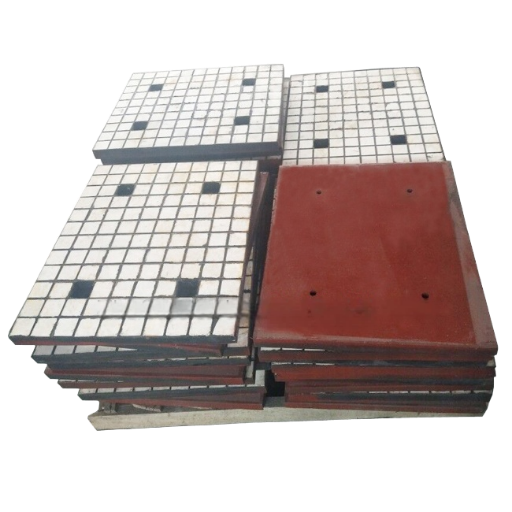 A seleção de material efetuada para as peças de desgaste da sua bomba de dragagem afeta, em última análise, a respetiva vida útil prevista e os custos totais ao longo da vida útil. Três famílias de materiais são predominantes e oferecem vantagens em aplicações com polpas. A nossa comparação abaixo baseia-se em valores de dureza validados e limites de aplicação — não em generalizações como «Alto/Médio/Baixo», por exemplo.
| Propriedade | Ferro branco de alto Cr (Ni-Hard) | Borracha natural | Compósito cerâmico |
|---|---|---|---|
| Dureza | >58 HRC (carbonetos: 1 500–1 800 HV) | Shore A 40–70 | HRA 85–93 (placas de alumina) |
| Teor de crómio | 12–30% (ASTM A532 Classe II–III) | N/A | N/A |
| Resistência à corrosão | Moderada (o Cr forma uma camada passiva de óxido) | Excelente (pH 3–14) | Excelente (quimicamente inerte) |
| Temperatura máxima de serviço | Até ~600 °C | ~80 °C (degrada-se acima) | Até ~1 000 °C |
| Dimensão máxima de partículas | Até 400 mm (impulsores de dragagem de canal largo) | Até 76 mm (a borracha rasga-se com sólidos grandes) | Apenas polpas finas (<5 mm; as placas fissuram com o impacto) |
| Melhor aplicação | Dragagem de areia/gravilha, indústria mineira, abrasivos grosseiros | Polpas ácidas, partículas finas, fluidos corrosivos | Abrasivo fino + alta temperatura (p. ex., processamento de alumina) |
💡 A regra do limiar de 58 HRC
Abaixo de 58 HRC, a resistência à abrasão diminui substancialmente à medida que as lamas ricas em quartzo deixam de contar com a função de suporte da matriz metálica e passam à sua rutura. HRC na gama de 45-55 das ligas normalizadas para bombas de lamas (A05/A49) é típico, adequado para descargas de moinhos e aplicações de rejeitados, mas não para aplicações primárias de areia, nas quais cada metro cúbico de lamas transporta uma percentagem significativa de quartzo 7 na escala de Mohs. Para serviço de bomba de dragagem, especifique peças de desgaste com HRC superior a 58. Esse único limiar separa ciclos de substituição de 6 meses de falhas em 6 semanas — é o fator mais importante na seleção de peças resistentes ao desgaste para serviço de dragagem de elevado desempenho.
Vida útil e intervalos de substituição — quando substituir cada peça
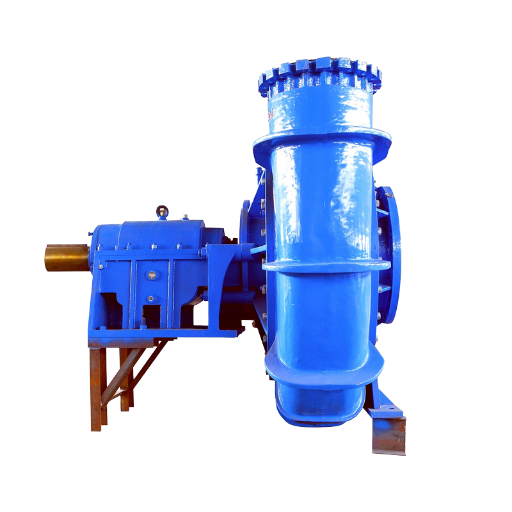 O intervalo de substituição ideal é determinado por estes três fatores: classe da liga, composição química das lamas, disciplina operacional. Os intervalos de referência abaixo representam parâmetros típicos para liga Ni-Hard de ferro fundido de alto crómio em dragagem contínua de areia e gravilha.
| Componente | Ni-Hard de alto Cr (>58 HRC) | Ferro fundido normal / A05 | Revestido a borracha |
|---|---|---|---|
| Impulsor | 2 000–5 000 hrs | 500–2 000 hrs | N/A (impulsores de borracha são raros em serviço de dragagem) |
| Revestimento interior do corpo da bomba | 3 000–6 000 hrs | 1 000–3 000 hrs | 1 500–4 000 hrs (apenas lamas finas) |
| Anel de garganta | 1 500–4 000 hrs | 500–1 500 hrs | 1 000–2 500 hrs |
| Revestimento de aspiração | 2 000–5 000 hrs | 800–2 000 hrs | 1 000–3 000 hrs |
| Revestimento da placa traseira | 3 000–6 000 hrs | 1 500–3 000 hrs | 2 000–4 000 hrs |
| Camisa do veio | 5 000–10 000 hrs | 3 000–6 000 hrs | 5 000–8 000 hrs |
Nota: os intervalos baseiam-se na dragagem típica de areia fluvial e marinha com 15-25% de sólidos em peso. Concentrações mais elevadas de gravilha de pedreira muito angular ou taxas superiores a 30% terão um impacto proporcional nos intervalos. Os seus resultados variarão.
Um argumento económico convincente a favor das ligas de alto crómio é ilustrado pela comparação entre Ni-Hard e fundições normais. Os melhores impulsores Ni-Hard duram 2-4 mais na mesma aplicação, sublinhando indelevelmente uma lição confirmada pela experiência do setor: o verdadeiro custo do desgaste não é a peça de substituição, mas o tempo de paragem da produção necessário para a trocar — por isso, especificar materiais que reduzem o desgaste na origem compensa muitas vezes.Quais são os sinais de que as peças de desgaste da bomba de dragagem precisam de ser substituídas?
Estes quatro sinais reveladores indicam uma falha iminente das peças de desgaste: 1) a medição do caudal em condições de rpm constantes apresenta uma diferença de 10-15% antes da inspeção do impulsor ou do revestimento, indicando desgaste significativo. 2) vibração crescente dos rolamentos, um indicador precoce de um impulsor desequilibrado e indícios de formação de ranhuras na camisa do veio. 3) aumento das pressões de descarga com flutuações causadas pela recirculação em anéis de garganta desgastados. 4) verificação visual de riscos ou afinamento da parede na face do impulsor e nos revestimentos: a presença de qualquer par de sintomas exige o agendamento de uma substituição muito antes da falha.Como inspecionar peças de desgaste de bombas de dragagem
A avaliação do estado das peças de desgaste pode combinar eficazmente três abordagens: exame visual em cada paragem programada de toda a face do impulsor e das faces dos revestimentos, medição das dimensões do impulsor e do revestimento com paquímetros ou medidores ultrassónicos de espessura, e recolha de dados de vibração ao longo do tempo. Repetidamente, a experiência do setor confirma: o custo de cada peça de desgaste é muito pequeno em comparação com o tempo do ciclo de produção perdido na sua substituição. O mapa de recomendações minerais para taxa de desgaste da BBP é uma ferramenta inestimável para refletir este princípio no terreno.Como selecionar peças de desgaste — processo em 4 passos e lista de verificação de fornecedores
Determine a compatibilidade das peças de desgaste com base nas condições de carga, propriedades dos materiais e qualidade verificada do fornecedor como verificação final. Esta abordagem em quatro passos parte dos parâmetros de funcionamento para encontrar um fabricante qualificado, quer encomende uma única bomba, quer especifique peças para uma frota inteira.
Processo de seleção de peças de desgaste em 4 passos
- Defina o perfil das lamas para adaptar a seleção das peças: mineral dominante (Mohs), granulometria máxima (mm), sólidos (% em peso), pH, temperatura de funcionamento.
- Associe os materiais às condições: quartzo angular >2mm, Ni-Hard de alto crómio (>58 HRC). pH ácido <4 com partículas finas, revestimento de borracha. abrasivo fino >80 C, compósito cerâmico. parâmetros mistos, priorize o fator mais agressivo.
- Confirme a equivalência dimensional: verifique se as dimensões da peça de substituição, a geometria das pás do impulsor e a largura da passagem correspondem exatamente ao modelo da sua bomba. Utilize uma ferramenta de referências cruzadas de peças para comunicar números de peça OEM com equivalentes normalmente compatíveis.
- Avalie o fornecedor: verifique os seguintes pontos durante o processo de encomenda.
- ✔ Certificação de gestão da qualidade ISO 9001:2015
- Relatórios de ensaios metalúrgicos de cada lote de fundição (verificação por espectrómetro de Cr/Ni/Mo)
- Documentação de ensaios de dureza (HRC para cada lote)
- Fundição interna + tratamento térmico (a integração vertical minimiza a variação)
- Prazos de entrega nulos para peças sobresselentes regularmente em stock inferiores a 2 semanas
- ✔ Intercambialidade entre modelos (reduz as existências no local)
- ✔ Ensaios de desempenho hidráulico conforme ISO 9906
- Apoio técnico na seleção das peças de desgaste corretas para as condições de serviço
Peças de desgaste de bombas de dragagem vs. bombas para polpas — porque não são intercambiáveis
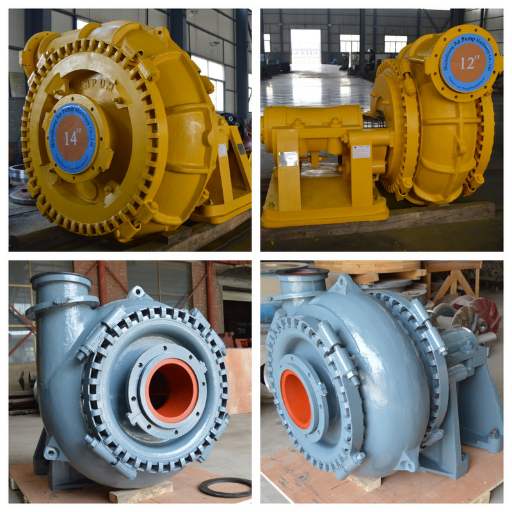 Muitas equipas de compras procuram substituir peças personalizadas ou dispendiosas de bombas para polpas por peças genéricas de bombas para polpas para utilização em dragagem. Ignorar as diferenças de engenharia é um erro dispendioso. As especificações seguintes são representativas das próprias séries de bombas de dragagem AMG/AWN da BBP e de produtos típicos de bombas para polpas, para definir as razões da não intercambialidade.
| Especificação | Peças de bombas de dragagem (AMG/AWN) | Peças de bombas para polpas normais |
|---|---|---|
| Passagem máxima de partículas | 82–400 mm | 25–76 mm |
| Conceção do impulsor | Canal largo, antiobstrução, 3 ou 4 pás | Fechado ou semiaberto, maior número de pás |
| Material das peças hidráulicas | Liga Ni-Hard de alto Cr (>58 HRC) | Liga de crómio A05/A49 (45–55 HRC típico) |
| Intervalo de caudal | 36–14 000 m³/h | 10–1 000 m³/h |
| Requisito de NPSH | <1 m (série AWN — aspiração profunda) | Normal (requer normalmente aspiração inundada) |
O que está a mudar na tecnologia de peças de desgaste para bombas de dragagem (2025–2026)
 Prevê-se que o valor do mercado global de equipamento de dragagem alcance USD 21,8 billion by 2033, graças a projetos de expansão portuária, ao aumento do investimento em infraestruturas de proteção costeira e a outros desenvolvimentos de infraestruturas, com uma CAGR de 5,2%. Esta procura crescente de ativos de dragagem está a impulsionar três mudanças tecnológicas na engenharia de peças de desgaste:
Três tendências que moldam as peças de desgaste para bombas de dragagem
- Projeto de impulsor validado por CFD: A dinâmica de fluidos computacional está a ultrapassar as suas origens de investigação e é norma nas iterações de projeto durante novos projetos de desenvolvimento de impulsores. Um artigo de 2024 da MDPI Water apresentou uma estrutura híbrida de IA-CFD capaz de minimizar a formação de zonas críticas de erosão, aumentando simultaneamente a eficiência hidráulica na mesma medida — o que implica que a próxima geração de impulsores poderá proporcionar melhorias mensuráveis na vida útil nos atuais pontos de funcionamento.
- Deteção preditiva de desgaste em vias navegáveis: Os sensores de vibração e de espessura da parede integrados nos corpos das bombas permitem substituições baseadas no estado mais precisas, em vez dos calendários tradicionais baseados no tempo em serviço. As frotas que operam várias dragas podem esperar custos de logística de peças sobresselentes 15-25% inferiores ao aplicar esta metodologia orientada por dados, juntamente com a prevenção de falhas não planeadas.
- Formulações avançadas de ligas (uma grande atualização face às composições antigas): Fundições com forte atividade de investigação estão a experimentar aditivos com maior teor de vanádio e tungsténio na sua base ASTM A532 para elevar os valores de tenacidade à fratura sem reduzir a dureza nem produzir ferros brancos mais frágeis do que é economicamente desejável.
“Entre 2023-2032, a procura global anual de equipamento para sustentar novos desenvolvimentos deverá atingir 5,8%. Os operadores que adotarem hoje peças de desgaste de classe superior terão uma redução verdadeiramente cumulativa do TCO à medida que a utilização da frota aumenta.”Ação a tomar pelas equipas de aprovisionamento que avaliam os calendários de projetos de 2026: Comecem a solicitar configurações de impulsores aprovadas por CFD ao vosso fornecedor de bombas de dragagem e informem-se sobre a disponibilidade de configurações de bombas com IoT. As opções de tecnologia avançada já estão disponíveis para venda em linhas de equipamento premium e compensarão rapidamente através de intervalos de manutenção mais longos.
Perguntas frequentes
P: Quais são as principais peças de desgaste de uma bomba de dragagem?
Ver resposta
As 6 principais peças de desgaste da parte hidráulica são o impulsor, o revestimento interior do corpo da bomba, a bucha de garganta, o revestimento interior de aspiração, o revestimento interior da placa da carcaça e a camisa do veio. Os materiais classificados como peças de desgaste da parte hidráulica são aqueles que têm contacto direto com as lamas.
P: Com que frequência devem ser substituídos os impulsores das bombas de dragagem?
Ver resposta
A vida útil por desgaste do impulsor na dragagem contínua de areia e gravilha depende de muitas variáveis, incluindo a percentagem de sólidos nas lamas, a forma das partículas de granada, a dureza mineral, o tipo de impulsor e a localização relativamente ao ponto BES. As taxas de desgaste típicas dos impulsores Ni-Hard de elevado crómio são de 2000-5000 horas, sendo as peças fundidas ligeiramente inferiores, de 500-2000 horas. A monitorização do desgaste do impulsor Raranak Bnehnase através do caudal a RPM constante — uma redução de 10-15% indica deterioração do impulsor.
P: Quanto custa uma placa de desgaste para bomba de dragagem?
Ver resposta
Os preços das placas de desgaste para bombas de dragagem variam amplamente em função do tamanho da bomba, da classe da liga e da quantidade de peças encomendadas. Contacte o OEM da bomba com o número específico do seu modelo e a classe de liga preferida para obter informações de preço exatas, pois o custo é afetado pelo tamanho da peça fundida e pelo preço atual das matérias-primas da liga.
P: As peças de bombas de dragagem podem ser personalizadas para projetos específicos?
Ver resposta
Existem opções de configurações personalizadas de peças de desgaste, incluindo a escolha da classe da liga, a geometria das pás do impulsor, opções de acionamento da bomba, o tipo de seleção do empanque e a orientação da porta de descarga. A BBP fornece projetos personalizados e propostas técnicas para o efeito no prazo de 48 horas após a receção dos dados do projeto.
P: Que certificações deve ter um fornecedor de peças de desgaste?
Ver resposta
Para identificar outros pontos de inspeção visual: Certifique-se de que adquiriu ISO 9001:2015 como forma de garantia da qualidade que lhe proporcionará resultados consistentes. Ao trabalhar em projetos internacionais de dragagem, procure ISO 14001:2015 (ambiente), ISO 45001:2018 (saúde e segurança) e marcações CE. Solicite relatórios de ensaios metalúrgicos para cada lote de material fundido apresentado — não apenas capturas de ecrã do dispositivo de medição — para aprovação do teor da liga. Conclua os ensaios hidráulicos segundo a validação ISO 9906 para confirmar o desempenho da bomba acabada.
P: As peças de bomba de elevado crómio justificam o custo adicional?
Ver resposta
Na dragagem de areia e gravilha — sim. o preço de compra adicional do componente Ni-Hard de elevado crómio é compensado por uma vida útil de funcionamento 2-4 vezes superior em comparação com componentes convencionais de ferro fundido. O cálculo do custo total de propriedade considera não apenas o custo do componente, mas também o custo do tempo de paragem, os custos de espera da equipa e os custos de produção perdida durante a substituição do componente. Num navio em operação, uma única paragem por tempo “morto” equivale normalmente ao custo de um conjunto completo de peças de desgaste premium.
Precisa de peças de desgaste para bombas de dragagem concebidas para a sua aplicação?
Engenheiro da BBP para determinar a classe da liga, a geometria do impulsor e a disposição do empanque adequadas aos seus requisitos de lamas. Peças de bomba concebidas para elevada eficiência, para minimizar o desgaste e prolongar a vida útil. Certificação ISO 9001. São realizadas análises espectrométricas em cada lote de peças fundidas.
Solicite uma proposta / Obtenha especificações →Não hesite em contactar-nos para configurações personalizadas e preços por volume.
Sobre esta análise
Produção: A BBP produz as bombas de dragagem de areia AMG e AWN com componentes em contacto com o fluido de liga Ni-Hard de elevado crómio, com as seguintes propriedades medidas por espetrómetro nas nossas instalações em todos os lotes de peças fundidas:. O gráfico comparativo de ligas e a compilação dos intervalos de substituição propostos neste folheto resultam de investigação publicada na área metalúrgica, das normas de referência ASTM A532 e da própria inspeção da qualidade de produção da BBP. Incluímos os intervalos de referência do setor como guias; a condição real da liga também dependerá das condições de funcionamento.
Referências e fontes
- Uma introdução ao ferro branco ao crómio – ASTM A532 – Penticton Foundry.
- Porque é que o ferro branco de elevado crómio funciona tão bem na bombagem abrasiva? – Cornell Pump Company
- O modelo CFD multifásico euleriano desenvolvido para reproduzir o desempenho de bombas de dragagem – Chemineer.
- Investigação da resistência ao desgaste de ferros fundidos de elevado teor de crómio A532
- Abordagens de otimização híbrida para o projeto de impulsores de bombas centrífugas – MDPI Water (2024)
- Mercado de dragagem deverá atingir USD 21,8 billion by 2033: OpenPR Market Research
- Dimensão e repartição do peso de mercado do equipamento de dragagem – Metastat Insights (2025)
Artigos relacionados
- Bomba de dragagem de areia — soluções robustas para a indústria mineira e a dragagem
- Bomba de lamas de elevado crómio
- Peças sobresselentes para bombas de lamas
- Bomba de lamas para a indústria mineira
- Tabela de referência de minerais e vida útil por desgaste
Revisto pelo Departamento de Engenharia da BBP – Ensaios de Bombas e Departamento de Qualidade
![Sand Dredge Pump vs Slurry Pump: Key Differences [2026]](https://bbpmfg.com/wp-content/uploads/2026/04/2-17-768x512.png)