
تواصل مع BBP

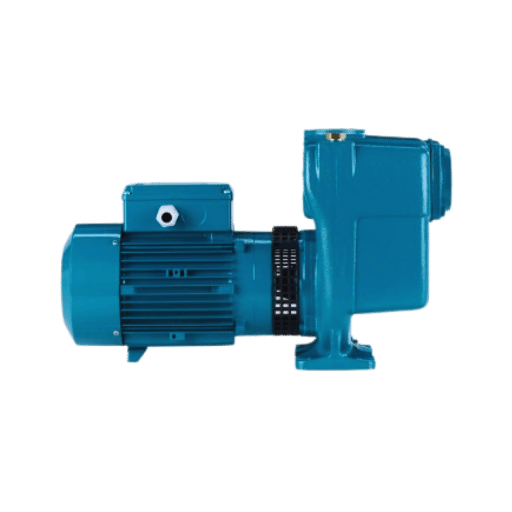
اختيار الصناعية مضخة مياه البحر يُصنف من بين القرارات الأكثر خطورة في البنية التحتية الساحلية: يؤدي تركيب السبيكة الخاطئة إلى تحويل عملية شراء رأس المال لمدة 10 سنوات إلى مسؤولية قصيرة الأجل. يأخذك هذا التمهيدي الهندسي المحايد للبائع خلال تحليل المياه الخاص بك بدءًا من قرارات السبائك من الدرجة الأولى وحتى كتابة المواصفات وطلب عرض الأسعار المصمم لحماية مصالحك الفضلى.
لقطة المواصفات السريعة
| نطاق التدفق | ³ 50.000 متر مكعب/ساعة (يغطي الطرد المركزي أحادي المرحلة من خلال مدخل التدفق الإنسي) |
| نطاق الرأس | ³ درجة حرارة 600 متر (تصل أعلى المستويات متعددة المراحل إلى ~ 600 متر لخدمة تعزيز RO) |
| غلاف الكلوريد | ³5000 جزء في المليون (يضبط أرضية السبائك) |
| درجة حرارة التشغيل | 0 درجة مئوية 70° مئوية (محلول ملحي RO + مآخذ استوائية تدفع الطرف العلوي) |
| المواد التي تعتبر عادة | الحديد الزهر → البرونز → ³16L → Duple× ²205 → Super Duple × 2507 → التيتانيوم |
| معيار الاختبار | ايزو 9906:2012 الدرجة 2B (الافتراضي الصناعي؛ تدفق ±8%/رأس ±5%) |
| مهلة نموذجية | 2 إلى 10 أسابيع حسب السبائك والأدوات |
ما هي مضخة مياه البحر؟ التعريف والفئات والصناعات المخدومة

تقوم مضخة مياه البحر بتوزيع محلول ملحي محمل بالكلوريد (حوالي 5000 إلى 50000 جزء في المليون) من خلال العمليات الصناعية أو الخدمة البحرية، باستخدام مواد مقاومة للتآكل ومكونات هيدروليكية خاصة بمياه البحر. تشترك أربعة أنواع مختلفة من الخدمات في تحدي تآكل الكلوريد ولكنها تتباعد بالكامل تقريبًا في مكان آخر.
- ✔
الصناعية الساحلية. تبريد مكثف محطة توليد الكهرباء، سحب تحلية المياه، تغذية البتروكيماويات بالحرارة. - ✔
الخدمة البحرية. خدمة المنصة للمياه وحلقة مكافحة الحرائق الرئيسية وتصريف الصابورة والآسن. - ✔
المياه الخام للمحرك البحري. تبريد سترة محرك الديزل على السفن التجارية (فئة فرعية متميزة تخدمها عادةً تصميمات الإزاحة الإيجابية للمكره القابل للإبعاد). - ✔
تربية الأحياء المائية الساحلية. مضخات تداول للمزارع والمفرخات عند تناول المياه المالحة.
سريع: تحديد مضخة مياه البحر؟ مضخة صناعية مصممة خصيصًا بسبائك مقاومة للكلوريد (مواد انتشار المياه التجارية، على سبيل المثال البرونز، ³16 لتر، أو مزدوج ×) لتحويل التدفق المستمر للمياه المالحة بشكل موثوق إلى أصل مقبول مدى الحياة. تعد مضخات هندسة القوارب للهواة قطاعًا مختلفًا من السوق تخدمه شركة Mercury، الشركات الثلاث الكبرى المصنعة للمعدات الأصلية في مجال الدفع البحري.
لماذا تهيمن مضخات الطرد المركزي على خدمة مياه البحر (ولماذا لا تترس)
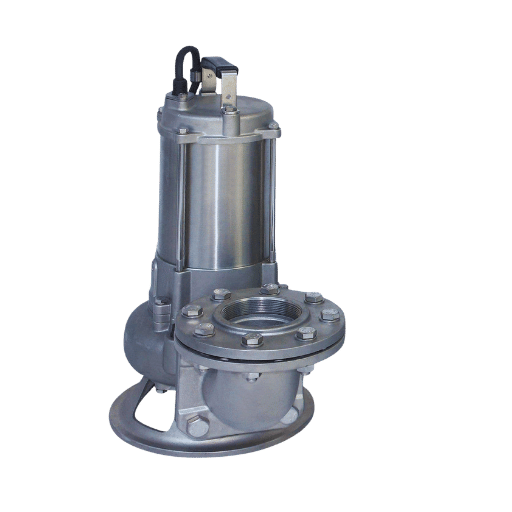
بالنسبة للخدمة المستمرة و10 م/ساعة، تسجل مضخات الطرد المركزي أربعة عوامل: كفاءة متتالية عالية للمحلول الملحي منخفض الملوحة، وأختام مقاومة للفشل خالية من الخلوصات الدقيقة التي تؤدي إلى التآكل، وهندسة الختم الدوارة التي تتفوق على ترتيبات العمود القابل للانزلاق في بيئة الكلوريد، الميدان أجزاء التآكل الصالحة للخدمة.
س: لماذا مضخة الطرد المركزي في مضخة مياه البحر بدلا من مضخة التروس؟
تفشل مضخات التروس في المحلول الملحي لأن الأسنان المتشابكة تولد مواقع تآكل كلفانية/شقوق محلية وتتآكل خلوص الأسنان الدقيقة بسرعة عندما يأكل الكلوريد الناجم عن المحلول الملحي الوجه. تنتج أجهزة الطرد المركزي نفس التآكل عند التصريف عبر دافعة مصممة، حيث يمكن التحكم هيدروليكيًا في فقدان الكتلة 5%.
لا يزال الإزاحة الإيجابية تؤدي إلى انخفاض المبيعات إلى أقل من 1 م/ساعة من الماء المالح باستخدام مبيد حيوي أو مضاد للتوسع أو مركز محلول ملحي. تحت نطاق التدفق هذا، تعمل إعادة التدوير المتسارعة للتآكل على تسخين وجوه المكره غير القابل للصدأ بما يكفي فقط لمداهمة الحفر. “الحد الأدنى من التدفق المستمر المستقر لـ...”؟00:00 oriza حوالي 40% من أفضل نقطة كفاءة!
💡 نصيحة للمحترفين
إذا كانت رسوم مياه البحر تتطلب تحلية مياه عالية للغاية أو خدمة بين العمليات تزيد عن 150 مللي أمبير في الساعة، فراجع كيف تتعامل ترتيبات العلبة المقسمة الأفقية مع أداء التدفق العالي مع تصميم مختلف لدعم الدوار.
بنيات المضخات لمياه البحر: 5 فئات، عندما يناسب كل منها
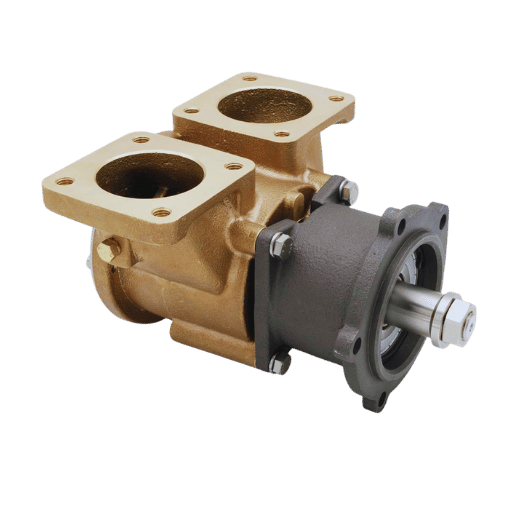
من ناحية الكتالوج، يدفع معظم البائعين بتكوين واحد وتقارن معظم منشورات المضخات العامة 2 أو ³. تستخدم معظم خدمات مياه البحر في الواقع أحد الأنواع التكوينية الخمسة؛ يعتمد الاختيار على تصميم السحب ودورة العمل، وليس معدل التدفق.
س: ما هي الأنواع الأربعة (الخمسة في الواقع) من مضخات المياه لخدمة مياه البحر؟
المرجع te×ts، يسرد الأنواع الفرعية للطرد المركزي، والتوربينات العمودية، والتدفق ×ial، والغاطسة، مع كون التدفق mi ×ed هجينًا والذي غالبًا ما يظهر في خدمة السحب الساحلية. معظم نصوص المضخات المنشورة، تدرج أربعة؛ في العمل في مياه البحر، يعكس اختيار الفئة الخماسية تكوين السحب.
| هندسة معمارية | نطاق التدفق | نطاق الرأس | NPSHR نموذجي | الوصول إلى الصيانة |
|---|---|---|---|---|
| الطرد المركزي الشفط النهائي الأفقي | 3 بوصة 1000 م³/ساعة | إلى 125 م | 3 5 م | سحب خلفي على الدرجة |
| الطرد المركزي متعدد المراحل | 5 بوصة 200 م³/ساعة | إلى 600 م | 2 4 م | سحب المكونات، أكثر تعقيدا |
| عمود خط التوربينات العمودي | 50 بوصة 2500 م³/ساعة | إلى 300 م | 0 م (وعاء مغمور) | إزالة الرافعة |
| شفط نهائي غاطس | 5 بوصة 1500 م³/ساعة | إلى 100 م | 0 م (مغمورة بالكامل) | رافعة أو غواص |
| محوري / تدفق مختلط | 200 بوصة 50.000 م³/ساعة | إلى 25 م | 1 20 م | إزالة تجميع الوعاء |
تعكس النطاقات التوافر الصناعي الفعلي من الكتالوجات الميكانيكية. تختلف اتفاقيات التسمية وحدود السعة حسب الشركة المصنعة؛ فكر في ما يلي كمخطط تفصيلي للفئة، وليس كمواصفات الشراء.
منطق بسيط: إذا كان هيكل السحب تحت الدرجة (بئر رطب، حوض مستوى سطح البحر) يتماشى مع هذه؛ إذا كان الحوض غير محسوس فوق ارتفاع الطريق وكان هناك الكثير من الشفط الإيجابي الصافي، فإن الشفط النهائي يكون فعالًا في دورة الحياة ورأس المال. إذا كان الرأس يتطلب أكثر من 150 مترًا (معزز غشاء التناضح العكسي؛ مكثف غليان E طويل)، يفوز متعدد المراحل. إذا كان التدفق مرتفعًا جدًا، أو الرأس منخفضًا جدًا (بدء مدخل التبريد لمحطة ساحلية)، فإن التدفق المحوري أو المختلط مع الطلاءات المحمية كاثوديًا يكون فعالاً من حيث التكلفة.
أحد الاتجاهات التي يجب ملاحظتها دائمًا: من أرشيفات البريد الإلكتروني للمجتمعات الهندسية لكل تجارب الممارس، تعمل التوربينات العمودية بشكل جيد عند التدفق المقدر، ولكن يمكن فقدان هامش NPSH بسرعة عند تشغيلها فوق 130% من أفضل نقطة كفاءة. تتبع معايير التثبيت الغاطسة حساب التفاضل والتكامل للوصول البديل الذي يأخذ في الاعتبار أوقات الرافعة والغواص.
هيدروليكا الطرد المركزي في المياه المالحة: لماذا تضلل رياضيات المياه العذبة
هناك أربعة اختلافات تميز مياه البحر عن أنظمة مضخات المياه العذبة. افتقد أحدها ويكون محركك صغير الحجم، أو يتبخر هامش NPSH الصيفي، أو تجاويف المكره منخفضة التدفق.
تصحيح الكثافة (الأكثر شيوعًا)
مياه البحر القياسية كما في 35 وحدة دعم المشروع هي 1025 كجم/م مقابل 1000 للمياه العذبة. تزداد قوة العمود بما يتناسب بشكل مباشر مع الكثافة، وبالتالي تصبح مضخة المياه العذبة بقدرة 100 كيلووات مضخة مياه بحر بقدرة 102.5 كيلووات عند التحميل المماثل. يقوم المهندسون بإسناد مرجعي لخرائط أداء الشركة المصنعة للمياه العذبة وغالبًا ما يستقرون على محرك أقل من الحجم يبلغ 2.5%.
NPSH متاح مع ضغط بخار الماء المالح
ضغط بخار مياه البحر عند 30 درجة مئوية يساوي تقريبًا المياه العذبة. يتم تحديد التقلبات الموسمية بشكل أكبر من خلال درجات حرارة السحب: عند المستويات الاستوائية (35 درجة مئوية)، ينخفض هامش NPSH بحوالي 12% مقارنة بمنحنى 20C الذي تم اختباره. تتفق تقارير الممارسين على مجموعات البريد الإلكتروني Eng-Tips على أن العمل عند 150% من الأفضل. نقطة الكفاءة تؤدي إلى فقدان المضخة لهامش NPSH حتى في ظل الحسابات النظرية.
ملاحظة هندسية: حساب طاقة العمود لمياه البحرتخضع طاقة عمود مضخة الطرد المركزي لـ P (kW) = (gQH) /(1000 ). حيث = 1،025 كجم/م (مياه البحر 35 PSU @ 20 C)، g = 9.81 م/ث، نقطة عمل تبلغ 200 م/ساعة عند رأس 50 م مع كفاءة المضخة 0.78. ثم يتم امتصاص 36 كيلووات، مع الماء بكثافة مياه البحر القياسية. في المياه العذبة، سيتطلب 35 كيلووات. تأكد من أنك تقوم دائمًا بإعادة تشغيل الأداء بكثافة البحر، حيث تقوم مضخات البائعين بنشر منحنياتها في وحدات المياه العذبة.
قوانين التقارب مع الكثافة
تحافظ قوانين التقارب على التشابه الهيدروليكي لمياه البحر، ولكن تطبيق تصحيح كثافة مياه البحر على نسبة التقارب يضع نسبة الطاقة أقل من نسبة مجموعة المكره ونسبة تقارب النظام. إعادة تطبيق نتيجة حساب الطاقة.
الحد الأدنى من التدفق المستقر
يعمل الجري تحت الحد الأدنى من التدفق المستقر المستمر على إعادة تدوير الماء داخل غلاف المضخة. تتراكم الحرارة عند عين الشفط، وعلى الدفاعات المقاومة للصدأ يؤدي ذلك إلى التنقر المبكر عبر تركيز الكلوريد. لا تحدد أبدًا نظامًا يحتاج إلى العمل باستمرار تحت مستوى تشغيل الشركة المصنعة والذي يبلغ عادةً حوالي 40% من BBP لطرد مركزي لمياه البحر الصناعية.
هندسة المواد: كيفية قراءة تحليل المياه الخاص بك لاختيار السبائك

توفر معظم مصفوفات الشركات المصنعة للبائعين احتجاز درجة الحموضة لدرجة حرارة الكلوريد في الأرشيفات، وهي مريحة للغاية ولكنها خطيرة بشكل هامشي بالنسبة للقيم المتطرفة. تستخدم حسابات العملية الأساسية معلمات أكثر من ثلاثة.
أربعة أرقام تدفع بالفعل اختيار السبائك
Cl (جزء في المليون)، ذروة درجة حرارة الصيف، وتقلب الرقم الهيدروجيني كما يُرى حسب الموسم والوقت من اليوم، وتكوين كبريتيد الهيدروجين (HS). يعد إجمالي المواد الصلبة وتحميل الطمي في PSU أمرًا شائعًا في التقارير المعملية ولكن Cl فقط هو نسبة السبائك. الأكسجين المذاب أقل من 5 جزء في المليون يفضل الطباعة المزدوجة بسبب حركية الطبقة السلبية؛ ثاني أكسيد الكربون المذاب يحمض الماء الذي يحتاج إلى حد أدنى أعلى من PREN؛ ينتمي النظام المنسق الذي يزيد عن 50 جزء في المليون إلى NACE MR0175، لذا يصبح الطباعة المزدوجة الفائقة أو التيتانيوم من الدرجة الصلبة ضروريًا.
وأوضح برين
رقم معادلة مقاومة الحفر = %Cr + 3.3%Mo + 16%N (مرجع حساب جمعية الفولاذ المقاوم للصدأ البريطانية). قيم الأمثلة: 316L ~ 25، دوبلكس 2205 ~ 35، سوبر دوبلكس 2507 ~ 42. في مياه البحر المفتوحة أقل من 40 درجة مئوية، أرضية PREN البالغة 35 هي الحد الأدنى الهندسي المحافظ لتكرار الخبرة.
⚠️ حرجة: الدوبلكس الفائق له حد أعلى قدره 40° مئوية في مياه البحر المكلورة
درجة حرارة خدمة مياه البحر العليا للخدمة المزدوجة الفائقة في الخدمة المكلورة عادة ما تكون 40 درجة مئوية، وفقا لما نشر بحث NeoNickel حول التآكل المزدوج الفائق في مياه البحر. والحلقة الضعيفة هي اللحامات، وليس المعدن الأساسي. إذا كانت خدمتك تعمل بشكل أكثر سخونة بمقدار 100 درجة مئوية، فإن زيادة تركيز محلول ملحي RO، أو تبريد المكثف الاستوائي في ذروة الصيف، أو حلقات التبريد المكلورة التي تزيد عن 40 درجة مئوية على درجة حرارة فائقة مزدوجة لا تكون تلقائيًا أكثر مقاومة للتآكل من سبائك 6Mo فائقة الأوستنيتي أو التيتانيوم لظروف العمل تلك.
الطريقة وليست المصفوفة
عندما ينشر البائع جدول بحث عن درجة حرارة الكلوريد، فإن المنطق المستخدم لاختيار السبيكة يتضمن قيمة الكلوريد من عينة مدتها 12 شهرًا، وطبقات من درجة الحرارة والإجهاد، ومعدلات الملوثات، وحدود كيمياء NACE حيث تنطبق الخدمة الحامضة، واختبار ASTM A923 إذا كان الازدواج في النطاق. جداول المصفوفة المختصرة ممكنة للاستخدام الشائع. بالنسبة للظروف غير الاسمية، على سبيل المثال، درجة الحرارة المرتفعة، وارتفاع HS، والتدفق الكاشط، ومياه التبريد بجرعات المبيدات الحيوية، تحقق من المنطق بنفسك.
مثال يوضح اختصار المصفوفة: تقوم مصفوفة قرار سبائك QIZ الخاصة بـ BBP بتقطير أربعة مدخلات في واحد من ستة خيارات للسبائك في 80% من الخدمة المشتركة. بالنسبة إلى 20% الأخرى،, ال أداة تحديد السبائك QIZ يقبل مدخلات تحليل المياه مباشرة.
تصميم النظام: من صندوق البحر إلى مشعب التفريغ

أخيرًا، المضخة هي مجرد واحدة من سبعة قرارات تم اتخاذها بشأن عمر الخدمة. فشل في النظر في مشكلات النظام الستة الأخرى المحيطة بما في ذلك هندسة الصدر البحري، وإجهاد السحب، ومجموعة مواد الحافة، وتسجيل الحماية الكاثودية، وتحليل الاندفاع، وتفاعل منحنى المضخة المتوازية، واختناق التدفق الخارجي، ولن تلبي مضختك هدف عمر الخدمة على الرغم من المواصفات المناسبة.
هندسة صدر البحر
صندوق البحر عبارة عن غرفة بدن داخلية أو خارجية تمنع تدفق الحطام أو الهواء إلى مدخل المضخة. تعمل ممارسة التصميم عادةً على تحديد السعة الحجمية بثلاثة أضعاف معدل تدفق المضخة في الثانية وفقًا لقاعدة الإبهام المستنيرة للصناعة، وليس معيار التحكم. قاعدة الإمكانات الجلفانية أكثر تحفظًا: يجب أن تشترك مادة شفة الواجهة في صندوق البحر في نفس مجموعة جهد القطب الكهربائي مثل شفط المضخة. سيشكل البرونز إلى الفولاذ الكربوني بطارية تآكل عند حشية الواجهة غير المرئية من قبل المفتشين.
تحجيم مصفاة السحب
تعتبر الإعدادات الافتراضية البالغة 200 متر مناسبة للمآخذ البحرية. بالنسبة للتطبيقات القريبة من الشاطئ التي تسحب مياه البحر الغنية بالطمي، فإن 80-150 مترًا تمنع الرمال المحملة بالسيليكا من الاصطدام بالمكره. تعمل مصافي التنظيف الذاتي ذات خيارات التدفق العكسي على تمديد فترة الفحص فقط من أسبوعين إلى 6 أشهر لتعويض تكلفة العمالة لمعظم المرافق الساحلية.
دائرة الحماية الكاثودية
أنودات الزنك المضحية تقترن بالحديد الزهر والبرونز؛ تتزاوج أنودات المغنيسيوم مع الفولاذ المقاوم للصدأ المزدوج. تكون لأنظمة مكافحة التآكل ذات التيار المعجب الأسبقية بمجرد أن يزيد طول أنابيب الفولاذ الكربوني عن 50 مترًا تقريبًا. فترات الصيانة هي المشكلة التي يفشل معظم المشغلين في أخذها في الاعتبار: الفحص البصري بعد ستة أشهر، ودراسة فقدان الكتلة سنويًا، والاستبدال لكل تقويم وليس الاستنفاد.
الاندفاع والمطرقة المائية بمياه البحر
يكون معامل كتلة مياه البحر أعلى بحوالي 3% من الطازج، لذا فإن سرعة موجة الضغط وذروة الضغط العابر مرتفعة قليلاً. سيحتاج تحليل زيادة التيار في رحلة المضخة إما إلى صمام تفريغ بطيء الإغلاق لمدة 10 ثوانٍ كحد أدنى إذا لم يتجاوز خط الأنابيب 150 مترًا في الساعة أو إلى مثبط زيادة التيار في غرفة الهواء بحجم عابر حجمي. كانت المطرقة المائية، التي تمزق حشوات الحافة صباح يوم الاثنين، متوقعة بشكل عام في الصيانة بعد ظهر يوم السبت عندما يغلق الطاقم صمامًا لإيقافه.
أظهر المزيد
تشغيل المضخة الموازية
يؤدي التشغيل المتزامن لمضختين متوازيتين متساويتين في الحجم إلى أقل بقليل من ضعف التدفق بسبب تفاعل منحنى النظام، وعادةً ما يكون التدفق من 1.6 إلى 1.7 مرة في المضخة الواحدة عند التقاطع المدمج. تأكيد نقطة التقاطع الفعلية على المنحنى المدمج، وليس بعد الطلب.
أوضاع الفشل في الخدمة: ستة تشخيصات يغيب عنها معظم المشغلين

المضخة الفاشلة التي كانت تعمل في حوالي الساعة الثانية بعد ظهر يوم الثلاثاء، غالبًا ما تنتهي صلاحيتها في صباح يوم الاثنين السابق، وغالبًا ما تكون قبل ذلك بوقت طويل. ستة تشخيصات تلتقط الإنذار المبكر.
تتأثر المواد المختارة لمضخات مياه البحر بمجموعة من الاعتبارات، مثل جودة مياه البحر، وقيود المواد وخصائص المعالجة والتكلفة والتوافر. تشتمل العديد من الأنظمة والمعدات الآن على جيل جديد من الفولاذ المقاوم للصدأ عالي السبائك، والذي لم يكن شائع الاستخدام منذ حوالي ثلاثين عامًا.
ستيفن ج. مورو، كبير علماء المعادن والمدير العالمي لتكنولوجيا المواد، شركة ITT Corporation Industrial Process، في عمله برنامج تعليمي لمختبر تكساس A&M للآلات التوربينية حول اختيار المواد لمضخات مياه البحر (عضو NACE، 21+ سنة)
1. انحراف منحنى الأداء
عادةً ما يكون فقدان الكفاءة > 5% عند نقطة العمل الثابتة بسبب تآكل المكره بمقدار 1 في المقدمة أو تراكم 2.biofilm داخل الغلاف. اكتشفه عن طريق اختبار الأداء ربع السنوي بالمقارنة مع خط الأساس للتاريخ الأول ISO 9906 وثلاثة اختبارات عند نقطة العمل الثابتة، BBP، و80 بالمائة BBP.
2. تحول طيف الاهتزاز
ذروة سرعة التشغيل التي تظهر على طيف الاهتزاز هي مؤشر على عدم توازن المكره بسبب التنقر من جانب واحد. يوفر تشغيل خط الأساس في وقت التشغيل النقطة المرجعية. بمجرد أن لا يكون ذلك متاحًا، يكون التشخيص في أحسن الأحوال قاسيًا.
3. نمط بكاء الختم الميكانيكي
إذا تآكل الوجه ربعًا واحدًا فقط، يكون العمود خارج المحاذاة، ولا يفشل في الختم. لقد أخرجت الختم ووضعت الختم الصحيح، بعد شهرين من نفس النتيجة.
4. ارتفاع ضغط التفريغ عند بدء التشغيل
تشير تقلبات الضغط المتكررة عند بدء التشغيل إلى وجود هواء محصور في صندوق البحر بسبب عدم كفاية التحضير أو انسداد المصفاة المتزايد. اتجاه الضغط التفاضلي للمصفاة هو أداة الإنذار المبكر.
5. تحمل ارتفاع درجة الحرارة دون تغيير الحمل
يؤدي التآكل السابق للمناطق الراكدة المجاورة إلى نقل الحرارة إلى أسفل العمود من انتقال الحرارة الأمامي من كاتات التبخر. يمكن للساق الميتة على جانب المدخل المستعمرة بواسطة البكتيريا اللاهوائية المختزلة للكبريتات مهاجمة الفولاذ المقاوم للصدأ القياسي سعة 316 لترًا في غضون أسابيع قليلة وليس سنوات، كما يتوقع المشترون غالبًا وفقًا لمجموعة الدراسات المنشورة حول تآكل الفولاذ المقاوم للصدأ المائي بمياه البحر12
6. التآكل الجلفاني عند مسامير الحافة
سيحدث منتج التآكل عند رؤوس البراغي قبل حدوث منتج التآكل على سطح الأنبوب. وبالتالي، فإن الفحص الدائري الذي يعتمد فقط على سطح الأنبوب المرئي للمفتش سوف يفوتك هذا لعدة أشهر. راجع فترات خدمة مكونات التآكل على المضخات عالية التآكل للحصول على إيقاع فحص مماثل.
دورة حياة التكلفة الإجمالية للملكية: إطار عمل لنمذجة الأعمال اليدوية (8 فئات تكلفة)
سعر الشراء الأولي هو مرساة سيئة لمضخات مياه البحر عالية الاستخدام. وفقا للمفصل NREL / وزارة الطاقة / المعهد الهيدروليكي / دليل تكلفة دورة حياة المضخة الأوروبية, تمثل أنظمة الضخ حوالي 20% من الكهرباء المستخدمة في جميع أنحاء العالم، و25 إلى 50% من تلك المستخدمة في مصانع التصنيع، و30 إلى 50% من طاقة دورة الحياة المفيدة يمكن توفيرها عن طريق المعدات أو تعديلات النظام، مما يعني أن الطاقة تهيمن إلى حد كبير على تكلفة دورة الحياة عندما تعمل المضخات أكثر من 2000 ساعة سنويًا، وهو ما قد يعتبره معظم مصنعي المعدات الأصلية لمضخات مياه البحر واجبًا طويل المدى.
معادلة LCC ذات 8 فئات
معادلة LCC المنشورة: LCC = Cic + Cin + Ce + Co + Cm + Cs + Cenv + Cd.
| فئة | ما يلتقطه | مدخلات النمذجة |
|---|---|---|
| Cic os التكلفة الأولية | المضخة والمحرك والأنابيب والخدمات المساعدة | حزمة أسعار البائع |
| تركيب وتشغيل Cin star | الأساس، الأسلاك، الأجهزة، بدء التشغيل | ~15 إلى 25% من Cic |
| سي إي 1 الطاقة | الكهرباء للسائق والخدمات المساعدة | كيلوواط × الساعات السنوية × التعريفة × تصحيح الكثافة |
| شركة os العمل التشغيلي | الإشراف والفحوصات الروتينية | ساعات × معدل العمالة المحملة |
| سم 5 صيانة وإصلاح | برنامج الختم، المحامل، الإصلاح المخطط له | التكلفة لكل حدث × عدد الأحداث |
| توقف CS 2 | فقدان الإنتاج بسبب الفشل غير المقرر | MTBF × ساعات × معدل خسارة الإنتاج |
| Cenv os البيئية | التعامل مع التلوث، والتخلص من مواد التشحيم | خدمة محددة، وغالبًا ما تكون صغيرة |
| القرص المضغوط um وقف التشغيل | إزالة، استعادة الخردة، استعادة الموقع | ~1 إلى 4% من Cic |
الحساسية 200 ما هي المدخلات التي تحرك التكلفة الإجمالية للملكية لمدة 10 سنوات أكثر؟
تهيمن ثلاثة مدخلات على سطح الحساسية: تحميل الكلوريد (الذي يحدد فئة السبائك وبالتالي Cic وCm)، وساعات العمل سنويًا (التي تحدد ما إذا كان Ce يهيمن)، وتعريفة الكهرباء في منطقة التشغيل. قم بتشغيل حساسية 20% على كل من هذه الثلاثة قبل قفل قرار السبائك. غالبًا ما يكون المدخل الرابع الأكثر حساسية هو معدل تكلفة التوقف عن العمل، والذي يمكن أن ينافس الطاقة في الصناعات التي تتجاوز فيها خسارة الإنتاج $5000 في الساعة.
للحصول على مثال عملي لتحليل LCC باستخدام افتراضات QIZ المزدوجة/الثنائية الفائقة الخاصة بـ BBP، راجع جدول التكلفة الإجمالية للملكية المنشور لـ QIZ لمدة 5 سنوات، أو قم بإجراء حساباتك الخاصة من خلاله حاسبة TCO التفاعلية QIZ.
هندسة المشتريات: مواصفات طلب عرض الأسعار والتحقق من صحة الموردين

يؤدي طلب عرض الأسعار الفضفاض إلى ظهور بائعين فضفاضين. يستبعد طلب عرض الأسعار الضيق الموردين الذين قد ينتهي بهم الأمر إلى استهلاك مشروعك. اثنان وعشرون سطرًا من المواصفات هو الحد الأدنى المبلغ عنه.
الهيكل العظمي RFQ المكون من 22 سطرًا
سبعة أقسام RFQ بإجمالي 22 سطرًا
- الواجب الهيدروليكي (4 خطوط) تدفق (600 متر) عند نقطة العمل، إجمالي الرأس الديناميكي، NPSH المتوفر، مواصفات السوائل مع تحليل المياه المرفقة
- غلاف التشغيل (3 خطوط) نطاق درجة حرارة الدهن، نطاق الكلوريد جزء في المليون، الملوثات (HS / O / CO)
- مواصفات المواد (5 خطوط) 5 وجوه للمكره، والغلاف، والعمود، والكم، والختم الميكانيكي 100 سم لكل منها حسب درجة ASTM أو UNS، وليس الاسم العام
- مواصفات السائق (3 خطوط) فئة المحرك ذات الخط (NEMA / IEC)، العلبة (IP / TEFC / منطقة ATEX)، بداية التشغيل (DOL أو VFD)
- وثائق الجودة (4 أسطر) شهادة المواد EN 10204 3.1، تقرير اختبار الأداء ISO 9906 Grade 2B، تقرير الاختبار الهيدروستاتيكي، تقرير التوازن الديناميكي ISO 21940-11 G6.3
- قبول الاختبار (سطرين) حقوق اختبار الشاهد، نطاق التسامح القبول
- تجاري (خط واحد) 5 المهلة الزمنية، فترة الضمان، مصطلحات التجارة الدولية
المصطلحات المشتركة بين البائعين 5 الفخ المخفي
يمكن أن يُدرج Duplex 2205 في عروض أسعار البائعين إما باسم UNS S31803 أو UNS S32205 أو EN 1.4462 أو اسم يحمل علامة تجارية خاصة بالبائع. يظهر Super Duplex 2507 كـ UNS S32750 أو EN 1.4410 أو LDX 2507. قم بتضمين تعيين UNS أو EN في طلب عرض الأسعار، واطلب شهادة المطحنة مع التعيين المطابق. أي شيء آخر يفتح الغموض الذي يظهر أثناء الفحص الوارد في أسوأ وقت لمعرفة أن “duplex” يعني شيئًا آخر للمورد.
التحقق من صحة الموردين من أربعة مستويات
الخطوة الأولى: مراجعة ورقية 9001، تقارير تدقيق ISO 9001 لمدة ثلاث سنوات، وليس نسخة الشهادة فقط. الخطوة الثانية (المرجع المرجعي - عميلان سابقان لهما نفس غلاف الكلوريد ودرجة الحرارة، وليس المراجع العامة. الخطوة الثالثة 1 تدقيق المصنع 2 المسبك الداخلي مقابل الصب المتعاقد عليه من الباطن، اطلب شهادات المطحنة من أي ثلاث وظائف عشوائية لا يزيد عمرها عن 6 أشهر. الخطوة النهائية 1 شاهد الاختبار - شاهد اختبار ISO 9906 على وحدتك الأولى مع مهندسك هناك يراقب.
بالنسبة للمصادر الخاصة بـ BBP، تأخذ أداة تحديد السبائك QIZ مدخلات تحليل المياه مباشرة، وتوفر سبيكة مرشحة بالإضافة إلى حجم النموذج في استعلام واحد.
الحدود الحقيقية لضخ مياه البحر
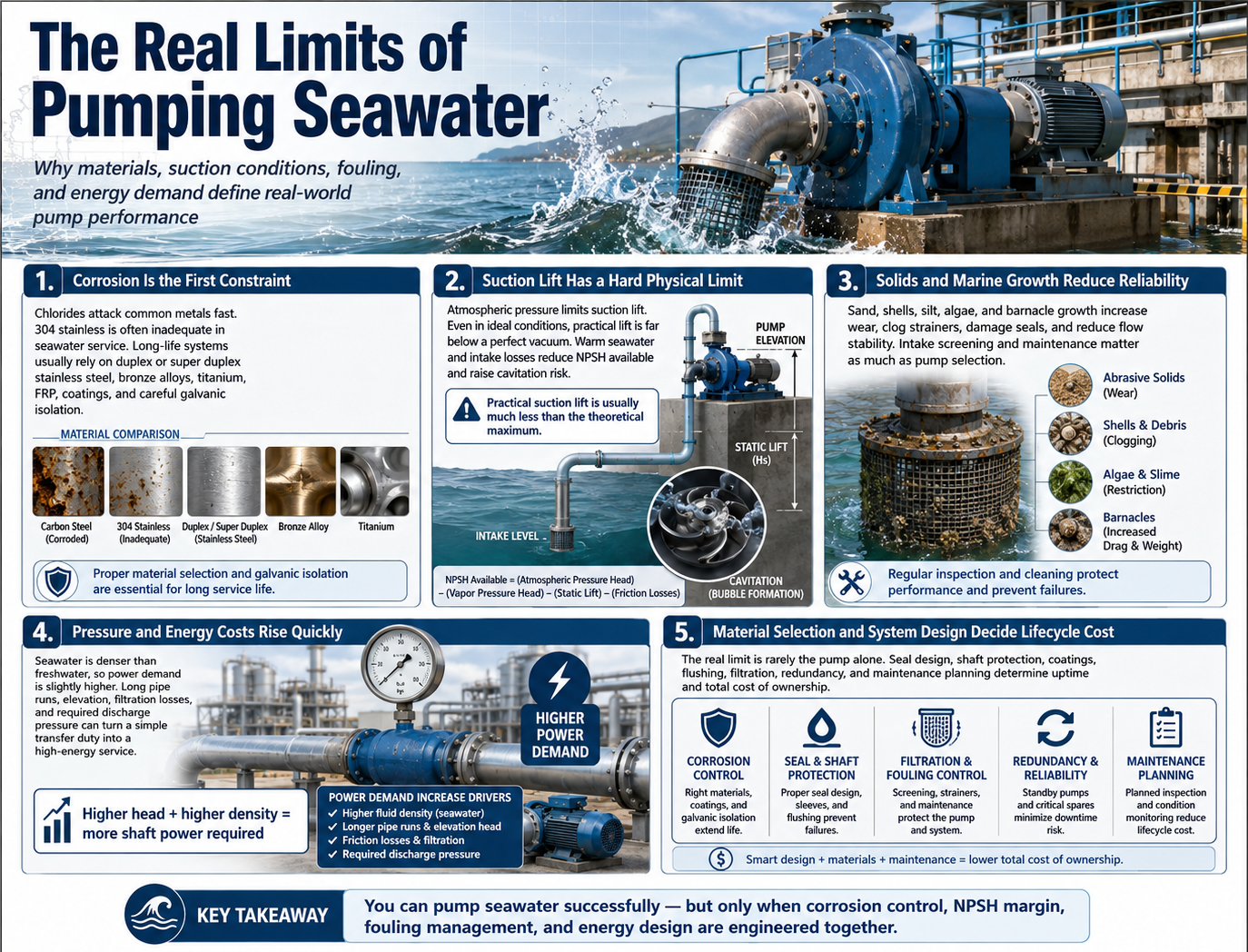
س: لماذا لا نضخ مياه البحر أكثر مما نقوم به بالفعل؟
ثلاثة حواجز هيكلية تحد من مياه البحر حيث سيكون الخيار السهل لولا ذلك: تكلفة الطاقة لكل متر يتم تسليمه، والسماح التنظيمي لهياكل السحب، والتصريف البيئي للمحلول الملحي الناتج.
تكلفة الطاقة. إن مدخل التبريد الساحلي بقدرة 1000 م/ساعة والذي يعمل 8000 ساعة/سنة على ارتفاع 50 مترًا يكلف حوالي US$135 ميجاوات في الساعة سنويًا أكثر من المياه العذبة بسبب الكثافة وحدها. على مدى عشر سنوات بمعدل 0.10/كيلووات ساعة، أي $13،500 من طاقة التكلفة الإضافية لكل مضخة صغيرة مقارنة بتكلفة معدات المضخة نفسها، وهي أكبر بكثير من محطة تبريد مكونة من 12 مضخة.
أنظمة. تتطلب هياكل السحب في المياه الساحلية الأمريكية تحسينًا بموجب قانون المياه النظيفة 316 (ب) الذي تتم معالجته من خلال سرعة الاصطدام التي تقل عن 0.5 قدم في الثانية وعن طريق الفحص المتشابك للحياة المائية المولودة في الماء. من المقرر مباشرة أن تنتقل تصاريح “ للامتثال البيئي الجديدة في ولاية كاليفورنيا إلى عملية مدتها 18-24 شهرًا في إطار أحدث دورات التطبيق. يهيمن إيقاع المشتريات على جدول المشروع أكثر من المهلة الزمنية للمعدات في معظم المشاريع الحرارية.
بيئي. يؤدي التصريف البيئي الناتج عن تركيز المحلول الملحي بالتناضح العكسي إلى رفع الملوحة المحلية من 5 إلى 15 % عند نقطة التصريف. تعكس أبحاث النظام البيئي المنشورة خلال الإطار الزمني الأخير للعقدين التحولات في المجتمعات القاعية الموزعة حول خمس منشآت رئيسية لتحلية المياه. تحليل اقتصادي للطاقة لممارسة الضخ عالي الكثافة مماثل لتحليلنا دليل ميداني لمضخة الطين التعدين يطبق مقايضات مماثلة على نقل الملاط عالي اللزوجة.
المعايير والتوقعات التنظيمية لعام 2026
هناك أربعة عوامل دافعة تتمثل في إعادة رسم مصفوفة مواصفات مضخة مياه البحر خلال الأفق الزمني 2026-2027.
- ✔
MARPOL الملحق السادس 1 أغسطس 2025 التعديلات سارية الآن. تتطلب تقارير خطة إدارة كفاءة استخدام الطاقة في السفن (SEEMP) من السفن التي تزيد حمولتها عن 5000 طن الإبلاغ عن استهلاك الوقود بتفاصيل أكثر دقة. بشكل غير مباشر، يؤدي هذا إلى إعداد تقارير كفاءة المحرك على مضخات تبريد المحرك للسفن الجديدة. الإجراء: اطلب من المورد خيار محرك IE3 أو IE4 في أي تطبيق بحري جديد. مرجع: IMO MEPC-ES.2-2 مسودة الملحق السادس المنقحة لاتفاقية ماربول لعام 2025. - ✔
تحديث الامتثال لقانون المياه النظيفة الأمريكي رقم 316 (ب). تنتقل مراجعة الامتثال لهيكل المدخول للمنشآت التي تضخ أكثر من 2 مليون جالون يوميًا إلى دورة مدتها 18 شهرًا. وثائق ملف تعريف السرعة مطلوبة بشكل متزايد عند التشغيل. الإجراء: قم بتضمين ملف تعريف سرعة الاصطدام في تقرير التشغيل الخاص بك. - ✔
يجري تحديث معايير الكهرباء البحرية IEC TC 18. تخضع سلسلة IEC 60092 لفئات عزل محركات المضخات على متن السفن لمراجعة الصناعة، ومن المتوقع التصديق عليها في نافذة 2026-2027. الإجراء: تحديد المحركات في فئة عزل واحدة أعلى من الحد الأدنى الحالي على السفن طويلة العمر. - ✔
ضغط سلسلة توريد المواد. أدت تقلبات مؤشر النيكل في بورصة لندن للمعادن في 2024-2025 إلى ارتفاع أسعار الصب المزدوج بنسبة 18 إلى 22%. أسعار الأسعار المقفلة التي تزيد مدتها عن 90 يومًا نادرة. الإجراء: احصل على نوافذ بسعر ثابت كتابيًا على أي طلب أعلى من $50،000.
الأسئلة الشائعة حول دورة الحياة والأسئلة التشغيلية
س: ما الفرق بين مضخة مياه البحر ومضخة المياه الخام؟
عرض الإجابة
“أفضل تعريف لمضخة المياه Raw Rugby هو فئة المحرك البحري لمضخة مياه البحر التي يتم سحبها من خط الأنابيب الذي يحمل المياه إلى سترات محركات الديزل. غالبية تصميمات مضخات المياه الخام البحرية عبارة عن دافعة مرنة P. تصميمات المضخة المزدوجة. ”مضخة مياه البحر“ هو مصطلح ذو دلالات واسعة لأي مضخة صناعية لمعالجة مياه البحر ذات بنية طرد مركزي سائدة.
س: هل يمكنني تحديث مضخة المياه العذبة لخدمة مياه البحر؟
عرض الإجابة
في حالة استبدال الأجزاء المبللة فقط - المكره، والغلاف، وغطاء العمود، وأوجه الختم - بمفردها بسبائك طاحونة مياه البحر ثم إجراء اختبار ISO 9906 جديد على الوحدة المعاد تشغيلها؛ سيتم الاحتفاظ بالمحرك ومنزل المحمل وفقًا لتصميم المياه العذبة المقابل. سعر التعديل التحديثي المعتاد هو 60-80% من السعر الأصلي، ومن الغريب القيام بتركيب مضخة المياه العذبة، إن لم يكن حسب الطلب، فقد تم تركيبه للتو في السنوات القليلة الماضية.
س: كم مرة يجب أن أقوم بفحص الختم الميكانيكي في خدمة مياه البحر؟
عرض الإجابة
الفحص البصري اليومي للتسرب خلال أول 90 يومًا من التشغيل، أسبوعيًا بعد ذلك. التحقق من منافذ تدفق مياه التبريد كل 90 يومًا. خطة تطور لاستبدال خرطوشة الختم خلال 18 شهرًا لتصميم خرطوشة واحدة وفي 36 شهرًا لتصميم خرطوشة مزدوجة مع خطة API 53. يجب تغيير أكمام العمود بنفس الجدول الزمني لخراطيش الختم.
س: ماذا يعني عادة الانخفاض المفاجئ في ضغط التفريغ؟
عرض الإجابة
قم أولاً بفحص المصفاة: يمكن إرجاع حوالي 80% من انخفاض الضغط المفاجئ إلى الحطام الذي يسد وجه المصفاة أو تراكم النمو البحري. إذا كانت المصفاة نظيفة، فتحقق من صمام الشفط ونظام التحضير. إذا كان كلاهما على ما يرام وظل الضغط منخفضًا، فقد فقدت المكره المواد من خلال الحفر أو تآكل التجويف. إزالة وفحص في غضون 48 ساعة؛ استئناف العملية سوف يسرع الفشل.
س: هل المبطنة بالمطاط مقبولة لخدمة مياه البحر؟
عرض الإجابة
البطانة المطاطية مناسبة لمياه البحر مع المواد الصلبة والتجريف، ومصارف المجاري الملاطية، ومخلفات المناجم إلى البحر، ونقل الطمي المالح إلى الخارج حيث يأتي التآكل. بالنسبة لسحب مياه البحر قليلة الملوحة أو خدمة التبريد، لا توفر البطانة المطاطية أي ميزة كبيرة على الفولاذ المقاوم للصدأ المزدوج وتتطلب صيانة أعلى. حدد البطانة لتتناسب مع وضع الفشل الأساسي، وليس ملصق “seawater” العام.
س: كيف يمكنني منع الحشف الحيوي في مضخة احتياطية؟
عرض الإجابة
تقوم مضخات مياه البحر الاحتياطية بتطوير الإصابة بـ SRB والبرنقيل خلال 7 إلى 14 يومًا. ثلاث تقنيات تمنع التراكم: الدوران التلقائي وفقًا لجدول أسبوعي بين الخدمة والاستعداد؛ منافذ حقن المبيدات الحيوية على خط الشفط الاحتياطي؛ تمتد الحماية الكاثودية لتشمل حلقة الاستعداد بأكملها بما في ذلك صمام عزل التفريغ.
س: لماذا تجوف مضختي الجديدة عند التدفق المنخفض ولكن ليس عند التدفق العالي؟
عرض الإجابة
التجويف منخفض التدفق هو تجويف إعادة التدوير عند شفط المضخة؛ تنقلب المكره على جدار الغلاف، بدلاً من تحريك السائل. حافظ على تشغيل المضخة فوق الحد الأدنى من التدفق المستمر المستقر المنشور في جميع الأوقات. تحدد معظم أنواع مياه البحر MCSF عند 40% تقريبًا من أفضل نقطة كفاءة؛ يمكن للحلقات الالتفافية أو صمامات إعادة التدوير أن تبقي المضخة في النطاق، حتى عندما ينخفض الطلب على المصنع إلى ما دون MCSF.
س: ما هي قائمة التشغيل النموذجية لتركيب مضخة مياه البحر الجديدة؟
عرض الإجابة
ست خطوات متسلسلة: تحديد اتجاه الدوران مع فصل المحرك؛ قم بتجهيز خط الشفط وتحديد مستوى صدر البحر؛ التشغيل مع إغلاق صمام التفريغ ثم فتحه ببطء إلى نقطة العمل؛ تسجيل خط الأساس للاهتزاز عند نقطة العمل للمقارنة لاحقًا؛ تأكيد هامش NPSH مقابل أنابيب الشفط المدمجة؛ وقم بإجراء اختبار قبول ISO 9906 إذا تم تحديد حقوق الشهود في العقد. تشريح المكونات الرطبة يتم توفيره لشرح ما يجب البحث عنه في كل خطوة.
المراجع والمصادر
- تكاليف دورة حياة المضخة: دليل لتحليل LCC لأنظمة الضخ 5 وزارة الطاقة الأمريكية / المعهد الهيدروليكي / Europump (أرشيف NREL)
- اختيار المواد لمضخات مياه البحر بقلم ستيفن ج. مورو البرنامج التعليمي لمختبر تكساس A&M للآلات التوربينية
- ISO 9906:2012 المضخات الديناميكية الدوارة: اختبارات قبول الأداء الهيدروليكي، الدرجات 1 و2 و3 ear المنظمة الدولية للمعايير
- مشروع المرفق السادس المنقح لاتفاقية ماربول لعام 2025 (MEPC-ES.2-2) (المنظمة البحرية الدولية)
- NACE MR0175 / ISO 15156 وصناعة الفولاذ المقاوم للصدأ artis عالم الفولاذ المقاوم للصدأ (الخطوط العريضة NACE MR0175-2015 الجداول من A24 إلى A26 للدرجات المزدوجة)
- تآكل الفولاذ المقاوم للصدأ المزدوج الفائق في أنواع المياه المختلفة، ورق تقني من النيكل الجديد (مرجع الحد الأعلى لمياه البحر المكلورة 40 درجة مئوية)
- ANSI/HI 14.6 مضخات ديناميكية دوارة لاختبارات قبول الأداء الهيدروليكي ar معهد هيدروليكي (المعادل المنسق للولايات المتحدة للمواصفة ISO 9906
- حساب الأرقام المكافئة لمقاومة الحفر (PREN) art جمعية الفولاذ المقاوم للصدأ البريطانية
مقالات ذات صلة
- مضخة ذات علبة مقسمة أفقية - دليل هندسي للتصميم والتشغيل والاختيار
- Firma تحت ’مضخة الملاط الغاطسة’ (بيانات Tekniske حتى النهاية، مضخة الرمل المنجرفة في المناجم:
- أجزاء تآكل مضخة الجرافة دليل المواد وفترات الاستبدال
- أجزاء من مجموعة الطرف الرطب والختم والمحمل لمضخة الملاط على وجه التحديد مجموعات الطرف الرطب والختم والمحمل لمضخة الملاط.
- مضخة الملاط المبطنة بالمطاط - كيفية اختيارها واستخدامها وصيانتها
- الدليل الميداني لمضخة ملاط التعدين
حول هذا الدليل
مظاريف الكلوريد ومخطط LCC من 8 فئات والحد الأعلى المزدوج الفائق 40 درجة مئوية المذكورة هنا مأخوذة من الأدبيات التقنية المتاحة للجمهور (NREL/DOE، Texas A & M Turbomachinery Laboratory، NeoNickel، NACE) بالإضافة إلى الممارسة الهندسية لسلسلة QIZ الخاصة بـ BBP في المضخات الصناعية الساحلية الخدمة منذ عام 2005. عندما يتم توفير أمثلة خاصة بالبائعين، فإنها تشير فقط إلى سلسلة BBP QIZ كمثال واحد - يجب أن تبلغ بيانات الموردين الخاصة بك قرارات السبائك وTCO الخاصة بك. بيانات تكلفة الطاقة ودورة الحياة هي تقديرات؛ أعد حساب المعادلة باستخدام دورة التعريفة الجمركية والعمالة قبل المواصفات.

![التجويف في مضخات الملاط بداية المواد الصلبة NPSH [الدليل الميداني]](https://bbpmfg.com/wp-content/uploads/2026/07/cavitation-in-slurry-pumps-featured-1-150x150.png)