تواصل مع BBP

تم التحديث في يوليو 2026
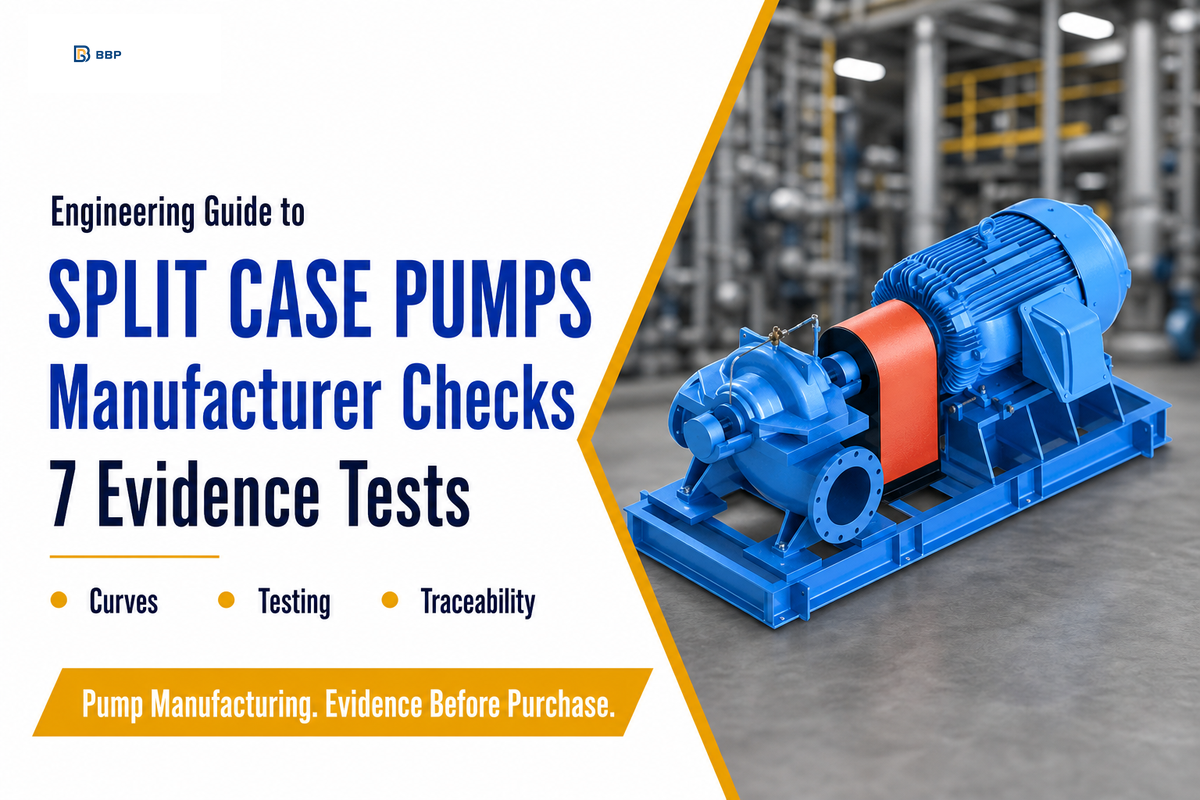
مصنّعو المضخات ذات الغلاف المنقسم هم موردون يصممون أو يصنعون أو يهيئون أو يدعمون مضخات الطرد المركزي ذات الغلاف المنقسم محوريًا؛ وينبغي للمشترين مقارنتهم وفق الأدلة المرتبطة بالمضخة المعروضة، لا بالحدود القصوى للكتالوج أو ادعاء شهادة عام أو السعر المعلن. ابدأ بنطاق التشغيل، وهوية المنحنى، ودرجة الاختبار، والمواد، والانحرافات، ووثائق التسليم، وقطع الغيار، وحدود ظروف التشغيل. ثم قارن السعر.
هذه المقالة أداة فرز للمشتريات لمهندسي EPC والمشترين البلديين والصناعيين والموزعين وفرق توريد OEM. للاطلاع على عائلات المنتجات المتاحة ومسارات الاختيار، راجع سلسلة مضخات BBP ذات الغلاف المنقسم. ويظل نطاقها مقتصرًا على إثباتات الموردين بدلًا من تكرار المحتوى الأساسي لاختيار المضخات.
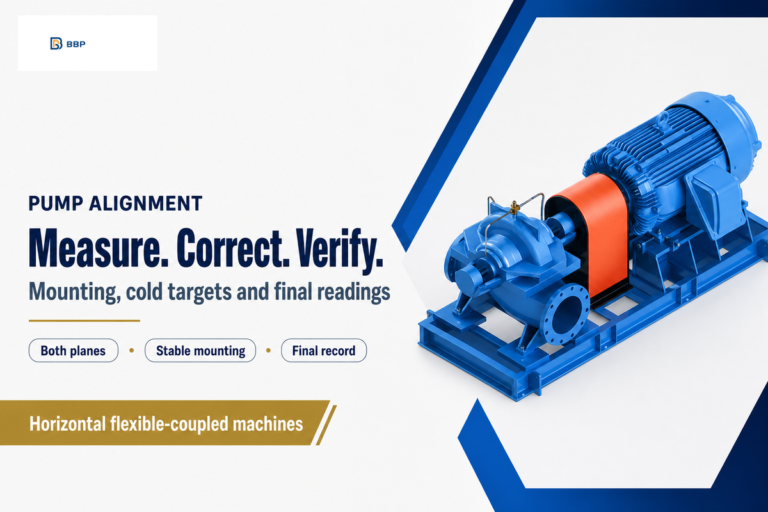
تستخدم كتالوجات الموردين كلاً من “split case” و“split casing”. وهنا يشير split casing إلى وصلة الغلاف؛ ولا يثبت نقطة التشغيل الهيدروليكية أو المادة أو نطاق الفحص أو سهولة الصيانة. ويجمع التهيئة الأفقية الشائعة بين مكره مزدوج الشفط وغلاف مقسم إلى جزأين لإتاحة الوصول إلى الأجزاء الداخلية. وقد تلائم هذه التهيئة معدلات التدفق المرتفعة، لكنها لا تضمن التشغيل المستقر أو الموثوقية أو الكفاءة العالية. تعامل مع كل عرض لغلاف منقسم باعتباره مضخة طرد مركزي مهيأة لتطبيق محدد. وقارن معدلات تدفقها ونقطة تشغيل إمداد المياه بنطاق المشروع بدلًا من الحد الأقصى للعائلة؛ فتسمية الغلاف المنقسم ليست سوى بداية مراجعة الأدلة.
المواصفات السريعة لطلب عرض سعر قابل للمقارنة
| الأساس الهيدروليكي | الحد الأدنى والعادي والأقصى للتدفق/ارتفاع الضخ أو نطاق معتمد لمنحنى النظام |
|---|---|
| السائل والموقع | التركيب، ودرجة الحرارة، والكثافة، واللزوجة، والمواد الصلبة، والارتفاع، والظروف المحيطة |
| أساس الشفط | NPSHA حسب حالة التشغيل، ومنحنى NPSH المطلوب، وقاعدة الهامش، وهندسة الشفط |
| التهيئة المعروضة | الطراز، والمقاس، وقطر المكره، وسرعة الدوران، ووحدة الإدارة، واتجاه الدوران، ومانع التسرب، والمحمل، والمواد |
| القبول | معيار ودرجة اختبار محددان، ونقاط، وسماحات، وحقوق الحضور، وسجلات، وقاعدة إعادة الاختبار |
| النطاق التجاري | الانحرافات، والاستثناءات، وأساس الشحن، والوثائق، وقطع الغيار، والتشغيل التجريبي، والضمان، والدعم |
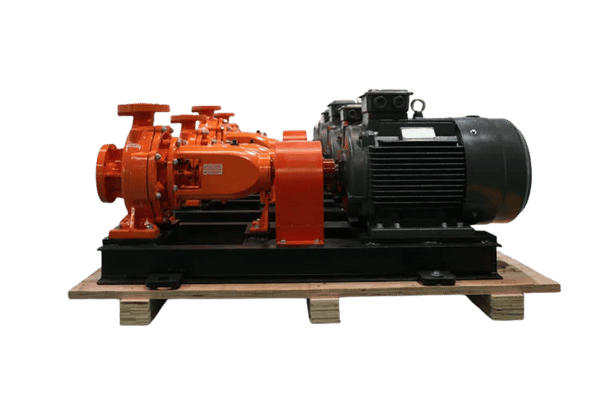
استخدم فحص الأدلة لمدة 30 دقيقة قبل إعداد القائمة المختصرة

يسأل الفحص الأولي المفيد عما إذا كان المورد يستطيع تحديد التهيئة المعروضة بدقة وإرفاق الأدلة بها. فلا اسم العلامة التجارية ولا عبارة “معتمد ISO” ولا رقم أقصى تدفق يثبت أن المكره المختار سيلبي نطاق التشغيل المطلوب.
توضح أداة البيانات التابعة لـ Hydraulic Institute سبب ضيق نقطة تشغيل واحدة أكثر من اللازم: فتغيير موضع الصمام أو منسوب الخزان أو السرعة أو قطر المكره أو عدد المضخات العاملة يغير نقطة التشغيل. اطلب من مصمم النظام النقاط المهمة أو النطاق قبل تقييم المورد.
- ثبّت أساس المشروع — أصدر جدولًا موحدًا لنطاق التشغيل والسائل والموقع ووحدة الإدارة والمطابقة لكل مقدم عطاء.
- طابق هوية العرض — اطلب الطراز والمقاس والمكره والسرعة والمواد ومانع التسرب والمحامل ووحدة الإدارة في ورقة البيانات نفسها.
- افتح حزمة الأدلة — افحص المنحنى وأساس الاختبار والانحرافات وسجلات التصنيع والوثائق وقطع الغيار والتوريد والدعم.
- ارفض المقارنة الزائفة — أوقف العطاءات التي تعتمد على منحنيات العائلة أو درجات قبول غير معلنة أو استثناءات غير مسعّرة.
قد تقصر صفة المصنع المباشر السلسلة الفنية، بينما قد يقدم الموزع الكفء قطع غيار محلية أو تشغيلًا تجريبيًا أفضل. وتبقى تسميات القنوات ثانوية. حدّد الطرف المسؤول عن الاختيار ورسومات الاعتماد وFAT والدعم الميداني وقرارات الضمان وتوريد قطع الغيار.
نوع المضخة ليس علاقة تقريبية سريعة لملاءمة النظام. فما زالت نقطة التشغيل وهامش الشفط وظروف التركيب وإتاحة الصيانة تحدد ما إذا كانت تهيئة الغلاف المنقسم تستحق الإدراج في القائمة المختصرة.
مصفوفة أدلة الموردين للمضخات ذات الغلاف المنقسم من 7 نقاط
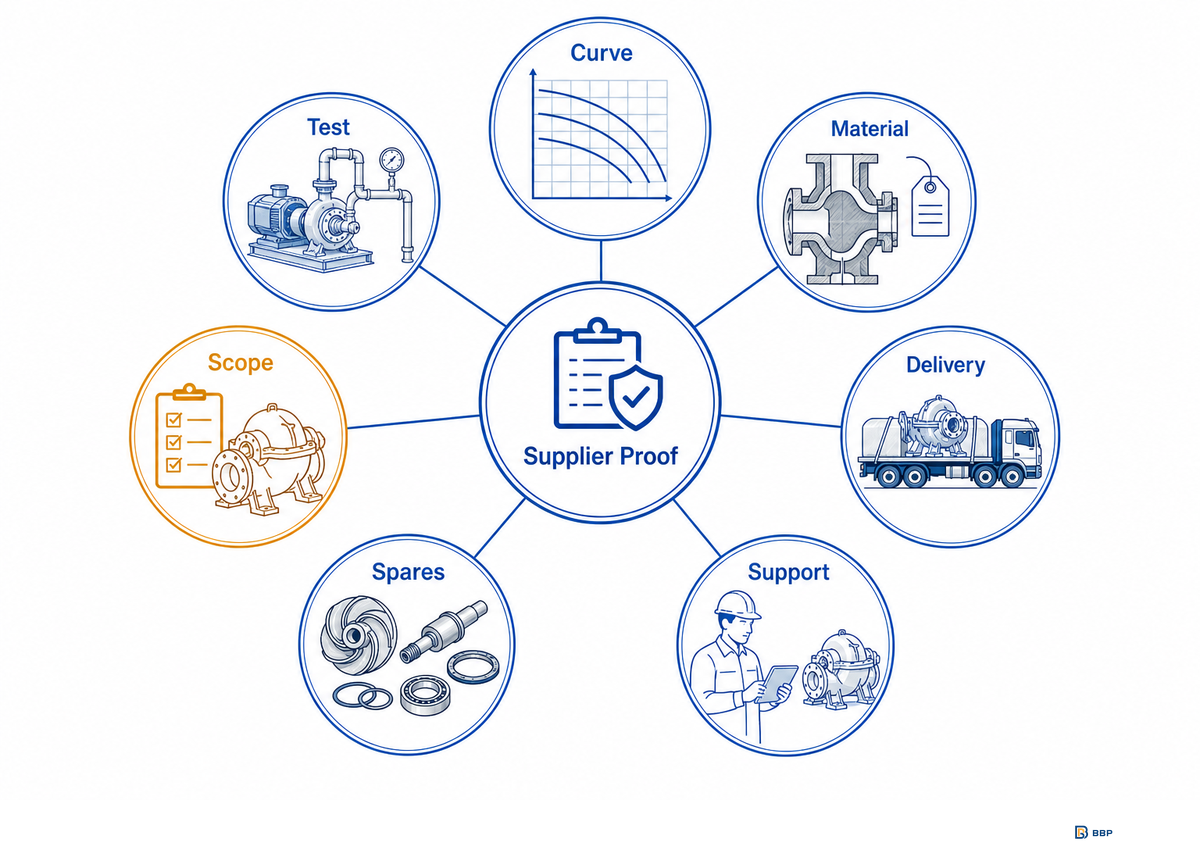
تحول المصفوفة ذات النقاط 7 سبعة مجالات تقييم إلى عشرة صفوف أدلة. وتعني “نجح” أن الوثيقة مرتبطة بالتهيئة المعروضة ونطاق أمر الشراء. وتعني “يتطلب توضيحًا” أن القدرة قد تكون موجودة لكنها غير قابلة للاستخدام تعاقديًا بعد. يمثل سجل ISO 9906 الرسمي تذكيرًا مفيدًا بضرورة التصريح عن طريقة الاختبار ودرجته؛ فالإشارة العامة إلى معيار ليست دليلًا على المطابقة الخاصة بالطلب.
| المجال | صف الأدلة | نجح | يتطلب توضيحًا أو توقف | القيود / غير مناسب لـ |
|---|---|---|---|---|
| 1. هيدروليكي | هوية المنحنى المعتمدة | الطراز، والمكره، والسرعة، والسائل، والقدرة، والكفاءة، وNPSH المطلوب | منحنى العائلة أو قطر مكره مفقود | المنحنى وحده لا يحدد نطاق النظام |
| 1. هيدروليكي | ملاءمة نطاق التشغيل | نقاط مطلوبة مرسومة مع نطاق التشغيل وأدوات التحكم | عرض الحد الأقصى للتدفق/ارتفاع الضخ فقط | أعد التحقق من المناسيب المتغيرة وVFDs والتشغيل على التوازي |
| 2. التهيئة | إحكام ورقة البيانات | اكتمال جميع خانات مجموعة الأجزاء الملامسة للسائل وعمود الدوران ومانع التسرب والمحمل ووحدة الإدارة واتجاه الدوران | مواد “قياسية” بلا درجات مادة | قد تتطلب المعادن في المشروع مراجعة منفصلة للتآكل |
| 3. التصنيع | خطة العملية والفحص | تسمية نقاط التوقف/الحضور وسجلات القبول | ادعاء التصنيع الداخلي بلا سجلات للطلب | التتبعية الكاملة خاصة بالمشروع وليست افتراضية عامة |
| 3. التصنيع | أدلة المواد | شهادات مطلوبة مرتبطة بالجزء أو بالصهرة/الدفعة حيثما حُدد ذلك | نموذج شهادة عام | حدد MTR وNDE وWPS/PQR فقط عندما يتطلبها العقد |
| 4. القبول | طريقة الاختبار ودرجته | المعيار، والدرجة، ونقطة الضمان، والسماحة، وأجهزة القياس والتحكم، والسجلات | “اختبار وفق ISO/HI” بلا درجة | لا يثبت FAT جودة التركيب أو الأداء الميداني |
| 4. القبول | قاعدة الحضور والفشل | الإخطار، والاعتماد، والتصحيح، وإعادة الاختبار دون تكلفة، وحقوق الرفض | الحضور رهن بتوافر المصنع | لا تزال تكاليف السفر والمفتش بحاجة إلى تحديد جهة تحملها |
| 5. التوريد | خطة المعالم والتسليم | تواريخ الاعتماد والإنتاج والاختبار والوثائق والإفراج والشحن | تاريخ واحد غير مدعوم للتسليم من المصنع | قد تظل جاهزية الموقع والجمارك من مخاطر المشتري |
| 6. دورة الحياة | قطع الغيار وظروف التشغيل | قطع الغيار حسب التنفيذ الفعلي، وأساس المخزون، ومدة التوريد، والاستجابة، ونطاق التشغيل التجريبي | “دعم 24/7” بلا استجابة أو موقع | الوعد ليس ضمانًا لتوافر مخزون محلي |
| 7. تجاري | سجل الانحرافات والاستثناءات | تسعير كل خروج عن المتطلبات وقبوله خطيًا | استخدام لغة الكتيب بوصفها مطابقة | لا تزال الشروط القانونية والضريبية تحتاج مراجعة العقد |
أساس المصدر: نطاق ISO 9906، وإرشادات Hydraulic Institute، وعطاء City of Aberdeen لعام 2023، ومواصفة المالك التاريخية في San Diego، ومرجع DOE لأنظمة الضخ. تعامل مع هذه المصفوفة كفحص أولي، لا كقائمة تحقق عالمية للمطابقة.
أجرِ اختبار المنحنى إلى العقد
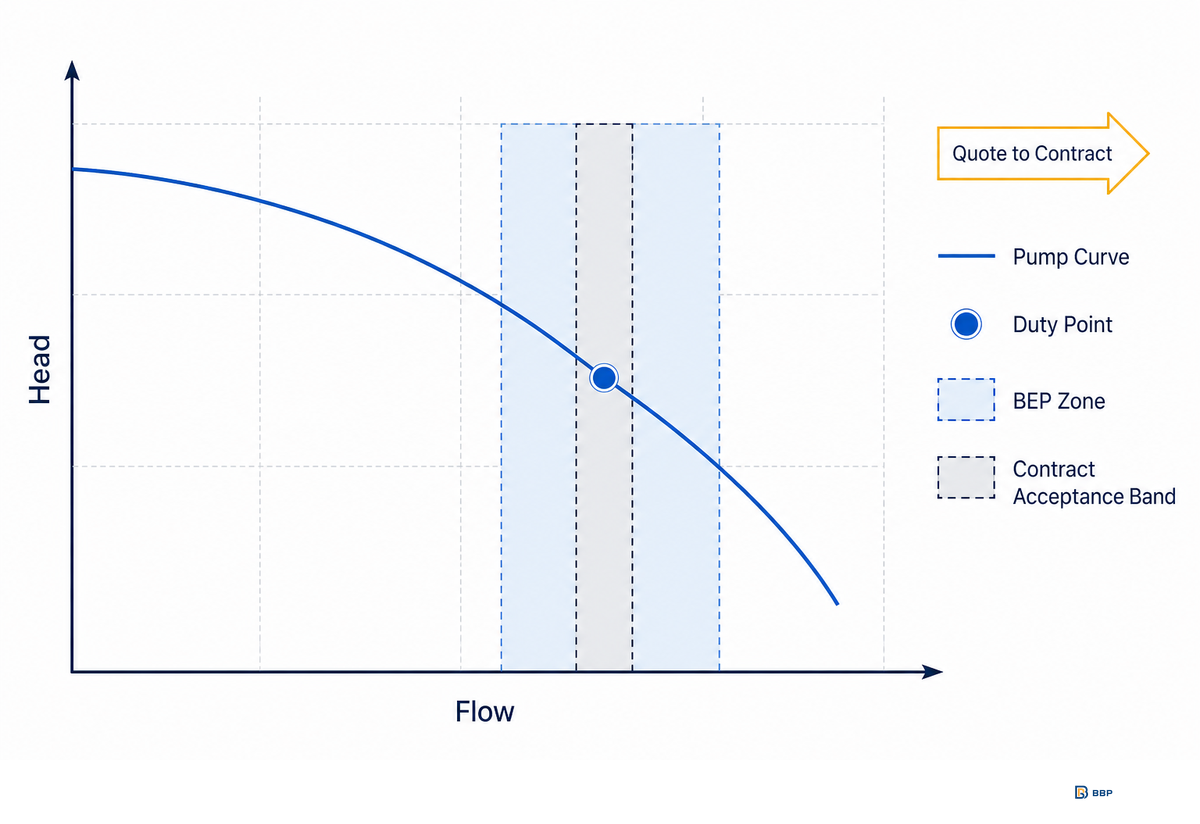
يربط عرض السعر القابل للمقارنة متطلبات النظام بمنحنى مضخة واحدة معروضة. وينبغي أن تغطي هويته الطراز وقطر المكره والسرعة وأساس السائل والتدفق وارتفاع الضخ والكفاءة والقدرة وNPSH المطلوب. وحيث يتغير النظام، ارسم نقاط الحد الأدنى والعادي والأقصى أو النطاق المعتمد. ولظروف التشغيل ذات التدفق المرتفع وتطبيقات ارتفاع الضخ المتطلبة، حدّد خصائص كل حالة للسائل والشفط والطرد والحمل قبل أن يختار المورد منحنى.
يظهر مثال عام مفيد في عطاء City of Aberdeen لعام 2023: 700 gpm عند 250 ft TDH، ونقطة ثانوية 510 gpm عند 274 ft TDH، وحالة إغلاق عند 0 gpm لا تقل عن 280 ft TDH، وسرعة قصوى 3,560 rpm، ووحدة إدارة بلوحة اسمية 75 hp، وNPSH مطلوب أقصى 35 ft. تصف هذه الأرقام ذلك المشروع فقط؛ وقيمتها هنا تكمن في بنية المتطلب القابل للمقارنة.
700 gpmتدفق التصميم في أحد العطاءات العامة لعام 2023
250 ft TDHارتفاع الضخ التصميمي في العطاء نفسه
35 ft NPSH مطلوبالحد الأقصى للمشروع، وليس هدفًا عامًا
يوضح استعراض BEP ومنحنى الأداء أن أداء الكتالوج يظل نظريًا إلى أن تُختبر المضخة الفعلية. وإذا شذّب المورد مكرهًا أو غيّر السرعة، فاطلب المنحنى المقابل المعروض وبيّن ما إذا كان الاختبار تنبؤيًا أو غير مشهود أو مشهودًا أو معتمدًا.
استخدم مساعد اختيار السلسلة لتنظيم العائلات المرشحة، ثم عُد إلى أساس النظام قبل اعتماد طراز. وتعد أداة اختيار المضخات ذات الغلاف المنقسم من BBP مسارًا أوليًا آخر، وليست بديلًا عن ورقة البيانات الموقعة من المورد.
تتبّع المواد من سجل المسبك إلى المضخة النهائية
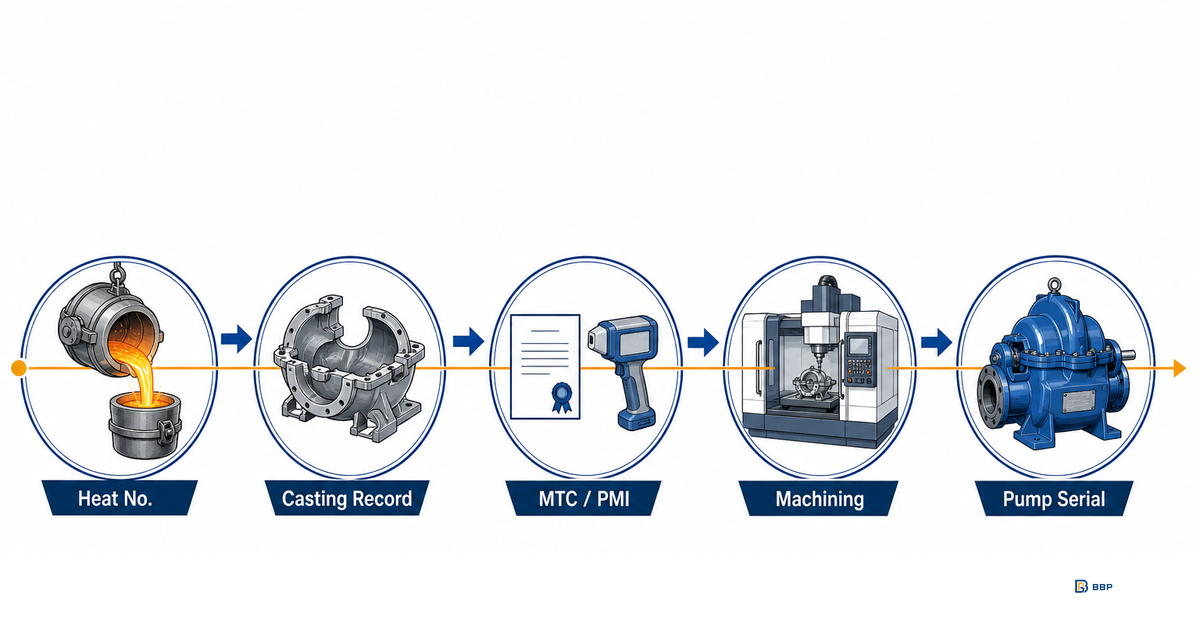
قد يقلل الصب أو التشغيل الآلي الداخلي عمليات التسليم، لكنه لا يثبت أن الأجزاء المعروضة تفي بالمواصفة الفنية للمشروع. اسأل عن السجلات التي تتبع الغلاف والمكره وعمود الدوران والبطانات وحلقات التآكل والمثبتات والطلاءات والمناطق التي أُصلحت خلال التصنيع والفحص.
ينبغي أن يتناسب عمق الأدلة مع العواقب. وقد تحتاج طلبات HVAC للمياه النظيفة إلى درجات مواد محددة وسجلات فحص روتينية. وقد تبرر ظروف التشغيل المسببة للتآكل أو مياه الشرب أو الحريق أو عالية العواقب شهادات MTR أو هوية الصهرة أو الدفعة أو تقارير الطلاء أو NDE أو سجلات الموازنة أو إجراءات الإصلاح أو نقاط توقف مشهودة. بالنسبة إلى نطاق مياه الشرب، يفصل عرض NSF لـ NSF/ANSI/CAN 61 بين معايير الآثار الصحية لمواد ومكونات ملامسة المياه وبين الأداء الهيدروليكي. بالنسبة إلى ظروف تشغيل مضخة الحريق، يعزز عرض Hydraulic Institute لمعايير الأداء والميكانيكا سبب وجوب تضمين الأدلة الخاصة بالتطبيق في طلب عرض السعر. لا تعامل الحديد المطاوع والبرونز والفولاذ المقاوم للصدأ كمسميات قابلة للاستبدال؛ حدد درجة المادة والمكوّن الملامس للسائل المطلوبين. لم تتطلب أي من الوثيقتين البلديتين المراجعتين التتبعية الكاملة للمواد، ولذلك يجب أن ينص طلب عرض السعر عليها عند الحاجة.
يمكن أن يساعد مساعد اختيار المواد من BBP في وضع خيارات مجموعة الأجزاء الملامسة للسائل. أكّد الدرجات النهائية في ورقة البيانات المعروضة وحدد أدلة الفحص في ITP. وإذا نص عرض السعر على “مكافئ”، فاطلب درجة المادة البديلة الدقيقة ومسار القبول.
تذكر BBP أن وظائف المسبك والمعالجة الحرارية والتشغيل الآلي والتجميع والطلاء والاختبار متكاملة داخليًا. وينبغي للمشترين التحقق من هذا البيان من المصدر الأول مقابل السجلات الموعود بها لأمر الشراء الخاص بهم. تساعد جولات المصنع، لكن ITP معتمد وفهرس وثائق مرتبط بالطلب أسهل في الإنفاذ.
اكتب معايير قبول FAT قبل أمر الشراء
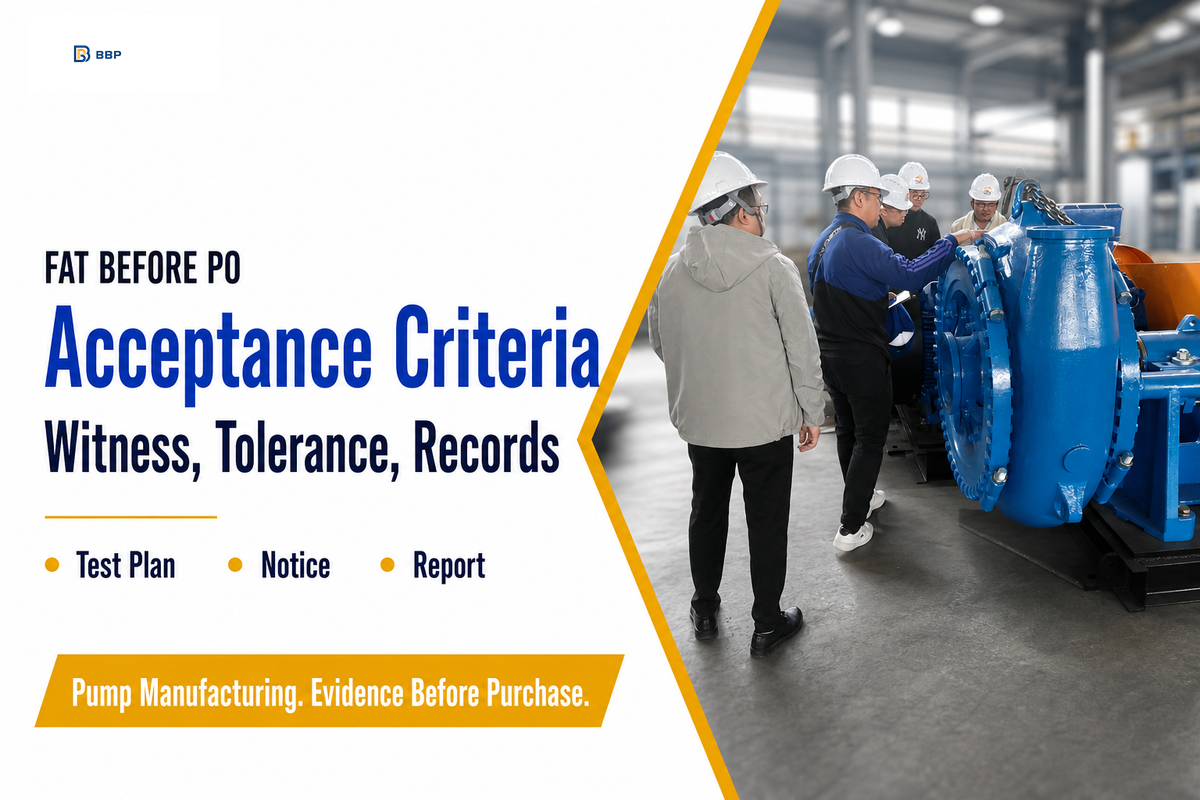
يسمي بند FAT القابل للاستخدام الطريقة ودرجة القبول ونقاط الضمان وأجهزة القياس والتحكم وحقوق الحضور وسجل الاختبار والاستجابة للفشل. وتترك عبارة “مُختبر في المصنع” هذه البنود مفتوحة وتجعل حل النزاع اللاحق صعبًا.
يصف سجل ISO 9906 الرسمي لدى ISO اختبار قبول الأداء الهيدروليكي ويسرد ست درجات: 1B، 1E، 1U، 2B، 2U، و3B. ISO 9906 معيار اختبار. وليس شهادة لإدارة الجودة المؤسسية. إذا قال المورد “معتمد ISO”، فاطلب رقم المعيار الدقيق ونطاقه وجهة إصدار الشهادة والمواقع المشمولة وصلاحيتها، ثم حدد أساس اختبار المضخة المنفصل.
توضح مواصفة تاريخية لمالك عام في San Diego مدى تفصيل بند المشروع: تقديم الإجراء قبل الاختبار بما لا يقل عن 10 weeks، وإشعار خطي للحضور قبل 4 weeks، واختبار NPSH مطلوب من 10% إلى 120% من تدفق أفضل كفاءة، وما لا يقل عن 10 نقاط بيانات، والرفض بعد فشل الأداء المضمون، وإعادة الاختبار بعد تشذيب المكره. قيم المواصفة هذه للفترة 2000–2002 أمثلة وليست حدودًا عالمية حالية.
تحتاج الحماية من الحريق إلى بند خاص بها. تقترح مراجعة FM المؤقتة في أبريل 2025 لـ Data Sheet 3-7 نظام تدفق من ست نقاط عند 0% و50% و75% و100% و125% و150% من السعة المقننة، وتنص على أن تكون جميع أجهزة الاختبار قد عايرت خلال 12 months السابقة. طبّق متطلبات الإدراج والاعتماد والكود وشركة التأمين الخاصة بالحريق فقط حيثما تنطبق ظروف التشغيل هذه.
الحد الهندسي
يتحقق FAT الناجح من المضخة المختبرة وفق الطريقة المتفق عليها. ولا يثبت جودة الأساس أو المحاذاة أو هندسة الشفط أو أحمال الأنابيب أو أدوات التحكم أو التحضير أو بدء التشغيل أو الأداء الميداني.
مثال مواصفة عامة موحّدة الوحدات من 10 فئات
تصبح العطاءات الدولية أسهل للمقارنة عندما يحتفظ المقيم بكل قيمة مصدر حاكمة ويضيف تحويلًا عمليًا محسوبًا. التحويلات أدناه تقريبية ولا يجوز أن تحل محل وحدات القياس في وثيقة المشروع الحاكمة.
| الفئة | المثال الحاكم | التحويل العملي أو الاستخراج | استخدام طلب عرض السعر |
|---|---|---|---|
| تدفق تصميم Aberdeen | 700 gpm | ≈159 m³/h | أبقِ التدفق مرتبطًا بنقطة ارتفاع الضخ |
| ارتفاع ضخ تصميم Aberdeen | 250 ft TDH | ≈76.2 m | لا تعرض التدفق وحده |
| التدفق الثانوي لـ Aberdeen | 510 gpm | ≈116 m³/h | حافظ على نقطة الضمان الثانية |
| ارتفاع الضخ الثانوي لـ Aberdeen | 274 ft TDH | ≈83.5 m | اربطه مع 510 gpm |
| إغلاق Aberdeen | 0 gpm عند ≥280 ft TDH | 0 m³/h عند ≥85.3 m | اذكر حد الإغلاق المسموح به |
| سرعة Aberdeen | الحد الأقصى 3,560 rpm | احتفظ بـ 3,560 rpm | اربط المنحنى وسرعة المحرك معًا |
| وحدة إدارة Aberdeen | لوحة اسمية 75 hp | ≈56 kW | تحقق من القدرة المقننة للمحرك المعروض |
| NPSH المطلوب لـ Aberdeen | الحد الأقصى 35 ft | ≈10.7 m | قارن مع NPSHA للمشروع |
| تخطيط اختبار San Diego | 10%–120% من BEF؛ 10 weeks و4 weeks | بند تاريخي، وليس حدًا أدنى عالميًا | اكتب تواريخ الإجراء والحضور صراحةً |
| نظام التدفق المقترح من FM | 0%, 50%, 75%, 100%, 125%, 150% | تسلسل مستخدم لظروف تشغيل الحريق فقط | طبّق فقط مع أساس الحريق للمشروع |
أساس التحويل: 1 US gpm ≈ 0.227 m³/h؛ 1 ft = 0.3048 m؛ 1 mechanical hp ≈ 0.746 kW. احتفظ بقيم وحدات المصدر في أمر الشراء.
قيّم التوريد والوثائق وقطع الغيار والدعم

تكون مدة التوريد موثوقة عندما تقسم إلى معالم الاعتماد والمشتريات والإنتاج والاختبار والوثائق والإفراج والشحن. اسأل أي تاريخ يبدأ منه الاحتساب وأي اعتمادات للمشتري يمكن أن توقفه. وأضف تسليم الوثائق وقطع الغيار إلى الجدول نفسه.
يحدد مثال Aberdeen اختبار درجة 1U وست فئات من قطع غيار الصيانة: بطانات عمود الدوران، وحلقات O، والمحامل، وحلقات التآكل، والحشيات، ومانعات التسرب. وكمياتها الدقيقة خاصة بالمشروع. انقل البنية لا الكميات: سمِّ قطع الغيار حسب التنفيذ الفعلي وتوقيت التسليم وضبط التوافق وأساس التخزين قبل الإرساء.
يفصل إطار دورة الحياة التابع لـ Hydraulic Institute بين تكاليف الشراء والتركيب والطاقة والتشغيل والصيانة والبيئة وزمن التوقف عن التشغيل ونهاية العمر. قارن هذه الفئات دون اختراع عمر تشغيلي عالمي أو وفورات طاقة مضمونة. ولورقة عمل خاصة بالمشروع، استخدم حاسبة التكلفة الإجمالية للملكية للمضخات ذات الغلاف المنقسم.
تحتاج صياغة التشغيل التجريبي إلى مهام مسماة: مراجعة جاهزية الموقع، وفحص الحفظ، والتحقق من المحاذاة، والإشراف على بدء التشغيل، وقراءات أجهزة القياس والتحكم، وتدريب المشغلين، وإقفال قائمة الملاحظات، وتقرير ظروف التشغيل. حدّد مؤهلات الفنيين وأيامهم في الموقع وأساس السفر والاستجابة عن بعد والأثر على الضمان.
وحّد كل عرض باستخدام جدول عطاء من 12 سطرًا
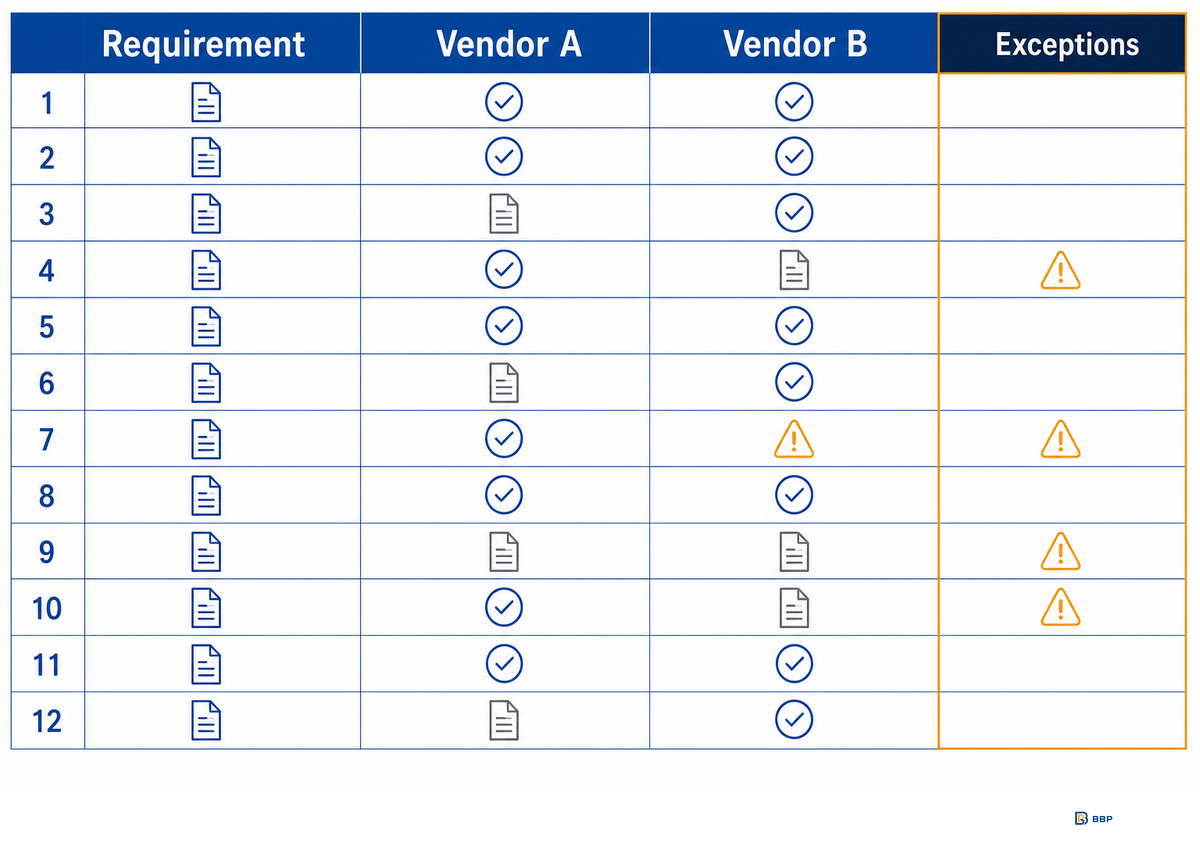
انسخ كل عرض سعر في جدول واحد بدلًا من مقارنة ملفات PDF الخاصة بالموردين جنبًا إلى جنب. استخدم جدول المتطلبات المشترك لإنشاء جدول العطاء، واجعل كل سطر ينتهي بـ “مشمول” أو “مستثنى” أو “خيار” أو “انحراف”، مع مرجع وثيقة وأثر سعري. يوضح جدول عطاء Aberdeen العام سبب وجوب توحيد نقطة التشغيل والاختبار والتقديمات والتوريد وقطع الغيار كالتزامات منفصلة لا كسطر سعر واحد.
| السطر | وحّد | الحد الأدنى للإدخال | الإثبات | القيود / الاستثناءات المطلوب إظهارها |
|---|---|---|---|---|
| 1 | نطاق التشغيل | جميع حالات التدفق/ارتفاع الضخ المطلوبة | ورقة بيانات موقعة ومنحنى مرسوم | اختيار نقطة واحدة؛ حالات تحكم مفقودة |
| 2 | هوية المضخة | الطراز، والمقاس، والمكره، والسرعة، واتجاه الدوران | رسم GA ومنحنى | طراز على مستوى العائلة أو مؤقت |
| 3 | المواد | الغلاف، والمكره، وعمود الدوران، وقطع التآكل، والمثبتات | جدول المواد/الشهادات وفق المحدد | درجات المادة المكافئة غير محددة |
| 4 | مانع التسرب والمحامل | النوع، والمواد، والتزييت، وأساس التصميم | جدول المكونات | بدائل قياسية للمورد |
| 5 | وحدة الإدارة والقاعدة | المحرك، وأساس VFD، والقارنة، ولوح القاعدة، والواقي | ورقة المحرك وGA | البادئ والكابلات والمحاذاة والجراوت مستثناة |
| 6 | اختبار هيدروليكي | الطريقة، والدرجة، والنقاط، والحضور، والسجلات | خطة الاختبار ونموذج تقرير | رسوم الحضور؛ NPSH المطلوب أو الكفاءة مستثنيان |
| 7 | فحص آخر | هيدروستاتيكي، وموازنة، وطلاء، وNDE عند الطلب | ITP ومعايير القبول | اختبارات خاصة بالمشروع مسعّرة منفصلة |
| 8 | الوثائق | رسومات، ومنحنيات، وتقارير، وأدلة، وقائمة قطع الغيار | سجل الوثائق والتواريخ | الملفات الأصلية واللغة والمراجعات مستثناة |
| 9 | قطع الغيار | قطع غيار التشغيل التجريبي والتشغيل | قائمة حسب التنفيذ الفعلي ومدد التوريد | المواد الاستهلاكية أو الأدوات الخاصة مستثناة |
| 10 | التوريد | Incoterm، والمكان، والتعبئة، والحفظ، والمعالم | جدول المعالم | الجمارك والتفريغ والتخزين والتأمين مستثناة |
| 11 | التشغيل التجريبي/ظروف التشغيل | المهام، والموظفون، والمدة، والاستجابة، والسفر | النطاق وجدول الأسعار | العمالة الميدانية أو الزيارة المتكررة مستثناة |
| 12 | الضمان/الانحرافات | حدث البدء، والمدة، والمعالجة، والخروجات المقبولة | سجل الضمان والانحرافات | قيود الشحن والعمالة والخسائر التبعية |
أساس المصدر: تتطلب City of Aberdeen فروقات مكتوبة ومعلومات عطاء كاملة ووثائق وشروط توريد وقطع غيار واختبارات وتشغيلًا تجريبيًا؛ ويستخدم مثال San Diego انحرافات معلّمة وضوابط الاختبار والتسليم. ينبغي للمستشار القانوني مراجعة القيود القانونية.
لبنية طلب أكثر شمولًا، قارن الجدول مع دليل BBP لطلبات عروض أسعار المضخات الصناعية.
قائمة تحقق طلب عرض السعر — انسخ ما يلي في طلب عرض السعر:
| المعامل | النطاق الموصى به | سبب الأهمية | كيفية التحقق |
|---|---|---|---|
| حالات التشغيل | الحد الأدنى / العادي / الأقصى | يتجنب اختيار نقطة واحدة | ارسم جميع الحالات على المنحنى المعروض |
| أساس NPSH | NPSHA والهامش حسب الحالة | يكشف مخاطر الشفط | قارن NPSHA بمنحنى NPSH المطلوب المعروض |
| المواد | درجات المادة الدقيقة حسب الجزء الملامس للسائل | يجعل البدائل ظاهرة | جدول مواد معتمد والشهادات المطلوبة |
| درجة القبول | درجة ISO/HI مختارة للمشروع | تحدد سماحة النجاح/الفشل | ضع الدرجة ونقطة الضمان في PO |
| إشعار الحضور | مدة تقويمية يحددها المشروع | يحمي جدولة المفتش | إشعار تعاقدي وموقع |
| إصدار الوثائق | قبل الشحن | يمنع تأخر التسليم | سجل وثائق معتمد |
| قطع الغيار | مجموعة التشغيل التجريبي إضافة إلى التشغيل | يحد من زمن التوقف عن التشغيل المبكر | قائمة قطع الغيار حسب التنفيذ الفعلي وتاريخ التوريد |
| دعم الموقع | مهام وأيام محددة | يفصل FAT عن بدء التشغيل | نطاق التشغيل التجريبي وتقرير موقعان |
طابق عمق الأدلة مع 9 ملفات لمخاطر التطبيقات
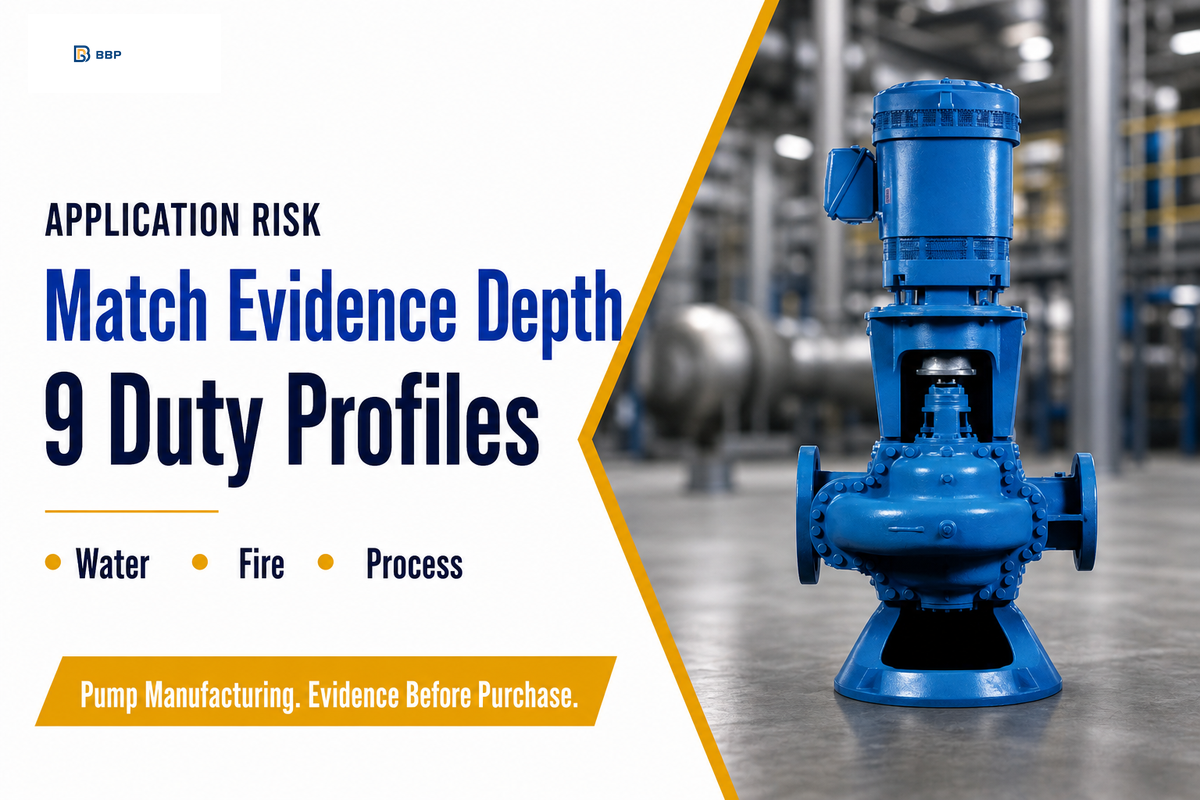
قد تواجه المضخة الأساسية نفسها عتبات أدلة مختلفة. تشمل التطبيقات الشائعة المياه البلدية، ودوران التبريد المركزي، والري واسع النطاق، ومحطات توليد الطاقة. يغير التشغيل المستمر الأدلة المطلوبة للموثوقية والكفاءة. كما يرفع متطلبات كفاءة الطاقة، والتكرار الاحتياطي، وقطع الغيار، وسرعة الاستجابة في ظروف التشغيل. طبّق فحص المورد أولاً، ثم أضف طبقة المشروع الخاصة بالصحة، وسلامة الأرواح، والتآكل، وتباين التشغيل، والتركيب، وعواقب التوقف عن التشغيل.
| التطبيق | طبقة المخاطر | الأدلة المطلوب إضافتها | القيود / غير مناسب لـ |
|---|---|---|---|
| النقل البلدي | مناسيب متغيرة، وضوابط المناقصات العامة | نطاق النظام، ونقاط التشغيل، والتقديمات، والاختبارات المشهودة/المبلّغ عنها | لا يغطي بمفرده الآثار الصحية لمياه الشرب |
| مياه الشرب | الآثار الصحية للمواد/التلامس | تأكيد قابلية تطبيق NSF/ANSI/CAN 61، والتهيئة المدرجة، والطلاءات، وموانع التسرب | لا يثبت NSF 61 الأداء الهيدروليكي |
| التكييف المركزي | التحكم عند الأحمال الجزئية والطاقة | ملف الحمل، ومنحنيات النظام، وأساس محول التردد (VFD)/التحكم، وبيانات المحرك | لا يمكن لادعاء BEP عند الحمل الكامل التنبؤ بالملف السنوي |
| الري | مناسيب موسمية، وحطام، وظروف تشغيل بعيدة | حالات الشفط، وأساس الشبكة/المواد الصلبة، والحفظ، وقطع الغيار المحلية | قد لا تغطي منحنيات المياه النظيفة ظروف مأخذ السحب المتسخ |
| التبريد الصناعي | التشغيل المستمر وزمن التوقف عن التشغيل | ملف التشغيل، والتكرار الاحتياطي، وقطع الغيار الحرجة، والتزام الاستجابة | مدة التوريد في الكتالوج لا تساوي توافر قطع الغيار الطارئة |
| مياه عمليات مسببة للتآكل | التركيب الكيميائي، ودرجة الحرارة، والتركيز | المواد الدقيقة للأجزاء الملامسة للسائل، وأساس مقاومة التآكل، وأدلة الطلاء ومانع التسرب | لا يمكن لعبارة «الفولاذ المقاوم للصدأ» العامة أو اختبار المياه إثبات التوافق الكيميائي |
| الحماية من الحريق | سلامة الأرواح، والإدراج/الاعتماد، والقبول الميداني | كود المشروع الحالي، والإدراج/الاعتماد، والاختبارات والسجلات الخاصة بالحريق | اختبار FAT عام لمضخة مياه لا يثبت مطابقة مضخة الحريق |
| التركيب العمودي | الهيكل، والمحاذاة، وإمكانية الوصول، والغمر | الرسم العام، والأحمال، والأساس، والمحاذاة، والرفع، وإجراء بدء التشغيل | قد لا تكون خطة الصيانة الأفقية قابلة للتطبيق |
| تشغيل مستمر بعواقب جسيمة | تكلفة الفشل ووقت الاستعادة | دراسة التكرار الاحتياطي، وخطة ITP أعمق، واختبارات مشهودة، وقطع غيار مخزنة، واتفاقية مستوى الخدمة للاستجابة SLA | لا تلغي أي قائمة تحقق الحاجة إلى مراجعة مخاطر المشروع |
أساس المصادر: إرشادات DOE وHydraulic Institute بشأن الأنظمة، ومواد HI/FM لمضخات الحريق، والنطاق الرسمي لـ NSF/ANSI/CAN 61 لدى NSF، وأمثلة مشتريات الجهات العامة.
يجب كذلك التحقق من النطاق التنظيمي بحسب الطراز والسوق. يسرد 10 CFR 431.464 الحالي فئات المضخات وخصائصها المشمولة للمياه النظيفة؛ ولا يذكر فئة عامة أحادية المرحلة ذات غلاف منقسم محورياً. لا تستنتج تغطية أو إعفاء PEI في الولايات المتحدة من عبارة «غلاف منقسم».
للمسار الخاص بالحريق، راجع صفحة مضخة الحريق ذات الغلاف المنقسم وقائمة التحقق لمشروع NFPA 20 بالموقع، ثم أكّد متطلبات الجهة ذات الاختصاص وشركة التأمين.
خريطة الاختناقات الخفية لموردي المضخات ذات الغلاف المنقسم
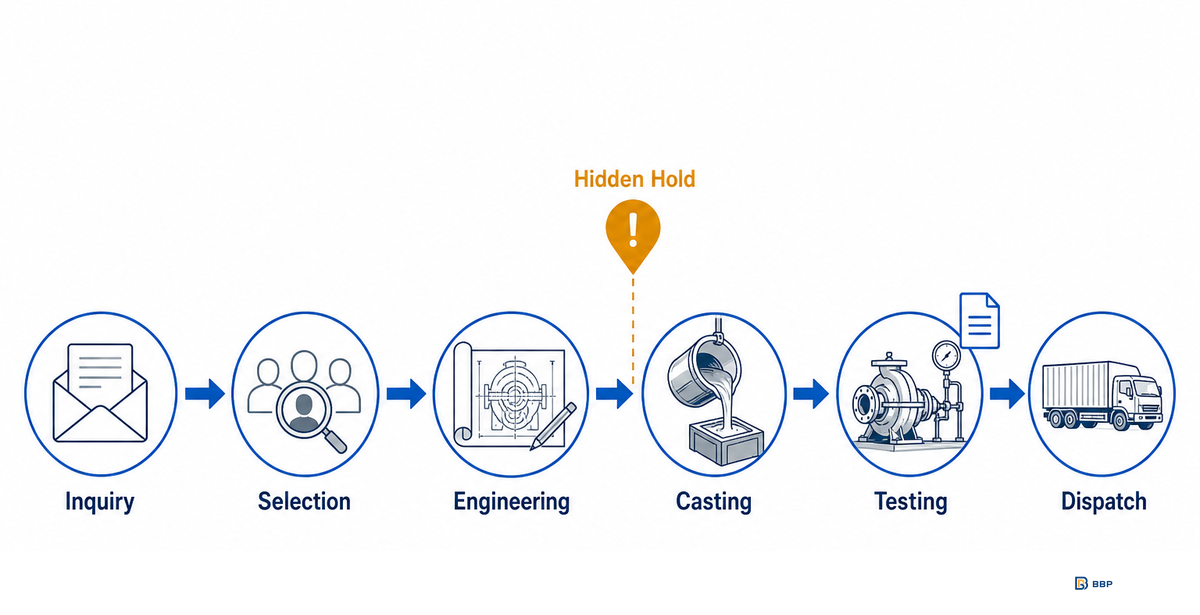
قد يورّد المورد مضخة للخدمة الشاقة لكنها لا تزال تفوّت الجدول الزمني أو تصل من دون تسليم قابل للاستخدام. تقع الاختناقات الخفية بين الاختيار والتشغيل، حيث تتغير المسؤولية غالباً. يوضح مواصفة مضخة لجهة عامة كيف يمكن أن تقع الموافقة على الإجراء، وإشعار المشاهدة، وفشل الاختبار، وحقوق إعادة الاختبار عند نقاط تسليم مختلفة؛ وقيم مشروعه أمثلة وليست متطلبات عامة.
| المرحلة | نمط الفشل | الأدلة المطلوب طلبها | مالك القرار | القيود / نقطة التسليم |
|---|---|---|---|---|
| 1. هوية المنحنى | يختلف منحنى العائلة عن التشذيب/سرعة الدوران المعروضين | منحنى معتمد خاص بالتهيئة | الهندسة | يتطلب أساس نظام معتمد |
| 2. درجة الاختبار | المعيار مذكور، والدرجة غير مذكورة | الدرجة، ونقطة الضمان، والتفاوت؛ والمعايرة خلال 12 شهراً السابقة حيثما يتطلب أساس خدمة الحريق ذلك | الجودة/المشتريات | يختار المشروع مستوى القبول |
| 3. إشعار المشاهدة | لا يستطيع المفتش الحضور | الموقع، ومثال مواصفة عامة يتطلب إشعاراً قبل 4 أسابيع، والحقوق، والتكلفة | ممثل المالك | يبقى السفر خطراً مستقلاً |
| 4. الموافقة على الإجراء | تؤخر المراجعة المتأخرة FAT | تاريخ التقديم ودورة الموافقة | الهندسة | يجب أن يكون وقت مراجعة المشتري واقعياً |
| 5. فشل الاختبار | لا توجد قاعدة للتصحيح أو إعادة الاختبار | مدة التصحيح، وإعادة الاختبار بلا تكلفة، والرفض | المشتريات/الشؤون القانونية | تعويضات التأخير خاصة بالعقد |
| 6. سجلات الإنتاج | لم تُطلب ملفات MTR/NDE المتوقعة مطلقاً | فهرس وثائق المشروع وقابلية التتبع | الجودة | يتبع مستوى الأدلة حجم العواقب |
| 7. الشحن | الموقع أو التخزين غير جاهز | الإفراج، والحفظ، والإشعار، وخطة الاستلام | لوجستيات الموقع | قد تكون الجمارك والتفريغ ضمن نطاق المشتري |
| 8. قطع الغيار | تصل قطع الغيار متأخرة أو لا تتوافق مع المضخة كما بُنيت | قائمة كما بُنيت، وتاريخ التسليم، وضبط التهيئة | الصيانة | يتطلب التزام المخزون موقعاً |
| 9. التشغيل التجريبي | «الدعم» بلا مهام أو مدة | الأفراد، والأيام، والمهام، والتقرير، والتدريب | الإنشاءات/التشغيل | يبقى القبول الميداني خاصاً بالمشروع |
| 10. دعم دورة الحياة | ظروف تشغيل بعيدة ومدة توريد طويلة لقطع الغيار | الاستجابة، وأساس المخزون، ومدة التوريد، وفترة التوافر | التشغيل/المشتريات | وعد ظروف التشغيل ليس ضماناً لزمن التوقف عن التشغيل |
مستمد من سلاسل التسليم/الاختبار الخاصة بالجهات العامة التي تمت مراجعتها، وإرشادات Hydraulic Institute بشأن دورة الحياة والأنظمة، والتدقيق المستقل للبحث المتعمق. تشكل تعيينات المسؤولين إطاراً للمشتريات، وليست معياراً تعاقدياً.
توقف عند هذه الإشارات التحذيرية الـ 9 للموردين
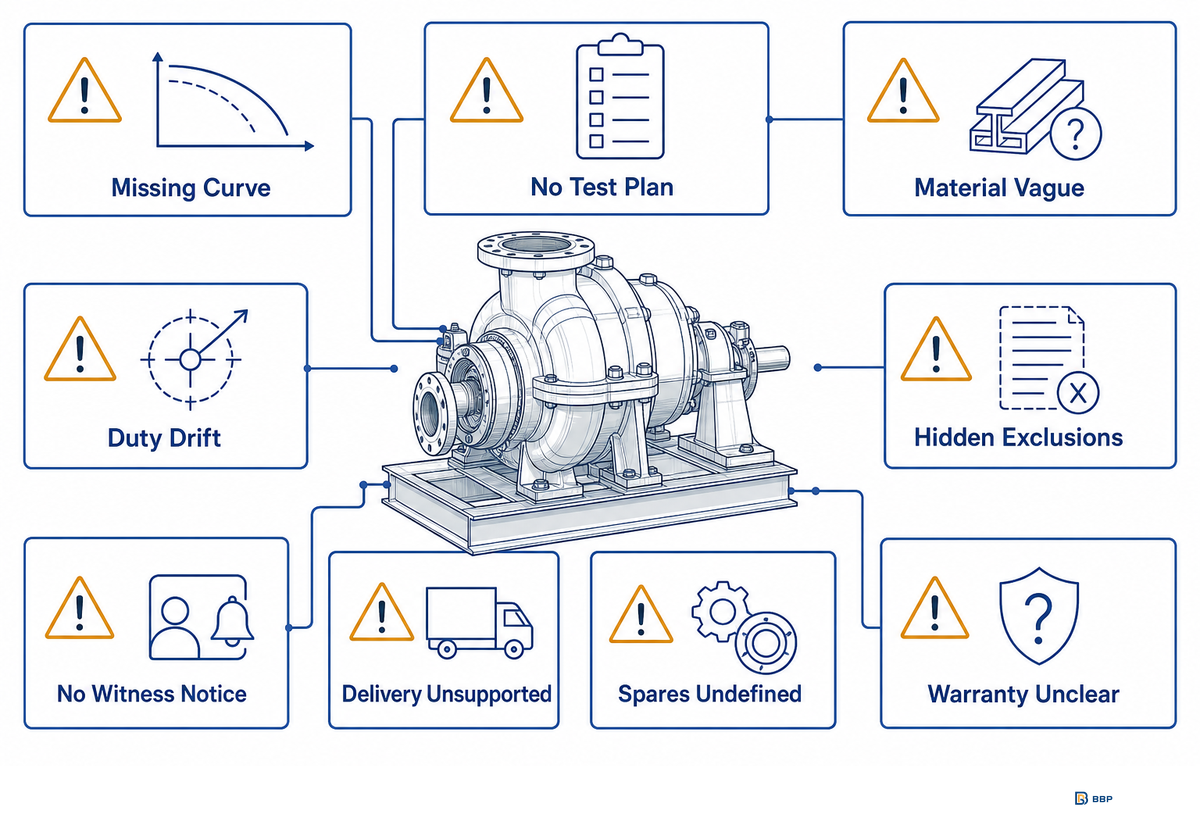
ينبغي أن تؤدي إشارة تحذيرية واحدة غير محلولة إلى إيقاف الترتيب الفني حتى يجيب مقدم العطاء كتابةً. وتكون عدة منها إنذارات كاذبة عندما يكون RFQ نفسه غير مكتمل، لذا يفصل العمود الأخير بين إخفاق المورد وإخفاق يقع ضمن نطاق المشتري. على سبيل المثال، يسرد السجل الرسمي لـ ISO 9906 درجات قبول متميزة، ولهذا يبقى قول «تم الاختبار وفق ISO 9906» من دون درجة بنداً يتطلب الإيضاح.
| إشارة تحذيرية | سبب الأهمية | المعالجة المطلوبة | القيود / احتمال إنذار كاذب |
|---|---|---|---|
| 1. منحنى غير محدد الهوية | لا يمكن ربط الأداء بالعرض | منحنى خاص بالتهيئة بإشارته الجبرية | قد تكون عروض الميزانية المبكرة مؤقتة عمداً |
| 2. استخدام القيم القصوى كنقطة تشغيل | قد يحدث أقصى معدل تدفق وارتفاع الضخ عند نقطتين مختلفتين | مثّل حالات التشغيل المطلوبة بيانياً | يجب على المشتري توفير أساس نظام صالح |
| 3. ادعاء ISO مبهم | يُخلط بين نطاقي الإدارة والاختبار | المعيار، ونطاق الشهادة، والدرجة، وخطة الاختبار | تظل لشهادة ISO 9001 الصالحة غاية مختلفة |
| 4. قائمة انحرافات مفقودة | يبقى عدم الامتثال مخفياً في الكتيبات | جدول امتثال/انحرافات موقّع | يجب أن يحدد RFQ الوثائق الحاكمة |
| 5. تسميات مواد عامة | لا يمكن التحقق من التآكل والتوافق | درجة المادة الدقيقة بحسب الجزء الملامس للسائل | قد تنتظر الميتالورجيا النهائية بيانات السائل |
| 6. اختبار بلا أساس نجاح/فشل | قد يوجد تقرير من دون قبول تعاقدي | الدرجة، والنقاط، والتفاوتات، وقاعدة الفشل وإعادة الاختبار | قد يتضمن عرض مرحلة الميزانية الاختبار كخيار |
| 7. مدة توريد بتاريخ واحد | تكون تبعيات الموافقة والإفراج غير مرئية | جدول مراحل رئيسية مع الافتراضات | قد تتحكم موافقات المشتري في جزء من الجدول الزمني |
| 8. «دعم 24/7» فقط | لا تُحدد الاستجابة أو المخزون أو السفر أو المعالجة | موقع ظروف التشغيل، والاستجابة، والمعدل، وأساس قطع الغيار | قد تظل التشخيصات عن بُعد مفيدة |
| 9. أقل سعر قبل التوحيد | قد تنقل الاستبعادات التكلفة إلى التركيب أو زمن التوقف عن التشغيل | أكمل جدول العطاء ذي الـ 12 سطراً أولاً | قد يظل النطاق المحدود فعلاً هو الخيار الصحيح |
لا ترفض مورداً لأنه يطرح أسئلة فنية. فقد يكشف مقدم عطاء يطلب NPSHA أو كيمياء السائل أو حالات التشغيل أو النطاق الميداني فجوة تجاهلها مقدمو العطاءات الآخرون.

الخلاصة الرئيسية
قارن مصنعي المضخات ذات الغلاف المنقسم عبر 7 مجالات للأدلة، ووحّد 12 بنداً للعطاء، وعيّن مسؤولاً لـ 10 نقاط تسليم خفية قبل ترتيب السعر.
الأسئلة الشائعة
ما الذي ينبغي أن يدرجه مصنع مضخات ذات غلاف منقسم في عرض السعر؟
يحدد عرض السعر القابل للمقارنة المضخة المعروضة، والنطاق الهيدروليكي، والمواد، وأساس القبول، والانحرافات، والتسليم، والوثائق، وقطع الغيار، ومسؤولية ظروف التشغيل، ومسار الضمان، وكل بند مؤقت بالاسم.
يحدد عرض السعر القابل للمقارنة المضخة المعروضة، والنطاق الهيدروليكي، والمواد، وأساس القبول، والانحرافات، والتسليم، والوثائق، وقطع الغيار، وظروف التشغيل. ابحث عن الطراز والمقاس، وقطر المكره، وسرعة الدوران، ووحدة الإدارة، وحالات معدل التدفق/ارتفاع الضخ، والكفاءة، والقدرة، وNPSH المطلوب، وتفاصيل مانع التسرب والمحمل، ودرجات المواد، والرسم العام، والمنحنى المعتمد، ومعيار ودرجة الاختبار، وسجل الوثائق، وجدول المراحل الرئيسية، وأساس الشحن، والضمان، ونطاق التكليف بالتشغيل. ضع كل استثناء في سجل انحرافات موقّع. قد يحذف عرض الميزانية الأولي بعض السجلات، لكن ينبغي أن يصفها بأنها مؤقتة بدلاً من تقديم منحنى عائلة كدليل للطلب.
كيف أقارن منحنيات الأداء من مصنعين مختلفين؟
مثّل حالات التشغيل نفسها بيانياً على منحنيات خاصة بالتهيئة، ثم قارن موضع BEP، وNPSH المطلوب، والقدرة الممتصة، وأساس الاختبار، والنطاق المسموح، وقطر المكره، وسرعة الدوران، وأساس السائل.
مثّل حالات التشغيل نفسها بيانياً على منحنيات خاصة بالتهيئة، ثم قارن موضع BEP، وNPSH المطلوب، والقدرة، وأساس الاختبار، والنطاق المسموح. أكّد أن كل منحنى يستخدم قطر المكره المعروض، وسرعة الدوران، وأساس السائل، ووحدة الإدارة. أضف الحالات الدنيا والعادية والقصوى أو نطاق منحنى النظام حيث تتغير المناسيب أو أدوات التحكم أو السرعة أو التشغيل المتوازي. لا تجمع بين أقصى معدل تدفق لمورد وأقصى ارتفاع ضخ لمورد آخر. إذا جرى تشذيب مكره بعد الاختبار، فاذكر ما إذا كانت التهيئة النهائية ستُعاد اختبارها وأي درجة قبول تحكم ذلك.
هل تثبت شهادة ISO أن مضخة محددة ستفي بنقطة تشغيلها؟
لا؛ فشهادة نظام الإدارة واختبار القبول الهيدروليكي الخاص بالطلب لهما نطاقان مختلفان، ولذلك يجب على المشتري تسمية كل من معيار الإدارة وطريقة اختبار المضخة ودرجتها ونقاط الضمان والسجلات.
لا؛ فشهادة نظام الإدارة واختبار القبول الهيدروليكي الخاص بالطلب لهما نطاقان مختلفان. اسأل عن معيار ISO الذي يقصده المورد. تتعلق شهادة من نوع ISO 9001 بنظام إدارة الجودة ومواقعه/نطاقه المعلنين. يتناول ISO 9906 اختبار قبول الأداء الهيدروليكي ويتضمن درجات قبول مسماة. لا يثبت ادعاء شهادة عامة ولا الإشارة إلى ISO 9906 نجاح المضخة المعروضة في الاختبار. ينبغي أن يحدد أمر الشراء التهيئة المعروضة، ونقاط الضمان، وطريقة ودرجة الاختبار، وحقوق المشاهدة، والسجلات المطلوبة، والإجراء بعد النتيجة الفاشلة.
هل أشتري من مصنع أم من موزع؟
اختر القناة التي تمنحكم أوضح مسؤولية فنية، ووصولاً إلى أدلة خاصة بالطلب، وظروف تشغيل محلية، ومساراً موثقاً لقطع الغيار، وملكية التكليف بالتشغيل، ومسار قرار محدداً للضمان.
يمكن للمصنع المباشر تقصير التواصل الهندسي والإنتاجي. وقد يقدم الموزع المؤهل تكليفاً بالتشغيل محلياً أقوى، وقطع غيار مخزنة، واستجابة أسرع. سجّل المسؤول عن الاختيار، والرسومات المعتمدة، وتنسيق FAT، والشحن، وبدء التشغيل، وقرارات الضمان، وتوريد قطع الغيار. سلسلة العقد أهم من التسمية.
كم مورداً للمضخات ذات الغلاف المنقسم ينبغي أن أدرج في القائمة المختصرة؟
أدرج في القائمة المختصرة عدداً كافياً من الموردين المتوافقين فنياً لمقارنة المخاطر والسعر، ثم قلّص المجموعة إلى مقدمي العطاءات الذين يمكن توضيح أدلة منحنياتهم وموادهم واختباراتهم وانحرافاتهم وتسليمهم وظروف تشغيلهم بنداً بنداً.
لا يوجد عدد عام. ابدأ بالموردين الذين يجتازون فحص الأدلة نفسه، ثم استبعد العروض ذات فجوات المنحنى أو المواد أو الاختبار أو الانحراف أو التسليم أو ظروف التشغيل غير المحلولة. ينبغي أن تكون المجموعة المتبقية صغيرة بما يكفي للتوضيح بنداً بنداً وكبيرة بما يكفي للحفاظ على خيار تجاري حقيقي.
كيف بُني تحليل الموردين هذا
يعامل تحليل الموردين مصنعي المضخات ذات الغلاف المنقسم باعتبارهم قراراً قائماً على الأدلة، لا قائمة مرتبة. تذكر صفحات BBP المنشورة أن الصب والمعالجة الحرارية والتشغيل الآلي والتجميع والطلاء والاختبار متكاملة داخلياً؛ وتُحوَّل هذه البيانات من الطرف الأول إلى سجلات يمكن للمشتري طلبها. أُعد المقال لصالح BBP Manufacturing Co., Ltd. استناداً إلى معايير عامة ووثائق حكومية وإرشادات جمعيات ومواد طرف أول محددة النطاق تمت مراجعتها؛ ولا يُدّعى اعتماد خبير فردي.
انتقل من فحص المورد إلى عرض سعر عند نقطة التشغيل
راجع عائلات المضخات ذات الغلاف المنقسم المتاحة، ثم أرسل نطاق التشغيل وبيانات السائل ونطاق المواد ودرجة الاختبار والوثائق وأساس التسليم للحصول على استجابة خاصة بالتهيئة.
راجع خيارات المضخات ذات الغلاف المنقسم → افتح نافذة RFQ للمشروع →مقالات ذات صلة
- دليل المضخات ذات الغلاف المنقسم، سياق الإنشاء والاختيار والتطبيق
- دليل المضخة الأفقية ذات الغلاف المنقسم، اعتبارات التخطيط والصيانة
- دليل المضخة مزدوجة الشفط، أساسيات الهيدروليكا والتهيئة
- مضخات المياه بالطرد المركزي، مقارنة أوسع لعائلات المضخات
- أداة تقدير التكلفة الإجمالية للملكية للمضخة، فئات التكلفة الخاصة بالمشروع
المراجع والمصادر
- ISO 9906:2012، اختبارات قبول الأداء الهيدروليكي المنظمة الدولية للتوحيد القياسي
- تحسين أداء نظام الضخ وزارة الطاقة الأمريكية
- منحنيات المضخة والنظام المدمجة أداة بيانات Hydraulic Institute
- تحليل التكلفة الإجمالية للملكية للمضخة Hydraulic Institute
- معايير أداء مضخات الحريق والمعايير الميكانيكية Hydraulic Institute
- مناقصة مضخة تعزيز الضغط ومواصفة الغلاف المنقسم لعام 2023 مدينة Aberdeen، Washington
- القسم 11175: المضخات، عام مواصفة تاريخية لمدينة San Diego
- ورقة البيانات 3-7: مضخات الحماية من الحريق FM
- اختبار ومنح شهادة NSF/ANSI/CAN 61 NSF
- نطاق إجراء اختبار المضخات 10 CFR 431.464 المدونة الإلكترونية للوائح الفيدرالية
- نظرة عامة على معايير الاختبار لدى Hydraulic Institute Pumps & Systems
- نقطة أفضل كفاءة ومنحنيات الأداء Pumps & Systems