Entre em contacto com a BBP

Diretamente da fábrica em Pequim · ISO 9001 · 40+ países
Bombas centrífugas de água
Bombas centrífugas de água — aspiração axial, autoescorvantes e de dupla aspiração
As bombas centrífugas de água da BBP abrangem serviços de aspiração axial, autoescorvamento, dupla aspiração, lamas e águas carregadas, com caudais de 3,6–14 400 m³/h e alturas manométricas até 147 m. Todas as fases de fundição, maquinagem, montagem e ensaio hidrostático decorrem numa única fundição em Pequim, sob um único sistema de qualidade ISO 9001:2015 — pelo que a bomba recebida corresponde ao ponto de funcionamento especificado, e não a um fornecimento direto normalizado.
Solicite uma proposta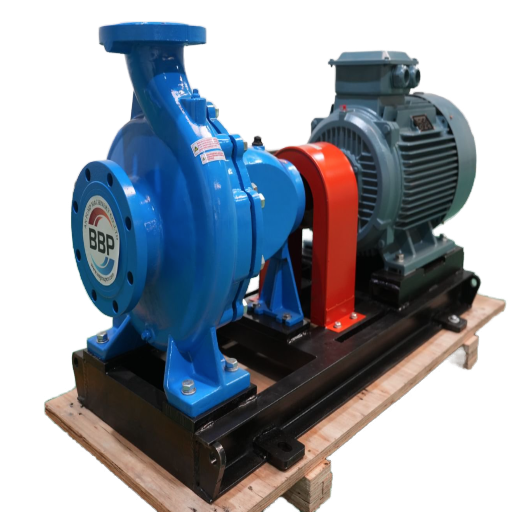
³.6 – 14 400 m³/h
Gama de caudal das séries
5 – 147 m
Gama de altura manométrica (um estágio)
0.³7 – 1 500 kW
Opções de potência do motor (IE3 predefinido)
5 séries
Aspiração axial · Autoescorvamento · Dupla aspiração · Lamas · Águas carregadas
Quando as avarias das bombas perturbam o seu projeto — a solução BBP em bombas centrífugas de água
As avarias das bombas centrífugas de água raramente surgem em horário previsto. Uma válvula de pé obstrui às 3 a.m., uma bomba de aspiração axial incorretamente aplicada opera 15% fora do seu ponto de melhor rendimento durante 1 800 horas por ano, ou uma carcaça de aspiração simples a operar acima do limite de impulso axial reduz a vida útil dos rolamentos de anos para meses. Relatórios do setor sugerem que um único incidente imprevisto com uma bomba pode custar a uma instalação fabril cerca de $180 000, considerando conjuntamente o tempo de paragem, peças urgentes e mão de obra de emergência . A causa principal recorrente não é a categoria da bomba — é um ponto de funcionamento associado à bomba errada.
Uma bomba centrífuga de água desloca líquido ao converter a energia rotacional do motor em energia cinética através de um impulsor rotativo, enquanto o corpo da bomba encaminha o caudal resultante para a descarga. Este mecanismo é comum a toda a gama — o que muda entre uma bomba de aspiração axial, uma bomba de autoescorvamento, uma bomba de carcaça bipartida de dupla aspiração, uma bomba de lamas e uma bomba para águas carregadas é a geometria do impulsor, a configuração do corpo da bomba e o envelope de funcionamento para que cada uma foi concebida. A BBP fabrica as cinco, o que significa que a recomendação recebida na RFQ tem a geometria correta, em vez de resultar de uma predefinição de catálogo.
A BBP Manufacturing Co., Ltd. fabrica bombas centrífugas de água sob o mesmo teto em Pequim — fundição, tratamento térmico, maquinagem, montagem, revestimento, ensaio hidrostático e ensaio de desempenho. Cada unidade é expedida com a sua própria curva Q-H com número de série, certificados de fábrica verificados pela SGS para peças em contacto com o fluido em ferro fundido, bronze ou aço inoxidável 316, e um registo de ensaio hidrostático ISO 9906. Exportamos para mais de 40 países e o contacto pós-venda é o mesmo engenheiro que aprovou o seu dimensionamento original.
As secções seguintes detalham as séries BBP, as comparações geométricas que orientam a seleção, as aplicações de campo para as quais fornecemos e o aprovisionamento e a certificação
Três dificuldades que os compradores apresentam
Os circuitos HVAC e de pressão em edifícios operam 15% fora do ponto de melhor rendimento
Um circulador de água refrigerada selecionado inadequadamente, a operar 1 800 horas por ano a 15% do seu ponto de melhor rendimento, consome energia adicional mensurável e reduz a vida útil dos rolamentos. Corrigi-lo raramente consiste em mudar o tipo de bomba — exige a redução correta do diâmetro do impulsor, a classe de motor e a disposição de vedação numa carcaça de aspiração axial adequada ao seu circuito. Confirmamos o ponto de funcionamento com uma curva Q-H real antes de apresentar proposta, e não com uma predefinição de catálogo.
Os circuitos de autoescorvamento perdem o escorvamento devido à falha da válvula de pé
O modo de falha mais citado em instalações com elevação por aspiração é a obstrução da válvula de pé ou um disco de retenção bloqueado. Quando o escorvamento se perde, a bomba funciona a seco, um operador apressa-se a voltar a encher o corpo da bomba e a produção para. As bombas de autoescorvamento BBP eliminam a válvula de pé da equação: um reservatório de líquido retido no corpo da bomba evacua o ar da tubagem de aspiração em cada rearranque, restabelecendo o caudal em 30 a 120 segundos, consoante a altura de elevação e o comprimento da tubagem.
As carcaças de aspiração simples atingem limites de vida útil dos rolamentos acima de 2 000 m³/h
Leve uma bomba de aspiração axial de aspiração simples além de cerca de 2 000 m³/h e o impulso axial desequilibrado é transmitido diretamente ao rolamento axial. A vida útil dos rolamentos diminui, os intervalos de revisão planeada reduzem-se e o incómodo mais o tempo de paragem custam mais do que a própria bomba. Os impulsores simétricos de dupla aspiração neutralizam essa carga hidráulica — a série QS permite caudais até 14 400 m³/h, com uma vida útil dos rolamentos que cumpre o intervalo de serviço L10 completo, em vez de falhar sob impulso.
Séries BBP de bombas centrífugas de água — 5 tipos, uma fábrica, compatibilidade ISO 2858
A gama BBP é composta por cinco séries de bombas centrífugas de água concebidas para cinco envelopes de funcionamento. Cada série é fundida na nossa fundição de Pequim, maquinada na mesma linha horizontal de 6.4 metros com tolerâncias de anéis de desgaste de 0.003 polegadas, montada, submetida a ensaio hidrostático segundo ISO 9906 e fornecida com uma curva Q-H com número de série. Seguem-se ligações de cada série para a respetiva página técnica, com especificações por modelo.
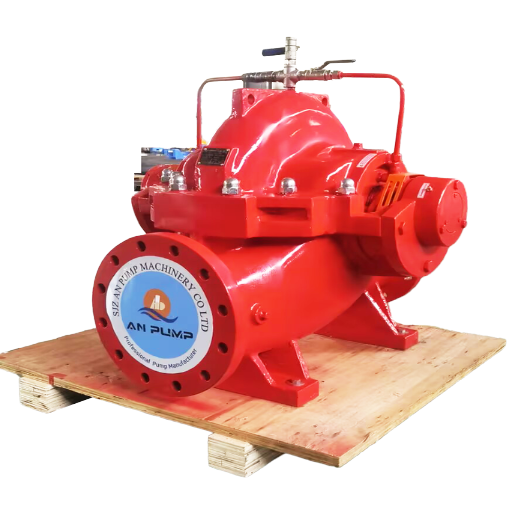
Caudal 3,6 – 1 500 m³/h · Altura manométrica 5 – 147 m · 120+ modelos · ISO 2858
Bomba centrífuga de um estágio, entrada axial e descarga de 90. Compatível como substituição direta de carcaças Grundfos NB e Sulzer SES; compatível com carcaças Xylem Lowara Nsc e Pentair Aurora 3800. Equipamento de trabalho para HVAC, abastecimento municipal de água, proteção contra incêndios, rega e transferência industrial de água limpa.
Ver bomba de aspiração axial →

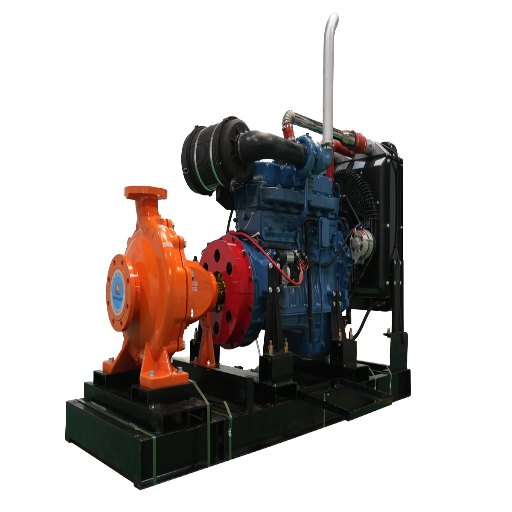
Caudal 20 – 500 GPM · Altura manométrica 20 – 200 ft · Elevação por aspiração até 25 ft
Bomba centrífuga com depósito de retenção de líquido, sem necessidade de válvula de pé. Inclui cinco sub-séries para água limpa, transporte de águas carregadas com sólidos de 2″, produtos químicos (316 SS + Viton), funcionamento autónomo acionado por motor diesel e aplicações de aumento de pressão elevada.
Ver bomba de autoescorvamento →
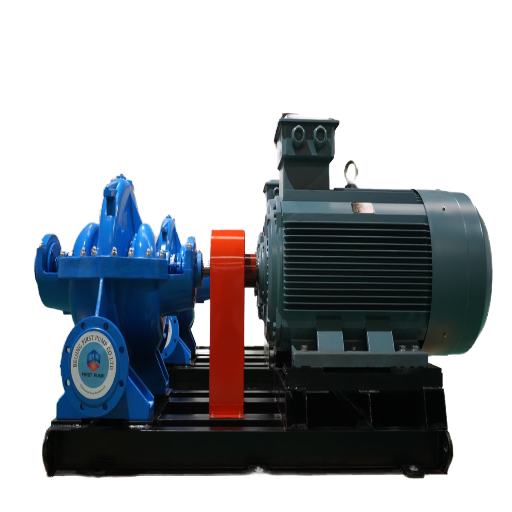
Entrada 150 – 1 200 mm · Caudal 120 – 14 400 m³/h · Altura manométrica 6 – 140 m
Corpo da bomba horizontal de carcaça bipartida axialmente, impulsor simétrico de dupla aspiração. O impulso axial equilibrado proporciona maior vida útil dos rolamentos. Concebida para abastecimento municipal de grande caudal, arrefecimento urbano, bombas de incêndio NFPA 20 e serviço de água de arrefecimento em centrais elétricas.
Ver bomba de dupla aspiração →
Caudal 50 – 1 200 m³/h · Altura manométrica 8 – 60 m · Transporte de sólidos para lamas e águas residuais
Corpo da bomba reforçado em ferro fundido ou liga resistente ao desgaste, com impulsor semiaberto ou recuado. Concebida para o transporte de lamas espessas, incluindo águas residuais municipais, massa de papel e drenagens de processos industriais.
Ver bomba de lamas →
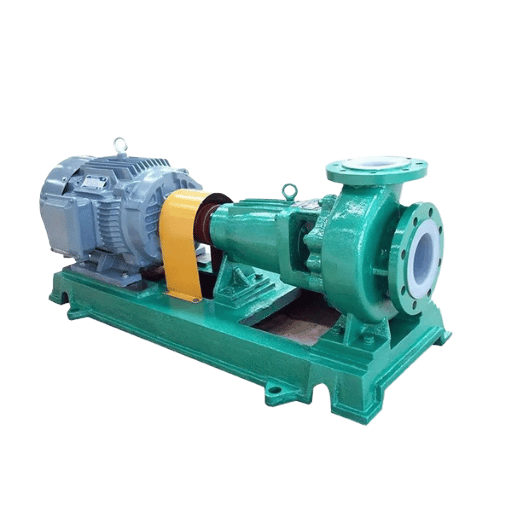
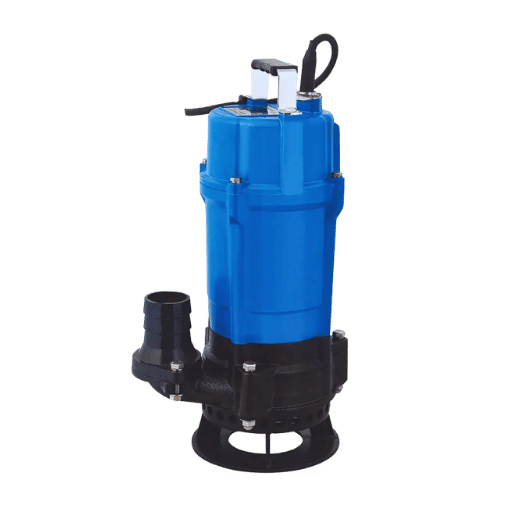
Caudal 30 – 1 000 m³/h · Sólidos até 2″ · Variantes de autoescorvamento disponíveis
Bomba centrífuga robusta, de autoescorvamento, capaz de permitir a passagem de sólidos suspensos. Concebida para drenagem em construção, indústria mineira, resposta a inundações, transferência de água por empreiteiros, etc.
Ver bomba para águas carregadas →
Matriz de seleção de tipos de bombas centrífugas
Esta matriz associa cada série de bombas centrífugas de água ao respetivo envelope de funcionamento. Utilize-a como filtro inicial de dimensionamento antes de solicitar a correspondência de curva para o seu caudal e altura manométrica específicos.
| Série de bombas | Gama de caudal | Altura manométrica máxima | Instalação | Autoescorvamento | Transporte de sólidos | Melhor aplicação | Detalhes |
|---|---|---|---|---|---|---|---|
| Aspiração axial (QI/QIH) | 3,6 – 1 500 m³/h | 147 m | Horizontal (monobloco ou com carcaça) | Não (aspiração inundada) | Até 6 mm (impulsor fechado) | HVAC, abastecimento municipal, rega, proteção contra incêndios | Ver especificações → |
| Autoescorvamento (SP/ST/SC/DP/HP) | 20 – 500 GPM | 200 ft (série HP) | Acima do nível do fluido (elevação até 25 ft) | Sim (reservatório de líquido retido) | Até 2″ (série ST) | Drenagem, águas residuais, produtos químicos, transferência autónoma | Ver especificações → |
| Dupla aspiração (QS) | 120 – 14 400 m³/h | 140 m | Horizontal entre rolamentos | Não | Água limpa a bruta (≤80 °C) | Municipal de grande caudal, arrefecimento urbano, incêndio NFPA 20, arrefecimento de centrais elétricas | Ver especificações → |
| Lamas | 50 – 1 200 m³/h | 60 m | Horizontal ou vertical | Consoante a variante | Lamas, lamas espessas, sólidos suspensos | Tratamento de águas residuais, massa de papel, drenagens de processos | Ver especificações → |
| Águas carregadas | 30 – 1 000 m³/h | 50 m | Horizontal (montada em patim ou reboque) | Sim (maioria das variantes) | Até 2″ esféricos | Drenagem em construção, indústria mineira, resposta a inundações | Ver especificações → |
Fonte: dados do folheto de fábrica BBP (edição 2024–2025). Os dados de funcionamento pressupõem água a 20 °C e densidade relativa 1.0, salvo indicação em contrário.
DIMENSÕES ISO 2858 / EN 733
Compatibilidade de substituição direta em instalações existentes
Vai substituir uma bomba de aspiração axial antiga Grundfos NB, Xylem Lowara e-NSC ou Sulzer SES? Todas as carcaças QI(H) têm a mesma linha central de flanges dessas marcas, dentro das mesmas dimensões de instalação. Assim, não são necessárias novas tubagens, nova placa de base, nova proteção do acoplamento nem novo suporte de motor quando chega a BBP- basta especificar PN 10 ou PN 16 no momento da RFQ e adaptaremos a furação das flanges à sua infraestrutura existente.
“Testámos cento e vinte variantes de modelos na grelha dimensional ISO 2858 antes de fixar o catálogo QI(H) – pretendíamos que qualquer instalação com uma bomba de aspiração axial de um OEM europeu pudesse substituí-la por uma BBP sem alterar a tubagem. O ajuste direto é uma decisão de aprovisionamento, não um artifício de marketing.”
Aspiração axial, autoescorvamento e dupla aspiração face a arquiteturas de bombas alternativas
Diferentes arquiteturas de bombas centrífugas de água concorrem para o mesmo ponto de funcionamento, mas implicam compromissos de custo, dimensões de instalação e manutenção. As dimensões relevantes para um engenheiro de instalação que compara arquiteturas são a capacidade de caudal, a margem NPSH, as dimensões de instalação, o rendimento máximo, as características de vida útil dos rolamentos e as horas até à revisão. Comparações verbais de “alto / médio / baixo” apenas ocultam a informação disponível – a matriz abaixo apresenta os números reais.
| Dimensão | Aspiração axial (QI 125-100-315) | Dupla aspiração (série QS) | Multicelular vertical | Submersível |
|---|---|---|---|---|
| Caudal máximo prático | ~2 000 m³/h | 14 400 m³/h (bomba horizontal de carcaça bipartida) | ~400 m³/h | ~3 000 m³/h |
| Altura manométrica típica na BBP | 50 m (funcionamento a 200 m³/h) | 50 m (funcionamento a 200 m³/h) | 50 m através de 3 estágios | 50 m |
| Dimensões de instalação por unidade (m²) | 1.2 | 2.4 | 0.6 | Submersa (sem ocupação à superfície) |
| NPSHr na BBP (m) | 3.5 | 2.2 | 4.8 | N/A (inundada) |
| Rendimento máximo (água limpa) | 78–82% | 82–88% | 72–76% | 68–74% |
| Perfil de impulso axial | Desequilibrado (suportado pelo rolamento axial) | Equilibrado (impulsor simétrico de dupla entrada) | Equilibrado por estágio | Suportado pelo motor |
| Acesso para manutenção | Extração pela retaguarda (4 hr típicas) | Tampa superior (rotor desliza para cima) | Substituição de cartucho | Remover o conjunto completo |
| Capex relativo (índice) | 1.0 (referência) | 1.7 | 1.4 | 1.3 |
Fonte: dados de catálogo BBP, Hydraulic Institute ANSI/HI 9.6.3, ensaios ISO 9906. Índice de capex normalizado pela referência de aspiração axial; o custo real varia com materiais, classe de motor e lote da encomenda.
Lógica de decisão — qual a arquitetura vencedora e quando
- Caudal ≤ 2 000 m³/h, altura manométrica ≤ 150 m, aspiração inundada disponível:
- A aspiração axial vence em capex e dimensões de instalação. A gama QI(H) começa aqui.
- Caudal > 2 000 m³/h ou serviço 24/7 com exigência de vida útil dos rolamentos:
- A dupla aspiração (QS) é a escolha economicamente eficiente ao longo do ciclo de vida.
- Aspiração abaixo da linha central da bomba (sem aspiração inundada):
- O autoescorvamento é a arquitetura que elimina o risco da válvula de pé.
- Restrição de dimensões de instalação < 1 m²:
- Uma bomba multicelular vertical permite o aumento de pressão em salas de bombas compactas; aceite a penalização de rendimento.
- Instalação submersa:
- As bombas submersíveis eliminam totalmente a ocupação à superfície; aceite o menor rendimento e a dificuldade da manutenção no local.
O limite da vida útil dos rolamentos de aspiração simples
Leve uma bomba de aspiração axial de aspiração simples além de cerca de 2 000 m³/h, com qualquer altura manométrica significativa, e a carga hidráulica sobre o impulsor deixa de estar equilibrada. O caudal assimétrico num impulsor de entrada simples transfere impulso axial para o rolamento axial a cada rotação. Os analistas do Hydraulic Institute recomendam a mudança para geometria de dupla aspiração acima deste limiar (HI 20,3-2015 §4.5), precisamente porque cada entrada recebe 50% do caudal — o rotor anula efetivamente a sua própria carga axial, e os rolamentos podem ser dimensionados apenas para esforço radial.
ROI · NÍVEL PRATA
Obtenha uma proposta imediata
Custo total de propriedade a 10 anos — a vantagem direta da fábrica
A investigação mostra que o capex representa apenas cerca de 10% do custo total de propriedade de uma bomba centrífuga em 10 anos. As verdadeiras poupanças financeiras resultam de menos ou menores faturas de energia e de mão de obra de manutenção mais rápida ou menos dispendiosa; o serviço direto da fábrica BBP pode gerar uma poupança de custo total de propriedade de 20-30% face a equipamento comparável instalado e adquirido através de distribuidor, considerando os quatro componentes de custo abaixo.
20–40%
Poupança de capex face a Grundfos NB / Xylem NSC em funcionamento equivalente
3–5%
Ganho de rendimento no BEP (QS face a aspiração simples)
60–80%
Menos horas de serviço de revisão (acesso pela tampa superior ou extração pela retaguarda)
Ext. L10
Intervalo de vida útil dos rolamentos com impulso axial equilibrado
As poupanças reais dependem do ciclo de funcionamento, das tarifas de energia e do tempo de manutenção contratado; solicite-nos um cálculo TCO publicado com base nas suas necessidades de funcionamento reais.
Onde funcionam as bombas centrífugas de água BBP — aplicações industriais
As bombas centrífugas de água BBP são fornecidas para seis segmentos industriais principais. Cada segmento tem o seu próprio perfil de fluido, ciclo de funcionamento e enquadramento regulamentar, que determinam qual a série — e qual o material, classe de motor e disposição de vedação — adequada à sua instalação.

HVAC comercial e edifícios altos
Torres de escritórios, hotéis, hospitais, blocos residenciais altos e circuitos de centros de dados utilizam sistemas de água refrigerada, água de condensação e água de aquecimento, nos quais uma altura manométrica estável com caudal variável é o principal requisito de funcionamento. As carcaças de aspiração axial QI 100, QI 125 e QI 150 abrangem a maior parte deste serviço, montadas horizontalmente em configurações monobloco ou com carcaça, com acessórios em bronze para água de condensação de torres de arrefecimento e aço inoxidável 316 nos ramais de abastecimento potável. Para arrefecimento urbano de grande caudal acima de 2 000 m³/h, assume a série QS de dupla aspiração.
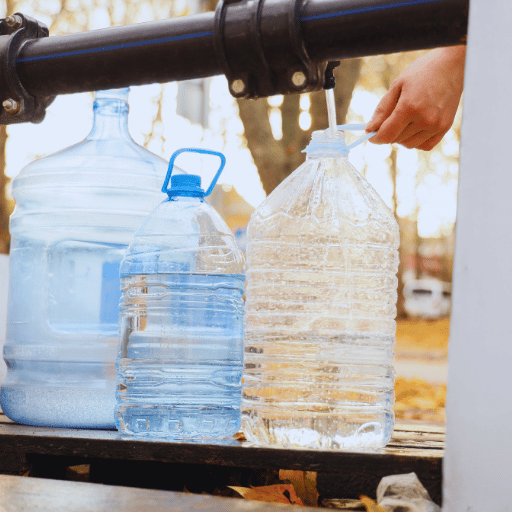
Abastecimento municipal de água
As estações de aumento da pressão, os sistemas de enchimento de reservatórios elevados e as estações de transferência entre instalações exigem serviço contínuo a altura manométrica moderada, com um percurso de manutenção claro que não imobilize toda a estação de bombagem. As carcaças de aspiração axial QI 150 até QI 250 servem a distribuição intermédia; as QS 250 até QS 500 assumem acima de 2 000 m³/h, com acesso pela tampa superior que abre o rotor sem desligar a tubagem da estação.

Proteção contra incêndios (NFPA 20)
As bombas centrífugas para proteção contra incêndios em redes principais e distribuição por sprinklers devem cumprir o desempenho de bombas de incêndio listadas NFPA 20 — a 150% da capacidade de caudal nominal, a bomba deve produzir pelo menos 65% da altura manométrica total nominal, e a curva de funcionamento não pode exceder 140% da pressão nominal. As carcaças QS 200 até QS 350 cumprem estes requisitos de envelope com acionamento elétrico ou diesel. As carcaças QIH de aspiração axial para elevada altura manométrica em 316 SS abrangem serviços de proteção contra incêndios menores.

Arrefecimento de processos industriais
Circuitos de água de arrefecimento de centrais elétricas, água utilitária de instalações químicas, água de processo da indústria de bebidas e sistemas de transferência da indústria transformadora ligeira bombeiam água limpa a bruta a temperaturas até 80 °C. As carcaças QI 100 até QI 200 em ferro fundido ou 316 SS abrangem a maior parte do serviço de processo; as carcaças QS 500 até QS 1200 servem o arrefecimento de centrais elétricas com caudais de 5 000 a 14 400 m³/h.
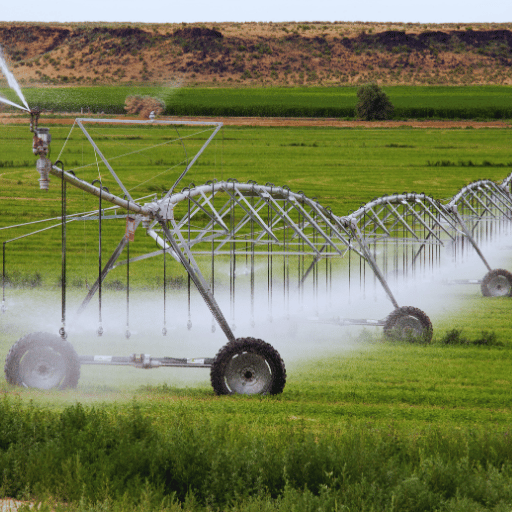
Rega e agricultura
As bombas centrífugas de rega abrangem alimentação de pivôs centrais, rega por gotejamento, tratamento de ar em estufas e rega por inundação de terrenos agrícolas. As carcaças QI 65, QI 80 e QI 100 em ferro fundido ou bronze adequam-se à maior parte do serviço de rega. As séries de autoescorvamento SP e DP aspiram de valas abertas ou lagoas onde não existe aspiração inundada; a variante DP acionada por diesel opera em locais de obra autónomos sem ligação à rede.
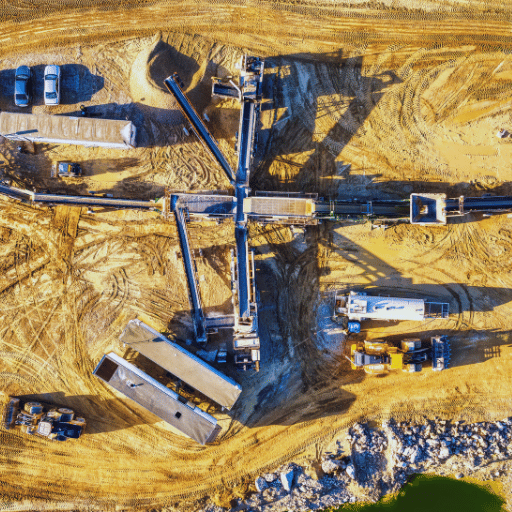
Construção, indústria mineira e águas residuais
As bombas para águas carregadas, as bombas para lamas e as bombas autoescorvantes da série ST para águas carregadas tratam sólidos em suspensão, lamas abrasivas e águas residuais. Os estaleiros de obra aspiram de valas e escavações com sólidos esféricos até 2 polegadas; as operações de drenagem em minas transferem água com finos minerais; as estações elevatórias municipais movimentam águas residuais domésticas com efluentes industriais mistos.
Exemplos de aplicações no terreno
Estação municipal de tratamento de água (instalação de 30 000 m³/day)
As carcaças 250QS-39 substituíram uma frota envelhecida de aspiração axial; o tempo de paragem da estação passou de dois turnos para um por ciclo de revisão.
Circuito de arrefecimento de central elétrica (unidade de 600 MW)
A configuração tripla 500QS-82 funciona em paralelo, alinhada com o BEP em todo o envelope de carga nominal da unidade.
Central de arrefecimento urbano (40 MW HVAC)
Um par 200QS alimenta o circuito primário de água refrigerada; construção de dupla voluta ajustada ao rendimento em carga parcial.
Drenagem em construção (metro urbano)
Bombas de autoescorvamento BBP-DP acionadas por diesel, com impulsor semiaberto, trataram a entrada de águas subterrâneas com detritos de construção até 1.5-inch.
Precisa de uma correspondência de ponto de funcionamento para uma aplicação HVAC, municipal ou industrial?
Envie-nos o seu caudal, altura manométrica e perfil de fluido → recomendação em 24 horas.
Obtenha uma proposta imediata
Normas de fabrico, rastreabilidade de materiais e inspeção por terceiros
O modo de falha mais comum em bombas centrífugas importadas não é o defeito de fundição detetado no comissionamento — é a discrepância do certificado de material que surge três anos depois, quando uma reclamação por corrosão ou uma disputa relativa à classe de pressão chega à mesa de aprovisionamento. A integração vertical da BBP elimina os erros de transferência que produzem essas discrepâncias em cadeias de fornecimento de múltiplas etapas. A fundição, o tratamento térmico, a maquinagem, a montagem, o ensaio hidrostático e o ensaio de desempenho decorrem sob o mesmo teto na nossa instalação de 50 000 m² em Pequim, e cada registo está associado a um único número de série.
Rastreabilidade de materiais
Cada peça em contacto com o fluido em ferro fundido (GG25), bronze (G-CuSn10) e aço inoxidável 316 é expedida com um certificado de fábrica verificado pela SGS. Os registos de tratamento térmico são conservados por lote de fundição durante cinco anos. A rastreabilidade segue material bruto de fusão → lote de fundição → estação de maquinagem → registo de montagem → ensaio hidrostático → curva de desempenho, tudo associado a um número de série.
Ensaios hidrostáticos e de desempenho
Cada bomba centrífuga de água sai da fábrica BBP após um ensaio hidrostático do corpo da bomba a 1,5 vezes a pressão de funcionamento e um ensaio de desempenho amostrado em três pontos de funcionamento ao longo da curva Q-H. A curva de desempenho expedida tem o mesmo número de série da bomba. Está disponível inspeção por terceiros presenciada, mediante pedido.
Referência de capacidade de fábrica
- Instalação de produção de 50 000 m² com fundição, tratamento térmico, maquinagem, montagem, revestimento e ensaios sob o mesmo teto.
- Capacidade mensal de 600 tons de peças fundidas e maquinadas.
- Dimensões do forno de tratamento térmico: 8 × 7 × 2,5 m — uma das maiores capacidades no segmento chinês de fundições de bombas.
- A linha horizontal de maquinagem de 6.4 metros acaba metades de corpos da bomba e impulsores numa única fixação, mantendo tolerâncias de anéis de desgaste dentro de 0.003 polegadas.
- Pontes rolantes de montagem de 30-ton suportam a montagem de carcaças para diâmetros de corpo da bomba acima de 1 800 mm.
- 20+ engenheiros nas especialidades mecânica e hidráulica para seleção, resolução de problemas e comissionamento no terreno.
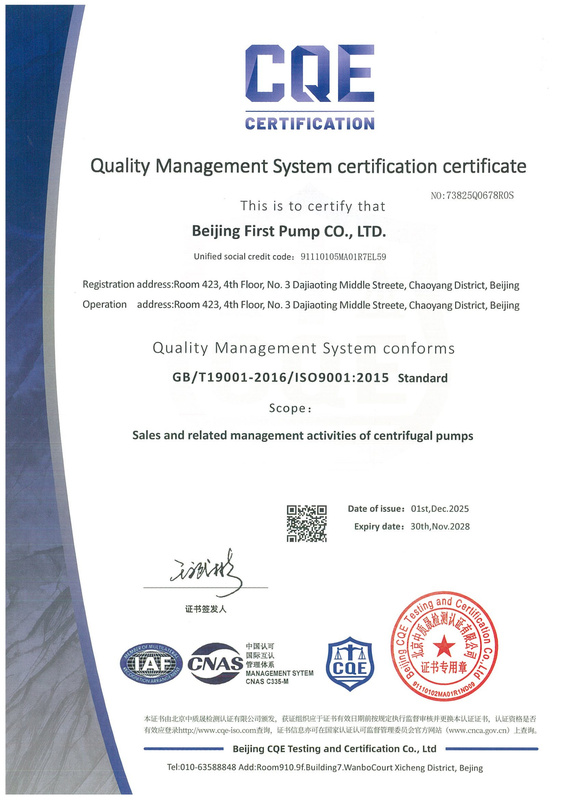
ISO 9001:2015
Sistema de gestão da qualidade

ISO 14001:2015
Gestão ambiental
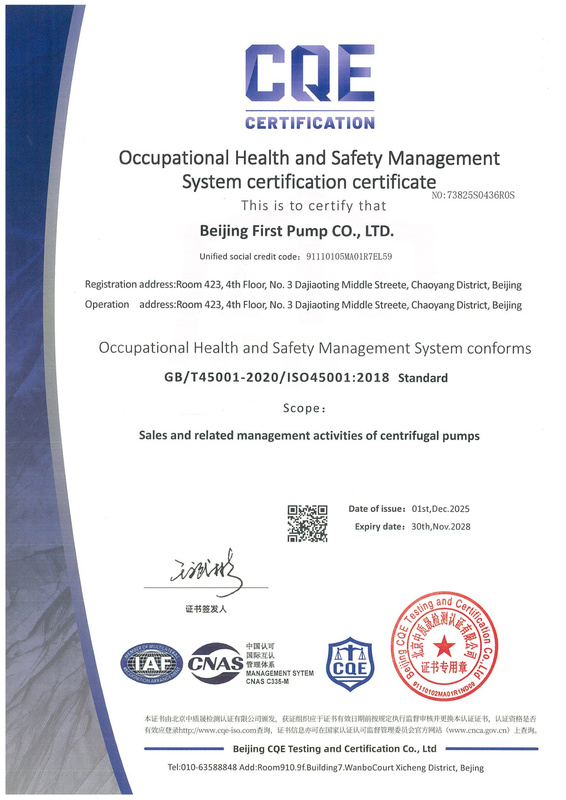
OHSAS 18001
Saúde e segurança no trabalho

Com marcação CE
Diretiva Máquinas da UE
ISO 9001:2008
Sistema de gestão da qualidade
Declaração EAC
Conformidade TR CU
×
Guia de aprovisionamento — OEM, prazos de entrega, MOQ e apoio ao ciclo de vida 24/7
Todos os compradores industriais referem os mesmos quatro fatores como decisivos num fornecedor de bombas centrífugas de água: disponibilidade de peças, documentação, cumprimento dos prazos de entrega e se os representantes continuam presentes seis meses depois de a fatura ser liquidada. A arquitetura de aprovisionamento da BBP foi concebida para colmatar essas quatro lacunas de acesso, em vez de assentar num sistema de preços único para todos. O enquadramento dos fatores de custo abaixo apresenta de forma transparente o que determina o custo unitário; as propostas individuais são apresentadas em função do seu ponto de funcionamento e configuração.
Enquadramento dos fatores de preço
| Fator | Efeito no preço proposto |
|---|---|
| Dimensão da carcaça e classe de potência do motor | Fator dominante. As bombas de água limpa com carcaça pequena situam-se num escalão de preço diferente das aplicações com carcaça grande e elevada altura manométrica. |
| Material de construção | O ferro fundido (GG25) é a referência. O bronze acrescenta um prémio associado à classe de fundição. As peças em contacto com o fluido, fundidas por microfusão em 316 SS, acrescentam um segundo prémio. |
| Classe de rendimento do motor | Referência IE2; IE3 de rendimento elevado como norma para compradores da UE e da América do Norte; IE4 super-premium disponível mediante custo adicional. |
| Configuração da vedação | Gaxeta para água limpa com tolerância previsível a fugas; empanque mecânico simples como norma; empanque mecânico duplo com plano de lavagem para serviço perigoso. |
| Quantidade da encomenda | A MOQ é de uma unidade para modelos em stock. Aplicam-se descontos por volume a encomendas de 10+ configurações idênticas. |
| Âmbito de certificação e inspeção | Ensaio de fábrica normal incluído. A inspeção por terceiros acompanhada (SGS / BV / TÜV), a cargo do comprador, acrescenta 5–10 dias úteis. |
Contacte a BBP para obter um preço baseado no seu ponto de funcionamento, material, classe de motor e âmbito de certificação. Respondemos no prazo de 24 horas após a receção dos dados completos de funcionamento com três modelos candidatos.
Referência de prazos de entrega
Modelos em stock (ferro fundido, motor IE3):À saída da fábrica em Pequim no prazo de 7 dias úteis.
Fabricado por encomenda (combinações de materiais/motores fora de stock):30-45 dias para um ciclo completo de fabrico e ensaios.
OEM personalizado de marca própria (marca própria, pintura personalizada, documentação):45-60 dias para o ciclo OEM de quatro etapas.
Transporte aéreo para projetos de caminho crítico:3-5 dias de trânsito; sobretaxa por quilograma a indicar no RFQ.
Capacidade OEM e de marca própria
A BBP executa um ciclo OEM de quatro etapas para compradores que necessitam de dimensões de bocais personalizadas, redução não normalizada do diâmetro dos impulsores, variantes de materiais, placas de identificação personalizadas, pintura personalizada com o código RAL do comprador ou conjuntos completos de documentação de marca própria:
1. Fixação da especificação
—ponto de funcionamento, material, motor, vedação, certificação e documentação definidos numa única ficha técnica assinada.
2. Ferramentas e modelo de fundição
—as novas dimensões recebem novos modelos de fundição da nossa fundição; as dimensões normalizadas são transferidas diretamente para a biblioteca de modelos existente.
3. Fabrico e ensaio da amostra
—primeira unidade fundida, maquinada, montada, ensaiada hidrostaticamente, ensaiada quanto ao desempenho e expedida para aprovação do comprador antes da produção completa.
4. Produção em lote e expedição
—a amostra aprovada determina a fundição, maquinagem, montagem, ensaios, embalagem e expedição de todo o lote.
As encomendas OEM repetidas após o primeiro lote são normalmente concluídas dentro do prazo de entrega normal. Estão disponíveis gravação integral de placas de identificação de marca própria, correspondência de pintura RAL personalizada e documentação bilingue SI / US.
Peças sobresselentes e apoio ao longo do ciclo de vida
As peças sobresselentes em stock para dimensões de carcaça comuns (camisas de veio, kits de empanque mecânico, rolamentos, anéis de desgaste) são expedidas à saída da fábrica na mesma semana para a maioria das carcaças QI e QS. O apoio de engenharia para seleção antes da venda inclui uma recomendação no prazo de dois dias úteis após o pedido; o engenheiro de projeto que aprova o seu dimensionamento mantém-se como contacto técnico pós-venda, e não como uma posição numa fila de fluxo contínuo. Estão disponíveis diagnósticos remotos por videoconferência 24/7; a colocação em serviço no local e a formação em manutenção estão disponíveis para grandes instalações.
Documentação de exportação e Incoterms
Os destinos de exportação da BBP incluem a UE, o Médio Oriente e Norte de África, o Sudeste Asiático e a América Latina. Os Incoterms são, por defeito, FOB Tianjin, ou podemos fornecer CIF ao seu porto de destino; estão disponíveis propostas DDP se o seu projeto preferir uma aquisição com custo total entregue. As condições de pagamento normais são um depósito de 30% T/T e 70% contra documentos de expedição; podemos aceitar uma L/C irrevogável à vista para quaisquer compras que ultrapassem um limite calculado durante a proposta pelo nosso departamento comercial. Juntamente com cada expedição seguem certificado de origem, lista de embalagem, certificados de materiais elaborados pela SGS, certificado ISO 9001 e curvas de desempenho individuais da bomba.
Necessita de uma lista de referências de exportação, de uma ficha de especificações pronta para RFQ ou de um dossiê de certificação para um concurso específico?
Solicite o pacote de aprovisionamento →
Ferramentas de engenharia para bombas centrífugas de água
Localizador de substituições ISO 2858
Identifique o equivalente BBP QI(H) de instalação direta para a sua bomba existente de aspiração axial. A mesma linha central das flanges ISO 2858 / EN 733 significa que não são necessárias alterações na tubagem quando a BBP chegar.
Abrir o localizador de substituições →
Calculadora de custo total de propriedade de bombas centrífugas para 10 anos
Os dados do setor mostram que o capex inicial representa apenas cerca de 10% do custo total de propriedade de uma bomba centrífuga ao longo de 10 anos. Compare o aprovisionamento através de distribuidores com o aprovisionamento direto à fábrica BBP segundo o seu perfil de operação.
Abrir a calculadora de custo total de propriedade →
Perguntas frequentes sobre bombas centrífugas — seleção, especificações e aprovisionamento
Uma bomba de aspiração axial é uma bomba centrífuga de estágio único com entrada axial numa extremidade do corpo da bomba e descarga radial a 90; para arrancar, requer aspiração inundada (líquido acima da linha central da bomba) ou escorvamento externo. Uma bomba centrífuga de auto-escorvamento utiliza o mesmo princípio de impulsor, mas possui um reservatório de líquido retido montado no corpo da bomba, que evacua o ar da linha de aspiração em cada rearranque; elimina a válvula de pé e pode ser instalada 25 ft acima da fonte de líquido. A aspiração axial é preferível se houver aspiração inundada; o auto-escorvamento é preferível se a instalação tiver de ficar acima da fonte.
Indique o caudal (m³/h ou US gpm), TDH (m ou ft), o nome e a temperatura do líquido, o NPSH disponível e a frequência da alimentação elétrica. Representamos o ponto de funcionamento nas curvas de seleção QS e QI(H), fornecendo três modelos candidatos (um ajustado à altura manométrica, um ao caudal e um ao ponto de melhor rendimento) para a sua margem de NPSH, área de implantação e orçamento. Para serviço com sólidos, indique a dimensão e a concentração dos sólidos, para podermos encaminhar para o tipo de bomba para águas carregadas, lamas ou ST de auto-escorvamento.
A gama completa da BBP vai de 3.6 a 14 400 m³/h de caudal e de 5 a 147 m de altura manométrica, consoante a série. As carcaças QI(H) de aspiração axial cobrem 3,6–1 500 m³/h para alturas manométricas até 147 m; a série de auto-escorvamento cobre 20–500 GPM com elevação de aspiração até 25 ft; a série QS de dupla aspiração cobre 120–14 400 m³/h para alturas manométricas até 140 m. As bombas de lamas e para águas carregadas abrangem 30–1 200 m³/h com impulsores para passagem de sólidos.
Sim. O programa OEM inclui dimensões de bocais personalizadas, furação de flanges não normalizada, redução personalizada do diâmetro dos impulsores, substituições de materiais, empanque mecânico ou gaxeta, placas de identificação personalizadas, pintura personalizada com código RAL e documentação bilingue SI e US. O prazo de entrega OEM de marca própria é de 45-60 dias, desde a primeira unidade até ao lote aprovado, e o prazo de entrega para encomendas OEM repetidas corresponde ao ciclo OEM normal. O processo OEM de fixação de especificações, ferramentas, amostra e lote está documentado no nosso guia de aprovisionamento.
A BBP opera sob gestão da qualidade ISO 9001:2015, gestão ambiental ISO 14001:2015, saúde e segurança OHSAS 18001 e marcação CE ao abrigo da Diretiva Máquinas da UE. Todas as bombas saem da fábrica após ensaio hidrostático do corpo da bomba conforme ISO 9906 e ensaio de desempenho em três pontos de funcionamento ao longo da curva Q-H. Os certificados de materiais para ferro fundido, bronze e 316 SS são verificados pela SGS. Está disponível inspeção por terceiros acompanhada pela SGS, Bureau Veritas ou TÜV, a cargo do comprador.
MOQ de uma unidade. As bombas de aspiração axial em ferro fundido, em stock, com motor IE3 são expedidas à saída da fábrica em Pequim no prazo de 7 dias úteis. A configuração personalizada (materiais/motores fora de stock) requer 30-45 dias de fabrico e ensaios. A personalização OEM requer 45-60 dias. Pode ser organizado transporte aéreo para projetos urgentes, mediante custo adicional.
Para caudais acima de aproximadamente 2 000 m³/h, a dupla aspiração (QS) é a arquitetura adequada — o impulsor simétrico equilibra o impulso axial, a vida útil dos rolamentos cobre todo o intervalo de serviço L10 e o rendimento máximo no BEP é 3–5% superior ao de uma carcaça de aspiração simples em serviço equivalente. A aspiração axial é preferível abaixo de 2 000 m³/h em capex e área de implantação. Acima desse limiar, o custo de substituição de rolamentos ao longo do ciclo de vida e o tempo de paragem de uma bomba de aspiração simples excedem geralmente o prémio de capex da QS no prazo de cinco anos de serviço.
A série dedicada de auto-escorvamento (BBP-SP, ST, SC, DP, HP) realiza auto-escorvamento até uma elevação de aspiração de 25 ft (7,6 m) — o limite físico imposto pela pressão atmosférica ao nível do mar. A série QI(H) de aspiração axial e a série QS de dupla aspiração requerem aspiração inundada (líquido acima da linha central da bomba) e não são de auto-escorvamento. A série de bombas para águas carregadas inclui variantes de auto-escorvamento para drenagem em construção e aplicações móveis.
Em destaque