Entre em contacto com a BBP

★★★★★ CONCEBIDO PARA EDIFÍCIOS ALTOS · MUNICIPAL · PROCESSO INDUSTRIAL
Sistemas de aumento da pressão e bombas de conduta
Sistemas comerciais e industriais de aumento da pressão — configurações em linha e de conduta
Os sistemas comerciais e industriais de aumento da pressão da BBP abrangem toda a gama de aumento da pressão da água – desde insuficiências de 30 PSI na rede municipal em habitação de média altura até coletores de processos industriais de 175 PSIG. Cinco famílias de configuração (em linha vertical, de conduta horizontal, multicelular vertical, conjuntos compactos simplex/duplex/triplex e sistemas de aumento da pressão para incêndio listados pela NFPA 20) partilham uma única cadeia de produção interna, da fundição aos ensaios, nas nossas instalações de Pequim.

10–12 000
Caudal em GPM
Até 900 ft
Altura manométrica (multicelular)
175–300
Pressão de funcionamento em PSIG
ISO 9001
+ NFPA 20 + UL 448
36 meses
Garantia da parte hidráulica
ISO 9001:2015
ISO 9906 classe 2B
ANSI/HI 14.6
Em conformidade com NFPA 20
Listada pela UL 448 (ISGF)
CE PED 2014/68/EU
Certificado de material EN 10204 3.1
Desafios de pressão e caudal em edifícios comerciais e industriais — como os sistemas de aumento da pressão os resolvem
As instalações comerciais de sistemas de aumento da pressão raramente ficam indisponíveis porque o modelo selecionado estava errado. Ficam indisponíveis porque ninguém colocou primeiro a questão mais difícil – o que exige realmente o edifício, o circuito ou a linha de processo de um sistema de aumento da pressão ao longo de um ano completo de funcionamento. Um relatório de engenharia sobre golpe de aríete publicado pela Sioux Chief para um hotel de grande altura resume a questão numa frase: a cavitação ocorre quando a pressão da água desce abaixo da sua pressão de vapor. É isto que um abastecimento comercial flutuante faz a um sistema de baixa qualidade – cada descida fora do período de ponta aproxima a bomba da cavitação, cada pico de procura leva a descarga para a zona de golpe de aríete, e os rolamentos, empanques mecânicos e impulsores suportam cada ciclo. E, ao fim de 18-24 meses, um sistema selecionado apenas com base no GPM nominal volta à lista de reparações, e o proprietário liga devido a queixas de pressão nos pisos superiores.
O mesmo padrão surge nos três segmentos problemáticos que a BBP aborda no funcionamento diário. Edifícios residenciais e comerciais de grande altura onde a pressão fornecida pelo município no limite da propriedade (geralmente 60 PSI nas grandes metrópoles dos Estados Unidos) não consegue elevar água potável até 12 pisos com caudal utilizável sem um sistema integrado de aumento da pressão na coluna montante. Em linhas de água de processos industriais – correntes de ultrafiltração, unidades compactas de dosagem química, retornos de torres de arrefecimento – o ponto de funcionamento necessário muda a cada turno, e uma unidade de velocidade fixa funciona à potência máxima quando poderia poupar energia e reduzir o desgaste mecânico. Em estações municipais de aumento da pressão que transferem água entre reservatórios e redes de distribuição – extremos de caudal de descarga entre 500 GPM e 8 000 GPM devido à variação diurna – o ponto de controlo alvo mantém-se extremamente estável.
Portefólio de bombas de aumento da pressão BBP — guia de seleção de configurações
O erro mais frequente dos compradores no aprovisionamento de bombas comerciais de aumento da pressão é ajustar a família, selecionando um tipo com base no que o escritório já encomenda, em vez de no que o ponto de funcionamento e a geometria do edifício determinam. Abaixo, duas famílias principais de parte hidráulica BBP correspondem a uma gama de funcionamento inequívoca, com as gamas de NPSHr identificadas para cada família. Cada série aqui indicada é fabricada na mesma linha interna de fundição, tratamento térmico, maquinagem, equilíbrio e ensaio hidrostático, pelo que as tolerâncias dimensionais são uniformes em todo o catálogo, independentemente da posição do projeto no gráfico de caudal.

Caudal 10-12 000 GPM · Altura manométrica até 560 ft · NPSHr habitual 6-12 ft
Instala-se na tubagem existente sem placa de base, fundação ou alinhamento no local. Configurações API 610 OH3, OH4, OH5. Ocupa até 60% menos espaço na sala técnica do que uma referência de aspiração axial.
Superior para: água fria de HVAC, circuito de torre de arrefecimento de HVAC, água de aquecimento, refrigerador de aquecimento. Dimensão Brt PumpsNL/FS: NL/FS Altura:3 a 20.
Ver bomba em linha →

Caudal 1,1-1 800 m³/h · Altura manométrica até 150 m · DN25–DN500 · Até 120 °C
Norma dimensional ISO 2858 / ISO 5199. Peça de substituição para as especificações internacionais mais comuns. Cinco versões hidráulicas para água potável, água quente, produtos químicos agressivos ou utilização petrolífera. (SS304 / SS316)
Ideal para: transferência química, circulação de caldeira, aquecimento urbano, alimentação e setor farmacêutico, abastecimento industrial de água.
Ver bomba de conduta →
Matriz de seleção de configurações de bombas de aumento da pressão BBP
Inclua a matriz abaixo no seu mapa preliminar de equipamentos. Forneça o ponto de funcionamento definido (caudal, altura manométrica, fluido, temperatura, NPSHa, requisito de redundância) e o grupo de engenharia de aplicações da BBP fornecerá um modelo dimensionado e uma lista de materiais do conjunto compacto no prazo de 24 horas.
| Aplicação | Caudal típico | Altura manométrica típica | Família recomendada | Material normalizado | Escolha do acionamento |
|---|---|---|---|---|---|
| Circuito primário de água fria HVAC | 50–2 500 GPM | 30–175 ft | BBP-ISG (vertical em linha) | Ferro fundido GG25 | VFD recomendado |
| Grande circuito distrital de água fria HVAC | 2 500–12 000 GPM | 40–120 ft | BBP-ISGD (vertical em linha reforçada) | Ferro fundido / ferro dúctil | VFD recomendado |
| Aumento da pressão do abastecimento de água do edifício (baixa altura) | 10–500 GPM | 100–400 ft | BBP-ISG / ISWB | Ferro fundido ou SS 304 | VFD ou duplex de velocidade fixa |
| Circuito de retorno da torre de arrefecimento | 200–5 000 GPM | 40–120 ft | BBP-ISG / ISGD | Ferro fundido | VFD recomendado |
| Água de processo + transferência química | 50–1 000 GPM | 30–200 ft | BBP-ISG (SS) / ISWH | SS 316 / bronze | VFD ou velocidade fixa |
| Alimentação de caldeira / circulação de água quente ≤120 °C | 50–1 200 m³/h | 30–80 m | BBP-ISWR (conduta horizontal) | Ferro fundido + empanque melhorado | VFD recomendado |
| Transferência química ligeira (ácido / cloreto) | 50–1 000 GPM | 30–200 ft | BBP-ISWH (SS316) | SS 316 / duplex | VFD ou velocidade fixa |
| Aumento da pressão para proteção contra incêndios (NFPA 20) | 50–1 500 GPM | 100–400 ft | BBP-ISGF (vertical em linha para incêndio) | Ferro fundido + componentes internos em bronze | Segundo a curva UL 448, FM opcional |
| Transferência de petróleo / à prova de explosão | 25–400 m³/h | 30–80 m | BBP-ISWB (opção à prova de explosão) | Ferro fundido / SS 316 | Motor à prova de explosão de velocidade fixa |
| Residencial / hospital / biblioteca de baixo ruído | 50–500 m³/h | 30–80 m | BBP-ISWD | Ferro fundido otimizado para ruído | VFD vivamente recomendado |
Tem uma aplicação não indicada acima que necessita de uma recomendação de configuração? Envie o seu ponto de funcionamento e a engenharia da BBP devolverá um modelo dimensionado no prazo de 24 horas.
VFD vs. velocidade fixa
Seleção do acionamento e da configuração
Das duas decisões principais num sistema comercial de aumento da pressão, a seleção de um VFD pelo OEM representa 40-60% da decisão relativa ao custo do ciclo de vida, antes mesmo de ser selecionado o número do modelo da parte hidráulica. A eficiência energética, as necessidades de manutenção, a configuração de redundância e a contribuição para o ruído começam todos aqui.
01
VFD vs. velocidade fixa
O controlo por variador de frequência (VFD) numa bomba comercial de aumento da pressão compensa de três formas: (1) procura variável de caudal que muda ao longo do dia ou da estação; (2) redução do risco de golpe de aríete através de arranque suave; e (3) maior vida útil dos rolamentos e empanques mecânicos devido à redução da velocidade média do veio e dos ciclos de ligar-desligar.
Os dados do setor sobre aplicações centrífugas com VFD indicam consistentemente uma poupança de potência de 35-70% face a uma base adequada de velocidade fixa, de acordo com as leis de afinidade. Uma regra de decisão simples: se o perfil diário de carga apresentar uma variação de caudal ≥30% durante o ciclo de funcionamento, especifique VFD; se o caudal se mantiver estável dentro de ±10%, opte por velocidade fixa com depósito de pressão.
02
Configuração de redundância
A decisão sobre redundância equilibra três limitações do edifício: a tolerância ao tempo de paragem, a localização e dimensão da sala técnica e o orçamento de capital.
Conjuntos simplex (1+0): Uma bomba, um controlador. Económicos para serviço não crítico, onde é tolerável uma interrupção de 2-4 horas.
Conjuntos duplex (2+0 ou 1+1): Faz funcionar duas bombas com lógica de alternância, distribuindo uniformemente o desgaste.
Conjuntos triplex (3+0 ou 2+1): Faz funcionar três bombas com um controlador de sequenciamento por estágios, acrescentando um segundo nível de redundância e escalabilidade de capacidade para estações municipais de caudal elevado.
03
Dimensionamento do depósito de pressão
Pergunta frequente no aprovisionamento de sistemas compactos de aumento da pressão: continua a utilizar um depósito de pressão quando cada bomba da estação utiliza um VFD? Por vezes, sim.
O depósito hidropneumático desempenha 2 funções críticas: absorver variações de procura de ciclo curto para impedir que o controlador da bomba seja ativado a cada abertura de torneira e isolar o sistema de golpes de aríete nas inversões de caudal.
Abaixo de 200 GPM de caudal de projeto, os conjuntos compactos de aumento da pressão BBP são fornecidos com um depósito hidropneumático de 20-80 gallon. Acima de 500 GPM, o depósito é dimensionado para o perfil de procura do edifício.
04
Controlador do sistema
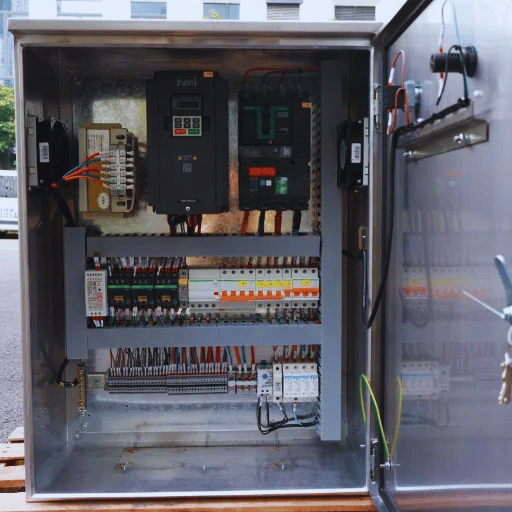
Um conjunto compacto de aumento da pressão só é tão bom quanto a sua lógica de deteção e controlo. Os conjuntos BBP são fornecidos com um transdutor de pressão 4-20 mA instalado no coletor de descarga, que alimenta um controlador programável.
Isto controla três modos de funcionamento: pressão constante, pressão proporcional ou controlo da velocidade e ciclos discretos.
Os protocolos de integração compatíveis com BMS ou automatização de edifícios incluem Modbus RTU/TCP, BACnet/IP ou saída 4-20 mA por cabo. Esta seleção determina se o sistema cumpre o seu ciclo de vida de 15 anos ou falha prematuramente.
BBP vs. alternativas do setor — comparação de desempenho de bombas comerciais e industriais de aumento da pressão
O que é esta comparação? As equipas de aprovisionamento de bombas comerciais e industriais de aumento da pressão avaliam tipicamente três a cinco alternativas em cada projeto - conjuntos Grundfos CMBE / Hydro MPC, Bell & Gossett Series 2 / e-1532, sistemas integrados de aumento da pressão Taco SmartPlus, série de sistemas de aumento da pressão Wilo COR ou gama Pentair Hydromatic, para nomear cinco. E a comparação raramente é de paridade entre marcas (todos os fornecedores desta lista fabricam equipamento bom e fiável quando corretamente dimensionado) - a questão é onde se situam as diferenças - rendimento no ponto de funcionamento recomendado, área ocupada por caudal de projeto, custo do ciclo de vida numa janela de dez anos, prazo de entrega desde a confirmação da encomenda até à expedição, transparência da lista de materiais no pacote de submissão. Abaixo, uma tabela de comparação direta apresenta essas diferenças para análise.
| Dimensão de comparação | Sistemas de aumento da pressão BBP | Média dos OEM ocidentais |
|---|---|---|
| Ponto de melhor rendimento ao caudal de projeto | 78–82% nas famílias ISW, ISG, CDLF | Média típica da classe de 72–78% |
| Tempo médio entre falhas (serviço industrial) | 12 000–18 000 h em ISW; 14 000+ h em ISWR/CDLF (dados de projetos BBP, 2024) | 8 000–14 000 h típico do setor |
| Prazo de entrega — material normalizado de catálogo | 20–35 dias desde a confirmação da encomenda | 8–20 semanas, norma do setor |
| Prazo de entrega — material personalizado / ensaio presenciado | 45–60 dias | 16–30 semanas, norma do setor |
| MOQ — bomba de substituição individual | 1 unidade | 1 unidade (restringida pela rede de distribuidores) |
| MOQ — marca própria OEM | 10 unidades por série | 50–250 unidades, típico |
| Área ocupada na sala técnica vs. referência | 40–60% menor (família vertical em linha) | 40–60% menor (equivalente do setor) |
| Transparência da lista de materiais | Certificado completo de fábrica por EN 10204 3.1, com composição química + tratamento térmico | Número de fusão a pedido; a composição química varia |
| Registo de ensaio hidrostático | O relatório de ensaio a 1,5× a pressão de projeto conforme ANSI/HI 14.6 é fornecido com a bomba | A pedido; pago junto de alguns fornecedores |
| Aceitação do ensaio de desempenho | ISO 9906 classe 2B normalizada; classe 1B disponível | ISO 9906 classe 2B / 3B varia conforme a série |
| Expedição de peças sobresselentes | 5–7 dias a partir do inventário de Pequim | 4–12 semanas, distribuição internacional típica |
| Marca própria OEM / personalizado | Disponível com ferramentas de fundição internas | Limitado; requer investimento em ferramentas pela marca |
Estrutura de custo do ciclo de vida Gold-Tier
Custo do ciclo de vida a 10 anos — verificação da realidade das bombas comerciais de aumento da pressão
O Departamento de Energia dos Estados Unidos e o Hydraulic Institute publicam a mesma equação de custo do ciclo de vida (LCC) para sistemas de bombagem industriais: LCC = Cic + Cin + Ce + Co + Cm + Cs + Cenv + Cd, que soma os custos iniciais, de instalação, energia, funcionamento, manutenção, tempo de paragem, ambientais e de desativação. Em serviço contínuo, aplicações comerciais de aumento da pressão de 12-18hours diárias, a distribuição ponderada situa-se consistentemente na ordem de:
10–15%
Custo inicial (Cic)
40–60%
Energia (Ce)
25–30%
Manutenção (Cm)
Variável
Tempo de paragem (Cs)
um ganho de rendimento de 4-6 pontos percentuais no ponto de funcionamento acumula-se ao longo de um horizonte de 10 anos. Numa unidade comercial de aumento da pressão de 75 kW em funcionamento 16 horas diárias às tarifas médias de eletricidade comercial americanas, isto equivale a uma poupança estimada de energia acumulada de 448 560 kWh - frequentemente superior ao custo inicial total da bomba.
Uma interpretação errada comum: a BBP não é o fornecedor mais barato do mercado — esse título pertence à empresa com a cadeia de ensaios mais cuidadosamente controlada). O custo inicial representa 10-15% de uma decisão determinada pela proporção de energia e manutenção. Se apenas ponderar o preço de aprovisionamento na sua avaliação, a matemática do ciclo de vida irá persegui-lo no 3.º-4.º ano.
Precisa de um modelo de LCC para a carga do seu edifício?
Solicitar análise LCC →Resultados de clientes — implementação quantificada em HVAC, municipal e industrial
Os exemplos abaixo resultam dos últimos dois anos de trabalho em projetos da BBP. Cada um pertence a uma família de configuração diferente para ilustrar como o guia de seleção se traduz em resultados reais nos edifícios. Nenhum é um estudo de caso de marketing no sentido vago - cada valor provém diretamente dos dados de medição da equipa de comissionamento, das horas de funcionamento do CMMS ou da fatura de serviços do cliente antes e depois do funcionamento do edifício.
Circuito HVAC

Modernização de água fria numa torre de escritórios
8× BBP-ISG 6" verticais em linha (VFD)
- Serviço
- 1200 GPM "cada", serviço de circuito primário de 16h/dia.
- Anterior
- 8 bombas de aspiração axial, velocidade fixa, área ocupada de 6,4 m, alinhamento necessário a cada 9-12 mo.
- Novo
- 8 bombas BBP-ISG em linha com VFD, área ocupada de 1.2m, trabalhos civis eliminados.
Poupança de energia
18%
Mão de obra de manutenção
-35%
ROI previsto
14 Mo
Municipal
Aumento da pressão distrital
Conjunto compacto triplex BBP-ISGD 10" (3+0)
- Serviço
- Caudal de projeto de 4 500 GPM, variação diurna de 500-8 000 GPM, serviço 24/7.
- Anterior
- 4 bombas de velocidade fixa, variação de pressão a jusante de ±12%, 2 falhas em 18 mo.
- Novo
- Unidade compacta triplex controlada por VFD, integração SCADA através de BACnet/IP.
Estabilidade da pressão
+75%
MTBF (bomba principal)
14k h
Tempo de paragem (18 Mo)
0
Industrial

Aumento da pressão para processo de eletrodeposição
Unidade compacta duplex BBP-ISWH SS316 (1+1)
- Serviço
- Banho de enxaguamento exposto a cloreto ligeiramente ácido, 100 m/h contínuos, 24/7.
- Antes
- 4-6 falhas/yr em bombas de ferro fundido, corrosão localizada por cloretos nas volutas em 14 mo.
- Depois
- Conjunto compacto SS316, VFD de pressão constante, rastreabilidade química EN 10204 3.1.
Custo total de propriedade
-52%
Tempo de funcionamento contínuo
8.4k h
Paragens não programadas
0
Engenharia / aprovisionamento Precisa de um estudo de caso para a sua família de configuração específica?
Certificações, materiais e normas de fabrico
A conformidade com as normas é o que determina o sucesso ou insucesso do aprovisionamento de bombas comerciais e industriais de aumento da pressão na folha de submissão do OEM. Referir um número numa ficha de especificações do fabricante sobre uma norma sem fornecer um registo certificável que demonstre que essa norma foi cumprida é apenas uma alegação. A BBP publica as normas que visa, as tolerâncias de ensaio exigidas para certificar a bomba e o processo programado na fábrica para cumprir essa norma. Uma fábrica em Pequim opera toda a cadeia: fundição de aço e alumínio, tratamento térmico interno, maquinagem CNC de impulsores e volutas, equilibragem dinâmica do rotor, montagem final e revestimento, e ensaios hidrostáticos a 100% numa disposição de ensaio de circuito fechado calibrada.
"Ensaíamos todos os rotores de grau comercial segundo ISO 21940 G6.3 antes de o rotor montado sair da linha. A classe de equilibragem determina se o sistema de aumento da pressão funciona silenciosamente numa sala técnica de hospital ou faz vibrar a coluna montante até à falha ao longo de cinco anos. Não há atalhos nesta etapa — ensaiámos todos os atalhos."

Processo de fabrico

Disposição de engenharia
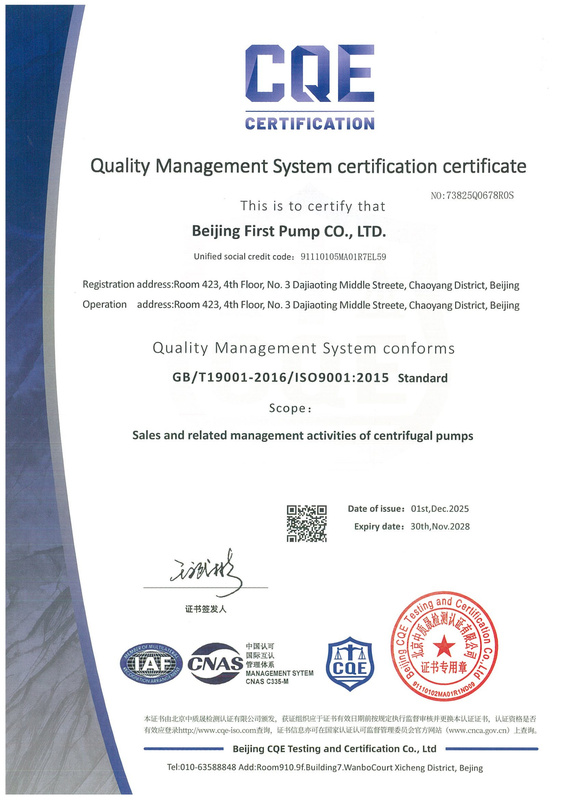
Qualidade ISO9001

Ambiente ISO14001
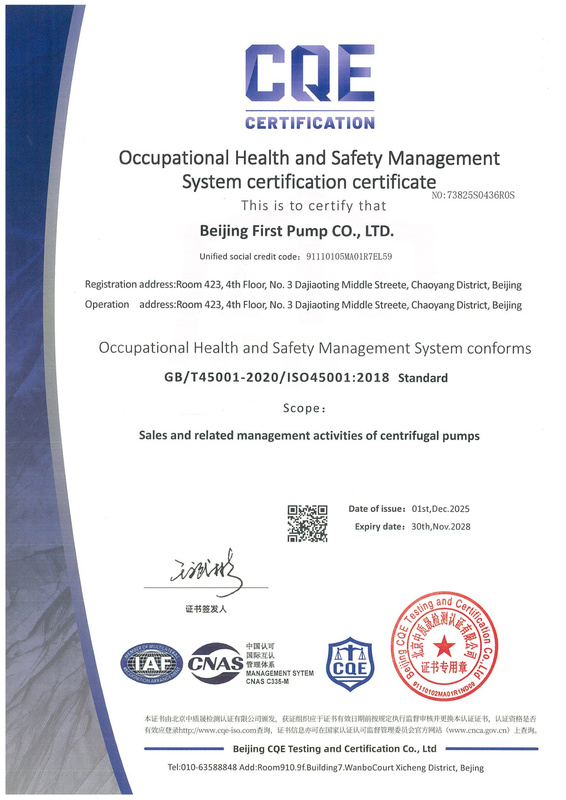
Saúde e segurança ISO45001

Conformidade CE
← Passe o cursor pelas laterais ou arraste para deslocar automaticamente · Clique para ampliar →
Lista de materiais
| Componente | Material normalizado | Opções de melhoria |
|---|---|---|
| Corpo da bomba | Ferro fundido GG25 (EN-GJL-250) | Ferro dúctil GGG40, SS 304/316, duplex 2205 |
| Impulsor | Ferro fundido, equilibrado dinamicamente conforme ISO 21940 G6.3 | SS 304/316, bronze ASTM B62, aço inoxidável duplex |
| Veio | Aço-carbono AISI 1045 | SS 420, SS 316, aço inoxidável duplex |
| Empanque mecânico | Carbono vs. carboneto de silício, elastómero EPDM | SiC/SiC, carboneto de tungsténio, foles PTFE, cartucho API 682 Plan 53A |
| Anéis de desgaste e camisas | Bronze ASTM B62 | SS 316, faceado com Stellite, revestido a cerâmica |
| Carcaça do motor | Ferro fundido IE3 (50 Hz / 60 Hz) | IE4 de rendimento premium, ATEX à prova de explosão, classe marítima |
Guia de aprovisionamento — prazo de entrega, MOQ, fatores de preço e pós-venda
As equipas de aprovisionamento de sistemas de aumento da pressão da água e de produtos adquiridos ao nível de OEM ou de agente no mercado mundial costumam dirigir-se à BBP com cinco perguntas numa RFQ - quais são os nossos preços, prazo de entrega, MOQ, entrega e garantia, e como funciona o pós-venda em serviço crítico? As respostas abaixo correspondem à forma como a engenharia de aplicações responde na primeira chamada de definição do âmbito.
Prazo de entrega
As variantes em stock nos tamanhos de carcaça comuns BBP-ISG e BBP-ISW (DN25 até DN150 em ferro fundido) são expedidas em 7 days após a PO, caso já estejam em stock. As encomendas de catálogo — qualquer parte hidráulica e redução do diâmetro do impulsor de material catalogadas nas séries ISG, ISGD, ISW, ISWR ou CDLF — são expedidas em 20-35 days após a reserva do período de produção, com atualizações semanais para projetos de concurso. As encomendas personalizadas (redução do diâmetro do impulsor em material não normalizado, configurações de empanque mecânico baseadas em kits, bomba de incêndio ISGF com classificação UL e ensaio de desempenho testemunhado, marca própria OEM) requerem 45-60 days, condicionados pelos prazos de fundição e pelo agendamento de testemunhas, quando aplicável. Um guia de prazos de entrega da Empowering Pumps indica 8–20 weeks para o aprovisionamento comercial típico de sistemas de aumento da pressão catalogados e 16-30 weeks para equipamentos personalizados — pelo que 20-35 days para os tamanhos de carcaça BBP catalogados representa um prazo cerca de uma ordem de grandeza menor, integrando capacidade interna de fundição, em vez do fornecimento por fundições subcontratadas.
Quantidade mínima de encomenda
A MOQ é de 1 unidade nas séries catalogadas, pelo que são aceites substituições de unidade única e compras de peças sobresselentes. Os conjuntos de aumento da pressão fornecidos em pacote são expedidos numa única plataforma — as plataformas duplex e triplex têm MOQ de 1 conjunto. Os fornecimentos OEM de marca própria têm MOQ de 10 unidades por série devido aos custos de identificação, documentação e preparação de modelos de fundição. A personalização hidráulica OEM (conceção de impulsor específica do projeto ou ferramental de voluta) começa com MOQ de 25 unidades por série, devido à amortização do ferramental de fundição.
Fatores de preço — o que realmente altera a proposta EXW
A proposta para um sistema comercial BBP de aumento da pressão é determinada por seis fatores conhecidos. A nossa equipa de engenharia de aplicações analisa cada um deles na primeira chamada:
- Ponto de funcionamento hidráulico — caudal, altura manométrica e ponto de funcionamento de rendimento. Este fator determina a dimensão da parte hidráulica, a potência nominal do motor e a redução do diâmetro do impulsor.
- Especificação de materiais — ferro fundido GG25 (normal) vs SS 304 (prémio de 45-60% face ao normal) vs SS 316 (70-85% face ao normal) vs Duplex 2205 vs redução em Bronze.
- Opção de empanque mecânico — cartucho normal vs plano API 682 53A vs carboneto de tungsténio vs empanques duplos pressurizados API-682 para serviço perigoso.
- Conjunto de acionamento — acoplamento direto com motor IE3 de catálogo, vs motor preparado para VFD com painel de acionamento pré-integrado, vs acionamento e controlador totalmente fornecidos em conjunto com transdutor, reservatório hidropneumático e protocolo BMS.
- Homologação e certificação — classificação de incêndio UL 448, ensaio testemunhado, inspeção por terceiros SGS / Bureau Veritas / Lloyd's, plano de QA específico do cliente.
- OEM ou marca própria — incluindo preparação de modelos de fundição, identificação, documentação e embalagem.
Garantia e assistência pós-venda
A garantia da parte hidráulica (salvo indicação em contrário nas condições gerais incluídas) é de 36 months, contados desde a data de expedição. A garantia do motor segue as políticas separadas do fabricante do motor (normalmente 24 months em carcaças IE3 e 36 months em carcaças de eficiência superior IE4). As peças de desgaste (empanques mecânicos, rolamentos, impulsores) têm garantia apenas contra defeitos de fabrico (não quanto à vida útil). Antes da venda, a engenharia verifica o cálculo do ponto de funcionamento com dados hidráulicos ISO 2858 / ISO 9906 antes da proposta; tal assegura que a bomba será fornecida dimensionada dentro da gama de funcionamento preferencial, e não apenas suficientemente próxima em caudal e altura manométrica. A assistência pós-venda disponibiliza diagnóstico remoto 24/7 do equipamento após uma colocação em serviço bem-sucedida, e pode ser fornecida supervisão da colocação em serviço no local mediante proposta para projetos internacionais de concurso. Pode ser disponibilizada formação de manutenção para as equipas da instalação nas instalações do cliente ou nas nossas instalações de Beijing. O inventário de peças sobresselentes para séries de catálogo ativas — empanques mecânicos, rolamentos, impulsores, camisas de veio, metades de acoplamento, kits completos de empanque — é expedido em 5-7 days desde o armazém de peças sobresselentes de Beijing; esta é a informação cuja aprovação as equipas internacionais de aprovisionamento consideram mais desconfortável, até ocorrer o primeiro caso de garantia sem atraso associado de peças sobresselentes. Dados internos sobre este indicador são fornecidos, mediante pedido, para o processo de aprovisionamento do cliente como parte dos ficheiros de qualificação do fornecedor.
Pronto para receber preços?
Já tem um ponto de funcionamento e uma especificação de materiais definidos? Solicite uma proposta dimensionada em 24-hour.
Obter proposta imediata →Ferramentas e calculadoras de engenharia
Aceda ao nosso conjunto de calculadoras técnicas concebidas para aplicações comerciais e de sistemas de aumento da pressão em edifícios altos. Simplifique a sua avaliação de aprovisionamento com dados exatos de engenharia.
Estimador de poupança de energia para bomba de aumento da pressão com VFD
Estime a poupança de energia + dólares resultante da adaptação de um VFD a um sistema comercial de aumento da pressão. Baseado nos cálculos das leis de afinidade.
Abrir estimadorCalculadora de zonas de pressão para edifícios altos
Calcule a altura manométrica da bomba de aumento da pressão e o número ideal de zonas de pressão para redes de abastecimento de água em edifícios altos. Inclui altura estática, margem para atrito e pressão residual mínima nos aparelhos.
Abrir calculadoraFAQ — perguntas mais frequentes sobre bombas comerciais e industriais de aumento da pressão
Qual é a diferença entre uma bomba de aumento da pressão e uma bomba centrífuga?
Uma bomba centrífuga (uma das categorias hidráulicas mais amplas) é qualquer tipo de bomba que utiliza um impulsor para movimentar fluido, transmitindo energia cinética rotacional ao escoamento do fluido e convertendo-a em energia hidráulica através da pressão do impulsor. Uma bomba de aumento da pressão (ou sistema de aumento da pressão, nas publicações de fornecedores) é um tipo específico de bomba disponível comercialmente, habitualmente centrífuga ou, por vezes, centrífuga multicelular ou até de deslocamento positivo, concebida para aumentar a pressão num escoamento de fluido aquecido ou arrefecido que já se encontra sob alguma altura manométrica positiva (pressão diferencial na entrada da bomba, essencialmente). O serviço comercial de aumento da pressão da água utiliza quase exclusivamente bombas centrífugas verticais em linha, horizontais para tubagens ou verticais multicelulares, com critérios de seleção determinados pela necessidade de pressão a jusante do sistema de aumento da pressão, e não pelos requisitos de elevação do fluido desde um poço de bombagem ou reservatório, existindo menor preocupação com a altura máxima de aspiração e maior preocupação com NPSHa devido à pressão na tubagem de entrada.
Como sei que dimensão de bomba de aumento da pressão é necessária para o meu edifício?
O dimensionamento de um sistema comercial de aumento da pressão utiliza os quatro dados seguintes; caudal de projeto (habitualmente indicado em GPM ou m/h e calculado pela procura máxima dos aparelhos ou pela carga de arrefecimento), altura manométrica total (requisito de pressão de descarga menos a pressão de alimentação da bomba de entrada, acrescido das perdas por atrito na tubagem), temperatura do fluido (afeta a pressão de vapor e NPSHa) e horas de funcionamento diárias (afetam a escolha do acionamento e a margem de potência do motor). Envie estes dados à equipa de engenharia de aplicações BBP e, no prazo de 24 hours, devolveremos um número de modelo dimensionado e a confirmação da gama de funcionamento preferencial face aos dados hidráulicos ISO 2858. Um erro comum que provoca desperdício de energia durante o ciclo de vida é sobredimensionar a bomba por segurança, o que coloca permanentemente a bomba em 50-70% do ponto de melhor rendimento.
VFD versus controlo de velocidade constante — quando devo especificar um sistema de aumento da pressão com variador de frequência?
Utilize um sistema de aumento da pressão com VFD quando a procura diária de caudal variar mais de ±30% durante o ciclo de funcionamento. Estruturas com ocupação variável (hotéis, estruturas comerciais de uso misto, torres de escritórios com múltiplas zonas HVAC), estações municipais de aumento da pressão com variações diurnas e linhas de processo industrial com necessidades de caudal que mudam por turno enquadram-se neste caso. A poupança de energia entre 18 e 35 percent em adaptações comerciais de sistemas de aumento da pressão com VFD resulta das leis de afinidade — a potência da bomba é igual ao cubo da velocidade, pelo que funcionar abaixo de 100 percent de velocidade reduz o consumo de eletricidade ainda mais depressa do que a velocidade da bomba. Abaixo de 10 horsepower, ou em aplicações em que a procura é relativamente constante e estável (linhas industriais contínuas de água de processo, pequenas estruturas comerciais de ocupação única), o diferencial de preço do equipamento VFD pode demorar vários anos a ser recuperado antes de se justificar; proponha velocidade constante + reservatório de pressão hidropneumático dimensionado. Uma regra clara para decidir a redução do diâmetro: se o perfil de caudal apresentar variação ≥30%, opte por VFD; se se mantiver estável dentro de ±10%, opte por velocidade constante. Beloh velocidade constante.
Ainda é necessário um reservatório de pressão quando cada bomba funciona com um variador de frequência?
Por vezes, sim. Os reservatórios de pressão hidropneumáticos desempenham duas funções independentes do controlo de velocidade. Em primeiro lugar, atuam como acumulador de procura de ciclos curtos — assim, o bico não fará a bomba arrancar sempre que a água sair da torneira em impulsos, poupando desgaste na parte hidráulica e prolongando a vida útil do motor. Em segundo lugar, amortecem o golpe de aríete quando o caudal se inverte, o que se aplica sobretudo a instalações comerciais de aumento da pressão em edifícios altos, nas quais as válvulas das zonas de pressão introduzem água durante inversões de caudal. Os conjuntos BBP de aumento da pressão fornecidos em pacote incluem um reservatório hidropneumático de 20-80 gallon para caudais de projeto inferiores a 200 GPM; para caudais superiores a 500 GPM, o reservatório é dimensionado segundo o perfil de procura do edifício durante a engenharia de aplicações. Em estações municipais dedicadas de aumento da pressão com caudal estável, o reservatório pode ser reduzido ou totalmente eliminado e substituído por lógica de controlo do escalonamento de velocidade variável.
As bombas comerciais BBP de aumento da pressão possuem certificação NSF para serviço de água potável?
As bombas de aumento da pressão em ferro fundido e aço inoxidável do nosso catálogo normal são fabricadas com materiais aprovados pela química com classificação NSF/ANSI 61 para contacto do produto com água potável, mediante a seleção dos elastómeros e empanques adequados. A aprovação NSF do conjunto completo (e não apenas das peças em contacto com o fluido) pode ser incluída como aprovação ao nível do projeto, mediante custo adicional; informe-nos, ao receber a RFQ, se o projeto exigir uma declaração de aprovação na submissão da especificação. Para serviço de água potável de elevada pureza em projetos municipais dos Estados Unidos ou Canadian, as séries BBP-ISWB multicelular em aço inoxidável e BBP-ISG SS304 em linha são as seleções habituais de especificação.
Como é que o conjunto BBP de aumento da pressão fornecido em pacote se integra com o nosso sistema de gestão do edifício ou plataforma SCADA?
Os conjuntos BBP de aumento da pressão fornecidos em pacote são expedidos com um controlador programável montado, configurado para o protocolo de comunicação selecionado pelo projeto — Modbus RTU/TCP, BACnet/IP, saídas 4-20 mA ligadas por cablagem ou relés de alarme de contacto seco. Indique à equipa de engenharia de aplicações, na fase de RFQ, qual plataforma BMS ou SCADA será utilizada pelo projeto (Honeywell, Siemens, Johnson Controls Metasys, Schneider EcoStruxure, integração PLC personalizada), e o firmware de controlador apropriado será carregado nessa plataforma antes dos ensaios de aceitação na fábrica. O hardware mantém-se consistente nas variantes de modelo, pelo que a integração é uma configuração ao nível do firmware, razão pela qual as alterações de protocolo após a expedição não são simples. Certifique-se de abordar este ponto na fase de RFQ.
Uma bomba comercial de aumento da pressão pode funcionar continuamente 24/7?
Sim, se for dimensionada dentro da gama de funcionamento preferencial (70-120% do ponto de melhor rendimento) e selecionada com uma margem de ciclo de funcionamento adequada à aplicação. Os conjuntos industriais de aumento da pressão para água de processo e o serviço de estações municipais de aumento da pressão atingem 12 000-18 000 hours de tempo médio entre falhas nas famílias BBP-ISW, BBP-ISG e BBP-CDLF em serviço contínuo. Uma causa dominante de falha prematura em sistemas comerciais de aumento da pressão é funcionar fora da gama de funcionamento preferencial, em particular por sobredimensionamento, levando a bomba a tentar funcionar a 50% ou menos do ponto de melhor rendimento para produzir uma pressão final que, presumivelmente, proporciona ampla margem de segurança. O serviço contínuo não é nada; o funcionamento fora das condições de projeto é tudo.
Com que rapidez pode a BBP expedir internacionalmente um sistema comercial de aumento da pressão?
Os modelos BBP-ISG e BBP-ISW fornecidos em dimensões catalogadas podem ser expedidos em 7 days após a aceitação do pagamento; as dimensões catalogadas saem do planeamento de produção em 20-35 days para agendamento de um período de fabrico. As dimensões personalizadas requerem 45-60 days com um calendário de produção por etapas. O transporte de importação por via marítima de Beijing até North America acrescenta 25-35 days à expedição à saída da fábrica; o transporte terrestre e aéreo está disponível conforme necessário (projetos de concurso em 5-8 days). Os Incoterms EXW, FOB, CIF, DDP são normais. O carregamento de contentores e a documentação de exportação são tratados internamente, incluindo o código HS, o certificado de origem e os documentos de declaração do local de origem apresentados conforme necessário.
Qual é a garantia dos sistemas comerciais BBP de aumento da pressão e dos conjuntos fornecidos em pacote?
A parte hidráulica está coberta por uma garantia de 36 month (o que ocorrer primeiro) contra falha de fabrico ou de material desde a data de expedição. O motor tem garantia segundo a política separada do fabricante do motor, sendo as garantias industriais típicas de 24 months para carcaças IE3 e 36 months para carcaças IE4. O variador de frequência tem garantia segundo a política separada do fabricante do acionamento, habitualmente 18-36 months consoante o modelo. Os componentes da série fornecida em pacote — controlador/transdutor, válvulas de isolamento e rede de tubagens — estão cobertos por uma garantia de 12-month. Os bicos, empanques, rolamentos, anéis de desgaste e camisas de veio estão protegidos contra falha de fabrico, mas não têm garantia de vida útil — destinam-se a substituição programada em função da utilização. As peças de substituição em stock não utilizadas saem do armazém de Beijing em 5-7 days.
Como aumenta um sistema comercial de aumento da pressão a pressão da água num edifício alto?
Um sistema de aumento da pressão para edifícios altos eleva a pressão municipal fornecida (geralmente 60–80 PSI junto ao lancil nas maiores áreas metropolitanas dos Estados Unidos) até à pressão segura no aparelho situado mais alto do edifício que o sistema de bombagem serve, compensando a perda de altura estática (cerca de 0.43 PSI/ft de alteração de elevação), o atrito na tubagem e a pressão residual no aparelho, conhecida como ponto de regulação de pressão constante (cerca de 30-45 PSI). Acima de uma determinada altura (aproximadamente 12 pisos de elevação, medidos em todo o edifício), uma bomba de aumento da pressão de estágio único não consegue atingir economicamente a pressão de regulação e o sistema é dividido em múltiplas zonas — cada zona protegida por uma bomba de aumento da pressão ou por uma bomba multicelular de aumento da pressão como a BBP-ISWB ou BBP-CDLF. A geometria das colunas montantes, o número de unidades de aparelhos e a capacidade da sala técnica nos pisos de aumento da pressão contribuem para decidir o número de zonas de aumento da pressão. O controlo por variador de frequência em cada bomba de zona mantém uma pressão constante a jusante através do controlo de cada ponto de funcionamento individual ao nível da zona, proporcionando pressão constante a jusante, independentemente das flutuações de procura durante o ciclo diário, eliminando o desperdício energético causado pelo caudal excessivo para atingir a pressão-alvo (no ponto final) e o desgaste prematuro dos componentes de canalização.
Sobre este guia de seleção de configuração
O enquadramento do custo do ciclo de vida, as gamas do ponto de melhor rendimento, os referenciais de tempo médio entre falhas e as comparações de prazos de entrega deste guia resultam das instalações comerciais de sistemas de aumento da pressão da BBP desde 2023 — incluindo os três estudos de caso acima e várias dezenas de modernizações de instalações não publicadas nos serviços de HVAC, municipais e de processos industriais. As ponderações de custo do ciclo de vida do U.S. Department of Energy e do Hydraulic Institute são aplicadas aos dados internos dos projetos BBP relativos a energia e manutenção. Quando um valor faz referência a uma norma publicada do setor, o número da norma é citado explicitamente (p. ex., Pump Life Cycle Costs: A Guide to LCC Analysis for Pumping Systems) e NÃO uma expressão extensa. Se algum destes números for pertinente para o seu pedido de compra ou comentário à especificação, solicite-o e o grupo de engenharia de aplicações da BBP procurará a fonte para a anexar ao seu processo.
Em destaque