Entre em contacto com a BBP

Bomba de dragagem submersível
Certificações: ISO 9001 / 14001 / 45001
Bomba de dragagem submersível — Remoção subaquática de areia e sedimentos | BBP
Transporte areia, sedimentos e lamas de profundidades até 30m. Sem drenagem, sem frotas de camiões, sem estradas de acesso.
ARQUITETURA DE VEDAÇÃO: EMPANQUE MECÂNICO + GAXETA

Caudal
150–2 000 m³/hAltura manométrica total
15–85 mSólido máximo
170 mmTipos de acionamento
Hidráulico / ElétricoDRAGAGEM EM PROFUNDIDADE
Soluções de bombas de dragagem submersíveis para operações de dragagem exigentes
Todas as bombas de dragagem submersíveis da gama BBP foram concebidas para uma realidade: as operações de dragagem decorrem em locais onde os equipamentos instalados à superfície falham. Os leitos de areia dos rios mudam semanalmente. Os canais portuários assoreiam mais depressa do que as janelas de manutenção planeadas. As lagoas de rejeitados situam-se atrás de diques sem acesso por estrada. Quando o seu projeto exige a movimentação de sedimentos abaixo da linha de água, a física da altura de aspiração torna-se o estrangulamento — e esse estrangulamento desaparece por completo quando a bomba desce para debaixo de água com o material.
A barreira da altura de aspiração
As bombas de dragagem tradicionais instaladas à superfície atingem um limite rígido de cerca de 8 metros de altura de aspiração — um valor ditado pela pressão atmosférica, não pelo projeto da bomba. Abaixo dessa profundidade, a cavitação destrói os impulsores e o caudal cai para quase zero. Até agora, a solução consistia em tubos de aspiração mais longos com sistemas de aumento da pressão, o que acrescenta complexidade mecânica, mais pontos de falha e uma equipa de três a cinco operadores apenas para manter o sistema escorvado. Entretanto, os métodos de escavação com camiões e pás para remoção de sedimentos junto à costa ultrapassam $200 000 por ano apenas em custos de mão de obra, sem contar combustível, manutenção das estradas de transporte ou as licenças ambientais necessárias ao acesso de veículos pesados perto de cursos de água.
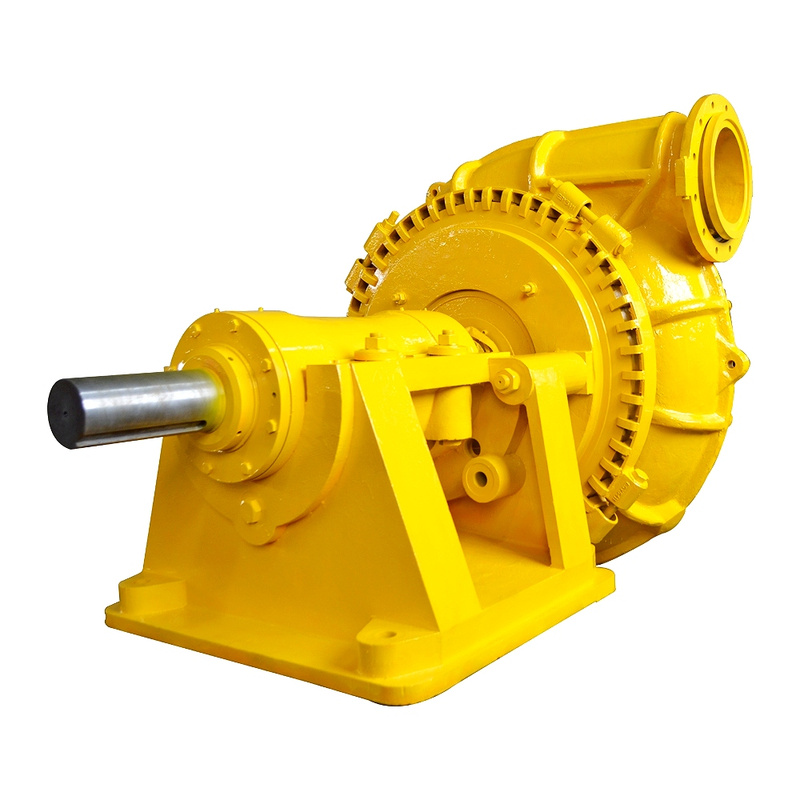
A vantagem da submersão
Uma bomba de dragagem submersível elimina o problema da altura de aspiração na origem. Submersa diretamente nas lamas, a bomba funciona com pressão positiva à entrada — sem escorvamento, sem preocupações com NPSH, sem risco de cavitação em profundidade. As bombas da série AWN da BBP possuem um projeto de passagem esférica ampla que permite a passagem de partículas até 170 mm sem obstrução, o que significa menos paragens e menor intervenção manual. Os empreiteiros que passaram de instalações à superfície para unidades submersíveis relatam de forma consistente uma redução de 60% ou mais nas necessidades de mão de obra no local. Uma bomba concebida para funcionar debaixo de água simplesmente precisa de menos pessoas a supervisioná-la.
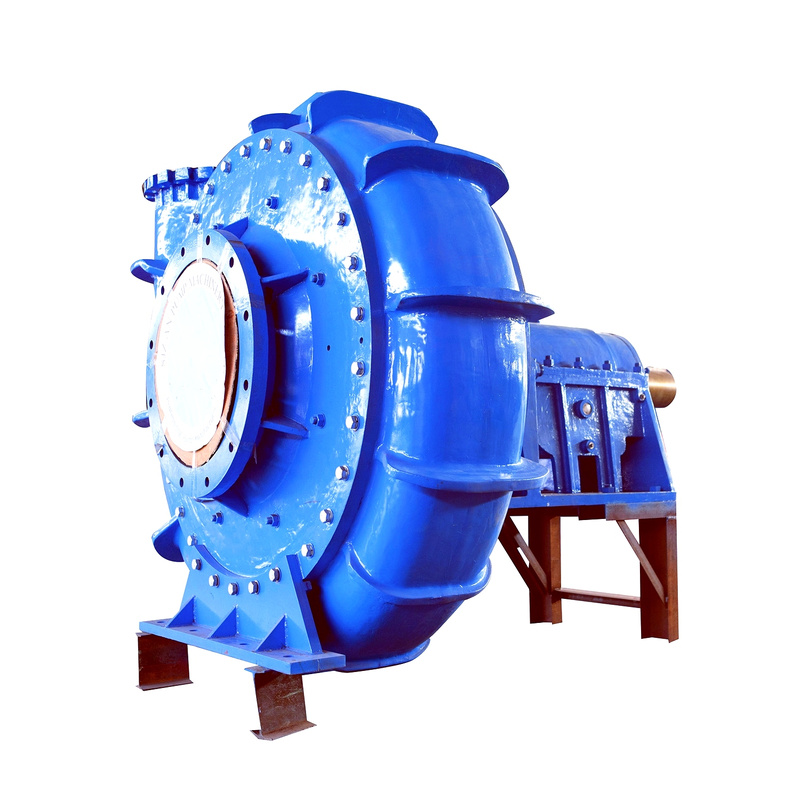
Qualquer que seja a situação — dragagem de areia num rio longe do mar, dragagem de capital inicial para um novo país offshore ou dragagem de manutenção de rotina num porto comercial movimentado — a abordagem com bomba de dragagem submersível faz sentido: maior alcance ou alcance fiável mais eficiente, equipas menos dispendiosas e um novo tipo de fiabilidade mecânica assente na eliminação de fugas de ar no lado da aspiração e de problemas de escorvamento. Em seguida, analisamos modelos específicos da BBP, informações sobre aplicações e especificações de engenharia para selecionar uma bomba para um projeto real com objetivos de produção reais.
Modelos e especificações
Série de bombas de dragagem submersíveis BBP — Modelos e especificações
A série AWN de bombas de dragagem submersíveis da BBP está disponível em cinco tamanhos de carcaça e quatro variantes: submersível standard, submersível com agitador, submersível com cabeça de corte e acionamento totalmente hidráulico. A capacidade de caudal vai de 400 m³/h no modelo compacto 200AWN a 9 000 m/h no 800AWN — adequada desde a drenagem de pequenas obras à extração de areia em grandes rios, milhares de m de produção por turno.
Série AWN — Dados essenciais de desempenho
| Modelo | Caudal (m³/h) | Altura manométrica (m) | Potência (kW) | Descarga (mm) | Partícula máxima (mm) |
|---|---|---|---|---|---|
| 200AWN | 400–800 | 20–45 | 700–900 | 250 | 170 |
| 300AWN | 700–1,300 | 25–65 | 400–600 | 350 | 241 |
| 450AWN | 1,000–3,000 | 30–70 | 300–700 | 450 | 241 |
| 600AWN | 2,000–5,500 | 40–65 | 300–500 | 600 | 220 |
| 800AWN | 5,000–9,000 | 45–85 | 250–420 | 800 | — |
Matriz de decisão para seleção por aplicação
| Aplicação | Série recomendada | Necessidade de caudal | Necessidade de altura manométrica | % de sólidos | Acionamento |
|---|---|---|---|---|---|
| Extração de areia em rios | 300–450AWN | 1 000–3 000 m³/h | 30–50 m | 20–40% | Hidráulico |
| Manutenção portuária | 200–300AWN | 400–1 300 m³/h | 20–45 m | 10–25% | Elétrico / Hidráulico |
| Aterro hidráulico | 450–600AWN | 2 000–5 500 m³/h | 30–65 m | 15–30% | Hidráulico |
| Gestão de rejeitados | 200–300AWN | 400–1 000 m³/h | 25–45 m | 30–50% | Elétrico |
| Drenagem em obras | 200AWN | 400–800 m³/h | 20–35 m | 5–15% | Elétrico |
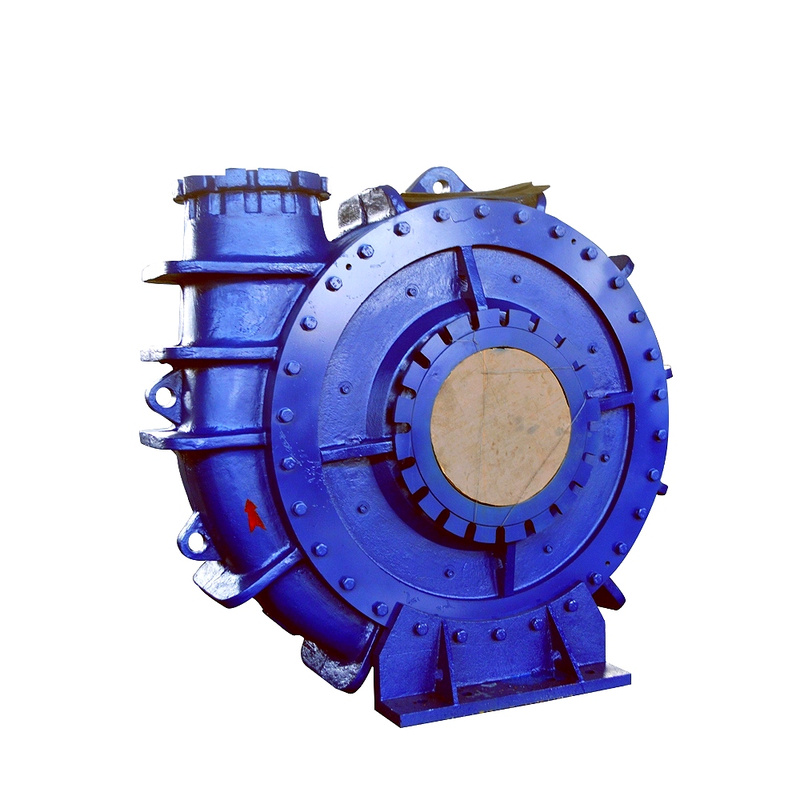
Uma bomba de dragagem submersível standard funciona bem em sedimentos soltos e não consolidados — depósitos recentes de lodo, areia fina e lamas de baixa densidade. Quando o material está compactado ou parcialmente ceite, um acessório agitador montado abaixo da entrada de aspiração desfaz o leito de sedimentos e alimenta a bomba a um caudal controlado, evitando a formação de pontes sobre a abertura de aspiração.
Para argila fortemente consolidada ou sedimentos mistos com detritos incorporados, a configuração com cabeça de corte acrescenta lâminas de corte rotativas que soltam mecanicamente o material antes de este chegar à bomba. Um anel de jatos — um anel de bicos de água de alta pressão em redor da entrada de aspiração — desempenha uma função de desagregação semelhante em sedimentos finos e também dilui a concentração das lamas para evitar sobrecarga. Na prática, as operações de extração de areia em rios optam maioritariamente pela variante com agitador, enquanto os projetos de manutenção de portos e canais tendem a escolher cabeças de corte para lidar com depósitos mistos de argila e conchas.
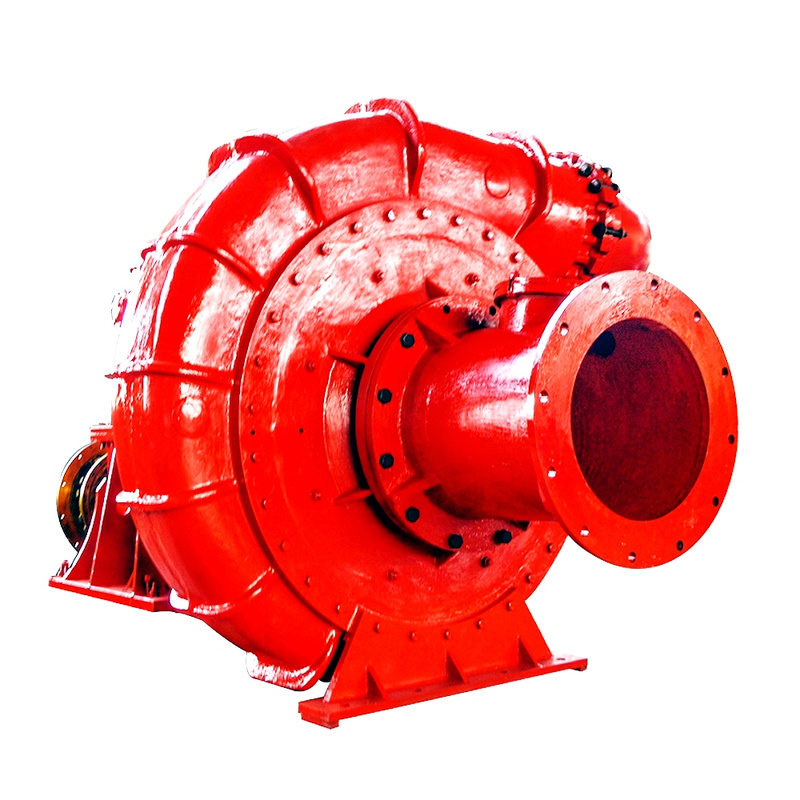
Todos os componentes da parte hidráulica da série AWN — impulsor, revestimento interior da voluta, placa de desgaste e entrada de aspiração — são fundidos em liga Ni-hard de alto crómio, atingindo uma dureza superior a 58 HRC. A formulação proprietária de liga avançada 700 HRC da BBP, desenvolvida para serviço extremamente abrasivo, prolonga a vida das peças de desgaste em 40–60% face às fundições standard de alto crómio. A composição de todas as ligas, os ciclos de tratamento térmico e as medições finais de dureza são controlados na fundição e no laboratório de ensaios da própria BBP — sem subcontratação.
Esta integração vertical, combinada com a tripla certificação ISO 9001 / ISO 14001 / ISO 45001 e a marcação CE, responde diretamente às preocupações de qualidade que os compradores internacionais legitimamente levantam ao avaliar equipamento de bombagem fabricado na China. As nossas certificações não são decorativas; refletem controlos de processo documentados, desde a receção da matéria-prima até aos ensaios hidrostáticos finais.
Análise baseada em dados
Bomba de dragagem submersível vs. instalada à superfície — Comparação baseada em dados
A escolha entre uma bomba submersível e uma bomba instalada à superfície é puramente uma decisão de engenharia — não uma preferência promocional. Depende das condições do local, do orçamento de investimento e dos objetivos de produção. Em seguida, comparamos ambas as opções em oito fatores que mais afetam o custo total do projeto e a fiabilidade operacional. Além disso, incluímos o método tradicional de camião e pá, embora a maioria dos operadores novos de menor dimensão tenda a utilizar sistemas de bombagem por defeito, e por boas razões.
| Critério | Bomba de dragagem submersível | Bomba instalada à superfície | Camião e pá |
|---|---|---|---|
| Profundidade efetiva de aspiração | Ilimitada (submersa) | ≤ 8 m (teórica) | N/A |
| Frequência de obstrução | Baixa (passagem ampla) | Média (limites do tubo de aspiração) | N/A |
| Custo do equipamento | $20,000–$80,000 | $50,000–$100,000+ | Frota de $200 000+ |
| Mobilidade | Elevada (montada em escavadora) | Baixa (instalação fixa) | Média |
| Equipa necessária | 1–2 operadores | 2–3 operadores | 3–5 operadores |
| Custo operacional anual | Referência | +20–35% | +150–300% |
| Requisito de NPSH | Nenhum (submersa) | Crítico (deve ser gerido) | N/A |
| Impacto ambiental | Baixa perturbação | Moderado | Elevada perturbação |
Do ponto de vista do custo e do desempenho, as unidades submersíveis eliminam a barreira física da reduzida profundidade de aspiração que limita as bombas de superfície. Também reduzem as necessidades de pessoal, pois não é necessário escorvar uma linha de aspiração, operar uma bomba de vácuo nem combater fugas de ar. Uma configuração montada numa escavadora permite que um único operador mova a bomba pelo local de trabalho em minutos, enquanto um sistema instalado à superfície tem de ser desmontado e voltar a ser ligado por tubagens para cada nova posição.
Em termos de custos, o preço inicial de compra de uma bomba de dragagem submersível é 40–60% inferior ao de um sistema de superfície de capacidade equivalente que inclua tubo de aspiração, unidade de escorvamento por vácuo e carcaça estrutural de montagem. Os custos operacionais anuais seguem o mesmo padrão: menos peças móveis acima da linha de água, menos membros da equipa e eliminação da manutenção dispendiosa dos tubos de aspiração que afeta as instalações de superfície em serviço abrasivo.
60–80%
Menor investimento em equipamento face a sistemas instalados à superfície
Com base em dados de preços do setor, 2024–2025
Pronto para comparar para o seu projeto? Solicite uma análise TCO personalizada →Cenários de aplicação comprovados no terreno
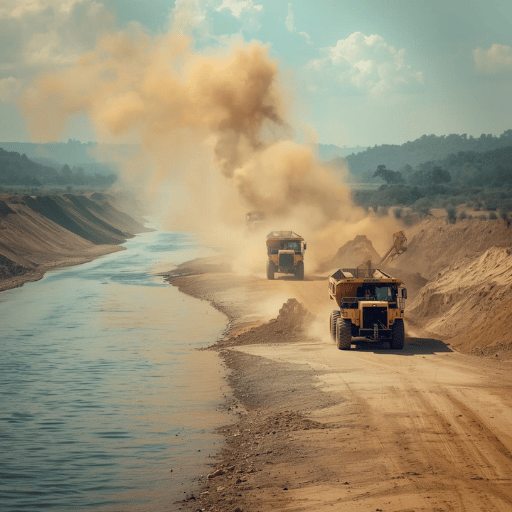
Extração de areia em rios
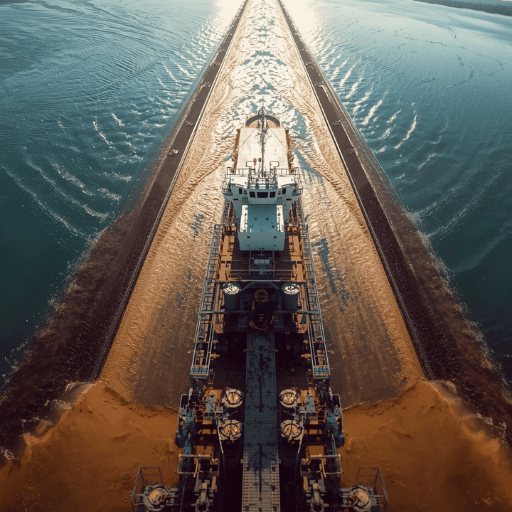
Dragagem de manutenção de portos e canais
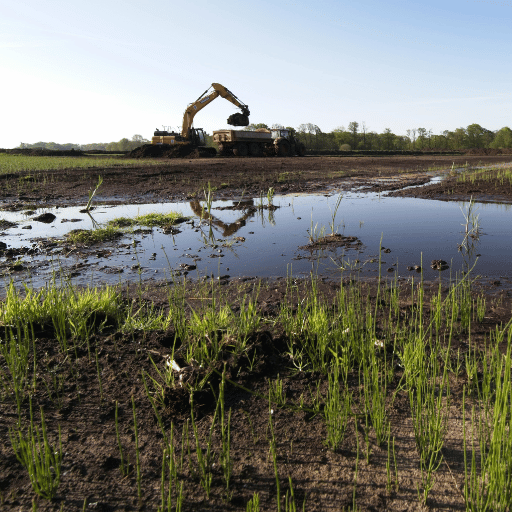
Aterro hidráulico
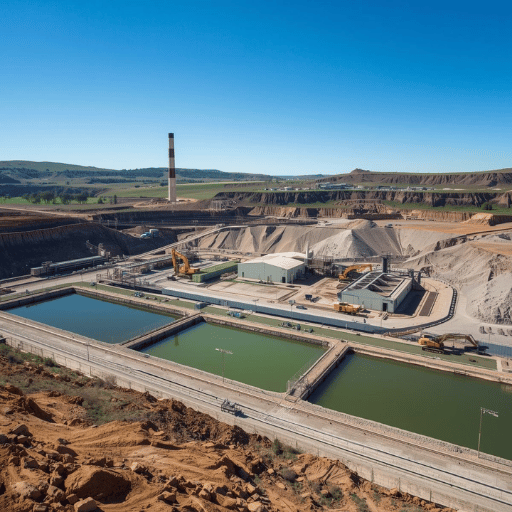
Gestão de lagoas de rejeitados

Drenagem em obras
Qualidade e conformidade
Certificações e garantia da qualidade
Ao considerar uma oferta de bomba de dragagem submersível de qualquer fabricante.. e especialmente de um fabricante sediado no estrangeiro que introduza o seu produto no Reino Unido, a documentação do produto tem tanta importância como os valores de desempenho na ficha técnica. A BBP possui certificações verificadas de qualidade, ambiente e H&SE, constantemente auditadas e renovadas conforme o calendário
ISO 9001
Gestão da qualidade
ISO 14001
Gestão ambiental
ISO 45001
Saúde e segurança no trabalho
CE
Conformidade Europeia
As certificações, por si só, não constroem bombas fiáveis — o controlo do processo é que o faz. A BBP opera uma instalação de fabrico verticalmente integrada, onde cada etapa crítica decorre sob o mesmo teto: fundição de ferro e ligas na nossa própria fundição, tratamento térmico controlado por computador, maquinagem CNC de todas as superfícies de contacto, montagem mecânica por técnicos qualificados, aplicação de revestimento protetor e ensaios hidrostáticos e de desempenho finais antes de qualquer bomba ser embalada para expedição. Isto não é uma alegação de marketing sobre “capacidades internas” — é a estrutura operacional que permite rastrear qualquer problema de qualidade numa bomba entregue até à sua causa-raiz em horas, não semanas.
Normas de materiais
Todos os componentes da parte hidráulica — impulsores, revestimentos interiores da voluta, placas de desgaste e tampas de aspiração — são fundidos em liga Ni-hard de alto crómio, com dureza verificada superior a 58 HRC na escala Rockwell C. Para aplicações extremamente abrasivas, como rejeitados da indústria mineira e extração de areia grossa, a formulação de material avançado 700 HRC da BBP proporciona uma vida útil significativamente mais longa.
Cada lote de fundição é ensaiado quanto à composição e à dureza antes do início da maquinagem; as fundições não conformes são rejeitadas e refundidas, não retrabalhadas.
Fundimos todos os impulsores e volutas na nossa própria fundição — isto permite-nos controlar a composição da liga, os ciclos de tratamento térmico e a verificação final da dureza antes de qualquer bomba sair das nossas instalações.
Guia de aprovisionamento
Guia de aprovisionamento — Preços, prazo de entrega e apoio pós-venda
A compra de uma bomba de dragagem submersível para um projeto no estrangeiro não se resume ao custo unitário de uma proposta. O tipo de acionamento, a resistência do material, o equipamento complementar, os requisitos de tensão e frequência e o conjunto de peças sobresselentes incluído são todos elementos do seu custo real de compra — e errar nestes aspetos pode provocar atrasos críticos no local de trabalho. Esta secção descreve o que deve esperar ao solicitar uma proposta à BBP e o que deve verificar antes de emitir uma ordem de compra.
Fatores de preço
A BBP oferece preços específicos para cada projeto, enquanto os preços de tabela se referem ao custo de uma configuração uniforme a nível mundial, uma vez que o custo varia em função das seguintes escolhas de configuração:
Modelo da bomba e tamanho de carcaça – 200AWN vs. 800AWN abrangem mercados e expectativas de preço diferentes
Classe do material – Ni-hard standard ( >58HRC) ou liga avançada 700HRC para máxima resistência à abrasão.
Acessórios – Agitador, cabeça de corte, anel de jatos ou configuração standard
Tipo de acionamento – Unidades de acionamento hidráulico (com preço separado dos conjuntos de motores elétricos)
Detalhes elétricos – A tensão, a frequência e o invólucro do motor (NEMA 56, 1430V/60Hz) devem ser compatíveis com a alimentação elétrica do seu local
Prazo de entrega e logística
As bombas standard da série AWN estão geralmente disponíveis em stock normal na configuração standard. Classes especiais de liga, especificações elétricas não standard ou unidades de grande carcaça (600AWN+) podem exigir programação de produção. Consulte a equipa de projetos da BBP para conhecer o calendário de entrega específico do seu projeto.
Flexibilidade de encomenda
A BBP pode aceitar encomendas de uma única unidade — não existe quantidade mínima para empreiteiros ou utilizadores finais que necessitem de uma só bomba para projetos específicos. Para compradores de frotas, serviços de aluguer de equipamento ou integradores OEM, a BBP oferece assistência OEM/ODM completa, desde o projeto de ferramentas até ao componente acabado, com marca privada sempre que adequado.
Peças sobresselentes e pós-venda
Todos os principais componentes de desgaste, impulsores, volutas, placas de desgaste e conjuntos de empanque mecânico são mantidos em stock para reexpedição imediata. A equipa de engenharia de pós-venda da BBP oferece assistência 24/7, incluindo resolução remota de problemas, diagnóstico e supervisão da primeira instalação para projetos com várias unidades ou elevado caudal.
Dicas de aprovisionamento
Aviso ao comprador: Dicas para o aprovisionamento internacional de bombas
Solicite certificados de ensaio de fábrica (certificados de fábrica) ou leituras de dureza nas características da parte hidráulica. Um fabricante de qualidade não terá dificuldade em os fornecer.
Indique as especificações da sua alimentação elétrica local (ou seja, 380V/50Hz, 460V/60 Hz) durante a proposta, não após o fabrico.
Solicite conjuntos de peças de desgaste com a compra da bomba inicial, se necessário. Os impulsores e as volutas sofrem o maior desgaste.
Para projetos que necessitem de verificação independente, solicite relatórios de ensaios de fábrica (FAT) ou agende um ensaio acompanhado antes da expedição.
Confirme as instruções de entrega CIF, FOB ou DDP e a cobertura de seguro durante o transporte para evitar surpresas na alfândega.
Recursos interativos
Ferramentas e calculadoras de engenharia
Seletor de bombas submersíveis
Introduza o caudal necessário, a altura manométrica total e a densidade relativa para encontrar o modelo exato de bomba de dragagem submersível e a configuração de acionamento adaptados à sua aplicação.
Abrir seletorTCO e comparação de custos
Avalie o custo total de propriedade. Compare o investimento de capital, a redução de mão de obra e a eficiência energética dos nossos sistemas submersíveis com instalações tradicionais à superfície.
Calcular custosPerguntas frequentes
Uma bomba de dragagem submersível funciona diretamente debaixo de água no local de escavação. Um impulsor acionado por um motor hidráulico ou elétrico cria uma força centrífuga que aspira para o corpo da bomba uma mistura de água e sólidos sedimentados (lamas) e a impele através de uma tubagem de descarga. A imersão da bomba cria uma altura de aspiração positiva, eliminando completamente os problemas de cavitação e escorvamento que frequentemente constituem um estrangulamento nas bombas instaladas à superfície.
As bombas de dragagem submersíveis BBP são concebidas para funcionar a profundidades até 30 metros como especificação standard. Para operações marítimas especializadas em águas profundas, podem ser desenvolvidas configurações de vedação personalizadas e compensadores de pressão que ultrapassem estas profundidades. O verdadeiro limite operacional é geralmente ditado pelo comprimento dos cabos de alimentação umbilicais (ou mangueiras hidráulicas) e pela engenharia da tubagem de descarga.
As bombas elétricas são muito económicas para instalações fixas (como lagoas de rejeitados ou manutenção portuária) onde existe alimentação elétrica de rede fiável, oferecendo menor manutenção de rotina. As bombas hidráulicas proporcionam controlo de velocidade de rotação infinitamente variável e elevado binário a baixas rotações, sendo a escolha preferida para operações remotas e móveis (como a extração de areia em rios com equipamentos montados em escavadoras), onde a capacidade de adaptação a condições de sedimentos variáveis é essencial.
Uma seleção precisa depende de cinco parâmetros críticos: a taxa de produção de sólidos desejada (m³/h), a altura manométrica total (distância de descarga mais elevação vertical), a granulometria máxima no leito de sedimentos, a concentração de lamas (percentagem de sólidos em peso) e a fonte de potência de acionamento disponível. A nossa equipa de engenharia utiliza estes dados específicos para adequar ao seu ponto de funcionamento o tamanho preciso da carcaça AWN e a redução do diâmetro do impulsor.
A manutenção de rotina envolve verificar e ajustar periodicamente a folga entre o impulsor e a placa de desgaste para manter uma eficiência de aspiração ideal, inspecionar a integridade dos empanques mecânicos e do bucim com gaxeta e lubrificar regularmente os rolamentos de acordo com o calendário do manual. Graças às ligas BBP 700HRC de alto crómio, os intervalos entre substituições importantes de peças de desgaste da parte hidráulica são significativamente prolongados.
Sim. As bombas submersíveis da BBP dispõem de uma passagem esférica ampla, concebida especificamente para sólidos pesados. Consoante o modelo específico (como as variantes maiores da série AWN), podem permitir a passagem de partículas sólidas até 170 mm sem entupimento. Para material muito consolidado ou leitos espessos de argila, podem ser adicionados agitadores mecânicos ou cabeças de corte rotativas para fragmentar os sólidos antes de entrarem na voluta da bomba.
A vida útil das peças de desgaste varia muito consoante a abrasividade do material bombeado (por exemplo, areia de rio dura e angular em comparação com lodo marinho macio) e as rpm de funcionamento. Contudo, as ligas proprietárias Ni-hard de alto crómio da BBP, fundidas com uma dureza verificada de >58 HRC, proporcionam consistentemente uma vida útil ao desgaste 40% a 60% superior em condições idênticas, em comparação com ferro fundido normal ou alternativas de crómio de classe inferior.