Entre em contacto com a BBP

Bomba de fluxo misto
Bomba de fluxo misto — soluções de grande caudal e baixa altura manométrica para cheias, rega e arrefecimento
Movimente 100–11 200 L/s a 3–40 m de altura manométrica a partir de uma única fábrica verticalmente integrada. A BBP fabrica bombas de fluxo misto horizontais, verticais e submersíveis para drenagem de cheias, rega agrícola, água de arrefecimento de centrais elétricas e circulação de água do mar — ensaiadas segundo ISO 9906 Classe 2B e expedidas para todo o mundo com resposta a RFQ em 48 horas.

Gama de caudal
100 – 11 200 L/s
360 – 40 320 m³/h
Gama de altura manométrica
3 – 40 m
tipo elevado até 40 m
Rendimento BBP
75 – 85%
medido segundo ISO 9906 Classe 2B
Resposta a RFQ
48 horas
itens em stock expedidos em 2–3 semanas
Quando as bombas centrífugas radiais não respondem — por que o fluxo misto se impõe em serviços de grande caudal e baixa altura manométrica

Uma explicação rápida para não especialistas:
Uma bomba de fluxo misto é uma bomba centrífuga cujo impulsor move o fluido tanto radialmente (para fora) como axialmente (ao longo do veio). Preenche a lacuna de serviço entre as bombas centrífugas radiais (altura manométrica elevada, baixo caudal) e as bombas axiais de hélice (caudal muito elevado, altura manométrica muito baixa). A velocidade específica é a variável que indica qual das três é necessária.
A sua lagoa semissubmersível precisa de movimentar 1500 GPM contra 15 pés de altura estática durante uma tempestade. O seu distrito de rega precisa de elevar 20000 m/h de um canal para 2500 hectares de terreno agrícola. As bombas de alimentação do concentrador de membranas de osmose inversa da sua central elétrica precisam de 11 000 m/h de água do mar a 8 m de altura manométrica, com uma vida útil de 30 anos. Uma bomba radial com impulsor de elevada velocidade específica cavitará, funcionará fora do seu ponto de melhor rendimento e destruirá os empanques mecânicos em 12 meses. Uma bomba axial de jato hidráulico deixa de funcionar assim que a altura manométrica ultrapassa 10 m. A bomba adequada para este serviço situa-se precisamente entre as duas – uma bomba de fluxo misto com impulsor semi-axial, com velocidade específica algures entre 35-160 em unidades métricas (1 800-8 000 na utilização dos Estados Unidos), será perfeitamente eficiente com grande caudal e baixa altura manométrica.
A BBP fabrica bombas de fluxo misto numa gama de aspiração de 150–800 mm para fornecer caudais elevados a alturas manométricas baixas a médias. Cada unidade é expedida após fundição, tratamento térmico, maquinagem, montagem, revestimento e ensaio hidráulico de rotação sob o mesmo teto nas nossas instalações de Pequim — por isso, quando indica um ponto de funcionamento, a maquinagem do impulsor de fluxo misto que o proporciona é controlada pela mesma equipa de engenharia. Esta integração vertical é a razão pela qual assumimos uma resposta a RFQ em 48 horas e prazos de entrega normais de 6–10 semanas, em vez das 16 semanas habituais indicadas por muitas marcas multinacionais.
Série de bombas de fluxo misto BBP — modelos, dimensões e matriz de seleção
Três variantes de impulsores de aspiração simples e dupla abrangem a gama de serviço, desde a transferência comum em canais até ao serviço de bombagem de circulação de água do mar em centrais elétricas. Os critérios de escolha incluem o caudal de serviço (l/s), a altura manométrica de serviço (m) e, consequentemente, o tipo de fluido (água sujeita a golpes de aríete, lamas e sólidos, água do mar). Com uma curva de funcionamento apresentada, os nossos engenheiros de aplicação recalculam numa única iteração a redução do diâmetro do impulsor e a composição do material.

Horizontal
Série horizontal de fluxo misto BBP
- Corpo da bomba em ferro fundido, veio em aço 45# e gaxeta em V ou empanque mecânico de série para o serviço
- Caudal 100–11 200 L/s
- Altura manométrica 3–15 m
- Velocidade de rotação 590–1 450 rpm
- Aspiração DN 150 – DN 800
- Passagem livre de sólidos: até 20 mm de série

Vertical
Série vertical de fluxo misto BBP
- Configuração de coluna em poço húmido. Reduz a área necessária para obras civis em comparação com a horizontal.
- Caudal 320–11 200 L/s
- Altura manométrica 5–40 m (tipo elevado)
- Motor situado acima do nível de inundação
- Adequada para poços de bombagem profundos, ocupação mínima
- Materiais: CI/304/316/CF8M/Duplex 2205

Submersível
Coluna submersível de fluxo misto BBP
- Conjunto de motor e bomba totalmente submerso, concebido para águas residuais, águas cinzentas e lamas ativadas.
- Caudal 500–8 000 L/s
- Altura manométrica 5–25 m
- Motor IP68, isolamento classe H
- Opção de impulsor antiobstrução: sólidos até 80 mm
- Não requer poço seco
| Modelo | Aspiração DN | Caudal (L/s) | Altura manométrica (m) | Velocidade de rotação (rpm) | BBP (%) | Motor (kW) | NPSHr (m) | Peso (kg) |
|---|---|---|---|---|---|---|---|---|
| BBP-150-MFH | 150 mm | 35–120 | 3.5–12.5 | 1450 | 75–82 | 11–30 | 3.2 | 235 |
| BBP-200-MFH | 200 mm | 100–370 | 3.5–12.5 | 1450 | 77–83 | 22–55 | 4.1 | 340 |
| BBP-250-MFH | 250 mm | 160–530 | 3.0–12.0 | 1450 | 78–83 | 37–90 | 4.5 | 485 |
| BBP-300-MFH | 300 mm | 250–780 | 3.5–13.5 | 1450 | 78–84 | 55–132 | 5.2 | 640 |
| BBP-400-MFH | 400 mm | 420–1,450 | 3.5–15.0 | 985 | 80–84 | 110–280 | 6.0 | 1,100 |
| BBP-500-MFH | 500 mm | 750–2,500 | 3.0–15.0 | 730 | 80–85 | 180–450 | 6.8 | 1,680 |
| BBP-600-MFH | 600 mm | 1,300–4,300 | 3.0–15.0 | 590 | 80–85 | 280–700 | 7.5 | 2,450 |
| BBP-700-MFH | 700 mm | 2,000–6,500 | 3.0–12.0 | 590 | 78–83 | 450–1,100 | 8.2 | 3,400 |
| BBP-800-MFH | 800 mm | 3,200–11,200 | 3.0–10.0 | 590 | 77–82 | 600–1,600 | 8.8 | 4,800 |
Matriz de seleção — como ler esta tabela por função:
Engenheiros
faça corresponder o caudal de serviço à coluna de 80–100% do BEP para obter a melhor vida útil. Verifique NPSHa ≥ NPSHr + margem de 1 m segundo ANSI/HI 9.6.1.
Aprovisionamento
DN 150–300 são dimensões de stock normal (prazo de entrega de 2–3 semanas). DN 400 e superiores são fabricados por encomenda em 6–10 semanas. Instalações paralelas de várias bombas reduzem frequentemente o CAPEX total em comparação com uma unidade sobredimensionada.
Gestores de instalações
as unidades na coluna de 80–85% do BEP proporcionam o menor custo energético ao longo do ciclo de vida. O funcionamento fora do BEP é o maior custo oculto na propriedade de uma bomba.
Um problema típico que encontramos todos os meses: uma entidade governamental encomenda uma estação de bombeamento de 15 MGD e recebe uma única unidade de 15 MGD do fabricante da bomba. Uma configuração paralela de quatro de quatro unidades MGD alimenta o mesmo fluxo máximo, reduz a chance de falha de redundância e encapsula 3/4 de todas as bombas a uma taxa parcial, cada uma próxima ao seu ponto de eficiência potencial individual do que 1 máquina superdimensionada jamais poderia ser. Se um conjunto de bombas paralelas semelhante for aceitável sob seu critério, certifique-se de que fazemos, testamos, equilibramos as curvas em quatro unidades para que a parcela de carga entre todas esteja dentro de 3%, como no artigo sobre bomba de inundação do Eng-Tips: “considere algumas bombas menores operando em paralelo. É possível que o custo geral seja menor.”
Fluxo misto vs. fluxo axial vs. centrífuga radial
Cada seleção de bomba resume-se a um gráfico: velocidade específica em função da altura manométrica e do caudal. Segue-se a comparação baseada em dados que as grandes marcas de catálogo omitem das suas páginas de produtos.
Parâmetro
Radial (aspiração axial)
Fluxo misto (BBP)
Fluxo axial (hélice)
Velocidade específica ns (métrica)
10 – 35
35 – 160
160 – 400
Caudal típico
5 – 500 L/s
100 – 11 200 L/s
500 – 20 000 L/s
Altura manométrica típica
10 – 200 m
3 – 40 m
1 – 15 m
Rendimento máximo (BBP)
75 – 85%
75 – 85%
78 – 87%
NPSHr no BBP
2 – 5 m
3 – 8 m
4 – 10 m
Tipo de impulsor
Radial fechado
Semi-axial aberto ou fechado
Hélice axial
Serviço típico
Alimentação de caldeiras, transferência por conduta, HVAC
Drenagem de cheias, rega, circulação de água do mar
Caudal muito elevado / baixa altura manométrica, elevação em canal
CAPEX relativo (dimensão equivalente)
referência 1,0×
1.2 – 1.6×
1.4 – 1.8×
Curva de potência vs. caudal
Crescente (mais caudal = mais carga)
Plana com uma elevação; estável em toda a gama de serviço
Decrescente (BBP máximo a baixo caudal)
Dois factos de engenharia frequentemente ignorados pelas equipas de aprovisionamento:
as bombas axiais consomem mais potência com caudal baixo ou nulo, não menos — pelo que a ideia de “poupar energia com axial” falha se o sistema alguma vez estrangular o caudal. (Colaborador do Eng-Tips LittleInch: “as bombas de fluxo axial podem gerar uma altura manométrica muito superior com caudal baixo/nulo e também consumir muito mais potência com caudal baixo/nulo. Por isso, basta usar uma tubagem aberta sem válvulas à saída.”) A curva de potência de fluxo misto apresenta uma elevação a meio, mas mantém-se estável em toda a gama de funcionamento — o que a torna a escolha mais segura quando o serviço varia sazonalmente (rega) ou reativamente (cheias). Uma bomba centrífuga radial dimensionada para este serviço necessitaria de um impulsor maior, NPSHr superior e quatro estágios para igualar a altura manométrica — mais dispendiosa e menos fiável para o tipo de serviço em que o fluxo misto é adequado.
Resultados em campo — drenagem de cheias, rega e água de arrefecimento de centrais elétricas
A seleção de bombas é avaliada pelo que acontece após o comissionamento. Três padrões de instalação representam a maior parte dos serviços de fluxo misto que a nossa equipa projetou na última década. As métricas abaixo refletem o tipo de projeto, não um único projeto identificado — os acordos de confidencialidade da BBP com clientes dos setores de serviços públicos e energia proíbem a citação de nomes específicos de instalações em materiais públicos. Se necessitar de contactos de referência de escala semelhante, partilhámo-los sob NDA durante a fase anterior à adjudicação.

30 MGD
Estação urbana de bombagem para cheias
Uma estação municipal típica para tempo húmido trata 30 milhões de galões por dia (~113 500 m³/h). Quatro unidades BBP-600-MFH em paralelo — uma de reserva — fornecem esse pico mantendo três unidades na curva BEP durante a drenagem de rotina. Parte hidráulica em ferro fundido; camisas de veio em crómio duro; margem NPSH de 8 mm.
2 500 ha
Distrito de rega agrícola
Uma elevação de bombagem de 6–9 m a partir do abastecimento fluvial num distrito de arroz e algodão de 2 500 hectares utiliza duas unidades BBP-500-MFH (uma em serviço, uma rotativa). Os ciclos de serviço sazonais exigem uma bomba que suporte 300–500 arranques por ano sem falha do empanque mecânico — obtido com configuração de bucim com gaxeta e substituição programada do impulsor sobresselente no ano 5.
11 000 m³/h
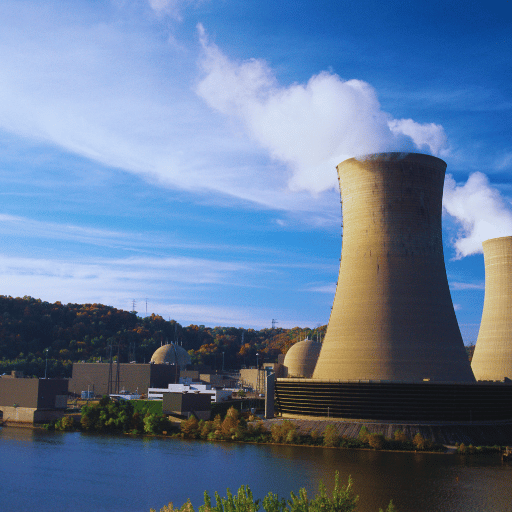
Água de arrefecimento de central termoelétrica
Circulação de água do mar para arrefecimento do condensador numa central termoelétrica costeira. Seis unidades de coluna vertical BBP-800-MFH fornecem 66 000 m³/h no total. Impulsor e coluna em Duplex 2205; vedação do veio classificada para cloretos; intervalo de serviço de 8 anos obtido sem revisão geral importante na unidade principal, segundo relatório do cliente.
Referência energética
Pegada energética e enquadramento para o dimensionamento adequado
As bombas sobredimensionadas ou a funcionar fora do BEP representam o maior custo oculto na bombagem industrial, e cada hora fora das condições de projeto tende a aumentar o desgaste dos empanques mecânicos, rolamentos e componentes do veio. Uma bomba de fluxo misto corretamente dimensionada, a funcionar dentro de ±15% do seu BEP, reduz tipicamente o consumo anual de energia em 20–40% em comparação com uma bomba centrífuga genérica sobredimensionada para o mesmo serviço.
1.3M
referência de kWh/year — bomba de rega de 400 HP (referência CA)
20–40%
redução de energia típica com uma bomba corretamente dimensionada
< 2 anos
retorno típico que inclui poupança de energia e redução do desgaste
Envie o seu caudal, altura manométrica e horas de funcionamento — estimamos o custo anual de energia e a gama de CAPEX numa única resposta.
Obtenha uma proposta para o ponto de funcionamento →Certificações, normas e estrutura de qualidade de fabrico
O número do seu certificado é a forma como todos ultrapassam o primeiro obstáculo no aprovisionamento internacional. Cada encomenda recebida pode ser aqui cruzada com a ordem de compra. Não expedimos relatórios de ensaio com três semanas de atraso, tal como não fazemos com qualquer outro documento quando a bomba está pronta para sair do nosso banco de ensaio.
ISO 9001:2015
Sistema de gestão da qualidade
ISO 9906:2012
Aceitação hidráulica — Classe 2B por defeito
CE (MD 2006/42/EC)
Conformidade com a Diretiva Máquinas da UE
GB/T 3216-2016
Ensaio de aceitação de bombas rotodinâmicas
ANSI/HI 14.3
Referência de projeto e aplicação
ISO 13709 (API 610)
Opção de conformidade para bombas de processo
Processo de fabrico e ensaios
A nossa linha de produção executa oito etapas sequenciais numa única instalação: fundição em areia de resina → tratamento térmico de normalização → maquinagem CNC → inspeção dimensional → equilibragem do impulsor (classe ISO 21940-11 G6.3) → montagem → revestimento (primário rico em zinco + acabamento de poliuretano) → ensaio de desempenho hidráulico no nosso banco de ensaio em circuito fechado de 1 500 kW. Cada bomba recebe um ensaio de fábrica assinado segundo ISO 9906:2012 4.2, estando disponíveis ensaios testemunhados quando exigidos pela sua especificação.
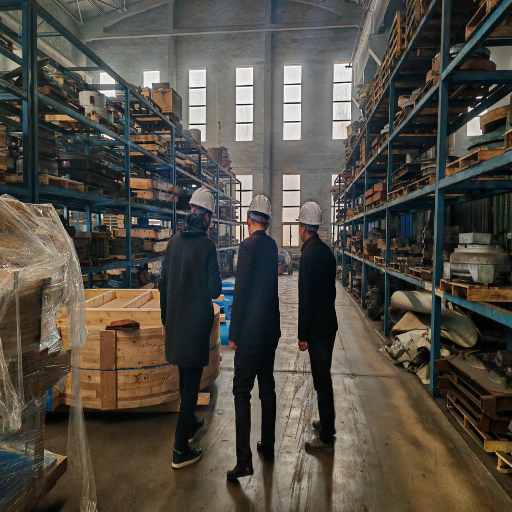
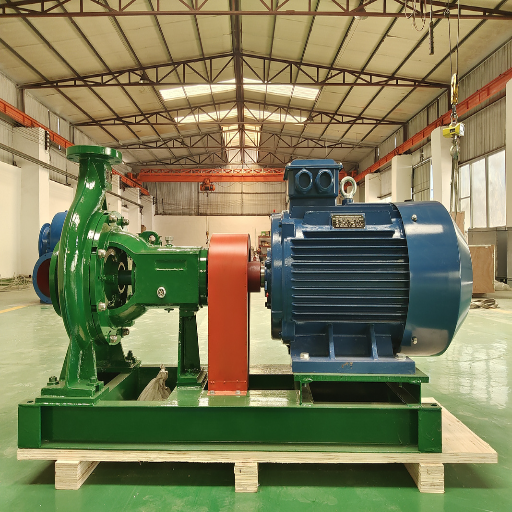
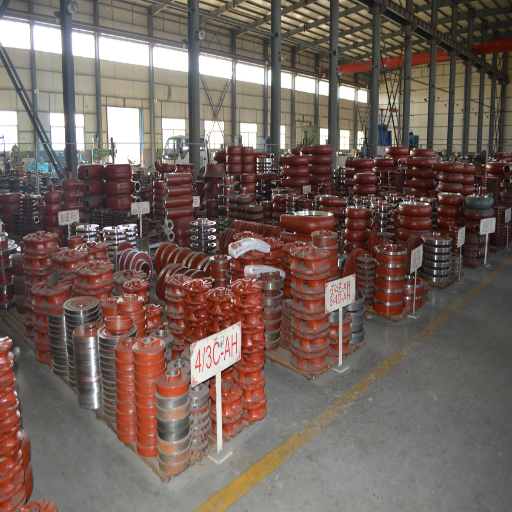
Instalação avançada de fabrico de peças sobresselentes para bombas de lamas





Guia de aprovisionamento — escalões de preço, prazos de entrega, expedição e garantia
Revelamos a estrutura de preços que a maioria dos concorrentes oculta. Os preços exatos variam consoante a configuração (material do impulsor, tipo de empanque mecânico, tensão do motor, nível de certificação) e a quantidade encomendada, mas as gamas indicativas abaixo apresentam preços CFR Tianjin reais de encomendas fornecidas no último ano.
| Escalão de capacidade | Gama de motores | FOB Tianjin indicativo (USD) | Prazo de entrega normal |
|---|---|---|---|
| DN 150 – 300 | 11 – 132 kW | $8,500 – $34,000 | 6 – 8 semanas (2 – 3 semanas em dimensões de stock) |
| DN 400 – 600 | 110 – 700 kW | $28,000 – $92,000 | 8 – 12 semanas |
| DN 700 – 800 | 450 – 1 600 kW | $78,000 – $210,000 | 10 – 14 semanas |
Desconto por volume: encomendas de 3 ou mais bombas idênticas beneficiam tipicamente de um desconto por escalão de 5-8%. A modificação OEM (redução diferencial do diâmetro do impulsor, materiais alternativos, montagens dedicadas na carcaça) prolonga o prazo de entrega em 2-4 semanas. A expedição para exportação é coordenada pela nossa equipa logística dedicada – são suportados termos CFR, CIF e DDP para portos de águas profundas; a nossa rede global de parceiros logísticos pode instalar em locais remotos no MENA, SE Asia e W. Africa.
Pagamento e garantia
Condições
T/T 30% adiantado + 70% contra B/L; L/C irrevogável à vista; D/P disponível para clientes de longa data.
Garantia
Um ano desde o comissionamento ou 2 000 horas de funcionamento (o que ocorrer primeiro) para a bomba completa; peças de substituição contínua, três anos desde a expedição.
Oferta de peças sobresselentes
Componentes de desgaste comuns (rolamentos, empanques mecânicos, anéis de desgaste do impulsor, camisas de veio) expedidos no prazo de 2 dias após a encomenda a partir do inventário de Pequim. Grandes peças fundidas (corpo da bomba, veios de 100 mm de diâmetro) expedidas no prazo de 10 dias.
Apoio técnico ao cliente
Centro de medição eletrónica 24 horas; comissionamento no local disponível a expensas do cliente.
Ferramentas e calculadoras de engenharia
Calculadora de velocidade específica
Introduza o seu ponto de funcionamento e velocidade de rotação. Devolve a velocidade específica tanto em US (Ns) como em métrica (ns), recomenda o tipo de bomba e associa-o a uma classe de produto BBP. Baseada nas definições ANSI/HI 14.1 e ISO 9906:2012.
Abrir calculadora
Estimador de custo energético da bomba
Estime o consumo e custo anual de eletricidade de uma instalação de bomba de fluxo misto e modele as poupanças que uma bomba BBP corretamente dimensionada normalmente proporciona. Comparado com os dados de 2019 da Revel Energy sobre produtores de pistácio da Califórnia (400 HP × 12 hr/day ≈ 1.3M kWh/year).
Calcular poupanças
Perguntas frequentes sobre bombas de fluxo misto — dimensionamento, funcionamento e aprovisionamento
Em que difere uma bomba de fluxo misto de uma bomba de fluxo axial?
Uma bomba de fluxo misto conduz o fluido tanto radialmente (para fora do veio) como axialmente (na mesma direção do veio). Uma bomba axial de hélice conduz o fluido predominantemente na direção axial e converte quase toda a sua altura manométrica em velocidade, oferecendo uma altura manométrica insignificante. Em resumo: o fluxo misto trabalha com altura manométrica de 3-40 m a caudais elevados; o fluxo axial trabalha com altura manométrica de 1-15 m a caudais elevados. O ponto de transição situa-se em cerca de ns 160 de velocidade específica métrica (8 000 no sistema habitual dos Estados Unidos).
Que gama de caudal e altura manométrica pode suportar uma bomba de fluxo misto BBP?
A nossa série normal abrange 100 a 11 200 L/s (360 a 40 320 m³/h), com alturas manométricas de 3 a 40 metros. As configurações de tipo elevado aumentam a altura manométrica até 40 m no extremo superior da gama. Se o seu ponto de funcionamento estiver fora destes limites, a nossa equipa de engenharia personaliza normalmente a geometria do impulsor ou as classificações do motor no prazo de 10–14 semanas.
Uma bomba de fluxo misto pode funcionar a seco ou fora das condições de projeto sem cavitar?
O funcionamento a seco danifica os rolamentos e os empanques mecânicos de qualquer bomba centrífuga, incluindo as de fluxo misto, e deve ser evitado. O funcionamento fora das condições de projeto é diferente. As unidades de fluxo misto mantêm uma curva de potência estável, com uma pequena elevação, em toda a gama de funcionamento (ao contrário das bombas axiais, que consomem mais potência a baixo caudal). Se NPSHa exceder NPSHr acrescido da margem ANSI/HI 9.6.1, a bomba funciona sem cavitação numa gama de aproximadamente 50–120% do caudal BEP.
Qual é o ponto de melhor rendimento (BBP) típico de uma bomba de fluxo misto?
As bombas de fluxo misto BBP são ensaiadas com 75–85% de BEP no ponto de funcionamento nominal, medido segundo ISO 9906:2012 Classe 2B. O valor exato depende da dimensão, velocidade e redução do diâmetro do impulsor — as unidades maiores (DN 500 e superiores), com velocidades específicas moderadas, atingem tipicamente o máximo dessa gama, 82–85%, enquanto unidades menores ou de Ns muito elevado ficam na gama de 75–80%. Funcionar dentro de ±15% do caudal BEP é a forma mais eficaz de controlar o custo energético ao longo da vida útil.
Vertical, horizontal ou submersível — que configuração devo escolher?
A horizontal é a opção padrão: menos dispendiosa, mais fácil de manter, requer uma casa de bombas e que o motor se mantenha seco. A vertical em poço húmido minimiza a área necessária para obras civis e mantém o motor acima do nível de inundação – adequada para poços de bombagem profundos e estações de cheias onde a possibilidade de inundação é real. A coluna submersível coloca tanto o motor como a bomba sob o líquido: adequada para águas residuais e lamas ativadas, onde não é viável um poço seco. Envie-nos as dimensões do seu poço de bombagem/poço húmido e daremos a recomendação numa única resposta.
Que certificações acompanham de série as bombas de fluxo misto BBP?
Cada unidade é expedida com certificação de produção ISO 9001:2015, relatório de ensaio hidráulico ISO 9906:2012 Classe 2B (Classe 1B disponível mediante pedido), Conformidade CE segundo a Diretiva Máquinas da UE 2006/42/EC e conformidade de ensaio GB/T 3216-2016. Os certificados de materiais (EN 10204 3.1) estão incluídos sem custo adicional. A conformidade API 610 / ISO 13709 está disponível como atualização paga para serviço de petróleo e gás.
Qual é o prazo de entrega e o período de garantia típicos?
Dimensões DN 150-300 em stock em 2-3 semanas; caso contrário, 6-8 semanas. DN 400-600 em 8-12 semanas. DN 700-800 em 10-14 semanas. As personalizações OEM acrescentam 2-4 semanas. Aplica-se à bomba uma garantia de 12 meses ou 2 000 horas de funcionamento, consoante o que ocorrer primeiro; 24 meses para as peças adquiridas após a entrega. O nosso SLA de peças sobresselentes é de 48 horas até à expedição.
A BBP pode realizar personalização OEM ou produção de marca branca?
Sim. A capacidade da nossa fundição e de conceção de moldes para bombas é a razão pela qual muitos distribuidores internacionais compram à BBP. Modificamos o diâmetro do impulsor e a posição das pás segundo a sua curva de funcionamento, adequamos os materiais ao seu fluido (incluindo variantes de aço inoxidável duplex e Ni-Resist) e produzimos a etiqueta da sua marca e o estilo da documentação. Os prazos OEM típicos são de 10-14 semanas desde a RFQ assinada até F.O.B.
Preciso de seguir HI 9.8 no projeto do poço de aspiração com estas bombas?
Vivamamente recomendado. A causa mais comum de falha prematura das bombas no terreno é a geometria do poço de bombagem — submersão insuficiente da boca de sino, escoamento de aproximação inadequado ou interferência de bombas adjacentes. ANSI/HI 9.8 Rotodynamic Pumps for Pump Intake Design abrange as regras geométricas. Analisamos o desenho do seu poço de bombagem segundo HI 9.8 como serviço gratuito antes da adjudicação. Desenhos de poços de bombagem analisados: concluímos 40+ análises antes da adjudicação no último ano.
Em destaque