Entre em Contato com a BBP

Bombas de estação elevatória de esgoto comercial e estações elevatórias de esgoto embaladas
Bombas elevatórias de esgoto com certificação ISO 9001 para projetos municipais, industriais e de desenvolvedores (motorizado para conformidade com os padrões de 10 estados), enviadas em 4 a 6 semanas e apoiadas por suporte técnico 24 horas por dia, 7 dias por semana, em 11 países.
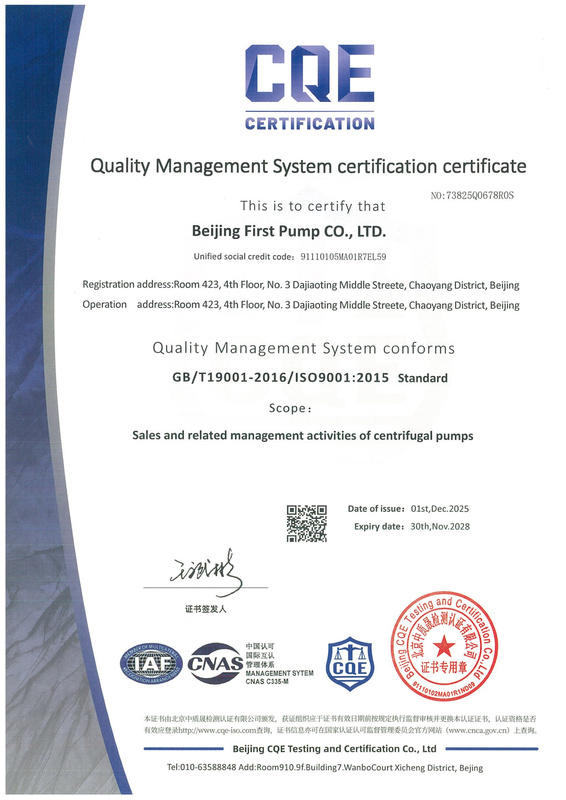
ISO 9001: 2015
Marcado CE
Componentes NSF 61
10 estados em conformidade com o padrão
Backups de águas residuais não começam nos tubos (The Pipes) Eles começam na estação elevatória
As bombas de elevação de esgoto comercial são o único ponto de falha em todo sistema de coleta de baixa gravidade Quando falham a economia é brutalmente clara O Escritório de Água da EPA é claro: “muitos SSOs evitáveis são causados por operação ou manutenção inadequada ou inadequada, capacidade inadequada do sistema e design inadequado do sistema.” No projeto fala que significa que a seleção errada da bomba, o dimensionamento errado do poço úmido ou o fornecedor errado atrás de uma estação é um incidente de saúde pública esperando para acontecer e um item de linha no relatório de um inspetor de conformidade.
Uma estação elevatória de esgoto é simplesmente uma câmara de bomba que move esgoto bruto e águas residuais de uma elevação mais baixa para uma estação de esgoto ou tratamento por gravidade quando o terreno, a profundidade do edifício ou a distância impedem o fluxo natural O que parece ser uma simples decisão de utilidade são, na verdade, quatro decisões: qual configuração da bomba, qual geometria do poço úmido, qual lógica de controle e qual fornecedor ainda atenderá o telefone no sétimo ano.
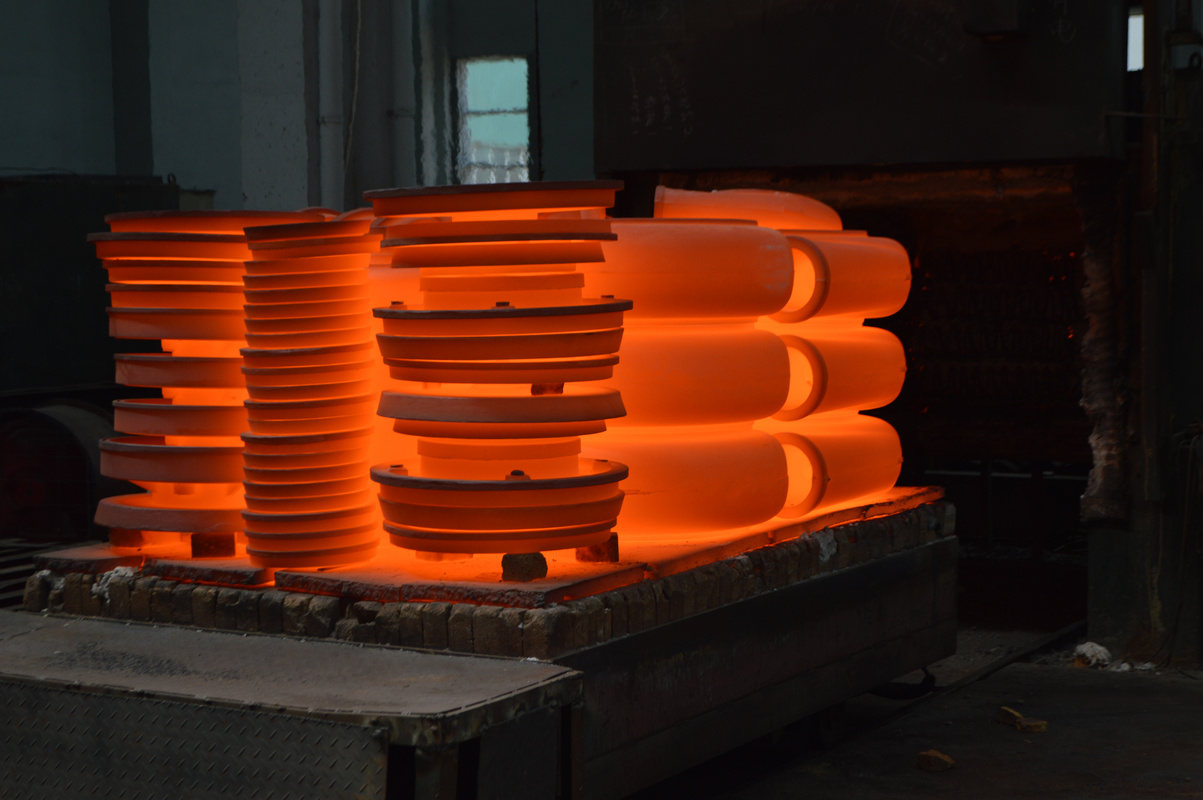
Beibangp faz cada estação de elevador de esgoto comercial para uma premissa simples: suas especificações sobrevivem à realidade de contato Nossa integração vertical revestimento-casa de fundição, tratamento térmico, montagem, e testes hidráulicos de hidráulica possui todos os passos que importam para 20 anos de vida útil, desde a composição de liga de um impulsor para a especificação de torque em uma caixa de vedação Cada estação deixa nossa loja testada contra a curva de fluxo de cabeça escrita em sua placa de identificação.
Dor
A falha da estação elevatória de esgoto bruto nas ruas e os derramamentos de solo são medidos em anos, e não em horas.
Causa Raiz
Capacidade subdimensionada, design fraco sem entupimento ou corrosão acionada por H2 S de componentes fundidos acelera a falha da bomba.
Nossa Solução
Eixos inoxidáveis superdimensionados 316, passagem de sólidos de 3 polegadas, redundância duplex de acordo com o padrão de 10 estados e revestimentos de estator classificados para exposição a H2 S.
Prova
Projeto verificado em relação aos Padrões de 10 Estados, Capítulo 40 (tempo de enchimento de poço úmido ≤30 min; pico de fluxo com maior unidade offline).
Pepitas de dor que ouvimos de engenheiros e operadores
Danos de curto ciclo causados por poços úmidos subdimensionados
As bombas de ciclismo a cada 90 segundos queimam motores e acionam flutuadores de alto nível em menos de três anos.
Corrosão acionada por H2S
As orientações de manutenção da estação elevatória da EPA observam que o acúmulo de ar permite que as bombas funcionem por mais tempo e o H2 S reduz o pH da força principal, atacando o concreto e o ferro dúctil por dentro.
Rag e limpar cordas
Os produtos de consumo “flushable” são tudo menos Eles trançam através de impulsores não construídos para o propósito e trazem uma estação para baixo horas.
Silêncio após o PO.
As equipes de compras aprenderam da maneira mais difícil que os fornecedores aprendem quando uma bomba precisa de uma junta 6 no futuro.
Linha de produtos da estação elevatória de esgoto de Beibangpu
Quatro configurações cobrem cada escala do projeto, desde um poço ejetor de edifício único até uma estação municipal embalada de 10.000 habitantes. Cada bomba de estação elevatória de esgoto de Beibangpu usa impulsores sem entupimento projetados para passar sólidos de 3″, conforme especificado nos Padrões de 10 Estados para manuseio de sólidos; cada estação construída para serviço municipal ou comercial vem pré-equipada com conjuntos de bombas duplex ou triplex para que atenda ao fluxo horário de pico “ com o maior requisito de unidade fora de serviço definido nas Normas de 10 Estados, Capítulo 40.
Residencial & comercial leve
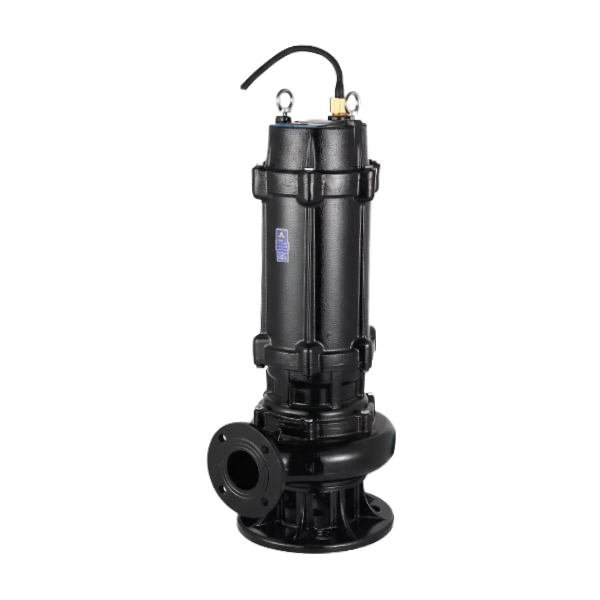
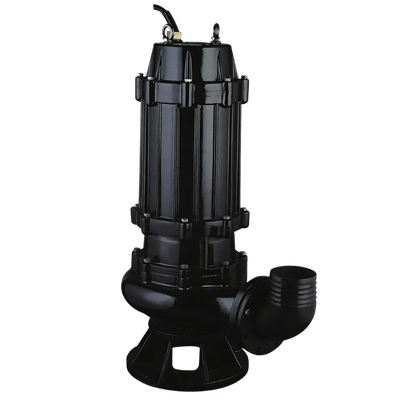
Estação Elevador Submersível Simplex
Estação de bomba única econômica para um sistema ejetor de edifício único, poços de elevação do porão e pequenos desenvolvimentos comerciais Instalado em uma bomba submersível de ferro fundido, dentro de uma bacia de polietileno ou fibra de vidro.
Fluxo50 GPM
TDHAté 80 pés
Poder0,5 2 HP, 1 fase ou 3 fases
BaciaHDPE ou fibra de vidro 24″36″ dia.
Padrão comercial e municipal
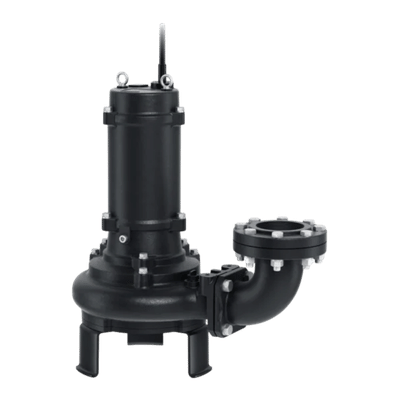
Estação Elevador Submersível Duplex
O cavalo de trabalho da coleção de dois bombas submersíveis alternadas em sistemas ferroviários, com um painel de controle alternado de esgoto comercial compartilha tempo de execução para economia de custos e fornece backup.
Fluxo200 mil GPM
TDHAté 180 pés
Poder3 40 HP, 3 fases
BaciaFibra de vidro 22-mil carvão-alcatrão-epoxi aço, 48″ ou 3″ dia.
Alto fluxo municipal e industrial
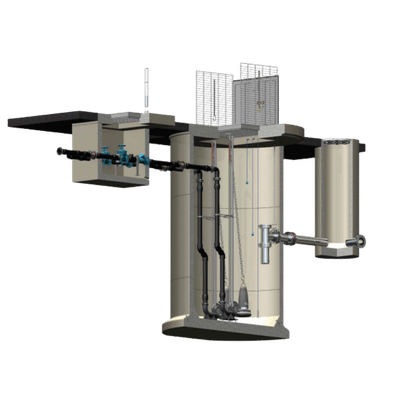
Estação de elevação embalada Triplex
Sistemas de três bombas para os distritos municipais, parques industriais e qualquer outro projeto onde uma segunda bomba off-line não possa ser um risco operacional Uma pista, um atraso e um stand-by.
Fluxo2.000 GPM
TDHAté 330 pés
Poder40 150 HP, 3 fases, pronto para VFD
ControlesPLC, SCADA-pronto, nível-transdutor primário + flutuador backup
Projetos de implantação rápida
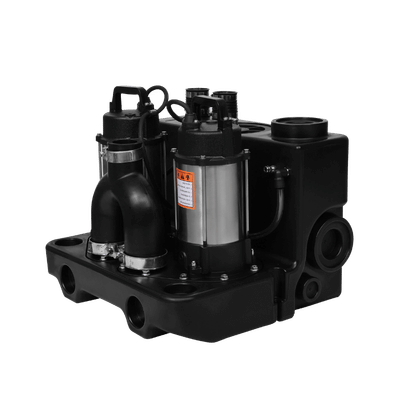
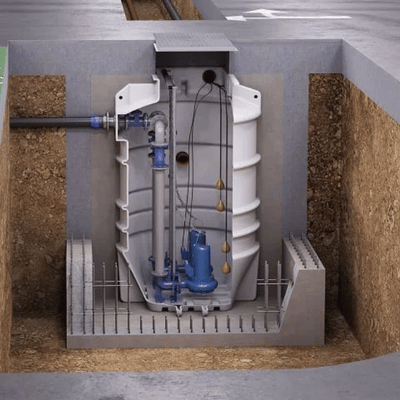
Estação Elevatória de Esgoto Embalado Pré-fabricado
Totalmente montado e testado na fábrica e enviado como um único patim Em questão de horas, as equipes do local juntam o tubo de sucção, o tubo de descarga e a conexão elétrica em vez de semanas Capaz de configurações simplex, duplex ou triplex.
ConfiguraçõesSimplex /Duplex /Triplex
BaciaFibra de vidro 24″ ou aço 20″ dia., até 40 pés de profundidade
Teste de fábricaCurva hidráulica + elétrica + controles
Instalação1 3 dias no local
Especificações principais (todas as compilações)
| Componente | Especificação | Por que isso importa |
|---|---|---|
| Eixo bomba | 304 ou 316 de aço inoxidável, diâmetro sobredimensionado | Elimina o rust-through, o modo de falha submersível mais comum |
| Impulsor | Ferro fundido dúctil, semiaberto ou vórtice semicontrago; Passagem de sólidos de 3 polegadas | Atende ao padrão de 10 estados para manuseio de sólidos; resiste a trapos e produtos niveláveis |
| Selo mecânico | Carboneto de silício duplo com câmara cheia de óleo | A falha da vedação é o modo de falha da bomba submersível #2; SiC duplica MTBF |
| Motor | Isolamento classe H, sobrecarga térmica, sensor de umidade | Três camadas de proteção contra inundações de poços úmidos no motor |
| Painel controle | opção UL 508 A, gabinete NEMA 3 R/4 X, alternador + monitor de fase | Equaliza o tempo de execução da bomba; tropeça antes do dano da tensão |
| Controle de nível | Transdutor submersível (primário) + flutuadores mecânicos (redundante) | Orientação da EPA: a detecção redundante evita transbordamento quando falha |
Matriz de Decisão Qual configuração se adapta ao seu projeto?
| Se o seu projeto... | Escolher | Equivalente populacional típico |
|---|---|---|
| Único edifício, 110 luminárias, elevador pit sob 12 ft | Estação Simplex HDPE | <50 PE |
| Pequeno edifício comercial, strip retail, restaurante 15 k gpd | Estação Simplex de Fibra de Vidro, 0.52 HP | 50 (200 PE) |
| Campus comercial, ala comercial, escola 5 0 k gpd | Estação Elevador Submersível Duplex | 200 (2.000 PE) |
| Distrito municipal, parque industrial, distrito do esgoto, > 50 k gpd | Estação de elevação embalada Triplex | 2.000 10.000 PE+ |
| Zona de inundação, clima gelado ou nenhum espaço subterrâneo | Estação pré-fabricada acima do solo | Qualquer escala |
Estação elevatória vs. Estação elevatória convencional Custo total de propriedade
O custo de capital é o ponto de dados menos significativo na análise da sua estação elevatória. O que realmente importa são as forças de trabalho submersíveis de energia, manutenção, substituição de bombas e abaixo do nível que compõem um orçamento operacional de 20 anos. É universalmente acordado na indústria que a diferença de custo total entre uma estação inteligente e devidamente projetada versus uma estação menor é de aproximadamente 2 em 10 anos, dos quais estão escondidos em itens de linha raramente vistos no pacote de licitação.
| Linha de custo (estação duplex de 10 anos e 500 GPM, típica) | Importação Barata (est.) | Duplex Beibangpu | Estação acima do solo fabricada nos EUA |
|---|---|---|---|
| Estação inicial + conjunto de bombas (FOB) | $4 7 k | $8 14 k | $45 90 k |
| Substituições de bombas (10 anos, média) | 3 4 substituições completas | 0 1 substituição | 0 1 substituição |
| Prêmio de mão de obra em espaço confinado | Regime completo da OSHA | Regime completo da OSHA | Não obrigatório |
| Eficiência energética (wire-to-water) | 50 – 62% | 68 – 74% | 72 – 78% |
| Disponibilidade de peças de reposição | Imprevisível | Vida útil via estoque Beibangpu | Preço premium, lead de 4 semanas |
| Garantia | 6 12 meses | 24 meses + peças sobresselentes da vida | 12 24 meses |
TCO Framework (benchmark da indústria; estação duplex de 500 GPM, horizonte de 10 anos)
Os dados de custos operacionais divulgados por uma concessionária municipal dos EUA exigem que os custos totais contínuos sejam cerca de 50% mais altos para problemas que poderiam ter sido resolvidos com uma estação bem especificada em comparação com uma estação barata. A maioria dessa variação foi contabilizada pela mão de obra da operadora e pelas trocas de bombas Os preços das estações de Beibangp ficam no meio daquela linha de swing, com melhor desempenho e maior capital do que as estações acima do solo construídas nos EUA, com o perfil de repetibilidade necessário para oferecer o pacote de menor custo operacional.
0 – 1
Substituições completas da bomba ao longo de 10 anos (duplex Beibangpu típico)
68–74%
Eficiência fio-água (submersível não-entupimento, trifásico)
24 horas
Garantia padrão + compromisso vitalício de peças de reposição
Resultados de engenharia por indústria
As estações elevatórias de esgoto de Beibangp são adquiridas e projetadas por distribuidores e empresas de engenharia em 18 países clientes ativos que cobrem o mundo até 202. O número de aplicações específicas do setor tem pontos em comum, mas o processo de tomada de decisão permanece constante.
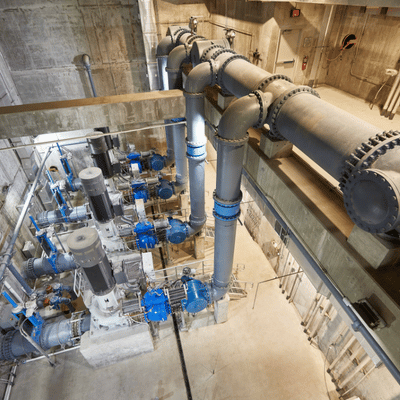
Coleta municipal de esgoto
Sistemas de coleta de pequenas cidades, autoridades distritais de esgoto e fa0] e tratamento de packag0] lities. Típico: estação empacotada triplex, 1.000-5.000 GPM, PLC com tap-in para SCADA, flutuador duplex e redundância de transdutor.
Projeto referência
Triplex de 2.400 GPM para um distrito do Sudeste Asiático que atende 8.500 equivalentes populacionais; comissionado em 2024 com revisão do projeto hidráulico alinhado a 10 estados.
Transferência de águas residuais industriais
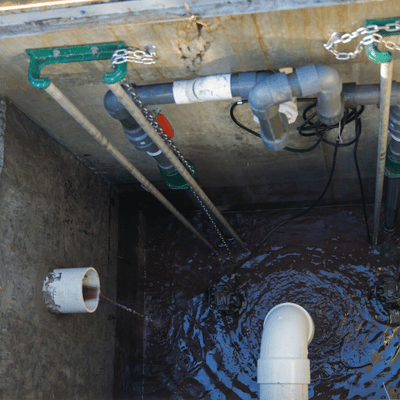
Efluentes industriais: fábricas químicas, celulose e papel, fábricas petroquímicas, de alimentos e bebidas, transferindo águas residuais dentro ou fora do local para tratamento químico Típico: duplex, 316 SS internos para efluentes agressivos, VFD para demanda de fluxo.
Projeto referência
Duplex de 800 GPM para uma planta de bebidas do Oriente Médio, impulsor 316 SS contra efluente CIP de alto pH; instalado via parceiro OEM.
Estações elevatórias de edifícios comerciais
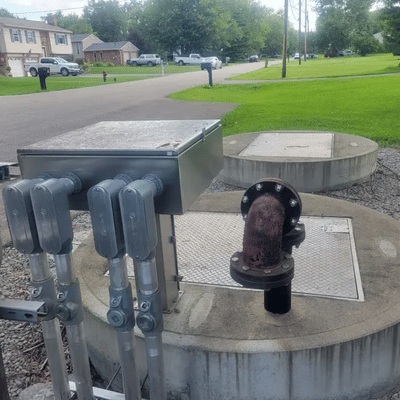
Shopping centers, hospitais, hotéis e porões altos abaixo do esgoto gravitacional municipal Típico: submersível duplex, bacia de fibra de vidro, painel de controle automático do alternador, alarme de alto nível com notificação de alarme remoto.
Projeto referência
Duplex de 500 GPM servindo um empreendimento europeu de uso misto; Poço úmido de 26 pés; instalado em conjunto com um empreiteiro regional de encanamento.
Promotor imobiliário e desenvolvimento de terras
Subdivisões, desenvolvimentos do campus e garagens de estacionamento abaixo do nível Típico: skid simplex ou duplex, pré-fabricado projetado para implantação rápida no local, rotulagem OEM da marca do desenvolvedor, quando necessário.
Projeto referência
18 unidades Simplex enviadas para um desenvolvedor latino-americano sob programa de marca própria; Janela de entrega de 6 semanas incluindo marca OEM e pacote de envio completo.
“Especificamos estações sabendo que cada minuto de inatividade no ano 7 custa ao proprietário muito mais do que cada dólar economizado na aquisição. É por isso que nossos eixos de bomba submersíveis são superdimensionados em aço inoxidável 316 e nossos impulsores sem entupimento são fundidos, não fabricados. As peças que você não pode ver do lado de fora são as peças que acabam ditando uma corrida de 20 anos.”
Pilha de Certificações e Conformidade
Cada estação elevatória de esgoto comercial de Beibangpu é projetada para atender ou exceder os critérios de projeto que seu engenheiro revisor já está verificando. Os Padrões dos 10 Estados (Edição 2014) continuam sendo a estrutura de fato em 10 estados dos EUA e Ontário; nossas estações atendem às suas regras hidráulicas, de redundância e de medição de vazão por padrão.
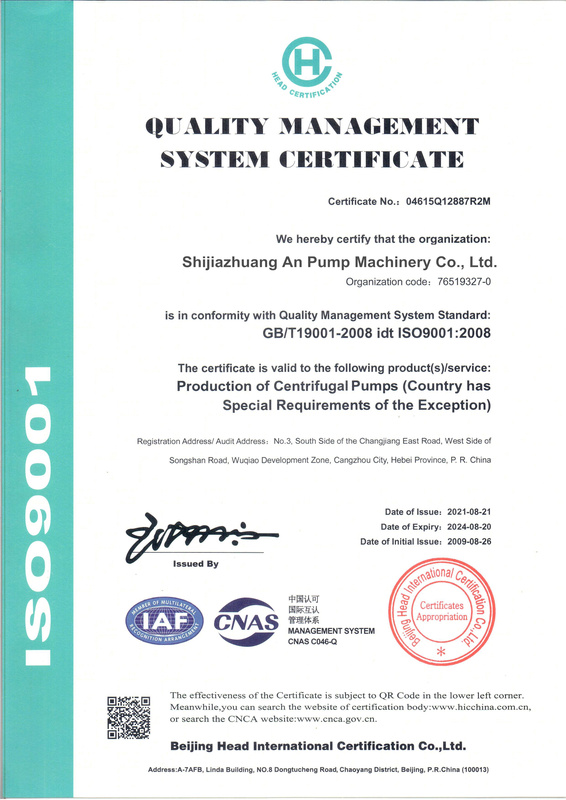
ISO 9001: 2015
Sistema de gestão da qualidade, auditado anualmente
Marcação CE
Diretiva de Máquinas 2006/42/CE, LVD 2014/35/UE, EMC 2014/30/UE
Componentes NSF 61
Materiais molhados certificados para serviço público de águas residuais quando necessário
10 Estados Std.
Projeto alinhado com os Padrões Recomendados para Instalações de Águas Residuais, Capítulo 40
IECEx /ATEX (opcional)
Opções motoras de áreas perigosas para petroquímica e serviço de risco de gás
Rastreabilidade Fundição
Certificados de materiais 3.1 (EN 10204) em ferro fundido e componentes inoxidáveis
Critérios de design que verificamos antes de sua estação sair da loja
- As estações de capacidade de bomba (alça) lidam com o maior fluxo horário de pico com a maior unidade de bombeamento fora de serviço (de acordo com os padrões de 10 estados, redundância).
- Tempo de enchimento do poço molhado 30 minutos no fluxo médio; inclinação do assoalho 1:1 ao funil para impedir a estratificação dos sólidos.
- Força velocidade principal mantida entre 2 e 8 pés/s na taxa de bombeamento projetada, evitando danos tanto de assentamento quanto de válvula de retenção.
- Medição de vazão integrada para estações com vazão máxima projetada de 1.200 GPM (75 L/s), conforme Capítulo 40.
- O perfil hidráulico fornecido com cada cotação inclui verificação de Manning e Hazen-Williams para tributário de gravidade e força principal, respectivamente.
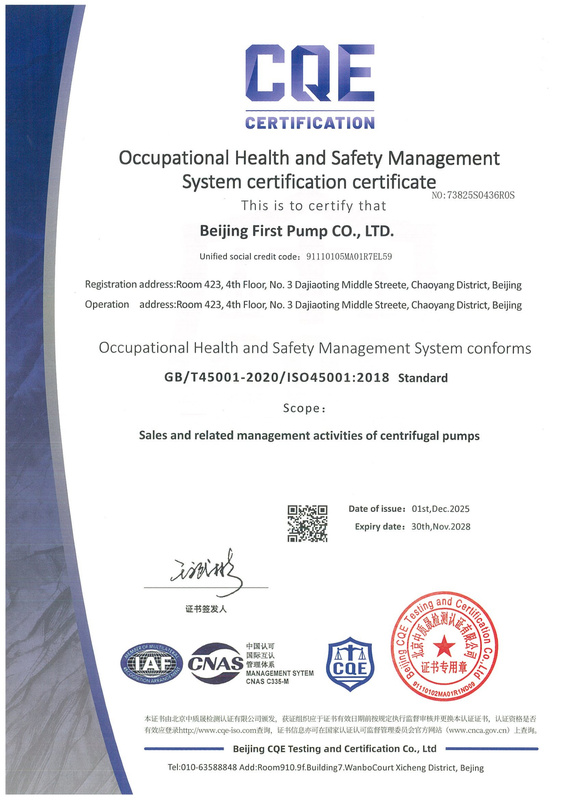
Qualificações e certificados da empresa



Programa de Parceria OEM e Distribuidor
A produção liderada por engenharia da Beibangp nos dá algo que a maioria dos fornecedores de estações de esgoto comerciais não pode 't lift' a capacidade de colocar seu nome, sua folha de especificações e seu acabamento em uma estação que deixa nossa loja testada à sua curva Enviamos para distribuidores, proprietários de marcas e empreiteiros EPC em 11 países a partir de 2025. .
Fabricação de marca própria
Sua identidade de marca na placa de identificação, painel de controle e arquivos de envio Sem logotipo Beibangpu, a menos que você queira.
Personalização engenharia
Design de moldes e capacidade de fundição no local: fazemos ferramentas para impulsores personalizados, volutas e geometrias de bacias quando as opções de estoque não cabem.
Preços de nível de distribuidor
Escada de volume com compromissos anuais; alocação de prioridades durante as épocas de pico.
Compartilhamento técnico de documentos
Pacotes de envio completos, CAD, manuais de instalação e materiais de treinamento em sua marca.
Prazos de entrega garantidos por estoque
Modelos padrão despachados do estoque; as unidades personalizadas-configuradas entregaram 301TP3 T mais rápido do que a norma da indústria para o trabalho do OEM.
Suporte de vendas e especificações
Acesso de chamadas de engenharia pré-venda para seus gerentes de projeto; visitas conjuntas de clientes onde faz sentido.
Integração OEM em três etapas
01
Chamada de ajuste comercial e de produto
Uma revisão de 45 minutos das especificações do seu produto, mercados-alvo e perfil de volume.
02
Amostra mais prova de marca
Uma estação piloto com sua marca, certificado de teste completo, enviado a preço de custo.
03
Acordo de ordem de rolamento
Compromisso anual de volume em troca de preços escalonados e slots de produção reservados.
Referência de dimensionamento de estação elevatória de esgoto
A engenharia mais comum que se depara é adequadamente dimensionar um poço úmido para picos altamente variáveis - mínimo de fluxos dor de cabeça e isso é um erro que quase todo comprador comete por conta própria! tanques de tamanho grande estratificam sólidos e criam odores; tanques de tamanho inferior causam bombas de ciclo curto e queimam motores A regra abaixo, baseada no Capítulo 40 das Normas de 10 Estados, é idêntica àquelas aplicadas por nossa equipe de engenharia de aplicações nas especificações da estação de engenharia de consultoria.
Tabela A Pico de fluxo recomendado por população
| Equivalente populacional (PE) | Média. fluxo diário | Fluxo horário de pico (base de projeto) | Estação típica |
|---|---|---|---|
| <50 PE | <5.000 GPD | 15 30 GPM | Simplex, 1 HP |
| 50 (200 PE) | 5.000 GPD | 30 90 GPM | Simplex ou 1 Duplex, 1 HP Dup3 |
| 200 (2.000 PE) | 20.000 200.00 GPD | 90 GPM | Duplex, 30 HP |
| 2.000 toneladas de PE 10.000 | 0,2 MGD | 700 mil toneladas 3.500 GPM | Triplex, 300 HP |
| > 10.000 PE | > 1,0 MGD | 3.500 GPM+ | Triplex + embalado, 100 HP+ |
Fatores de pico máximo baseados em 10 Padrões de Estados; assume fluxo normal de 100 gpcd + fator de pico de 3,5-4,5 (pop varia).Confirme ao código local.
Tabela B (Cálculo do tempo de preenchimento do poço)
Com base nos Padrões de 10 Estados, o tempo máximo de enchimento do poço úmido com base no fluxo médio de 160 GPM é de 30 minutos Para uma estação duplex de 500 GPM, o volume mínimo de trabalho entre os níveis de partida/parada é
Vtrabalhando = (Qbomba /4) × tciclo onde tciclo ≥ 10 min recomendado
Vtrabalhando = (500 /4) × 10 = 1.250 galões (mínimo)
Diâmetro do poço molhado para volume de trabalho de 1.250 gal no diferencial de profundidade de 3 pés:
A = V/D = 1.250 (7,48) (3 = 55,8 pés²) → d&aprox; 8 pés 6 na bacia
Preencha a verificação do tempo em Qavg = 160 GPM: 1.250 (160 e aproximadamente; 7,8 min em fluxo médio & verificar; (bem abaixo do limite de 30 minutos)
Tabela C Perda de cabeça principal (Hazen-Williams)
Para vazão de 500 GPM (ou 1,11 cfs) até a força principal de ferro dúctil de 6 polegadas (comprimento de 2.000 pés em C 120):
hf = (10,67 · L · Q1.852) /(C1.852 · D4.87)
hf = (10,67×2.000×1,111.852) / (1201.852 × 0,54.87)
hf &aprox; 22 pés (cabeça de fricção)
Adicionar cabeça estática (por exemplo, elevação de 35 pés) → TDH &aprox; 57 ft → selecione o ponto de operação da bomba em 500 GPM/57 pés
Especifique a lista de verificação do que nos enviar para um orçamento
- Fluxo horário médio e de pico (GPM ou GPD)
- Cabeça estática entre o nível de água do poço úmido e a descarga principal da força (ft)
- Forçar o comprimento principal, diâmetro, material e idade (se retrofit)
- Altura do poço molhado disponível (determina se simplex /duplex /triplex faz sentido)
- Serviço elétrico disponível (fase, tensão, capacidade existente do painel)
- Requisitos de controle (PLC, SCADA, notificação remota, alarme por SMS)
- Classificação de áreas perigosas, se houver (Classe I Div 1/2, IECEx, ATEX)
- Faixa de orçamento alvo + requisitos de marca OEM (se aplicável)
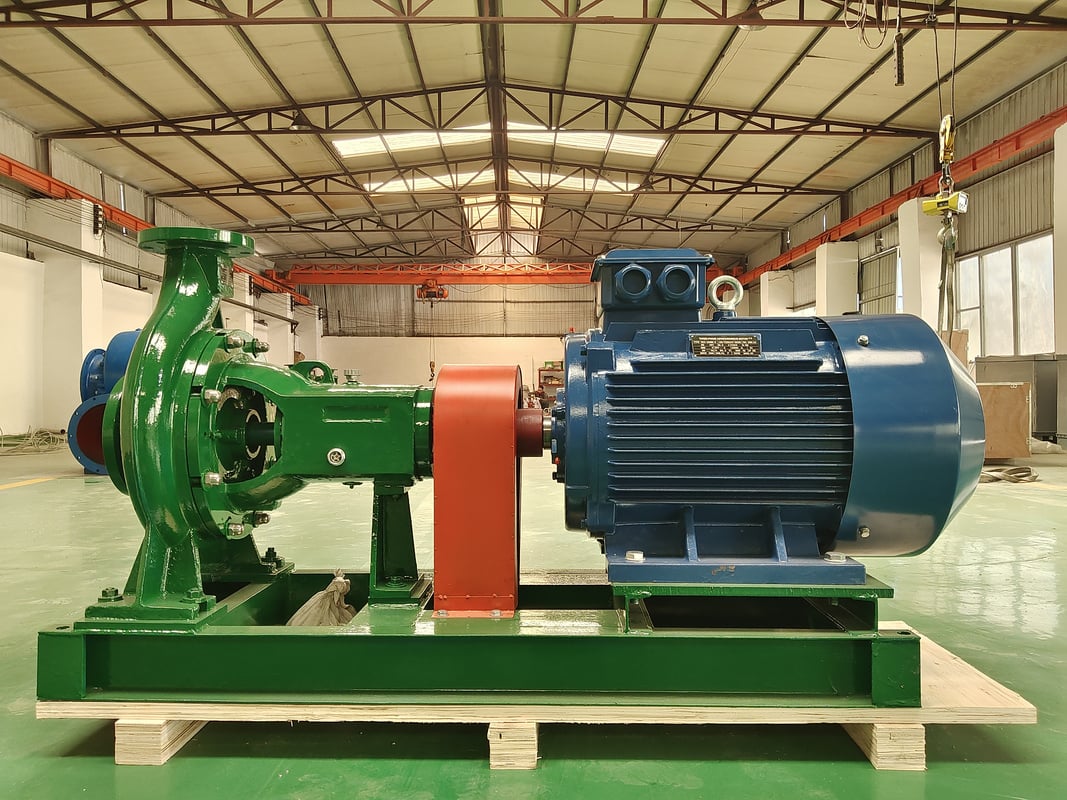
Poder de fabricação e alcance global
Infraestrutura Fábrica





Exposições Internacionais


Guia de compras, preços e prazo de entrega
A maioria dos sites de estações elevatórias de esgoto silenciam quanto ao preço. Não. Os números abaixo são faixas indicativas do USD FOB China para bombas de estação elevatória de esgoto comercial Beibangpu configuradas padrão e sistemas embalados; as cotações exatas se ajustam para atualização de materiais, complexidade do painel de controle, profundidade da bacia e marca OEM. Onde uma configuração é totalmente projetada sob encomenda, dizemos isso.
Submersível Simplex
1TP4,400 2.400 $5,800
USD FOB China Típico 50. 200 GPM, bacia HDPE/FG, 1 fase ou 3 fases.
Submersível Duplex
1TP4,500 (T$1,000)
2000 GPM, 000 G, painel alternado, fibra de vidro ou bacia de aço revestida.
Triplex Embalado
1TP4.000T14.000T4T48.000
2.000 GPM, controles PLC prontos para SCADA; dependente da configuração.
Completo personalizado/acima do solo
Solicitar Orçamento
Estações embaladas acima do solo e geometrias totalmente personalizadas; preços projetados sob encomenda.
Escada de prazo de entrega
- Estoque Simplex Compõe Duplex 4 semanas de P.O. para despachar.
- Duplex e Triplex configurados com opções sem estoque 6 semanas.
- Totalmente personalizado, incluindo marca OEM e materiais não padronizados 8 a 10 semanas.
- Frete aéreo em peças sobressalentes críticas 72 horas de envio do nosso inventário de Pequim.
Compromisso pós-venda
- Suporte técnico 24 horas por dia, 7 dias por semana, com nossa equipe de engenharia de plantão para diagnóstico remoto; roteamento equilibrado no fuso horário em Pequim e parceiros regionais.
- Orientação de instalação no local, a complexidade do projeto justifica a implantação de práticas padrão globalmente para instalações triplex inéditas e lançamentos de parceiros OEM.
- Peças sobressalentes vitalícias (principais modelos de bombas) mantidas em estoque permanentemente; impulsores sobressalentes, vedações e conjuntos rotativos despachados no mesmo dia.
- Treinamento de manutenção disponível no local ou via vídeo para parceiros distribuidores.
- Garantia: 24 meses contra defeitos de fabricação a partir da data de envio; conjuntos rotativos de bomba cobertos para material e mão de obra de ponta a ponta.
Ferramentas e calculadoras de engenharia
Acesse nossas matrizes de dimensionamento proprietárias e estimadores de custo do ciclo de vida Configure rapidamente as dimensões dos poços úmidos, calcule a perda dinâmica de carga e preveja orçamentos operacionais de 10 anos com base em parâmetros industriais verificados.
Calculadora Dimensionamento
Determine as dimensões ideais do poço úmido, verifique as taxas de fluxo horárias de pico e calcule a perda de cabeça de atrito usando a equação de Hazen-Williams com base nos Padrões de 10 Estados.
Calculadora Lançamento
Estimador TCO
Preveja seu Custo Total de Propriedade em um horizonte de 10 anos Compare despesas de capital vs custos operacionais, incluindo eficiência energética, manutenção programada e substituições do ciclo de vida da bomba.
Estimador Lançamento
Pronto para especificar sua estação elevatória de esgoto?
Forneça-nos sua geometria do fluxo, da cabeça e do poço molhado Enviaremos de volta uma proposta prescritiva que inclui uma curva hidráulica, diâmetros publicados 10 Estados, indicação do preço, prazo de execução, e pacote do CAD para a revisão dentro de 48 horas.
Perguntas frequentes
Comece com o fluxo horário de pico de projeto e a cabeça dinâmica total O fluxo de pico é derivado pelo equivalente da população da contagem de fixação multiplicada por 10 Estados Padrões fator de pico (comumente 3,5-4,5 em sistemas de coleta modestos) TDH é a soma da elevação estática elevação elevação elevação perda de atrito através da força principal O cálculo aproximado da perda de atrito pode ser feito com a equação de Hazen-Williams. A partir daqui, a potência do cavalo da bomba, o volume do poço úmido e a estratégia de controle seguem Nosso Guia de dimensionamento e especificação (PDF) inclui exemplos trabalhados e uma lista de verificação de especificação.
As faixas indicativas de Beibangpu são Simplex $2,400-$5,800, Duplex $5,500-$18,000 e Triplex $14,000-$48,000 USD FOB China para compilações padrão Estações embaladas totalmente personalizadas acima do solo e geometrias projetadas sob encomenda preço na cotação A maior parte da variação da cotação vem da atualização de materiais (316 inox), complexidade do painel de controle, profundidade da bacia e escopo da marca OEM.
Os dois termos se sobrepõem em comum, mas há uma distinção entre os engenheiros praticantes Uma estação de elevação“ refere-se a estações que movem águas residuais de uso contendo sólidos ”de uma elevação inferior para uma superior, geralmente via bombas submersíveis com impulsores não-clog Uma estação de bomba “” é a categoria mais ampla e pode incluir estações de bombeamento de água que lidam com água potável, não potável ou limpa, onde o manuseio de sólidos não é um driver de projeto As estações de elevação de esgoto comercial são um subconjunto específico de estações de bombeamento com seu próprio código e requisitos de projeto.
Uma estação elevatória de esgoto bem especificada tem uma vida útil projetada de 20 20 anos na bacia e uma vida útil projetada de 20 25 anos na bacia, com conjuntos hidráulicos rotativos de bombas que devem funcionar 8 15 anos antes da grande reforma A expectativa de vida varia acentuadamente com três variáveis: margem de manuseio de sólidos (a passagem superdimensionada ajuda), proteção contra corrosão (316 eixos inoxidáveis e revestimentos de carvão-alcatrão-epóxi prolongam a vida útil) e disciplina de manutenção preventiva As estações municipais que funcionam sem um cronograma de manutenção documentado falham em aproximadamente metade da vida útil projetada.
No mínimo: ISO 9001 sobre o sistema de qualidade de fabricação, marcação CE se destinado ao mercado europeu, NSF 61 em quaisquer componentes molhados, quando exigido pelo código local, e alinhamento de projeto com 10 Estados Padrões (ou padrão regional equivalente) sobre requisitos hidráulicos e redundância Para o serviço de área perigosa, IECEx ou ATEX em motores Beibangpu carrega todos os itens acima como padrão e fornece 3.1 certificados de materiais em componentes fundidos e inoxidáveis.
Sim. Nosso Programa de Parceria OEM & Distribuidor envia estações de elevação de esgoto de marca própria para proprietários e distribuidores de marcas 11 países O escopo inclui placa de identificação privada, painéis de controle de marca, pacotes de submittal de marca e personalização de engenharia, incluindo impulsor personalizado e geometrias de bacia quando o estoque não se encaixa O onboard padrão é um processo de 3 etapas do fit-call ao acordo de ordem de rolamento 45 a 60 dias de ponta a ponta.
Stock Simplex e Duplex constrói despacho dentro de 4 semanas do pedido de compra Duplex e Triplex configurados com opções não-estoque executar 6 semanas Estações personalizadas totalmente (Fullly custom stations) incluindo marca OEM, materiais não-estatuto, ou bacia personalizada bacia executar 8 a 10 semanas Despacho de peças sobressalentes de frete aéreo do inventário de Pequim dentro de 72 horas de um pedido confirmado.
Tendências

![Cavitação em Bombas de Polpa NPSH Solids Onset [Guia de Campo]](https://bbpmfg.com/wp-content/uploads/2026/07/cavitation-in-slurry-pumps-featured-1-150x150.png)