Entre em Contato com a BBP

BBP · Fabricante de bomba ISO 9001
Bombas de transferência química para processamento industrial e químico
Bombas de tambor e AODD, acionamento magnético, centrífugas ANSI de engenharia personalizada, fornecendo fluidos resistentes à corrosão, de alta viscosidade e perigosos Integração vertical de todo o caminho, desde a fundição até o teste de fluxo final de linha (Fluxo) Beijing Beibangp (BBP) para tubulação industrial, distribuidor ou proprietário de marca, projeto de engenharia, offshore e onshore.
Solicitar Cotação Projetada
Tipos de bombas
AODD · Centrífugo de Acionamento Magnético · Centrífugo ANSI · Tambor/Barril
Faixa de fluxo
0,5 a 170 m3/h · 20 a 2.800 lpm · até 750 GPM
Alcance da cabeça
Até 50 metros · Até 7 bar (AODD)
Materiais Molhados
PP · PVDF · PTFE · 316 Aço Inoxidável · Viton · EPDM
Padrões
ISO 9001 · CE · ANSI B73.1 · compatível com ISO 2858
Prazo de entrega
Padrão 2 a 4 semanas · OEM personalizado 6 a 10 semanas · Peças sobressalentes 48 h ex-stock
Manuseio seguro de produtos químicos agressivos e como erramos e como resolvemos isso
Gerente EngineerPlantEm toda a fábrica de produtos químicos no campo, três modos de falha definem o ritmo de inatividade da transferência: ácidos agressivos e cáusticos encontram vazamento de vedação ou desvio de revestimento, enquanto inventários de correspondência incorreta de elastômeros levam à corrosão do material molhado e pontos de operação únicos eliminam a utilização horária. Todos esses modos de falha param com a química da bomba e a decisão de seleção inicial do ciclo de trabalho (não da lógica de seleção do catálogo).
Uma bomba de transferência química“contém o que ela bombeia pacote como um barril bomba com você em mente mas elimina todos os detalhes que podem dar errado Não é o seu homem de aplicação escolhendo um impulsor ou elastômero de tamanho único então por que você deve estar selecionando a compatibilidade química? impulsor e elastômero da bomba, vantagens ou desvantagens do material e curva de cabeça de fluxo para corresponder às suas condições de entrada: as três escolhas falsas (líquido fora do tubo de escape, caindo para uma incompatibilidade manual, aumentando todo o numerador de confiabilidade) do que você deveria ser capaz de tomar a decisão certa agora.
Nossa abordagem é material * drive * (química e temperatura): primeiro selecionamos uma mistura de elastômero, carcaça e impulsor que você pode executar com segurança para o ciclo de trabalho completo que sua planta encontra, então precificamos uma bomba centrífuga ou de membrana Com conchas de contenção razoavelmente resistentes à corrosão (polipropileno, PVDF, revestidas de PTFE, 316 SS), podemos bombear qualquer coisa de ácido sulfúrico 35 1TP3 T e cloreto férrico para decapantes cáusticos ou alimentação de clorito de sódio Usando suas especificações químicas completas, recomendamos então o melhor elastômero para a vida útil do selo.
Precisa verificar os materiais em relação à sua lista de fluidos primeiro?
Você pode verificar todo o nosso gráfico de compatibilidade química (PDF, 18 pgs) para pH 0 14 e mais de 120 fluidos Baixar nosso pH 0 completo 014 Tabela de compatibilidade química, 18 páginas, 120+ fluidos.
série de bombas de transferência química BBP & seleção
Três arquiteturas cobrem quase todos os deveres de transferência de plantas químicas Cada série é o resultado de alfaiataria de engenharia exclusiva de uma a dezenas de lições de química extrema; cada uma sai da fábrica com certificados de materiais rastreáveis e nossos dados de teste de nossa bancada permanente de verificação de projeto.
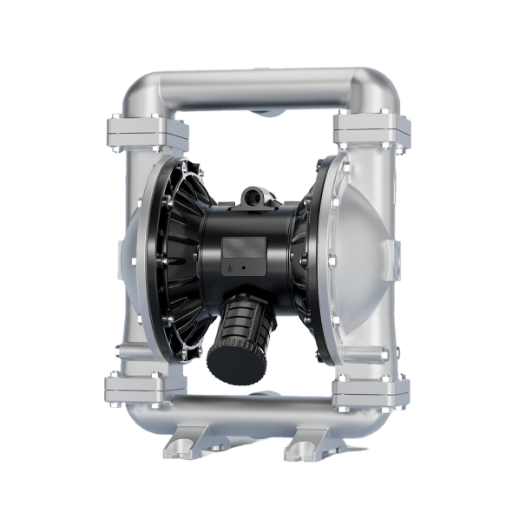
Série AODD
Esta série AODD de impulsor aberto gerencia fluxos agressivos-ácido, solvente e sólidos-líquido com linhas de entrada estáveis ou sugadas a seco Sua topologia sem vedação impede a falha da vedação do eixo.
- Fluxo: 5 a 340 lpm (1-90 GPM)
- Descarga máxima: 7 bar
- Conexões: NPT/flanged/2″ 13″
- Materiais: PP, PVDF, 316L, Alu
- Diafragmas: PTFE, Santoprene, Viton
- ATEX/IECEx: pronto a pedido
Adequado para: descarga de tambor químico, transferência de solvente, aplicativos sensíveis ao cisalhamento.
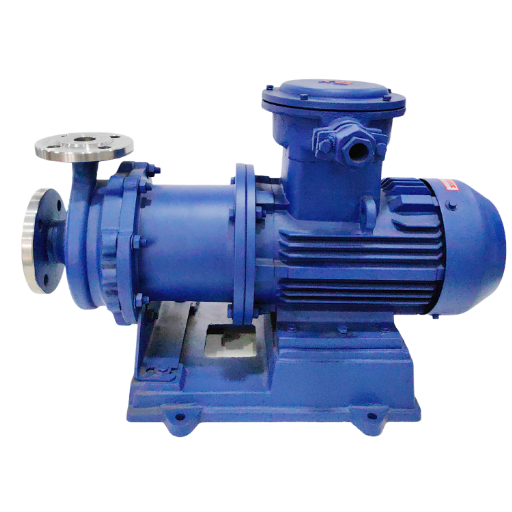
Centrífuga de acionamento magnético
Nossas bombas magnéticas-conduzidas nasceram para o agressivo-rastejamento e o bombeamento cáustico do fluido onde o escapamento é literalmente uma cláusula da terminação Nenhum fator de desgaste mecânico do selo.
- Fluxo: 1 a 35 m3/h
- Cabeça máxima: 25 metros
- Materiais: PP, PVDF, ETFE-revestido
- Bombeamento: 351TP3 T HCl, ácido sulfúrico 98%, NaOH, NaOCl
Melhor para: revestimentos de eletrodos de bateria de lítio, precursores de policarbonato.
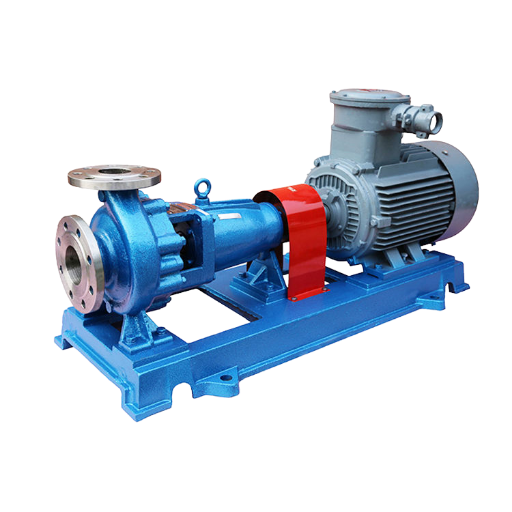
Processo Centrífugo ANSI
Linha centrífuga ANSI de longa duração com fluxos de processo pesados, cabeça alta e geometria portátil Em conformidade com a curva de back-pullout ANSI B73.1 e ISO 2858.
- Fluxo: 10 a 170 m3/h
- Cabeça máxima: 50 metros
- Pegada: ANSI B73.1, ISO 2858
- Materiais: 316SS, liga 20, duplex, forrado
- Construção: Retirada traseira com anéis de desgaste
Ideal para: fabricação química, loops de água e águas residuais.
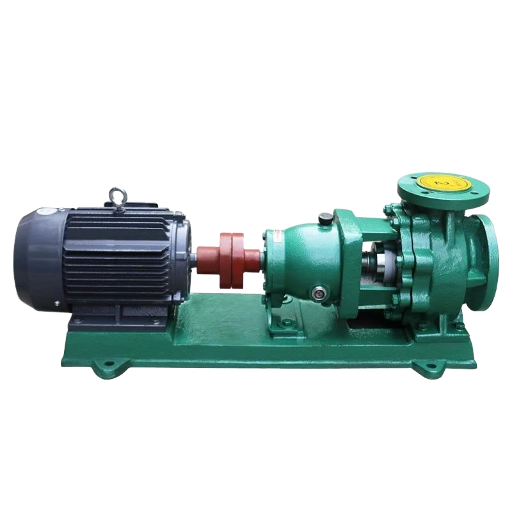
Bombas de tambor e barril
Monta diretamente em tambores de 55 galões, contêineres de 200 L e totes IBC. Os tubos de sucção PP/PVDF atingem profundidades de 600 mm-1200 mm.
- Fluxo: 20 a 80 lpm (5-21 GPM)
- Dirigir: 220 V, 12 V DC, pneumático, alavanca
- Tubo de sucção: PP ou PVDF, 600-1200 mm
- Adapta-se: Tambores de 55 gal, barris de 200L, sacolas IBC
- Selos: Viton ou EPDM
Melhor para: transferência de tambor ácido, distribuição de solvente, dosagem de NaOCl.
Matriz de decisão que combina a bomba com a aplicação
| Critério | AODD | Acionamento Magnético | Centrífuga ANSI | Tambor/Barril |
|---|---|---|---|---|
| Fluxo típico | 5-340 lpm | 1-35m3/h | 10-170m3/h | 20-80 lpm |
| Cabeça máx | Com ar limitado (7 bar) | 25 metros | 50 metros | Profundidade do recipiente |
| Tolerância de sólidos | Até 6 mm | Apenas fluidos limpos | Rastreie sólidos, limpe as pastas | Apenas fluidos limpos |
| Risco de fuga | Nenhum (sem vedação) | Nenhum (sem vedação) | Selo mecânico | Vedação eixo |
| Pode secar? | Sim | Não há casca | Sem selo | Brevemente seco OK |
| Caso de melhor uso | Sucção variável, ATEX | Ácidos agressivos, vazamento zero | Alto fluxo contínuo | Distribuição tambor/tote |
Tipos de bombas de transferência química comparados entre unidade ond vs magnética versus unidade magnética versus peristáltica
Como as plantas ficam segurando bombas que funcionam em fluxo imaculado de folhas de especificações é uma das piadas mais engraçadas da engenharia de processos, porque mostra que as plantas acreditam que operar uma bomba em qualquer lugar próximo às suas verdadeiras condições é algum pedido estranho que só pode ser alcançado com um milagre. Esta tabela, abaixo, aplica a perspectiva do modo de falha a partir de referências técnicas de projeto de máquinas em toda a indústria, de forma eficaz: como cada bomba se degrada quando o sistema para de cooperar, não apenas o desempenho da placa de identificação.
| Dimensão | AODD | Acionamento Magnético | Centrífuga (ANSI) | Peristáltico |
|---|---|---|---|---|
| Viscosidade máxima | 50.000 cP | 500 cP | 2.000 cP /100.000 cP | 100.000 cP |
| Resposta à má sucção | Continua acariciando | Perde prime/ superaquece | Perde prime/ superaquece | Continua bombeando |
| Resposta ao morto | Barraca segura | Calores de conchas de contenção | Risco de sobrepressão | Barraca segura |
| Desgaste primário | Diafragmas, bolas de válvula | Concha de contenção, rolamentos | Vedações mecânicas, rolamentos | Tubulação (ciclo típico de 90 dias) |
| Intervalo de serviço típico | 6-12 meses (diafragma) | 12-24 meses (rolamento) | 6-18 meses (selo) | 3 meses (tubo) |
| Eficiência energética | Inferior (aéreo) | Médio-alto | Mais alto | Mais baixo (fricção do rotor) |
| Faixa de preço unitário | Médio | Médio-alto | Médio | Baixo (o custo de tubulação aumenta) |
| Sensibilidade ao cisalhamento | Baixo (gentil com fluido) | Médio | Médio-alto | Mais baixo (sem cisalhamento) |
Custo total de propriedade 5 anos de visualização
O preço unitário é 10% do que você realmente paga
O custo do ciclo de vida na recente análise de diário técnico independente corrige os verdadeiros custos unitários de 80/20, onde a compra inicial é de 10 por cento, a instalação de outros 10 por cento, a energia operacional cinquenta por cento e a manutenção trinta por cento chega em etapas após a instalação, enquanto os custos operacionais são bastante claros em um gráfico.
Compra inicial
~10%
Instalação
~10%
Energia operacional
~50%
Manutenção
~30%
É por isso que cada bomba de transferência química BBP é projetada para funcionar perto de seu verdadeiro melhor ponto de eficiência para a aplicação real que você planeja executar, não uma placa de identificação teórica Uma bomba de 2 etapas de tamanho sobredimensionada pode usar 15 a 25 por cento mais potência ao longo de 5 anos do que a seleção otimizada, que em vários milhares de dólares de economia valeria a pena sem dúvida.
Fonte: Pumps & Systems /Sundyne, “A Guide to Considerando o Custo Total de Propriedade no Processamento Químico” (2022, revisado em 2025).
Quer uma projeção TCO específica do ponto de trabalho para o seu site?
Envie seu fluxo, cabeça, química e ciclo de trabalho, e retornamos uma seleção de bomba mais modelo de custo de cinco anos.
Resultados do cliente em plantas OEM, parceiros de tratamento de água e parceiros
Nossa série de bombas de transferência química é enviada para armazéns de distribuidores, patins de processo OEM ou projetos diretos para a planta em mais de 40 países Os três projetos de exemplo abaixo resolveram um problema específico de química, ciclo de trabalho e aquisição, causando um gargalo na produção.
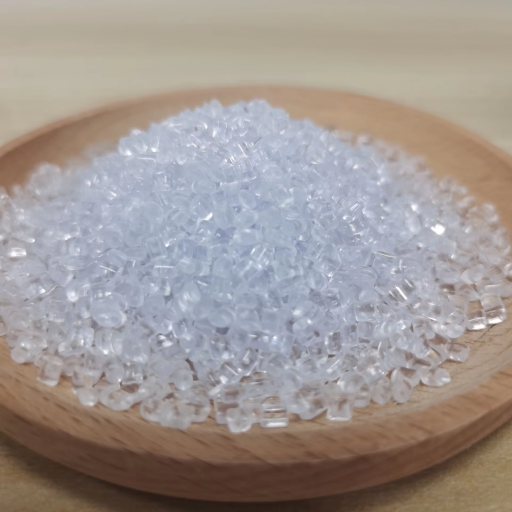
Fabricação Química
OEM Partner (Parceiro OEM) Policarbonato Precursor Transferência

Água e Águas Residuais
Planta Municipal Sypochlorite de Sódio
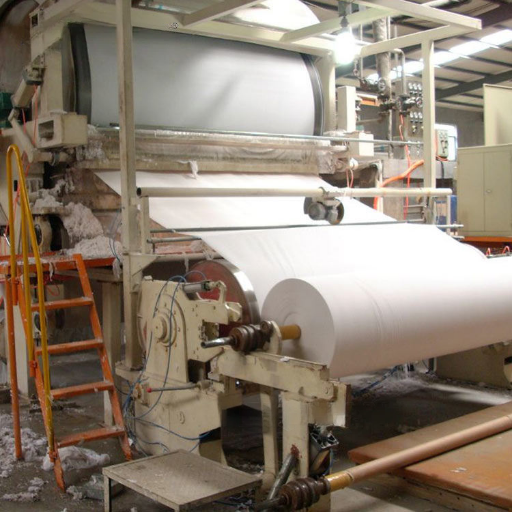
Celulose e papel
Transferência de ácido vegetal OEM Skid Bleach
A lista de aplicações de bombas de transferência química na plataforma BBP é de dezenas e inclui cloro-álcalis, ração química agrícola, transferência intermediária farmacêutica, chapeamento & acabamento de metal, branqueamento de polpa, transferência de alimentos-químicos e linhas de revestimento de eletrodos de bateria de lítio O denominador comum: química agressiva no caminho molhado e um gerente de compras que não quer um segundo fornecedor no BOM.
Certificações, conformidade e rastreabilidade de materiais
Equipes de compras encomendando bombas químicas em nome de OEMs, parceiros de canal e metalúrgicos precisam de duas coisas: um perfil de padrões que lhes permita deixar cair nossas bombas em uma especificação existente, e rastreabilidade completa do material desde a fundição até o teste final Ambos enviam com cada pedido BBP.
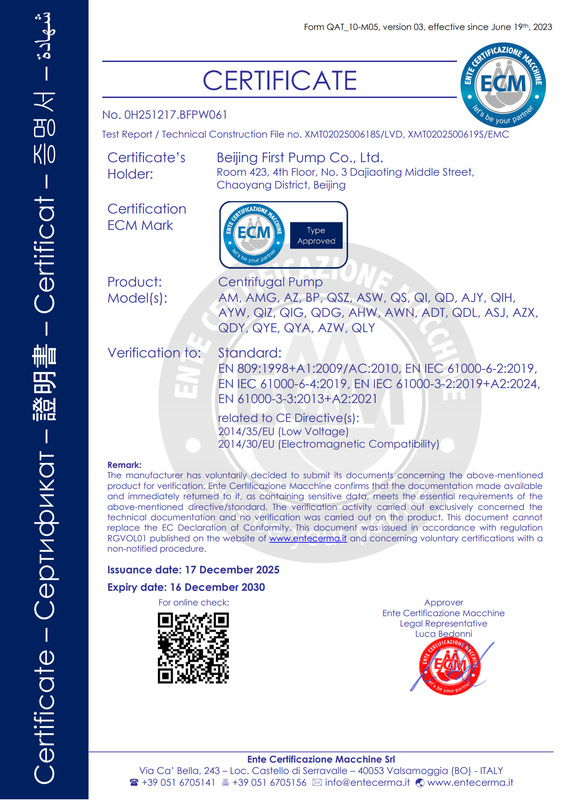

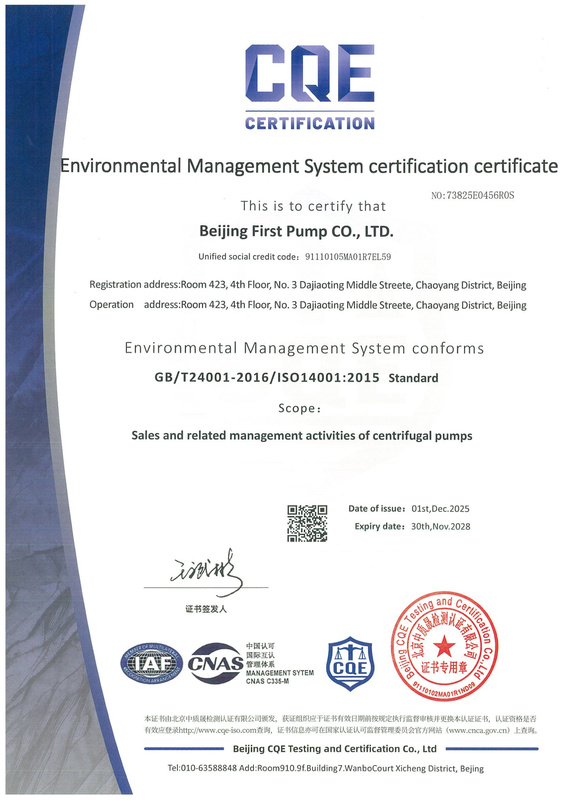
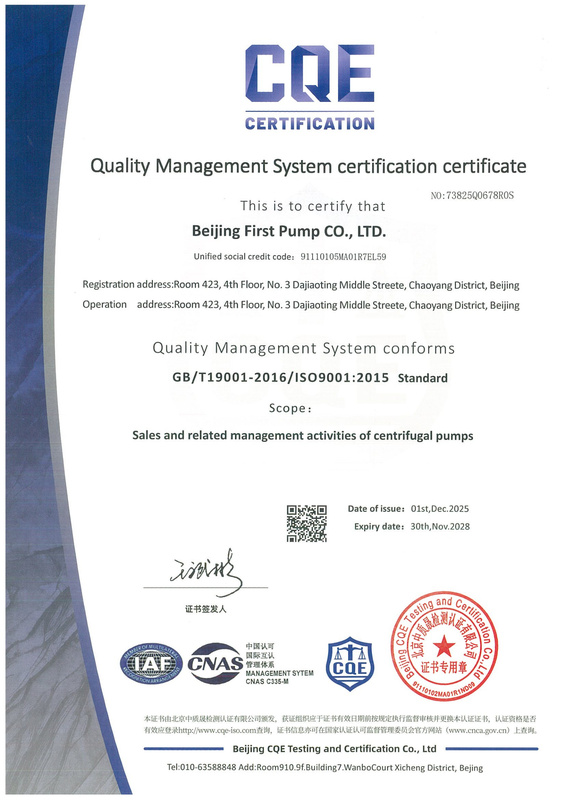
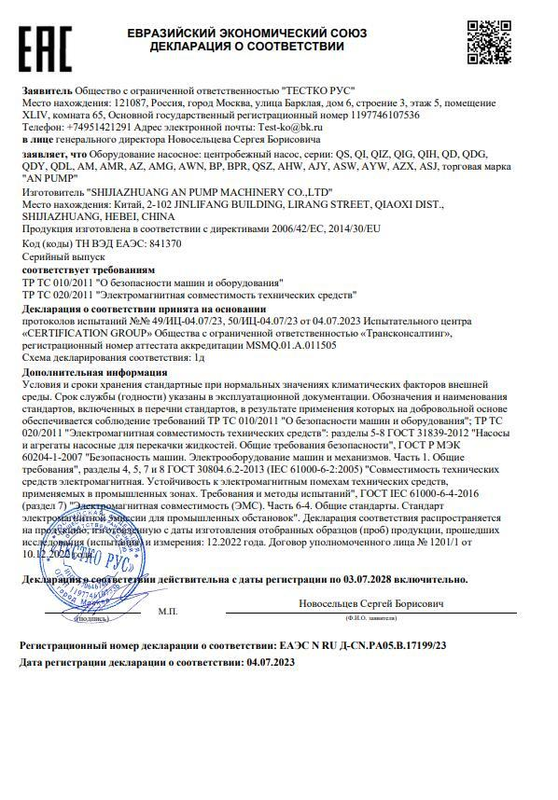
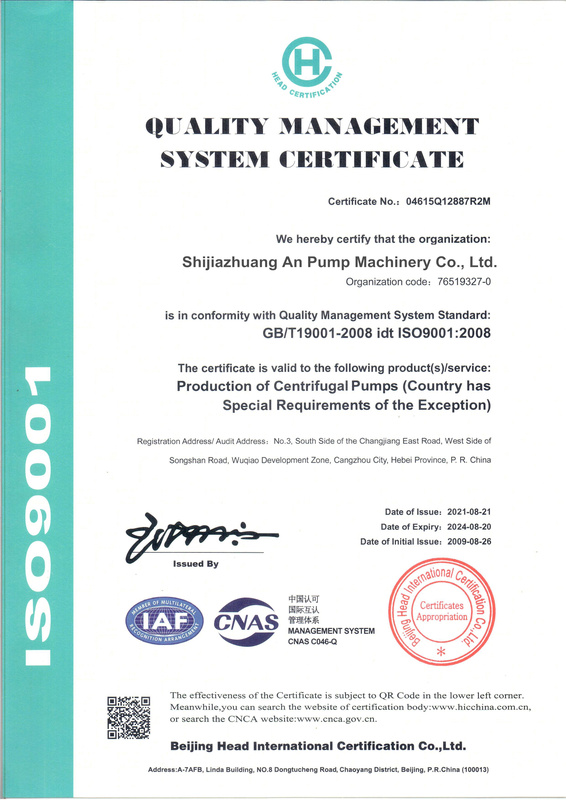
ISO 9001:2015
Marcação CE
ANSI B73.1
ISO 2858 Compatível
ATEX-Ready (a pedido)
API 685 mediante solicitação
Dimensões ANSI e ISO
ANSI e compatibilidade ISO não é hype 's uma questão de dimensões ANSI B73 define 27 tamanhos de bomba com dimensões globais definidas, locais de bicos de entrada e parafuso; ISO 2858 abrange a mesma categoria em seu próprio envelope dimensional que se sobrepõe a pontos de serviço mais comuns Nossa linha centrífuga ANSI é compatível com ambos os quadros.
Rastreabilidade Material
A rastreabilidade do material é igualmente tangível. Cada fundição carrega um número de calor rastreável até a data de vazamento e qualificação química; cada dimensão é verificada pelo fabricante de ferramentas em nossa máquina de medição de coordenadas, e cada bomba passa por um teste hidrostático e uma verificação da curva de serviço antes do envio. Em impressão: teste de material, relatório de teste e curva de serviço com cada bomba.
Pontuação EHS e ESG
A pontuação EHS e ESG é agora uma moeda de concurso em muitos mercados de processamento químico Nossos projetos exclusivos sem vedação (AODD e acionamento magnético) não produzem emissões; nossa fundição captura toda a sucata de ferro para reciclagem e toda a água de resfriamento para reutilização Podemos agrupar um perfil EHS/ESG completo se sua oferta exigir.
Guia de compras, drivers de preços e peças sobressalentes com prazo de entrega
Cada RFQ bomba de transferência química obtemos preços de forma diferente porque as variáveis que impulsionam o preço são diferentes das variáveis que impulsionam uma bomba de água de commodities Nós preço para o dever, não para página Aqui é uma repartição das variáveis críticas que olhamos ao cotar.
Variáveis Críticas de Preços
Arquitetura bomba
AODD, acionamento magnético, ANSI centrífuga e tambor/barril cada sentar-se em uma faixa de custo diferente Bombas mag-drive sem vedação e unidades AODD ATEX-rated levar o prêmio mais alto; bombas de tambor são os mais leves.
Material molhado
PP é a linha de base, PVDF sobe, PTFE-alinhado e liga 20 subir novamente O delta de custo entre uma bomba de PP e um equivalente duplex-inoxidável é substancial e é quase sempre química-justificada.
Avaliação do fluxo e da cabeça
Bombas dentro da mesma escala de série com dever Além dos pontos de serviço publicados, passamos para nosso processo de cotação projetada com impulsor personalizado ou especificação de acabamento.
Escopo certificação
ISO 9001 e CE são linha de base ATEX, IECEx, API 685 e testes de testemunhas de terceiros específicos do cliente são aditivos em termos de custo e geralmente aditivos em lead-time.
Personalização OEM
Série de bombas da marca do cliente, peças fundidas de marca própria, placas de base personalizadas, conversões de vedação dupla e eletricidade não padronizada. O escopo do OEM impulsiona tanto a cotação quanto a amortização do investimento em moldes.
Expectativas de prazo de entrega
Unidades de catálogo BBP padrão enviar em 2 a 4 semanas a partir da confirmação da ordem O OEM personalizado bomba série navio em 6 a 10 semanas após a aprovação do desenho, inspeção em processo e teste de primeiro artigo estão completos Peças de reposição para itens de catálogo ativo aparecem dentro de 2 dias a partir de nosso Departamento de Peças Desde que fazemos tudo em casa e executar a nossa própria usinagem em vez de construir a partir de peças fundidas de terceiros montados, uma mudança de dimensão não significa uma nova ferramenta (significa um novo parafuso e porca).
Peças sobressalentes e kits de reconstrução
Todo modelo ativo de bomba química BBP tem uma lista de peças sobressalentes publicada, uma referência de kit de reconstrução Diafragmas e kits de assento esférico para a série AODD, invólucros de contenção e conjuntos de rolamentos para acionamento magnético, kits de vedação e anéis de desgaste para a linha centrífuga ANSI e anéis de vedação e tubos de sucção para bombas de tambor (todos mantidos em nossa sala de estoque contra uma meta mínima de estoque confirmada) Um programa de peças sobressalentes antecipadas de dois anos está disponível para clientes OEM com implantações de frota Os SKUs de kit de reconstrução são indexados no mesmo número de série da bomba para que uma tecnologia de campo nunca precise fazer referência cruzada de uma tabela de marca para genérico.
Fluxo de OEM e personalização
Nosso envolvimento OEM passa por cinco pontos de verificação: desenho, preparação de moldes e padrões de fundição, produção experimental, inspeção de primeiros artigos sob a assinatura do cliente e produção com controle de qualidade contínuo. O tempo desde a revisão do desenho até o vazamento do padrão geralmente vai de três a quatro semanas; o primeiro artigo à produção leva mais dois a três. Clientes com programas de marca própria ganham suporte dedicado ao engenheiro de projeto durante todo o mesmo período, desde o projeto até o envio.
1. Revisão do desenho
Preparação de padrões 2
Produção 3. trial
4. Inspeção do Primeiro Artigo
5. produção e controle de qualidade
Suporte Técnico 24 horas por dia, 7 dias por semana
Pré-venda, nossos engenheiros de aplicação dimensionam sua bomba contra sua química, concentração e dever Pós-venda, suporte de diagnóstico remoto está disponível 24/7, e supervisão de instalação no local mais treinamento de manutenção é fornecido em mais de 40 países A relação de reposição é onde uma bomba química ganha seu manter ou silenciosamente falimenta o orçamento de manutenção e que é uma relação que tratamos como parte do produto, não uma reflexão tardia.
Pronto para passar do quadro para o número?
O retorno padrão do RFQ é de 24 a 48 horas.
Ferramentas de engenharia e seleção de bombas químicas
Acesse nossas calculadoras de engenharia empresarial para determinar a arquitetura ideal da bomba, o custo total do ciclo de vida e o dimensionamento de energia hidráulica para sua aplicação de manuseio de fluidos.
Perguntas frequentes
Todas as Personas
Quando devo escolher uma bomba de transferência química em vez de uma bomba de água padrão?
Sempre que seu fluido contiver ácidos, cáusticos, solventes, hipoclorito, oxidantes agressivos ou concentrações elevadas de qualquer produto químico industrial, você precisará de uma bomba projetada para serviço químico Uma bomba de água padrão usa ferro fundido ou aço inoxidável de baixa qualidade no caminho molhado e um selo mecânico genérico (ambos degradam-se rapidamente em fluidos corrosivos e criam passivos de vazamento, contaminação e relatório EPA. As bombas de transferência química usam carcaças resistentes à corrosão (PP, PVDF, PTFE, 316 L, liga 20) e elastômeros correspondentes, e muitos pulam completamente a vedação do eixo com um AODD sem costura ou topologia de acionamento magnético.
Como faço para selecionar o tipo de bomba certo ODD vs acionamento magnético vs centrífugo?
Trabalhe para trás a partir de sua pior condição de serviço Caso a sucção possa se tornar instável (níveis baixos do tanque, linhas de sucção longas, ar arrastado) ou a linha possa secar, AOD é a arquitetura segura (seguro) mantém a carona Se o vazamento zero não for negociável em um ácido forte ou cáustico, o design sem vedação da unidade magnética elimina o ponto de falha Para o dever contínuo de processo de alto fluxo onde a sucção é estável e a eficiência importa, a centrífuga ANSI fornece o menor custo de energia Para a distribuição de tambor para recipiente, a série de tambor e barril é construída em torno da geometria do recipiente Nossa Matriz de Decisão acima caminha através de cada critério com números específicos.
Quais materiais umedecidos PP, PVDF, PTFE, 316 (resistem meu produto químico e concentração específicos?)?
As decisões materiais são uma função do produto químico, concentração e temperatura de funcionamento combinados Hastelloy C, por exemplo, lida com ácido sulfúrico de 98 por cento a 60 graus Celsius mas apenas 20 graus Celsius a 80 por cento de concentração O polipropileno aceita a maioria dos ácidos inorgânicos e álcalis até 80 graus Celsius mas deteriora-se em solventes clorados O PVDF estende a gama para agentes oxidantes agressivos; O PTFE cobre quase tudo mas carrega um preço unitário mais alto Nosso gráfico de compatibilidade de pH 0 a 14 de 18 páginas é o caminho mais rápido para podar as opções (down) através do botão acima.
Qual vazão e cabeçote eu preciso para minha aplicação?
Projetando dispensação drum-totote e triagem transferências lab-batch nós normalmente dimensionávamos a bomba de 20 a 80 lpm Para transferências de tanques de residência em lote e estadiamento químico usaríamos de 5 a 35 m3/h. Para loops de processo contínuo da planta no serviço ANSI usaríamos de 30 a 170 m3/h. A exigência da cabeça depende do comprimento da tubulação, acessórios e elevação (encaixe) enviamos-nos o cálculo da cabeça do sistema ou o P & ID e devolvemos uma bomba dimensionada em 24 horas.
Quanto tempo dura o prazo de entrega do pedido padrão versus OEM personalizado?
Todos os BBP padrão enviam em 2 a 4 semanas a partir da colocação do pedido O OEM personalizou o trabalho (bombas de catálogo), abras especializadas - fundições de rótulo, impulsor dedicado, opera em um ciclo de 6 a 10 semanas desde a aprovação do desenho até a data do envio. As peças sobressalentes para modelos de catálogo ativo estão em estoque e são enviadas em 48 horas. Controlamos a cadeia de valor completa internamente, portanto, as alterações nas ferramentas nos tamanhos dos estoques não exigem atrasos de mais de 6 a 8 meses associados a montadores de fundição externa.
A BBP fornece suporte de instalação e comissionamento no local?
Sim. antes da compra nós dimensionamos sua bomba para sua aplicação real Após a instalação nós entregamos o apoio diagnóstico remoto 365 dias, 24/7, e o apoio instalado-base local com pessoal da planta em sobre 40 países Nós preparamos pacotes de peças sobresselentes dianteiros de dois anos para OEMs que executam frotas Nossas relações do mercado de reposição tendem a abranger mais por muito tempo do que a vida de uma única bomba, assim que nós precificamos e pessoal em conformidade.
Quais kits de reconstrução e peças de reposição estão disponíveis e com que rapidez?
Cada bomba química industrial ativa do estilo BBP P & S figura-8 é enviada com uma lista de peças sobressalentes disponível publicamente e uma tabela de referência de kit de reconstrução adequada para bombas para fácil referência cruzada em relação ao número de série Diafragmas, esferas de válvula e assentos para bombas AODD; cascos e rolamentos de contenção para acionamentos mag; vedações mecânicas, anéis de desgaste e impulsores para centrífuga ANSI; mangas e cotovelos de admissão para bombas de tambor estão todos prontamente disponíveis As peças ativas do catálogo serão enviadas dentro de 48 horas Para clientes OEM críticos, oferecemos uma provisão de peças sobressalentes para frente de dois anos, a fim de amortecer seu estoque interno de peças.
Quais certificações as bombas químicas BBP carregam?
As certificações de conformidade padrão incluem a marca de fabricação ISO 9001:2015, conformidade CE em todo o mundo, conformidade com o padrão dimensional ANSI B73.1 na faixa centrífuga ANSI, conformidade com ISO 2858 em toda a Europa Os padrões de atmosfera explosiva como ATEX e IECEx são prontamente aplicados mediante solicitação A certificação API 685 para aplicação petroquímica pode ser garantida Cada bomba enviada é acompanhada por um documento de conformidade de material químico, um relatório de teste hidrostático e um gráfico de desempenho de referência não apenas uma declaração de conformidade.
Tendências
![Cavitação em Bombas de Polpa NPSH Solids Onset [Guia de Campo]](https://bbpmfg.com/wp-content/uploads/2026/07/cavitation-in-slurry-pumps-featured-1-150x150.png)