Get in Touch with BBP

BBP · ISO 9001 Pump Manufacturer
Chemical Transfer Pumps for Industrial & Chemical Processing
Custom engineered AODD, magnetic drive, ANSI centrifugal and drum pumps delivering corrosion resistant, high viscosity and hazardous fluids. Vertical integration whole way – from foundry to end-of-line flow testing – by BBP Manufacturing (BBP) for industrial piping, distributor or brand owner, engineering project, offshore and onshore.
Request Engineered Quote
Pump Types
AODD · Magnetic Drive Centrifugal · ANSI Centrifugal · Drum/Barrel
Flow Range
0.5 to 170 m3/h · 20 to 2800 lpm · up to 750 GPM
Head Range
Up to 50 meters · Up to 7 bar (AODD)
Wetted Materials
PP · PVDF · PTFE · 316 Stainless Steel · Viton · EPDM
Standards
ISO 9001 · CE · ANSI B73.1 · ISO 2858 compatible
Lead Time
Standard 2 to 4 weeks · Custom OEM 6 to 10 weeks · Spares 48h ex-stock
Safe Handling of Aggressive Chemicals — What Goes Wrong & How We Solve It
EngineerPlant ManagerAcross chemical plant in field, three failure modes set the pace of transfer downtime: aggressive acids and caustics finding seal leakage or coating bypass, while elastomer mis-match inventories lead to wetted-material corrosion, and one-off operating points kill off hourly utilization. These failure modes all stop with pump chemistry and duty cycle initial selection decision – not from catalog selection logic.
A chemical transfer pump is a “contain what it pumps” package like a barrel pump but with you in mind – eliminating every detail that can go wrong. It’s not your application man picking a one-size-fits-all impeller or elastomer so why should it be you selecting the chemical compatibility? Pump impeller and elastomer, material advantages or disadvantages, and flow-head curve to match your inflow conditions: the three false choices (liquid out the tailpipe, dropping to a manual mismatch, boosting the entire reliability numerator) than you should be able to make the right decision now.
Our approach is material*drive*(chemistry and temperature): we first select a blend of elastomer, housing and impeller you can safely run for the full duty cycle your plant encounters, then we price a centrifugal or membrane pump. With reasonably corrosion resistant (polypropylene, PVDF, PTFE-lined, 316SS) containment shells, we can pump anything from 35 % sulfuric acid and ferric chloride to caustic strippers or sodium chlorite feed. Using your full chemistry specs, we then recommend the best elastomer for the life of the seal.
Need to verify materials against your fluid list first?
Can you check out our entire chemical compatibility chart (PDF, 18 pgs) for pH 0-14 and over 120 fluids? Download our full pH 0–14 Chemical Compatibility Chart — PDF, 18 pages, 120+ fluids.
BBP Chemical Transfer Pump Series — Models & Selection
Three architectures cover nearly every chemical plant transfer duty. Each series is the result of exclusive engineering tailoring from one to dozens of extreme chemistry lessons; each one leaves the factory with traceable material certificates and our test data from our permanent design verification bench.
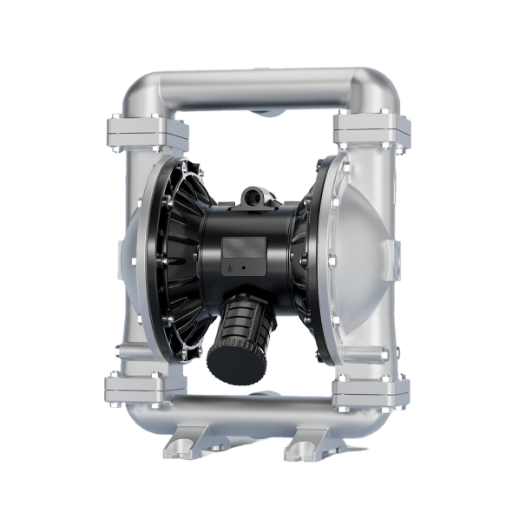
AODD Series
This open-impeller AODD series manages aggressive-acid, solvent, and solids-liquid streams with stable or dry-sucked inlet lines. Its sealless topology precludes shaft seal failure.
- Flow: 5 to 340 lpm (1-90 GPM)
- Max discharge: 7 bar
- Connections: NPT/flanged 1/2″ – 3″
- Materials: PP, PVDF, 316L, Alu
- Diaphragms: PTFE, Santoprene, Viton
- ATEX/IECEx: ready on request
Suited to: chemical drum discharge, solvent transfer, shear-sensitive apps.
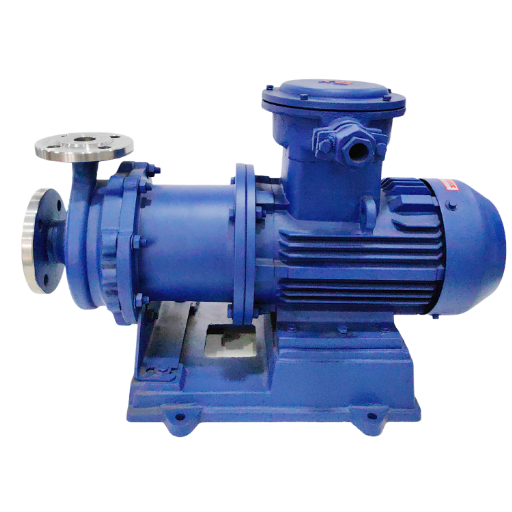
Magnetic Drive Centrifugal
Our magnetic-driven pumps were born for aggressive-crawl and caustic fluid pumping where leakage literally is a termination clause. No mechanical seal wear factor.
- Flow: 1 to 35 m3/h
- Max head: 25 meters
- Materials: PP, PVDF, ETFE-lined
- Pumping: 35% HCl, 98% sulfuric acid, NaOH, NaOCl
Best for: lithium-battery electrode coatings, polycarbonate precursors.
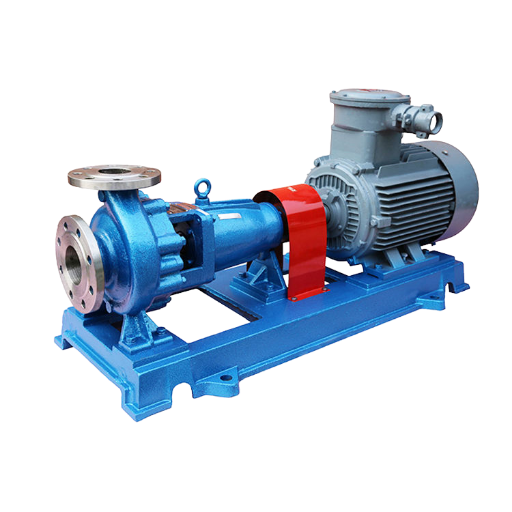
ANSI Centrifugal Process
Long-duty ANSI centrifugal line featuring heavy process flows, high head and portable geometry. Conforms to ANSI B73.1 back-pullout curve and ISO 2858.
- Flow: 10 to 170 m3/h
- Max head: 50 meters
- Footprint: ANSI B73.1, ISO 2858
- Materials: 316SS, alloy 20, duplex, lined
- Construction: Back pullout with wear rings
Ideal for: chemical manufacturing, water & wastewater loops.
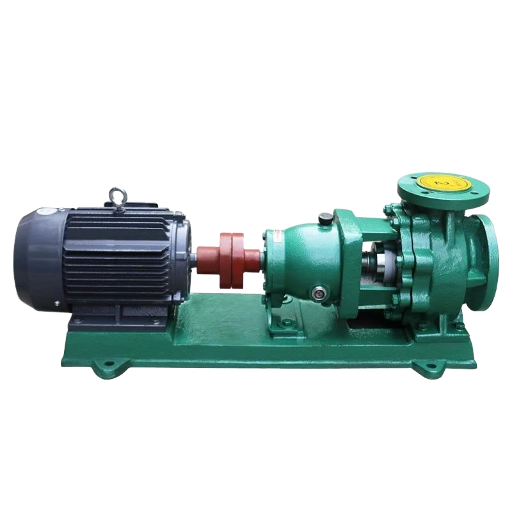
Drum & Barrel Pumps
Mounts directly to 55 gallon drums, 200L containers, and IBC totes. PP/PVDF suction pipes achieve depths from 600mm-1200mm.
- Flow: 20 to 80 lpm (5-21 GPM)
- Drive: 220V, 12V DC, pneumatic, lever
- Suction tube: PP or PVDF, 600-1200 mm
- Fits: 55-gal drums, 200L barrels, IBC totes
- Seals: Viton or EPDM
Best for: acid drum transfer, solvent dispensing, NaOCl dosing.
Decision Matrix — Matching Pump to Application
| Criterion | AODD | Magnetic Drive | ANSI Centrifugal | Drum/Barrel |
|---|---|---|---|---|
| Typical flow | 5-340 lpm | 1-35 m3/h | 10-170 m3/h | 20-80 lpm |
| Max head | Air-limited (7 bar) | 25 meters | 50 meters | Container depth |
| Solids tolerance | Up to 6 mm | Clean fluids only | Trace solids, clean slurries | Clean fluids only |
| Leakage risk | None (sealless) | None (sealless) | Mechanical seal | Shaft seal |
| Can run dry? | Yes | No — overheats shell | No — damages seal | Brief dry OK |
| Best use case | Variable suction, ATEX | Aggressive acids, zero-leak | High-flow continuous | Drum/tote dispensing |
Chemical Transfer Pump Types Compared — AODD vs Magnetic Drive vs Centrifugal vs Peristaltic
How plants are left holding pumps that work in pristine spec-sheet flow is one of the funniest jokes in process engineering, because it shows that plants believe operating a pump anywhere close to its true conditions is some outlandish request that can only be achieved with a miracle. This table, below, applies the failure-mode perspective from technical machine design references industry-wide, effectively: how each pump degrades when the system stops cooperating, not just nameplate performance.
| Dimension | AODD | Magnetic Drive | Centrifugal (ANSI) | Peristaltic |
|---|---|---|---|---|
| Max viscosity | 50,000 cP | 500 cP | 2000 cP / 100,000 cP | 100,000 cP |
| Response to poor suction | Keeps stroking | Loses prime / overheats | Loses prime / overheats | Keeps pumping |
| Response to deadhead | Safe stall | Containment shell heats | Overpressure risk | Safe stall |
| Primary wear | Diaphragms, valve balls | Containment shell, bearings | Mechanical seals, bearings | Tubing (90-day cycle typical) |
| Typical service interval | 6-12 months (diaphragm) | 12-24 months (bearing) | 6-18 months (seal) | 3 months (tube) |
| Energy efficiency | Lower (air-driven) | Medium-high | Highest | Lowest (rotor friction) |
| Unit price band | Medium | Medium-high | Medium | Low (tubing cost adds up) |
| Shear sensitivity | Low (gentle on fluid) | Medium | Medium-high | Lowest (no shear) |
Total Cost of Ownership — 5 Year View
Unit price is 10 percent of what you actually pay
Life-cycle costing disclosed in recent independent technical journal analysis corrects the true 80/20 unit costs, where initial purchase is 10 percent, installation another 10 percent, operating energy fifty percent, and maintenance thirty percent – arrives in steps after installation, while operating costs is pretty clear in a graph.
Initial purchase
~10%
Installation
~10%
Operating energy
~50%
Maintenance
~30%
This is why every BBP chemical transfer pump is engineered to run close to its true best efficiency point for the actual application you plan to run, not a theoretical nameplate. A pump 2 size steps oversize may use 15 to 25 percent more power over 5 years than the optimized selection, which at several thousand dollars savings would be worth it without question.
Source: Pumps & Systems / Sundyne, “A Guide to Considering Total Cost of Ownership in Chemical Processing” (2022, revised 2025).
Want a duty-point-specific TCO projection for your site?
Send your flow, head, chemistry and duty cycle, and we return a pump selection plus five-year cost model.
Customer Results — Chemical Plants, Water Treatment & OEM Partners
Our chemical transfer pump series ships into distributor warehouses, OEM process skids, or direct-to-plant projects across more than 40 countries. The three example projects below resolved a particular chemistry, duty cycle, and procurement issue causing a production bottleneck.
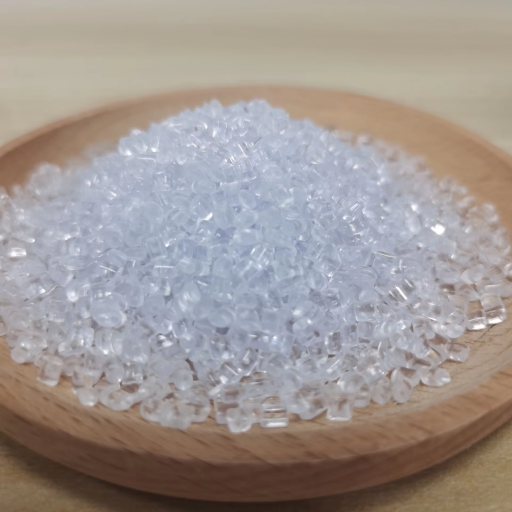
Chemical Manufacturing
OEM Partner — Polycarbonate Precursor Transfer

Water & Wastewater
Municipal Plant — Sodium Hypochlorite Dosing
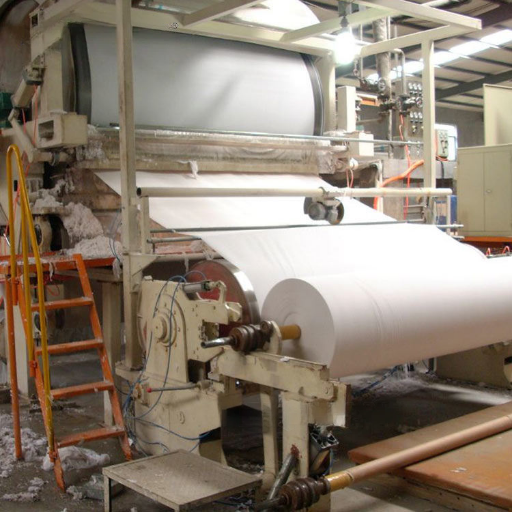
Pulp & Paper
OEM Skid — Bleach Plant Acid Transfer
The list of chemical transfer pump applications on the BBP platform runs to dozens and includes chlor-alkali, agricultural chemical feed, pharmaceutical intermediate transfer, plating & metal finishing, pulp bleaching, food-chemical transfer and lithium-battery electrode-coating lines. The common denominator: aggressive chemistry on the wetted path and a purchasing manager who doesn’t want a second vendor on the BOM.
Certifications, Compliance & Material Traceability
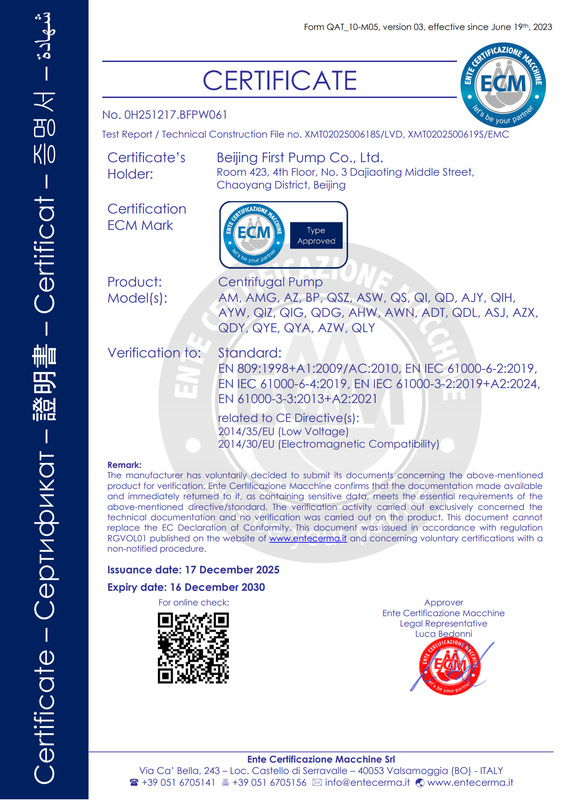
Procurement teams ordering chemical pumps on behalf of OEMs, channel partners and metalworkers need two things: a standards profile that allows them to drop our pumps into an existing spec, and complete material traceability from the foundry to the final test. Both ship with every BBP order.

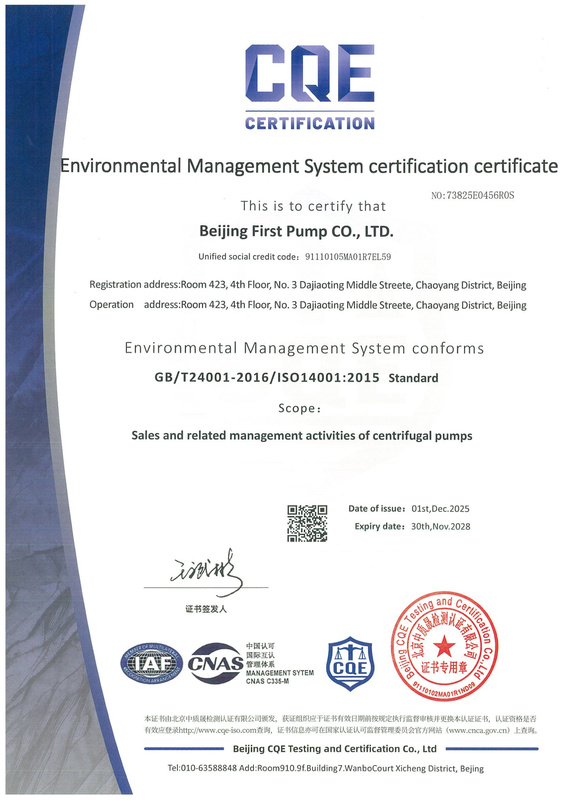
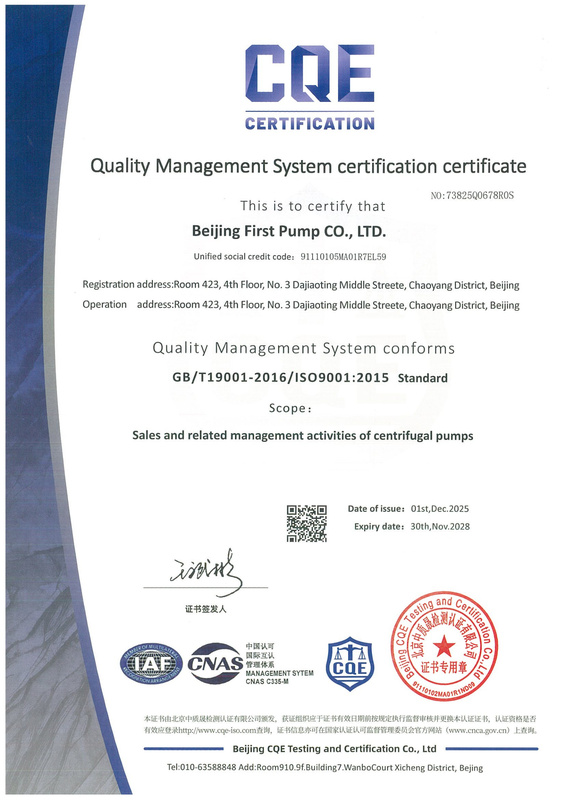
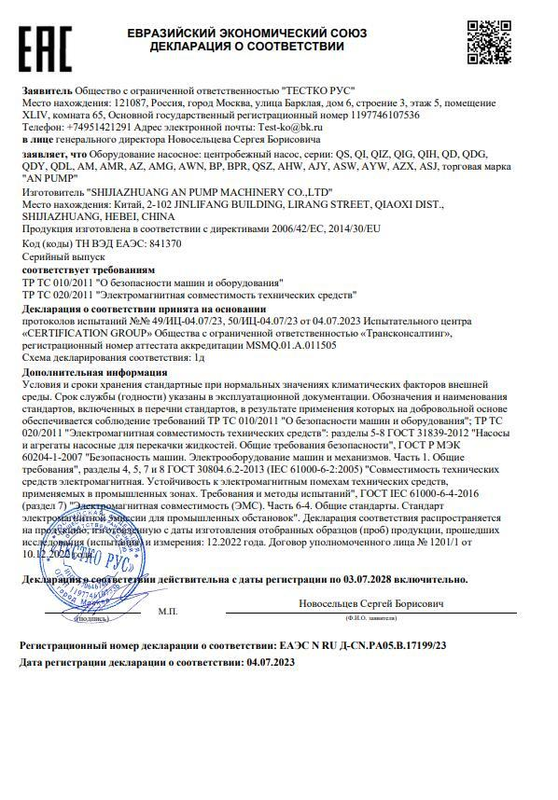
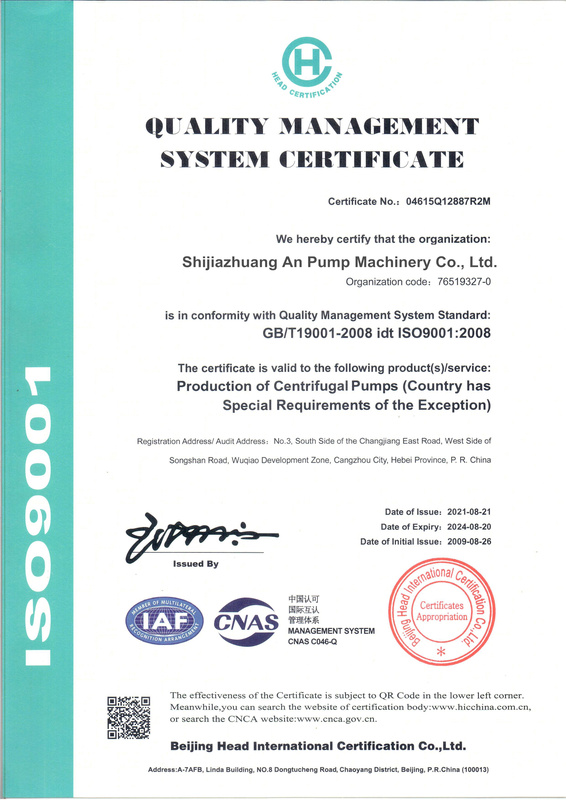
✓ ISO 9001:2015
✓ CE Marking
✓ ANSI B73.1
✓ ISO 2858 Compatible
✓ ATEX-Ready (on request)
✓ API 685 on request
ANSI and ISO Dimensions
ANSI and ISO compatibility is not hype – it’s a matter of dimensions. ANSI B73.1 defines 27 pump sizes with set overall dimensions, inlet nozzle locations and bolt patterns; ISO 2858 covers the same category in its own dimensional envelope that overlaps inmost common duty points. Our ANSI centrifugal line is compatible with both frames.
Material Traceability
Material traceability is just as tangible. Each casting carries a heat-number traceable to the pour date and chemical qualification; every dimension is verified by the toolmaker on our coordinate-measuring machine, and every pump undergoes a hydrostatic test and a duty-curve verification before shipment. In print: material test, test report and duty curve with every pump.
EHS and ESG Scoring
EHS and ESG scoring is now a tender currency in many chemical processing markets. Our exclusive sealless designs (AODD and magnetic drive) produce no emissions; our foundry captures all scrap iron for recycling and all cooling water for reuse. We can bundle a full EHS/ESG profile if your bid demands it.
Procurement Guide — Price Drivers, Lead Time & Spare Parts
Every chemical transfer pump RFQ we get prices differently because the variables that drive price are different from the variables that drive a commodity water pump. We price to duty, not to page. Here is a breakdown of the critical variables we look at when quoting.
Critical Price Variables
Pump architecture
AODD, magnetic drive, ANSI centrifugal and drum/barrel each sit in a different cost band. Sealless mag-drive pumps and ATEX-rated AODD units carry the highest premium; drum pumps are the lightest.
Wetted material
PP is the baseline, PVDF steps up, PTFE-lined and alloy 20 step up again. The cost delta between a PP pump and a duplex-stainless equivalent is substantial and is almost always chemistry-justified.
Flow and head rating
Pumps within the same series scale with duty. Beyond published duty points we move to our engineered-quote process with custom impeller or trim specification.
Certification scope
ISO 9001 and CE are baseline. ATEX, IECEx, API 685 and client-specific third-party witness tests are cost-additive and usually lead-time-additive.
OEM customization
Client-branded pump series, private-label castings, custom baseplates, dual-seal conversions and non-standard electrical. OEM scope drives both the quote and the mold investment amortization.
Lead Time Expectations
Standard BBP catalog units ship in 2 to 4 weeks from order confirmation. Custom OEM pump series ship in 6 to 10 weeks after drawing approval, in-process inspection and first-article testing are complete. Spare parts for active catalog items show up within 2 days from our Parts Department. Since we do everything in house and perform our own machining rather than build from assembled third-party castings, one dimension change does not mean a new tool – it means a new screw and nut.
Spare Parts & Rebuild Kits
Every active BBP chemical pump model has a published spares list, a rebuild-kit reference. Diaphragms and ball-seat kits for the AODD series, containment shells and bearing sets for magnetic drive, seal kits and wear rings for the ANSI centrifugal line, and seal rings and suction tubes for drum pumps – all held in our stockroom against a confirmed stock-minimum target. A two-year forward-spares program is available for OEM clients with fleet deployments. Rebuild-kit SKUs are indexed on the same pump serial number so a field tech never has to cross-reference a brand-to-generic table.
OEM & Customization Flow
Our OEM engagement passes through five check-points: drawing review, mold and casting pattern prep, trial production, first-article inspection under the clients signature, and production run with rolling QC. Time from drawing review to pattern pour usually works out to three to four weeks; first-article-to-production takes another two to three. Clients with private-label programs earn dedicated project engineer support throughout – the same engineer from design to shipping.
1. Drawing Review
2. Pattern Prep
3. Trial Production
4. First-Article Inspection
5. Production & QC
24/7 Technical Support
Pre-sale, our application engineers size your pump against your chemistry, concentration and duty. Post-sale, remote diagnostic support is available 24/7, and on-site installation supervision plus maintenance training is provided in over 40 countries. The aftermarket relationship is where a chemical pump either earns its keep or quietly bankrupts the maintenance budget – and that is a relationship we treat as part of the product, not an afterthought.
Ready to move from framework to number?
Standard RFQ turnaround is 24 to 48 hours.
Chemical Pump Engineering & Selection Tools
Access our enterprise engineering calculators to determine the optimal pump architecture, total lifecycle cost, and hydraulic power sizing for your fluid handling application.
Frequently Asked Questions
All Personas
When should I choose a chemical transfer pump over a standard water pump?
Any time your fluid contains acids, caustics, solvents, hypochlorite, aggressive oxidizers or elevated concentrations of any industrial chemical, you need a pump engineered for chemical service. A standard water pump uses cast iron or low-grade stainless on the wetted path and a generic mechanical seal – both degrade rapidly on corrosive fluids and create leak, contamination and EPA-reporting liabilities. Chemical transfer pumps use corrosion-resistant housings (PP, PVDF, PTFE, 316L, alloy 20) and matched elastomers, and many skip the shaft seal altogether with a sealless AODD or magnetic drive topology.
How do I select the right pump type — AODD vs magnetic drive vs centrifugal?
Work backward from your worst-case duty condition. If suction can become unstable (low tank levels, long suction lines, entrained air) or the line can run dry, AODD is the safe architecture – it keeps stroking. If zero leakage is non-negotiable on a strong acid or caustic, magnetic drive’s sealless design eliminates the failure point. For continuous high-flow process duty where suction is stable and efficiency matters, ANSI centrifugal delivers the lowest energy cost. For drum-to-container dispensing, the drum and barrel series is built around the container geometry. Our Decision Matrix above walks through each criterion with specific numbers.
Which wetted materials — PP, PVDF, PTFE, 316L — resist my specific chemical and concentration?
Material decisions are a function of the chemical, concentration and operating temperature combined — Hastelloy C, for instance, handles 98 percent sulfuric acid at 60 degrees Celsius but only 20 degrees Celsius at 80 percent concentration. Polypropylene accepts most inorganic acids and alkalis up to 80 degrees Celsius but deteriorates in chlorinated solvents. PVDF extends the range to aggressive oxidizing agents; PTFE covers nearly everything but carries a higher unit price. Our 18-page pH 0 to 14 compatibility chart is the fastest route to pruning the options — download it via the button above.
What flow rate and head do I need for my application?
Designing drum-to-tote dispensing and screening lab-batch transfers we’d typically size the pump at 20 to 80 lpm. For batch residence tank transfers and chemical staging we’d use 5 to 35 m3/h. For plant continuous process loops in ANSI service we’d use 30 to 170 m3/h. Head requirement depends on the piping length, fittings and elevation – send us the system head calculation or the P&ID and we return a sized pump in 24 hours.
How long is the lead time — standard order vs custom OEM?
All Standard BBP catalog pumps ship in 2 to 4 weeks from order placement. OEM customized work – private-label castings, specialized abrasives, dedicated impeller geometry – operates on a 6 to 10 week cycle from drawing approval to ship date. Spares for active catalog models are in stock and ship in 48 hours. We control the full value chain in-house, so tooling changes on stock sizes don’t require the 6-8+ month delays associated with external-foundry assemblers.
Does BBP provide on-site installation and commissioning support?
Yes. Before the purchase we size your pump for your actual application. After installation we deliver remote diagnostic support 365 days, 24/7, and local installed-base support with plant staff in over 40 countries. We prepare two-year forward spares packages for OEMs running fleets. Our aftermarket relationships tend to span longer than the life of a single pump, so we price and staff accordingly.
What rebuild kits and spare parts are available, and how quickly?
Every active BBP P&S figure-8 style industrial chemical pump ships with a publicly available spares list and a pump-suitable rebuild kit reference table for easy cross-reference against serial number. Diaphragms, valve balls and seats for AODD pumps; containment shells and bearings for mag drives; mechanical seals, wear rings and impellers for ANSI centrifugal; sleeves and intake elbows for drum pumps are all readily available. Active catalog parts will be shipped within 48 hours. For critical OEM clients we offer a two-year forward spares provision in order to buffer your in-house parts inventory.
What certifications do BBP chemical pumps carry?
Standard compliance certifications include ISO 9001:2015 manufacturing mark, CE compliance around the globe, ANSI B73.1 dimensional standard compliance on the ANSI centrifugal range, ISO 2858 compliance around Europe. Explosive-atmosphere standards like ATEX and IECEx are readily applied on request. API 685 certification for petrochemical application can be secured. Each pump shipped is accompanied by a material chemical compliance document, a hydrostatic test report and a benchmark performance chart not only a statement of conformance.