Entre em contacto com a BBP

A seleção de bombas de lamas começa por um ponto de funcionamento, não por um número de modelo. Se puder indicar o caudal, a altura manométrica, os dados das lamas, a condição de aspiração e a gama de funcionamento antes de pedir preço, um fornecedor pode verificar a curva em vez de adivinhar a partir de uma breve descrição do produto.
Especificações rápidas: dados para seleção de bombas de lamas
Caudal de projeto
Altura manométrica total
Curva do sistema ou traçado da tubagem
Massa volúmica relativa das lamas
Concentração de sólidos
Distribuição granulométrica e d85
pH e temperatura
NPSHa e configuração da aspiração
Horas de funcionamento e ciclo de serviço
Registos de ensaio necessários
A BBP utiliza o mesmo tipo de evidência antes da proposta: caudal, altura manométrica total, tipo de lamas, granulometria, massa volúmica relativa e condições de aspiração. Este método destina-se a engenheiros e compradores que pretendem uma análise baseada em curvas antes de enviarem uma RFQ para bombas industriais de lamas.
Índice
Lista de 8 considerações importantes para selecionar uma bomba de lamas
- Utilize características importantes do fluido e não relacionadas com o fluido antes da análise final, para que seja selecionada a bomba adequada à sua aplicação de lamas.
- Compare as diferenças de conceção entre os vários tipos de bombas antes de escolher uma bomba adequada.
- Verifique conjuntamente o corpo da bomba, a localização da bomba, a configuração da bomba e da descarga, e as condições de aspiração.
- Analise as características do material, a forma das partículas e a potencial abrasão da bomba antes de aprovar o material.
- Compreenda as necessidades da sua aplicação antes de selecionar a bomba mais adequada.
- Mantenha clara a relação com a seleção da unidade mais adequada em comparação com outros tipos de bombas, e não com a ordem de catálogo.
- Lembre-se de que os muitos tipos de bombas disponíveis podem dificultar a seleção de uma bomba.
- Uma bomba de lamas adequada, concebida para bombear materiais espessos, permite que a bomba funcione mais perto das evidências do ponto de funcionamento.
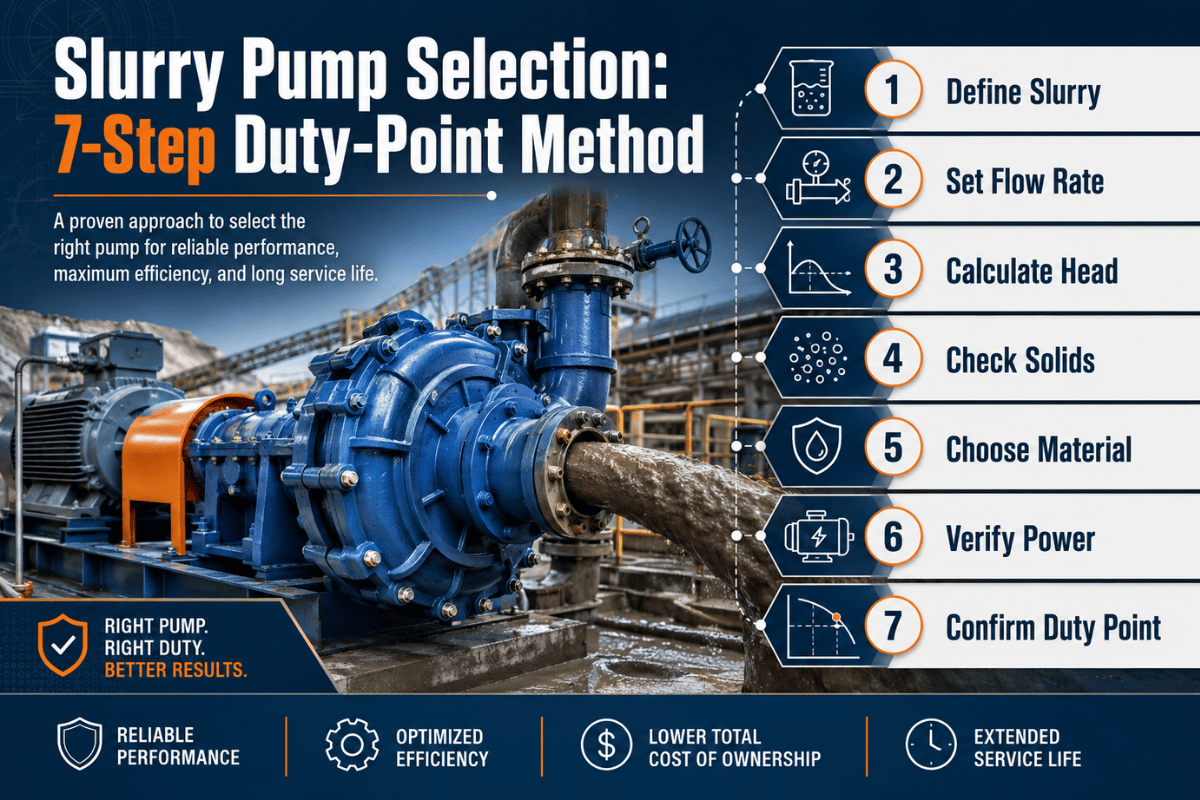
Seleção de bombas de lamas: o método do ponto de funcionamento em 7 passos
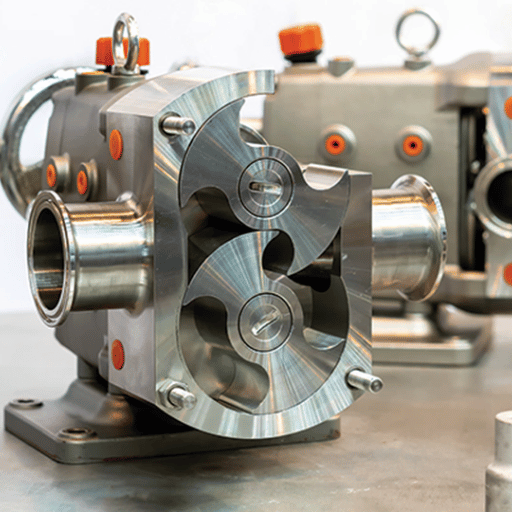
Um processo de seleção de bombas de lamas deve passar dos dados de serviço para a análise hidráulica e, em seguida, para a escolha do material e as evidências do fornecedor. Esta sequência é importante porque um revestimento interior duro não corrige um ponto de funcionamento incorreto, e um motor grande não corrige uma bomba que opera na zona errada da curva.
Utilize o método como lista de verificação do dimensionamento do sistema. Selecionar uma bomba de lamas é, na realidade, analisar o sistema de bombagem: o traçado da tubagem, as premissas de conceção da bomba, a configuração da aspiração, o ciclo de serviço de bombagem de lamas e o histórico de desgaste devem constar do mesmo conjunto de evidências. Ao selecionar uma bomba após desgaste excessivo, não comece pela liga; verifique primeiro se as condições de bombagem de lamas se alteraram.
Adequar a bomba mais indicada aos requisitos da sua aplicação
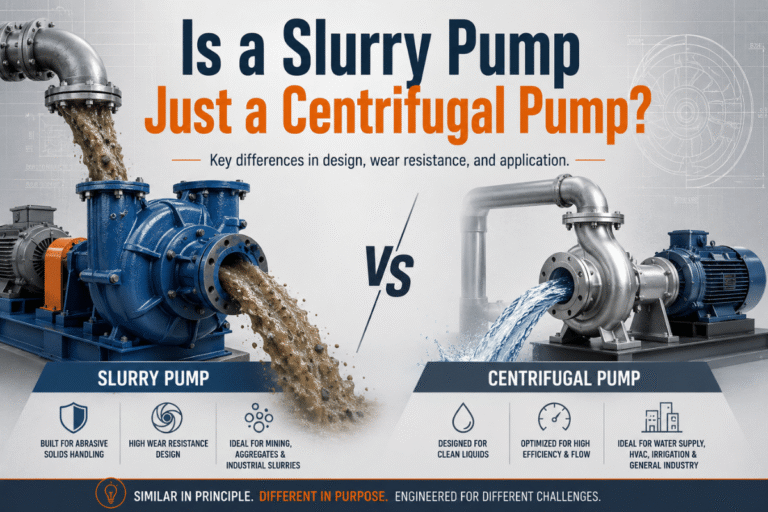
Para escolher uma bomba de lamas, evite tratar a RFQ como a compra de uma bomba centrífuga normal. Uma bomba de lamas para a sua aplicação deve ser concebida para lamas, e não apenas para serviço com água, pois as características das lamas afetam os componentes da bomba, a velocidade das lamas, a velocidade de rotação da bomba, os materiais de construção, a orientação da bomba e o custo total de propriedade. A seleção da bomba correta exige também o dimensionamento adequado e uma visão clara de se o serviço é difícil de bombear. Para bombear lamas com fiabilidade, a bombagem eficaz de lamas começa pelo sistema completo, e não apenas pela referência da parte hidráulica.
Considerações importantes: bombagem de lamas para aplicações pesadas, limites das bombas centrífugas e serviços difíceis de bombear
Uma bomba centrífuga pode ser o ponto de partida correto, mas as aplicações pesadas de lamas exigem mais do que uma curva de catálogo. Quando as lamas são difíceis de bombear, compare a curva para água limpa, o método de correção, a base de seleção do material e o acesso para manutenção antes de aceitar o modelo.
| Passo | Dados | O que evita |
|---|---|---|
| 1 | Caudal e altura manométrica | Uma proposta baseada no diâmetro nominal da tubagem em vez do ponto de funcionamento |
| 2 | SG, sólidos, viscosidade | Premissas de curva de água limpa em serviço com lamas |
| 3 | Gama de funcionamento em BEP | Recirculação, vibração e desgaste prematuro |
| 4 | Tipo e orientação da bomba | Arquitetura de instalação incorreta |
| 5 | Material da parte hidráulica | Escolha de material apenas pela dureza ou pelo preço |
| 6 | Plano de aspiração e empanque | Cavitação, funcionamento a seco e efeitos inesperados da diluição por água |
| 7 | Evidências de ensaio e sobresselentes | Preço de compra baixo com elevado risco ao longo da vida útil |
Como selecionar a bomba de lamas correta?
Selecione a bomba de lamas correta definindo primeiro o ponto de funcionamento, corrigindo-o pelas propriedades das lamas, verificando a gama de funcionamento, escolhendo o tipo de bomba e o material da parte hidráulica, analisando a aspiração/NPSH e comparando as evidências de ensaio antes do preço.
Conclusão sobre a seleção: O modelo da bomba vem mais tarde. O conjunto de evidências vem primeiro.
1. Definir o caudal, a altura manométrica e a interseção com a curva da bomba
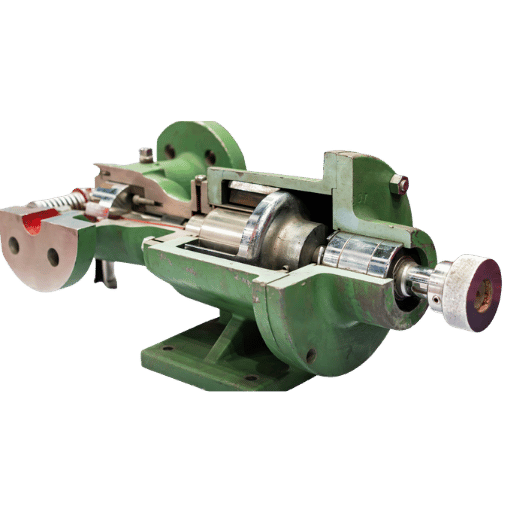
Um ponto de funcionamento é o caudal e a altura manométrica em que a curva da bomba encontra a curva do sistema. As orientações do DOE para seleção de bombas industriais começam pela identificação das necessidades de caudal e pressão do processo, pela medição da altura manométrica e do caudal reais, e pelo desenvolvimento de uma curva do sistema. As orientações do DOE para seleção de bombas centram-se em água limpa, mas a lógica mantém-se: não é possível selecionar uma bomba sem a linha de procura do sistema.
| Elemento da curva | O comprador deve fornecer | Porque altera a seleção |
|---|---|---|
| Caudal | m3/h, L/s ou GPM | Define a posição horizontal na curva da bomba |
| Altura manométrica estática | Elevação vertical em m ou ft | Define a base da altura manométrica antes das perdas por atrito |
| Altura manométrica de atrito | Comprimento, diâmetro interior, curvas e válvulas da tubagem | Aumenta aproximadamente com o quadrado da velocidade em muitos sistemas |
| NPSHr | Da curva da bomba selecionada | Verifica se a pressão de aspiração pode evitar a cavitação |
| Potência | kW/HP do motor mais fator de serviço | Deve cobrir a densidade das lamas e a gama de funcionamento |
Como calcular a seleção da bomba?
Numa primeira abordagem, calcule o caudal de projeto, a altura manométrica estática, a altura manométrica de atrito e a pressão de descarga para estimar a altura manométrica total. Em seguida, sobreponha a curva do sistema às curvas das bombas candidatas e verifique se o ponto de funcionamento fica próximo da gama normal de funcionamento. A análise para serviço com lamas deve incluir o cálculo para água limpa com SG das lamas, sólidos, dados das partículas, pH, temperatura, condição de aspiração e gama de funcionamento prevista, para que o fabricante possa aplicar o método de correção correto e rejeitar curvas que apenas parecem aceitáveis em condições de água limpa.
Nota de engenharia: A ficha técnica do DOE indica uma margem de NPSH de 25% como regra prática acima da gama de caudal prevista. Em serviço com lamas, trate-a como um limite de triagem, e não como a resposta final; a altura de aspiração, a pressão de vapor, o ar arrastado e o plano de empanque continuam a necessitar de análise face à curva real da bomba.
2. Corrigir o ponto de funcionamento para SG, sólidos e viscosidade das lamas
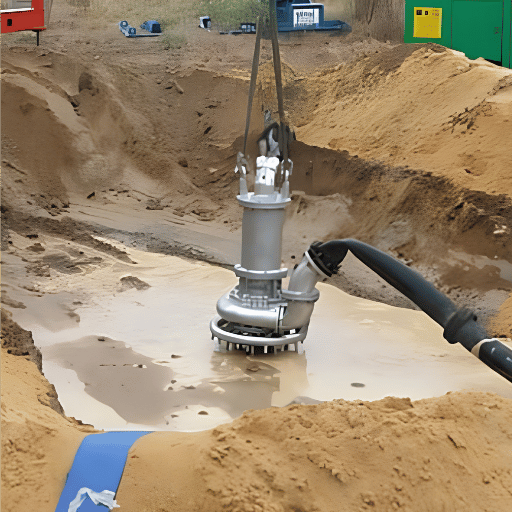
Um ponto de funcionamento para água limpa é apenas o ponto de partida. A ficha de seleção de bombas do DOE enumera pH, temperatura de funcionamento, concentração de sólidos, granulometria, massa volúmica relativa, pressão de vapor e viscosidade como propriedades do fluido que afetam a escolha da bomba. Na bombagem de lamas, estas propriedades determinam se a bomba tem de transportar uma mistura sedimentável, lamas viscosas de partículas finas, um fluido quimicamente agressivo ou um serviço abrasivo com partículas grosseiras.
Os cálculos de bombagem de lamas devem também indicar se os sólidos sedimentam durante o funcionamento a baixo caudal, se a tubagem tem longos troços horizontais e se o processo tolera alterações de velocidade durante o arranque ou a redução de capacidade.
| Propriedade das lamas | Dados mínimos para RFQ | Efeito na seleção |
|---|---|---|
| Massa volúmica relativa | SG da mistura e dos sólidos | Altera a necessidade de potência e a carga no veio |
| Concentração de sólidos | % em peso ou % em volume | Altera o risco de sedimentação, o atrito e a exposição ao desgaste |
| Granulometria | Curva PSD, d50, d85, dimensão máxima | Altera a dimensão da passagem livre, a escolha do material e o padrão de desgaste |
| Forma das partículas | Arredondada, angular, afiada, fibrosa | Altera o desgaste por corte e impacto |
| pH e temperatura | Gamas de funcionamento e de perturbação | Altera a escolha relativa à corrosão e ao elastómero |
Um estudo de 2024 da MDPI Water sobre desgaste em bombas centrífugas de lamas utilizou acoplamento CFD-DEM para estudar a forma como as variáveis das partículas e de conceção afetam a colisão e a erosão. No contexto desse estudo, alterar a granulometria de 0,4 mm para 0,8 mm alterou o comportamento de desgaste, e uma alteração do ângulo de envolvimento da pá de 66 degrees para 96 degrees reduziu o desgaste estimado do impulsor e da voluta em cerca de 20%. Este estudo não é um gráfico de seleção, mas mostra porque os dados das partículas devem constar da RFQ.
Conclusão para a RFQ: Se a RFQ indicar apenas “lamas”, o fornecedor terá de inferir demasiada informação. Envie a PSD, SG, concentração, pH e temperatura.
3. Manter a gama de funcionamento próxima do BEP
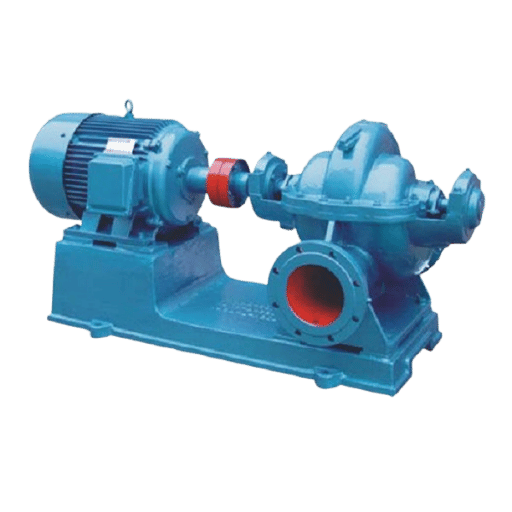
O BEP não é apenas uma questão de energia. O funcionamento com lamas longe do BEP pode alterar a recirculação interna, a vibração, a velocidade local e a incidência no impulsor. As especificações de campo definem frequentemente uma gama aceitável em torno do BEP; uma discussão sobre gama de funcionamento da Eng-Tips, por exemplo, cita um requisito de uma instalação entre 80% e 105% do caudal no BEP, mas esse valor é uma regra dessa instalação, não uma norma universal.
| Problema da curva | O que solicitar | Porque importa nas lamas |
|---|---|---|
| Ponto de funcionamento à esquerda do BEP | Verificação do caudal mínimo contínuo | Risco de recirculação e movimento instável dos sólidos |
| Ponto de funcionamento à direita do BEP | Verificação de batimento radial e carga do motor | Uma velocidade mais elevada pode aumentar o desgaste abrasivo |
| Caudal variável | Gama de caudal mínimo/máximo prevista | A seleção deve abranger a gama de funcionamento real |
Um engenheiro de manutenção que substitui uma bomba de alimentação de ciclones vê frequentemente primeiro o sintoma errado: vida útil curta do revestimento interior. A causa principal pode ser a posição de uma válvula, uma modificação na tubagem ou uma alteração da taxa de produção que afastou o ponto de funcionamento da curva originalmente selecionada. Antes de mudar a liga ou o revestimento interior, solicite uma sobreposição de curvas com o traçado atual da tubagem e o débito atual.
Conclusão sobre a curva: Não escolha o material da parte hidráulica antes de verificar a bomba face à gama de funcionamento real.
4. Escolher o tipo de bomba: horizontal, vertical, submersível ou de deslocamento positivo
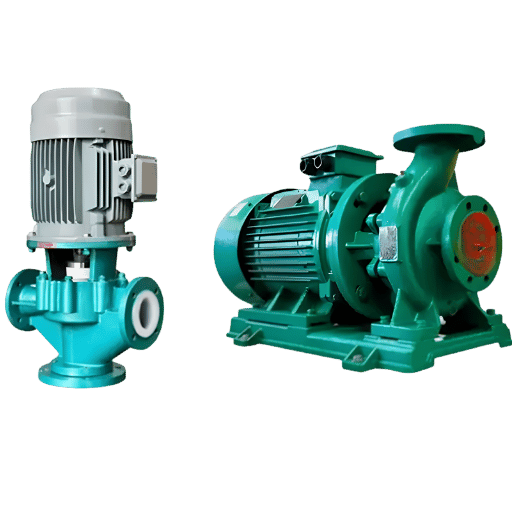
A maior parte do trabalho de seleção de bombas de lamas continua a começar por uma bomba centrífuga, mas a instalação determina a arquitetura. Uma linha de transferência numa instalação seca, um poço de bombagem, uma fossa inundada e uma aplicação de descarga inferior densa não exigem o mesmo à bomba.
Vantagens
- As unidades horizontais oferecem acesso acima do nível do solo aos rolamentos, empanques e inspeção da parte hidráulica.
- As unidades submersíveis eliminam a linha de aspiração seca e funcionam diretamente em fossas ou lagos.
- As unidades verticais adequam-se a poços de bombagem onde as lamas se acumulam abaixo do nível do pavimento.
Limitações
- As unidades horizontais exigem análise da aspiração e espaço no pavimento.
- As unidades submersíveis podem exigir acesso para elevação antes da inspeção.
- As bombas de deslocamento positivo adequam-se a alguns serviços de alta pressão ou densos, mas exigem uma análise cuidadosa dos sólidos.
Que tipo de bomba é melhor para lamas?
Muitos serviços abrasivos de minerais e rejeitados começam com uma bomba centrífuga de lamas para serviço pesado. Utilize uma bomba de lamas para serviço pesado em circuitos fixos de moagem, uma bomba submersível de lamas para fossas e acessos inundados, uma bomba horizontal de lamas para instalações acessíveis acima do nível do solo e uma bomba vertical de lamas para poços de bombagem. As bombas horizontais facilitam o acesso a rolamentos e empanques, enquanto uma bomba de deslocamento positivo só pode adequar-se a um serviço denso ou de alta pressão após análise dos sólidos. Adeque a arquitetura ao acesso de instalação, à configuração da aspiração, ao comportamento dos sólidos e ao método de manutenção antes de tratar qualquer tipo de bomba como resposta predefinida.
Conclusão sobre a instalação: O tipo de bomba resulta conjuntamente das limitações de instalação e do comportamento das lamas.
5. Adequar o material da parte hidráulica à granulometria, forma e pH
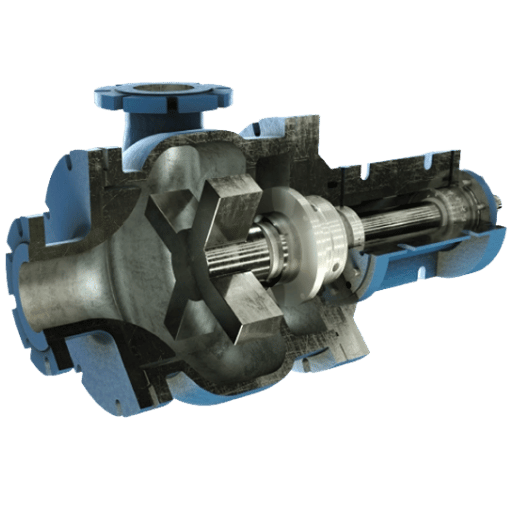
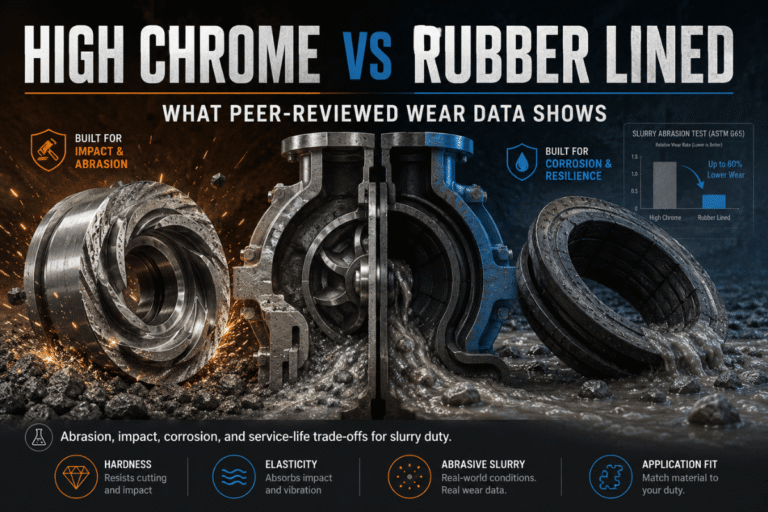
O material da parte hidráulica é onde muitas RFQ se tornam demasiado simples. As opções de alto crómio, borracha, poliuretano e aço inoxidável ou duplex respondem cada uma a um problema distinto de desgaste/corrosão. A gama de bombas de lamas da BBP indica uma dureza do impulsor de alto crómio de cerca de 60 HRC e revestimentos interiores de borracha na gama de 50-60 Shore A; são capacidades do produto, não um substituto da análise do serviço.
| Opção da parte hidráulica | Valor publicado pela BBP | Indicador do serviço mais adequado |
|---|---|---|
| Alto crómio | Cerca de 60 HRC | Partículas abrasivas grosseiras e angulares e desgaste por corte |
| Borracha natural | 50-60 Shore A | Partículas finas, absorção de impacto, combinação moderada de corrosão e abrasão |
| Poliuretano | Cerca de 85-95 Shore A | Lamas abrasivas finas em que a borracha é demasiado macia |
| EPDM ou elastómero especializado | Específico do projeto | Exposição química e escolha de material orientada pelo pH |
A página de serviço da BBP utiliza d85 de cerca de 700 um como limite prático entre muitos serviços com partículas finas e revestimento de borracha e serviços grosseiros de alto crómio. Utilize-o como uma questão útil, não como regra universal. A forma das partículas, a concentração de sólidos, a velocidade e o pH podem alterar a resposta final. Como primeira abordagem rápida, utilize o seletor de materiais para bombas de lamas da BBP e confirme depois com a curva e os dados das lamas. Os serviços abrasivos finos ou de pH baixo podem justificar uma análise separada das bombas de lamas com revestimento de borracha.
Erro comum: Escolher primeiro o material mais duro pode ainda falhar se o ponto de funcionamento for instável ou se a corrosão for o verdadeiro fator associado ao desgaste.
6. Verificar a aspiração, margem de NPSH, plano de empanque e água de lavagem
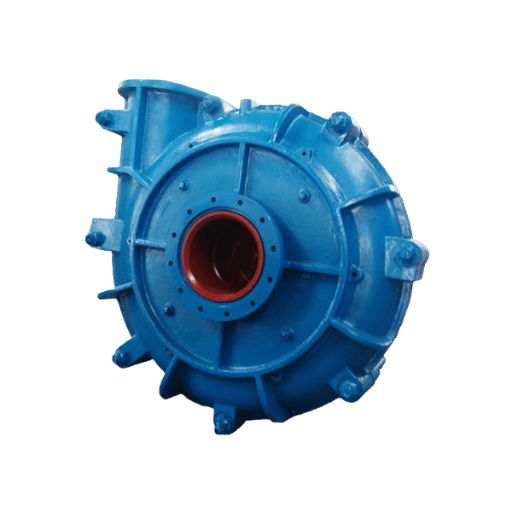
A análise da aspiração não é uma reflexão tardia no serviço com lamas. O DOE observa que as bombas centrífugas necessitam de pressão de entrada suficiente para evitar a cavitação e propõe uma regra prática de altura manométrica líquida positiva de aspiração disponível 25% superior à necessária ao longo dos caudais previstos. As lamas acrescentam mais motivos para a verificar: ar arrastado, sedimentação na aspiração, lamas densas no arranque e configurações de água de empanque que podem diluir o processo.
| Verificação | O que enviar | Risco de seleção se faltar |
|---|---|---|
| NPSHa | Nível do depósito, pressão de vapor, perdas na aspiração | Cavitação e perda de altura manométrica |
| Configuração da aspiração | Diâmetro interior, comprimento, curvas, elevação da tubagem | Sedimentação, entrada de ar, caudal de entrada desigual |
| Plano de empanque | Empanque mecânico, gaxeta, expulsor, água de lavagem | Desgaste do empanque, diluição, custo do fornecimento de água |
| Condição de acesso | Necessidade de entrada em fossa, poço de bombagem, poço húmido ou depósito | Planeamento de manutenção inseguro ou lento |
Se a bomba estiver numa fossa, poço de bombagem ou poço húmido, o acesso para manutenção pode também exigir planeamento de espaços confinados. A OSHA 1910.146 abrange espaços confinados que exigem autorização na indústria em geral; não é uma regra de seleção de bombas, mas recorda de forma útil que a facilidade de manutenção deve integrar a conversa sobre seleção. A norma da OSHA sobre espaços confinados deve ser verificada pelo responsável pela segurança da instalação quando existirem perigos de entrada.
Conclusão sobre a aspiração: Uma bomba que parece correta no lado da descarga pode ainda falhar no lado da aspiração.
7. Comparar o TCO, sobresselentes de desgaste e evidências de ensaio antes do preço
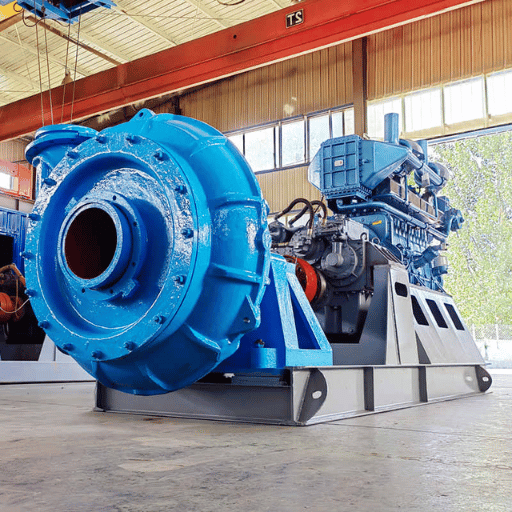
O preço importa, mas os compradores de bombas de lamas normalmente voltam a pagar através de energia, peças da parte hidráulica, tempo de paragem, intervenções no empanque e nova seleção se a primeira bomba não cumprir o serviço. A questão prática é: o fornecedor consegue demonstrar o que foi selecionado, o que foi ensaiado e que peças sobresselentes estarão disponíveis quando chegar o primeiro ciclo de desgaste?
| Elemento de evidência | Porque deve constar da RFQ | Indicador de apoio da BBP |
|---|---|---|
| Relatório de ensaio hidráulico | Confirma o serviço nominal face à curva de ensaio | Ensaios hidráulicos a 100% antes da expedição |
| Rastreabilidade dos materiais | Liga o impulsor/revestimento interior à liga e ao lote térmico | Fundição própria e código de rastreabilidade |
| Lista de peças sobresselentes de desgaste | Evita uma paragem prolongada após o primeiro ciclo de desgaste | Stock de modelos comuns e sobresselentes de elevado desgaste |
| Classe de aceitação | Indica como é avaliado o resultado hidráulico | ISO 9906 Classe 1U/2B por encomenda quando especificado |
A ISO 9906:2012 abrange ensaios de aceitação do desempenho hidráulico de bombas rotodinâmicas, incluindo bombas centrífugas, de fluxo misto e axiais. A linguagem de âmbito da ISO 9906 é uma referência útil quando o seu projeto exige linguagem de aceitação. A página institucional da BBP indica que todas as bombas são ensaiadas hidraulicamente e que os ensaios ISO 9906 Classe 1U/2B são realizados por encomenda.
Utilize a calculadora de TCO para bombas de lamas e o estimador de tempo de paragem de bombas de lamas da BBP para comparar o custo de um erro de seleção antes da emissão da ordem de compra. Se a sua instalação já utiliza carcaças compatíveis, inclua os números de modelo instalados quando discutir peças sobresselentes para bombas de lamas.
Conclusão comercial: Uma proposta de baixo valor é uma evidência fraca, salvo se incluir a curva, o plano de ensaio, a rastreabilidade do material e a via de peças sobresselentes.
Ajustamentos por aplicação: indústria mineira, FGD, dragagem, águas residuais e lamas químicas
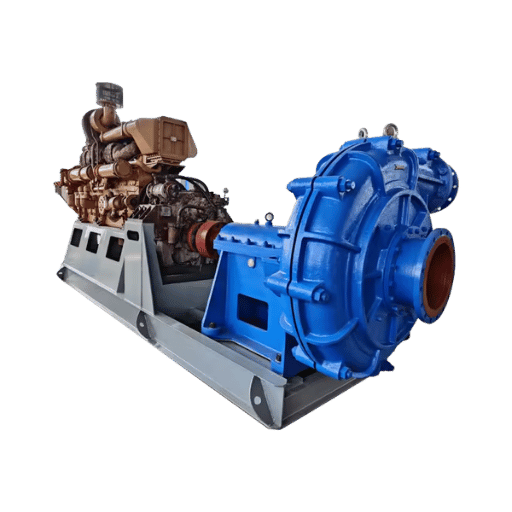
Nas várias aplicações, o método em sete passos mantém-se, mas a ordem das preocupações altera-se. Os rejeitados mineiros normalmente colocam a granulometria, a concentração e o desgaste contínuo em primeiro plano. O serviço FGD costuma aumentar a importância da combinação de corrosão e abrasão e da escala de caudal. A dragagem acrescenta partículas grosseiras e condições de entrada variáveis. As lamas de águas residuais colocam a obstrução e o acesso para manutenção em primeiro plano.
As diferentes aplicações de lamas também alteram a primeira questão da análise de bombagem. Uma bomba de dragagem pode começar pela variabilidade da entrada, um serviço de drenagem pode começar pelo acesso inundado e uma bomba de circuito de moagem pode começar pela gama do ponto de funcionamento, pela hidráulica e pela vida útil prevista do revestimento interior.
| Aplicação | Indicador da página BBP | Prioridade de seleção |
|---|---|---|
| Indústria mineira e processamento de minerais | 20-50% p/p de sólidos; d85 200 um a 5 mm por estágio do circuito | Material de desgaste, gama BEP, sobresselentes |
| Recirculação do absorvedor FGD | pH 4-6; caudais de 2 000-15 000+ m3/h | Revestimento de borracha, combinação de corrosão e abrasão, dimensão do motor |
| Água e lamas municipais | 5-25% p/p de sólidos | Resistência à obstrução, plano de empanque, acesso |
| Química e dragagem | EPDM para serviço ácido; alto crómio para serviço de areia/dragagem | pH, impacto das partículas, variabilidade da aspiração |
O serviço de minério e rejeitados deve começar pelas bombas de lamas para a indústria mineira. O serviço de areia e entrada variável deve ser comparado com as bombas de dragagem de areia. Se o fluido for lama municipal em vez de lamas minerais, analise o limite da bomba de lamas para que as premissas de lamas do artigo não sobrestimem a gravidade da abrasão.
Conclusão sobre a aplicação: Mantenha o mesmo método, mas deixe a aplicação decidir que variável é verificada primeiro.
Entrega para aprovisionamento: o que enviar à BBP para uma análise baseada em curvas
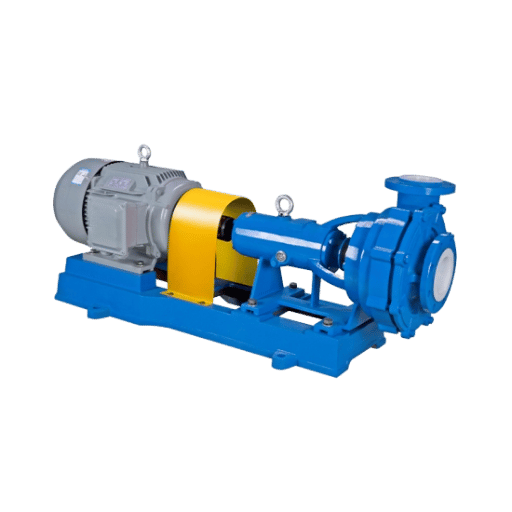
Para obter uma resposta útil, envie um conjunto de dados do ponto de funcionamento, não um pedido de uma linha para “o preço de uma bomba de lamas”. Os engenheiros de aplicação da BBP analisam o ponto de funcionamento, as características do fluido, a massa volúmica relativa e o NPSH disponível antes da proposta, e a fábrica reúne fundição, tratamento térmico, maquinagem, montagem, pintura e inspeção sob um sistema ISO 9001 certificado desde 1990.
| Conjunto de evidências do ponto de funcionamento | Envie este valor | Resultado da análise BBP |
|---|---|---|
| 1. Caudal | Projeto, mínimo, máximo | Dimensão inicial da bomba e família de curvas |
| 2. Altura manométrica | Estática, atrito, pressão de descarga | Localização do ponto de funcionamento na curva |
| 3. Traçado da tubagem | Comprimento, diâmetro interior, curvas, válvulas | Verificação da curva do sistema |
| 4. SG das lamas | SG da mistura e dos sólidos | Análise da potência e da carga no veio |
| 5. Dados das partículas | PSD, d50, d85, dimensão máxima | Análise da passagem livre e do material |
| 6. Química | pH, cloreto, temperatura | Via de revestimento interior, elastómero e liga |
| 7. Aspiração | NPSHa, nível do depósito, elevação | Verificação da cavitação e do plano de empanque |
| 8. Unidade existente | Modelo, curva, modo de falha | Limite entre substituição e peças sobresselentes |
| 9. Requisito de ensaio | FAT testemunhado, classe ISO 9906, formato do relatório | Âmbito da documentação |
| 10. Plano de sobresselentes | Peças de desgaste, quantidade, objetivo de prazo de entrega | Pacote inicial de sobresselentes |
Conjunto de evidências do ponto de funcionamento: formatos de unidades de exemplo
Utilize esta tabela como verificação de formato, não como limite universal de conceção. Os valores abaixo são exemplos que mostram o nível de detalhe de medição de que um fornecedor necessita antes da análise da curva.
| Campo do RFQ | Formato de unidade de exemplo | Porque é que a BBP o solicita |
|---|---|---|
| Altura de aspiração estática e altura manométrica total | 18 m de altura de aspiração estática; 42 m de altura manométrica total | Separa a elevação dos pressupostos relativos às perdas na tubagem |
| Traçado da tubagem | 120 m de comprimento da linha; 1,5 m de desnível de aspiração | Apoia a análise da curva do sistema e das perdas na aspiração |
| Distribuição granulométrica | d50 200 um; d85 700 um; máx. 5 mm | Relaciona a dimensão da passagem livre, a escolha do revestimento interior e o desgaste do impulsor |
| Teor de sólidos | 20% mínimo; 50% em condição anómala | Mostra se uma curva tem de abranger o funcionamento normal e em condição anómala |
| Temperatura de funcionamento | 35°C normal; 45°C em condição anómala | Afeta os pressupostos relativos ao elastómero, ao empanque mecânico e aos rolamentos |
| Verificação de NPSH | Objetivo de margem de 25%; nível mínimo do reservatório de 3 m | Assinala o risco de cavitação antes da seleção do modelo |
| Carga do motor e do veio | 75 kW instalados; carcaça alternativa de 90 kW | Verifica a potência exigida pela densidade e o fator de serviço |
| Água de lavagem do empanque | 30 psi normal; 50 psi máximo | Evita a diluição do plano de empanque e surpresas na pressão de alimentação |
| Velocidade de transporte | 2 m/s mínimo; 3 m/s ponto máximo de análise | Equilibra o controlo da sedimentação com a velocidade abrasiva |
| Faixa de funcionamento | Caso de baixo caudal de 80%; verificação de batimento radial a 105% | Mostra se a bomba selecionada se mantém suficientemente próxima do BEP |
| Comparação de estudos de desgaste | Casos com partículas de 0,4 mm e 0,8 mm; nota de alteração de desgaste de 20% | Mantém os dados de estudos laboratoriais separados das regras de seleção específicas do projeto |
| Limite de pressão | 150 psi normal; análise hidrostática a 250 psi | Clarifica as expectativas relativas ao corpo da bomba, à flange e ao relatório de ensaio |
| Janela de manutenção | Objetivo de inspeção de 24 h; limite de paragem de 72 h | Define o acesso para elevação, a disponibilidade de sobresselentes e o planeamento no local |
| Planeamento de peças sobresselentes | Expedição desejada em 25 dias; horizonte de risco de paragem de 90 dias | Mostra se as peças da parte hidráulica em stock fazem parte da decisão |
| Nota sobre troço reto | Nota de mínimo de 2 m; nota de preferência por 5 m | Ajuda a engenharia a assinalar perturbações à entrada antes de finalizar a curva |
| Margem de desgaste e verificação de potência | Ponto de inspeção de 6 mm; margem de desgaste de 12 mm; carga auxiliar de 15 kW; limite instalado de 110 kW | Dá às equipas de manutenção e elétrica a mesma base de análise |
| Âmbito do projeto | 1 linha de projeto; 3 bombas; intervalo de análise do desgaste de 6 meses | Mantém a substituição de uma única bomba separada da normalização da frota |
Utilize a calculadora de seleção de bombas de lamas da BBP e o guia de seleção de materiais para bombas de lamas para uma primeira orientação, e depois envie o pacote completo do ponto de funcionamento para análise.
“Um RFQ útil para uma bomba de lamas contém evidência suficiente para rejeitar uma bomba inadequada, e não apenas dados suficientes para atribuir um preço a uma bomba.”
Envie o seu ponto de funcionamento à BBP
Partilhe o caudal, a altura manométrica, os dados da lama, a granulometria, o pH, a condição de aspiração e as horas de funcionamento. A BBP pode fornecer um percurso de seleção baseado em curvas, uma recomendação de material e os limites da proposta.
Solicite uma análise do ponto de funcionamentoPerspetivas para 2026: RFQs preparados com dados e seleção rastreável de bombas de lamas

Olhando para 2026, a mudança do lado dos compradores tem menos a ver com um novo formato de bomba e mais com evidências. Os relatórios públicos de mercado divergem quanto à dimensão exata do mercado de bombas de lamas, pelo que este artigo não utiliza um valor de crescimento. O que importa nos RFQs é prático: os compradores técnicos estão a pedir evidências mais claras das curvas, rastreabilidade dos materiais e registos de ensaio mais cedo no processo de proposta.
O trabalho académico também está a tornar as conversas sobre desgaste mais baseadas em dados. Um estudo MDPI de 2024 sobre CFD-DEM em bombas de lamas relaciona variáveis das partículas e de conceção com o comportamento de colisão e erosão. Para os compradores, a ação é simples: se planeia um projeto para 2026, envie os dados de distribuição granulométrica, concentração de sólidos e faixa de funcionamento com o primeiro RFQ, e não depois de o fornecedor já ter apresentado uma proposta para um modelo.
Conclusão para 2026: Os RFQs sólidos em 2026 serão rastreáveis: ponto de funcionamento, dados da lama, evidências de curva, base de material, plano de ensaio e plano de peças sobresselentes num único pacote.
Perguntas frequentes
Que informações são necessárias para a seleção de uma bomba de lamas?
Mostrar resposta
No mínimo, envie o caudal de projeto, a altura manométrica total, o traçado da tubagem, a densidade relativa da lama, a concentração de sólidos, a distribuição granulométrica, o pH, a temperatura, a condição de aspiração, as horas de funcionamento e os registos de ensaio exigidos. Um pacote completo reduz o risco de pressupostos e ajuda o fornecedor a rejeitar uma bomba inadequada antes de apresentar proposta. Em serviço de elevado desgaste, inclua o modo de falha da bomba atual, fotografias das peças desgastadas, minerais abrasivos conhecidos, limites da água de lavagem do empanque e qualquer redação sobre ensaios de aceitação que a equipa de aprovisionamento exija.
A seleção de uma bomba de lamas é o mesmo que o seu dimensionamento?
Ler resposta
Não. O dimensionamento estima o caudal, a altura manométrica e a potência do motor. A seleção acrescenta o comportamento da lama, o tipo de bomba, o material da parte hidráulica, a aspiração/NPSH, o plano de empanque, a vida útil face ao desgaste, as evidências de ensaio e a capacidade do fornecedor. Uma bomba corretamente dimensionada pode ainda ser uma má seleção para lamas se o material ou o plano de aspiração estiver errado.
Quando devo escolher uma bomba submersível para lamas?
Abrir resposta
Escolha uma bomba submersível para lamas para escavações, lagoas, poços de bombagem ou áreas inundadas onde uma linha de aspiração a seco criaria riscos evitáveis.
Como afeta a granulometria o material de uma bomba de lamas?
Mostrar resposta
A granulometria altera o modo de desgaste. As partículas finas podem favorecer o desempenho de elastómeros em muitos serviços neutros ou ligeiramente corrosivos, enquanto as partículas grosseiras e angulares levam frequentemente à seleção de alto crómio ou de outros materiais duros. A forma, a concentração, a velocidade e o pH continuam a ser importantes, pelo que não deve escolher o material apenas com base na dimensão.
Porque é que operar longe do BEP aumenta o desgaste das bombas de lamas?
Ver resposta
Longe do BEP, o escoamento interno pode tornar-se menos estável. O serviço com lamas pode então apresentar maior velocidade local, recirculação, vibração e impacto de partículas. O resultado pode manifestar-se como uma vida útil curta do revestimento interior ou do impulsor, mesmo quando o material parece correto no papel.
O que é NPSH e porque é importante no serviço com lamas?
Ver resposta
NPSH é a margem de pressão no lado da aspiração que ajuda a evitar a vaporização do líquido na entrada da bomba. Um NPSH marginal no serviço com lamas pode combinar-se com sólidos, ar arrastado e perdas na linha de aspiração. Por isso, NPSHa, NPSHr, o nível do reservatório e a disposição da tubagem de aspiração devem ser analisados em conjunto.
A BBP pode analisar uma bomba de lamas ou peça sobresselente compatível com Warman AH?
Ver resposta
Sim. A BBP publica a compatibilidade dimensional da série AH para partes hidráulicas e peças sobresselentes na sua página de bombas de lamas. Envie o modelo AH original, o ponto de funcionamento, o material, o modo de falha e a lista de peças para que a engenharia possa verificar o ajuste dimensional e do material antes da proposta.
Trata-se de uma instalação com aspiração inundada ou com altura de aspiração?
Ver resposta
Indique ao fornecedor se o líquido se encontra acima da entrada da bomba ou se tem de ser elevado até ela. A aspiração inundada proporciona normalmente maior margem à entrada, enquanto a altura de aspiração acrescenta riscos de cavitação, escorvamento, sedimentação e entrada de ar. Esta distinção altera NPSHa, o plano de empanque, a disposição da tubagem e, por vezes, a orientação da bomba.
Porque é importante a velocidade de transporte de lamas?
Ver resposta
A velocidade tem de se manter suficientemente elevada para limitar a sedimentação, mas não tão elevada que a abrasão, a potência exigida e o desgaste da tubagem aumentem desnecessariamente. É por isso que a curva da bomba, o diâmetro da tubagem, a concentração de sólidos e a condição de caudal mínimo devem ser analisados em conjunto.
O que causa desgaste excessivo nas bombas de lamas para a indústria mineira?
Ver resposta
As causas comuns incluem partículas grosseiras e angulares, elevada concentração de sólidos, posição de funcionamento inadequada na curva, velocidade de rotação excessiva, material de revestimento interior incorreto e instabilidade na aspiração. No serviço mineiro, a peça desgastada é uma evidência; envie fotografias, dados das partículas e o ponto de funcionamento atual antes de alterar o material.
Porque falham as bombas de água normais em aplicações de lamas na indústria mineira?
Ver resposta
As bombas de água normais não são concebidas para sólidos abrasivos. Podem ter passagens estreitas, metalurgia inadequada na parte hidráulica, pressupostos de desempenho para água limpa e configurações de empanque que não toleram partículas abrasivas. O serviço mineiro necessita de uma parte hidráulica adequada a lamas, de uma base de material resistente ao desgaste e de evidências de ensaio suficientes para confirmar o ponto de funcionamento selecionado.
Recursos relacionados da BBP
Nota de transparência
Este guia utiliza orientações públicas sobre seleção de bombas, investigação académica sobre desgaste em lamas, referências OSHA/ISO e dados publicados pela BBP sobre fábrica e produtos. É um guia de preparação para a seleção, não uma aprovação final de engenharia. A escolha final da bomba deve ser verificada face ao seu ponto de funcionamento completo, aos dados da amostra de lama, às condições do local e aos requisitos de ensaio do projeto.
Referências e fontes
- Considerações sobre a seleção de bombas – Departamento de Energia dos Estados Unidos
- Investigação e melhoria das características de desgaste de bombas centrífugas para lamas através de acoplamento CFD-DEM – Water, 2024
- 29 CFR 1910.146 Espaços confinados que exigem autorização – Administração de Segurança e Saúde no Trabalho
- ISO 9906:2012 Ensaios de aceitação do desempenho hidráulico – Organização Internacional de Normalização
- Seleção de bombas de lamas – Escolher a solução certa para o seu serviço – AusIMM Bulletin