
Entre em Contato com a BBP

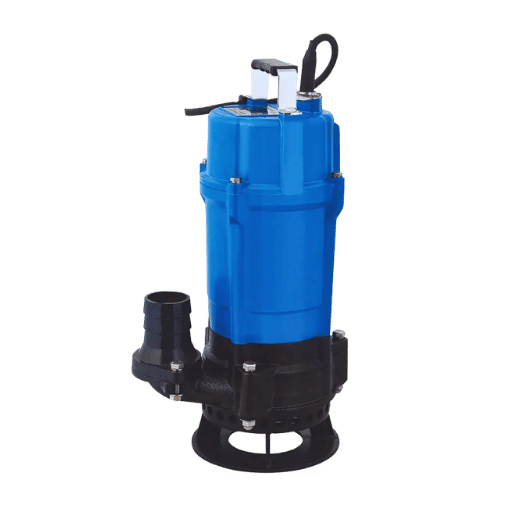
Uma bomba de lodo lida com lodo semilíquido com sólidos suspensos, viscosidade, grão, fibras ou detritos assentados. Nomear a bomba é simples; escolher a bomba certa para o material é o que evita perda de fluxo, motores queimados e linhas de descarga conectadas.
Especificações rápidas: Visão geral do dever da bomba de lodo
- Comportamento fluido: lamas semifluidas, não água limpa.
- Entradas principais: porcentagem de sólidos, tamanho de partícula, viscosidade, fluxo, cabeça, NPSHa, ciclo de trabalho e tipo de detritos.
- Famílias comuns de bombas: submersível, centrífugo, picador, diafragma e cavidade progressiva.
- Principais riscos de falha: entupimento, desgaste da vedação, cavitação, sobrecarga do motor e assentamento da linha de descarga.
- Transferência comercial: uma vez conhecidos os dados de fluxo, cabeça, sólidos e material, mova-se para especificações industriais da bomba de lodo.
Para que é usada uma bomba de lodo?
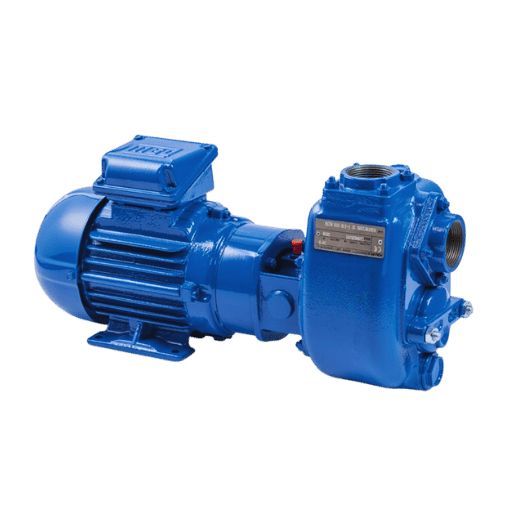
Use uma bomba de lodo onde o líquido tem sólidos significativos, fibra, grão ou conteúdo biológico de tal forma que uma bomba de água padrão é a máquina inadequada No tratamento de esgoto que pode ser lodo primário, retorno de lodo ativado, lodo ativado de resíduos ou biossólidos espessados No serviço industrial que pode ser lodo de fábrica de papel, resíduo de processo, desperdício de alimentos ou rejeitos abrasivos.
Essa diferença importa porque o lodo é um problema hidráulico e de manuseio. O equipamento deve produzir vazão, manter os sólidos em suspensão, limitar o risco de bloqueios e lidar com o padrão de desgaste imposto pelo material.
De acordo com a EPA Guia em inglês simples para a regra de biossólidos da EPA Parte 503, biossólidos são principalmente produtos sólidos orgânicos gerados a partir do tratamento de águas residuais municipais Os compradores de bombas podem usar essa definição para tratar o lodo como um fluxo de material em mudança, não um líquido fixo.
Os resultados da pesquisa do consumidor podem ser confusos Bombas de lodo para lavadora de pressão, bombas de lodo de lagoa e acessórios para drenagem de piscina não são a mesma compra que uma bomba de transferência de lodo industrial. Se o ponto de serviço for uma planta municipal, reservatório industrial, mina, fábrica de papel ou tanque de processo, permaneça em unidades industriais: GPM ou m³/h, cabeçote, sólidos, viscosidade, tamanho de partícula, potência do motor e materiais.
Em canteiros de obras ou após uma inundação, a desidratação de lodo não é automaticamente um trabalho de bomba de depósito; detritos de filtro, areia e resíduos viscosos podem causar danos à bomba se a tripulação tentar bombear lodo com bombas padrão Um caminhão a vácuo pode ajudar na remoção de emergência, mas não substitui a seleção da bomba quando os sólidos ainda precisam passar pela linha.
Qual é outro nome para uma bomba de lamas?
Há também nomes alternativos para uma bomba de lodo, como bomba de biossólidos, bomba de manuseio de sólidos, bomba sem entupimento, bomba de lodo de cárter, bomba de desidratação, bomba de picador ou bomba de transferência de lodo Dependendo da planta e do material, esses nomes não são intercambiáveis porque podem indicar geometria diferente do impulsor, design de entrada, passagem de sólidos e risco de manutenção.
Principais conclusões: use a palavra “sludge” para iniciar a pesquisa, mas use o comportamento de sólidos para escolher a máquina.
Como funciona uma bomba de lodo?
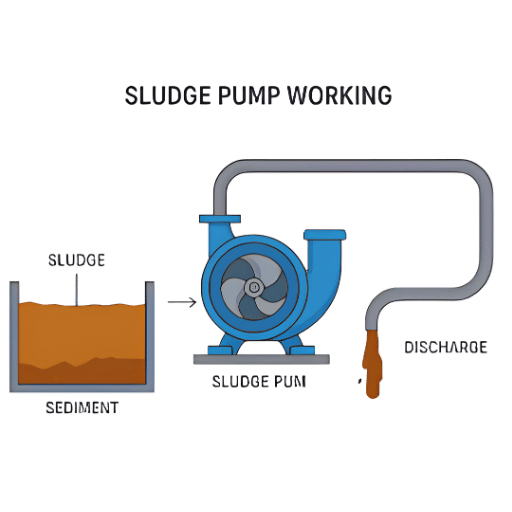
A maioria das bombas de lodo funciona criando uma diferença de pressão que move o lodo do lado de sucção para o invólucro, através do impulsor ou elemento de bombeamento e para fora através da descarga Isso soa simples até que o líquido pare de se comportar como água: os sólidos se depositam, as fibras se envolvem, a viscosidade aumenta o atrito e o grão abrasivo corrói as folgas internas.
O impulsor de uma bomba centrífuga de lodo transmite energia na forma de velocidade e pressão ao lodo A voluta do impulsor transforma uma proporção maior dessa velocidade em uma pressão de descarga As bombas de lodo de helicóptero usam elementos de corte para remover quaisquer detritos fibrosos que possam fazer a ponte entre a entrada.
Bombas de diafragma e cavidade progressiva usam deslocamento positivo para mover lodo mais viscoso ou sensível ao cisalhamento a uma velocidade menor.
A porcentagem de sólidos é uma variável muito importante Como observado por uma folha de fatos de espessamento por gravidade da EPA, o espessamento do lodo 31TP3 T para o lodo 61TP3 T reduz o volume em 501TP3 T, e os fundos do espessante por gravidade geralmente estão na faixa de sólidos 4-61TP3 T, com concentrações tão altas quanto 151TP3 T sólidos totais em alguns casos É por isso que uma linha que teve um bom desempenho ontem pode estar sobrecarregada ou entupida após os parâmetros de espessamento mudarem a montante.
Nota de Engenharia: Não trate a viscosidade do lodo como viscosidade de água limpa, a menos que os sólidos sejam muito baixos e verificados As discussões de campo entre os engenheiros de águas residuais geralmente alertam que o comportamento do esgoto e do lodo muda quando os sólidos totais se elevam acima da faixa baixa de um dígito Na revisão do projeto, peça sólidos totais, temperatura, perfil de partículas e se os sólidos se depositam durante o desligamento.
Tipos de bomba de lodo comparados
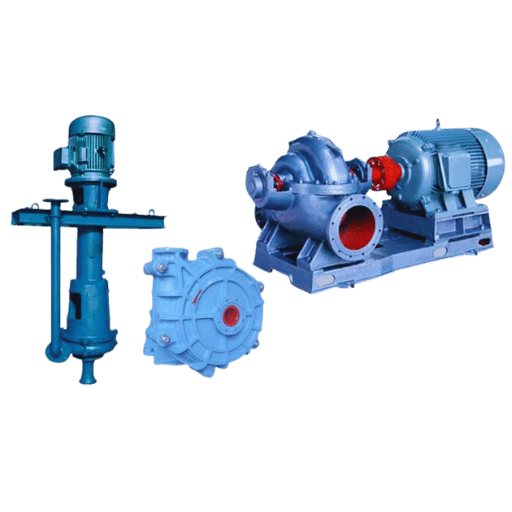
A escolha da bomba é impulsionada pela função do lodo dentro da bomba, não pelo nome geral da planta Os reservatórios municipais com lenços umedecidos, fluxos de rejeitos de mineração e linhas de lodo da fábrica de papel podem usar a palavra lodo, mas todos darão tensões diferentes à bomba.
| Tipo bomba | Melhor ajuste | Limite principal | Cheque comprador |
|---|---|---|---|
| Bomba de lamas submersíveis | Poços, reservatórios, estações elevatórias, desidratação temporária | Risco de acesso e entupimento | Passagem de sólidos, comprimento do cabo, proteção do motor |
| Bomba centrífuga de lodo | Maior fluxo, menor a transferência de viscosidade média | Sólidos de sedimentação e alta viscosidade | Curva da bomba, NPSHa, folga do impulsor |
| Bomba picador | Lamas fibrosas, toalhetes, trapos, resíduos pegajosos | Desgaste do elemento de corte | Acesso à lâmina, passagem de sólidos, intervalos de serviço |
| Bomba diafragma | Transferência intermitente de altos sólidos ou lodo químico | Limites de pulsação e capacidade | Compatibilidade química e fornecimento de ar |
| Bomba cavidade progressiva | Lodo viscoso e fluxo controlado de baixo cisalhamento | Desgaste do estator e sensibilidade ao funcionamento a seco | Material do rotor/estator e tamanho dos sólidos |
| Bomba lixo | Água suja com detritos soltos | Não é uma solução de lodo espesso | limite de serviço da bomba de lixo |
Vantagens
- Várias famílias de bombas permitem que os engenheiros correspondam ao modo de falha.
- Projetos submersíveis reduzem a exposição da casa de bombas para serviço de fossa.
- Os designs de helicópteros podem reduzir o entupimento relacionado aos trapos onde as fibras dominam.
Limitações
- Nenhum tipo de bomba corrige dados de serviço ruins.
- Onde são previstos sólidos minerais abrasivos, a bomba de polpa resistente a seleção deve ser considerada.
- O lodo de alta viscosidade pode tornar as curvas de água limpa enganosas.
Que tipo de bomba é melhor para lodo?
O lodo aquoso em poços geralmente começa com uma bomba de lodo submersível Os resíduos urbanos fibrosos merecem uma comparação com uma bomba de picador ou moedor, incluindo uma bomba moedor esgoto opção. Quando sólidos minerais estão envolvidos, a decisão muda para materiais de extremidade úmida com bomba de lama. Quando o material é espesso e viscoso, um projeto de deslocamento positivo pode ser justificado em relação a um projeto centrífugo.
Lodo vs Polpa vs Bomba de Lixo: O Problema da Fronteira
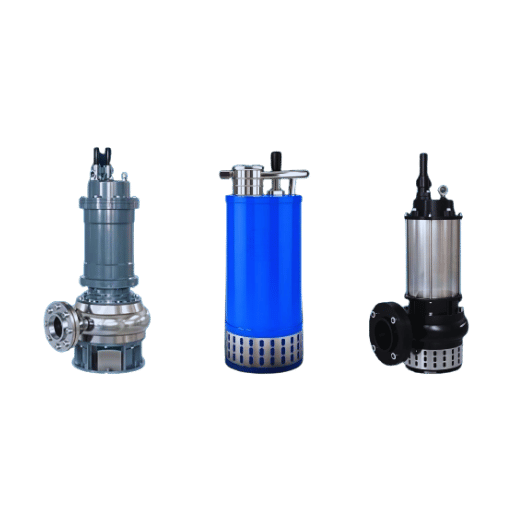
Lodo, chorume e água do lixo podem se sobrepor em linguagem casual, mas não punem as bombas da mesma maneira O lodo é muitas vezes biológico ou semi-sólido A chorume é mais provável mineral e abrasiva A água do lixo é água mais fina carregando detritos soltos Essas diferenças afetam a escolha do impulsor, a escolha do material, a carga do motor e o planejamento de peças sobressalentes.
| Categoria | Risco dominante | Erro típico do comprador | Melhor próximo passo |
|---|---|---|---|
| Lodo | Viscosidade, fibras, sólidos biológicos, sedimentação | Comprar uma bomba de água limpa com um motor maior | Verifique a família de bombas específicas para lodo |
| Polpa | Sólidos minerais abrasivos e desgaste na extremidade úmida | Subespecificando o material da liga ou do forro | Revisão bomba de chorume submersível dever |
| Água lixo | Detritos soltos em águas comparativamente finas | Usando-o para lodo biológico espesso | Verifique os limites de lixo ou desidratação |
Em uma peça de teste de limite, as respostas diferem Material que se instala permite uma pergunta sobre mantê-lo arrastado Material que envolve permite uma pergunta sobre o corte ou passagem de material fibroso Materiais que abrade exigem uma pergunta sobre peças de desgaste sobressalentes sacrificiais Problemas de espessamento levam a perguntas sobre derivar o torque necessário e as condições de bombeamento necessárias na inicialização.
Estrutura de triagem de 9 pontos para sólidos, viscosidade e abrasão
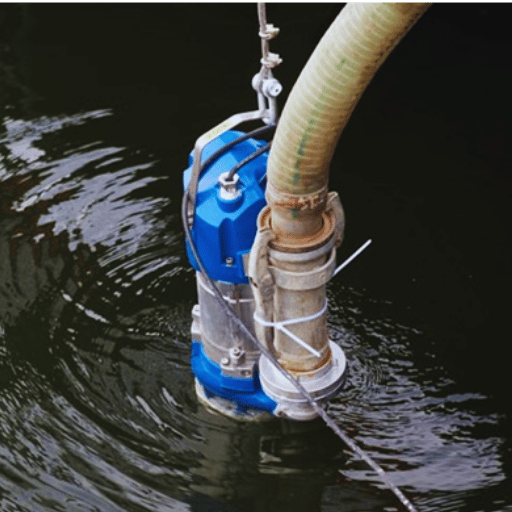
Qualquer chamada de equipamento deve começar classificando o dever em três eixos: sólidos, viscosidade e abrasão O 9-Point Solids-Viscosity-Abrasion Triage Framework ajuda a evitar dois problemas caros: comprar uma bomba que não pode passar o material, ou selecionar uma bomba mais resistente do que a necessidade da aplicação.
Este cálculo de custos não é apenas lógico, todos os exemplos do mundo real confirmam isso. O DOE Livro de referência do sistema de bombeamento aponta que o superdimensionamento das bombas aumenta os custos operacionais e de manutenção O superdimensionamento das bombas de lodo pode até afastar uma bomba de sua região operacional mais confortável, diminuindo a confiabilidade.
| Se o seu material mostrar... | Peça... | Por que isso importa |
|---|---|---|
| Fibras, toalhetes, trapos | Avaliação do picador ou moedor | Evita a ponte de entrada e a elevação repetida dos poços |
| Grãos minerais ou rejeitos | Extremidade molhada alta-cromo ou forrada | Passa a decisão do entupimento para o controle de abrasão |
| Alta viscosidade | Revisão de torque, sucção e deslocamento positivo | As curvas de água limpa podem subestimar a demanda de energia |
| Linha de descarga longa | Verificação de velocidade e estabilização | Os sólidos assentados transformam um tubo em um bloqueio |
| Demanda de fluxo variável | Método de controle e revisão de VFD | Energia e desgaste dependem de como o fluxo é controlado |
| Lodo corrosivo | Verificação de compatibilidade de materiais | A metalurgia errada pode falhar antes que o desgaste hidráulico apareça |
| Requisitos de aceitação apertados | Grau de teste hidráulico e pacote de documentos | Torna a aquisição auditável |
| Dados desconhecidos de sólidos | Teste de amostra ou ponto de teste conservador | Os valores exatos variam de acordo com o local e o processo upstream |
| Dados de serviço prontos | seletor bomba lodo | Transforma o guia em entrada de dimensionamento |
Em aplicações de lodo, a primeira pergunta útil nem sempre é “qual modelo?” É “qual modo de falha estamos tentando evitar: entupimento, desgaste, cavitação ou controle instável?”
Por que as bombas de lodo falham
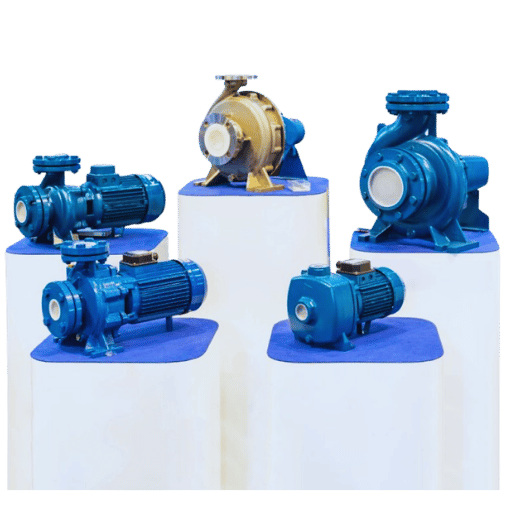
Bombas de lodo falham de maneiras reconhecíveis O entupimento ocorre quando o material não pode passar Os sólidos abrasivos cortam folgas Más condições de sucção levam à cavitação A viscosidade adicionada, sólidos ou um ponto de operação ruim podem exigir mais energia do que o motor e o acionamento podem fornecer.
Um exemplo prático é uma limpeza de clarificador de águas residuais, onde os operadores baixam e levantam repetidamente uma bomba submersível porque a entrada continua entupindo Isso é mais do que um problema de trabalho É uma pista de que a família de bombas, passagem de sólidos ou método de corte não corresponde ao material.
A cavitação merece atenção especial porque é fácil de interpretar mal como uma bomba fraca Instituto Hidráulico, em seu guia de regiões operacionais NPSH e bomba, aponta que o NPSH é central para evitar a cavitação e proteger a confiabilidade da bomba Se o lodo engrossar ou as perdas por sucção mudarem, a margem efetiva do NPSH pode encolher mesmo quando o hardware da bomba não mudou.
| Sintoma | Causa provável | Ponto de inspeção |
|---|---|---|
| O fluxo cai repentinamente | Entrada entupida ou sólidos de descarga assentados | Entrada, mangueira, velocidade de descarga |
| Ruído e vibração | Cavitação ou operação fora da curva | NPSHa, perdas por sucção, região de operação |
| Desgaste rápido do impulsor | Grão abrasivo ou material molhado errado | Certificado de material e análise de sólidos |
| Viagens motorizadas | Alta viscosidade, sobrecarga, problema de tensão | Amps, tensão, densidade, condição de inicialização |
Por que minha bomba de lodo não está funcionando?
Comece com o material, não o motor Confirme se a entrada está em ponte, a mangueira de descarga está parcialmente bloqueada, o reservatório se estabeleceu sólidos ou o lodo é mais espesso do que o dever original Em seguida, verifique se a bomba está funcionando perto de sua região de fluxo de falha ao substituir o mesmo modelo muitas vezes repete a falha.
Verificações de materiais, padrões e aceitação

A seleção de material da bomba de lodo é uma decisão de risco O ferro fundido pode ser OK para lodo de águas residuais de baixa abrasão O aço inoxidável é uma escolha melhor para corrosão e higiene O ferro branco de alto cromo vale a pena considerar para sólidos abrasivos onde o driver de desgaste domina.
ASTM descreve A532/A532 M ferros fundidos resistentes à abrasão como ferros fundidos brancos ligados para resistência ao desgaste abrasivo em aplicações de mineração, moagem, manuseio de terra e fabricação Este escopo é relevante quando o lodo atua mais como pasta abrasiva do que águas residuais biológicas.
ISO 9906 é a referência usual para aceitação hidráulica ISO afirma que ISO 9906:2012 especifica testes de aceitação de desempenho hidráulico para bombas rotodinâmicas Uma especificação ou RFQ deve mencionar qual grau de aceitação ou registro de teste é necessário, mesmo que todo o padrão não seja citado.
- Especifique o material da extremidade úmida e seu padrão, não ferro fundido “” ou aço inoxidável “”
- Especifique se a bomba deve ser testada de acordo com um padrão de aceitação como ISO 9906.
- Solicite a curva de desempenho, dados do motor, plano de vedação e lista de peças de reposição.
- O dever abrasivo requer uma revisão de opções de materiais de ponta úmida para bombas de lodo antes da cotação ser aprovada.
- Um encaixe resistente, mangueira e embalagem de extremidade úmida podem ser necessários quando os sólidos abrasivos dominam.
Lista de verificação de instalação e manutenção para serviço de bomba de lodo
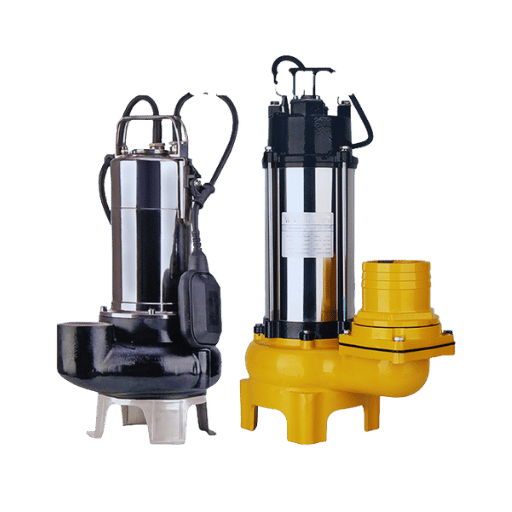
A instalação determina se a bomba instalada obtém uma vida útil O serviço de lodo exige ampla margem de sucção, um caminho de descarga que impede a sedimentação, acesso para limpeza e um plano de manutenção que detecta o desgaste antes de uma quebra de desempenho.
Lista de verificação pré-início
- Observe fluxo, cabeça, porcentagem de sólidos, temperatura, viscosidade e detritos esperados.
- Determine a submersão de sucção, a margem NPSHa e se a bomba inicia a operação contra o material sedimentado.
- Inspecione o tubo ou mangueira de descarga em busca de pontos baixos onde os sólidos possam assentar.
- Identifique a potência do motor, a tensão e a proteção contra sobrecarga e confirme a classificação do cabo para um submersível.
- Estoque as primeiras peças de desgaste: impulsor, vedação, placa de desgaste ou forro, junta e parafusos.
Monitore amperes, vibração, fluxo, vazamento de vedação e características do lodo Um aumento nos amperes com uma redução no fluxo não deve ser assumido como significando que o motor é a única causa de falha A operação da bomba pode ser desafiada por lodo mais espesso, operação fora da curva ou bloqueio parcial.
As verificações de segurança e conformidade pertencem ao plano de instalação, não após a inicialização Para o manuseio de biossólidos, confirme se 40 CFR Parte 503 aplica-se; para entrada de poço úmido, recuperação ou trabalho de implementação de campo em espaços confinados, verifique OSHA 29 CFR 1910.146 antes que o cronograma do projeto seja definido Durante a instalação, registre uma linha de base para amplificadores, fluxo, vibração e vazamento de vedação para que a solução de problemas posterior tenha um ponto de comparação real.
Quando passar do guia para especificações, dimensionamento e cotação

Guie o problema com este material Não vá às especificações até que o fluxo, a cabeça, a porcentagem dos sólidos e o tamanho de partícula, a viscosidade, a química do material, o tipo da instalação, a aplicação, a tensão e o ciclo de dever possam ser fornecidos Então o coordenador da aplicação podem trabalhar produtivamente um pouco do que adivinhar.
Exemplo de formato de dados RFQ: Substitua estes exemplos por valores medidos no local antes do dimensionamento: cabeça de 32 m, sólidos de 61TP3 T, tamanho de partícula de 12 mm, densidade de 1050 kg/m³, temperatura de lodo de 35 °C, motor de 15 kW, potência de 60 Hz, descarga de 100 mm, cabo de 20 m, elevação de sucção de 2 m, submersão de 4 m, ponto baixo da mangueira de 5 m, tolerância de desgaste de 3 mm, tela de pano de 10 mm, balanço diário de sólidos de 21TP3 T, sólidos de inicialização de 81TP3 T, misturador auxiliar de 1,5 kW e fornecimento alternativo de 50 Hz Para verificações de peças sobressalentes e encaixe no local, documentam os tamanhos de conexão de 75 mm e 150 mm, opções de motor de 5 kW e 30 kW, ciclos de trabalho de 4 hr e 6 hr, janelas de inspeção de 12 meses e 24 meses e qualquer limite de água de água de descarga de 10 psi.
Assim que o trabalho de seleção do BBP começar, o próximo passo será o produto da bomba de lodo e página de dimensionamento. Se o dever ainda não estiver claro, use o calculadora TCO da bomba de lodo ou envie os dados do fluido para revisão Para registros de aquisição, solicite a curva da bomba, o certificado do material e o pacote de documentos ISO 9001:2015 com a cotação.
Perspectivas da indústria: projeto de bomba de energia, monitoramento e manuseio de sólidos
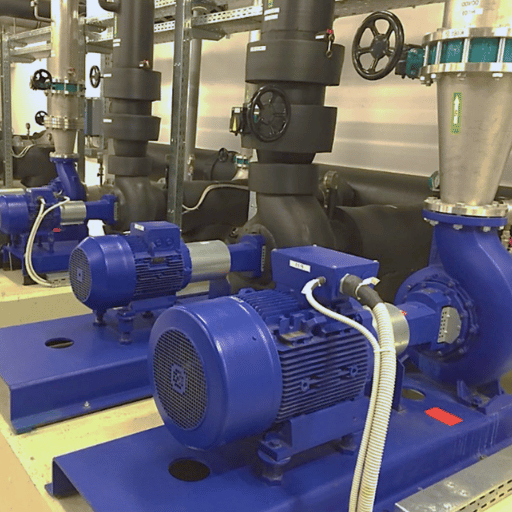
Em projetos de 2026, a discussão sobre a bomba de lodo está indo além de “será que ela passará por sólidos?” Os compradores também estão perguntando como a bomba será controlada, com que antecedência o local pode detectar problemas de vedação ou rolamento e se o equipamento pode funcionar próximo à região operacional projetada em vez de ser superdimensionado para segurança.
De acordo com a Guia de bombeamento de velocidade variável emitido pelo Departamento de Energia, os sistemas de bombeamento usam quase 201TP3 T da energia elétrica-motor do mundo e 251TP3 T a 501TP3 T da energia elétrica total em algumas instalações industriais O guia também identifica o controle de velocidade da bomba como o método de controle de fluxo mais eficiente.
Os padrões de confiabilidade são cada vez mais definidos No resumo de 2025 do Hydraulic Institute da atualização ANSI/HI 9.6.1 de 2024, a orientação da margem NPSH do fabricante da bomba é reforçada em conselhos específicos do aplicativo, referenciando o NPSHR para definir a margem Os clientes de lodo agora podem querer especificar as condições de sucção e as propriedades do fluido em sua RFQ, bem como o fluxo e a cabeça.
Ação para planejamento de 2026: especifique a bomba, o método de controle, o pacote do sensor e o pacote de documentos juntos Trate a lógica VFD, o monitoramento da corrente do motor, a tendência de vibração e o acesso às peças de reposição como parte do sistema da bomba, não as reflexões posteriores.
Perguntas frequentes sobre bomba de lodo
Para que é utilizada uma bomba de lamas?
Ver Resposta
Transporta lodo, com sólidos, grãos, fibras, material biológico ou material pegajoso presentes, em aplicações de águas residuais, industriais, de cárter e de processos.
Que tipo de bomba é melhor para lodo?
Ver Resposta
A composição do fluxo e do lodo deve guiar a primeira seleção O trabalho do poço e do reservatório geralmente começa com bombas de lodo submersíveis porque elas podem ficar perto do material e reduzir os problemas de escorva Fibras, lenços umedecidos e detritos municipais fibrosos fazem com que os projetos de picadores ou moedores valham a pena comparar Os sólidos minerais abrasivos movem a revisão em direção às extremidades úmidas da bomba de lama e às peças de desgaste.
O lodo de alta viscosidade pode precisar de revisão de deslocamento positiva em vez de uma seleção centrífuga baseada apenas em curvas de água limpa.
Que bomba remove lamas?
Ver Resposta
Uma bomba de lodo, bomba de picador, bomba de manuseio de sólidos submersíveis, bomba de diafragma ou bomba de cavidade progressiva podem ser usadas, dependendo de sólidos, viscosidade, elevação de sucção, tamanho de partícula e detritos Os dados do material fornecem o ponto de partida mais prudente.
Uma bomba centrífuga pode lidar com lodo?
Ver Resposta
Sim, mas apenas na janela de serviço correta As bombas de lodo centrífugo podem funcionar para transferência de fluxo pesado quando a viscosidade e o comportamento dos sólidos permanecem compatíveis com a curva da bomba. Lodo altamente viscoso, fibroso ou sedimentado pode exigir uma máquina picadora, moedora ou de deslocamento positivo.
Qual é a diferença entre uma bomba de lodo e uma bomba de polpa?
Ver Resposta
Normalmente, as bombas de lodo serão selecionadas para serviço pegajoso, biológico, fibroso ou viscoso. O desgaste da extremidade úmida ou os sólidos minerais serão normalmente tratados por bombas de polpa. Onde as condições se sobrepõem, a análise do material é mais importante que o rótulo.
Como faço para dimensionar uma bomba de lodo?
Ver Resposta
Reúna o fluxo necessário, a cabeça dinâmica total, sólidos1TP3 T, tamanho de partícula, notas de viscosidade, temperatura, química, sucção e ciclo de trabalho. Em seguida, observe o dever em uma curva de bomba e plano de material, em vez de escolher a bomba com apenas potência.
Quando devo escolher uma bomba de helicóptero?
Ver Resposta
Selecione uma bomba de picador quando a principal causa de entupimento for trapo, limpeza, fibra ou material fibroso. Na presença de grão mineral abrasivo, considere primeiro os materiais da bomba de polpa e as peças de desgaste da extremidade úmida.
Pronto para dimensionar uma bomba de lodo?
Se você já conhece fluxo, cabeçote, sólidos, viscosidade e tipo de instalação, vá direto da educação para o dimensionamento.
Recursos BBP relacionados
Referências e fontes
- Guia em inglês simples para a regra de biossólidos da EPA Parte 503 • Agência de Proteção Ambiental
- Ficha informativa sobre tecnologia de biossólidos: espessamento de gravidade • Agência de Proteção Ambiental
- Melhorando o desempenho do sistema de bombeamento: um livro de referência para a indústria Ônibus. Departamento de Energia
- Bombeamento de velocidade variável: um guia para aplicações bem-sucedidas Ônibus. Departamento de Energia
- Especificação padrão A532/A532 M para ferros fundidos resistentes à abrasão – Internacional
- ISO 9906:2012 Bombas (Pumps) Hidráulicas Testes de Aceitação de Desempenho Ção Internacional para Normalização
- Os princípios básicos das regiões operacionais de NPSH e bombas Instituto Hidráulico
- Compreendendo as atualizações de 2024 para ANSI/HI 9.6.1 Instituto Hidráulico

![Cavitação em Bombas de Polpa NPSH Solids Onset [Guia de Campo]](https://bbpmfg.com/wp-content/uploads/2026/07/cavitation-in-slurry-pumps-featured-1-150x150.png)