
Entre em Contato com a BBP

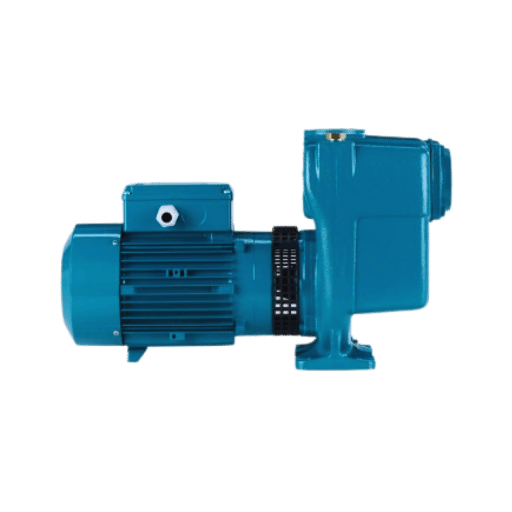
Selecionando um industrial bomba água do mar classifica entre as decisões de maior risco em infra-estrutura costeira: Instalar a liga errada transforma sua compra de capital de 10 anos em um passivo de curta duração Este primer de engenharia neutra do fornecedor leva você através de sua análise de água de decisões de liga de primeira ordem, para escrever uma especificação e RFQ projetado para proteger seus melhores interesses.
Instantâneo de especificações rápidas
| Faixa de fluxo | ³ ³ 50,00 m³/h (sobre centrífuga de estágio único através de um fluxo regional |
| Alcance principal | ³ 600 m (top multi-estágio para fora em ~60 m para o serviço do impulso do RO |
| Envelope cloreto | ³5.000 ppm (define o piso de liga) |
| Temperatura de funcionamento | 0 °C (salmoura RO + entradas tropicais conduzem a extremidade superior) |
| Materiais comumente considerados | Ferro fundido → Bronze → ³16L → Dupleײ205 → Super Duple× 2507 → Titânio |
| Padrão de teste | ISO 9906:2012 Grau 2 B (padrão industrial; fluxo ±8% /cabeça ±5%) |
| Prazo de execução típico | 2 10 semanas de liga e ferramentas dependendo |
O que é uma bomba de água do mar? definição, categorias e indústrias atendidas

Uma bomba de água do mar distribui salmoura carregada de cloreto (cerca de 5.000 a 50.000 ppm) por meio de processos industriais ou serviços marítimos, empregando materiais de grau de corrosão e hidráulica específica da água do mar. Quatro tipos de serviços distintos compartilham esse desafio de corrosão por cloreto, mas divergem quase inteiramente em outros lugares.
- ✔
Industrial costeira. Refrigerar do condensador da Power-planta, entrada da dessalinização, alimentação petroquímica do calor-e×changer. - ✔
Serviço offshore. Água de serviço da plataforma, principal do anel de combate a incêndios, lastro e descarga do porão. - ✔
Água bruta do motor marítimo. Resfriamento de camisa de motor diesel em embarcações comerciais (uma subcategoria distinta normalmente servida por projetos de deslocamento positivo de impulsor flexível). - ✔
Aquicultura costeira. Bombas de circulação para fazendas de cultivo e incubatórios sobre captação de água salgada.
Rápido: defina bomba de água do mar? uma bomba industrial especialmente projetada com ligas resistentes a cloretos (“materiais comerciais de água”, por exemplo, bronze, ³16 L ou duple×) para converter de forma confiável um fluxo contínuo de água salgada em um ativo de vida útil aceitável As bombas de engenharia de navegação hobbyistas são um segmento de mercado diferente servido pela Mercury, os três grandes OEMs em propulsão marítima.
Por que as bombas centrífugas dominam o serviço de água do mar (e por que não o equipamento)
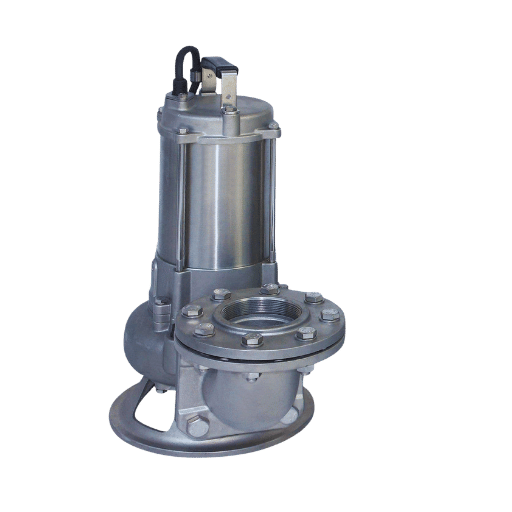
Para serviço contínuo e 10 m/h, as bombas centrífugas pontuam quatro fatores: alta eficiência em cascata para salmoura de baixa salinidade, vedações resistentes a falhas livres de folgas finas que sofrem erosão, geometria de vedação rotativa que supera os arranjos de eixo deslizável em um ambiente de cloreto, campo útil peças de desgaste.
Q: Por que bomba centrífuga na bomba de água do mar em vez de bomba de engrenagem?
As bombas de engrenagem falham na salmoura porque os dentes engrenados geram locais de corrosão galvânica/de fenda e a folga fina dos dentes sofre erosão rapidamente à medida que o cloreto induzido pela salmoura corrói a face Os dispositivos centrífugos produzem o mesmo desgaste no arrastamento através de um impulsor projetado, onde a perda de massa de 5% seria gerenciável hidraulicamente.
O deslocamento positivo ainda reduz a venda abaixo de 1 m/h (faixa de dosagem de água salgada com biocida, escala ou concentrado de salmoura. Abaixo dessa faixa de fluxo, a recirculação acelerada por corrosão tensiona as faces do impulsor inoxidável apenas o suficiente para atacar o pitting. Fluxo estável contínuo mínimo de ...?00:00 sobre 401TP3 do melhor ponto de eficiência!
💡 Dica profissional
Se o serviço de água do mar exigir dessalinização de cabeça super-alta ou um serviço entre processos acima de 150 mH, veja como os arranjos horizontais de caixa dividida lidam com desempenhos de alto fluxo com um design de suporte de rotor diferente.
Arquiteturas de bombas para água do mar: 5 categorias, quando cada uma cabe
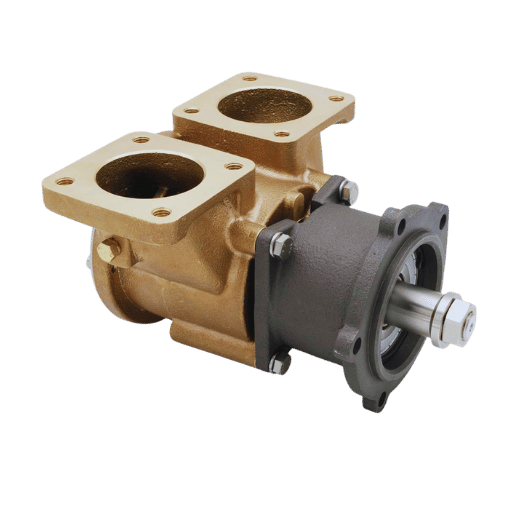
Em termos de catálogo, a maioria dos fornecedores apresenta uma única configuração e a maioria das publicações gerais sobre bombas compara 2 ou ³. A maioria dos serviços de água do mar realmente usa um dos cinco tipos de configuração; a escolha é impulsionada pelo projeto de admissão e pelo ciclo de trabalho, e não pela vazão.
P: Quais são os quatro (na verdade cinco) tipos de bombas de água para serviço de água do mar?
Os te×ts de referência listam os subtipos centrífugos, turbina vertical, fluxo a×ial e submersível, sendo o fluxo mi×ed um híbrido que aparece frequentemente no serviço de admissão costeira. A maioria dos textos publicados sobre bombas lista quatro; no trabalho com água do mar, entretanto, a escolha da categoria de cinco vias reflete a configuração da admissão.
| Arquitetura | Faixa de fluxo | Alcance principal | NPSHr típico | Acesso manutenção |
|---|---|---|---|---|
| Centrífuga horizontal de sucção final | 3 1.000 m³/h | até 125m | 3 5 m | Retirada traseira em nível |
| Centrífuga multiestágio | 5 200 m³/h | até 600 m | 2 4 m | Puxão de componentes, mais complexo |
| Eixo de linha de turbina vertical | 50 m³/h | até 300m | 0 m (tigela submersa) | Remoção guindaste |
| Sucção final submersível | 5 1.500 m³/h | até 100 m | 0 m (totalmente submerso) | Guindaste ou mergulhador |
| Axial /Fluxo misto | 200 m³/h | até 25 m | 1 3 m | Remoção do conjunto da bacia |
As faixas refletem a disponibilidade industrial real dos catálogos mecânicos As convenções de nomenclatura e os limites de capacidade variam de acordo com o fabricante; pense no seguinte como um esboço de categoria, não como uma especificação de aquisição.
Lógica simples: se a estrutura de admissão é subleito (poço úmido, reservatório do nível do mar) ir com estes; se o reservatório é imperceptível acima da elevação da estrada e há uma abundância de sucção positiva líquida, end-suction é tanto ciclo de vida e capital eficaz Se a cabeça exige acima de 150 m (reforço de membrana de osmose reversa; E longo condensador de ebulição), multi-estágio ganha Se muito alto fluxo, cabeça muito baixa (iniciar a entrada de resfriamento para uma planta costeira), fluxo axial ou misto com revestimentos catodicamente protegidos é rentável.
Uma tendência a ser sempre observada: a partir dos arquivos de e-mail das comunidades de engenharia por experiência do profissional, as turbinas verticais operam bem no fluxo nominal, mas a margem NPSH pode ser perdida rapidamente quando operadas acima de 1301TP3 T do melhor ponto de eficiência. Os critérios de instalação submersível seguem um cálculo de acesso alternativo que leva em consideração os tempos do guindaste e do mergulhador.
Hidráulica Centrífuga em Água Salgada: Por que a matemática em água doce engana
Quatro variações distinguem a água do mar dos sistemas de bombas de água doce Perca um deles e seu motor é sub-dimensionado, evaporta a margem NPSH de verão ou cavita o impulsor de baixo fluxo.
Correção de densidade (a mais comumente perdida)
A água do mar padrão como em 35 PSU é de 1.025 kg/m vs 1.000 para água doce A potência do eixo aumenta em proporção direta à densidade, de modo que uma bomba de água doce de 100 kW se torna bomba de água do mar de 102,5 kW com carga idêntica Os engenheiros cruzam os mapas de desempenho do fabricante de água doce e muitas vezes se estabelecem em um motor de tamanho inferior a 2,5%.
NPSH-Disponível com pressão de vapor de água salgada
A pressão de vapor da água do mar a 30 C é aproximadamente igual à água doce As oscilações sazonais são ditadas mais pelas temperaturas de ingestão: em níveis tropicais (35 C), a margem NPSH diminui aproximadamente 121TP3 T em relação à curva testada de 20 C. Os relatórios do praticante sobre grupos de e-mail Eng-Tips concordam que operar a 1501TP3 T de melhor ponto de eficiência leva a bomba a perder a margem NPSH mesmo sob cálculos teóricos.
Nota de Engenharia: Cálculo da Potência do Eixo para Água do MarA potência do eixo da bomba centrífuga é obedecida por P (kW) = (gQ H) / (1000 ). Onde = 1.025 kg/m (água do mar 35 PSU @ 20 C), g = 9,81 m/s, um ponto de serviço de 200 m/h a 50 m de altura manométrica com eficiência da bomba 0,78. então 36 kW absorvidos, com a água na densidade padrão da água do mar. Na água doce, exigiria 35 kW. Verifique se você está sempre repetindo o desempenho com densidades do mar, como bombas de fornecedores afixam suas curvas em unidades de água doce.
Leis de afinidade com densidade
As leis affintiy mantêm a similaridade hidráulica para a água do mar, mas aplicar a correção da densidade da água do mar à relação da afinidade coloca a relação do poder menos do que a relação do impulsor-set e a relação da afinidade do sistema Re-aplique o resultado do cálculo do poder.
Fluxo Estável Mínimo
Correr abaixo do fluxo estável contínuo mínimo recircula a água dentro do invólucro da bomba O calor se acumula no olho da sucção, e em impulsores inoxidáveis isso causa pite precoce via concentração de cloreto Nunca especifique um sistema que precisa operar constantemente abaixo do nível de funcionamento do fabricante que geralmente é de cerca de 401TP3 T de BBP para uma centrífuga de água do mar industrial.
Engenharia de materiais: como ler sua análise de água para seleção de ligas

A maioria das matrizes de fabricantes de fornecedores fornece o arrastamento de pH da temperatura do cloreto em arquivos, que são muito convenientes, mas marginalmente perigosos para valores discrepantes Os cálculos do processo subjacente fazem uso de mais de três parâmetros.
Quatro números que realmente impulsionam a escolha da liga
Cl (ppm), temperatura máxima no verão, flutuação do pH conforme visto pela estação e hora do dia e formação de sulfeto de hidrogênio (HS).Sólidos totais e carga de lodo na PSU são comuns em relatórios de laboratório, mas apenas Cl é a proporção de liga. O oxigênio dissolvido abaixo de 5 ppm favorece o duplex devido à cinética da camada passiva; o CO dissolvido acidifica a água que necessita de um mínimo PREN mais elevado; HS acima de 50 ppm pertencem à NACE MR0175, pelo que se torna necessário super duplex ou titânio de grau sólido.
PREN Explicado
Número de equivalência de resistência ao pitting = %Cr + 3.3%Mo + 16%N (cálculo de referência da British Stainless Steel Association).Valores de exemplo: 316 L ~ 25, Duplex 2205 ~ 35, Super Duplex 2507 ~ 42. em água do mar aberta abaixo de 40 C, o piso PREN de 35 é o mínimo de engenharia conservador para replicação de experiência.
️ Crítico: Super Duplex Tem um Limite Superior de 40 °C em Água do Mar Clorada
A temperatura superior de serviço da água do mar para super duplex em serviço clorado é geralmente de 40ºC, de acordo com publicado Pesquisa NeoNickel sobre corrosão super duplex na água do mar. E o elo fraco é as soldas o metal base. serviço funciona mais quente (quente) ou RO concentração de salmoura aumentada, resfriamento do condensador tropical no pico do verão, resfriamento clorado loops acima de 40C super duplex não é automaticamente mais resistente à corrosão do que ligas superausteníticas 6 Mo ou titânio para essas condições de serviço.
Método, não matriz
Quando um fornecedor publica uma tabela de pesquisa de temperatura de cloreto, a lógica usada para escolher a liga envolve o valor de cloreto da amostra de 12 meses, pressão de temperatura em camadas, modificadores de contaminantes, limites químicos da NACE onde o serviço azedo se aplica e testes ASTM A923 se o duplex estiver no escopo Tabelas de matriz de atalho são possíveis para uso comum. Para condições fora do nominal, por exemplo, alta temperatura, HS alto, fluxo abrasivo, água de resfriamento dosada com biocida, verifique você mesmo a lógica.
Um exemplo demonstrando o atalho da matriz: A matriz de decisão da liga QIZ da BBP destila quatro entradas em uma das seis escolhas de liga em 801TP3 T de serviço comum Para o outro 20%, o Ferramenta do liga-seletor QIZ está aceitando entradas de análise de água diretamente.
Projeto do sistema: Do peito do mar ao coletor de descarga

Finalmente, a bomba é apenas uma das sete decisões de vida útil tomadas Não considerar o outro sistema circundante-issues (emissão de sistema circundante) incluindo sea chest strain, combinação de material de admissão de admissão, registro de proteção catódica, análise de surto, interação de curva de bomba paralela e outflow throttling (em inglês) e sua bomba não atenderá à meta de vida útil, apesar da especificação adequada.
Geometria do Peito Marinho
Uma caixa do mar é uma câmara do casco ou externa que impede que detritos ou entrada de ar fluam para a entrada da bomba A prática de projeto geralmente dimensiona a capacidade volumétrica em três vezes a vazão da bomba por segundo Uma regra de polegar interna informada pela indústria, não um padrão de controle A regra do potencial galvânico é mais conservadora: o material do flange de interface na caixa do mar deve compartilhar o mesmo grupo de potencial de eletrodo que a sucção da bomba O bronze para o aço carbono formará uma bateria de corrosão na junta de interface invisível pelos inspetores.
Dimensionamento do filtro de admissão
Os padrões de 200 m são apropriados para entradas offshore Para aplicações próximas à costa que extraem através de água do mar rica em lodo, 80-150 m evita que areia carregada com sílica atinja o impulsor Os filtros autolimpantes com opções de descarga reversa estendem o intervalo somente de inspeção de 2 semanas a 6 meses uma compensação de custo de mão de obra para a maioria das instalações costeiras.
Circuito Proteção Catódica
Os ânodos de zinco sacrificial emparelham com ferro fundido e bronze; os ânodos de magnésio emparelham com o inoxidável duplex Os sistemas anticorrosivos de corrente impressa têm precedência quando a tubulação de aço carbono tem mais de cerca de 50 m de comprimento. Os intervalos de manutenção são a questão que a maioria dos operadores não considera: inspeção visual aos seis meses, estudo de perda de massa anualmente, substituição por calendário e não esgotamento.
Surge e Martelo de Água Com Água do Mar
O módulo de volume da água do mar é aproximadamente 31TP3 T mais alto do que fresco, assim que a velocidade da pressão-onda e a pressão transitória do pico são ligeiramente elevadas A análise da onda da bomba-viagem precisará ou uma válvula de descarga lenta perto 10 segundos mínimo se nenhuma tubulação excede 150 m ou um supressor da onda do ar-câmara dimensionado para o transiente volumétrico O martelo de água, que arranca as juntas da flange nas manhãs de segunda-feira, era geralmente antecipado na manutenção da tarde de sábado quando uma tripulação fechou uma válvula para desligar.
Mostrar mais
Operação de bomba paralela
A operação simultânea de 2 bombas paralelas de tamanhos iguais resulta em um pouco menos que o dobro do fluxo devido à interação sistema-curva (system-curve).Confirme o ponto de interseção real na curva combinada de 1,6 a 1,7 vezes o fluxo de bomba única na interseção combinada.
Modos de falha em serviço: seis diagnósticos que a maioria dos operadores perde

A bomba com falha que acendeu por volta das 2 horas da tarde de terça-feira, muitas vezes na manhã de segunda-feira anterior, expirou muitas vezes muito antes disso. Seis diagnósticos captam o alerta precoce.
Os materiais selecionados para as bombas de água do mar são influenciados por uma série de considerações, como a qualidade da água do mar, as limitações do material e as propriedades de processamento e o custo e disponibilidade Numerosos sistemas e equipamentos agora incorporam aços inoxidáveis de alta liga de nova geração, que não eram comumente usados há cerca de trinta anos.
Êngelo J. Morrow, Metallurgist Chefe e Gerente Global de Tecnologia de Materiais, ITT Corporation Industrial Process, em seu Texas A & M Turbomachinery Laboratory tutorial sobre seleção de materiais para bombas de água do mar (membro da NACE, mais de 21 anos)
1. desvio da curva de desempenho
A perda de eficiência > 51TP3 T no ponto de serviço estável é normalmente devido à erosão de 1.impeller na frente ou ao acúmulo de 2. biofilm dentro do invólucro. Detecte-o por teste de desempenho trimestral em comparação com a linha de base de primeira data ISO 906. Três testes em ponto de serviço estável, BBP e 80 por cento BBP.
Mudança de espectro de vibração 2
Um pico de velocidade de corrida 2 que aparece no espectro de vibração é o indicador de desequilíbrio do impulsor devido ao pitting unilateral. Executar uma linha de base no momento do comissionamento fornece o ponto de referência. Uma vez que isso não esteja mais disponível, o diagnóstico é, na melhor das hipóteses, aproximado.
Padrão mecânico da choro do selo 3
Se o desgaste da cara somente um quadrante, eixo está fora do alinhamento, não selo falhado Eu tirei o selo para fora e pus o selo direito dentro, após 2 meses mesmo resultado.
4. aumento da pressão de descarga na inicialização
Flutuações repetidas de pressão na inicialização sugerem ar arrastado no fundo do mar causado por escorva inadequada ou entupimento incremental do filtro A tendência de pressão diferencial do filtro é o instrumento de alerta precoce.
5. aumento da temperatura do rolamento sem alteração de carga
A corrosão precedente das zonas estagnadas estagnadas transfere o calor para baixo do eixo da transferência térmica à frente do revestimento do evaporador O lado morto da entrada colonizado pela bactéria anaeróbica de redução de sulfato pode atacar o padrão 316 L inoxidável em algumas semanas não anos, como os compradores muitas vezes esperam de acordo com o corpo de estudos publicados de corrosão aquosa do AÇO INOXIDÁVEL12
Corrosão galvânica 6. em parafusos de flange
O produto de corrosão ocorrerá nas cabeças dos parafusos antes que o produto de corrosão ocorra na superfície do tubo Assim, uma inspeção walk-around que depende apenas da superfície do tubo visível para o inspetor perderá isso por muitos meses Consulte os intervalos de serviço do componente de desgaste nas bombas de alta erosão para cadência de inspeção semelhante.
TCO de ciclo de vida: uma estrutura de modelagem DIY (8 categorias de custos)
O preço inicial de compra é uma âncora pobre para bombas de água do mar de alta utilização De acordo com a junta NREL /DOE /Instituto Hidráulico /Guia de Custo do Ciclo de Vida da Bomba Europump, 201TP3 T, os sistemas de bombeamento representam cerca de 201TP3 T da eletricidade usada em todo o mundo, 25 a 501TP3 T daquela usada em plantas de fabricação e 30 a 501TP3 T da energia útil do ciclo de vida poderiam ser economizados por modificações de equipamentos ou sistemas, o que significa que a energia domina de longe o custo do ciclo de vida quando as bombas operam mais de 2.000 horas por ano, o que a maioria dos OEMs de bombas de água do mar consideraria dever de longo prazo.
A Equação LCC de 8 Categorias
Equação LCC publicada: LCC = Cic + Cin + Ce + Co + Cm + Cs + Cenv + Cd.
| Categoria | O que captura | Entrada de modelagem |
|---|---|---|
| Cic Custo inicial | Bomba, motor, tubulação, serviços auxiliares | Pacote de cotações do fornecedor |
| Cin (Cin) Instalação e comissionamento | Fundação, fiação, instrumentação, start-up | ~15 a 25% de Cic |
| Ce Energia | Eletricidade para serviços de motorista e auxiliares | kW × horas anuais × tarif × correção de densidade |
| Co trabalho | Supervisão e verificações de rotina | Horas × taxa de trabalho carregada |
| Cm (Manutenção e reparo) | Programa de vedação, rolamentos, revisão planejada | Custo por evento × número de eventos |
| Cs & Ds tempo de inatividade | Produção perdida por falha não programada | MTBF × horas × taxa de perda de produção |
| Cenv Ambiental | Manuseio de contaminação, descarte de lubrificantes | Específico do serviço, muitas vezes pequeno |
| Cd (Comissionamento) | Remoção, recuperação de sucata, restauração do local | ~1 a 4% de Cic |
Sensibilidade Qual entrada se move 1 TCO de 0 anos?
Três entradas dominam a superfície de sensibilidade: carga de cloreto (que define a classe de liga e, portanto, Cic e Cm), horas de serviço por ano (que determina se Ce domina) e tarifa de eletricidade na região operacional Executar 201TP3 T sensibilidade em cada um desses três antes de bloquear a decisão de liga O quarto insumo mais sensível é muitas vezes a taxa de custo de tempo de inatividade, que pode rivalizar com a energia em indústrias onde a perda de produção excede $5.000 por hora.
Para obter um exemplo prático de análise LCC usando as suposições duplex/super-duplex QIZ da BBP, consulte a tabela TCO de 5 anos QIZ publicada ou execute seus próprios cálculos a calculadora interativa QIZ TCO.
Engenharia de Compras: Especificação RFQ e Validação de Fornecedores

Um RFQ solto resulta em fornecedores soltos Um RFQ apertado exclui fornecedores que de outra forma acabariam consumindo seu projeto Vinte e duas linhas de especificação é o mínimo relatado.
O esqueleto RFQ de 22 linhas
Sete seções RFQ 22 linhas no total
- Serviço hidráulico 4 linhas) (fluxo no ponto de serviço, cabeça dinâmica total, especificação de fluido NPSH disponível com análise de água anexada
- Envelope de funcionamento (3 linhas) range da temperatura, escala do ppm do cloreto, contaminantes (HS /O /CO)
- Especificação do material () 5 linhas do impulsor, revestimento, eixo, selo mecânico enfrenta cada linha por ASTM ou UNS nome genérico
- Especificação do motorista 3 linhas) (classe do motor (NEMA /IEC), cerco (IP /TEFC zona de ATEX) arranque (DOL ou VFD)
- Documentos de qualidade (4 linhas) (4 linhas) (4 linhas), certificado de material ISO 10204 3.1, relatório de teste de desempenho ISO 9906 Grau 2 B, relatório de teste hidrostático, relatório de balanço dinâmico ISO 21940-11 G6.3
- Aceitação do teste (2 linhas) Direitos do teste da testemunha, faixa da tolerância da aceitação
- Comercial (1 linha) 0 tempo, período de garantia, INCOTERMS
Terminologia entre fornecedores, a armadilha escondida
Duplex 2205 pode listar em cotações de fornecedores tanto como UNS S31803, UNS S32205, EN 1.4462, ou um nome de marca específico do fornecedor Super Duplex 2507 aparece como UNS S32750, EN 1.4410, ou LDX 2507. incluir a designação UNS ou EN no RFQ, e solicitar a certificação de moinho com designação correspondente Qualquer outra coisa abre ambiguidade que surge durante a inspeção de entrada o pior momento para descobrir que “duplex” significava outra coisa para o fornecedor.
Validação de Fornecedores de Quatro Camadas
Primeiro passo 9001 relatórios de auditoria, não só a cópia cópia cópia do certificado Segundo passo 9001 chamada dois clientes passados com o mesmo cloreto e temperatura referências genéricas de cópia, Segundo passo 12000, dois clientes passados com o mesmo cloreto e temperatura não. Terceiro passo 12, 12, 1,2, 2,5 x, 2,5, 2,5, 2,5, 2,5, 2,5 x, 2,5, 2,5, 2,5, 2, 2, 2,5, 2,5, 2,5, 2,5, 2, 2, 2, 2, 2, 2, 2, 2, 2,5, 2, 2, 2,5, 2,5,5, 2,000, 2, 2, 2,0000, 2, 2, .
Para o sourcing BBP-específico, a ferramenta do liga-seletor de QIZ toma a entrada da água-análise diretamente, fornece a liga candidata mais o tamanho do modelo em uma única consulta.
Os limites reais do bombeamento de água do mar
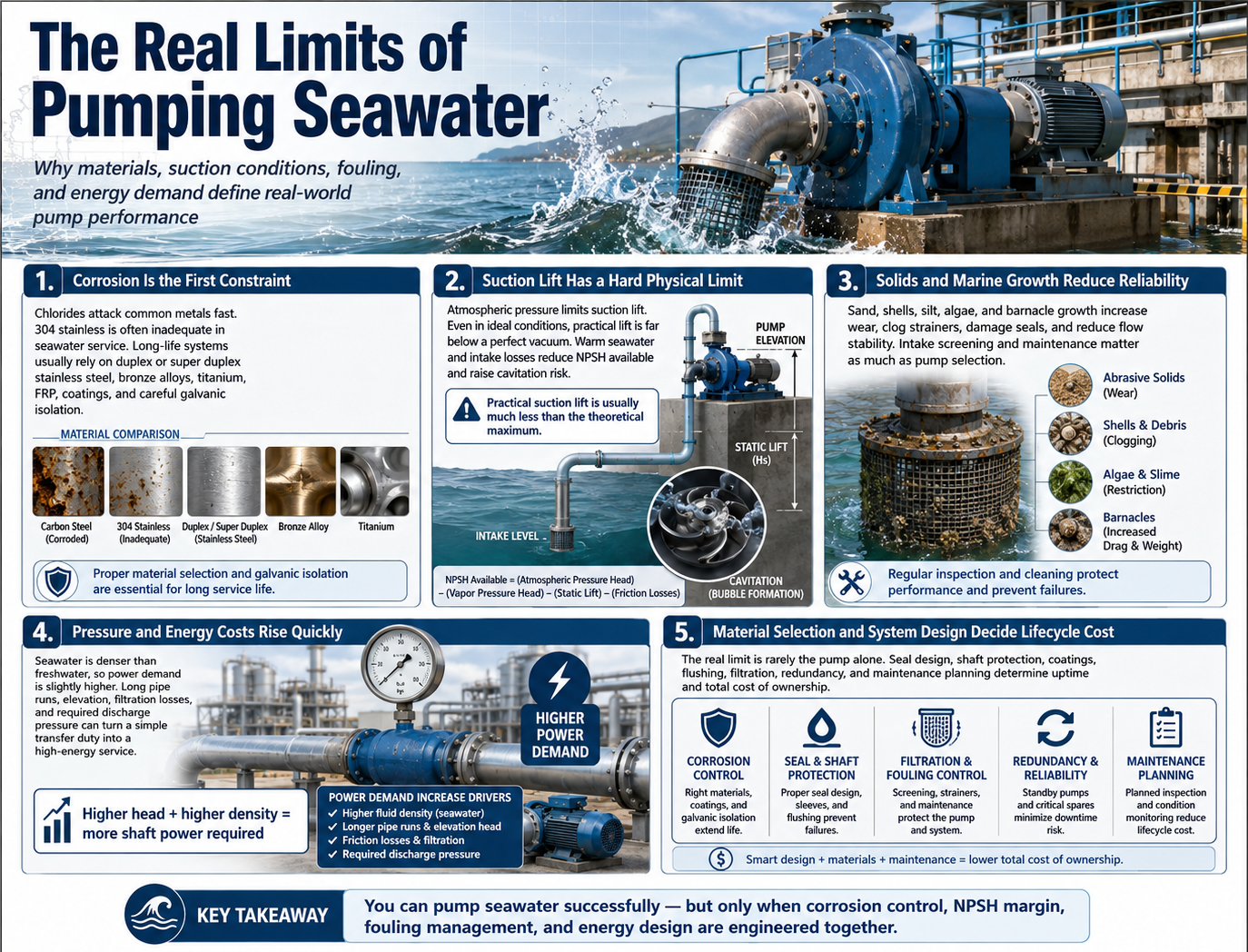
P: Por que não bombeamos água do mar mais do que já bombeamos?
Três barreiras estruturais à água do mar onde, de outra forma, seria a escolha fácil: custo da energia por m entregue, licenciamento regulamentar para estruturas de admissão, descarga ambiental da salmoura resultante.
Energia de custo. Uma entrada de resfriamento costeira de 1.000 m/h operando 8.000 horas/ano a 50 metros custa cerca de US$135 MWh a mais por ano do que água doce por causa da densidade sozinha ao longo de dez anos a 0,10/kWh, isso é $13.500 em energia de custo adicional por bomba pequena em relação ao custo do equipamento da bomba em si, muito maior dimensionado para uma estação de resfriamento de 12 bombas.
Regulamento. As estruturas de admissão nas águas costeiras dos EUA exigem melhorias sob a Lei de Água Limpa 316 (b) abordada tanto pela velocidade de impacto abaixo de 0,5 pés por segundo quanto pela triagem de enredamento da vida aquática nascida na água Novas licenças de“ de conformidade ambiental no Estado da Califórnia programaram diretamente a mudança para um processo de 18-24 meses nos ciclos de aplicação mais recentes A cadência de aquisição domina mais o cronograma do projeto do que o prazo de entrega do equipamento na maioria dos projetos térmicos.
Ambiental. descarga ambiental da concentração de salmoura de osmose reversa aumenta a salinidade local 5 a 15 1TP3 T no ponto de descarga Pesquisas de ecossistemas publicadas no período recente de duas décadas refletem mudanças nas comunidades bentônicas distribuídas em torno de cinco grandes instalações de dessalinização Uma análise econômico-energética da prática de bombeamento de alta densidade semelhante à nossa guia de campo da bomba de polpa de mineração aplica compensações comparáveis ao transporte de chorume de alta viscosidade.
Padrões e Perspectivas Regulatórias de 2026
Quatro fatores determinantes são o redesenho da matriz de especificações da bomba de água do mar até o horizonte temporal 2026-2027.
- ✔
Anexo VI da MARPOL 1 de agosto de 2025 emendas agora em vigor. O relatório do Plano de Gerenciamento de Eficiência Energética do Navio Aprimorado (SEEMP) exige que os navios acima de 5.000 GT relatem o consumo de combustível com granularidade mais fina. Indiretamente, isso impulsiona relatórios de eficiência motora em bombas de resfriamento de motores para embarcações de nova construção. Ação: peça ao fornecedor a opção de motor IE3 ou IE4 em qualquer nova aplicação marítima. Referência: projeto da IMO MEPC-ES.2-2 Projeto de Anexo VI revisado da MARPOL 2025. - ✔
Atualização de conformidade da Lei de Água Limpa 316 (b) dos EUA. A revisão da conformidade da estrutura de admissão para instalações que bombeiam mais de 2 milhões de galões por dia está passando para um ciclo de 18 meses Documentação de perfil de velocidade cada vez mais exigida no comissionamento Ação: inclua o perfil de velocidade de impacto em seu relatório de comissionamento. - ✔
Os padrões elétricos marítimos IEC TC 18 atualizam em andamento. A série IEC 60092 para classes de isolamento de motores de bombas a bordo está sob revisão da indústria, com ratificação prevista na janela 2026-2027 Ação: especificar motores em uma classe de isolamento acima do mínimo atual em embarcações de longa vida. - ✔
Pressão da cadeia de suprimentos de materiais. A volatilidade do índice de níquel na London Metal Exchange em 2024-2025 fez com que os preços de fundição duplex subissem 18 para 22%, citados pelo setor. Cotações de preços bloqueados com mais de 90 dias são escassas. Ação: obtenha janelas de preços firmes por escrito em qualquer pedido acima de $50.000.
FAQ (FAQ) Ciclo de Vida e Questões Operacionais
P: Qual é a diferença entre uma bomba de água do mar e uma bomba de água bruta?
Ver Resposta
“Raw water pump” é melhor definido como uma classe de motor marítimo de bomba de água do mar desenho da linha de tubulação que transporta água para as jaquetas de motores diesel A maioria dos projetos de bombas de água bruta marítima são flexíveis-impulsor P. projetos de bomba dupla. “Sea water pump” é um termo de conotações amplas para qualquer bomba de manuseio de água do mar industrial com arquitetura centrífuga prevalecendo.
P: Posso modernizar uma bomba de água doce para serviço de água do mar?
Ver Resposta
Deve apenas as porções molhadas - impulsor, invólucro, manga de eixo e faces de vedação - ser substituível sozinho com liga de moedor de água do mar e, em seguida, realizar um novo teste ISO 9906 na unidade re-comissionada; motor e casa de rolamento será mantido para o projeto de água doce correspondente O preço de retrofit usual é 60-801TP3 T de um original, e é estranho significativo fazer se não a instalação de bomba de água doce em ordem apenas instalado nos últimos anos.
Q: Com que frequência devo inspecionar o selo mecânico no serviço de água do mar?
Ver Resposta
Inspeção visual diária para vazamento nos primeiros 90 dias de execução, semanalmente depois disso Verificação de portas de descarga de água de resfriamento a cada 90 dias Plano de evolução para substituição de purga de cartucho de vedação em 18 meses para projeto de cartucho único e em 36 meses para projeto de cartucho duplo com API Plan 53 As mangas de eixo devem ser trocadas no mesmo cronograma que os cartuchos de vedação.
P: O que geralmente significa uma queda repentina na pressão de descarga?
Ver Resposta
Primeiro verifique o filtro: cerca de 801TP3 T das quedas repentinas de pressão podem ser rastreadas até detritos bloqueando a face do filtro ou o acúmulo de crescimento marinho Se o filtro estiver limpo, verifique a válvula de sucção e o sistema de escorva Se ambos estiverem OK e a pressão permanecer baixa, então o impulsor perdeu material por erosão por pite ou cavitação Remova e inspecione dentro de 48 horas; retomar a operação acelerará a falha.
Q: É borracha-revestido aceitável para o serviço da água do mar?
Ver Resposta
O revestimento de borracha é água do mar com sólidos de dragagem de esgoto, emissários de lama, rejeitos de minas para o mar, transferência de lodo salobro, onde a erosão supera a corrosão Para o serviço de entrada de água do mar salobra ou resfriamento, o revestimento de borracha não oferece nenhuma vantagem significativa sobre o duplex inoxidável e requer manutenção mais alta Selecione o revestimento para corresponder ao modo de falha primário, não a uma etiqueta “seawater” genérica.
P: Como evito a bioincrustação em uma bomba de reserva?
Ver Resposta
As bombas de água do mar em espera desenvolvem uma infestação por SRB e cracas dentro de 7 a 14 dias. Três técnicas evitam o acúmulo: rotação automática em horário semanal entre o serviço e o modo de espera; portas de injeção de biocida na linha de sucção em espera; proteção catódica estendida para cobrir todo o circuito de espera, incluindo a válvula de isolamento de descarga.
P: Por que minha nova bomba cavita em fluxo baixo, mas não em fluxo alto?
Ver Resposta
A cavitação de baixo fluxo é a cavitação de recirculação na sucção da bomba; o impulsor gira contra a parede do invólucro, em vez de mover o fluido. Mantenha a bomba operando acima do fluxo estável contínuo mínimo publicado em todos os momentos. A maioria dos tipos de água do mar especifica MCSF em aproximadamente 40% do melhor ponto de eficiência; circuitos de bypass ou válvulas de recirculação podem manter a bomba no alcance, mesmo quando a demanda da planta cai abaixo do MCSF.
P: Qual é a lista de verificação de comissionamento típica para uma nova instalação de bomba de água do mar?
Ver Resposta
Seis etapas sequenciais: determinar o sentido de rotação com o motor desconectado; preparar a linha de sucção e estabelecer o nível da caixa marítima; correr com a válvula de descarga fechada e depois abrir lentamente até o ponto de serviço; registrar a linha de base da vibração no ponto de serviço para comparação posterior; confirmar a margem NPSH em relação à tubulação de sucção construída; e executar o teste de aceitação ISO 9906 se os direitos de testemunha forem especificados no contrato. Anatomia dos componentes da extremidade úmida é fornecido para explicar o que procurar em cada etapa.
Referências e fontes
- Custos do ciclo de vida da bomba: um guia para análise LCC para sistemas de bombeamento (U. Departamento de Energia/Instituto Hidráulico /Europump (arquivo NREL)
- Seleção de materiais para bombas de água do mar por Stephen J. Morrow, Texas A & M Turbom Laboratório Turbom Tutorial
- ISO 990:2012 6 Bombas rotodinâmicas: Testes de Aceitação de Desempenho Hidráulico, Graus 1, 2 e 3 3 Organização Internacional de Padronização
- Projeto de MARPOL revisado Anexo VI 202 (MEPC-2-2) 5 Organização Marítima Internacional
- NACE MR0175 /ISO 15156 e a Indústria do Aço Inoxidável (out NACE MR0175-2015 Tabelas A24 a A26 para classes duplex)
- A Corrosão de Aço Inoxidável Super Duplex em Diferentes Tipos de Água (papel técnico NeoNickel) (40 C clorado referência limite superior de água do mar)
- Bombas Rotodinâmicas ANSI/HI 14.6 para Testes de Aceitação de Desempenho Hidráulico 9906 do Instituto Hidráulico (U.S. equivalente harmonizado da ISO
- Cálculo de números equivalentes de resistência à corrosão (PREN) Associação de Aço Inoxidável Britânica
Artigos Relacionados
- Bomba de caixa dividida horizontal - Guia de engenharia para projeto, operação e seleção
- Firma sob ’Bomba de chorume submersível’ t Slgekniske data til afanding, deriva da mina sandpumpe:
- Guia de bomba de dragagem e intervalos de substituição de peças de desgaste
- Partes de um conjunto de extremidade, vedação e rolamento de pasta fluida PumpWet Especificamente os conjuntos de extremidade úmida, vedação e rolamento de uma bomba de pasta fluida.
- Bomba de chorume forrado de borracha - Como escolher, usar e mantê-lo
- O Guia Campo Mineração Bomba Polpa
Sobre Este Guia
Os envelopes de cloreto, esquema LCC de 8 categorias e limite superior super duplex de 40 C citados aqui são da literatura técnica disponível publicamente (NREL/DOE, Texas A & M Turbomachinery Laboratory, NeoNickel, NACE) mais a prática de engenharia da série QIZ da BBP no serviço de bombas industriais costeiras desde 2005. onde exemplos específicos do fornecedor são fornecidos, eles apenas fazem referência à série BBP QIZ como uma ilustração - os dados de seus próprios fornecedores devem informar suas decisões de liga e TCO Os dados de custos de energia e ciclo de vida são estimativas; recalcule a equação usando sua tarifa e ciclo de trabalho antes da especificação.

![Cavitação em Bombas de Polpa NPSH Solids Onset [Guia de Campo]](https://bbpmfg.com/wp-content/uploads/2026/07/cavitation-in-slurry-pumps-featured-1-150x150.png)