Póngase en contacto con BBP

Bienvenido a las certificaciones ISO 9001:2015 – Precios directos de fábrica – OEM disponible
Bombas dosificadoras químicas — Dosificación de precisión de BBP
Cuando el margen de precisión de la dosificación supera al margen del coste del producto químico, elegir al fabricante de bombas puede ser la decisión más crítica. BBP ofrece una precisión de dosificación del 1 % en todas las plataformas estándar de solenoide, accionadas por motor, de diafragma hidráulico y peristálticas, directamente desde una fábrica con certificación ISO 9001.
Fábrica con certificación de calidad ISO 9001
Garantía de 2 años 2 años
±1,0 %
Precisión de dosificación
0,1–1.000
Intervalo de caudal en GPH
1.000 PSI
Presión nominal máxima
1.000:1
Relación de regulación (accionamiento por motor)
Perfiles compradores: ingeniería/compras/dirección
Dosificación química precisa sin inyección excesiva ni insuficiente — Cómo lo resuelve BBP
Que una bomba pierda el cebado a las 2 AM durante un turno de tratamiento de aguas de una instalación no es un inconveniente, sino un incumplimiento normativo. La experiencia demuestra que los operadores industriales que han probado sucesivas marcas de accionamiento por solenoide incapaces de mantener calibrados los resortes de disco bajo contrapresión sostenida, o unidades accionadas por motor cuya calibración deriva al girar la rueda, han aprendido a reconocer el patrón: el problema no reside en el producto químico ni en el proceso. Reside en la capacidad de la bomba para proporcionar un desplazamiento positivo repetible en condiciones reales de funcionamiento.
El requisito fundamental
El requisito fundamental para una dosificación uniforme parte de un diafragma estanco que prácticamente elimina las variaciones del volumen bombeado por carrera al desacoplar por completo la parte hidráulica del mecanismo de accionamiento, combinado con dos válvulas de retención de cierre positivo y un mecanismo de accionamiento —mecánico o mediante solenoide— capaz de accionar la bomba con fuerza frente a todas las contrapresiones previsibles. Cuando falla cualquiera de estos elementos —un diafragma débil, una válvula de retención que permite el flujo inverso o un solenoide que falla frente a alturas manométricas elevadas—, la precisión se viene abajo.
Nota de ingeniería — Qué significa en la práctica una precisión de ±1 %
En una planta de tratamiento de aguas que inyecta hipoclorito de sodio a 5 mg/L en un caudal de 10 MGD, el citado error de precisión del 1 % produce una variación de 0,05 mg/L, dentro de las directrices de cloración de la OMS. Un error del 5 % (habitual en unidades desgastadas e instalaciones sin mantenimiento preventivo) equivale a una desviación de 0,25 mg/L, con el riesgo de una desinfección subletal o de un exceso de trihalometanos. La precisión es un parámetro del proceso, no un argumento del departamento de marketing.
Las bombas dosificadoras químicas —también especificadas como bombas de inyección de productos químicos en las normas de compras del sector del petróleo y el gas— están diseñadas para inyectar una dosis constante y repetible de fluido, tanto si el producto químico es un ácido para ajustar el pH como un coagulante o clorhidrato de aluminio para el tratamiento centralizado de aguas residuales. A diferencia de una bomba centrífuga, una bomba dosificadora química controla el caudal de alimentación del producto químico mediante la longitud y la frecuencia de carrera, en lugar de la velocidad de giro del impulsor, lo que permite mantener estable la precisión de dosificación pese a los cambios en la contrapresión del sistema o la viscosidad del fluido.
BBP diseña la serie BBP en torno a tres principios de fiabilidad: piezas húmedas de PTFE o PVDF que resisten el ataque químico en todo el espectro de pH 0-14, válvulas de retención de bola con doble orificio que soportan más de 15.000 horas de planta sin erosión del asiento y conjuntos de diafragma reforzados para mantener la estabilidad a largo plazo con contrapresiones elevadas, frente a los fallos por aire arrastrado habituales en las unidades de solenoide que trabajan con fluidos que desprenden gases. El resultado es una bomba dosificadora química que presenta el mismo aspecto y funcionamiento tras 24 meses que cuando salió de las pruebas OTS.
Serie de bombas dosificadoras químicas BBP — Modelos y selección
Principal: ingeniería
Secundario: compras (correspondencia con la solicitud de oferta)
Cuatro arquitecturas de plataforma cubren toda la gama de aplicaciones industriales de dosificación química, desde la microdosificación de productos químicos de laboratorio a 0.1 GPH hasta la inyección a alta presión en condiciones del subsuelo superiores a 500 PSI. Todos los modelos emplean el principio básico de dosificación mediante diafragma y válvula de retención; el tipo de accionamiento y la especificación de los materiales determinan el campo de aplicación.
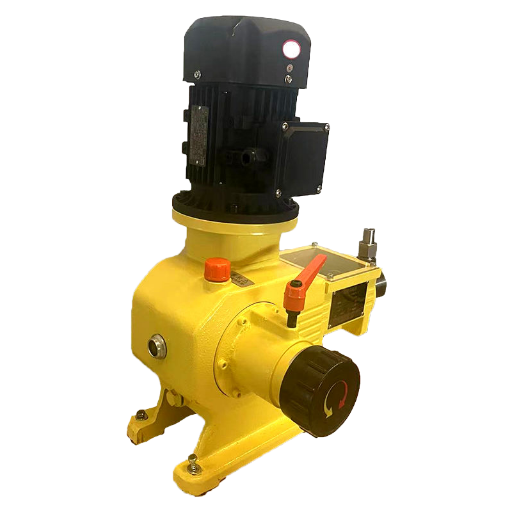
BBP-S
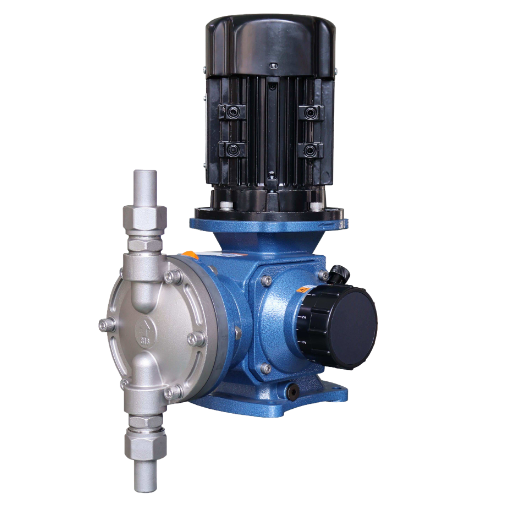
Diafragma accionado por solenoideIntervalo de caudal0,1–20 GPH
Presión máxima150 PSI
Precisión±1,0 %
Regulaciónhasta 100:1
Piezas húmedasPTFE/PVDF
Entrada de controlManual/impulsos/4–20 mA

BBP-M
Diafragma accionado por motorIntervalo de caudal5–100 GPH
Presión máxima250 PSI
Precisión±1,0 %
Regulación1.000:1
Ajuste de carrera0–100 % durante el funcionamiento
AccionamientoMotor de velocidad variable
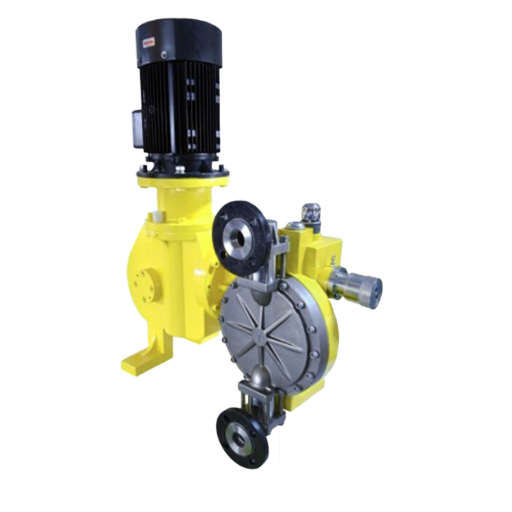
BBP-H
Diafragma hidráulicoIntervalo de caudal10–500 GPH
Presión máxima1.000 PSI
DiafragmaDoble — contención
MaterialComponentes internos de 316SS/PTFE
Base de diseñoCompatible con API
AplicaciónPetróleo y gas/zonas peligrosas

BBP-P
Tubo peristálticoIntervalo de caudal0,5–50 GPH
Presión máxima100 PSI
ViscosidadHasta 20.000 CPS
Material del tuboSilicona/Viton/PTFE
CizallamientoSin cizallamiento del fluido
AplicaciónPolímeros/abrasivos
| Parámetro | BBP-S (solenoide) | BBP-M (motor) | BBP-H (hidráulica) | BBP-P (peristáltica) |
|---|---|---|---|---|
| Intervalo de caudal (GPH) | 0.1–20 | 5–100 | 10–500 | 0.5–50 |
| Presión máxima (PSI) | 150 | 250 | 1,000 | 100 |
| Precisión de dosificación | ±1.0% | ±1.0% | ±1.0% | ±1.0% |
| Relación de regulación | 100:1 | 1,000:1 | 500:1 | 200:1 |
| Viscosidad máxima (CPS) | 500 | 2,000 | 1,000 | 20,000 |
| Piezas húmedas estándar | PTFE, PVDF | PTFE, PVDF | 316SS + superficie de PTFE | Silicona/Viton |
| Sus requisitos | BBP-S | BBP-M | BBP-H | BBP-P |
|---|---|---|---|---|
| Caudal bajo (<20 GPH), presión estándar | La más adecuada | Sobredimensionada | Sobredimensionada | Apta |
| Se requiere una regulación amplia (>500:1) | No adecuada | La más adecuada | Apta | No adecuada |
| Alta presión (>250 PSI, petróleo y gas) | No adecuada | No adecuada | La más adecuada | No adecuada |
| Alta viscosidad (>2.000 CPS) o sensible al cizallamiento | No adecuada | Limitada | No adecuada | La más adecuada |
| Se requiere contención secundaria | Opcional | Opcional | Estándar | Tubo totalmente estanco |
¿No sabe qué serie se adapta a su producto químico y sus necesidades de caudal? Nuestros ingenieros de aplicaciones realizarán el dimensionamiento y definirán las especificaciones en un plazo de 24 horas.
Solicite asistencia técnica →
Principal: ingeniería + dirección | Secundario: compras (validación de costes)
Bombas directas del fabricante frente a bombas adquiridas a distribuidores — Coste total de propiedad
La mayoría de las evaluaciones de compras siguen centrándose en el precio unitario. Los compradores que se centran en el TCO tienen en cuenta lo que realmente cuesta la bomba durante un periodo de funcionamiento de 3-5 años, y esa evaluación suele dar la vuelta a la lógica económica de elegir el canal de distribución. Cuando una bomba se avería y el distribuidor tiene un plazo de suministro de 6 semanas para el diafragma especial, la pérdida de tiempo de producción por sí sola supera la diferencia de precio unitario. Las estadísticas publicadas del sector sitúan el tiempo de parada imprevisto de la fabricación entre el 10-20 % del valor de producción anual en las instalaciones con procesos intensivos.
| Factor del TCO | Canal de distribución | Fábrica directa BBP |
|---|---|---|
| Precio unitario | +20–35 % de margen del distribuidor sobre el coste de fábrica | Precio en fábrica — sin intermediarios |
| Cantidad mínima de pedido | Normalmente, un mínimo de 5–20 unidades | Se aceptan pedidos de prueba de 1 unidad |
| Plazo de entrega estándar | 4–8 semanas (existencias del distribuidor + logística) | 2–4 semanas en fábrica (configuraciones estándar) |
| Acceso a piezas de repuesto | Margen del distribuidor; riesgo de falta de existencias; posible descatalogación | Diafragmas, válvulas de retención y partes hidráulicas disponibles en fábrica — expedición en la misma semana |
| OEM/personalización | Por lo general, no disponible a través del canal de distribución | Oferta estándar: carrera, materiales y etiquetado personalizados, y NDA |
| Cobertura de la garantía | Normalmente 1 año (a través del distribuidor) | 2 años — cuerpo de la bomba, parte hidráulica y diafragma |
| Asistencia técnica | Distribuidor como intermediario (escalado de incidencias más lento) | Asistencia directa de los ingenieros de fábrica (en inglés) |
| Uniformidad entre lotes | Varía según la procedencia de las existencias del distribuidor | Producción ISO 9001 — prueba de presión del 100 % antes del envío |
15–25%
del presupuesto anual para productos químicos que suelen desperdiciar los sistemas de dosificación imprecisos
Los registros de campo de las operaciones de tratamiento de aguas y aguas residuales suelen mostrar un predominio del uso excesivo de productos químicos de tal magnitud que el gasto innecesario en un año supera la diferencia del precio de compra asociada a la especificación de precisión de la bomba. Las especificaciones de precisión de las bombas que se amortizan durante el primer año de funcionamiento son la norma, no la excepción.
Nivel de TCO: Plata – Datos de referencia del sector. Fuente: referencias de implantación en campo y sistemas de tratamiento de aguas en funcionamiento. Obtenga un análisis de TCO personalizado conforme al volumen de su aplicación.
Recomendación para compras
El coste oculto de los retrasos en las entregas
Un estudio sobre aprovisionamiento OEM afirma: «El precio unitario puede parecer bueno, pero, si la entrega siempre se retrasa, no estará tan satisfecho. El retraso impide que la planta funcione correctamente y su coste supera el ahorro en el coste unitario». Antes de comprar a un proveedor, asegúrese de disponer de datos documentados sobre el cumplimiento de los plazos de entrega; la norma del sector para un distribuidor cualificado es una tasa de entregas puntuales >95 %. El envío directo de fábrica a destino de BBP elimina la cadena logística entre el distribuidor y el comprador, donde se concentra la mayor parte del riesgo de espera.
Resultados de clientes — Dosificación precisa en tratamiento de aguas, petróleo y gas, y procesos químicos
Todos los fallos eran similares: la bomba funcionaba bien durante la puesta en marcha y después empezaba a desviarse tras 6-18 meses de funcionamiento continuo, hasta quedar fuera de especificación. A continuación presentamos un escenario de implantación «típico» —basado en documentos reales de asistencia en campo relativos a aplicaciones de la serie BBP BBP— que ilustra lo que aporta un control uniforme de la dosificación en cuanto a economía del proceso y cumplimiento de los requisitos de producción:

Tratamiento de aguas — Instalación municipal
Precisión de dosificación de cloro: recuperación del cumplimiento de la planta
±0,8 %
de desviación real de dosificación durante 21 meses de funcionamiento continuo
Una planta municipal de tratamiento de agua de capacidad intermedia y ubicación céntrica sustituyó las unidades accionadas por solenoide, que perdían con frecuencia el cebado en el servicio con hipoclorito sódico, por unidades de la serie BBP-S instaladas en tres puntos de dosificación, que proporcionan un control constante del 0,8 %. Tras 18 meses de funcionamiento, no fue necesario sustituir de forma no programada ningún diafragma ni válvula de retención.

Petróleo y gas — Inyección de productos químicos en operaciones de exploración y producción
Inyección de inhibidor de corrosión: mayor vida útil de la ESP
3×
de aumento de la vida útil de la bomba eléctrica sumergible con una dosificación uniforme del inhibidor de corrosión
Los registros de campo de operaciones de producción de petróleo muestran la relación entre la precisión de la inyección de productos químicos y la vida útil de los equipos. En este caso, la precisión de la inyección del inhibidor de corrosión aumentó desde aproximadamente el 60 % de la dosis objetivo hasta >99 % de la dosis objetivo (al sustituir los inyectores neumáticos defectuosos por bombas dosificadoras de precisión), lo que multiplicó por 3+ la vida útil de una ESP y generó el correspondiente ahorro en intervenciones de reacondicionamiento. Diafragma hidráulico BBP-H — componentes internos robustos de 316SS para condiciones de servicio a alta presión.
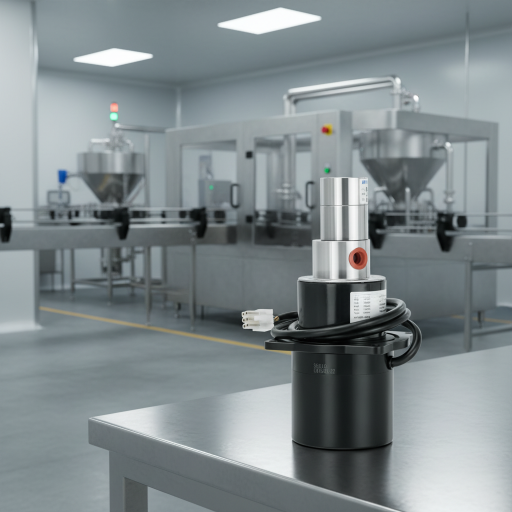
Procesos químicos — Control del pH
Dosificación de ácido sulfúrico: dosificación de polímeros de alta viscosidad
20.000
CPS de viscosidad máxima admisible en la serie peristáltica BBP-P
Una planta de productos químicos especializados necesitaba dosificar un polímero de alta viscosidad al mismo tiempo que un ácido diluido para controlar el pH en la secuencia de un reactor discontinuo. Las bombas dosificadoras de diafragma sufrían cavitación al alimentar el polímero por encima de 2.000 CPS. La serie peristáltica BBP-P de BBP admitió toda la viscosidad de 20.000 CPS del polímero sin daños por cizallamiento, mientras que la serie complementaria BBP-S mantuvo una precisión de dosificación del 1 % en la alimentación de ácido para controlar el pH en lazo cerrado.
Sectores atendidos
Obtenga una oferta adaptada al volumen y a las condiciones de servicio químico de su aplicación.
Solicite una oferta basada en su volumen →
Certificaciones y garantía de calidad — ISO 9001, CE y diseño compatible con API
Principal: compras (verificación del cumplimiento) | Secundario: ingeniería (aplicabilidad de la norma)
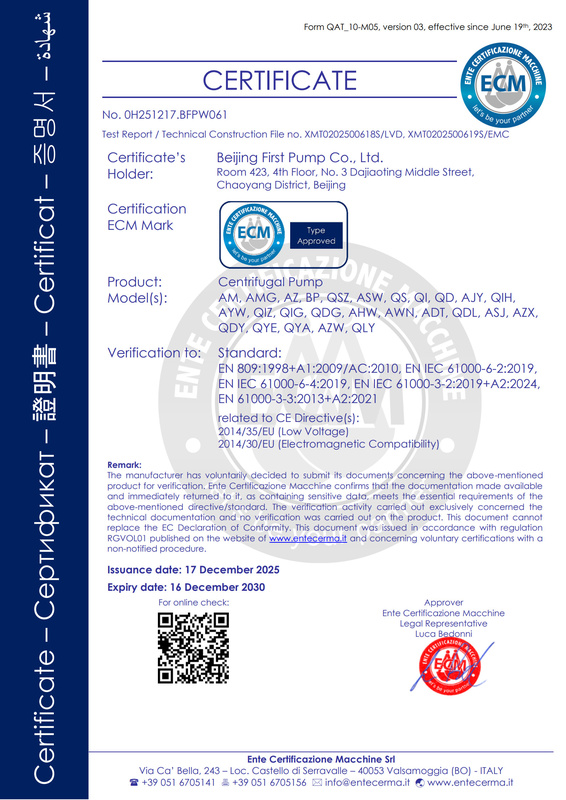
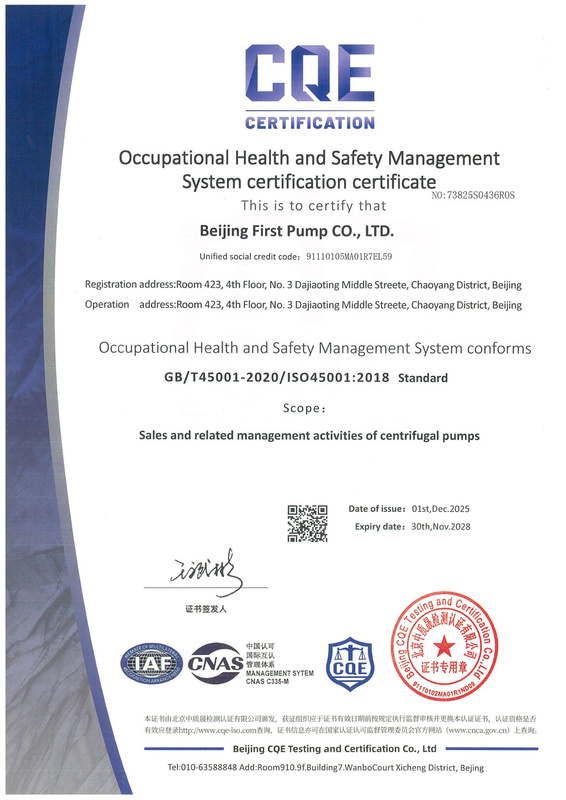

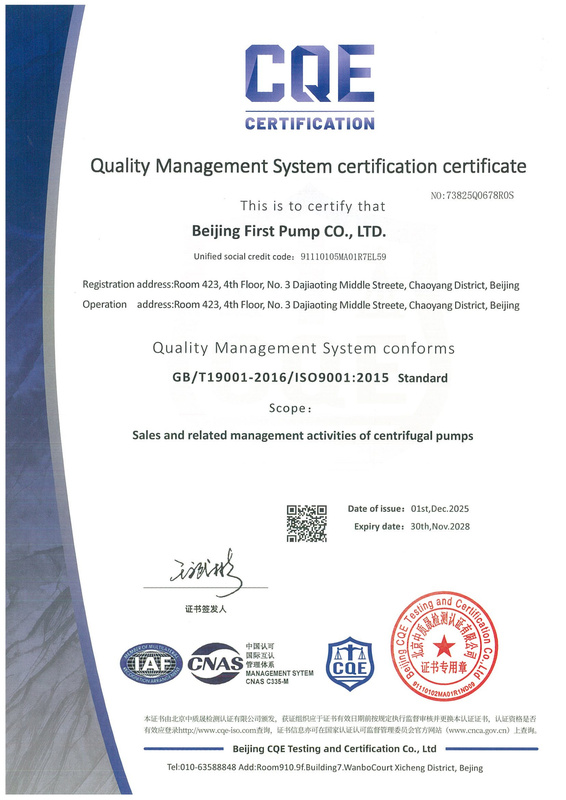
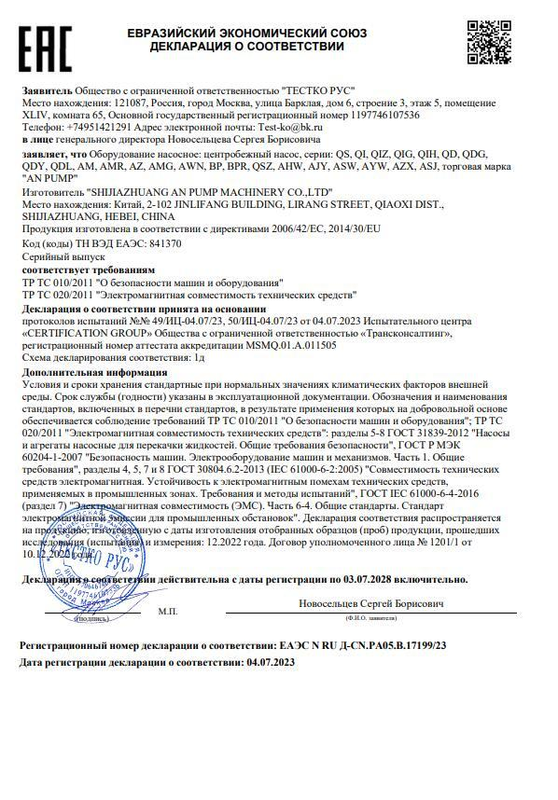

ISO 9001:2015
Sistema de gestión de la calidad — Alcance integral de la fábrica
Marcado CE
Directiva de máquinas de la UE — Modelos aplicables
Compatible con API
BBP-H diseñado conforme a las directrices dimensionales y de rendimiento de API 675
Conforme con RoHS
Restricción de sustancias peligrosas — modelos estándar
Prueba de presión del 100 %
Todas las unidades se prueban antes del envío — sin muestreo
Cualificación ISO 9001
Los compradores con experiencia en la homologación de proveedores chinos podrán distinguir entre un sello de certificación mostrado en un sitio web y un certificado oficial trazable emitido por una entidad de acreditación externa. La certificación ISO 9001:2015 de BBP (con acceso opcional a auditorías de fábrica) valida los procesos de fabricación en todo su alcance: garantía de calidad de los materiales recibidos, control de calidad durante el proceso y prueba final de presión de cada bomba antes del envío. BBP ofrece acceso a auditorías de fábrica para socios OEM y compradores de productos químicos mezclados a granel.
Nota de diseño API 675 — Serie BBP-H
API 675 (Bombas de desplazamiento positivo para las industrias del petróleo, petroquímica y gas natural, 3.ª edición) establece normas dimensionales, mecánicas y de validación del rendimiento para condiciones de servicio de inyección de productos químicos. Los requisitos de diseño esenciales de API 675 incluyen: configuración de bomba doble (servicio/reserva), puntos de integración para detectar la presión de rotura del diafragma y diseño de la parte hidráulica para alta presión. El diseño del modelo API 675 de la serie BBP-H de BBP cumple los criterios dimensionales y de rendimiento de API 675 para condiciones de servicio de inyección de productos químicos. BBP no proporciona por sí sola la certificación API 675; los usuarios finales que necesiten un informe oficial de certificación API 675 deben indicarlo al cursar el pedido para que pueda incluirse en la revisión de ingeniería de aplicaciones.
Directiva de máquinas de la UE
El marcado CE indicado en los modelos BBP aplicables confirma que se ha evaluado su conformidad con la Directiva de máquinas de la UE (2006/42/EC). La declaración de conformidad con la Directiva de máquinas de la UE (incluidas las normas específicas objeto de evaluación) puede facilitarse previa solicitud con cada pedido. Para aplicaciones farmacéuticas, alimentarias o de bebidas que exijan un nivel superior de diseño higiénico o documentación sobre la trazabilidad de los materiales, consulte con el departamento de ingeniería de aplicaciones de BBP sobre una oferta adicional de conformidad.
Descargue toda la documentación de conformidad, incluidos certificados, declaraciones y acceso a auditorías para socios OEM.
Descargue toda la documentación de conformidad →Guía de compras — Precios, plazo de entrega, MOQ y colaboración OEM
Los equipos de compras que evalúan las bombas BBP por primera vez plantean tres preguntas consecutivas: ¿Cuánto cuestan? ¿En cuánto tiempo puedo recibirlas? ¿Cómo gestiono una falta de existencias? Esta guía ofrece de inmediato las dos primeras respuestas.
Cómo se estructuran los precios de BBP
El precio de las bombas BBP viene determinado por cuatro variables. Responderlas con claridad antes de emitir una solicitud de oferta ahorra tiempo y complicaciones, y nos permite enviarle una oferta exacta en un plazo de 24 horas.
SERIE
La selección del mecanismo de accionamiento (solenoide, accionamiento por motor, diafragma hidráulico o peristáltico) es el principal factor de coste. Las plataformas accionadas por motor y de diafragma hidráulico presentan una mayor complejidad mecánica y precios unitarios superiores a los modelos de solenoide con un caudal equivalente.
CAUDAL
El caudal y la presión nominal determinan el dimensionamiento de la parte hidráulica y el espesor del material. Un caudal y una presión mayores incrementan el coste de los materiales y el mecanizado. Dentro de cada serie, las configuraciones básicas y las de alta capacidad presentan precios notablemente distintos.
MATERIAL
Las partes hidráulicas estándar de PVDF tienen precios competitivos. Las configuraciones que requieren componentes internos de 316SS (normalmente para petróleo y gas y ácidos concentrados) o piezas húmedas de Hastelloy C conllevan un recargo por materiales. Los diafragmas con superficie de PTFE son estándar en la BBP-H.
CANTIDAD
Se aceptan pedidos de prueba (1–4 unidades) con el precio estándar. Los tramos por volumen (20+ y 50+ unidades) pueden beneficiarse de descuentos documentados. Los precios para colaboraciones OEM (cambio de marca, marca blanca y volumen anual continuado) se estructuran por separado.
Plazo de entrega y MOQ
| Tipo de pedido | Cantidad mínima | Plazo de entrega habitual | Notas |
|---|---|---|---|
| Prueba/muestra | 1 unidad | 2–3 semanas en fábrica | Configuraciones estándar; documentación incluida en su totalidad |
| Pedido estándar | 1 unidad | 2–4 semanas en fábrica | La mayoría de las configuraciones BBP-S y BBP-M están disponibles en existencias |
| Personalizado/OEM | 5 unidades | 4–6 semanas en fábrica | Carrera, materiales y marca blanca personalizados; paquete de documentación |
| Volumen (20+ unidades) | 20 unidades | 3–5 semanas en fábrica | Precios por volumen y programación prioritaria |
Garantía y posventa — Qué incluye la cobertura de 2 años
La garantía de 2 años de BBP cubre tanto el conjunto de la parte hidráulica como el accionamiento de la bomba. Los diafragmas, las válvulas de retención y otros componentes de la parte hidráulica se mantienen en existencias y se enviarán en el plazo de 1 semana desde la reclamación en garantía o, con mucho gusto, desde la recepción de un pedido. Los ingenieros de aplicaciones de BBP prestarán asistencia para la resolución de problemas en inglés durante el periodo de cobertura de la garantía, sin intervención del distribuidor.
Los socios OEM disponen de acuerdos personalizados de condiciones de servicio (incluidos la asistencia para la instalación in situ, el almacenamiento de piezas de repuesto y los programas de formación), acuerdos contractuales especializados para OEM o servicios de ingeniería específicos.
Colaboración OEM y de marca blanca
BBP cuenta con un programa formal de colaboración OEM para integradores, fabricantes de sistemas y distribuidores que deseen lanzar su propia plataforma de bombas dosificadoras químicas de marca blanca. Entre sus componentes se incluyen: plataforma estándar prediseñada con color de carcasa y marca personalizados, documentación y embalaje de marca blanca, configuraciones personalizadas de carrera y caudal no ofrecidas en el catálogo, geometría de la parte hidráulica específica para la aplicación codiseñada y suministrada bajo NDA, y otras colaboraciones de valor añadido para el desarrollo de productos. Los compromisos de volumen OEM se negocian anualmente para cada programa.
Consultas sobre OEM: En su primer mensaje, indíquenos el volumen/año estimado, la serie deseada y la aplicación principal. Le responderemos en un plazo de 48 horas con una propuesta de colaboración
Recursos de ingeniería
Herramientas y calculadoras de ingeniería
Preguntas frecuentes
Perfiles compradores: todos
¿Qué es una bomba dosificadora química y en qué se diferencia de una bomba convencional?
Una bomba dosificadora química (denominada en ocasiones bomba de dosificación química en el tratamiento de aguas o bomba de inyección de productos químicos en aplicaciones de petróleo y gas) es una bomba de desplazamiento positivo que suministra un caudal de líquido conocido y repetible, independientemente de las fluctuaciones de contrapresión del sistema. La bomba dosificadora se diferencia de una bomba centrífuga, cuyo caudal varía en función de la presión del sistema, porque controla el caudal mediante la modificación de la longitud y la frecuencia de carrera (lo que evita que el caudal varíe al cambiar la presión del sistema). Si resulta importante alimentar productos químicos de forma precisa y repetible por cualquier motivo —la ciencia del proceso o del producto final, la cantidad de producto o las normas reglamentarias—, pueden utilizarse bombas dosificadoras. La bomba se caracteriza por dosificar con precisión en todo su intervalo de funcionamiento, no solo en el punto de diseño.
¿Cómo funciona una bomba dosificadora química de diafragma?
Una bomba dosificadora de diafragma desplaza un diafragma elastomérico —accionado mecánicamente por un solenoide o por una excéntrica accionada por motor— hacia delante y hacia atrás, hasta alcanzar la deformación máxima y mínima de la cámara que contiene el líquido. Durante el ciclo de bombeo, la válvula antirretorno de la entrada de aspiración se abre en la parte del ciclo que introduce fluido en la bomba y se cierra cuando la bomba se expande, mientras que la válvula antirretorno de impulsión se abre cuando la bomba comprime. Gracias al diafragma, la parte húmeda queda físicamente separada del accionamiento y del motor, por lo que las bombas de diafragma pueden utilizarse con productos químicos peligrosos, ácidos y sustancias cáusticas sin que ello plantee problemas. En un sistema de bombeo discreto, los movimientos de la bomba pueden controlarse con precisión para obtener caudales volumétricos específicos. Los parámetros críticos son la longitud de carrera (hasta dónde se desplaza la bomba hacia delante y hacia atrás) y la frecuencia de carrera (a qué velocidad se desplaza la bomba hacia delante y hacia atrás).
¿Qué caudal y presión nominal necesito para mi aplicación de dosificación de productos químicos?
La selección del caudal variará en función de la concentración de la dosis y del volumen de caudal portador que se vaya a tratar. En la cloración de un proceso de tratamiento de agua, es habitual obtener un residual de 0,5-5 mg/L en corrientes de entre 100 GPM y 10+ MGD, lo que equivale a un caudal de la bomba dosificadora de entre 0.5 y 30 GPH para las concentraciones de aplicación habituales del producto químico. La presión nominal debe superar la contrapresión máxima en el punto de inyección (presión de la tubería del sistema + pérdida de presión de la válvula de inyección + condiciones de sobrepresión). Los ingenieros de aplicaciones de BBP ofrecen una revisión gratuita del dimensionamiento: envíenos el tipo de producto químico, el caudal portador, la dosis objetivo, la presión en el punto de inyección y las condiciones de altura de aspiración para recibir una recomendación de especificaciones en 24 horas.
¿Puede BBP Pumps trabajar con productos químicos peligrosos o corrosivos?
Sí. La selección de materiales del extremo de aceite (contaminantes) influye en la compatibilidad química. Las piezas húmedas estándar de PVDF y PTFE pueden entrar en contacto con ácido sulfúrico saturado al 98 %, hipoclorito de sodio, ácido clorhídrico, hidróxido de sodio, cloruro férrico y la mayoría de los productos químicos inorgánicos de proceso en todo el intervalo de pH. Para comprobar la compatibilidad con oxidantes concentrados, ácido fluorhídrico o disolventes orgánicos especializados de condiciones extremas, contacte con el departamento de ingeniería de BBP e indique el producto químico y su concentración. Los modelos de diafragma hidráulico de la serie BBP-H, con componentes internos de 316SS y diafragmas revestidos de PTFE, pueden utilizarse para inyectar inhibidores de corrosión en las actividades de exploración y producción de petróleo y gas cuando corresponda una designación para servicio peligroso.
¿Cuál es la diferencia entre las bombas dosificadoras accionadas por solenoide y las accionadas por motor?
Una bomba accionada por solenoide (BBP-S) utiliza el solenoide electromagnético para accionar la carrera del diafragma con cada impulso eléctrico, por lo que es sencilla, pequeña y adecuada para aplicaciones de bajo caudal (hasta unos 20 GPH). Las carreras por minuto están determinadas por el tren de impulsos. La amplitud (longitud) de la carrera es variable y se controla mediante un micrómetro. Las bombas de solenoide son fiables con contrapresiones moderadas y no suelen perder el cebado cuando funcionan con fluidos que desprenden gases, pero tienden a perderlo incluso con una contrapresión baja o cuando trabajan con frecuencias de carrera elevadas que superan la capacidad nominal. Una bomba accionada por motor (BBP-M) acciona directamente un motorreductor de velocidad variable y una excéntrica para generar un movimiento del diafragma a un ritmo uniforme y continuo (sin impulsos). La relación de regulación de 1.000:1 de las plataformas accionadas por motor las convierte en la mejor opción para sistemas de control de procesos que deben gestionar condiciones de caudal alto y bajo con una sola bomba y sin reconfigurarla.
¿Qué es la relación de regulación y por qué es importante para dosificar productos químicos?
Aunque algunas plataformas de bombas de solenoide han alcanzado relaciones de regulación de 400:1, la norma del sector para las plataformas accionadas por solenoide es de 100:1, y no más. La norma del sector para las plataformas de bombas hidráulicas (de diafragma) de la serie BBP-H es una relación de regulación de 500:1; para las plataformas accionadas por motor (BBP-M), es de 1.000:1. Esto significa que, con una capacidad máxima de 100 GPH, una bomba dosificará de forma fiable hasta 1.0 GPH y, con 250 GPH, de forma fiable hasta 2.5 GPH, a su capacidad máxima. En plantas de tratamiento de agua cuyo caudal aumenta desde un nivel estacional bajo hasta uno estacional alto, o en procesos por lotes cuyo caudal aumenta a lo largo del lote, una relación de regulación elevada es la primera opción; la capacidad de gestionar un amplio intervalo dinámico con un número mínimo de componentes funcionando de forma coordinada es más importante que el caudal máximo. Las plataformas accionadas por solenoide suelen tener una relación de regulación de 100:1 (hasta 400:1 en algunos casos); las plataformas accionadas por motor (BBP-M) tienen 1.000:1 de serie. Las plataformas de diafragma hidráulico (BBP-H) alcanzan hasta 500:1 para condiciones de alta presión.
¿Cuál es la cantidad mínima de pedido y el plazo de entrega?
BBP acepta pedidos de prueba de 1 unidad, sin restricciones de pedido mínimo para la homologación inicial. Las configuraciones estándar (BBP-S y BBP-M, parte hidráulica de PVDF y gamas estándar de caudal) se envían en 2-3 semanas desde fábrica en Pekín. Las configuraciones personalizadas —longitud de carrera modificada, materiales húmedos alternativos y etiquetado OEM— requieren 4-6 semanas. Las piezas de repuesto (diafragmas, conjuntos de válvulas antirretorno y kits de reacondicionamiento de la parte hidráulica) se envían en el plazo de una semana desde el pedido, independientemente de su cantidad. Entendemos que esperar 6 semanas para recibir un diafragma de repuesto durante una parada imprevista es inaceptable; el modelo de suministro directo de fábrica de piezas de repuesto de BBP está específicamente diseñado para evitar ese escenario.
¿Ofrecen bombas dosificadoras de productos químicos OEM y de marca blanca?
Sí. BBP trabaja directamente con integradores de equipos, fabricantes de sistemas, distribuidores regionales, OEMs y titulares de cuentas de marca blanca. El ámbito de producción OEM incluye: color de carcasa personalizado, placa de marca blanca y documentación propia, configuraciones modificadas de carrera y caudal fuera del catálogo estándar, combinaciones alternativas de materiales húmedos y asistencia de ingeniería conjunta para requisitos específicos de cada aplicación. Las especificaciones están sujetas a un NDA con una cuenta OEM documentada. No se exige un volumen mínimo para los trabajos iniciales de I+D. La cuenta OEM establece el compromiso de pedido mínimo al final de un proceso de selección en el que se realizan previsiones de volumen. Facilítenos la serie objetivo, la aplicación y el nombre de su empresa, y nos pondremos en contacto con usted.
Tendencias actuales