Get in Touch with BBP

Self-Priming Pump
Centrifugal Pumps · ISO 9001:2015Self-Priming Pump — No Foot Valve Required
Foot valve failures cost manufacturing facilities an average of $180,000 per incident when downtime and emergency repairs are factored in. BBP self-priming pumps eliminate the foot valve from the equation — cast iron, stainless steel, and bronze options, factory-direct from Beijing, OEM customization in 4–8 weeks.
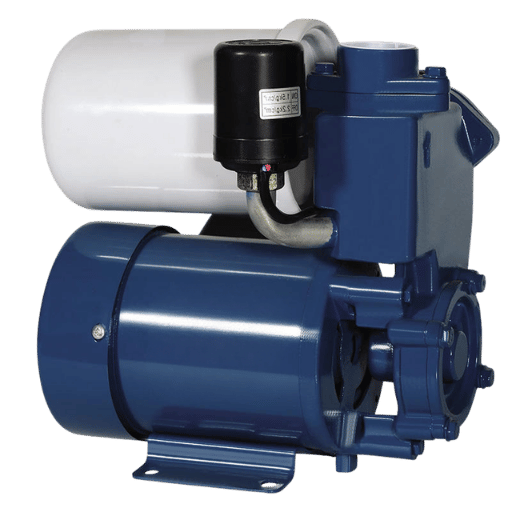
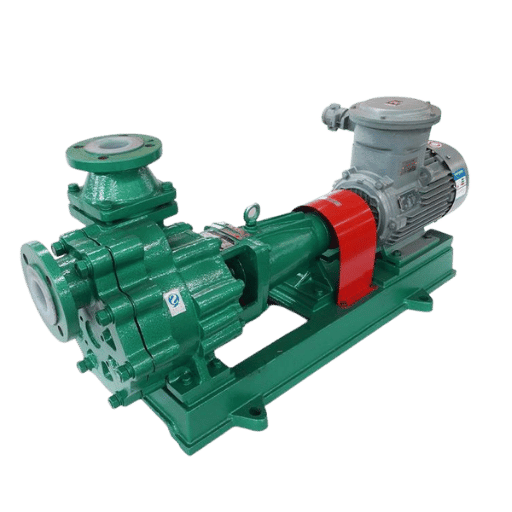
For: Plant Engineers · Procurement · Plant Managers
Why Foot Valves Fail — and How Self-Priming Pumps Solve It
PHASE 01
Technology Overview
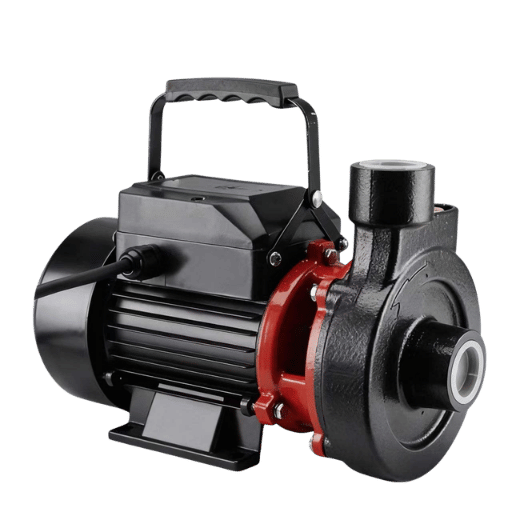
A self-priming pump is a centrifugal pump engineered to evacuate air from the suction line on its own — using liquid retained inside the pump casing to create the vacuum needed to draw fluid up from below the pump. No foot valve. No manual priming on restart. No emergency call at 3 a.m. because the check valve clogged again.
PHASE 02
The Failure Point
In conventional installations, a foot valve sits at the bottom of the suction line to keep water in the pipe during shutdown. It’s the single most common failure point in the system: debris, mineral scale, or a stuck check disc can trigger prime loss — and once prime is lost, the pump runs dry, an operator scrambles to refill the casing, and production stops. Industry reports suggest unplanned industrial pump failures average $180,000 per incident when downtime, emergency repairs, and expedited parts are counted together. Removing the foot valve removes one of the most-cited failure modes in the chain.
PHASE 03
The BBP Solution
BBP self-priming pumps use a retained-liquid reservoir inside the casing and a semi-open or open impeller to evacuate air from the suction line automatically. On initial install, the operator fills the casing once. After that, the pump reprimes itself — even after a completely dry suction line — in 30 to 120 seconds depending on pipe length and lift height. The result: fewer failure modes, faster restarts, lower maintenance intervals.
For: Plant Engineers · Procurement (RFQ matching)
BBP Self-Priming Pump Series — Models, Flow, and Material Options
BBP manufactures five self-priming pump series, each built around a specific application envelope. The decision matrix below maps the hazard and duty profile of your operation to the series that fits — cross-checked against material, impeller type, and flow range. Every series is cast, machined, assembled, and performance-tested at our Beijing foundry under a single ISO 9001:2015 quality system.
| BBP Series | Primary Use | Flow (GPM) | Head (ft) | Material | Impeller |
|---|---|---|---|---|---|
| BBP-SP Series | Clean-water dewatering, general transfer | 40 – 250 | 30 – 120 | Cast iron | Closed |
| BBP-ST Series (Trash) | Sewage, slurries, suspended solids up to 2″ | 100 – 500 | 20 – 80 | Cast iron | Semi-open / Open |
| BBP-SC Series (Chemical) | Corrosive fluids, acid / alkaline transfer | 20 – 150 | 40 – 100 | 316 stainless steel + Viton seal | Closed |
| BBP-DP Series (Diesel) | Off-grid dewatering, jobsite deployment | 30 – 300 | 30 – 90 | Cast iron | Semi-open |
| BBP-HP Series (Booster) | High-pressure transfer, pressure boosting | 20 – 100 | 100 – 200 | Cast iron or stainless | Closed |
Impeller Geometry & Trade-offs
Impeller geometry is where the trade-off lives. Closed impellers give you the highest hydraulic efficiency, but they clog on anything larger than about 6 mm. Semi-open impellers — the choice for sewage and trash applications per ASME B73.1 — pass 2-inch spherical solids without stalling. Open impellers handle the heaviest suspended debris but give up some efficiency in return. Our Chemical (SC) and Booster (HP) series use closed impellers for clean-liquid service; the Trash (ST) series uses semi-open for solids handling.
Performance Testing Protocol
Every pump ships with a performance curve generated on its own serial number during our hydrostatic and rotating test protocol. You receive the actual duty point of your pump, not a catalog datasheet.
Self-Priming vs Traditional Centrifugal + Foot Valve — Hard Numbers
For: Plant Engineers · Plant Managers · Procurement (cost comparison)
There’s more at stake than mechanical convenience here. When a foot-valve installation fails, the bill arrives in three forms at once — downtime, emergency service, and spare parts. Below, we line up both architectures against the dimensions that actually show up on an operations report.
BBP Self-Priming Architecture
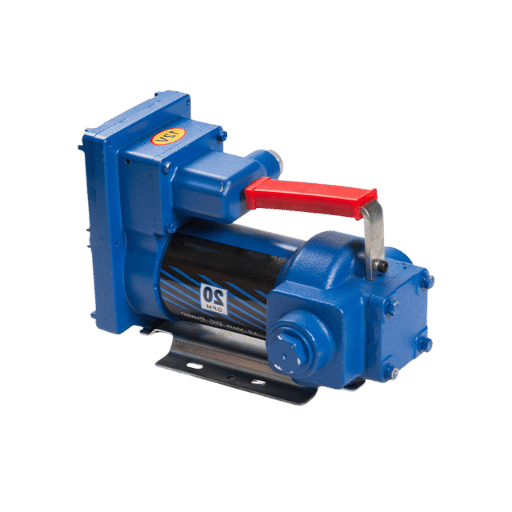
- Initial priming Required once at install
- Reprime after dry run Automatic, 30–120 sec
- Maximum suction lift Up to 25 ft (7.6 m) — atmospheric limit
- Solids handling (ST series) Up to 2″ spherical
- Maintenance frequency Semi-annual seal inspection
- Typical pump lifespan 10+ years under proper service
- Unplanned failure cost per incident Lower (one failure mode removed)
Traditional + Foot Valve Architecture
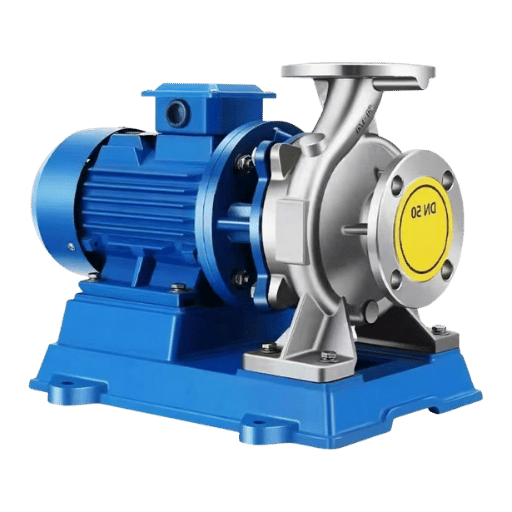
- Initial priming Required on every restart
- Reprime after dry run Manual casing refill required
- Maximum suction lift Limited by foot valve condition
- Solids handling (ST series) Blocked by foot valve strainer
- Maintenance frequency Monthly foot-valve clearing common
- Typical pump lifespan 5–7 years before casing wear requires replacement
- Unplanned failure cost per incident ~$180,000 industry average
A 25-foot suction lift ceiling is not a BBP spec — it is a physical limit set by atmospheric pressure at sea level for water at ambient temperature. Any self-priming pump that promises more than that for ordinary water is making a claim that conflicts with Hydraulic Institute guidance. What changes with BBP is not the ceiling; it is how close you can reliably operate to it without the foot valve in the way.
Industry Applications — Dewatering, Sewage, Chemical, Off-Grid Transfer
For: Plant Managers · Plant Engineers (technical fit)
BBP self-priming pumps are deployed across four primary industry segments. Each brings its own hazard profile — fluid characteristics, operating environment, regulatory framework — and each maps to a specific BBP series.
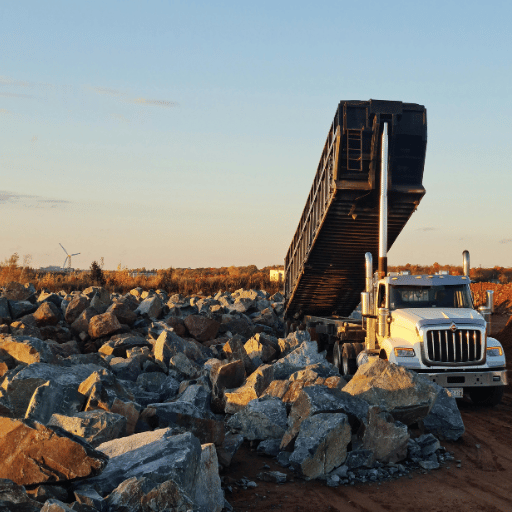
Construction & Mining Dewatering
Trench pits, excavations, quarries, underground galleriesBBP-ST (trash) handles suspended solids up to 2 inches at 100–500 GPM. BBP-DP (diesel) for off-grid sites with no power. Paired with Hydraulic Institute LCCA framework to justify capex against downtime cost.
View Details
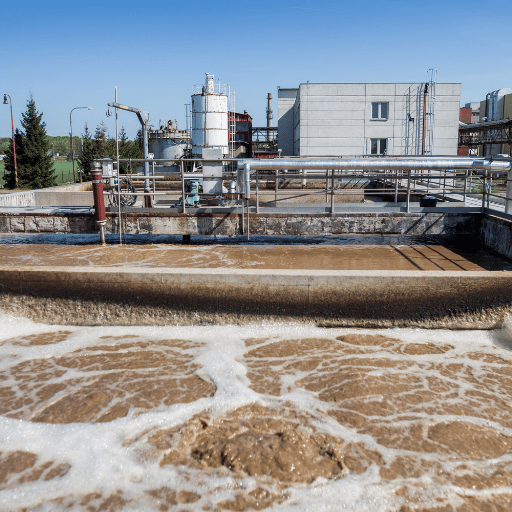
Municipal & Industrial Sewage
Treatment plant lift stations, stormwater overflow, sludge transferBBP-ST with cast-iron casing handles domestic sewage and mixed industrial effluent. Semi-open impeller reduces clog incidents. Aligns with local water authority discharge requirements and ISO 9001 quality traceability.
View Details
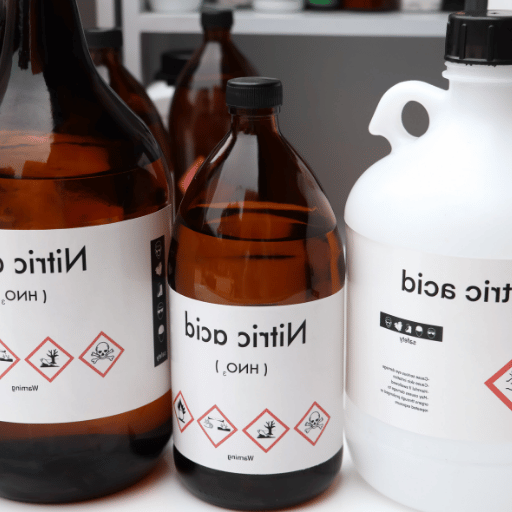
Chemical & Acid Transfer
Process lines, pickling tanks, reagent unloadingBBP-SC with 316 stainless steel wetted parts and Viton seal resists acids, alkalis, and solvents at pH 2–12. Supplied with material compatibility chart for your specific reagent. ASME B73.1 envelope-compliant dimensions.
View Details
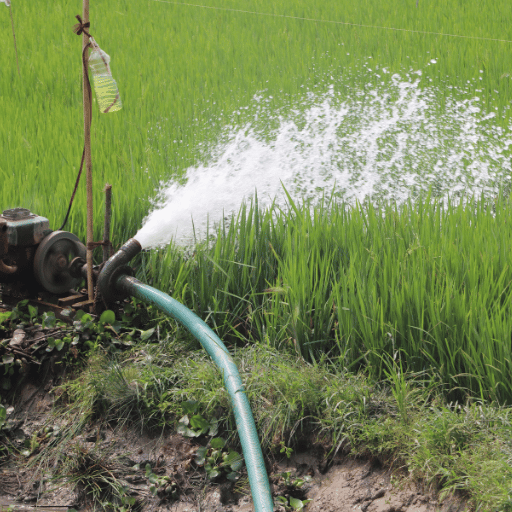
Off-Grid & Emergency Transfer
Remote irrigation, fire response, fuel farm transferBBP-DP diesel-driven portable units start where no power exists. 30–300 GPM, skid-mounted or trailered. Tier 3 certified engines, spec sheets available with every quote.
View Details
Certifications & Quality Assurance
For: Procurement · Plant Engineers (standard applicability)
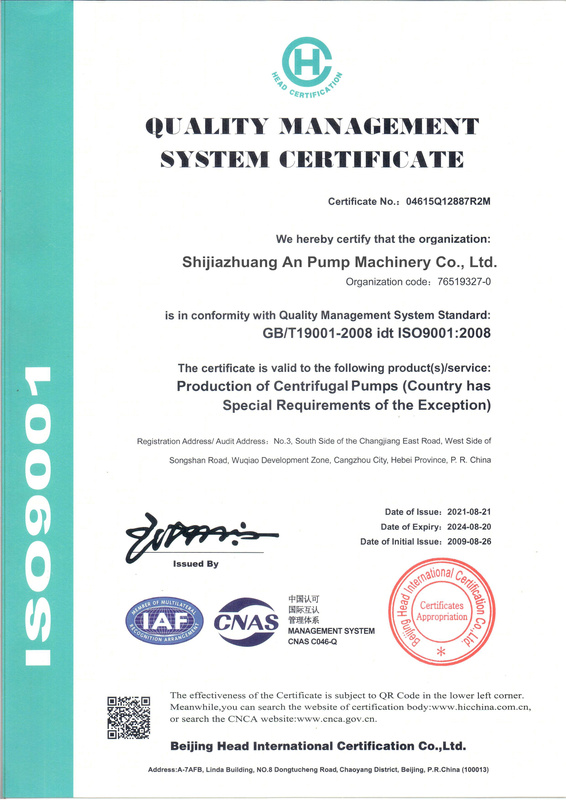
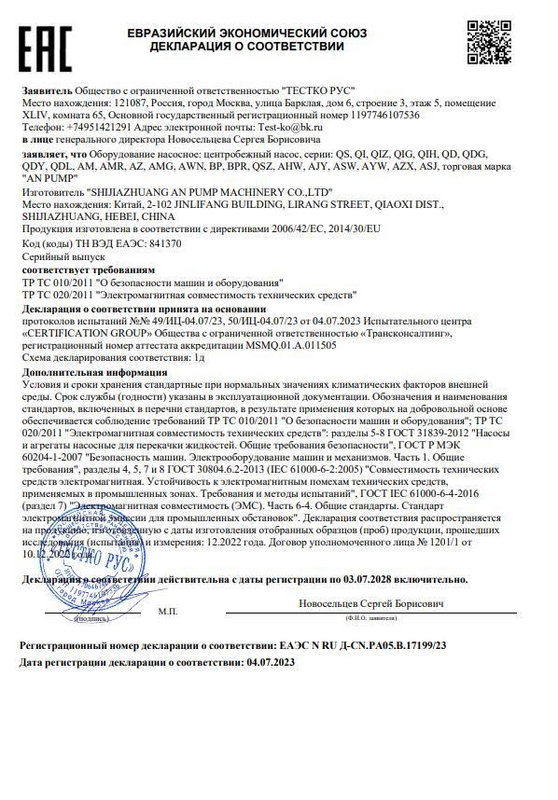
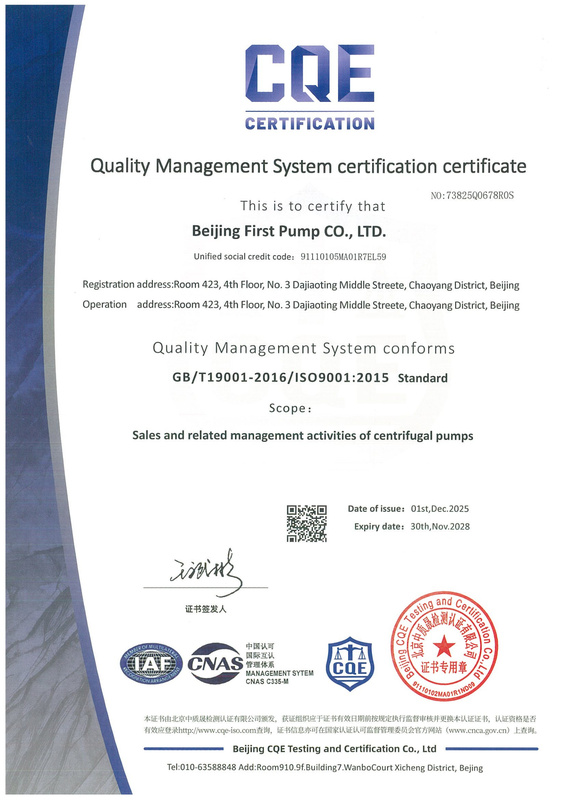
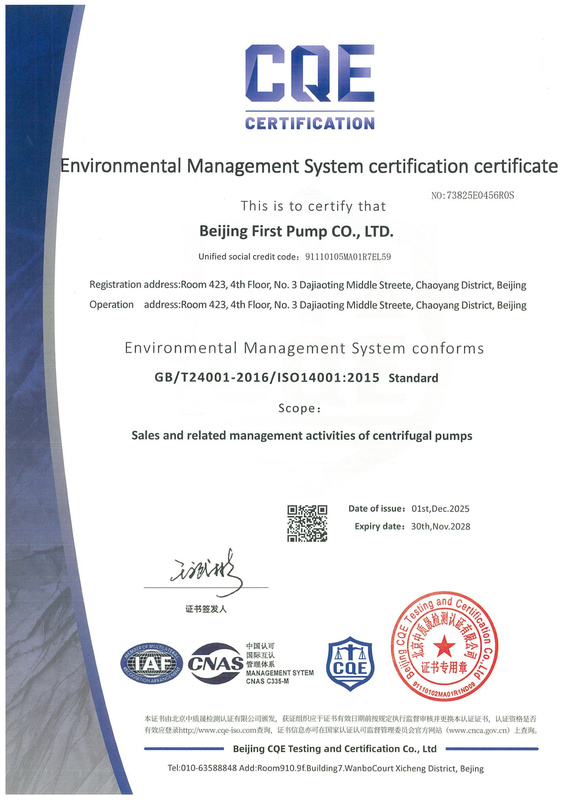
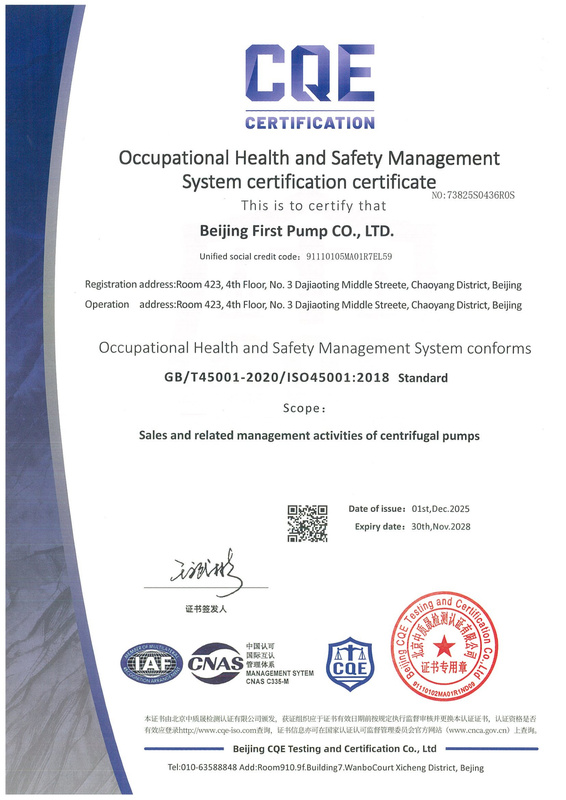
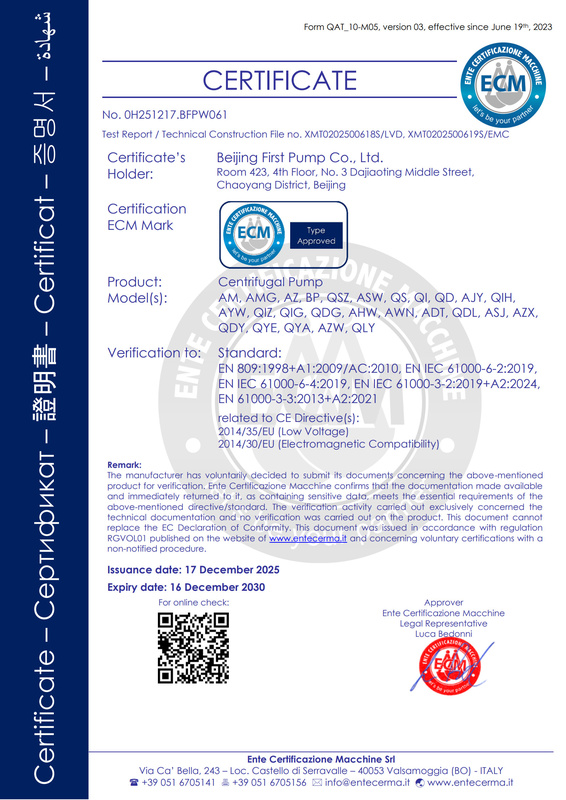
Proof of Quality 1 / 6
If you’ve never sourced from BBP Manufacturing before, the question isn’t really “have I heard of BBP?” — it’s “can BBP prove what it ships?” The answer runs through four parallel records: the quality system, the material chain, the performance test, and the traceability thread that ties all three together.
This matters because the most common failure mode in imported pumps isn’t the casting defect — it’s the material-certificate mismatch that surfaces three years in, when a corrosion claim lands on your desk. Our vertical integration (foundry to test bay under one roof) removes the hand-off errors that produce those mismatches in multi-stage supply chains.
ISO 9001:2015
Quality management system certified across casting, machining, assembly, and final test. Certificate number issued with every shipment.
Material Traceability
SGS-verified mill certificates for cast iron, 316 stainless, and bronze. Heat-treatment records retained per lot for five years.
Hydrostatic + Performance Test
Every pump tested at 1.5× working pressure and sampled at three duty points. Performance curve shipped with serial number.
End-to-End Traceability
Raw material heat → casting lot → machining station → test record linked under one serial. Vertical integration makes this possible — sourced-from-casting pumps cannot.
For: Procurement · Plant Managers (budget approval)
Procurement Guide — OEM, Lead Times, Parts, Support
Talk to industrial buyers on Reddit or any serious trade forum and the same four priorities come up in almost every thread: parts availability, documentation depth, lead time reliability, and whether the supplier still answers the phone six months after the invoice is paid. BBP’s procurement model is built around those four questions.
01
OEM Custom Capability
If your application needs a non-standard port size, an odd flange pattern, a custom impeller trim, or a material substitution, we build to spec. We cast to order in our own foundry. Typical custom-OEM lead time runs 10–14 weeks from spec sign-off to shipment — this includes mold production, casting, machining, assembly, and full performance testing on your configuration.
02
Standard Lead Time & Inventory
For standard series variants, lead time typically runs 4–8 weeks. We maintain inventory of the most-ordered sizes (2-inch, 3-inch, 4-inch, 6-inch discharge) and common impeller and seal spare kits. Spare parts for inventoried items ship within the same business week of order — a response window that matches the urgency of an unplanned failure, not the pace of a full rebuild.
03
Parts Catalogs & Spec Documentation
Every BBP pump ships with a part-number catalog, exploded-view diagram, and serviceable-item list. PDF versions are available on quote. This matters because the most consistent theme in industrial-maintenance forums is that buyers will pay a premium for a pump with complete documentation — and avoid brands, regardless of price, when spec sheets are hard to source.
04
Payment Terms & International Shipping
Standard terms: T/T 30% deposit with order, 70% on shipment. L/C at sight and Alibaba Trade Assurance are both supported. Shipping is FOB Beijing; CIF is negotiable by destination. Our export documentation includes certificate of origin, packing list, material certificates, and ISO 9001 certificate per shipment.
05
24/7 Technical Support
Pre-sales: our engineering team analyzes your parameters — flow, head, lift, fluid chemistry, solids profile — and typically returns a series recommendation within two business days of inquiry. Post-sales: round-the-clock remote diagnostics via video call, with on-site commissioning and maintenance training available for larger deployments. The technical contact is the same engineer who signed off your initial sizing, not a rotating ticket queue.
Engineering Tools
Precision Pump Selection & Cost Calculators
Self-Priming Pump Selection Calculator
Enter your flow, head, and fluid profile — we’ll recommend the right BBP series and flag the constraints to verify.
Launch Calculator →
Foot Valve vs Self-Priming — 5-Year TCO Calculator
Estimate the downtime, maintenance, and replacement cost delta between a foot-valve installation and a BBP self-priming pump over five years.
Calculate TCO →
Frequently Asked Questions
For: Anyone evaluating BBP self-priming pumps
Do BBP self-priming pumps need a foot valve? View Answer
No. The retained-liquid reservoir inside the pump casing is what evacuates air from the suction line on restart. A foot valve is not only unnecessary — it reintroduces the clogging and check-valve-failure modes that self-priming pumps are designed to eliminate.
What is the maximum suction lift of a BBP self-priming pump? View Answer
Up to 25 feet (7.6 meters) vertical lift from liquid surface to pump centerline, pumping ambient-temperature water at sea-level atmospheric pressure. This ceiling comes from physics — atmospheric pressure of roughly 14.7 psi caps how high the vacuum can draw water — so any pump advertising more than that is worth a second look per Hydraulic Institute guidance.
Can BBP pumps handle sewage or slurries with solids? View Answer
Yes. Our BBP-ST (Trash) series handles suspended solids up to 2 inches spherical with a semi-open or open impeller per ASME B73.1. Cast-iron casing resists abrasion. For especially aggressive slurries — mining tailings, abrasive process slurries — we can pair the self-priming front end with a polyurethane-lined rear casing on request.
What is the typical lead time for a custom OEM self-priming pump? View Answer
Standard models ship within 4–8 weeks. OEM custom builds — including non-standard ports, material substitutions, and special impeller trims — run roughly 10–14 weeks from spec sign-off. The long end of that range covers mold production for first-run castings; repeat OEM orders after the first production run generally match standard lead time. We’ll confirm firm dates with your quote based on current production load.
How does a self-priming centrifugal pump differ from a positive-displacement pump? View Answer
A positive-displacement pump moves a fixed volume of fluid per revolution regardless of discharge pressure — think diaphragm, gear, or piston pumps. A self-priming centrifugal pump still uses a rotating impeller to transfer energy to the fluid; the self-priming feature is added by a liquid reservoir and an air-separation chamber. For low-to-moderate viscosity fluids at moderate pressure, centrifugal wins on flow rate and efficiency — the impeller geometry lets it move much higher GPM per horsepower than a positive-displacement pump of comparable size. For high-viscosity fluids, chemical metering applications, or tight volumetric accuracy requirements, positive displacement remains the right call regardless of the self-priming benefit. In practice, fluid properties decide the architecture first, and priming convenience is the tie-breaker.
How often should a BBP self-priming pump be inspected? View Answer
Mechanical seals: inspect semi-annually on clean-water service, quarterly on sewage or slurry. Bearings: lubricate per the shipped schedule (every 1,500 operating hours on standard duty cycles). We ensure every pump ships with its own schedule. Impeller and casing: visual inspection annually on light duty, at every seal change on heavy duty. Our standard maintenance guide ships with every pump and is also available as a PDF on quote.
Are BBP self-priming pumps ISO certified? View Answer
Yes. BBP Manufacturing operates under ISO 9001:2015 across the full production chain — casting, heat treatment, machining, assembly, coating, and final performance test. The certificate number is included in every export shipment alongside the material certificates, hydrostatic test record, and individual pump performance curve.
Ready to eliminate foot-valve failure from your operation?
Tell us your flow, head, and fluid profile. Engineering recommendation returns within two business days; OEM quote within the same business week.