Get in Touch with BBP

Deep Well Pumps
Deep Well Pumps — Submersible, Stainless Steel & Borehole Series for B2B and OEM
BBP industrial deep well pumps and borehole pumps — submersible, stainless steel, and sand-resistant series spanning 4″–12″ sizes, 15–652 m head, 2–250 m³/h flow. ISO 9001:2015 + CE certified, OEM customization, 30-minute RFQ response.
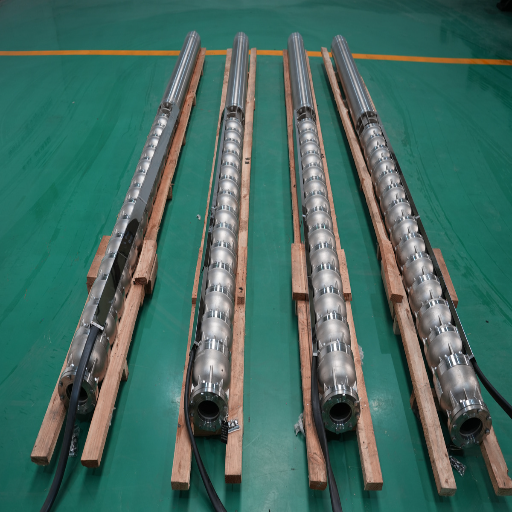
15–652 m
Head range across BBP portfolio
2–250 m³/h
Flow range (4″–12″ sizes)
3 series
Standard / Hot-water / Sand-resistant
40+ yrs
Beijing manufacturing track record
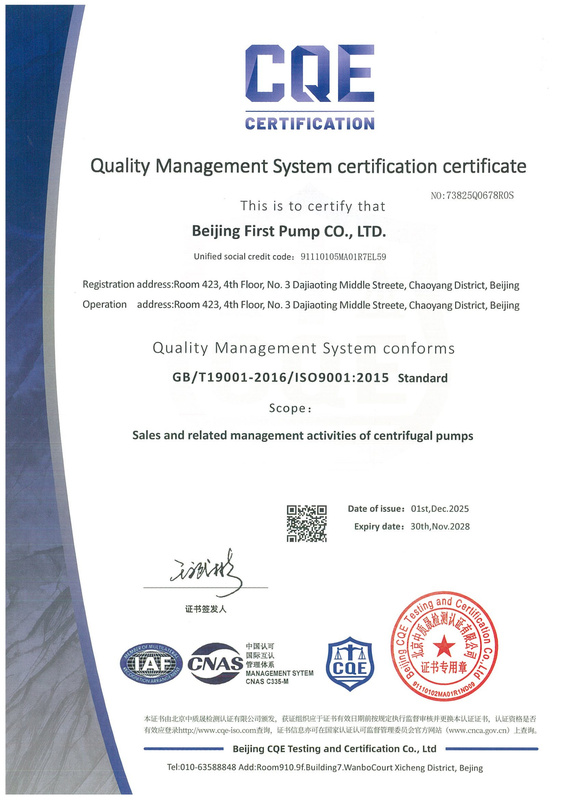
ISO 9001 + CE
Verified per current standards
30 min
RFQ response (business hours)
Why BBP — ISO 9001 Manufacturer with End-to-End Vertical Integration




The Sourcing Reality
Procurement teams buying deep well pumps from China need a hard evidence of decision risk: plenty “a good sample doesn’t prove batch cap ability” sourced audits State it frankly: “A sample is a good start, but it’s not proof of capacity. One flawless unit means nothing about a suppliers’ capacity to deliver sustainable quality.” Understandable “batch-to-batch production repeatability” is the single most important factor in B2B deep well pump sourcing, and that factor comes from one thing – the vertical integration of the entire production line, not integration of third-party purchased parts in assembly.
Single Chain of Custody
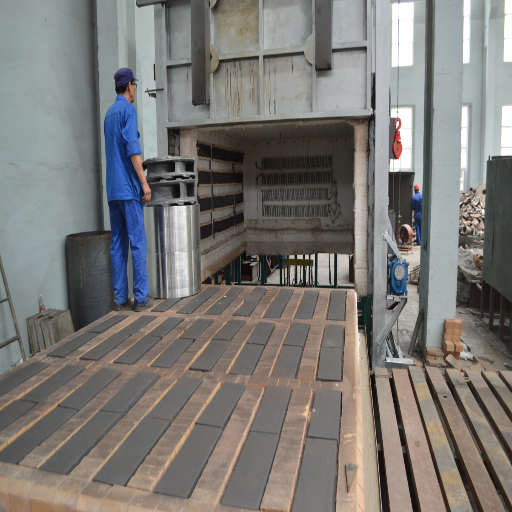
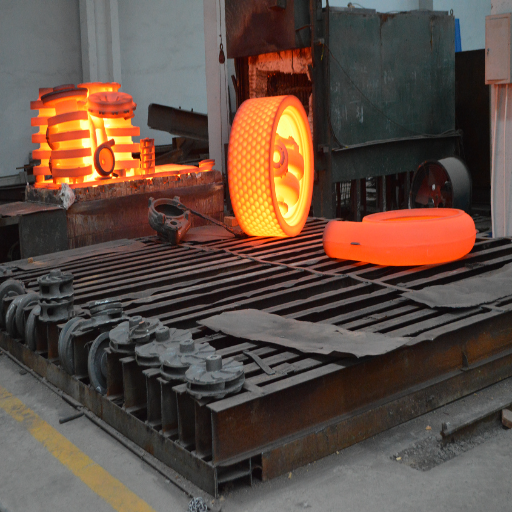
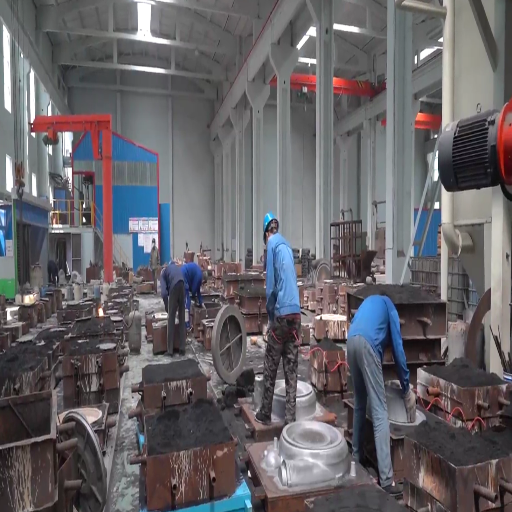
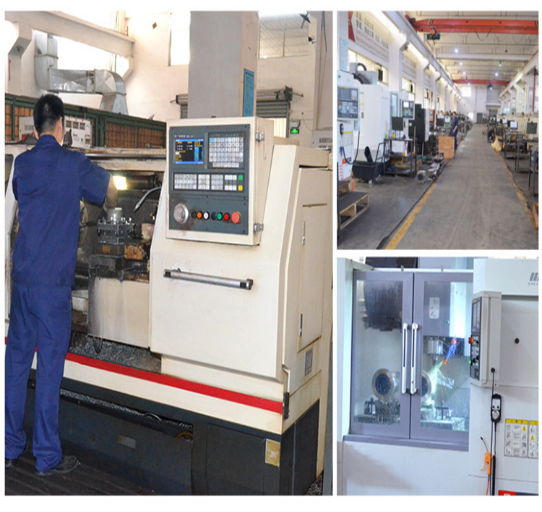
BBP Manufacturing Co., Ltd. (BBP) is an umbrella independent deep well pump producer, with a four decade ISO 9001:2015 experience, technological patent, and a wholly-integrated (Foundry, Heat Treatment, CNC Machining, Rotor Balancing, Full Assembly, Coating, and 100% Hydraulic Test) design, manufacture and test internal infrastructure (one chain of custody) at its independent Beijing facility. Cast bodies come from Aisi 304/316 stainless steel melt batch; CNC-machined and balanced impellers are knifed in-grade; each assembled motor stator is hand-measured for insulation resistance; each assembled pump body undergoes hydrostatic test at 1.5× rated pressure; and each finished unit leaves the factory with a serial SN recorded against the raw casting batch material certificate. This single-chain of custody is the difference between “specification sheet trust” and “material certificate audit”.
ISO 9001:2015
Quality mgmt
CE
LVD + EMC
ISO 14001
Enviro mgmt
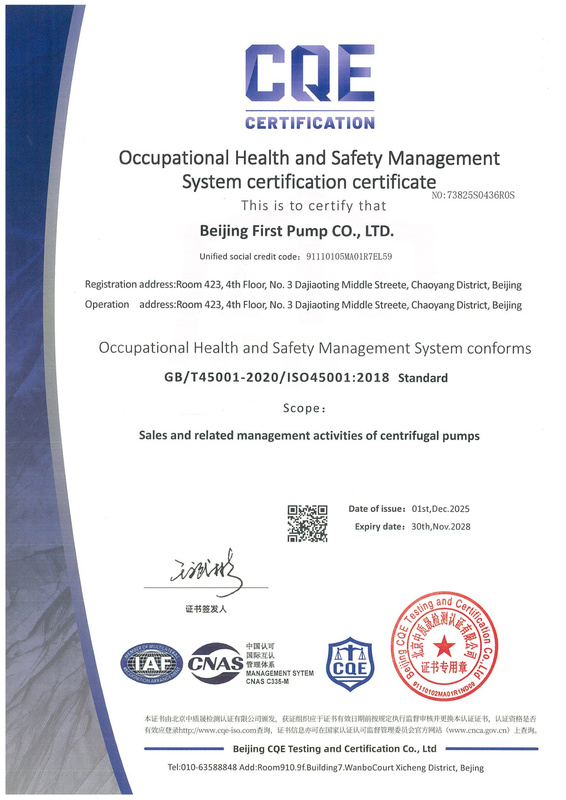
ISO 45001
Occupational H&S
IEC 60034-30
IE3 efficiency
IP 68
Submersion rated
Global Engineering Capability
Ranges of pumps from BBP include slurry, submersible, water, diesel water, chemical, pulp, and deep well pump variants – details of which are available on this hub page.. Vertical integration extends across the entire ranges of pumps, which is why global distributors, OEM customers, and Engineering Contractors buy from BBP across the whole catalog in growing quantities from Southeast Asia to Africa, to the Middle East to South America.
“Vertical integration is not a marketing claim for us – it is the only way to ship lots that match the sample. Every casting batch, every winding spool, every assembled stator is traceable to one place. That is what international procurement teams actually buy when they buy from BBP.”
Deep Well Submersible Architectures
I would argue the most expensive mistake, long term, in deep well pump procurement is a material and type mismatch to the application. Replacement 200′ wells (in offset fields) cost $2,500-$4,500 once farm piping and electrical work are included.
As such, architectural material determines the first decision. It is selected before any decision to select brand, or series, or specification. For deep well services (down to 600+ meters), BBP focuses exclusively on the two most reliable and efficient submersible architectures.
“…one of the most common and most expensive well pump mistakes is buying a standard configuration for highly corrosive or challenging environments. Internal degradation leads to motor failure within months.”
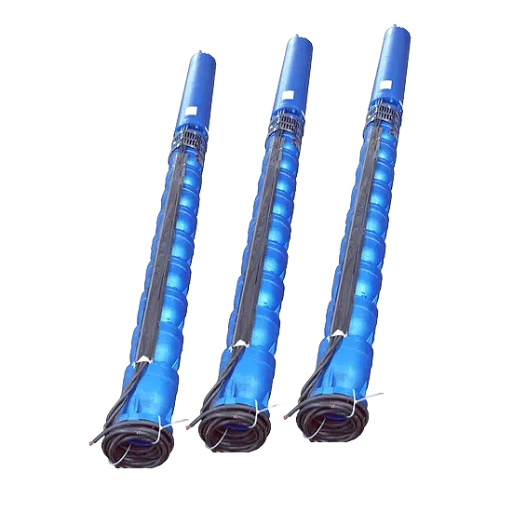
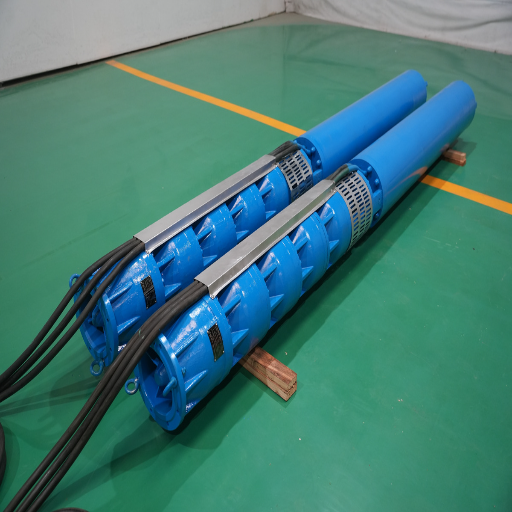
Deep Well Submersible Pump
Depth Range
50–600+ ft (15–183+ m); routine to 400 ft
Flow Range
2–250 m³/h (BBP portfolio)
Efficiency
50–75% (60–70% typical at duty point)
Initial Cost
Mid-Range / Standard Hardware
Applications
Drilled wells >25 ft, agriculture, mining, standard municipal supply.
Limitations
Casing constraint (≥4″). Not ideal for highly corrosive liquids.
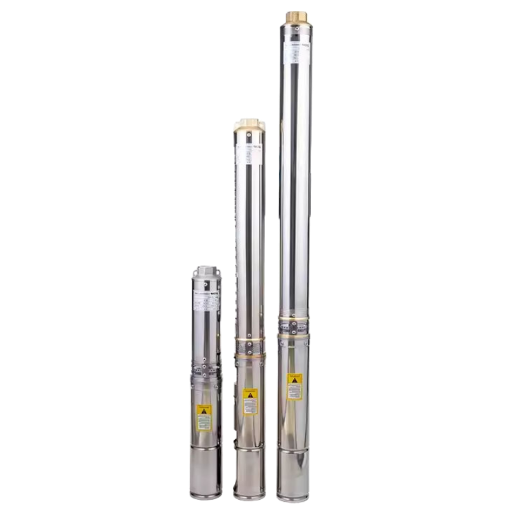
Stainless Steel Deep Well Pump
Depth Range
50–600+ ft (15–183+ m); multistage to 600+ m
Flow Range
2–250 m³/h (BBP portfolio)
Efficiency
50–75% (60–70% typical at duty point)
Initial Cost
Premium / Corrosion-Resistant
Applications
Food & beverage, offshore/marine, high-salinity wells, geothermal.
Advantage
Premium 304/316 SS ensures maximum longevity in aggressive environments.
BBP Deep Well Pump Series — Choosing Between Submersible, Stainless Steel & Sand-Resistant
BBP’s deep well pump portfolio is constructed with three distinct subseries within the ASJ family. All three share the same in-house castings, machining, and assembly process, run the same waterproof submersible motor platform, and pair with identical 304/316 stainless steel hydraulic chemistry. They only differ on the main factor that determines suitability: water chemistry, operating temperatures and sand-loading characteristics. Cards below provide a brief overview of each series, and links to their respective specification sheet reveal head characteristics, motor consumption tables and dimensional specifications in great detail.
ASJ Standard
Industrial Submersible
- Water Limit ≤20 °C, pH 6.5–8.5
- Chloride (304 SS) 400 mg/l
- Chloride (316 SS) 1,200 mg/l
- Flow Range 2–250 m³/h
- Head Range 15–652 m
- Motor Power 0.37–230 kW
- Frame Size 100–300 mm (4″–12″)
Main submersible used for municipal, agricultural and moderate depths borehole applications.
ASJ(R) Hot-Water
Hot-Water / Geothermal
- Fluid Temp ≤100 °C continuous
- Motor Type TQS(R) Stabilized
- Clearances Thermal Tuned
- Hydraulic Stage 304/316 SS
80-88 C geothermal extraction is proven at 8 years of continuous use without significant overhaul with BBP equipment.
ASJ(B) Anti-Sand
Anti-Sand / High-Sediment
- Sand Content ≤0.1% by mass
- Stages Hardened
- Geometry Wear-resistant
- Body Material 304 / 316 / Duplex SS
Mining dewatering, alluvial aquifer extraction, construction dewatering with sand-laden groundwater.
Series Selection Matrix
| Water Condition | Recommended Sub-Series | Key Spec Trigger | Min Frame |
|---|---|---|---|
| Fresh / municipal, Cl <400 mg/l, <20 °C | ASJ Standard 304 SS | Cl ≤400 mg/l | 100 mm (4″) |
| Saline coastal / brackish, Cl 400–1,200 mg/l | ASJ Standard 316 SS | Cl ≤1,200 mg/l | 100 mm (4″) |
| Geothermal / hot spring, fluid 40–100 °C | ASJ(R) Hot-Water | Temp ≤100 °C | 100 mm (4″) |
| Mining dewatering, sand 0.01–0.1% | ASJ(B) Anti-Sand | Sand ≤0.1% | 150 mm (6″) |
| Combined high Cl + high sediment | ASJ(B) + 316 SS spec | Cl + sand combined | 150 mm (6″) |
Not sure which sub-series fits your water chemistry?
Send your report to BBP Engineering →
Deep Well Pump Selection Factors — Depth, Flow, Voltage, Water Chemistry
Type and series set the system parameters. Specification then concentrates your selection using four technical parameters that an deep well pump has to meet: total dynamic head (TDH), flow requirement, power for selection in either single or dual phase power, water chemistry. Selection error is fairly transparent to industry though: all about ignoring the dynamic head – applying static lift specifications only and then troubleshooting problems when the friction loss in the actual running system adds in.
1. Total Dynamic Head (TDH)
TDH comprises of static head (height from water surface in well or from irrigation management to the water outlet) plus dynamic head (pressure due to pressure drop in the pipe network at running flow rate) plus the temperature-dependent pressure needed to pump at the inlet to the pressure needed at the outlet (irrigation system, pressure tanks, elevated storage). Pump sizing rules of thumb always include a safety margin – 20-30% for homes, 10% for farms, 5-10% for commercial and none in precision industrial cases. Typical TDH ranges for application are described in the following table.
| Application | Typical TDH range | Recommended diameter |
|---|---|---|
| Residential rural well | 30–91 m (100–300 ft) | 4″ (100ASJ) |
| Agricultural irrigation | 61–183 m (200–600 ft) | 4″ or 6″ (100/150ASJ) |
| Mining dewatering | 152–457+ m (500–1,500+ ft) | 8″ or 10″+ (200/250ASJ) |
| Municipal supply | 91–244 m (300–800 ft) | 6″ or 8″ (150/200ASJ) |
| Geothermal extraction | 61–366 m (200–1,200 ft) | 4″–10″ depending on flow target |
2. Voltage availability and cable sizing
The voltage selection size relates to the motor power and the cable run length. A 220-240V single-phase sized motor handles domestic, commercial, municipal and small agricultural duty (up to ~ 2 HP). A 380V three-phase sized motor is the industrial standard (from 0.75 kW to 37 kW). If you have deep mining or large municipal duty (tens of HP) above ~ 55-75 kW, then this becomes a 6 kV high-voltage motor as cable voltage drop can be a significant matter on long underground runs with low voltage architecture. (US wire practice restricts voltage drop to 3%.)
If a run exceeds 100 ft on a 1 HP motor at 220V, you will need 10 AWG copper or larger; a 1 HP / 220V at a 400 ft cable run scales to 6 AWG. BBP supports 50 Hz and 60 Hz frequencies, and DC-input motor configurations are available for solar arrays and off-grid sites.
3. Water chemistry triggers
The chloride load in the pumped water determines the stainless steel grade decision. At under around 200 mg/l chloride (Freshwater aquifers, recycled water, mine dewatering, filtration and irrigation application) expect a service cycle of 8-12 years from 304 SS. Between 200 and 1,000 mg/l (coastal aquifers, brackish irrigation, some mine dewatering) 316 or 316L SS specification applies, incorporating molybdenum alloy addition to resist chloride pitting.
Above 1,000 mg/l (severe brackish application, near-seawater, acid mine drainage) duplex stainless grades are considered. Hydrogen sulfide at concentrations over 1.5 mg/l (common in geothermal and oil-field applications) mandates upgraded Teflon or other reliable fluorocarbon elastomer seals as a factory option.
4. Sand and sediment handling
Specify the sand specification at under 200 g/m at rated flow, the sand loading. (above 50 ppm sand loadings, BBP ASJ(B) anti-sand sub-series with hardened stages is specified.) Above of the 0.1% (1,000 ppm) threshold, performance parameters include transition from submersible to vortex-impeller, progressive-cavity or special purpose sand pump.
Field failure data on undersized sand handling pumps historically show; “…sand and other contaminants will accummulate in the sand pump location, around the impeller, causing the impeller to run extraordinarily harder, and it will consequently trigger shutdown. All amps may run up to 6 times normal value before failure.” The sand handling decision, therefore, is a design specification rather than a maintenance decision.
What to Provide When Sizing a BBP Deep Well Pump
The on-line pre-sales engineering team provides free sizing prior to quotation. Send your static water level, draw-down conditions at your desired flow rate, target flow (m³/h or GPM), discharge head, gauge-able pipe length and diameter, target delivery head and pressure, water chemistry table (chloride, sand, pH, temperature), voltage/frequency and target installation date range details. Sizing recommendation includes model selection, Q/H curve, the motor kW, cable size and specification, and the closest stocked ASJ frame size – under normal conditions arriving within 30 minutes during business hours.
Applications & Industries — Irrigation, Mining, Municipal, Geothermal
Deep well pumps address a broader application set than any product page can. Four broad application contexts below represent the biggest volume use cases across BBP’s 2024-2025 shipped projects. Each has a characteristic depth, flow and water chemistry profile that informs series selection – and each links through to a dedicated specification page where engineering project records, case studies and recommended SKU ranges are collected in full detail.
Agricultural Irrigation — Mid-depth, Mid-flow, Mid-saline
Agricultural irrigation is the single biggest use case for deep well pumps worldwide, with Asia-Pacific performance leading regional expansion at roughly 6% CAGR to 2032. Typical irrigation borehole specs run 200-600 ft (61-183 m) total dynamic head, 12-50 m³/h flow, 6″ (150ASJ) frame, with PV-direct or DC-input motor options thriving on remote farms. Coastal-saline and brackish lagoon farms often default to 316 SS spec (chloride 400-1,200 mg/l), and may sit the ASJ(R) hot-water variant if combined with geothermal heat dissipation.
Mining Dewatering — Deep, Sand-laden, High-Voltage
Mine pit and shaft dewatering pulls groundwater from sand deposits in depths upstream of 250-500 m, 50-100 m³/h on continuous duty cycles. Sand lodes often top 0.05-0.35% mass, recommending the ASJ(B) anti-sand sub-series with hardened stages and wear-resistant casing geometry. Large mining sites run 6 kV high-voltage architecture because cable circulation pressure issues make low-voltage impractical. BBP has field reports of ASJ(B) units attaining MTBF near 32,000 cycle hours under continuous high-sediment operation – a 5–6× improvement over conventional submersible architectures in the same chemistry.
Municipal Water Supply — Mid-Deep, High Flow, Audit-Ready
Municipal water supply programs serving catchment areas of 5,000 to 50,000 residents generally draw water from 150-250 m boreholes at flow rates of 30-80 m³/h. Material specification drifts toward 316 SS where chloride leaching exceeds 400 mg/l from ground flush, and ISO 9001 lot-to-lot traceability reports become a procurement audit deliverable rather than an advertising claim. BBP has shipped municipal-supply units across Southeast Asian townships where the purchasing audit specifically mandated lot-to-lot material certificates traceable to the casting lot – a deliverable that vertical-integration manufacturers like BBP can produce, and trading-house suppliers cannot.
Geothermal Extraction — Hot, Continuous, Long-Cycle
Geothermal aquifer extraction at 80-100 °C continuous fluid temperature runs the ASJ(R) hot-water variant with thermally-stabilized TQS(R) submersible motor and bearing clearances tuned for thermal expansion at operating temperature. Documented BBP installations at thermal tourism resort and district heating projects have run 8 years continuous service without major overhaul, with planned bearing inspection on a 4-year cycle. For applications above 100 °C – high-temperature ESP territory – BBP’s engineering team performs custom-design review against well chemistry, flow target, and motor power class.
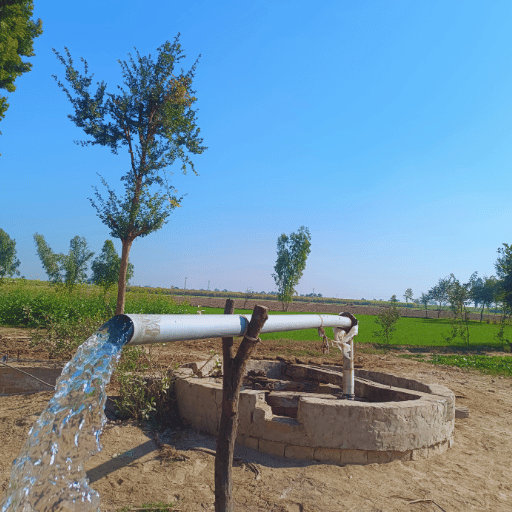
Performance Range Across BBP Deep Well Pump Portfolio
The BBP deep well pump portfolio scales across 4 diameter classes, each tuned to a defined head, flow and motor power envelope. Performance ranges below summarize the BBP-shipped envelope across 2024-2025 project records – they are the upper and lower bounds that define what BBP can deliver from the standard catalogue, before any custom-stacking or high-voltage motor variants are added. For per-SKU specifications, head curves and dimension tables, the dedicated submersible page carries the complete catalogue.
100 mm (4″) — 100ASJ
Head Range
15–185 m
Flow Range
2–10 m³/h
Motor Power
0.37–7.5 kW (0.5–10 HP)
Typical Application
Domestic borehole, small irrigation, livestock
125 mm (5″)
Head Range
30–200 m
Flow Range
5–20 m³/h
Motor Power
1.5–7.5 kW (2–10 HP)
Typical Application
Agricultural, village water supply
150 mm (6″) — 150ASJ
Head Range
30–330 m
Flow Range
10–50 m³/h
Motor Power
3–37 kW (4–50 HP)
Typical Application
Industrial water supply, saline irrigation, municipal boosting
200 mm (8″) — 200ASJ
Head Range
80–450 m
Flow Range
30–100 m³/h
Motor Power
11–90 kW (15–120 HP)
Typical Application
Municipal, mining dewatering, large irrigation manifolds
250 mm (10″) — 250ASJ
Head Range
120–550 m
Flow Range
80–180 m³/h
Motor Power
37–110 kW (50–150 HP)
Typical Application
Large-scale industrial, geothermal, deep mining
300 mm (12″) — 300ASJ
Head Range
200–652 m
Flow Range
150–250 m³/h
Motor Power
75–230 kW (100–308 HP)
Typical Application
High-head deep borehole, reservoir extraction, oil/gas produced-water lift
Baseline Engineering Specifications
Two engineering details span the entire BBP portfolio. First, every ASJ pump is built on a water-filled rewindable stator – the motor cavity is flooded with dielectric water that circulates to dissipate heat under continuous submersion, which is why the family survives 24/7 mining and municipal duty where oil-filled motor architectures fail from thermal stress. Second, an isolated control box specification – separate surge-protected enclosure rated for ±10% voltage tolerance – addresses the capacitor and overload-contact failure pattern that drives most service calls on residential-tier competitor lines. Both are baseline specifications across BBP’s deep well portfolio, not optional upgrades.
Need a per-SKU specification with head curve and motor selection table?
Get Instant QuoteManufacturing Excellence & Global Presence
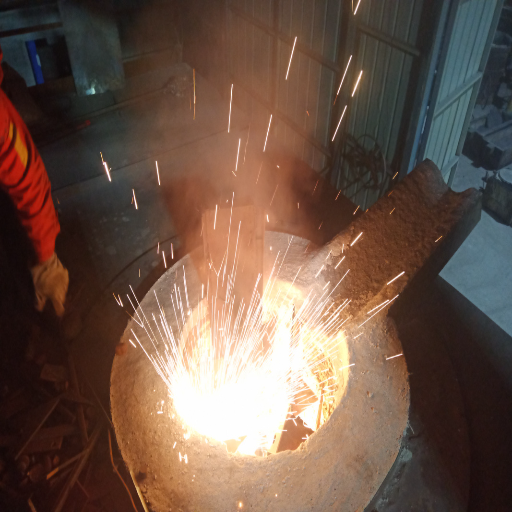
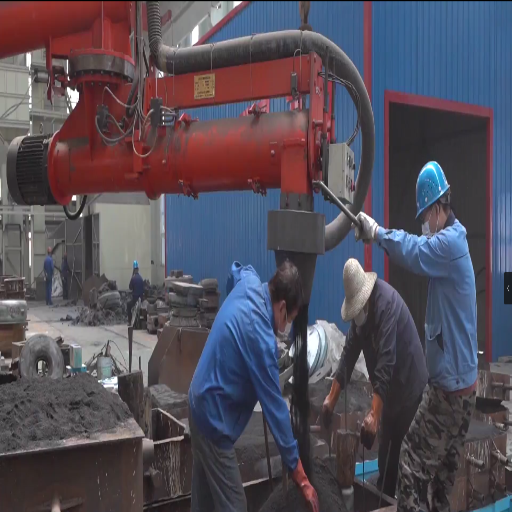
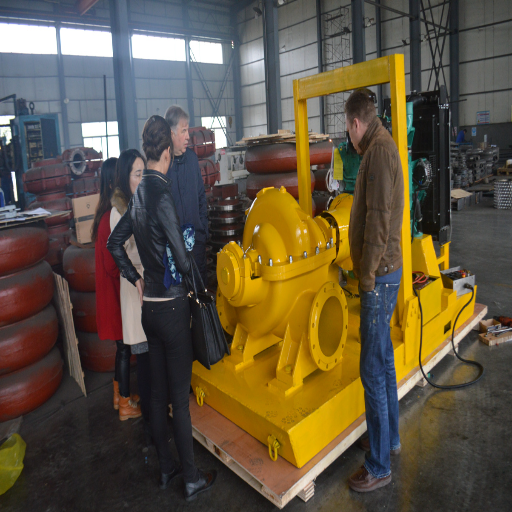
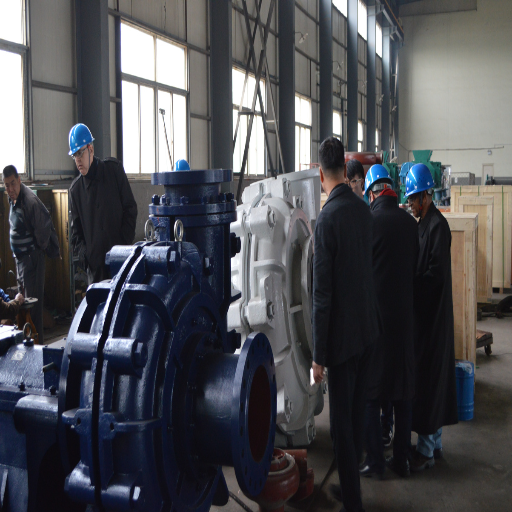
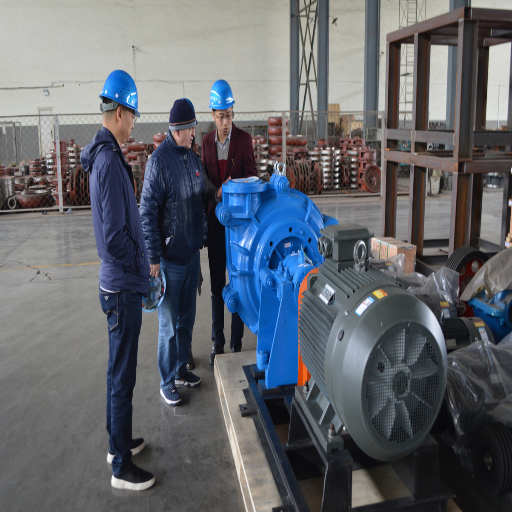
Advanced Production Facilities
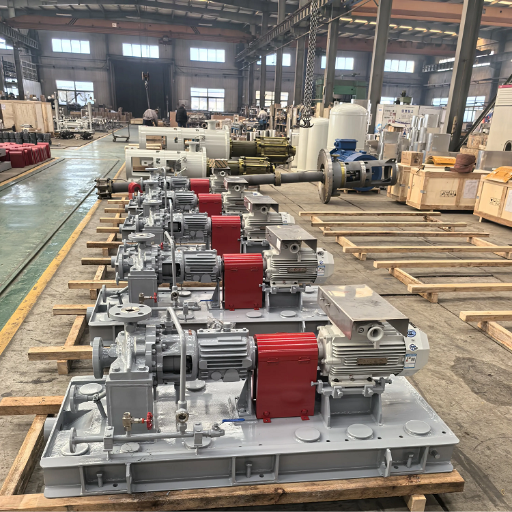
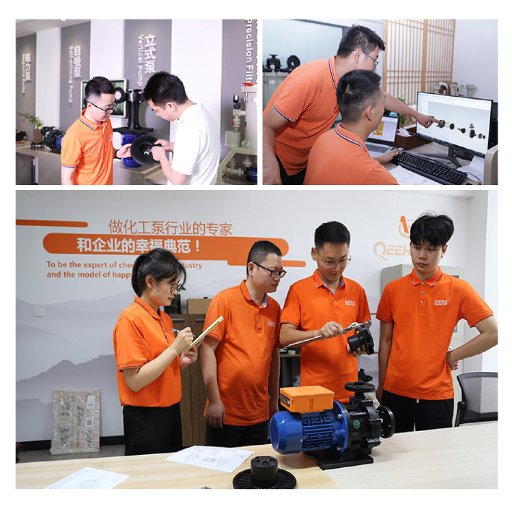
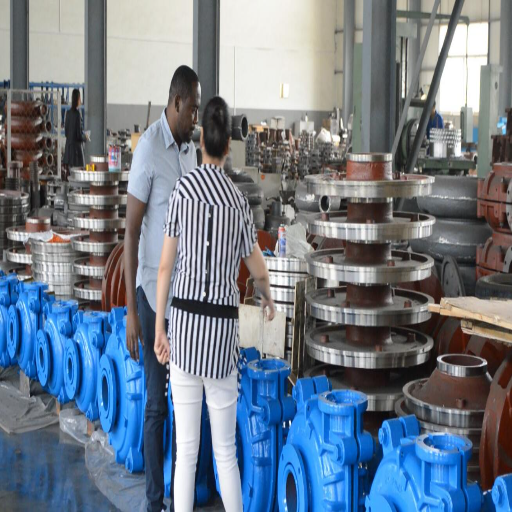
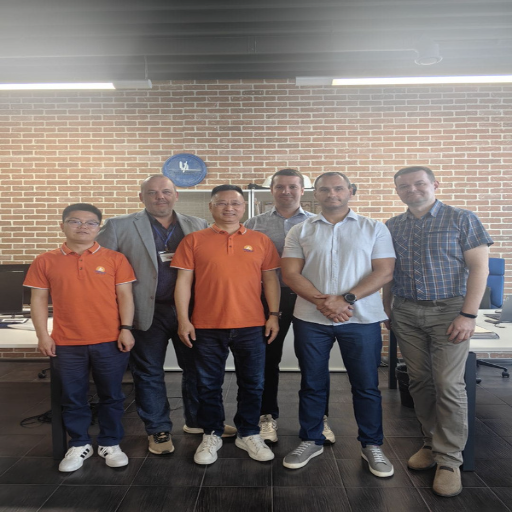
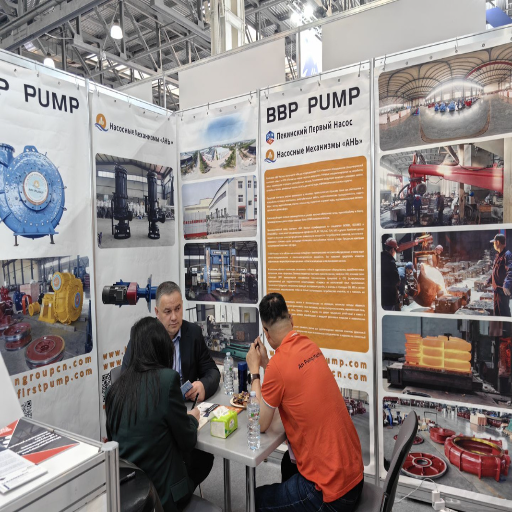
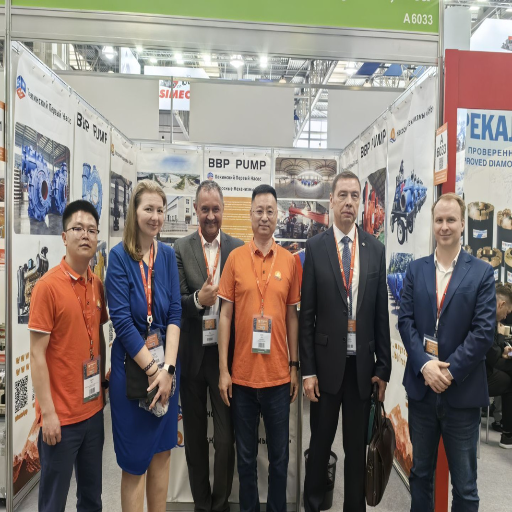
Industry Exhibitions
×
![Enlarged View]()
B2B Procurement — MOQ, Lead Time, OEM, Payment Terms
B2B procurement teams sourcing deep well pumps from international manufacturers typically face a four-vector evaluation: minimum order quantity, standard lead time, qualification sample policy, and OEM customization scope. Published industry baseline across the SERP-leading deep well pump brands is opaque on every one of those vectors – pricing, MOQ, and lead times are quote-locked, and OEM scope is implied through brand authority rather than published. BBP operates on a published procurement framework, structured below.
MOQ and lead-time framework
| Parameter | Standard stock models | Custom / OEM |
|---|---|---|
| MOQ | 1 unit (sample) | 10 units |
| Stocked-model lead time | 7–15 days from PO | — |
| Standard production lead time | 25–30 days ex-factory | 30–45 days from approved drawings |
| Rush production | 15 days | 20–25 days (case-by-case) |
| Custom-stacked or 6 kV HV builds | — | 45–60 days |
| Incoterms | EXW / FOB Tianjin / CIF | EXW / FOB Tianjin / CIF |
| Payment terms | T/T 30/70 pre-shipment or sight L/C on large orders | T/T 30/70 or L/C; OEM partner terms negotiated |
| Warranty | 12 months from delivery | 12 months; 3-year OEM partnership extension available |
| RFQ response SLA | 30 minutes (business hours) | 30 minutes (business hours) |
OEM customization scope
BBP’s OEM program covers voltage matching for non-standard grids (50 Hz / 60 Hz, 220V / 380V / 440V / 6 kV HV, DC-input for solar), impeller hydraulic optimization for unusual flow-pressure curves, international discharge thread sizing (ANSI / DIN / JIS), private-label nameplate and packaging, and surface finishing. The OEM timeline runs design review and approval (5 days) → sample production (20 days) → sample approval (5 days) → first-order production (30 days) → quality inspection and shipment, for a total of about 55-65 days from purchase order approval to first shipment. Series OEM contractual terms – extended warranty, exclusive territory, branded catalogue support – are negotiated individually with distributor and contractor partners.
Spare parts policy and after-sales support
BBP stocks impellers, mechanical seals, cable glands, control boxes and replacement motor stators for major pump models – most spare parts dispatch within the same week of order. Pre-sales engineering consultation (TDH calculation, pump selection) is provided free of charge. After-sales support runs 24/7 via WhatsApp, WeChat and email; remote diagnostics handle most service calls without a site visit. For larger projects, BBP engineers can attend on-site commissioning across the Middle East, South East Asia and Sub-Saharan Africa. Distributors and engineering contractors evaluating a second pump-brand alongside existing European or American lines may apply for the BBP Wholesale Partnership Program – volume tier pricing, co-branded catalogue material, and engineering support for tendering work.
RFQ Checklist — What to Send for a 30-Minute Response
- Well static water level + dynamic water level at pumping rate
- Casing inside diameter (4″ / 5″ / 6″ / 8″ / 10″ / 12″)
- Target flow rate (m³/h or GPM)
- Total Dynamic Head (TDH) or system parameters for sizing
- Available motor voltage and frequency (50 Hz / 60 Hz)
- Water chemistry summary — chloride, sand ppm, pH, temperature
- Application + region + delivery timeline + Incoterm preference
Are you ready to issue an RFQ?
Get Instant Quote
Engineering & Selection Tools
Deep Well Pump Type Selector
Pick your well depth, target flow, and water condition — get a starting pump-type recommendation (submersible / jet / vertical turbine / hand) plus a BBP series match where applicable.
Open Type SelectorDeep Well Pump TDH Calculator + BBP Frame Match
Total Dynamic Head = Static Head + Friction Head + Pressure Head Required. Enter project parameters in metric units; the calculator returns TDH and a recommended BBP frame size.
Open TDH CalculatorFrequently Asked Questions
How do I choose between submersible, jet, and vertical turbine deep well pumps for my project?
Type selection occurs in that sequence: depth first, then flow target, then efficiency tolerance. Below 25 ft of static water level, a shallow well jet pump (or hand pump) makes sense. From about 25 ft to 110 ft or so, either a deep-well convertible jet (two-pipe ejector) or a small 4″ submersible works — the submersible wins on lifetime energy cost, the jet wins on hardware initial cost. From 110 ft to 600 ft or so, only a submersible architecture will do for industrial duty — jets won’t deliver a practical flow at that depth and the energy cost compounds. Above 600 ft (or above 50 m³/h flow) multistage submersibles or vertical turbine pumps both apply — turbines win on hydraulic efficiency (70-86% versus 60-70%), submersibles win on installation simplicity and weather protection. BBP’s portfolio centers on the 25-ft-to-600+-meter submersible range, which covers most B2B deep well applications.
What is the typical lead time for a BBP deep well pump from Beijing?
Stocked 100ASJ and 150ASJ models ship within 7-15 days of receipt of purchase order. Regular-for-stock builds – non-stock sizes, voltage variants – run 25-30 days ex-factory. Custom-stacked configurations, 6 kV HV motor builds, OEM private-label orders run 30-45 days from approved engineering drawings. Quick turn around is possible at 15 days for stock-list configurations and 20-25 days for custom builds, on a case-by-case basis. RFQ response is committed to at 30 minutes during Beijing business hours, with sizing recommendation, model number, Q/H curve, and FOB pricing returned in a single response.
Do you offer OEM private-label customization on deep well pumps?
Yes. BBP’s OEM program covers voltage matching across 220V single-phase / 380V three-phase / 440V three-phase / 6 kV HV / DC-input for solar deployment, impeller hydraulic optimization for unusual flow-pressure curves, international discharge thread sizing (ANSI / DIN / JIS), private-label nameplate and packaging, and surface coating to OEM partner specifications. The OEM timeline from PO approval to first shipment runs about 55-65 days, broken down as design review (5 days) → sample production (20 days) → sample approval (5 days) → first-order production (30 days). MOQ for OEM is 10 units; series OEM contractual terms – extended warranty period, exclusive territory rights, co-branded catalogue support – are negotiated individually with distributor and engineering contractor partners.
Can BBP supply both 50 Hz and 60 Hz deep well pumps?
Yes – both 50 Hz and 60 Hz frequency support is standard across the ASJ portfolio. Specify grid frequency at RFQ along with grid voltage. DC-input motor variants for PV-direct and battery-backed solar deployments are available on the smaller frame sizes (100ASJ and 150ASJ) and are most commonly specified for remote agricultural irrigation and off-grid livestock water supply. For 60 Hz markets running North American grid voltages, the standard motor offerings cover 230V / 460V three-phase configurations.
What is the difference between BBP’s submersible series and stainless steel series?
Both series share the same in-house casting, machining and assembly process and the same waterproof submersible motor architecture. The submersible series page paginates the broad ASJ Standard product family – depth ranges, motor power, frame sizes and head-flow envelopes. The stainless steel series page narrows the focus down to chemical-tolerance specification (304 vs 316 vs duplex SS), the ASJ(R) hot-water variant for geothermal duty, and the ASJ(B) anti-sand variant for mining dewatering and high-sediment groundwater projects. The majority of projects start with the submersible series page for sizing and then turn to the stainless steel series page once water chemistry analysis shows 316 SS or better required.
Do you provide installation guidance for international project sites?
All pumps ships with detailed installation manual, electrical wiring diagram and starter or control-box specification advice. Pre-installation engineering consultation available 24/7 via WhatsApp, WeChat and email. For larger projects – multi-unit municipal supply tenders, mining dewatering arrays, geothermal extraction installations – BBP engineers can attend onsite commissioning, with project history across the Middle East, Southeast Asia and Sub-Saharan Africa. Remote sites get step by step video call support through the commissioning window. Send you project scale, location and time frame at RFQ and BBP will send a documented support plan with the quotation.