Get in Touch with BBP

ISO 9001:2015
Chemical Dosing Pump — Precision Metering Pumps for Water Treatment & Industrial Process Control
Under-dosed chemicals fail compliance, and create treatment gaps. Over-dosed chemicals result in reagent wastage and unnecessary wear on equipment. BBP chemical dosing pumps inject a precisely-measured volume of fluid per stroke, for the four positive-displacement series, keeping your process ‘on-spec’ to every shift.
- ISO 9001:2015 manufacturer
- API 675 compliant designs
- ±1.0% steady-state accuracy
- 24/7 technical support
0.1–800 GPH
Flow Capacity Range
Up to 870 PSI
Max Pressure
±1.0%
Steady-State Accuracy
10:1 / 1000:1
Turndown (Std / Intelligent)
14 Materials
Wetted Parts Options
4 Series
Solenoid, Motor, Hydraulic, Peristaltic
Precise Dosing Is Non-Negotiable. Here’s How BBP Delivers It.
All Personas
A chemical dosing pump (chemical metering pump, chemical feed pump) is a positive-displacement pump that introduces a specific volume of liquid chemical into a process stream per cycle. diaphragm, solenoid, and peristaltic types all fall under one umbrella: repeatable injection at a flow rate you can hold within a specific band of accuracy (Milton Roy standard industry technical target: 1.0% accuracy at steady-state).
Under-Dosing Fails Compliance
Residual chlorine below target, under-treated phosphorus, or missed corrosion-inhibitor feed all generate traceable regulatory events. Plants moving toward NPDES or drinking water guide lines have no tolerance for drift.
Over-Dosing Wastes Reagent
A 10% overfeed on a $5M annual chemical investment is $500K delivered to the drain, AND contributes to more rapid damage to downstream membranes, boiler tubes, or heat-interchanger metallurgy.
Loss of Prime Destroys Both
Solenoid and diaphragm dosing pumps that lose prime at vapor pockets at the suction side are the number one known-fail. In addition to missing the intended injection it’s time spent removing and replacing prime at a time when the rest of the factory is just getting in out of the rain.
Across these three failure modes, BBP chemical dosing pumps apply positive-displacement architecture matched to the chemistry, prime-retention engineering in each series, and a documented calibration check before shipment. Sections below walk process engineers through series selection, comparative performance, customer outcomes, and the competitive picture — so engineering, procurement, and plant teams each find the detail that matters.
BBP Chemical Dosing Pump Series — Select the Right Pump for Your Application
EN + PROCA complete family of four series serve the entire water treatment, industrial process water, and OEM requirements for flow, pressure, chemistry, and OEM-purchase. Each card highlights the important parameters decision engineers consider at RFQ time: flow rate, maximum discharge pressure, turndown ratio, drive type, and what materials the liquid-end is constructed from. Cross-referenced decision matrix below correlates typical scenarios to the recommended series.
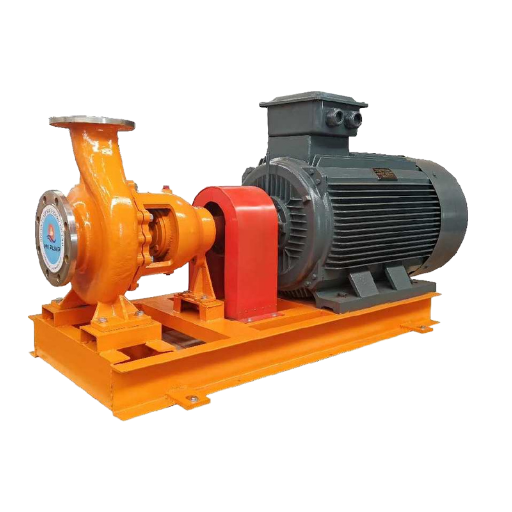
BBP Solenoid-Driven Diaphragm Series
Low flow operation for OEMs and light-industrial: flow and stroke rate control through keypad, 4-20mA, or relay input. Chemically resistant diaphragm mechanically driven at up to 180 strokes per minute by solenoid.
- Flow range 0.1–6.7 GPH
- Max pressure 150 PSI
- Turndown 10:1
- Accuracy ±2% (typical)
- Control Pulse / 4–20 mA
- Liquid end PVC, PVDF, PTFE
Applications: small municipals, OEM reverse osmosis, pH / chlorination injection below 150 PSI.
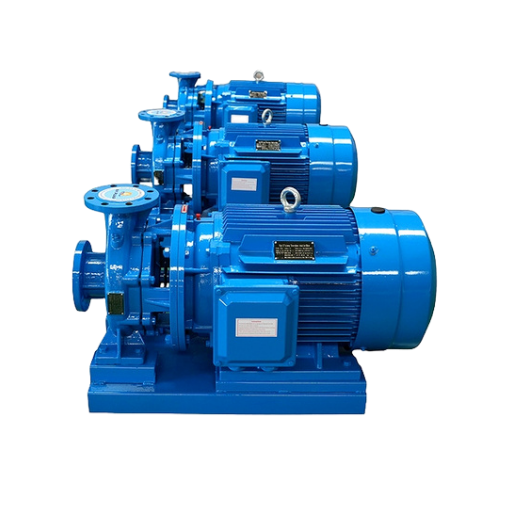
BBP Motor-Driven Mechanical Diaphragm Series
Industrial workhorse for dispersed, continuous injection. Motor drives reduction gearbox and the eccentric that mechanically drives a contoured diaphragm. Adjusts by manually spinning the stroke length knob, as well as electronically positioning the stroke length.
- Flow range 1–80 GPH
- Max pressure 290 PSI
- Turndown 10:1 std / 100:1 intelligent
- Accuracy ±1.0% steady-state
- Control Local keypad + PLC/DCS
- Liquid end PVC, 316L SS, PTFE
Applications: municipals, cooling tower chemistry, boiler chemistry, polymer loading to 1,500 cP viscosity.
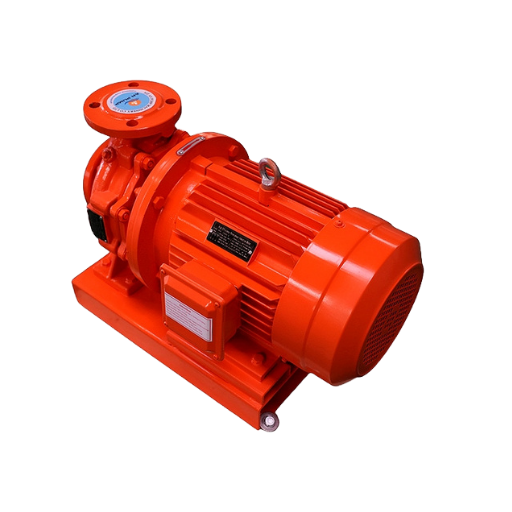
BBP Hydraulic Diaphragm Series
API 675 compliant hydraulically actuated diaphragm for the worst conditions of operation and the most chemically reactive fluids. Hydraulic fluid cushion means that diaphragm stress cycles are omitted, which permits 24/7 operation.
- Flow range 0.5–150 GPH
- Max pressure 870 PSI
- Turndown 10:1 std / 1000:1 intelligent
- Accuracy ±1.0% steady-state
- Control Variable speed + stroke adjust
- Liquid end 316L SS, Hastelloy C-276, PTFE
Applications: chemical dosing for the petrochemical, power, or fertilizer industries, high-pressure boiler chemistries, acid/caustic control, ATEX-zone processor fit out.
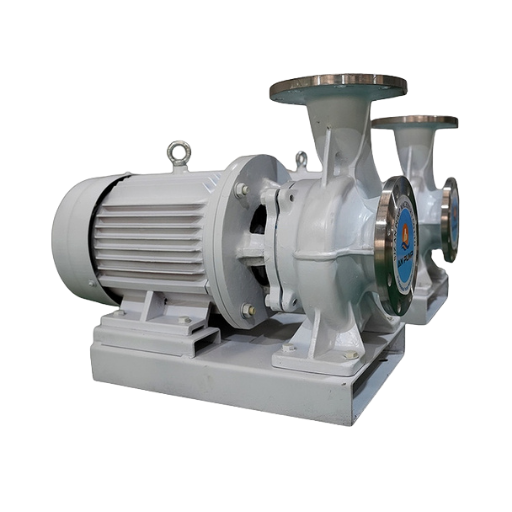
BBP Peristaltic Metering Pump Series
Valve and seal free design allows handling of abrasives, entrained gas chemistries, and coupler thick viscous polymers. Housing-mounted, chemically inert tube distal to the rotation – created by compression of a rotor against the body.
- Flow range 0.01–50 GPH
- Max pressure 150 PSI
- Turndown 10:1
- Accuracy ±2% (tube-wear dependent)
- Service interval Tube change per 90 days typical
- Tube options Santoprene, NBR, PharMed BPT
Best for: polymer dosing with entrained gas, sodium hypochlorite (off-gassing), abrasive lime slurry, any chemistry that defeats check valves.
Prime Retention Engineering EN
Prime loss is the dominant field failure mode reported across metering pump brands — especially on sodium hypochlorite. Chlorine bubbles off-gas in the feed line and accumulate at the diaphragm valve seats, breaking the pump’s ability to draw fluid. Each BBP series is engineered against the same failure chain:
Auto-degassing valves
On the diaphragm head purge the accumulated off-gases on each cycle, proven effective with off-gassing chemistries such as bleach and peracetic acid.
Flooded-suction head
Available as a factory-installed option—the upper chemical tank is mounted above the metering pump inlet, circumventing the suction-lift that creates prime losses.
NPSHA specification
Made explicit in every quotation: BBP’s sizing engineers determine NPSH via your suction line length, fluid specific gravity, and vapor pressure before quoting a pump. No blind NPSH value.
Peristaltic head
Negates all check-valve failure sources—the leading cause of prime loss in diaphragm pumps. Recommended where chemistry off-gasses in measurable quantities.
Decision Matrix — Application → Recommended Series
| Application Scenario | Flow Range | Max PSI | Recommended Series |
|---|---|---|---|
| Municipal chlorine (NaOCl) dosing | 0.5–40 GPH | 150 PSI | Peristaltic or Solenoid |
| Boiler feed corrosion inhibitor | 1–20 GPH | 290 PSI | Motor-Driven Diaphragm |
| Polymer dosing (wastewater) | 2–60 GPH | 60 PSI | Peristaltic |
| Oil & gas chemical injection (H2S scavenger) | 0.5–15 GPH | 870 PSI | Hydraulic Diaphragm (API 675) |
| OEM RO skid (pH / antiscalant) | 0.1–3 GPH | 150 PSI | Solenoid |
| Fluoride dosing (potable water) | 0.3–6 GPH | 100 PSI | Solenoid or Peristaltic |
| Cooling-tower biocide | 0.5–10 GPH | 100 PSI | Solenoid or Motor-Driven |
Get a free pump sizing calculation for your chemistry
Tell us your flow, pressure, and chemical, and a BBP sizing engineer returns a recommended model within one business day.
Calculate My Sizing →Chemical Dosing Pump vs. Alternatives — Data-Driven Performance Comparison
Positive-displacement chemical metering pumps are frequently assessed against three lesser-quality options: variable throttling injection pumps, simple on-off solenoid injectors, and feedbackless solenoid injection pumps. The table below presents category typical data (not vendor-claimed best case) so you can evaluate whether the performance gap is worth the cost delta.
| Capability | BBP Chemical Dosing Pump | Centrifugal + Throttle Valve | Basic On-Off Injection | Entry-Level Solenoid (no feedback) |
|---|---|---|---|---|
| Volumetric Accuracy | ±1.0% steady-state | ±10–15% typical | ±20% (pulse-injection cycling) | ±5% no feedback |
| Turndown Ratio | 10:1 standard / 1000:1 intelligent | 3:1 typical | 1:1 (on or off) | 5:1 typical |
| Max Discharge Pressure | Up to 870 PSI (hydraulic) | Chemistry-dependent, limited by seal | 30–100 PSI typical | Up to 150 PSI |
| Chemical Compatibility | 14 wetted materials (PVC to Hastelloy) | Limited by seal selection | Limited to compatible plastics | Basic PVC/PVDF only |
| Calibration Repeatability | Within ±1.0% band across calibration cycles | Re-calibrate on process change | Not calibratable in the positive-displacement sense | Drifts with tube / seal wear |
| PLC / DCS Integration | 4–20 mA, pulse, Modbus RTU standard | Valve-position feedback only | Timer relay typical | Pulse input only |
| Maintenance Interval | 12–24 months (diaphragm); 90 days (peristaltic tube) | Seal service 6–12 months | Solenoid coil typical 2–4 years | Check-valve cleaning 3–6 months |
The Practical Conclusion
When accuracy over your process range is tolerable at 15% and down regulation is unavailable at lower flows, a volumetric throttling system costs less for a similar effect. When chemical cost is high, regulation tight, or overshoot in downstream processes damaging, the accuracy benefitted will payback—the next section puts figures to.
Request a custom comparison against your current equipment →
Share your current pump model and BBP engineering returns a side-by-side spec analysis — no obligation.
Customer Outcomes — Measurable Dosing Performance MGR + EN
Documented industry case studies (municipal water, industrial boiler, polymer dosing) are repeatedly reported indicating that a move from manual or low-accuracy injection to high-accuracy dosing results in 20–35% reduction in chemical use while increasing regulatory adherence. This return-on-investment in the table below illustrates typical payback period.
$250K
Typical annual return of a 5% incremental increase in automation efficiency in a chemical feed budget of 5 million dollars: linear to chemical budget.
Source: Blue-White Industries mining analysis, 2024. Applicable to any facility tracking reagent consumption.
Municipal Water Treatment
32% Chemical Reduction
A published North American municipal case study evidenced a 32% lowering of treatment chemical headloss when switching to automated high-accuracy dosing. Control operators also observed the readjustment of chemical injection rate from load swing level changes disappeared as “learning by feel” was replaced by consistent injection.
Industry-typical result per published case data.
Industrial Boiler Water
Corrosion Inhibitor Stability
Steel mill and refinery boiler operators dosing phosphate conditioner/oxygen scavenger have measured 1% dosing pump accuracy and documentation replacing the overfeed margin—meaning chemicals are being fed at highest concentration and yet residuals are maintained in the manufacturer’s range.
Based on published case studies: industrial boiler operation.
Polymer Dosing (Wastewater)
Sludge Dewatering Compliance
German and EU based wastewater plants utilizing precision polymer flocculant high-accuracy dosing measured 90 day tubesot replacement intervals while achieving water-quality limits for dewatered sludge cake solids—this is performance equivalence with check-valve-less seal-less membranes without fouling.
Watson-Marlow / Castle Pumps published case studies.
Get a quote calibrated to your annual chemical volume →
Include your reagent spend and BBP returns a tailored TCO framework within 48 hours.
PROC + EN
Certifications, Materials & Chemical Compatibility
Compliance documentation is mandatory in any regulated business. The BBP chemical dosing pump range has the globally market-leading engineering approvals for hands-off deployment by engineering procurement teams in any potable water, hazardous area, or petroleum process.
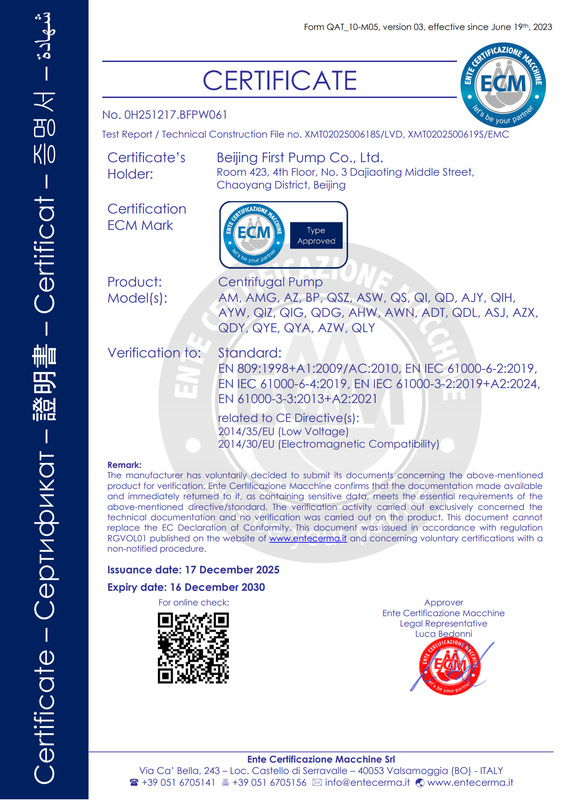

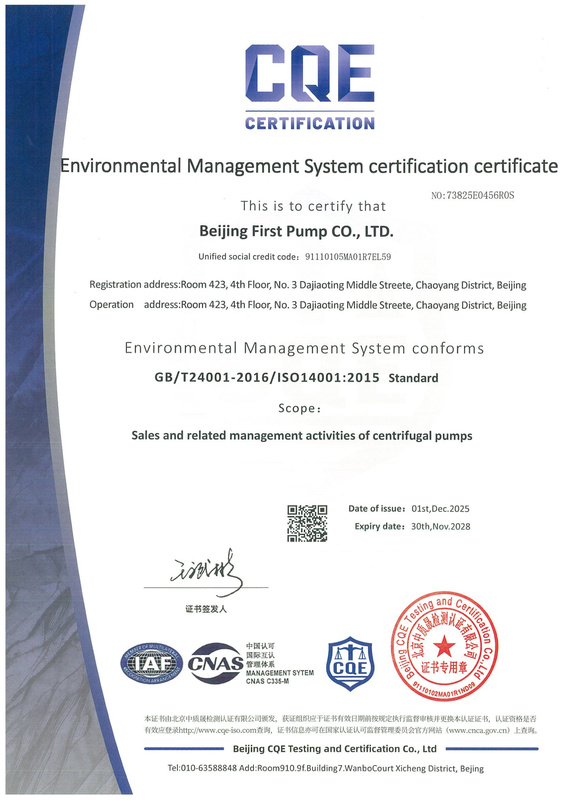
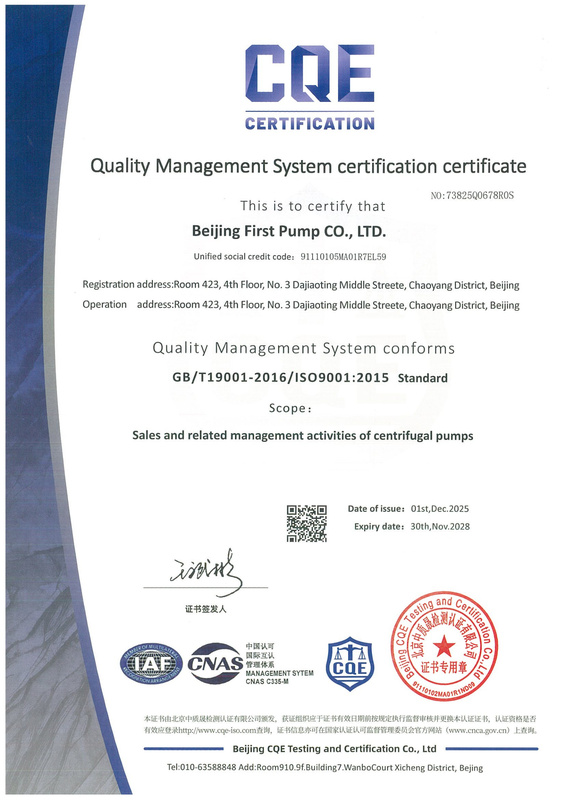
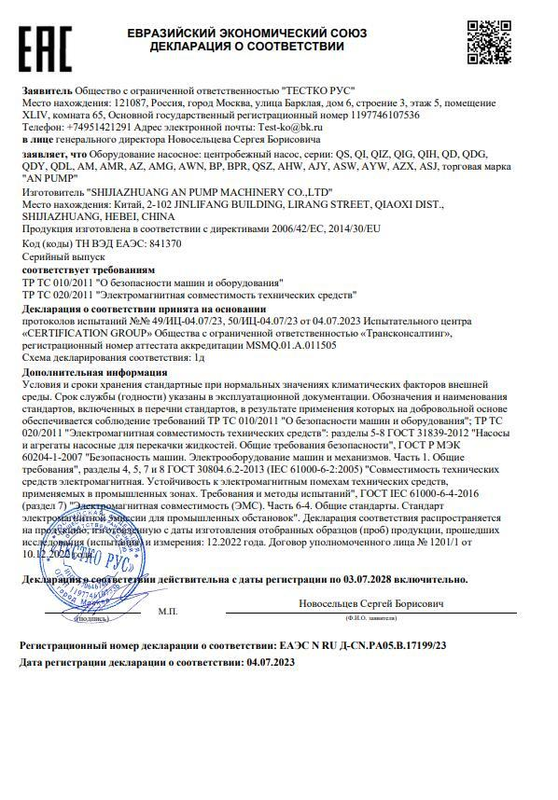
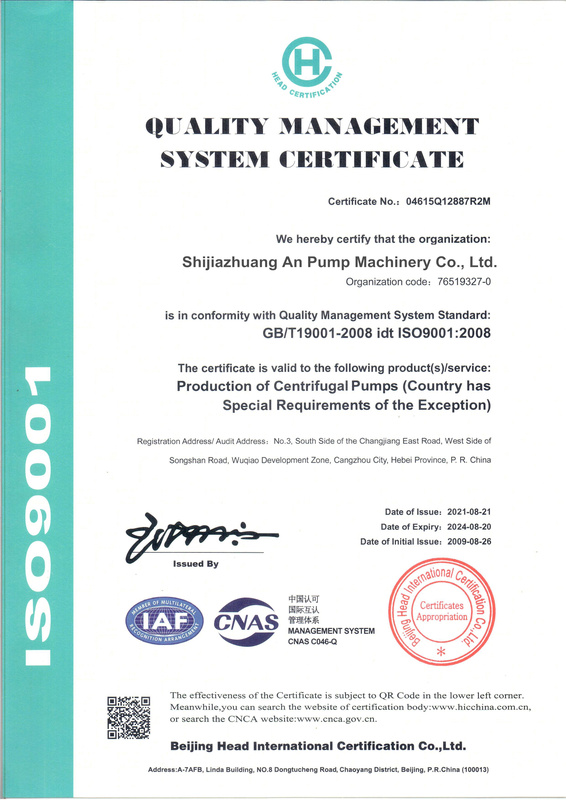
ISO 9001:2015
Quality management, site-wide
API 675
Hydraulic diaphragm series
NSF/ANSI 61
Potable water materials
CE
EU Machinery Directive
ATEX 2014/34/EU
Ex-proof motor option
Liquid-End Material Matrix by Chemical Category
| Chemical Category | Recommended Wetted Material | Seal / Diaphragm | Temperature Band |
|---|---|---|---|
| Sodium hypochlorite (bleach) | PVC or PVDF | FKM / PTFE | ≤ 40 °C |
| Hydrochloric acid (≤ 35%) | PVDF or PTFE | PTFE diaphragm | ≤ 60 °C |
| Sulfuric acid (≤ 98%) | 316L SS or Hastelloy C-276 | PTFE diaphragm | ≤ 80 °C |
| Sodium hydroxide (caustic) | 316L SS or PVDF | EPDM / PTFE | ≤ 80 °C |
| Polymer flocculant | 316L SS or Peristaltic tube | PTFE diaphragm or Santoprene | ≤ 50 °C |
| Corrosion inhibitors (boiler) | 316L SS | PTFE diaphragm | ≤ 80 °C |
| Potable water additives (fluoride, coagulant) | NSF/ANSI 61 listed PVC or 316L | NSF-compliant elastomer | ≤ 40 °C |
Every BBP pump ships with a material certificate traceable to the foundry heat (for cast metallic wetted parts) and a hydrostatic test record at 150% of rated pressure. On request, the 3.1 material certificate per EN 10204 is available for pharmaceutical or high-compliance process service.
Procurement Guide — Pricing Factors, Lead Time Drivers & OEM Path PROC + MGR
Pricing at BBP reflects the build complexity of each configuration rather than a fixed catalog number. The parameters below drive quoted cost and lead time.
Request a quotation tailored to your application; the sizing engineering work is free of charge.
Request a Quotation →Pricing Factors Framework (What Drives Quoted Cost)
Series selection:
solenoid is the entry point; API 675-compliant hydraulic diaphragm sits at the top of the range.
Wetted material tier:
PVC is the baseline, stepping up to PVDF, 316 stainless, PTFE, or Hastelloy.
Certification package:
NSF/ANSI 61 listing, API 675 documentation, ATEX zone rating, EN 10204 3.1 material certificates.
Control option:
keypad-only, 4-20 mA / input pulse, Modbus RTU, or full PLC integration package.
Drive option:
single-phase AC, variable frequency drive, explosion-proof motor, or DC drive for remote sites.
Accessories:
pulsation dampeners, calibration columns, injection quills, flow verification sensors.
Quantity tier:
single-pump pricing applies below 10 units; OEM tiers begin at 50 units, with tooling amortization reviewed at 200.
Documentation depth:
datasheet standard or a full FAT-grade engineering dossier including P&ID markup.
Incoterms:
FOB Beijing, CIF to major ports, or DDP depending on destination volume and compliance requirements.
OEM Customization Path
Thanks to vertical integration, all BBP castings, heat treatment, machining, assembly, and testing are delivered from our Beijing premises. This quickens our delivery decisions: we are not hampered by long foundry schedules when we need an extra port, a change of wetted material or minute geometry adaptation. The defined OEM process is specification review, mold build, casting, machining, assembly, FAT test, delivery. Established designs can be ready quicker but new tooling prolongs the initial delivery.
Lead Time & Global Support
Off-the-shelf delivery depends on build spec and stock. Please check lead time when requesting a quotation. Only after purchase, is a team dedicated to aftersales available 24/7 remotely, and – if the contract says so – on-site troubleshooting support as well as training. Spare part fleet in regional high-elastic components (peristaltic tube, dump-diaphragm, check valve) allows the least time in down time.
Advanced Chemical Dosing Engineering Tools
Utilize our proprietary sizing, compatibility, and ROI resources to engineer the optimal dosing system for your application.
Frequently Asked Questions
All PersonasWhat’s the difference between a chemical dosing pump, a chemical metering pump, and a chemical feed pump?
The three names mean the same device. “Chemical metering pump” is the international, engineering definition. “Chemical dosing pump” is common in EU and APAC markets. “Chemical feed pump” is often used by water industry in North America. They all specify a positive-displacement pump designed to add an exactly-known volume of chemical per cycle, whether diaphragm, solenoid, or peristaltic.
Which BBP series should I pick for 50 GPH at 200 PSI with sodium hypochlorite?
Operating point is in the Motor-Driven Mechanical Diaphragm envelope (1-80 GPH, 290 PSI). For sodium hypochlorite specifically, BBP recommends the PVC or PVDF liquid end with an auto-degassing valve (sodium hypochlorite off-gasses chlorine which will stall a standard check valve). If your application is prone to gas-binding intermittently, the alternative is the Peristaltic series at 50 GPH at 100 PSI – BBP sizing engineers confirm the best match based on your suction line geometry and severity of off-gassing.
How do I avoid loss of prime on a chemical dosing pump?
Loss of prime is the single most frequent field failure mode, usually from vapor trapped at the suction check valve. Four practical remedies: (1) flood the suction – locate the chemical tank above the pump; (2) install an auto-degassing valve on the diaphragm head; (3) verify inlet NPSH exceeds pump required NPSH with margin; (4) for off-gassing chemistries like sodium hypochlorite or peracetic acid, use a peristaltic pump that removes check valves from the flow path entirely. Every sizing recommendation from BBP engineering includes an NPSH calculation for your suction geometry.
What accuracy can I expect from BBP chemical dosing pumps in steady-state service?
Motor-driven and hydraulic diaphragm series from BBP achieve ±1.0% steady-state volumetric accuracy at full-scale — matching the industry benchmark cited by Milton Roy and DXP Pacific technical literature. Solenoid and peristaltic series are rated at ±2%. Each pump is verified on BBP’s calibration rig pre-shipment; calibration certificates traceable to the rig’s reference flow meter ship with each order on request.
How do BBP pumps compare on specification to the ProMinent Delta X or Grundfos DDA classes?
BBP’s hydraulic diaphragm and motor-driven series target the same specs envelope as the competitor flagship lines – 1% accuracy, 4-20 mA Plus Modbus RTU control, up to 1000:1 turndown (steady-state) – at a purchase price that allows procurement to justify switching on total-cost-of-ownership when considered with lead-time, spares investment, OEM customization options. Rather than claiming higher peak specs, BBP offers the procurement framework and the vertical-integration path for customization.
Can BBP pumps integrate with my existing PLC / DCS via 4–20 mA or pulse input?
Yes. Common control options across BBP hydraulic diaphragm and motor-driven series include: 4-20 mA analog input (0-100% flow scalable), pulse input for batch / proportional control, dry-contact start/stop interlock, and Modbus RTU. The special-hybrid series adds internal flow verification (PosiFlow-equivalent feedback) so the PLC receives actual delivery volume versus commanded set point. Specify the protocol at RFQ and BBP configures the interface module prior to shipment.
What’s the lead time for a custom Hastelloy or PTFE liquid end?
Lead time to build custom wet-end wetted-materials system depends on the state of the material supply chain and whether the geometry is pre-existing in BBP’s tooling library. Request an estimate with your RFQ and BBP will confirm in one business day. Hastelloy C-276 geometry that is already in stock will ship faster than an entirely new design that must be poured and machined. BBP’s own foundry and machinists eliminate the third-party delays that other manufacturers face.
Do BBP pumps meet NSF/ANSI 61 for potable water treatment?
Yes – BBP can provide listed-material offerings for potable-water chem dosing (orthophosphate, fluoride, chlorine, coagulant). The NSF-listed wetted end uses validated PVC or 316L stainless, in combination with NSF-compliant elastomers. Please state “NSF/ANSI 61 compliance required” with your RFQ and BBP ships a compliant build package.