Get in Touch with BBP

Vertical Slurry Pump
Vertical Slurry Pump — Heavy-Duty Cantilever Sump Pumps for Mining & Industry
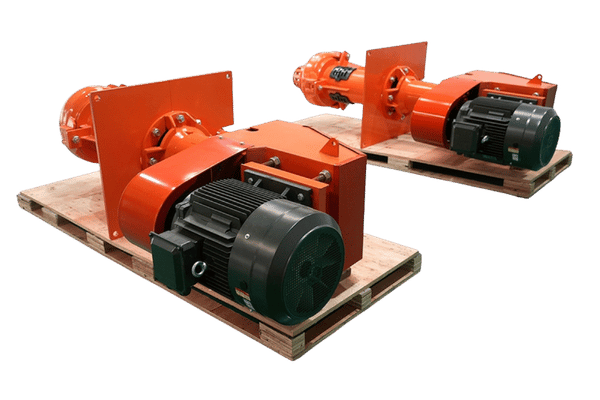
No Shaft Seal. No Submerged Bearings. No Compromise.
Eight sizes of frames, from 3.6 to 1,188 m³/h, are made for both sump drainage and mineral tailings work. Bearing case sits above the liquid; there is no wet seal on the shaft. This one design choice cuts down on most of the seal-related upkeep.
✓ ISO 9001 Certified
✓ Metal / Rubber Liner Options
8
Model Series
3.6–1,188
Flow Range (m³/h)
3–31
Head Range (m)
1–220
Motor Power (KW)
Abrasive Slurry Destroys Standard Pumps — Here’s What Actually Works
vertical slurry pumps are where the damage is done – right inside your sump, immersed in abrasive media that wears out seals, eats bearings away and causes costly unplanned shutdowns. If your process involves significant amounts of sand, coal tailings or mineral processing slurry, then you know the scenario all too well: replace the mechanical seal, flush the sealing system, wait for parts, lose production hours.
Conventional Horizonal pump Service
require shaft seals which succumb every 3-6 months in abrasive operation
Submerged bearing corrosion
– bearings below the liquid line ingest slurry particles and seize
clogging at the suction
– settled solids close off the intake, require human intervention to clear
The BP Series vertical sump pump eliminates these modes of failure by design. Its cantilever shaft construction places all bearings out of the water – no submerged bearings to corrode. With no shaft seal to maintain, no sealing system leak path and no vortex-induced leakage risk.
Engineering Note — Pump Design
BP Series pumps employ a cantilever (overhung) impeller concept with no mechanical seal or packing gland. The sealless design negates the need for sealing water or external flushing systems. An optional agitator attachment prevents solids from settling at the sump floor, reducing wear on the impeller inlet and maintain a steady flow under variable slurry parameters.
BP Series Vertical Sump Pumps — 8 Models, 40mm to 300mm Outlet
We manufacture the BP Series in eight sizes, each available in metal (BP) or rubber-lined (BPR) versions. Every pump includes a V-belt drive package and your selection of standard or extended shaft length.
Material Selection: BP (Metal) vs BPR (Rubber)
| Feature | BBP — Metal Construction | BPR — Rubber Lined |
|---|---|---|
| Wet-End Material | High-chrome alloy (abrasion-resisting) | Natural rubber lining (anti-corrosive) |
| Best For | Mining tailings, sand & gravel, coal slurry | Chemical processing, acid slurry, effluent |
| Particle Handling | Large and medium solid particles, high-density slurry | Fine to medium particles, corrosive liquids |
| Impeller Type | Chrome alloy impeller | Rubber impeller |
| Typical Service Life | Longer in highly abrasive media | Longer in corrosive media |
Model Range & Performance Data
| Model | Outlet (mm) | Flow (m³/h) | Head (m) | Speed (r/min) | Motor (KW) | Shaft Length |
|---|---|---|---|---|---|---|
| 40C-BBP | 40 | 3.6–12.6 | 3–6 | 1000–1400 | 1–3 | 1200mm Std |
| 65C-BBP | 65 | 5–55 | 3–12 | 700–1420 | 1.5–5.5 | 1200mm Std |
| 65D-BPR | 65 | 5–55 | 3–12 | 700–1420 | 1.5–7.5 | 1200mm Std |
| 100E-BBP | 100 | 9–102 | 3–19 | 400–960 | 3–18.5 | 1200mm Std |
| 150F-BP | 150 | 19–976 | 3–27.9 | 400–1470 | 5–200 | 1200–2500mm |
| 200F-BBP | 200 | 65–829 | 3.5–15.5 | 400–750 | 5.5–100 | 1200–2190mm |
| 250S-BP | 250 | 363–1,188 | 8–27.8 | 400–700 | 22–200 | 1200–2500mm |
| 300S-BBP | 300 | 165–1,495 | 5.8–22.1 | 400–700 | 11–220 | 1200mm Std |
Pump Selection Guide
Step 1
determine your required flow rate (m/h) and total head (m).
Step 2
identify slurry type – use BBP for abrasive media or BPR for corrosive media.
Step 3
check sump depth – standard shaft (1,200mm) or extended shaft (up to 2,500mm for deep sumps).
Our engineering team can perform a hydraulic analysis for your specific duty point.
The “L” type with extension shaft is appropriate for deep-sump conditions where standard shaft length fails to extend to the sump floor. It offers excellent bearing stability and quieter operation than conventional designs at equivalent depths. An optional spindle is available as a retrofit for installations where actively suspending settled solids is a requirement.
High-Performance Vertical Slurry Pumps


×
Vertical vs Horizontal Slurry Pumps — Which Saves You More?
When considering a centrifugal slurry pump for your sump, the choice of vertical vs horizontal becomes a decision based on total cost of ownership rather than purchase price alone. Vertical cantilever designs remove entire cost categories that accumulate over the operating life of the pump, when compared to horizontal slurry pumps.
| Operating Factor | Vertical Sump Pump (BP Series) | Horizontal Slurry Pump |
|---|---|---|
| Floor Space Required | ~0.5 m² (vertical footprint only) | ~2.5 m² (pump + motor + baseplate) |
| Shaft Seal | None — sealless design | Mechanical seal or packing gland |
| Seal Maintenance | Zero — no seal to replace | Every 3–6 months in abrasive service |
| Sealing Water | Not required | Continuous supply needed |
| Submerged Bearings | None — all bearings above liquid | May have submerged bearings |
| Suction Conditions | Submersed — works under insufficient suction duty | Requires adequate NPSH |
| Solids Concentration | Up to 60% by weight | Typically up to 50% |
| Installation | Drop into sump, connect discharge pipe | Foundation, alignment, piping on both sides |
Mining, Chemical & Industrial Applications — Where BP Pumps Deliver
BP Series vertical sump pumps work with slurry applications in each of five major industry sectors: Each of the application below exemplifies a successful installation pattern in which the sealless cantilever design results in demonstrable operational benefits.

Mining & Tailing Delivery
CIL gold processing, tailings transfer, and mine dewatering sumps. BBP meta construction handles highly abrasive mineral slurry with large solid particles at concentrations up to 60%.
Coal Preparation
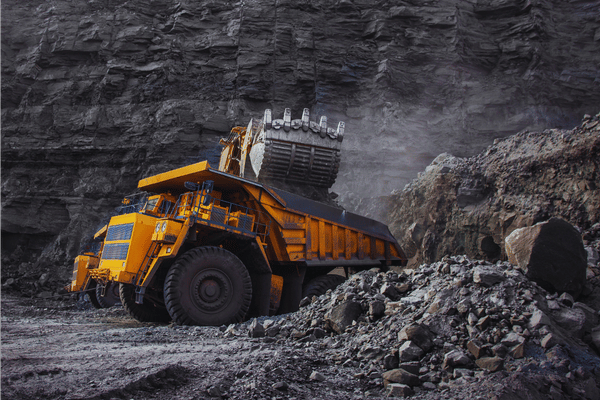
Coal slurry transport, wash-water recovery, and fine coal handling. The sealless design eliminates contamination risk from seal-flush water mixing with process streams.
Sand & Gravel
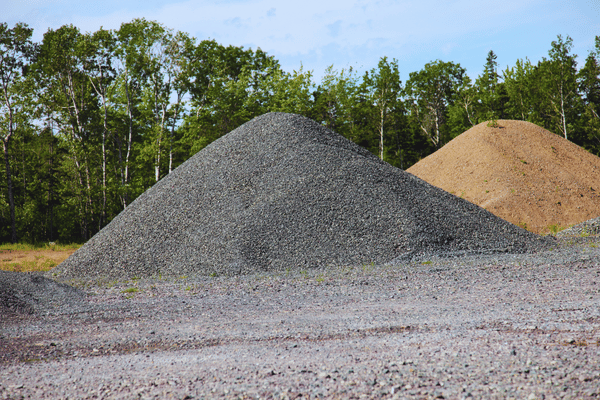
Sand slurry pump applications including aggregate washing, dredge pump duties, and classification circuits. High-chrome impellers resist sand abrasion across the full flow range.
Chemical Processing
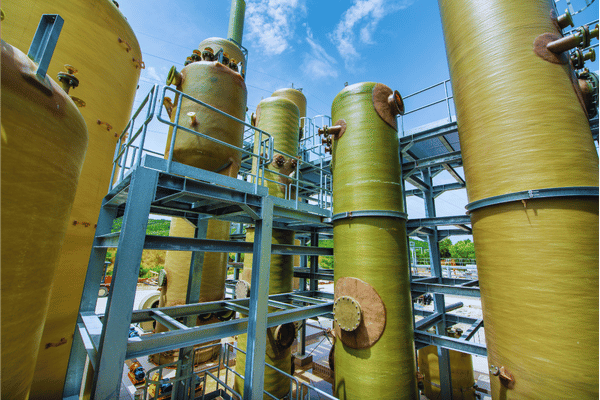
Lime slurry transfer, acid handling, and corrosive effluent. BPR rubber-lined construction provides chemical resistance where metal pumps would corrode.
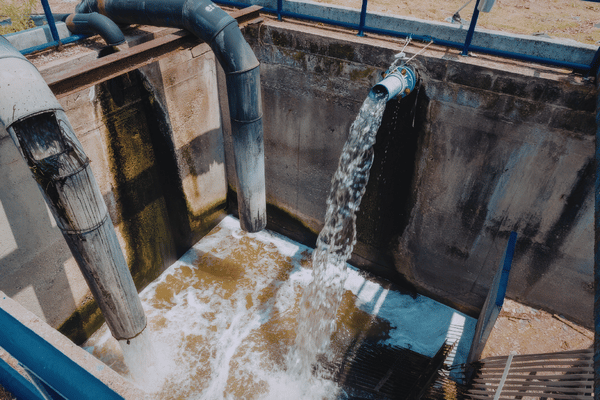
Effluent & Wastewater
Floor sumps in process plants, mill scale pumping applications in steel mills, and industrial wastewater with suspended solids. Vertical installation fits existing sump infrastructure without modification.
“We designed the BP Series impeller clearance to be field-adjustable without disassembling the pump – because in a working mine, nobody has 4 hours to pull a pump for a clearance reset.”
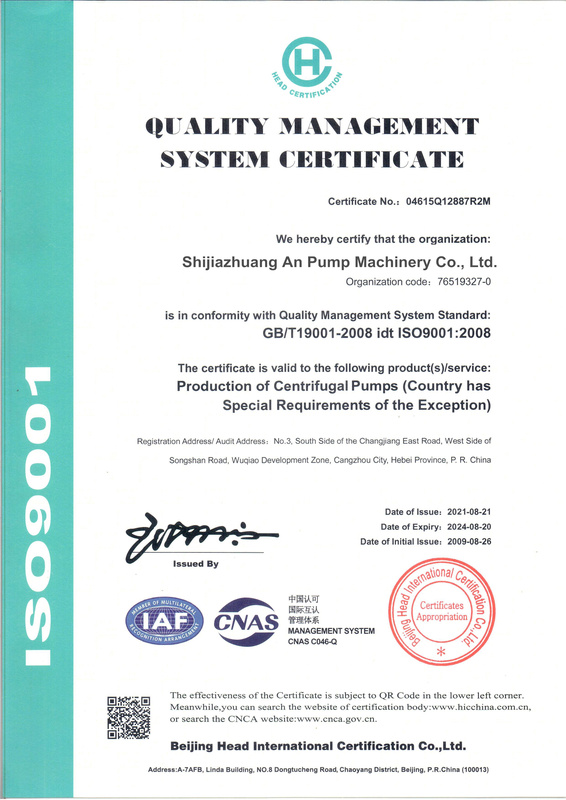
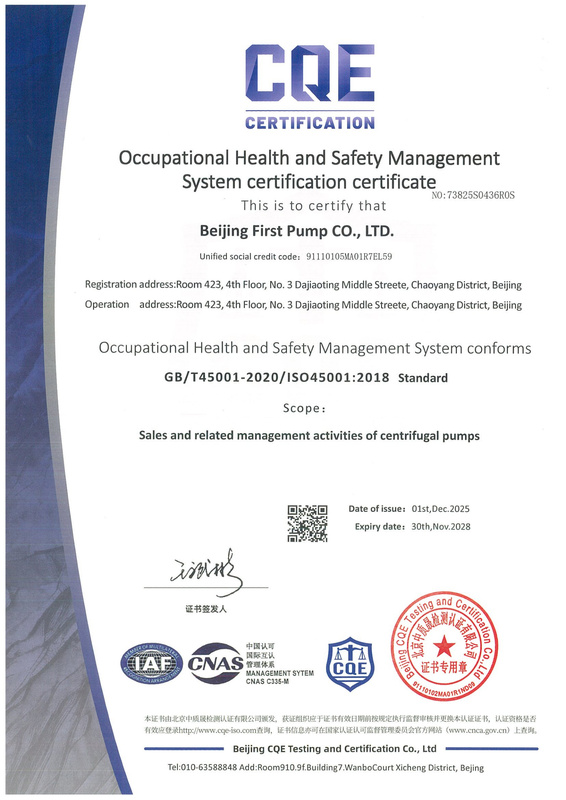
ISO 9001 Certified — Vertical Integration from Casting to Testing
BBP operates a vertically integrated manufacturing facility where every BP Series pump moves through six controlled production stages under one roof. This is not contract assembly – we cast, machine, and test every critical component ourselves.
<



>
Manufacturing Process — 6 Stages, 64 Machines
1. Casting
16 units including 1 mechanized casting line and 1 mechanized melting line
2. Heat Treatment
6 units with high-precision microscopic control furnace
3. Metal Cutting
18 machines (precision, large, and fine cutting; 2 imported units)
4. Assembly & Coating
controlled environment with full traceability
5. Testing
24 instruments including optical balance, parallel detector, hardness tester, metallographic analyzer, and grating spectral dividing machine
Quality Testing Protocol (Stage 6)
Every pump undergoes hydraulic performance testing per GB2816-89 standards. We measure flow rate, head, shaft power, and efficiency at multiple duty points across the pump curve. Physical chemistry lab, metallographic analysis room, and material testing ensure each casting meets hardness and composition specifications before assembly.
Procurement Guide — Pricing, Lead Time & Global Support
pump pricing depends on model size, material selection (BP metal or BPR rubber), shaft length configuration, motor specifications, and any custom requirements. Contact our engineering team with your duty-point parameters for a project-specific quotation.
Spare Parts — Reducing Your Downtime
We maintain inventory of wear parts for all major BP Series models. When your impeller or pump body needs replacement, parts ship within days – not weeks. Stock items include:
- Chrome alloy impellers and rubber impellers
- Metal pump bodies and rubber pump bodies
- Lower strainers and bearing assemblies
- Shaft sleeves, bearing housings, and shaft sleeve ejectors
- Back liners, suction joints, and flange components
OEM & Custom Pump Manufacturing
Our engineering team collaborates with distributors and project owners to develop custom pump configurations. We hold deep expertise in pump mold design and foundry capacity for OEM pump parts manufacturing. Whether you need a modified impeller profile, a non-standard shaft length, or complete private-label production, we engineer to your specifications.
After-Sales Support
Pre-sales: Professional engineers analyze your parameters to recommend the correct pump – flow, head, slurry density, particle size, and pH all factor into selection.
Post-purchase: 24/7 technical support, remote diagnostics, and on-site installation guidance and maintenance training when required.
Vertical Slurry Pump Selection & Sizing Tools
Pump Selector
Easily identify the optimal vertical slurry pump model for your specific application requirements and operating conditions.
Access ToolTCO Calculator
Calculate your Total Cost of Ownership to accurately evaluate long-term expenses, maintenance needs, and energy efficiency.
Access ToolMaterial Selector
Determine the optimal wear-resistant materials for your pump components based on the abrasiveness and corrosiveness of your slurry.
Access ToolReady to Solve Your Slurry Pumping Challenge?
Provide flow rate, head, slurry type. Our engineers will advise the most appropriate BP Series in 24 hours.
Request a Quote →FAQ — Vertical Slurry Pump Buying Questions
A vertical slurry pump is a centrifugal pump placed vertically with the impeller submerged in the sump and the motor positioned above the liquid level. By virtue of its cantilever shaft design it has no bearings and seals touch the slurry. Rotation of the impeller exerts the centrifugal force to propel the slurry up the discharge pipe. This pump design is intended for abrasive and corrosive slurries applications in mining, chemical, and industrial operations.
Begin with three parameters: required flow rate (m/h), total dynamic head (m) and slurry specifications (particle size, concentration, corrosiveness). Crossreference these against the BP Series selection guide above. Select BP metal construction for abrasive services or BPR rubber for corrosive media. For sumps exceeding 1,200mm specify the extended “L” shaft solution. Our engineers provide free hydraulic calculations for your duty point.
BP pumps use high-chrome alloy wet-end parts where erosion from abrasive particles such as sand, mineral ore and coal is prevalent. BPR pumps line the housing with natural rubber where attack from acids, alkalis and corrosive effluent is present. The choice is dependent on the dominant wear mechanism in operation and whether it is abrasion (select BP) or corrosion (select BPR). Some plants that operate both types of slurry elect to keep one of each.
Prices depend on model size, material, shaft length, motor configuration, etc. For example, a 65C-BBP intended for light-duty sump service costs far less than a 250S-BP intended for high-volume mining tailings. Contact BBP directly – we provide detailed quotations within 24 hours based on your application variables. We also supply cost-effective replacement parts for existing establishments.
Much less expensive than horizontal alternatives. Devoid seal bearings and submerged end-shafts are not elements of routine maintenance. We focus on keeping impeller clearances correct (adjustable in situ without pump removal), vibration levels acceptable, V-belt tension correct, and bearing lubrication at the scheduled interval. Impeller and pump body components require replacement when wear has impacted efficiency, which varies with slurry abrasiveness and hours of operation.
Yes. BP Series pumps are suitable for slurries with solid concentrations in excess of 60% by weight; including coarse and medium solid particles. impeller design expels large quantities of clog and the open configuration minimizes solid buildup even in fibrous or stringy media; optional agitator keeps settled solid en route to the sump floor. 150F-BP and 250S-BP models offer the largest flow capacity and head ranges for dense slurries.
For continuous operation, impeller (most wear), pump body Liners, and lower strainers. Wear parts positioned at the front end are critical to performance. These three components will require the greatest frequency of replacement. Secondary elements are the Bearings and shaft sleeves. BBP can hold stock of all normal USAB parts – ask for our recommended spares kit for your model.