Get in Touch with BBP
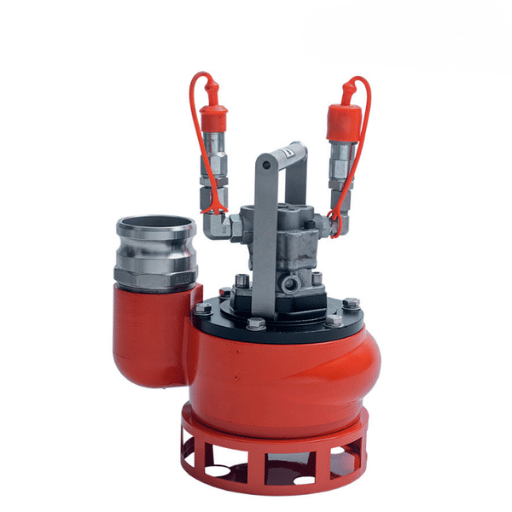
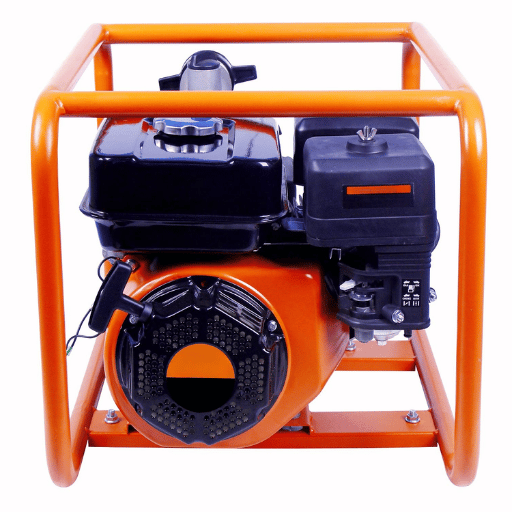
Construction trenches, mining pits, and flood zones share one reality: the water you need to move is never clean. A foundation excavation fills with runoff plus sand, silt, gravel fines, leaves, twigs, concrete wash, and construction debris. Drop a standard water pump on that duty and the impeller jams inside the first shift. That is why contractors on r/Construction default to 3- and 4-inch diesel trash pumps for site dewatering — even for duty they could technically size down with a semi-trash or water pump.
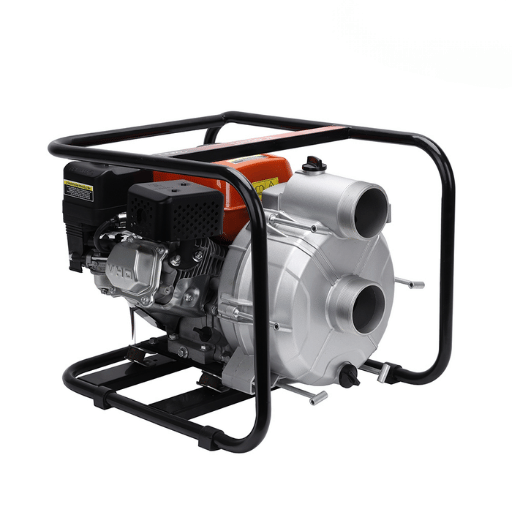
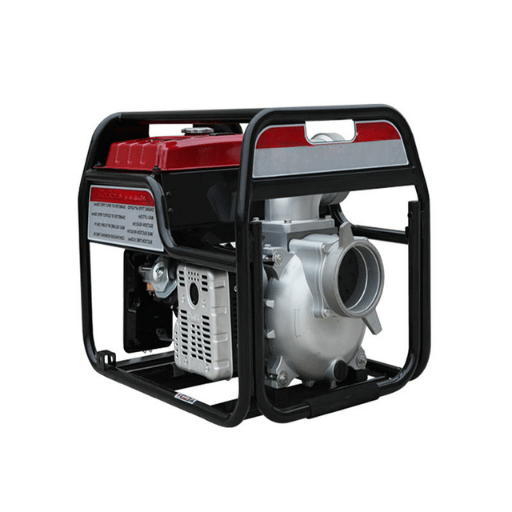
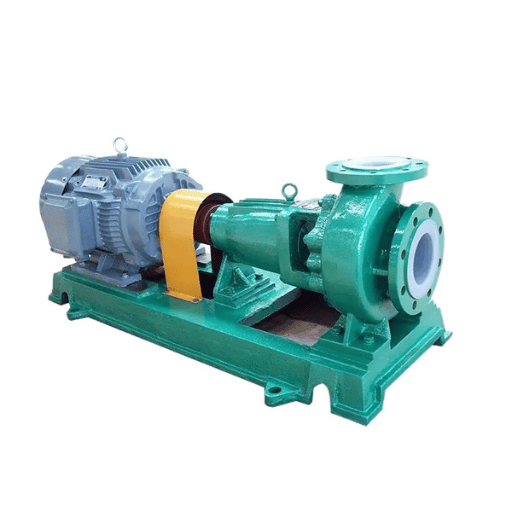
Trash pumps are self-priming centrifugal pumps engineered with an oversized semi-open impeller and an enlarged pump casing to pass solids up to 3 inches in diameter without clogging — leaves, sticks, mud, sand, sludge, construction debris, municipal sewage. Internal casing passages are sized to transit solids that would wedge and stall a standard water pump in minutes. Impeller vanes are rear-equalized to balance axial thrust on the bearings so the pump survives continuous operation on abrasive media.
Our T-series delivers three properties together that consumer gas-powered units and under-spec’d semi-trash pumps cannot: full 3-inch solids handling across all frame sizes 4-inch and up, 25-foot self-priming suction lift for deep sumps and pits, and a back pull-out design that lets a field technician inspect the impeller without breaking the suction or discharge piping — the single biggest cause of site downtime when a wear ring or vane clogs. The self-priming pump series covers the priming mechanism in depth if your duty is clean-water transfer where the priming architecture matters more than the solids envelope.