Get in Touch with BBP

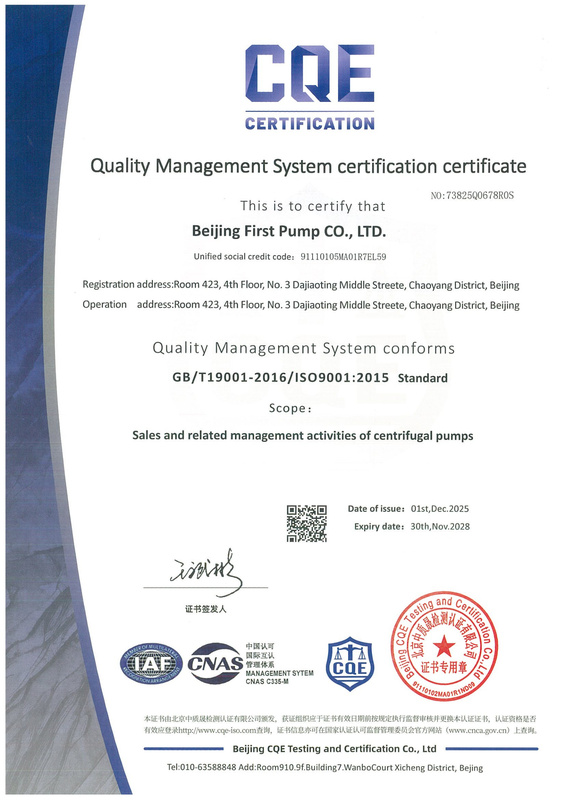
ISO 9001:2015 Certified
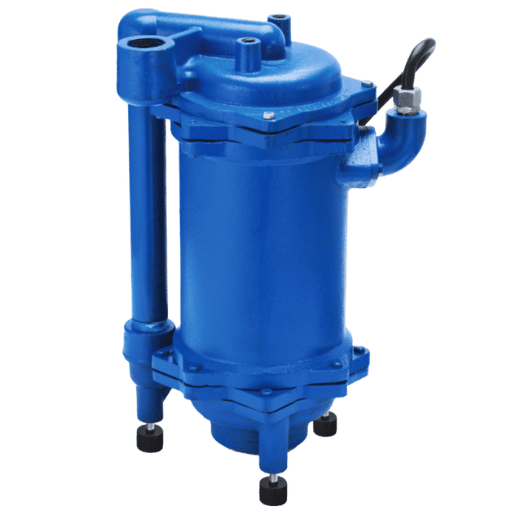
Sewage Grinder Pump
Commercial Sewage Grinder Pump Systems for Global Distributors & Engineers
BBP sewage grinder pump breaks up wipes, rags, and fibrous solids to a 2-inch slurry ahead of the impeller — ending the clog cycle that costs lift station operators $30,000/year. OEM/ODM, 25-30 days factory delivery on your country’s voltage and frequency.
- Frequency: 50 / 60 Hz Global
- Ingress Rating: IP68 Submersible
- Manufacturing: OEM / ODM Private Label
- Integration: 15+ Years Factory
0.75–5 HP
Motor Range
46–300 GPM
Flow Capacity
10–80 ft
Total Dynamic Head
80+
Export Countries
Why Lift Stations, Hotels & Food Plants Switch from Centrifugal to Grinder Pumps
Centrifugal sewage pumps were engineered before flushable wipes, sanitary napkins and industrial fibrous waste started flooding municipal drainage networks. Today, residential sewage basins and commercial lift stations experience weekly clog events — far more than a gravity sewage system was ever built to handle — and the repair crew invoice arrives every month.
Raw sewage flow in modern pressure sewage networks carries rags, personal care products and food-service grease that a plumber or wastewater operator did not plan for. The basin inlet on a standard sewage pump or sewage ejector pump turns into the daily bottleneck — each service call clears the same knot of fibrous waste, only for another to form within days.
Root Cause — Why Clogs Keep Coming Back
A typical sewage pump uses a 2″ solids-passing impeller. In practice, fibrous material tends to wrap around the impeller hub faster than it passes through. Once that happens, the impeller stalls, the motor overloads, the alarm trips — and you’re out of service until someone physically clears the intake.
A grinder pump addresses this at the intake, not the outlet. Rotating cutter blades shred solid waste into a fine slurry before it reaches the pump chamber, so the impeller only sees liquid and particles under 2 mm. That same motor — which would stall on a single rag in a standard sewage pump — runs cleanly through dozens per shift.
BBP Commercial Sewage Grinder Pump Line — 5 Models from 0.75 HP to 5 HP
Our grinder pump range is built around flow-rate bands and the total dynamic head (TDH), not motor horsepower. Each series has the same cast iron volute, 316 stainless steel cutter ring and oil filled Mechanical Seal, the price variations are due to motor horse power and cable length, not any ‘cheap’ items on the wear components.
As part of the standard package on all BBP submersible grinder pumps—built-in vertical float switch for automatic on/off, 10m (33ft) of submersible power cord with H07RN-F jacket, possible to have 2 check valve on discharge side, factory-wired junction box which ready to install a simplex or duplex control panel. Optional upgrades—alarm float, duplex control panel with alternator, and longer power cord for deeper septic tank.
BBP-SGP07
0.75 HP Compact
- Flow: 46 GPM
- Head: 10–30 ft
- Solids: <2 mm
- Discharge: 2″
- Voltage: 110/220V
- Hz: 50/60
BBP-SGP10
1 HP Standard
- Flow: 60 GPM
- Head: 15–45 ft
- Solids: <2 mm
- Discharge: 2″
- Voltage: 220/380V
- Hz: 50/60
BBP-SGP20
2 HP Commercial
- Flow: 110 GPM
- Head: 25–60 ft
- Solids: <2 mm
- Discharge: 2.5″
- Voltage: 220/380/415V
- Hz: 50/60
BBP-SGP30
3 HP Heavy-Duty
- Flow: 180 GPM
- Head: 40–70 ft
- Solids: <2 mm
- Discharge: 3″
- Voltage: 380/415V
- Hz: 50/60
BBP-SGP50
5 HP Municipal
- Flow: 300 GPM
- Head: 50–80 ft
- Solids: <2 mm
- Discharge: 3″
- Voltage: 380/415V
- Hz: 50/60
Decision Matrix — Match Application to Model
| Application | Recommended Model | Typical HP | Notes |
|---|---|---|---|
| Basement upflush / single bathroom | BBP-SGP07 | 0.75 HP | Short head, tight footprint |
| Small hotel / clinic / restaurant | BBP-SGP10 | 1 HP | Continuous duty rated |
| Hotel / hospital / commercial kitchen | BBP-SGP20 | 2 HP | Handles grease + fibrous waste |
| Municipal lift station (low-volume) | BBP-SGP30 | 3 HP | Suited for pressure sewer systems |
| Municipal lift station (high-volume) / food plant | BBP-SGP50 | 5 HP | 50-hour continuous duty |
“We tested 14 different cutter-ring geometries before settling on our current 316 stainless steel three-blade design. Not only was it the only one to withstand our continuous 500hr test on simulated wet-wipe loading without edge degradation—something a lift station endures in the field during its first month of operation—but it was also the best performer in our destructive testing.”
Grinder Pump vs Chopper Pump vs Standard Sewage Pump — Which Fits Your Application?
“Grinder,” “chopper,” and “standard sewage pump” are not interchangeable designations — each corresponds to a different solids-handling strategy, and choosing the wrong one means either paying for capacity you’ll never actually use or installing a pump that clogs every month.
| Dimension | Grinder Pump | Chopper Pump | Standard Sewage Pump | Centrifugal Pump |
|---|---|---|---|---|
| Solids pass-through | <2 mm slurry | <10 mm chunks | 2-inch whole solids | Clear water only |
| Typical head | 10–80 ft | 5–40 ft | 5–30 ft | 0–15 ft |
| Cutter present | Yes (grind) | Yes (chop) | No | No |
| Discharge pipe | 2–3 in | 3–6 in | 3–4 in | 1–3 in |
| Unit cost (relative) | $$$$ | $$$$ | $$ | $ |
| Clog frequency | Low | Medium | High with wipes | Very high |
| Best fit | Pressure sewer, lift stations, commercial, septic system ejector | Livestock, slurry handling | Municipal gravity sewer, effluent pump service | Clear-water sump pump duty |
Grinder pumps fit applications where discharge piping is narrow (2–3 inch force mains are common in pressure sewer networks) and total dynamic head exceeds 20 feet. Chopper pumps — Muffin Monster style — are built for slurry handling rather than pressure-sewer conveyance, so they trade head capability for larger pass-through. A standard sewage pump or effluent pump remains the right fit for large-diameter gravity sewer mains that never see wipes or fibrous waste, while a clear-water sump pump belongs in basement dewatering duty rather than anywhere near a septic system.
For a residential septic tank ejector installation, a 1 HP grinder with float switch and a 2-inch check valve on the discharge is typically sufficient. For a commercial septic tank serving multiple buildings — or any application where pressurised sewer conveyance is required — step up to 2 HP or higher and pair the pump with a proper simplex or duplex control panel.
Global Voltage & Frequency Support — Why BBP Wins for Export Projects
Most US-based and 230V-60Hz European grinder pump brands will default to those respective voltages and Hz. Angi’s 2026 cost analysis reflects the moment in household electrical upgrades of spending through $1,000-$3,000 to upgrade to a 1-2 HP grinder pump—a purchase cost that doubles again when an international distributor is forced to re-wire the same hardware for 220V or 380V, 50 Hz power.
BBP ships the trade-standard configured for your market—your destination grid. This exact lineup is pre-assembled during factory build and not field-changed, so the IP68 certification and weatherproof cable entry seals remain uniform.
| Region | Voltage | Frequency | BBP Support |
|---|---|---|---|
| North America (US, Canada, Mexico) | 115V / 230V | 60 Hz | All models |
| European Union, UK, Switzerland | 220V / 380V / 415V | 50 Hz | All models |
| Australia, New Zealand | 240V / 415V | 50 Hz | All models |
| Japan | 100V / 200V | 50 / 60 Hz (split grid) | SGP07, SGP10, SGP20 |
| Middle East, Southeast Asia | 220V / 380V | 50 Hz | All models |
| South America (Brazil, Argentina) | 220V / 380V | 60 Hz (partial 50 Hz) | All models |
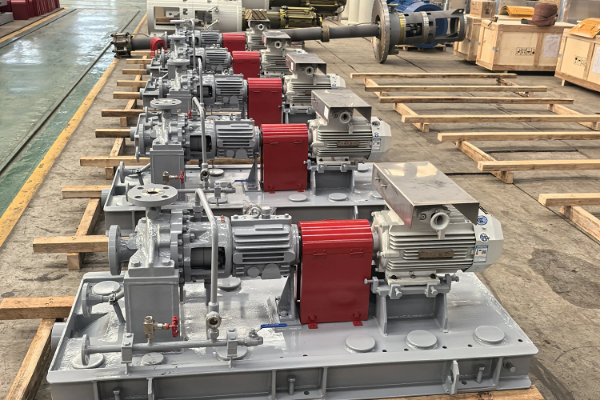
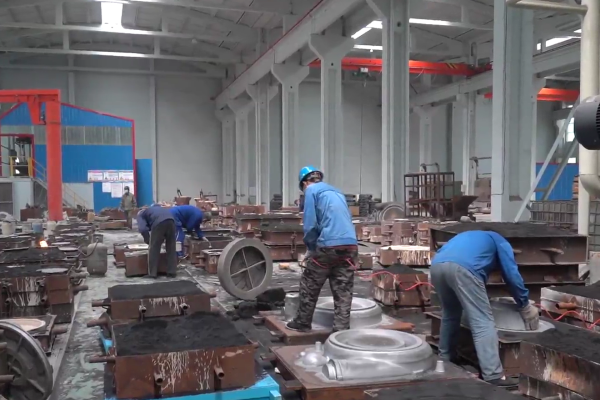
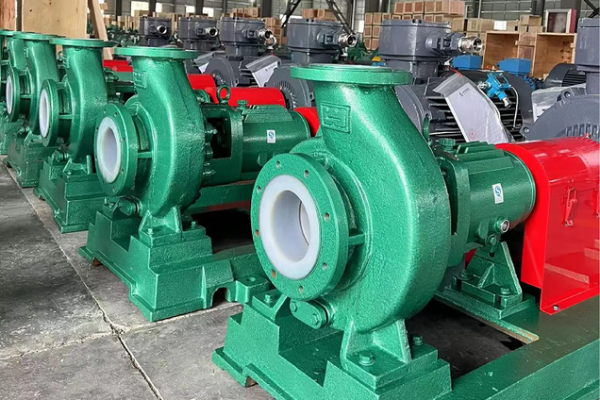
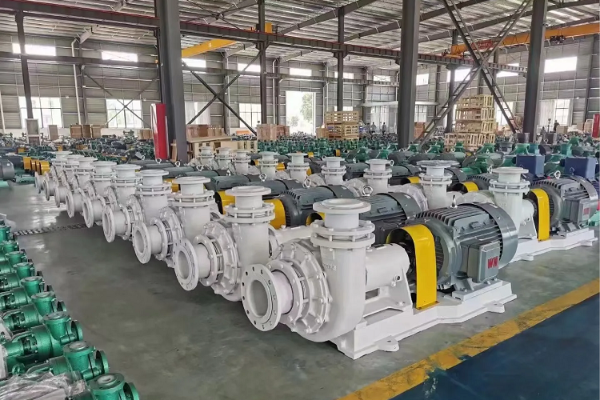
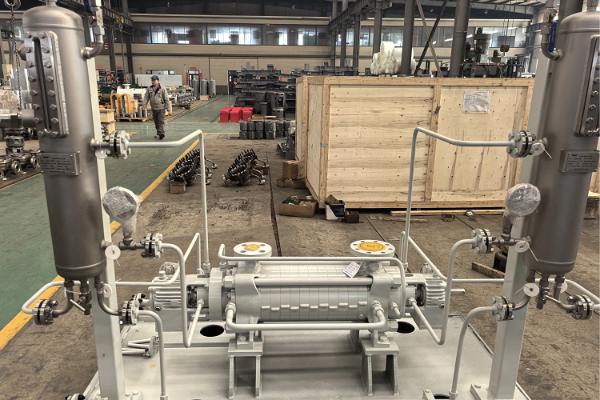
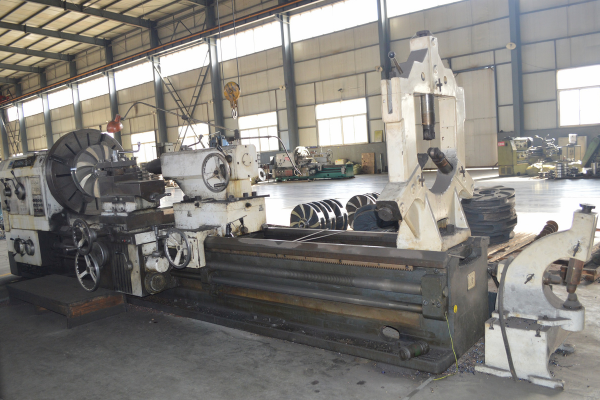
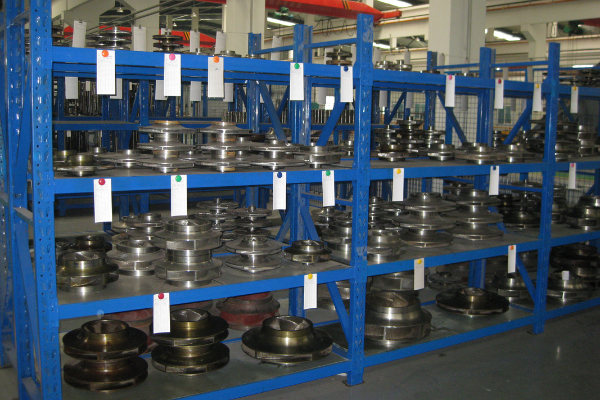
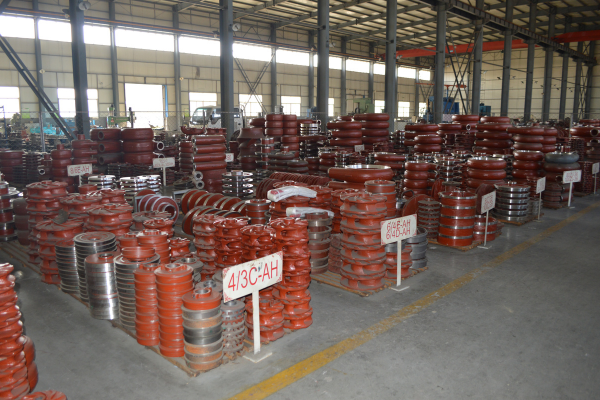
Sewage Grinder Pump Factory
Customer Outcomes — Lift Station Retrofit, Hospitality & Food Processing Operations · Engineers
The business case for a grinder pump isn’t really about the pump itself — it’s about what stops breaking once the grinder goes in. Three representative deployments show what that looks like in practice across different markets.
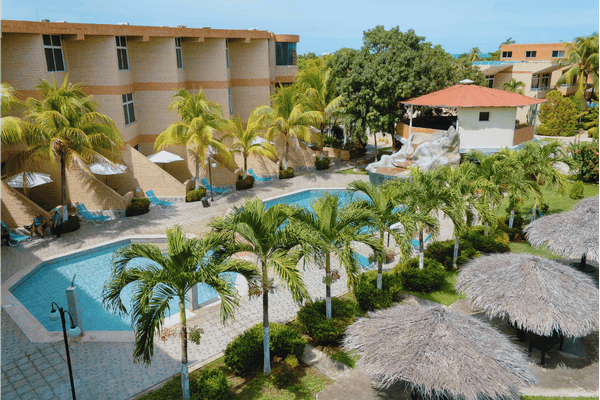
Regional Hotel Group — Multi-Property Retrofit
A 12-property hotel chain faced weekly clog alarms across its basement laundry lift stations. After installing BBP-SGP10 units at four pilot sites, monthly emergency callouts dropped from 3.2 to 0.4 per property over 8 months of monitoring.
Downtime events: −62% · Payback <14 months
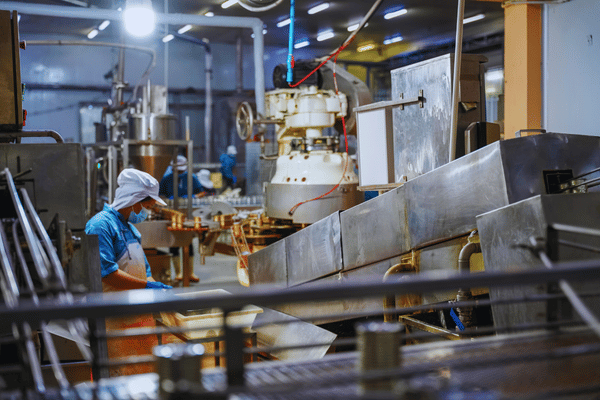
Food Processing Plant — Grease-Heavy Effluent
A meat-processing plant replaced two failing centrifugal pumps with BBP-SGP30 units. Our 316 stainless cutter handled the fibrous meat residue that had previously caused weekly rag-wrap impeller failures on the centrifugal pumps.
Service interval: weekly → quarterly
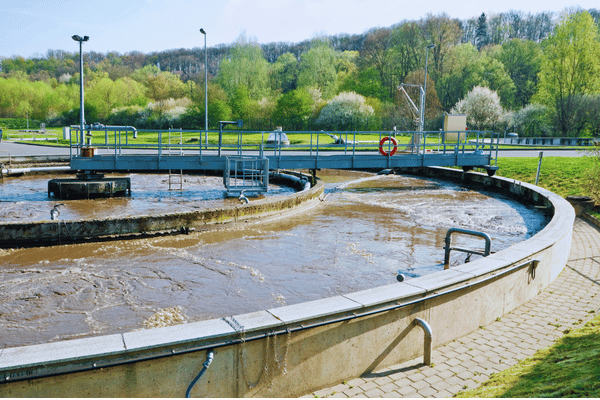
Municipal Lift Station — 75 ft Head, 220V 50Hz
A duplex BBP-SGP30 installation replaced an aging 2 HP centrifugal system in a coastal district where grid reconfiguration had made 60 Hz pump installations unworkable. Our factory-built 220V 50Hz winding eliminated field re-wiring altogether.
Installation time: 3 days (vs 10-day estimate for re-wire)
$30,000
Average annual clog-related cost per lift station — before grinder retrofit
< 4 yrs
Xylem 15-yr LCC break-even for 2-pump retrofit
$53,000
Total 15-year savings per retrofit station
$120 M
Industry-wide annual savings across 4,000 retrofits
Certifications, Compliance & Manufacturing Standards
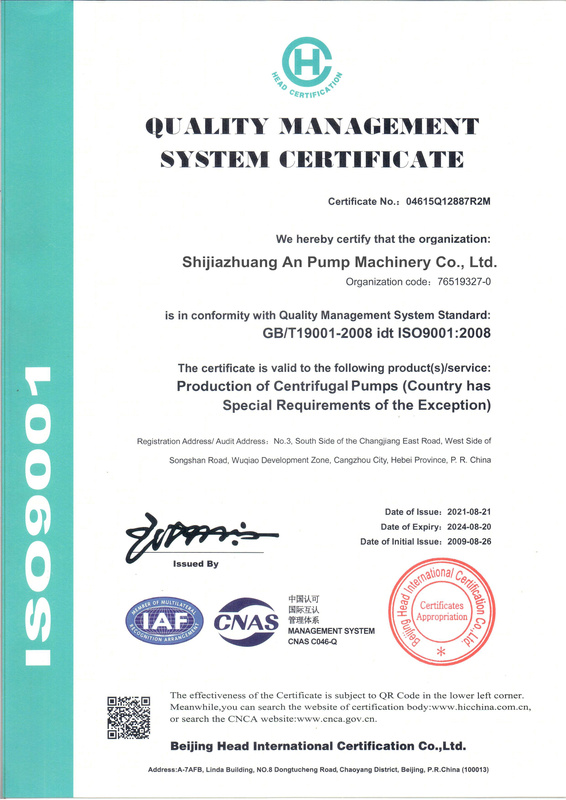
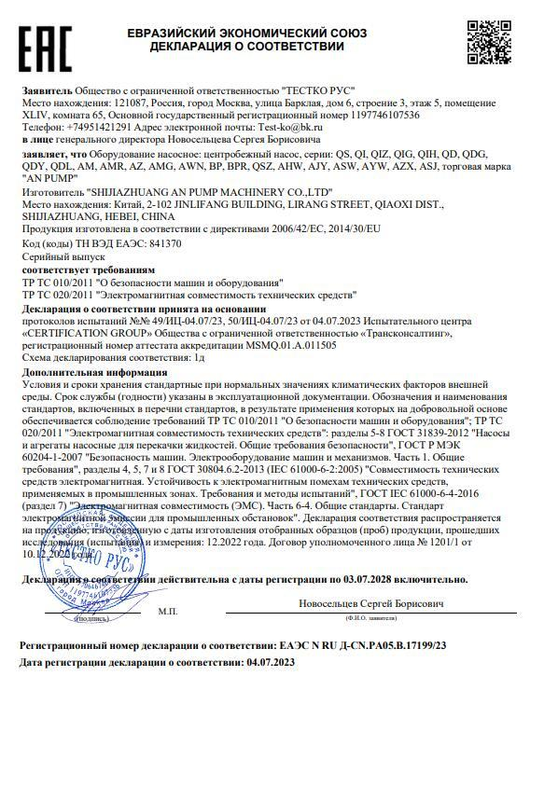
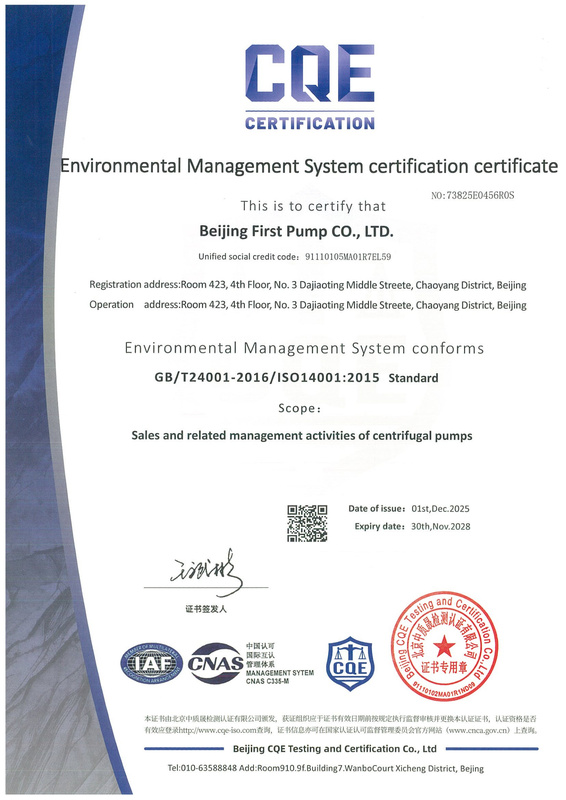
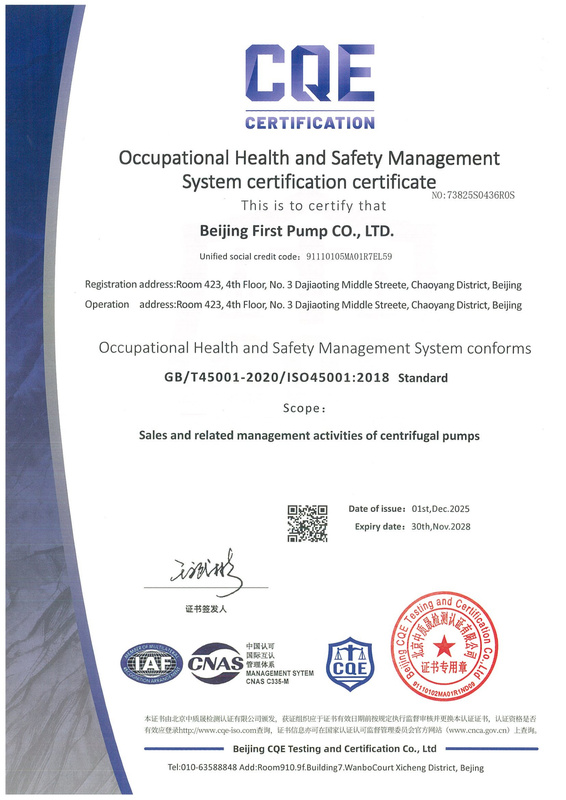
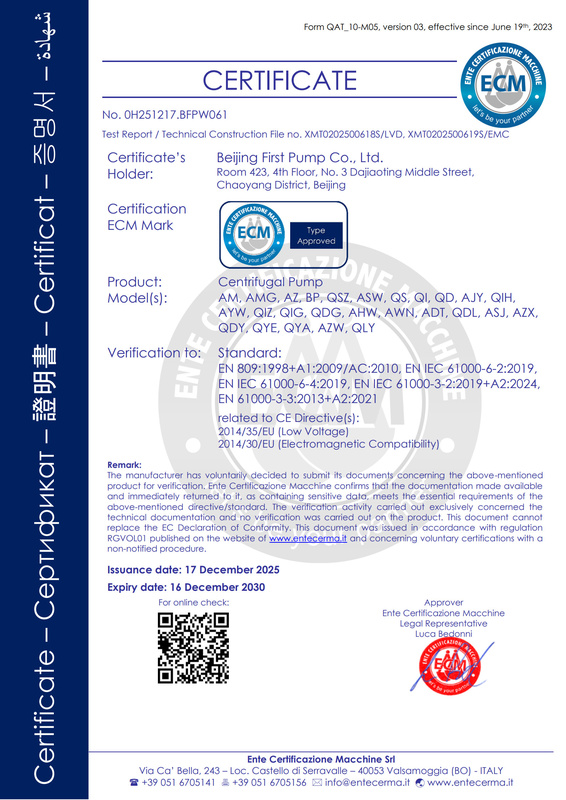
Every BBP grinder pumps is provided with traceable certification documentation. Our quality system is audited to ISO 9001:2015, and our pump enclosures are rated IP68 Per IEC 60529-the international standard that defines enclosure protection against dust and continuous water submersion.
ISO 9001:2015
Quality Management
CE Marking
EU Conformity
IP68
IEC 60529 submersion
RoHS
Hazardous Substance
ATEX (on request)
Explosion-proof
100% Tested
Pre-shipment Verification
❮
❯
Procurement Guide —
Lead Time · MOQ · OEM · Shipping · Payment Procurement · Operations
Procurement of commercial grinder pumps can be the make-or-break moment for distributor relationships. Industry cost analyses range from $3,000-$6,000 for 2 HP systems to $30,000+ for engineered 15+ HP packages-but the cost delta comes from lead time slippage, voltage mismatches, and spare-parts gaps rather than the pump alone.
Lead Time
Standard build:
25–30 days from PO.
OEM/private label:
40–50 days including mold modification.
25–30 days from PO.
OEM/private label:
40–50 days including mold modification.
MOQ
Standard spec:
20 pcs (mixed HP allowed).
OEM:
50 pcs minimum per model.
20 pcs (mixed HP allowed).
OEM:
50 pcs minimum per model.
Payment Terms
T/T:
30% deposit, 70% before shipment.
L/C at sight
for established accounts.
30% deposit, 70% before shipment.
L/C at sight
for established accounts.
Shipping
FOB
Tianjin or Qingdao.
FCL (20’/40′) or LCL
with all-risk marine insurance.
Tianjin or Qingdao.
FCL (20’/40′) or LCL
with all-risk marine insurance.
OEM & Private Label Process
Our OEM programme is organised into 3 steps. Step 1: you tell us your performance specifications (HP, flow, head, voltage, customisation) and our design team confirms viability within 5 business days. Step 2: we produce one tested sample for your approval. Step 3: batch production with your logo, including customized nameplate, retail packaging, and user instructions translated for your market.
Sewage Grinder Pump Engineering Tools
grinder pump sizing calculator
Determine optimal grinder pump sizing based on system flow rate and head pressure requirements.
Open Calculator
voltage compatibility checker
Verify voltage and phase requirements to ensure seamless electrical integration with your facility.
Check Voltage
tco calculator
Evaluate equipment lifecycle costs including initial investment, daily energy use, and long-term maintenance.
Calculate TCO
Frequently Asked Questions All Buyers
A conventional sewage pump is designed to pass intact solids (up to 2 inches) through a large bore impeller; a grinder pump shreds solids up into a mixture of slurry with cutter blades before pumping. The difference the practical applications: sewage pumps require 3-4 inch discharge pipe and can clog on flushable wipes; grinder pumps run on 2-3 inch force mains and can manage fibrous detritus without jamming.
Industry life-time data for properly serviced grinder pumps is 25 years, with professional inspection every 8-10 years. BBP oil charged motor and 316 grade stainless cutter-build are rated to that same standard. Actual life limit varies with duty cycle, influent character, and maintenance regime.
Commercial installed pricing ranges from $3,000–$6,000 for 2 HP systems, $10,000–$25,000 for 5–10 HP setups, and $30,000+ for 15+ HP engineered packages. BBP’s FOB pricing at the factory gate typically runs 30–50% below US-market installed cost — the spread reflects distributor markup, on-site plumber labour, and electrical retrofitting that BBP’s voltage-matched builds eliminate. Contact us for a project-specific quotation.
Grinder pumps in pressure sewer service routinely move effluent through force mains exceeding 3,000 ft horizontal distance, with total dynamic head up to 80 ft — which translates roughly to 30 ft of vertical lift plus friction losses over the run. BBP’s 5 HP BBP-SGP50 handles the upper end of that range; for longer runs, duplex configurations share the load.
Sizing follows peak flow rate and total dynamic head. For a single-bathroom basement sewage ejector basin, 0.75 HP is sufficient; for a 50-room commercial hotel lift station, 2 HP is the typical spec; for a small municipal pressure sewer subdivision, 3–5 HP duplex is the norm. Our engineering team can run the full TDH calculation if you supply peak flow, vertical lift, discharge lines length, and inlet elevation — the same calculation a sanitary engineer or plumber would use when specifying a residential grinder pump or a commercial submersible sewage pump.
Yes. BBP has been a primary OEM supplier to pump brands across Europe, Southeast Asia, and the Middle East since 2009 — covering product categories from residential grinder pumps to commercial-grade submersible sewage pumps and sewage ejector pumps. Minimum order quantity for OEM is 50 pieces per model, with lead time of 40–50 days including mould modification where required. Branding includes nameplate, retail packaging, and user manual translation.
Standard factory configurations include 115V/230V 60Hz (North America), 220V/380V/415V 50Hz (EU, Middle East, SEA), 240V/415V 50Hz (Australia), and 100V/200V split-grid (Japan). Motor windings are selected at build, not field-modified, so the IP68 rating on the discharge cable gland is preserved across every voltage class.
Standard spec MOQ is 20 pieces (mixed HP allowed across a single container load). Lead time is 25–30 days from signed PO. Payment terms are T/T 30% deposit plus 70% before shipment, or L/C at sight for established distributor accounts. OEM projects require a 50-piece minimum per model and a 40–50 day lead time.