Get in Touch with BBP

Chemical Pumps
Industrial Chemical Pumps for Acid, Alkali, Solvent, and Corrosive Fluid Transfer
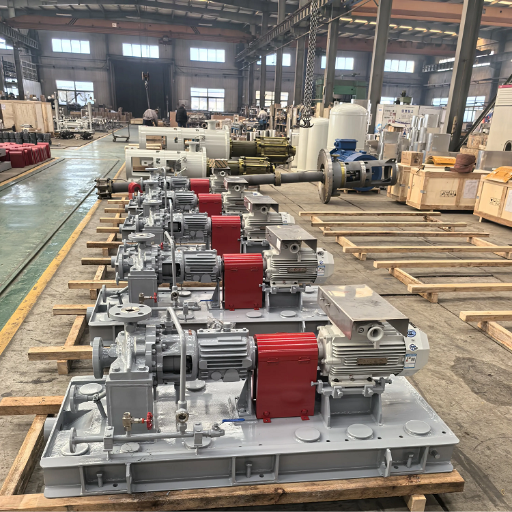
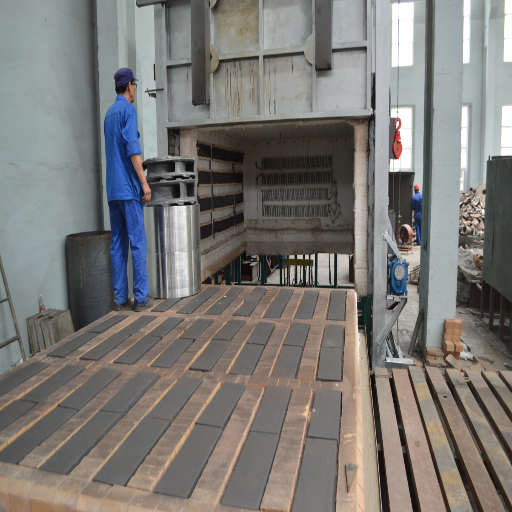
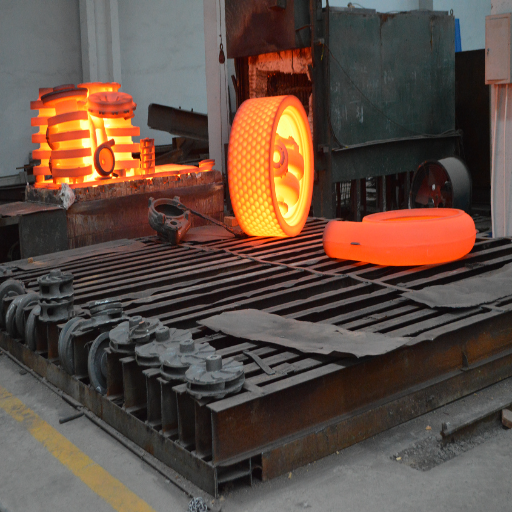
BBP industrial chemical pumps designed for transfer of acids, handling of alkalis, dispensing solvents, sea water and highly aggressive corrosive streams. Six dedicated chemical pump product types (acid pumps, chemical dosing pumps, sea water pump, stainless chemical pump, chemical transfer pump, chemical metering pump) supported by the ISO 9001 all-under-one-roof vertically-integrated series of manufacturing operations-casting, heat treating, machining, assembly, coating, testing. Documentation based on ASME B73.1-2020, API 610 (12th edition), ISO 5199:2002, ANSI/HI 1.3.
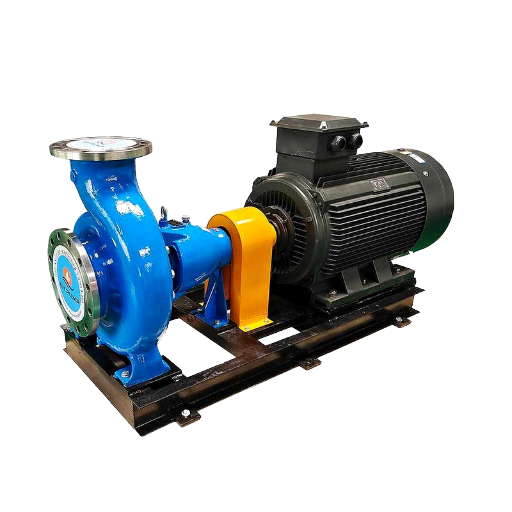
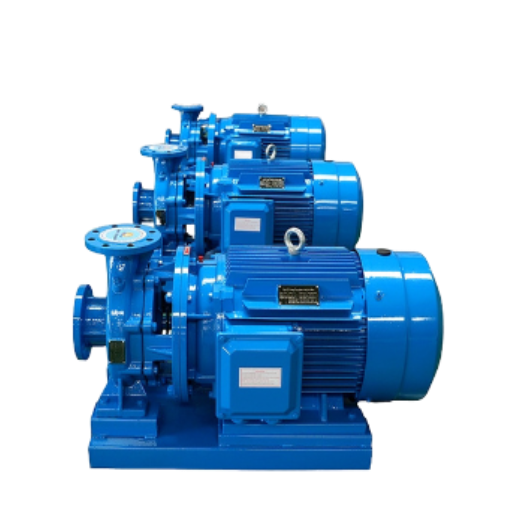
6 lines
Sub-product chemical pump categories
5 types
Centrifugal, mag-drive, diaphragm, peristaltic, AODD
100+
Chemical compatibility data points
In-house
Casting + machining + assembly + coating + testing
ISO 9001
Plus ASME B73.1, API 610, ISO 5199 conformance
24/7
Pre-sales engineering + remote diagnostics + on-site
Why Standard Pumps Fail in Aggressive Chemical Service
Chemical pumps will move acids, bases, solvents, oxidizing agents and corrosive streams within process plant where any failure has safety, compliance and run cost implications. A pump handling relatively clean water for many years may fail fairly quickly when re-assigned to handle 30% hydrochloric acid or high temperature caustic. Industry experts are blunt about the reason: failure happens at the material layer at failure far sooner than time taken in operators to run the wrong valve by mistake. A 1% chemical pump failure rate does not just translate into a budget-hit re-purchase cost: it translates into a chemical spill, an OSHA-reportable event, an unplanned process line shutdown, and a QA revalidation team looking for root cause rather than running production.
Four material layer failure pathways account for most aggressive-chemical pump complaints. Corrosion of wetted components is the first failure mode of wetted components – for example an aluminum body acid pump will be destroyed in the first run, and a 316 stainless steel impeller in 30% hydrochloric acid will pit and fail in a matter of weeks. Mechanical seal-face leak under acid attack is a second failure mode under acid attack – a standard mechanical seal for water service when exposed to concentrated acids will develop face etching, will then leak, and eventually a leak will release chemical into the operator ecology for the world. A third failure mode is viscous chemical cavitation of the impeller – any water-based pump designed without NPSHr considerations to compensate for the effected viscosity will cavitate, lose head anddamaged the impeller. Elastomer swelling and packing material breakdown is a fourth failure mode and packing material destruction – the wrong choice of O-ring (FKM in acetone, EPDM in toluene, Buna-N in concentrated nitric) will cause seal assembly failure and an unplanned leak path.
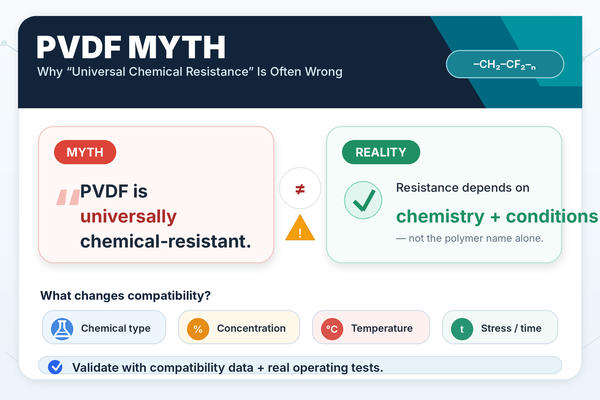
PVDF Myth Section — Why “Universal Chemical Resistance” Is Often Wrong
An under-appreciated danger point in chemical pump procurement strategy is believing that PVDF (polyvinylidene fluoride) is a single-answer material good for a multitude of corrosive chemicals. Published effect of chemical compatibility tells a different world, with PVDF being A-rated (top performance) for the strongest acids (sulfuric, hydrochloric, nitric, hydrofluoric) but falling to D (completely unsuitable) for acetone and C/D for concentrated sodium hydroxide above 60C. A chemical OEM specifies PVDF for a multichemi line that includes acetone and/or high temperature severely concentrated caustic ends up with OP leaking wetted parts in service. Wise choice of chemical wetted parts should consider the principle chemical influencing the pump over time and match to the right medium chemistry: Polypropylene in caustic soda, PTFE diaphragm and PVDF body in strong acids, 316L stainless steel in organic acids and food line applications, clear and refined guidance levels for temperature rises above 20-25C.
All failure modes are resolved at a specific layer of the pump construction: the chemistry of the wetted-part (body / impeller / seat), type of seal (A sealless magnetic drive vs diaphragm vs mechanical seal, et al), the choice of elastomer (FKM / EPDM/ PTFE), and the mechanical fit, finish, and spraywash compatibility with the process application (NPSHr / head curve / best efficiency point). An upstream cause of each failed chemical pump is substituting any generic centrifugal water pump into a chemical service line. Documented chemical pumps are not marketing labels; it is the function of a documented combination of body chemistry, adhesive-free wetted parts, and elastomer chemistry validated against the exact chemicals and concentration window of the customer’s process.
“We refuse to ship a chemical pump until each combination of body material, impeller, and elastomer has been validated against the customer’s specific chemical, concentration, and temperature window. Calling something ‘corrosion-resistant’ on a spec sheet is meaningless without a documented test condition behind it. Material selection is honest when it tells the buyer what the pump cannot handle, not just what it can.”
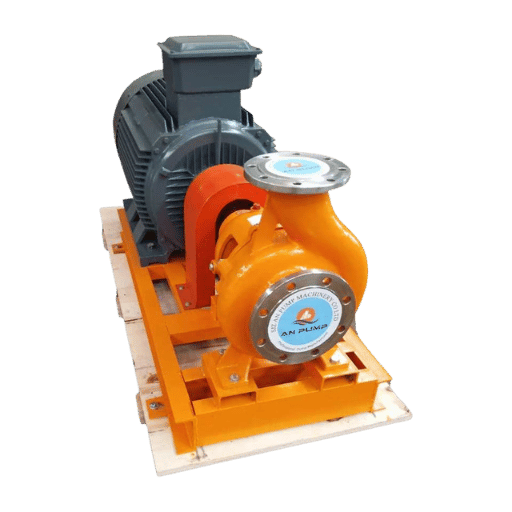
Acid Pump
Built for hydrochloric, sulfuric, nitric, and hydrofluoric acid handling at concentrations up to 98%. PTFE-lined, PVDF, and 316L stainless steel options. Flow range 1 – 200 GPM. AODD (air operated double diaphragm) or sealless magnetic drive configurations.
View DetailsPVDF / PTFE / 316L
1-200 GPM
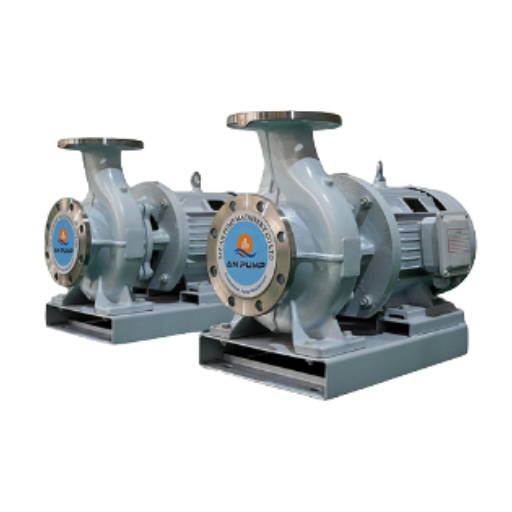
Chemical Dosing Pump
Precision diaphragm injection for water chemistry, pH balancing, oxidant and polymer injection, and hypochlorite injection. Level of accuracy to within 1% of set point. Manual stroke setting plus optional 4-20mA control interface.
View Details±1% accuracy
0.05-100 GPH
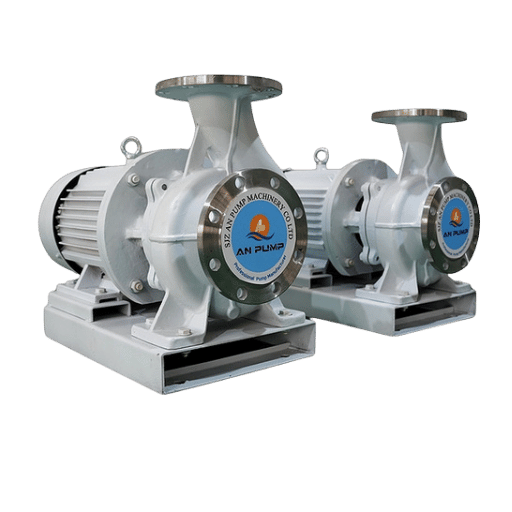
Sea Water Pump
Marine and desalination service pumps for seawater, brine, and coastal industrial water. 316L stainless steel, 2205 duplex stainless, and marine bronze buildup options. Salt-spray rated for continuous coast, particulate laden abrasive washdown washouts (IP67) and IP68 coastal exposure.
View Details316L / Duplex SS / Bronze
IP67
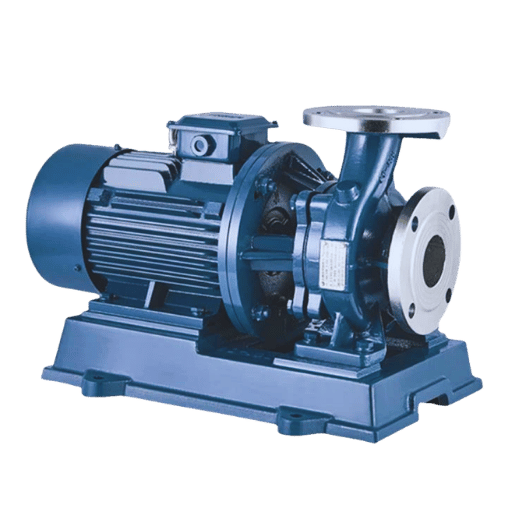
Stainless Steel Chemical Pump
Heavy-duty 316L and 304 stainless chemistry pumps for organic acids, other food analogs, pharmaceuticals, and industrial chemicals. Complies with ASME B73.1 2020 mounting size for drop-in replacement.
View Details316L / 304 / Duplex
ASME B73.1
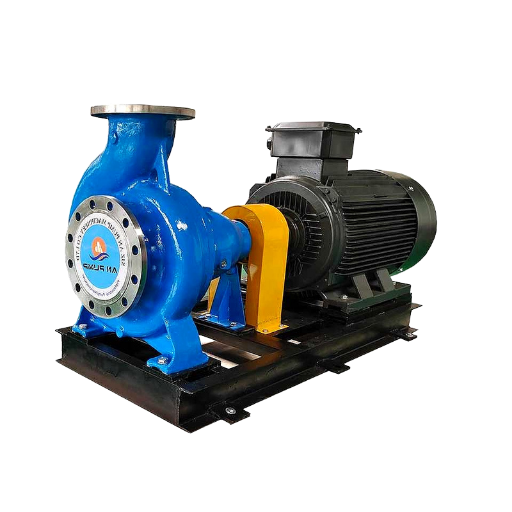
Chemical Transfer Pump
Bulk tote, intermediate bulk container, ampoule, drum, and bulk storage tank chemical transfer pumping. In-line centrifugal, AODD, and peristaltic designs for highly corrosive, mildly corrosive, and semi-corrosive isomolar transfer at 5 – 300 GPM. Sise outlets and inlets fit standard tote and tank couplers.
View DetailsCentrifugal / AODD
5-300 GPM
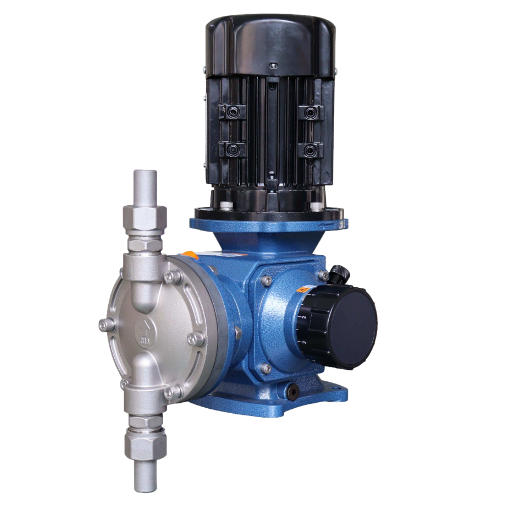
Chemical Metering Pump
Diaphragm metering (injection) pumps with PLC interface, heating cannula, turndown ratio up to 100: 1, and control capability to 1mm3 injection accuracy. Used for acid injection, polymer transfer, and chlorine injection to municipal and industrial water.
View Details100:1 turndown
PLC ready
Chemical Compatibility Matrix — Material Selection by Chemical Type
Material choice is by far the most critical choice in a chemical pump specification. This matrix relates twenty industrial chemicals to four BBP choice of wetted-part material classes: PVDF (Kynar), PTFE (Teflon), 316L stainless, and Polypropylene (PP). Cells labeled ‘A’ indicate an absolute withstand of the entire exposure; B: withstands with periodic inspection of the wear and elastomer components; C: withstands with the limits of temperature/concentration/duration; D: with the limits exceeded & materials cannot be used together. Ratings at 20-25C reference temperature; above 60C a class B rating should be downgraded to that class B’s neighbor for a safe spec.
Body Material × Chemical Compatibility Matrix
| Chemical (concentration) | PVDF (Kynar) | PTFE (Teflon) | 316L Stainless Steel | Polypropylene (PP) |
|---|---|---|---|---|
| Hydrochloric Acid (HCl) <30% | A | A | D (above 5%) | A |
| Hydrochloric Acid (HCl) >30% | A | A | D | C |
| Sulfuric Acid (H₂SO₄) 10-75% | A | A | D | A |
| Sulfuric Acid (H₂SO₄) >75% | A | A | D | D |
| Nitric Acid (HNO₃) 20% | A | A | A | A |
| Hydrofluoric Acid (HF) | A | A | D | C |
| Sodium Hydroxide (NaOH) ≤50% <60°C | B | A | B | A |
| Sodium Hydroxide (NaOH) >10% >60°C | D | A | B | A |
| Sodium Hypochlorite (Bleach) 12.5% | A | A | C | C (>15%) |
| Phosphoric Acid (H₃PO₄) 20-85% | A | A | B | A |
| Acetic Acid (CH₃COOH) 20% | A | A | A | A |
| Acetone (CH₃COCH₃) | D | A | A | A |
| Methanol / Ethanol | A | A | A | A |
| Toluene (aromatic solvent) | A | A | A | C |
| Aqueous Ammonia (NH₃) | A | A | A | A |
| Hydrogen Peroxide (H₂O₂) 30% | A | A | B | B |
| Ferric Chloride (FeCl₃) | A | A | D | A |
| Sea Water | A | A | C (chloride pitting) | A |
| Caustic Brine (chloride brine) | B | A | C | A |
| Detergent / Surfactant solution | A | A | A | A |
Performance Spec Row by Material Class
PVDF (Kynar)
Max service temperature
~135°C
Acid resistance
Excellent (HF / HCl / HNO₃)
Base resistance
Weak above 60°C / 10%
Solvent resistance
Good (most organics)
Cost tier
Mid-high
PTFE (Teflon)
Max service temperature
~260°C
Acid resistance
Excellent (universal except molten alkali metals)
Base resistance
Excellent
Solvent resistance
Excellent (universal)
Cost tier
High
316L Stainless Steel
Max service temperature
~300°C (liquid)
Acid resistance
Good (dilute organic); fails HCl / HF / conc. H₂SO₄
Base resistance
Good
Solvent resistance
Good (organic solvents)
Cost tier
Mid
Polypropylene (PP)
Max service temperature
~100°C
Acid resistance
Excellent (dilute, non-oxidizing)
Base resistance
Excellent (including conc. NaOH)
Solvent resistance
Medium (weak in aromatics)
Cost tier
Low
Engineering note — how to read the matrix
Cells labeled ‘A’ indicate combination BBP carries as prime product configurations pest free for bagged sample shipment. B acceptable with periodic wear and elastomer inspection. C limited use – state the temperature ceiling, and concentration ceiling with order. D not recommended without an engineering review and a custom spec order, because at least one part in that combination is outside that materials safe operating window. (Z)egbrk_0000 the Kynar PVDF myth needs special attention: It’s great with acids, but it fails with D folks – acetone (D), or hot concentrated caustic (D above 60C / 10%) PTFE is the best of possible choices bar none but is not cost effective in low-pressure dilute environments. Proper material selection actual maps the most common chemical exposure to the appropriate wetted-part chemistry, rather than a default.
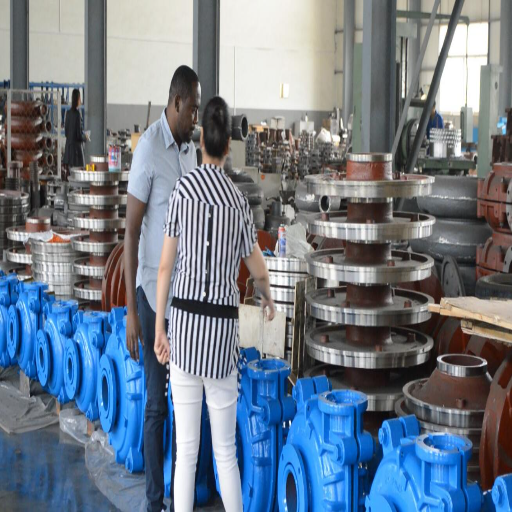
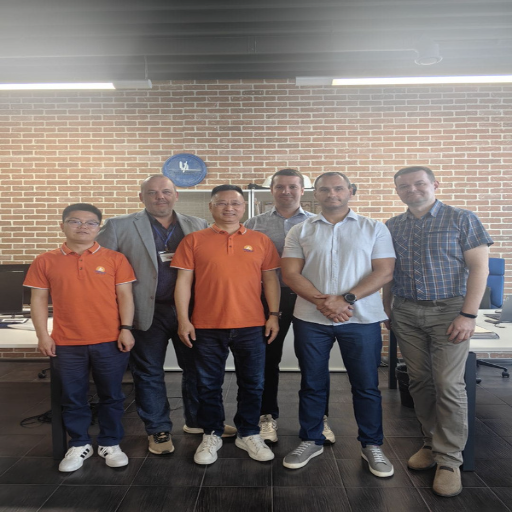
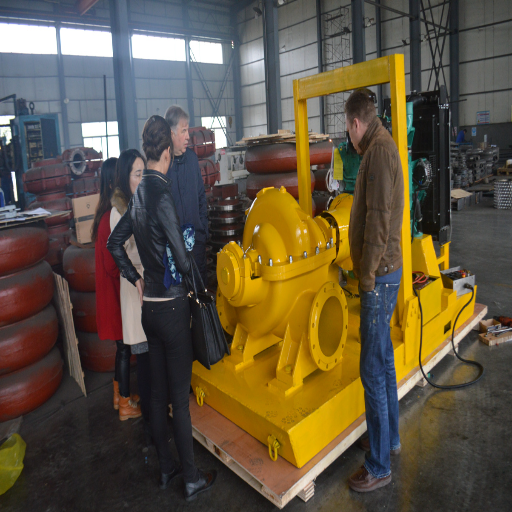
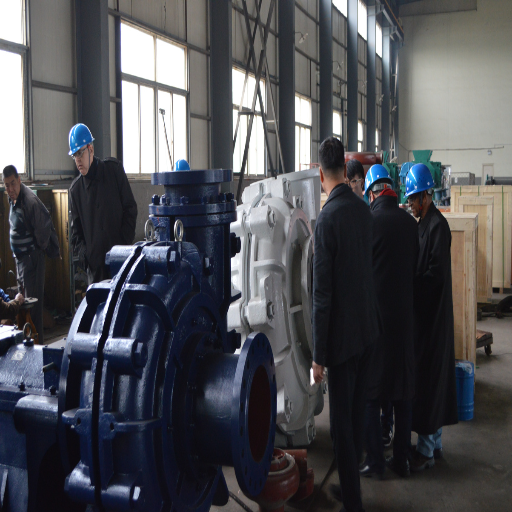
Manufacturing Excellence & Global Presence
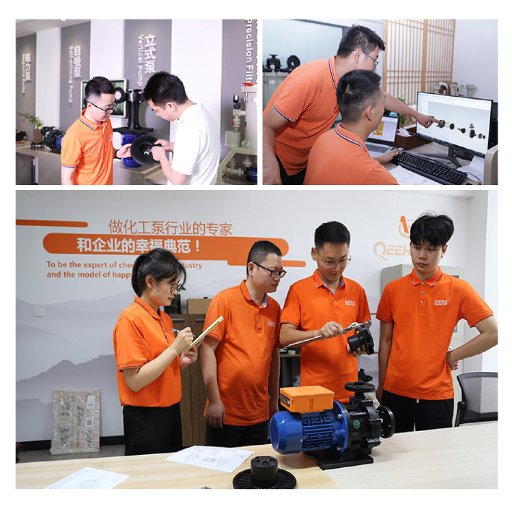
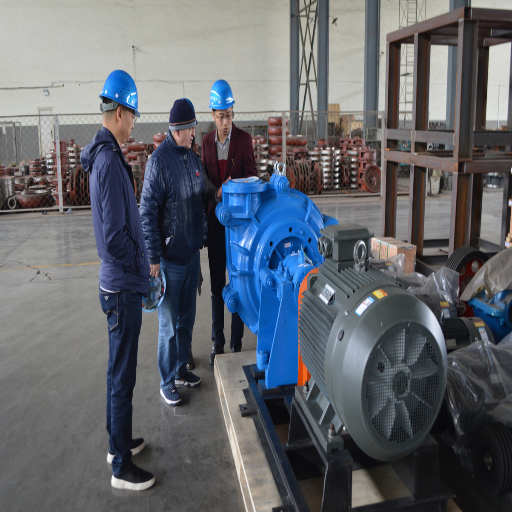
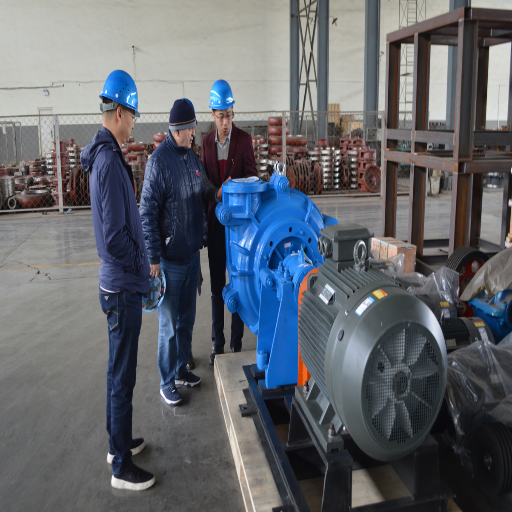
Advanced Production Facilities
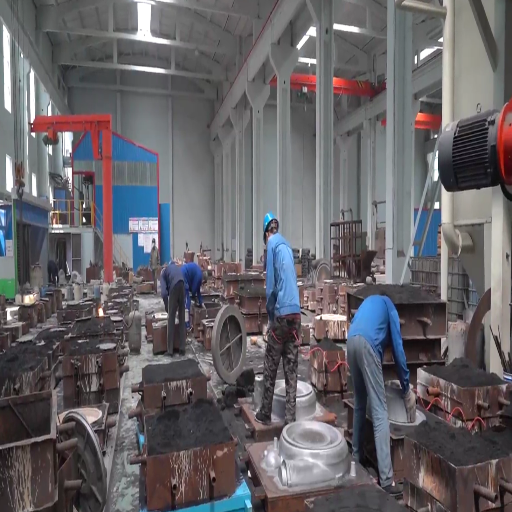
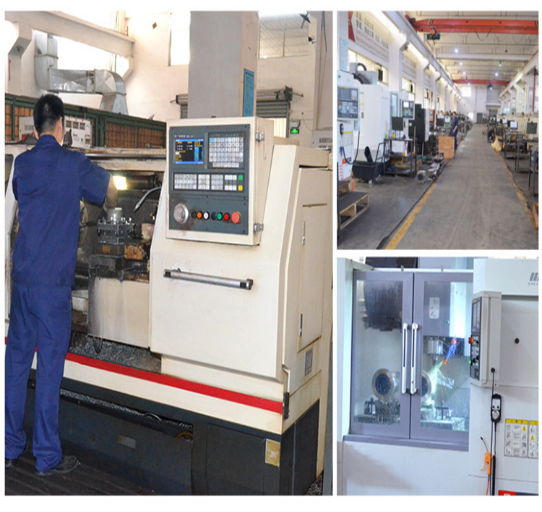
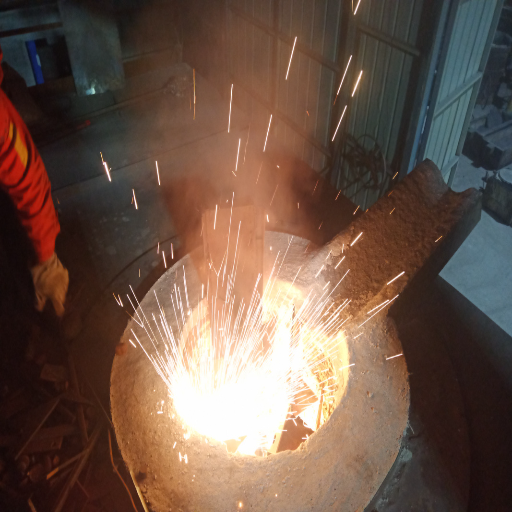
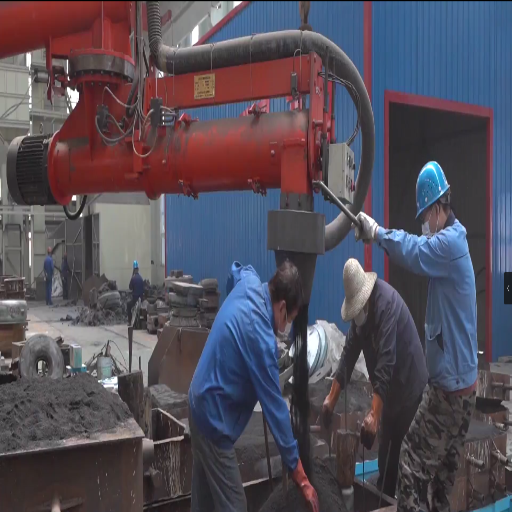
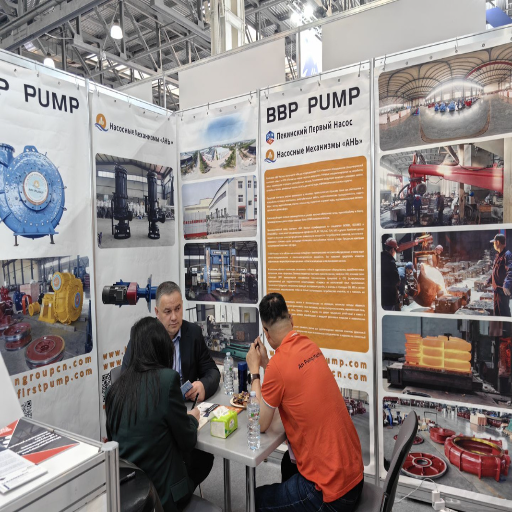
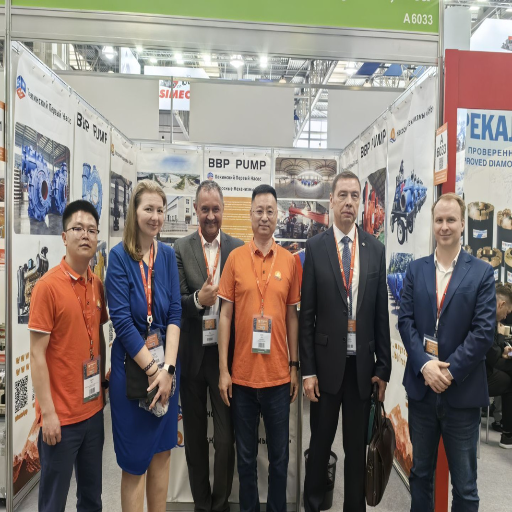
Industry Exhibitions
×
![Enlarged View]()
Pump Type Selection — Centrifugal vs Magnetic Drive vs Diaphragm vs Peristaltic vs AODD
The third most consequential decision in a chemical pump specification is the pump-type architecture. Five pump types dominate chemical service, and each has a defined application window and a defined limitation. Below, the operating envelope of each type together with the BBP product series that maps to it. Full disclosure here – several engineering forums have observed that magnetic drive and canned motor pumps “have pretty much the same field of applications and the same advantages and disadvantages,” so this comparison highlights the real tradeoffs rather than exaggerating each type as superior.
Centrifugal
BBP / BCC series
Best application
High flow, low-medium viscosity, continuous service
Flow range
5-3000 GPM
Pressure
Low to medium
Sealing approach
Mechanical seal (single or double)
Maintenance
Medium — seal replacement scheduled
Magnetic Drive (sealless)
BMD series
Best application
Hazardous, leak-free service, low solids
Flow range
1-200 GPM
Pressure
Low to medium
Sealing approach
Sealless (containment shell)
Maintenance
Low — no seal to replace
Diaphragm Metering
BDM series
Best application
Precision dosing, very low flow, high turndown
Flow range
0.05-100 GPH
Pressure
High (up to 5000 PSI)
Sealing approach
Diaphragm leak-tight
Maintenance
Low — diaphragm replacement
Peristaltic (Hose)
BBP series
Best application
Viscous fluid, slurry, abrasive solids
Flow range
0.5-300 GPM
Pressure
Low (atmospheric)
Sealing approach
Tube only — no seal in fluid path
Maintenance
Tube replacement on schedule
AODD (Air-Operated Double Diaphragm)
BAODD series
Best application
Corrosive plus portable, intermittent service
Flow range
5-300 GPM
Pressure
Low to medium (air-supply limited)
Sealing approach
Sealless (diaphragm)
Maintenance
Medium — diaphragm and check valve
Magnetic Drive vs Mechanical Seal — Honest Tradeoffs
The perfect answer is that power-driven inline magnetic drive sealless pumps and the mechanical sealed pumps overlap in the great majority of chemical service applications. An honest answer is “it depends on the detailed risk profile of the chemical and the operator.” Eliminating mechanical seals altogether impacts the ideal pump choices, removing one of the most prominent leak paths in chemical service; magnetic drives don’t perform as well with solids as a centrifugal pump with a dual seal, and they are more sensitive than a dual seal pump when leaked-pumping action causes dry-running damage when material loss starves the pump. Dual seal centrifugal pumps be more tolerant of solids and are generally cheaper; the downside is their need for periodic seal replacement, and their acceptance of a small, unavoidable ongoing leak rate. For hazardous fluids (strong acid, hot caustic, toxic or hazardous waste streams), magnetic drive is the most appropriate choice. For high flow, water-like fluid scenarios with stable composition, conventional dual seals are the best choice in most cases. This Decisions Matrix above better frames these tradeoffs by application, rather than assuming one solution beats the other in every case.
BBP vs Standard Imported Chemical Pumps — Why Vertical Integration Wins
Such procurement teams using a BBP chemical pump in contest with a typical imported chemical pump need to compare dimensions that impact the total cost of ownership in chemical service, not unit price per se. Below, BBP’s vertically-integrated profile is mapped against a generic imported chemical pump configuration. Per-SKU certified test reports are available with each sample shipment.
Munition de remplacement de la pompe, temps du travail de maintenance de l’usine pour chaque remplacement de la pompe de la chimie non planifiée
Chemical leak / spill remediation: cost of labor, regulatory reporting, and waste disposal per each leakage event
OSHA bot – straff. Sannsynlighet for sivil dom ved utslipp av kjemikalie – kostnad eller skadede arbeidere ved pumpen via avfeiringen—uriktig pump
Production downtime: resultant loss in production hours from a chemical line shutdown due to pump pressure or flow failure
Aftermarket service gap: weeks of waiting for backordered impeller, seal, or elastomer kit when supplier has no spare part inventory
Re-qualification cost: The multi-week supplier qualification cycle when an imported pump fails and an OEM copy is rushed in mid-program.
Industry framework based on published total-cost-of-ownership analyses; per-program TCO requires application-specific data.
Standards and Certifications — ISO 9001, ASME B73.1, API 610, ANSI/HI
The standards shown below are design, dimensional and quality-system standards that chemical pump purchasers most frequently seek during supplier qualification. For each, I note briefly what the standard actually specifies; since several of the standards most frequently cited are purely dimensional design standards, they specify limits on the mounting and connection geometry and not a passfail performance. 20.75 inches
ASME B73.1-2020
– Specification for Horizontal End-Suction Centrifugal Pumps for Chemical Process. Covers metallic and solid polymer centrifugal pumps of construction having horizontal end-suction single stage centerline discharge construction. Defines mounting dimensions, baseplate geometry, and pressure-temperature ratings to achieve standard interchangeability among pumps from different manufacturers in the same hydraulic class.
ASME B73.2
– Specification for Vertical In-Line Centrifugal Pumps for Chemical Process. Vertical in-line companion to B73.1 covers mounting dimensions and rated conditions of vertical chemical process pumps.
API 610 (12th edition, January 2021)
– Centrifugal Pumps for Petroleum, Petrochemical and Natural Gas Industries. API 610 is the dominant upstream/midstream petroleum specification standard. Edition 12 (released January 2021) updates seal flush plans, reliability requirements, and energy efficiency provisions versus the 11 th edition. API 610 conformance required by many oil and gas project specifications.
ISO 5199:2002
– Technical Specifications for Centrifugal Pumps, Class II. International chemical/petrochemical service centrifugal pump specification standard. Covers design, performance, marking, testing, and acceptance criteria of back pull-out construction commonly found in chemical service.
ISO 2858:1975
– End-Suction Centrifugal Pumps (rating 16 bar). Defines principal dimensions and nominal duty point for chemical service end-suction centrifugal pumps having a maximum operating rating of 16 bar. Defines the three-number designation (inlet diameter, outlet diameter, nominal impeller diameter) that constrains pump-to-piping fit.
ANSI/HI 1.3
– Rotodynamic Centrifugal Pumps for Design and Application. Hydraulic Institute application standard for pump applications, design, installation, operation, and acceptance testing of chemical duty centrifugal pumps. Predicting field performance from manufacturer test curves rests on a standard framework of field performance based on manufacturer test curves.
IEC 60034
– Rotating Electrical Machines. International electrical motor standard governing electric motor design, performance ratings, and efficiency classes for chemical pump driver service. Specifies enclosure types (IP rating), insulation classes, and starting characteristics relevant to chemical pump selection.
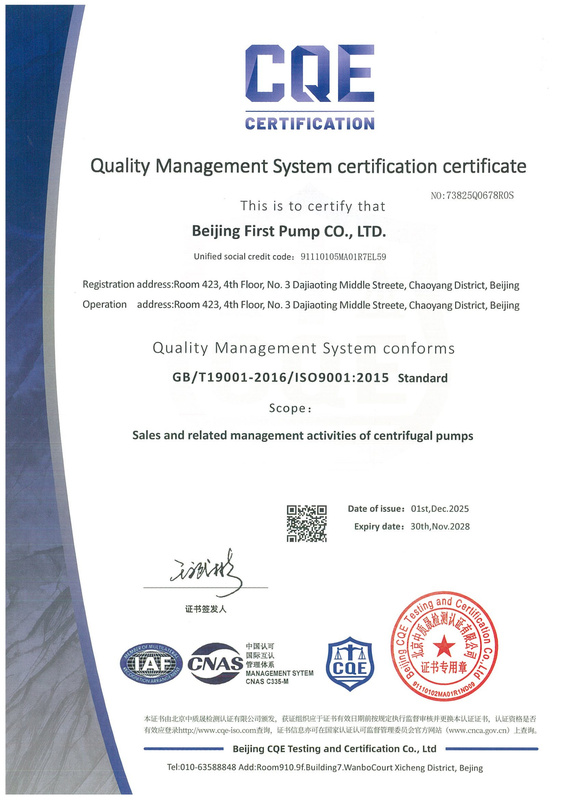
ISO 9001:2015
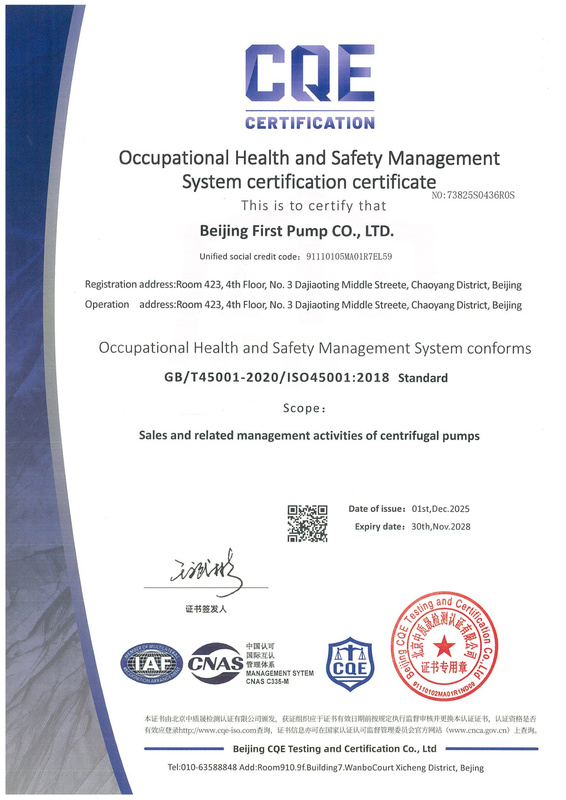
– Quality Management Systems. BBP manufacturing operation certified to ISO 9001:2015, covering casting, heat treatment, machining, assembly, coating, and rigorous testing in this quality system.
RoHS Directive 2011/65/EU
Restriction of Hazardous Substances declaration available on request for material lots shipped to European Union markets.
REACH Regulation EC 1907/2006
Substances of Very High Concern declaration aligned to current ECHA candidate list, available with the lot ship paperwork.
Verified Certificates



×
BBP Engineering Selection Tools
Chemical Compatibility Material Selector
Select your chemical, concentration range, and operating temperature. The selector returns the recommended BBP wetted-part material (PVDF, PTFE, 316L SS, or PP) with explicit A/B/C/D resistance ratings, the recommended pump type, and engineering notes for sample qualification. Data is based on published material compatibility references; verify per-application with a sample qualification roll.
Chemical Pump Type Selector
Select your application profile, flow rate, viscosity, and risk tolerance. The selector ranks the 5 BBP pump types (Centrifugal, Magnetic Drive, Diaphragm Metering, Peristaltic, AODD) by fit-to-application score and presents the top 3 with engineering rationale and BBP product series mapping.
Frequently Asked Questions
How do I choose between a chemical pump, a slurry pump, or a water pump for my application?
Three diagnostic questions resolve the choice. First, what is the dominant fluid characteristic? If it is a corrosive chemical (acid, alkali, solvent, oxidizer), the BBP chemical pump line is the right family. If it is a fluid containing significant solids or abrasive content (mineral slurry, mining tailings, dredge material), see the slurry pump line. If the fluid is clean or near-clean water for distribution, building services, or municipal supply, see the pipeline pump line or split-case pump line. Second, what is the operating temperature and concentration profile? Chemical pumps have specific wetted-part chemistry constraints (see the Compatibility Matrix in H2.3); slurry pumps have abrasion-resistant linings; water pumps are sized on hydraulic efficiency. Third, what is the failure-cost profile? Chemical leak risk drives sealless magnetic drive selection; slurry abrasion risk drives heavy-duty replaceable lining selection; water service drives mechanical seal economy. If your application crosses two families, request an engineering review.
What is the difference between a magnetic drive pump and a mechanical seal pump for chemicals?
no mechanical seal – The impeller is driven by a magnetic coupling through a containment shell so that there is no shaft penetrates the pressure boundary and no seal can leak A mechanical seal pump is one that employs a rotating face seal of some sort, either of the dry face type or of the journal seal type. It allows for a small constant leak rate and the seals need changing once ‘worn’ to prevent leaks. Magnetic drive is generally the correct choice for hazardous chemicals (strong acid, hot caustic, hazardous waste) where leaks are not tolerable. Mechanical seal is generally more economical for high flows of water-like fluid where there is some tolerance of leakage. Magnetic drive is less tolerant of dry-running condition and solids.
Which pump material (PVDF / PTFE / 316L stainless steel / Polypropylene) handles which acid concentrations?
In HCl of any concentration PVDF and PTFE are safe, those metals and alloys fail over 5 %, and polypropylene over 30 %. In H 2SO 4 PVDF and PTFE are safe at any concentration while polypropylene operates only at 10-75% below 75%. In 20% HNO 3 all four materials are compatible (A). In NaOH>60 C and >10% PVDF is not compatible, seek polypropylene or TFE. In Acetone PVDF is incompatible (D), seek PTFE or polypropylene. PVDF, PTFE and polypropylene are A rated in sea water and chloride brines, C rated in 316L due the possibility of chloride pitting attacks. Compatibility Matrix in H2.3 summarizes twenty common chemicals and their specific concentration limits. For each different application a material must be selected in accordance with the concentration, temperature and length of exposure.
What is the MOQ and standard lead time for OEM custom chemical pumps from BBP Beijing?
MOQ and lead time are related to three buckets: standard catalog SKU vs. customized-spec build-to-spec configuration, the span of hydraulic capacity, shipment region. Standard catalog SKUs ship relatively quickly from the BBP spare-parts inventory; customized-spec configurations have to wait for the casting and machining lead time window. Vertical integration (casting, heat treat, machining, assembly, coating and testing all in-house) minimizes the custom lead time relative to competitors that subcontract. Request a quote with your hydraulic spec (flow rate, head, NPSHr, fluid chemistry, temperature) from the current component, and the BBP team will follow-up with a number.
Do you supply spare parts and aftermarket service for chemical pumps deployed five or more years ago?
Yes. BBP stocks an extensive spare-parts inventory on the four principal chemical pump series: impellers, mechanical seal kits, casings, bearings, packing material, and elastomer kits. Equipment aftermarket service includes remote diagnostics, on-site installation assistance, and operator maintenance training under the BBP 24/7 technical support agreement. For pumps supplied before current version series, the engineering team will provide an upgrade plan to the nearest current series of equivalent hydraulics.
Can BBP modify a standard chemical pump (impeller, casing, seal) to my exact specification?
Yes. BBP’s engineering team and in-house foundry capacity extend to OEM customization of the impeller geometry, casing material and dimension, mechanical seal arrangement, packing material, and elastomer chemistry. Custom modifications are approved following the written change-control SOP of the Engineering Department and shipped together with documentation traceable to the OEM specification. Request OEM customization when making an inquiry and supply the complete hydraulic and chemical-service profile.
Are BBP chemical pumps compatible with API 610, ASME B73.1, or ISO 5199 standard mounting dimensions?
BBP makes chemical pumps series that conform to ASME B73.1-2020- Specification for Horizontal End-Suction Centrifugal Pumps, ASME B73.2-201x- Specification for Vertical In-line Centrifugal Pumps, ISO 5199:2002 Class II- Technical Specification for horizontal end-suction pumps, and ISO 2858:1975- Technical specification for end-suction pumps (rating 16 bar). API 610 (12th edition, January 2021) conformity is supplied for hydrocarbon and petrochemical service pumps on request. Confirm your target standard when making an inquiry; the engineering team will supply the conformance document pack with purchase order.
Does BBP provide on-site installation, commissioning, and operator training?
Yes. BBP’s 24/7 technical support program is comprised of pre-sale engineering parameter analysis, remote diagnostics follow-up, on-site installation support, and operator maintenance training. An on-site service deployment date depends on regional coverage and the installation site location. Request the scope of the on-site service at the time of inquiry and supply the installation site address and project schedule.
Why We Built This Chemical Pump Reference
Most chemical pump catalog pages in this category leave the buyer to extrapolate from a single product page to their multi-chemical multi-application installation. Our 20-chemical Compatibility Matrix and 5-pump-type Selection Matrix on this page are the working tools BBP’s engineering team uses internally when scoping a new chemical pump installation; we publish them here as a public reference so process engineers and procurement teams can scope the qualification before requesting a sample. A PVDF myth section was added explicitly because the assumption that PVDF is universally chemical-resistant has caused real field failures with acetone and concentrated hot caustic; honest material selection is the right starting point. Per-SKU certified test reports are available with each qualification sample.