Get in Touch with BBP

QS Series · ISO 9001 / CE Certified
Double Suction Pump
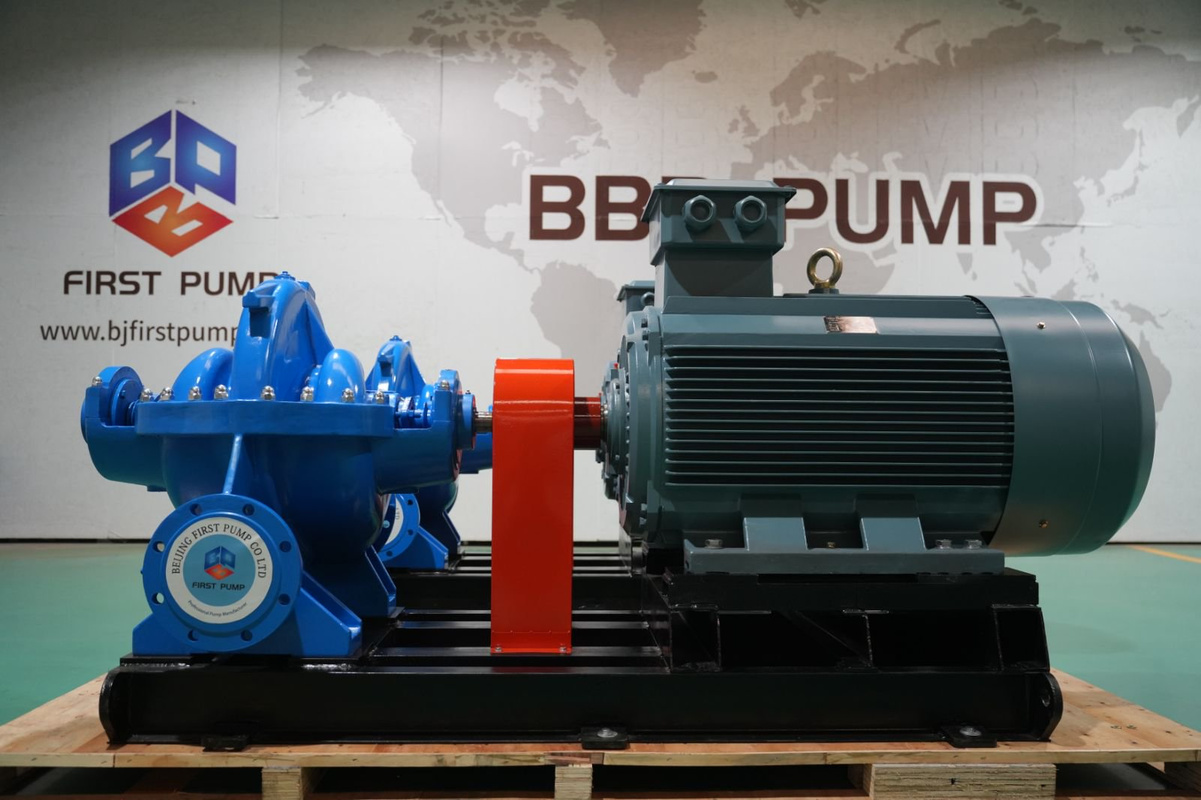
BBP QS Horizontal Split Case Pumps — Double-Suction Design
Axially split casing with symmetrical double-suction impeller for high-flow service 120 to 14,400 m/h municipal water, HVAC, fire protection and power station cooling.
150–1200 mm
Inlet diameter
120–14,400 m³/h
Flow range
6–140 m
Head range
≤ 80 °C
Fluid temperature
2–3×
Bearing-life advantage
4–6 wks
Ex-works lead time
Model code · 150QS-78A = 150 mm inlet · QS split case pump · 78 m rated head · impeller cut A. Use the decoder to read any QS model designation at a glance.
Why High-Flow Pump Rooms Hit Bearing-Life and Maintenance Walls — and How Double-Suction Split Case Design Solves Both
A horizontal split case pump is a single-stage, double-suction centrifugal pump with a casing divided axially into two halves (also know as an axially split volute casing pump, class API 610 BBP-1 “between bearings”). This design permits full rotor inspection by removing the top-half without piping or motor separation. Municipal water, HVAC and fire protection professionals specify this geometry when flows surpass ~2,000 m/h and service downtime is a significant expense.
The Pain
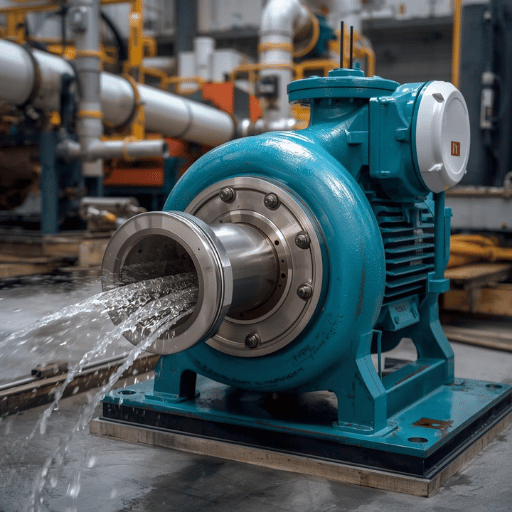
Axial Thrust Imbalance
Single-suction end-suction pumps handling more than ~2,000 m/h encounter imbalance in the axial thrust direction, bearing life shortens and the inconvenience/downtime costs more than the pump.
Root Cause
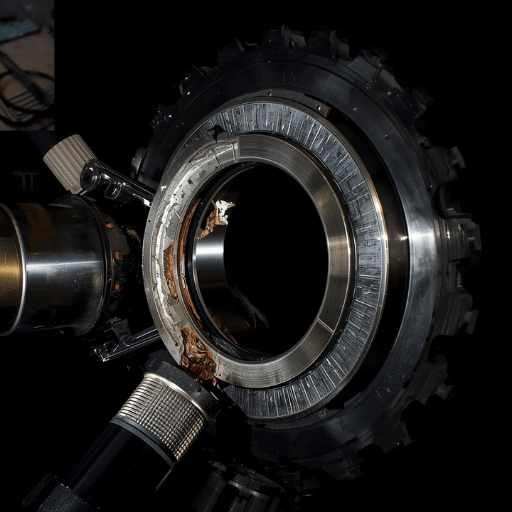
Asymmetric Flow Load
Asymmetric flow results in unbalanced axial loading of the thrust bearing, which needs removal and reinstallation during every overhaul.
Our Solution
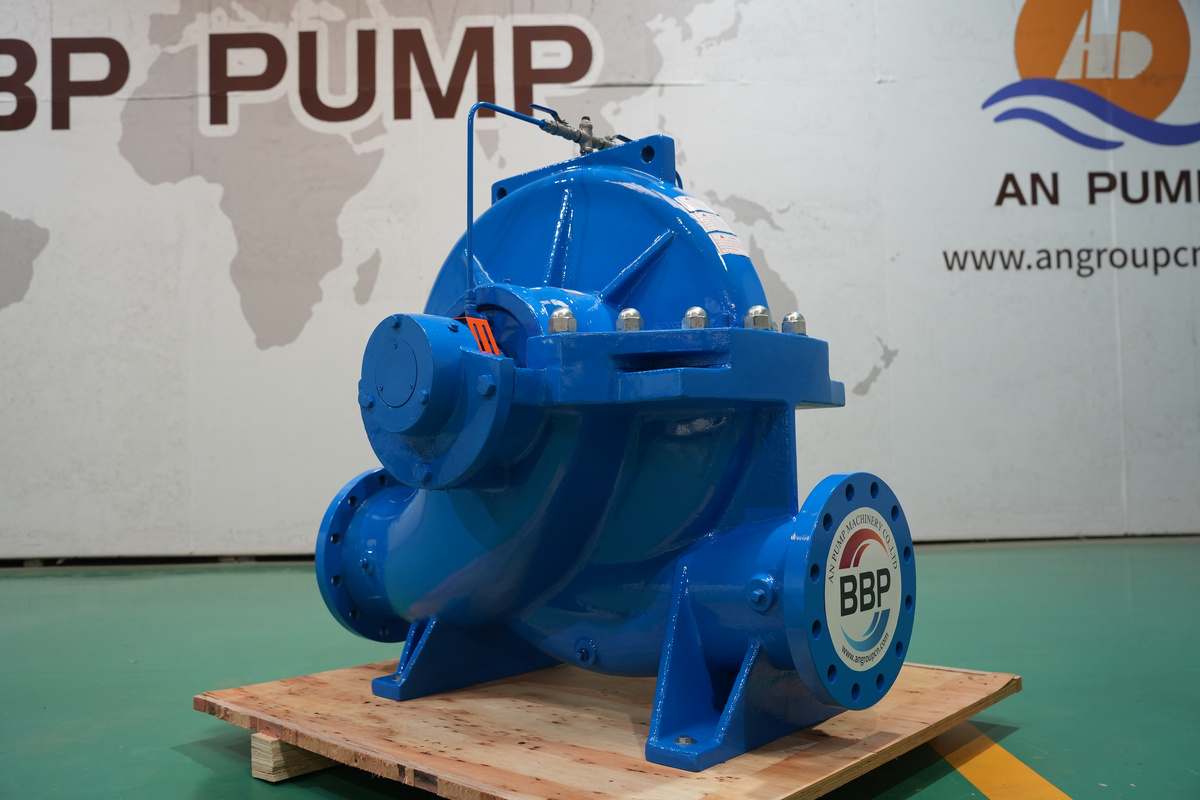
Symmetrical Neutralization
QS solution: symmetrical double-suction impeller neutralises the hydraulic axial load, 4-bolt top cover opens rotor without dismantling the piping or motor.

The Proof
HI 20.3-2015 Standards
Proof: Hydraulic Institute analysts recommend double-suction rotor designs as they produce both lower NPSHR and lower axial loading – each eye sees 50% of flow (HI 20.3-2015 4.5).
BBP QS Series Models — Specifications & Application Selection Matrix
ENPROC specific: sizing specs, RFQ-ready model numbered stock.
Representative QS Models
150QS-78A
Inlet 150 mm · Flow 120–350 m³/h
Head 60–90 m · 2950 rpm
Best-fit: HVAC chilled-water circulation
250QS-39
Inlet 250 mm · Flow 400–900 m³/h
Head 35–55 m · 1480 rpm
Best-fit: Municipal water supply
350QS-30
Inlet 350 mm · Flow 800–1,700 m³/h
Head 25–40 m · 1480 rpm
Best-fit: District cooling / boiler feed
500QS-82
Inlet 500 mm · Flow 2,000–4,500 m³/h
Head 65–95 m · 1480 rpm
Best-fit: Power station cooling water
800QS
Inlet 800 mm · Flow 5,000–10,000 m³/h
Head 25–55 m · 740–980 rpm
Best-fit: Flood control / large irrigation
1200QS
Inlet 1,200 mm · Flow 8,000–14,400 m³/h
Head 20–40 m · 590 rpm
Best-fit: Raw water transfer station
Decision Matrix — Application to Model Mapping
Running a pump far from its Best Efficiency Point invites seal failures, bearing wear, and impeller damage, so our matrix below maps duty points to the narrowest sensible QS range rather than a “one-size” recommendation.
| Application | Typical flow (m³/h) | Typical head (m) | Recommended QS frames |
|---|---|---|---|
| HVAC chilled / heating water | 120–1,200 | 30–90 | 150QS – 250QS |
| Fire protection (NFPA 20 HSC) | 350–1,700 | 60–120 | 200QS – 350QS |
| LP boiler feed | 200–800 | 80–140 | 200QS – 350QS (high-head cut) |
| Municipal water supply | 500–4,500 | 35–75 | 250QS – 500QS |
| Power-plant cooling water | 2,000–10,000 | 25–65 | 500QS – 800QS |
| Raw water / flood control | 5,000–14,400 | 15–40 | 800QS – 1200QS |
MGR + EN ROI Business Case
Where QS Pumps Prove Themselves — Applications, Fire Protection, and the TCO Picture
How we rebuild the QS family universally (municipal distribution, HVAC loops, power-plant cooling, LP boiler feed, irrigation, NFPA 20 fire protection): all push massive amounts of clean or raw water effectively, and remain readily serviceable for routine overhauls. Every one of these uses presents a mandate that the QS geometry must fulfill.
Municipal Supply
Municipal water supply & distribution—from a continuous flow at moderate head & 24/7 duty; use of top-cover allows avoiding takedown station piping.
District Energy Loops
Hvac chilled/heating water in district energy systems—low noise, high efficiency loop operation; QS dual-volute design minimizes radial thrust.
Fire Protection (NFPA 20)
Fire protection (NFPA 20 HSC fire pump) – electric or diesel driver; listed performance envelope must conform to standard fire pump curve rules.
Low-Pressure Boiler Feed
LP boiler feed- high-head frames (78 m and above) with low NPSHR for deaerator feed service.
Irrigation & Flood
Irrigation and flood control- seasonal maximum hour duty. Inventory of spare-parts makes scheduled-maintenance window short.
Power Plant Cooling
Power-plant cooling-water circulation—BEP-centered sizing reduces parasitic load on auxiliary power budgets.
NFPA 20 Compliance
Position as listed fire pump that when operating at 150% of rated flow capacity shall produce not less than 65% (relief head) of the rated total head of the pump at rated conditions. The range shall be limited not to exceed 140% of rated pressure. QS frames from 200QS up to 350QS match all the standard NFPA 20 ratings (500-1,500 gpm) with UL/FM rated dispatch versus your project hazard study.
ROI · SILVER TIER
10-Year TCO Advantage Framework
During a 10-year lifecycle, QS double-suction design generally delivers a 20-30% lower TOTAL COST OF OWNERSHIP (TCO) than a comparably sized single-suction end-suction configuration. This benefit is factorized into three quantifiable variables, not one marketing number:
3–5%BEP Efficiency Gain
60–80%Fewer Service Hours
EXTENDEDBearing Life Interval
Field Deployment Snapshots
Municipal waterworks: 30,000 m/day plant 250QS-39 frames replaced end-suction fleet; station downtime drops from two shifts to one.
Power-station loop: 600 MW unit – 500QS-82 triplex configuration running parallel with BEP-aligned sizing.
District cooling plant: 40 MW HVAC — 200QS pair feeding a primary chilled-water loop, dual-volute construction tuned for part-load.
Request Your Case-Specific TCO Model →
The exact TCO changes according to duty cycle, energy tariff and labor cost. Our selection engineers usually respond within one business day.
Certifications, Factory Capability, and Why International Buyers Choose BBP
ISO 9001
ISO 14001
OHSAS 18001
CE
GB/T 216
GB/T 5657
HI 1.3
In-House Vertical Integration
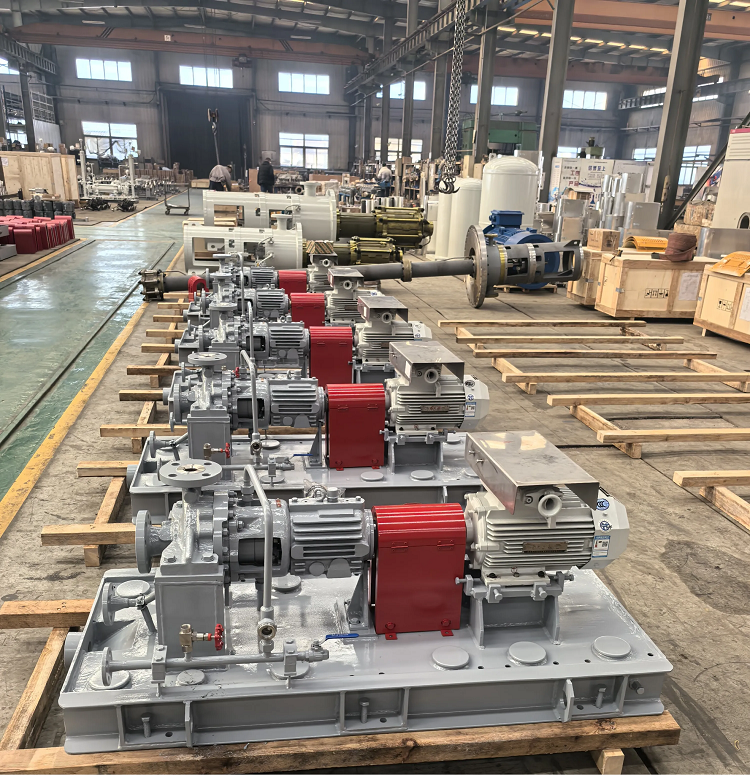
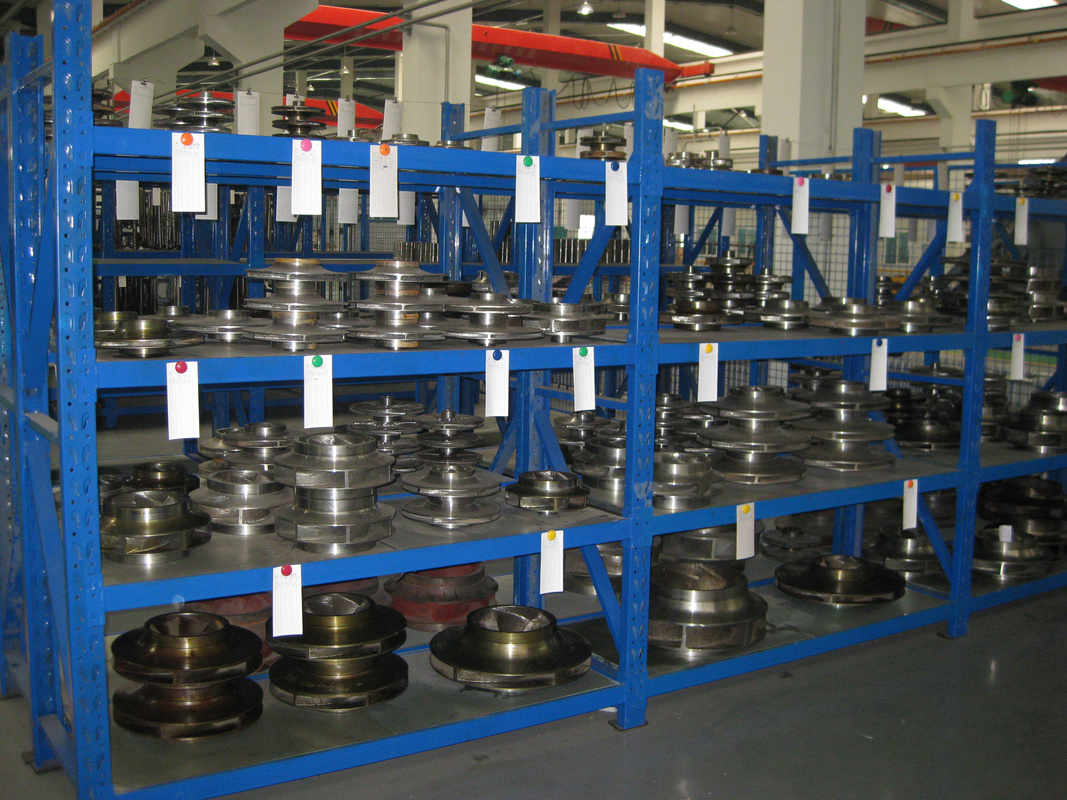
BBP runs every critical step of QS production under one roof: casting, heat treatment, machining, assembly, coating, hydrostatic test, and performance test. Every rotor leaves the shop only after the witnessed performance curve has been signed off against the customer’s duty point.
50,000 m²
Production facility with casting and finishing under one roof.
600 Tons/mo
Cast-and-machined parts capacity per month.
Heat-Treatment
Furnace envelope of 8 × 7 × 2.5 m — one of the larger envelopes in the Chinese pump-foundry segment.
6.4 m Machining
Main-parts machining length up to 6.4 m — holds the tight ring-clearance tolerances the HSC geometry demands.
30 t Crane
Assembly cranes with the catch capacity 30 t. – Installation of the casings beyond 1800 mm.
20+ Engineers
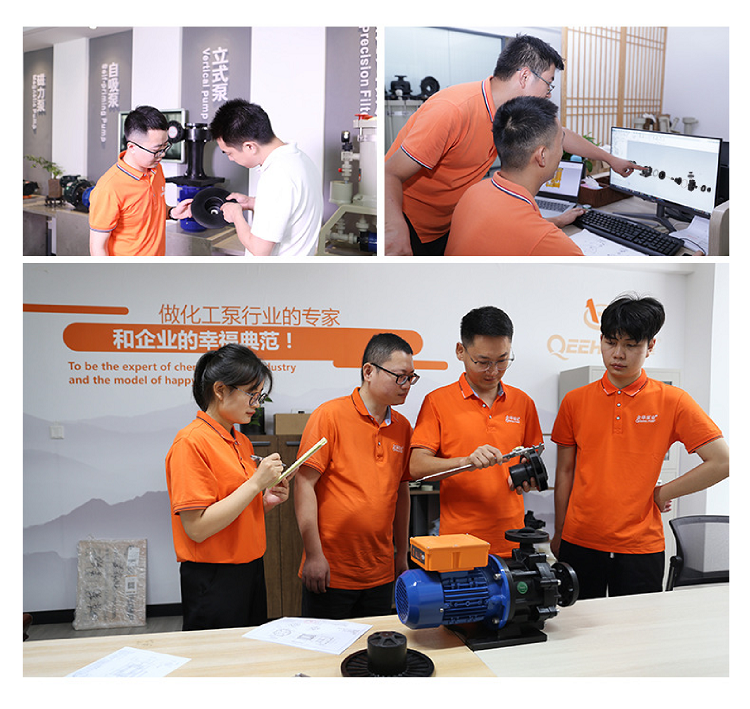
Mechanical and hydraulic engineers available for selection, troubleshooting and field commissioning.
Why Ring Fits Matter — and How the 6.4 m Machining Line Protects Them
Wear-ring clearances on each side of a split case impeller must not differ by more than 0.003″ or the rotor will shuttle and ruin the bearings. The 6.4 m machining line finishes casing halves and impellers in the same fixture and this is the industrial condition for maintaining that tolerance up to frames to 1200QS.
Why International Buyers Choose BBP
In the majority of EPC specification, certification takes precedence over purchase. Chinese quality of GCE pumps measured on the basis of ISO 9001 + documented QA/QC + verifiable global references limits over the price in procurement decisions. BBP is designed for this procurement control.
Transparent factory pricing—no multi-tier distributor mark-up; quotation itemizes hardware, testing, packaging and freight.
English Documentation—Extensive technical documentation: spec sheets, O&M manuals, test curves, 2D/3D CAD exports.
Global Logistics—Supported international trading terms: FOB, CIF, DDP including direct to port shipping to South East Asia, Middle East, Africa and Latin America.
Pre-shipment inspection—Third party apply: BV, SGS or buyer designated inspection.
Ready Spare Parts—All major base frames have readily available spare parts – quick rush orders definitively minimizes unavailability of overseas service teams.
PROC + MGR Focus
Procurement Guide — Lead Time, MOQ, OEM, and 24/7 Support
Split case procurement rarely fails on the pump itself — it fails on missing spare parts, unclear lead times, and OEM scope that stops at the flange. Our QS program is organized around closing those three gaps, not around a single-SKU catalogue.
SECTION 01
Delivery & Order Terms
Standard QS models ship 4-6 weeks ex-works of drawing approval.
OEM-configured units take 8–12 weeks including first-article inspection.
Stocked spares fly same-week for most QS frames (shaft sleeves, mechanical seals, bearings).
Minimum order quantity is a single unit — no minimum-batch restriction.
SECTION 02
OEM & Customization Scope
Impeller material selection — bronze · duplex stainless · wear-resistant alloy
Flange bore adaptation for non-standard piping interfaces
Mechanical seal versus gland packing based on shaft-sealing preference
Internal coatings — epoxy or ceramic lining for abrasive service
Multi-language nameplates and dual-unit (SI / US) performance tables
Customer-specified witnessed test protocols at BBP’s performance test loop
SECTION 03
Lifecycle Support
Pre-sales selection engineering — duty-point analysis and curve recommendation.
24/7 technical service — remote diagnostics for alarms or vibration trends.
On-site installation guidance — including the 10-pipe-diameter suction-elbow rule.
Maintenance training — local crew certification for overhaul procedures
Engineering Calculation Matrix
Interactive Sizing & ROI Analysis Tools
QS Selection Helper
Optimize your high-flow system architecture. Input your flow and head requirements to identify the most efficient QS pump frame size for your specific duty curve.
Lifecycle TCO Estimator
Quantify the financial advantage of Double-Suction geometry. Calculate 10-year energy savings, maintenance labor reductions, and total return on investment.
FAQ — Split Case Pump Buying Questions
Industrial Intelligence · BBP QS Series SelectionHow long does a BBP QS split case pump typically last between overhauls?
Overhaul interval is governed by wear-ring clearance growth and seal service life, not the casing itself. Replace wear rings when clearances double versus the as-built specification (never let them reach triple). With the balanced axial thrust of the QS dual-suction design, bearings typically run their full L10h service interval without thrust-induced wear — the usual bottleneck is shaft seals, which are stocked as same-week-dispatch spares.
What is the TCO advantage of double-suction split case over single-suction end-suction over 10 years?
Typically 20–30% lower over a 10-year lifecycle. Decomposition runs across three factors: 3–5% higher BEP efficiency (annual energy savings); 60–80% fewer overhaul-service hours per teardown (top-cover access saves labor); extended bearing service interval (balanced axial thrust avoids thrust-bearing wear). Exact savings depend on duty cycle, tariff, and labor rate — request a project-specific model.
Can BBP QS pumps be specified as NFPA 20 horizontal split case fire pumps?
Yes on the compliance path. According to NFPA 20 the pump has to provide at least 65% of rated total head at 150% rated flow, with the operating curve limited at 140% rated pressure. The 200QS to 350QS match up with standard NFPA 20 rating points and are supplied with witnessed test curves for a third-party approval, electric and diesel drivers are both available.
Do BBP QS pumps meet Hydraulic Institute and ISO standards?
QS pumps leave with ISO 9001 / 14001 / OHSAS 18001 / CE certificates and are tested to GB/T 216 and GB/T 5657 (the Chinese national pump-performance standards, in cooperation with HI 1.3 and ISO 9906 grade 2B procedures). Performance tests may be observed at the BBP loop, with reports available in English for EPC submittals.
What is a horizontal split case pump, and how is it different from end-suction?
A horizontal split case pump has the casing in two halves trying to face, with the impeller located between the bearings (API 610 BBP-1 classification). An end-suction pump has only the single-sided casing with the impeller overhung on one side of the motor shaft. The split case design allows top-cover inspection and generally has the double-suction impeller; the end-suction design is more compact but flows of lower capacity and runs with unbalanced axial thrust.
Are all split case pumps double-suction?
Single stage horizontal split case pumps tend to be, since the double-suction impeller is the reason engineers go for the design. Two stage HSC pumps may be constructed with two single-suction impellers, positioned back-to-back – identical externally, but internally with different leakage and thrust properties.
What is the key advantage of an axially split case over a radially split casing?
Axial splitting enables the full rotor to be exposed without ever removing piping or driver, and is thus where our “60-80% fewer overhaul hours” comment came from. Radially split casings provide superior pressure containment, but sacrifice the maintenance access advantage that makes QS design appealing for water-use application.
Can QS split case pumps handle dirty water, or does the fluid need to be clean?
QS is a clear-water and raw-water product – operating temperature 80 degree C, limited solids tolerance. For slurry, sewage and dirty solids, BBP’s dedicated sewage and slurry-pump lines are often the preferred solution. Running a clean-water QS on abrasive duty reduces expected wear-ring life.
How does QS compare to vertical in-line pumps for fire protection?
Specifiers consistently choose horizontal split case for reliability, acknowledging the trade-off: HSC occupies roughly 30% more floor space than a comparable vertical in-line pump. If pump-room real estate is the binding constraint, vertical in-line wins; in every other respect, QS typically wins on lifecycle.
What lead time and MOQ does BBP offer for QS pumps, and can you ship DDP?
All standard QS models ship 4-6 weeks ex-works after drawing approval; OEM-configured units 8-12 weeks including first-article inspection. MOQ is one single unit. BBP proudly supports FOB, CIF, DDP; direct-to-port shipment to Southeast Asia, Middle East, Africa, and Latin America.
Can BBP customize materials, seals, or coatings to match conditions?
No – that is the OEM program’s essence. Impeller iron, bronze, duplex stainless, wear-resistant alloy, shaft seal face material (mechanical or gland packing), interior IE coat (epoxy or ceramic lining), flange adaptation, witnessed test protocol can all be specified on the quotation.
Ready to Size a QS Pump for Your Duty Point?
Send us your flow, head, and fluid properties. One of our selection engineers will respond usually by the next business day.
REQUEST SELECTION REVIEW →