Get in Touch with BBP

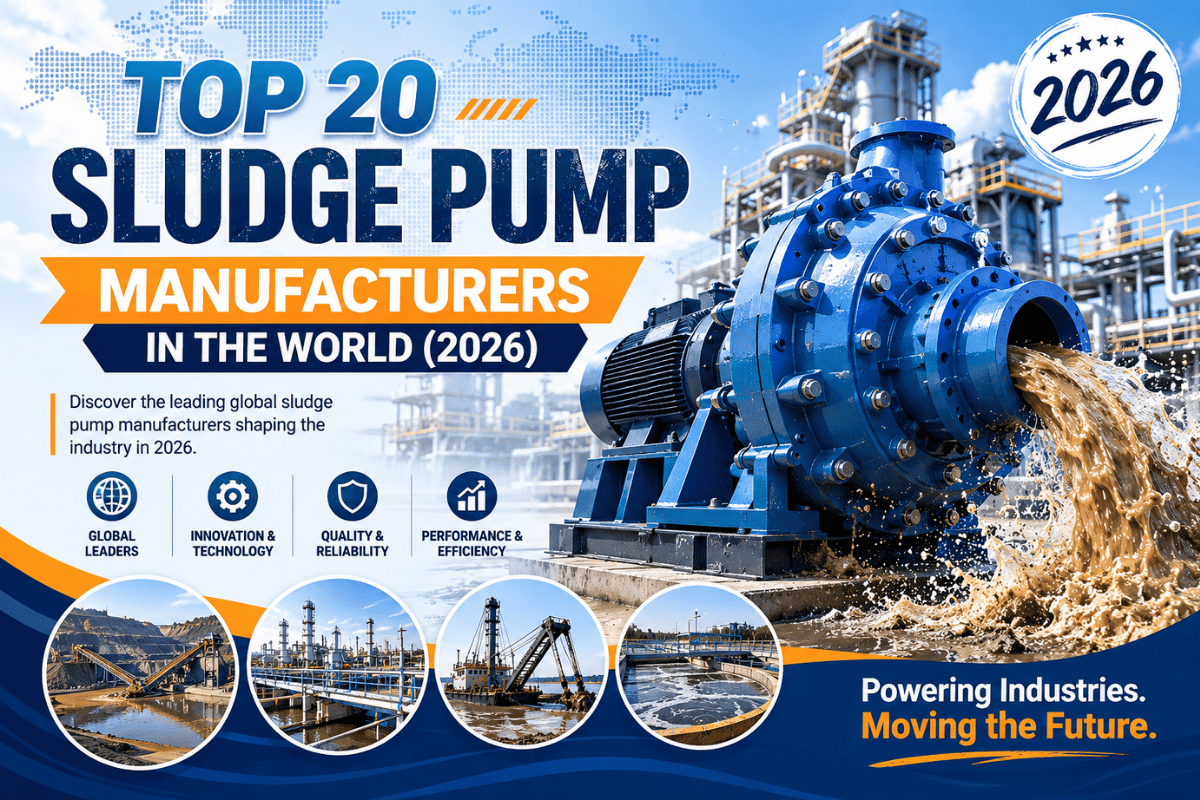
Choosing among the world’s sludge pump manufacturers is harder than it looks: the same word “sludge” covers everything from 2% return activated sludge to 30% dewatered cake, and the right pump maker for one duty is the wrong one for another. This guide profiles 20 real manufacturers that design and build sludge, slurry and solids-handling pumps, with the founding year, products, strengths and honest trade-offs for each.
A note on order: the 20 companies below are listed in no particular order. This is a reference roundup, not a ranked leaderboard. No company here’s claimed to be the objective “number one,” and BBP, listed first as the publisher of this guide, is presented as one capable option among twenty, not as an absolute market leader.
Quick Specs: Sludge Pump Sourcing at a Glance
| What a sludge pump moves | Semi-fluid, solids-laden liquid, typically 2–30% solids (wastewater biosolids, digested sludge, dewatered cake) |
| Main pump classes | Submersible & horizontal centrifugal non-clog, chopper, heavy-duty slurry, progressive cavity, rotary lobe, peristaltic |
| Centrifugal works up to | ~6–8% solids (sources vary); above that, positive-displacement pumps usually win |
| Typical capital share of lifecycle cost | A minority — energy (~40%) and maintenance (~25%) dominate |
| Manufacturers compared | 20, spanning 9 countries and every major sludge pump technology |
What Is a Sludge Pump? Sludge vs Slurry vs Trash
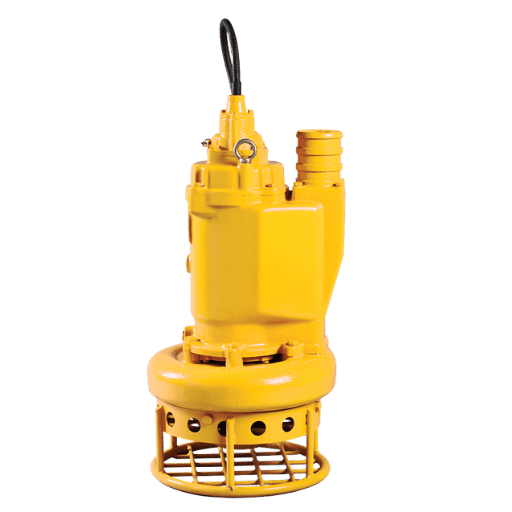
A sludge pump is a pump built to move thick, solids-laden liquid that would clog or quickly wear an ordinary water pump. It handles media such as wastewater biosolids, primary and digested sludge, and dewatered cake, usually in the 2–30% solids range. Standard water pumps clog or wear out fast on this duty, so sludge pumps use non-clog, abrasion-resistant designs instead.
Because U.S. sewage sludge and biosolids run to millions of dry tons a year, reported by roughly 2,350 wastewater treatment facilities and managed under the US EPA’s 40 CFR Part 503 rule, the makers that move it range from billion-dollar water-technology groups to focused specialist factories.
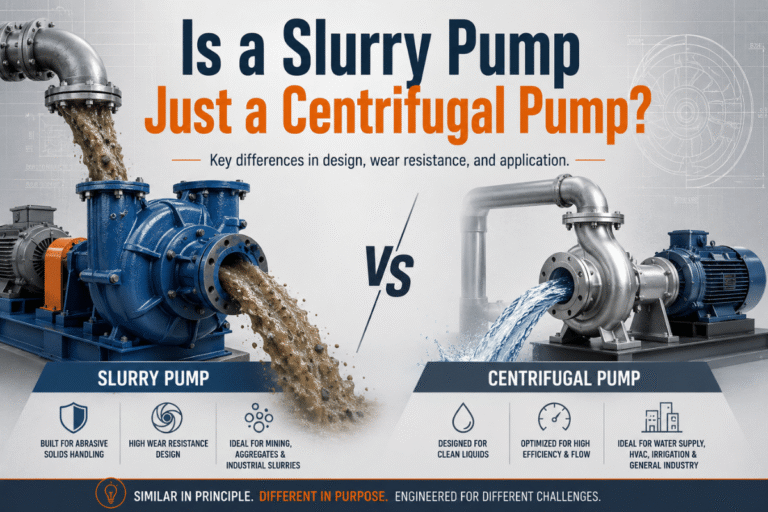
The terms sludge, slurry and trash are often used loosely, but they drive very different impeller and wet-end designs. The 30% Solids Sludge-to-Slurry Threshold below is the fastest way to place your fluid:
| Fluid | Solids content | Abrasion | Typical duty |
|---|---|---|---|
| Sludge | 2–30% (semi-fluid, viscous) | Low–medium | Wastewater biosolids, digested sludge, paper black liquor |
| Slurry | 20–70% (mineral solids) | Very high | Mining tailings, mill discharge, dredging |
| Trash | <10% loose debris | Low | Construction-site and flood dewatering |
Sludge sits in the middle: viscous and organic rather than sharply abrasive, but solid enough to clog a clean-water impeller. Get the class wrong, a slurry pump on thin wastewater, or a centrifugal on thick cake, and you pay twice, first in replacement parts and then in downtime. (Need the full breakdown? See our sludge pump types and failure-modes guide.)
How We Selected These 20 Sludge Pump Manufacturers
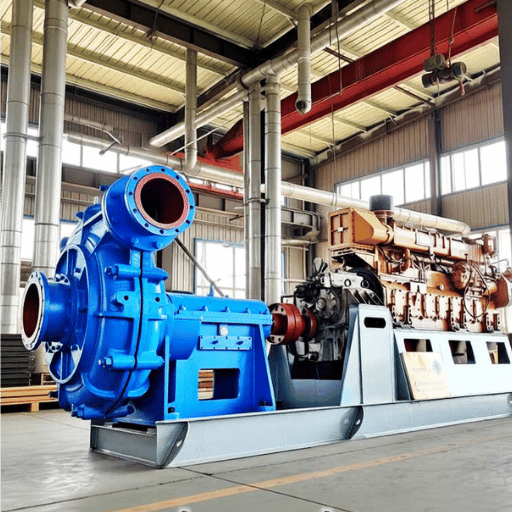
Manufacturer roundups are easy to pad with directory listings, marketplaces and trading companies that never actually make a pump. We kept this one strict: every entry is a firm that genuinely design and builds its own sludge, slurry or solids-handling pumps, judged against the four selection rules below.
- ✔Real manufacturers only. Every company designs and builds its own pumps. We excluded pure trading companies, B2B marketplaces, directory sites, news aggregators, and firms with no genuine pump line.
- ✔Genuine sludge relevance. Each maker markets a sludge pump line outright, or an adjacent slurry, sewage, solids-handling or positive-displacement line routinely specified for sludge duty.
- ✔Public, verifiable data. Founding year, products and facts come from each company’s official site. Where a founding year isn’t publicly disclosed, the table says so rather than guessing.
- ✔A global spread. The list covers North America, Europe and Asia and spans every major sludge pump technology, so it works as a shortlist tool, not a single-region directory.
As a manufacturing marker, we favored makers whose pumps are tested to recognized standards, for example ISO 9906 hydraulic acceptance, with abrasion-resistant wet-end materials to specifications such as ASTM A532, rather than firms that simply rebadge and resell traded pumps.
The 20 Sludge Pump Manufacturers at a Glance
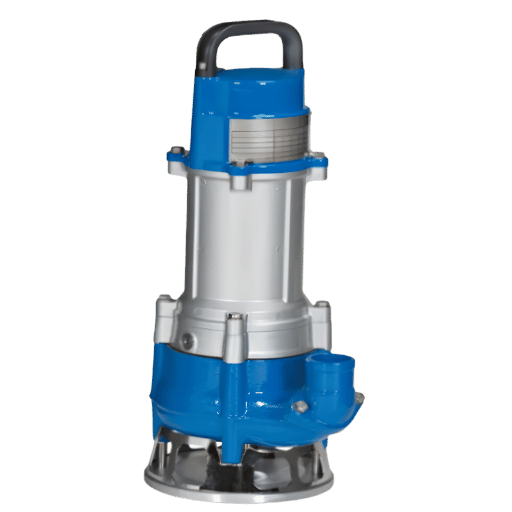
Before the table, one framing device. The Sludge Pump Maker Sourcing Quadrant sorts the field on two axes: reach (global major ↔ regional/specialist) and focus (broad generalist ↔ sludge/PD specialist). Global majors like Xylem, KSB and Grundfos give you breadth, a global service network and one-stop pump solutions; specialists like NETZSCH, SEEPEX, Vogelsang, Vaughan and Watson-Marlow give you a pump class built for one job. BBP sits deliberately in the middle, broad catalog, vertically integrated, mid-tier pricing. Read the table with your own duty point in mind.
| No. | Company Name | Founded | Brief Introduction | Main Products | Key Advantages | Potential Disadvantages | Official Website |
|---|---|---|---|---|---|---|---|
| 1 | BBP Manufacturing Co., Ltd. (BBP Manufacturing) | 1980s (exact year not publicly disclosed; ISO 9001 since 1990) | Vertically integrated Chinese industrial pump manufacturer running its own foundry, heat-treatment, machining, assembly and testing under one ISO 9001 system; 10 pump categories exported to 90+ countries. | Dedicated sludge pump line — AFEC submersible, SP horizontal centrifugal (ASTM A532 high-chrome) and WQ chopper; plus slurry, sand & dredge and sewage pumps. | Full vertical integration with in-house foundry; per-unit traceability; ISO 9001 + CE; published three-tier price bands (uncommon here); ~25-day standard lead time. | Smaller global installed base and brand recognition than legacy Tier-1 OEMs; export-from-China shipping can add ocean-freight transit to some regions. | https://bbpmfg.com |
| 2 | Xylem Inc. (Flygt, Godwin) | 2011 (Flygt pump heritage to early 1900s) | NYSE-listed global water-technology group (~US$8.6B revenue, 150+ countries); its Flygt and Godwin brands are among the most widely installed wastewater and sludge pump lines worldwide. | Flygt submersible sludge & non-clog pumps (BIBO, DS, Sludge 2630, N-Technology); Godwin Heidra hydraulic sludge pumps. | Dedicated sludge pump lines under two brands; 1M+ wastewater pumps installed; very large global service network. | Premium, quote-only pricing; no progressive-cavity/rotary-lobe lines for very high-solids sludge. | https://www.xylem.com |
| 3 | Sulzer Ltd (incl. ABS) | 1834 | Swiss fluid-engineering group; its Flow division and ABS brand serve municipal and industrial sludge and wastewater through a large global network. | JS/XJS submersible sludge pumps; PC progressive-cavity sludge/cake/dosing pumps; Muffin & Channel Monster grinders. | Dedicated “sludge pumps” category; ~190-year heritage; maintain-in-place PC design; AquaTronic rotation control. | Quote-only pricing; submersible sludge range tops out at mid-power, so larger duty needs the PC/slurry range. | https://www.sulzer.com |
| 4 | KSB SE & Co. KGaA | 1871 | German pump and valve manufacturer (16,000+ staff, 33+ plants, 100+ countries) with a strong municipal and industrial wastewater portfolio. | Amarex KRT & AmaRex Pro submersible sludge pumps (D-max impeller, solids to ~8%); Sewatec/Sewabloc solids-handling; LCC slurry (GIW). | 150+ years of hydraulic engineering; sludge-specific impellers; intelligent IE5 pumps with auto-deragging; global service. | Premium pricing; heavy slurry line runs through the US GIW subsidiary, so cross-region support can be more complex. | https://www.ksb.com |
| 5 | Grundfos | 1945 | Foundation-owned Danish manufacturer (~21,000 staff, 60+ countries) with one of the broadest wastewater/sludge ranges, from grinder pumps to municipal solids-handling. | SRG sludge recirculation, AP/APG and SEG grinder pumps; Yeomans/Chicago/Morris heavy-duty solids-handling (North America). | Very broad sludge range under one brand; smart AUTOADAPT controls; foundation ownership supports long-term R&D. | Premium pricing; the heavy-duty municipal sludge lines are mainly North-America-focused. | https://www.grundfos.com |
| 6 | The Gorman-Rupp Company | 1933 | NYSE-listed US manufacturer (~US$682M sales, 5,000+ pump models) focused on sewage, wastewater and solids handling, with packaged lift stations. | SludgeKat (HSK) hydraulic sludge pump; Super T / Ultra V / 10 Series self-priming solids-handling; submersible & lift-station systems. | Dedicated sludge line; single-source packaged systems; 90+ years; exports to 100+ countries. | Distributor-dependent pricing/service; centrifugal-heavy (no progressive-cavity or rotary-lobe). | https://www.gormanrupp.com |
| 7 | Tsurumi Manufacturing Co., Ltd. | 1924 | Japanese submersible-pump maker with 100+ years of production; covers the full wastewater chain from pumps to sludge dewatering presses. | B/C/MG/KRS2 submersible sewage & sludge pumps (digested sludge, grinder/chopper); JD/MD sludge dewatering presses. | Century-long heritage; explicit digested-sludge and chopper duty; FM-approved explosion-proof line. | Distributor-dependent service; US sludge dewatering presses are dual-branded with Esmil. | https://www.tsurumipump.com |
| 8 | Ebara Corporation | 1912 | Japanese industrial-machinery group (~21,000 staff, 100+ locations) supplying pumps for water, sewage and industrial slurry across global infrastructure. | SAL high-chrome slurry pumps (wastewater, paper); DSC/DSZ submersible sewage; VL/VS mixed-flow drainage pumps. | 110+ years of manufacturing; high-chrome wear materials; large vertically integrated global group. | English catalog foregrounds industrial slurry/sewage rather than a dedicated “sludge pump” category; service can be Asia-centric in some regions. | https://www.ebara.com |
| 9 | Weir Minerals (Warman) | 1871 (Warman brand est. 1938) | UK mining-technology group whose Warman centrifugal slurry-pump range is a global benchmark for abrasive, high-solids and tailings duty. | Warman SHW / SHW-XTR submersible (rated for clarifier sludge, thickener drain), AH/WBH horizontal slurry, GEHO PD pumps. | Longest continuous slurry-pump heritage; proprietary high-chrome and rubber wear materials; global service centres. | Focus is mining/mineral processing, not municipal sewage sludge; premium OEM, quote-only pricing. | https://www.global.weir |
| 10 | Flowserve Corporation | 1997 (legacy brands to 1790) | NYSE-listed US flow-control major (16,000+ staff, 50+ countries); its Worthington solids-handling pumps target sewage and suspended-solids service. | Worthington MN/MNV and MF/MFV solids-handling pumps (3–72 in discharge, immersible options); SIHI process pumps. | One of the broadest solids-handling ranges in the industry; 14-day immersible design; global Quick Response Center service. | Premium, quote-only pricing; sludge/sewage is one segment within a very broad pump/valve/seal portfolio. | https://www.flowserve.com |
| 11 | WILO SE | 1872 | German pump group (~9,000 staff, 40 sites); its Wilo-EMU range covers municipal sewage and sludge alongside building-services pumps. | Wilo-Rexa SOLID-Q (sewage, sludge and sludge liquor), Wilo-EMU FA submersible sewage, EMU TRE sludge mixers. | Smart Nexos self-cleaning/blockage detection; IE5 motor efficiency; 150+ years; global manufacturing. | Core brand is strongest in building services and clean water; the dedicated sludge range is narrower than sludge-only specialists. | https://www.wilo.com |
| 12 | NETZSCH Pumps & Systems | 1873 | Family-owned German maker; one of the world’s leading suppliers of progressive-cavity and rotary-lobe pumps for sludge handling. | NEMO progressive-cavity sludge pumps (FSIP service-in-place; BF with aBP-Module for sludge cake to ~35% DS); TORNADO rotary-lobe; N.Mac grinders. | Service-in-place design cuts maintenance time up to 66%; handles high-solids sludge cake; full sludge-process coverage. | Elastomer stator is a wear consumable in abrasive sludge; premium, quote-only pricing. | https://www.netzsch.com |
| 13 | SEEPEX GmbH | 1972 | German progressive-cavity pump specialist (~800 staff, 70+ countries; part of Ingersoll Rand since 2021) with a dedicated sludge technology line. | BN and T/BT open-hopper PC sludge pumps (to ~45% dry solids), SCT split-stator, SAI long-distance sludge transport, MAC macerators. | Dedicated sludge pumps; up to ~45% dry solids; SCT cuts rotor/stator replacement time up to 85%. | Rotor/stator are wear consumables; premium specialist pricing; service is distributor-dependent in some markets. | https://www.seepex.com |
| 14 | Vogelsang GmbH & Co. KG | 1929 | German rotary-lobe pump and macerator manufacturer (1,300+ staff, 50+ countries) with a strong municipal wastewater and sludge focus. | VX/IQ rotary-lobe sludge pumps (primary, secondary, digested and sewage sludge); RotaCut macerators; XRipper grinders. | Patented HiFlo lobes for low-pulsation transfer; QuickService in-place maintenance; high foreign-matter resistance. | Premium positive-displacement pricing; no centrifugal/submersible sludge options; distributor-dependent in some countries. | https://www.vogelsang.info |
| 15 | Vaughan Company | 1960 | US family-owned manufacturer that invented the chopper pump in 1960; 65+ years focused on chopping and moving solids-laden sludge. | Chopper pumps (submersible, dry-well, vertical, self-priming); Rotamix sludge-tank mixing; Conditioning Pump; Triton screw-centrifugal pumps. | Chopper-pump category inventor and leader; US-made with a large spare-parts inventory; abrasion-resistant alloys. | Specialized in chopper/centrifugal designs only (no PC or rotary-lobe); rep/distributor sales, quote-only pricing. | https://www.chopperpumps.com |
| 16 | EDDY Pump Corporation | 1984 | US manufacturer of slurry/sludge and dredge pumps built around a patented eddy-current rotor for very high-solids, abrasive media. | 1–12 in slurry/sludge pumps (40–70% solids), self-priming and excavator/dredge pumps, booster pumps, Navy CHT systems. | Non-clog eddy-current design for very high solids; 100% US-made and vertically integrated; documented Navy and mining deployments. | Single proprietary technology (no centrifugal/PC/lobe options); quote-only; international service can be slower. | https://www.eddypump.com |
| 17 | Atlas Copco AB (WEDA) | 1873 | Swedish industrial group operating in ~180 countries; its Power Technique division markets the WEDA submersible sludge and dewatering pump range. | WEDA S submersible sludge pumps, WEDA L slurry pumps, WEDA D dewatering pumps. | High-chrome cast-iron vortex impeller for abrasive sludge; dry-running capable; optional integrated starter with motor protection. | Sludge range tops out at mid-flow, so high-volume duty needs other pump types; distributor-dependent pricing/service. | https://www.atlascopco.com |
| 18 | Hidrostal AG | 1967 (screw-centrifugal impeller patented 1961) | Swiss manufacturer that invented the screw-centrifugal impeller; supplies pumps for sludge, return activated sludge and high-solids wastewater in 100+ countries. | Bearing-frame and submersible screw-centrifugal pumps (digested sludge, RAS); HidroMix sludge-tank mixing; FreeFlow non-clog technology. | Gentle, non-clog screw-centrifugal hydraulics for gassy, solids-laden sludge; in-house foundry; proven WWTP installations. | Centrifugal variant — less suited to very high dry-solids cake (>15% DS) than positive-displacement pumps; premium Swiss pricing. | https://www.hidrostal.com |
| 19 | Watson-Marlow Fluid Technology (Bredel) | 1956 | UK peristaltic-pump world leader (part of Spirax Group); its Bredel hose pumps are widely specified for sludge transfer, feed and dosing. | Bredel hose (peristaltic) pumps for primary/thickened sludge, digester/centrifuge/belt-press feed and WAS/RAS; Qdos dosing pumps. | Sealless design with a single wear part (the hose); reversible and dry-running; handles up to 80% solids in suspension; NSF/ANSI 61 certified. | Flow ceiling (~108 m³/h per pump) means high-volume duty needs multiple units; the hose is a recurring consumable. | https://www.wmfts.com |
| 20 | Pemo Pumps (Perissinotto S.p.A.) | 1947 | Italian centrifugal-pump manufacturer specializing in abrasive, corrosive and high-solids sewage-sludge and filter-press duty for mining, ceramics and wastewater. | Sewage-sludge and filter-press centrifugal pumps (40+ models, up to 20 bar); multi-stage pumps; vertical, horizontal and submersible slurry pumps. | 100% in-house Italian design and build; side-suction architecture reduces seal wear on sludge duty; hard PEMO alloy (750–800 HB) wet ends. | Limited published specifications online; custom/project lead times not published; service is distributor-dependent outside core markets. | https://www.pemopumps.com |
Founding years and product lines were verified against each company’s official website; where a year isn’t publicly stated, the table says so. Official URLs are shown as plain text for reference, not as endorsements.
Sludge Pump Types and the Makers That Specialize in Each
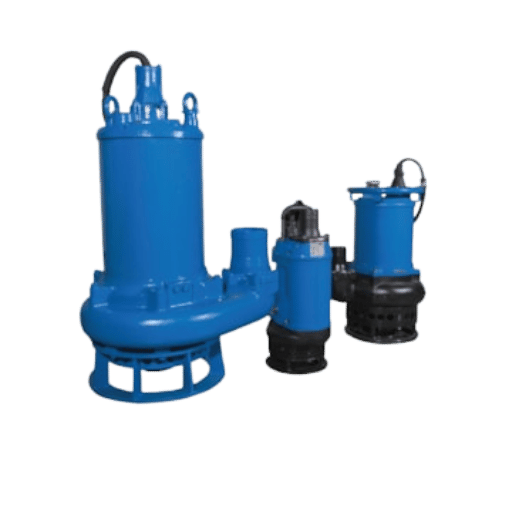
“Sludge pump” is a job description, not a single machine. Six pump classes do that job, and most of the 20 manufacturers above are strong in one or two of them, not all six. The 6-Class Sludge Pump Technology Spectrum maps each class to the solids it suits and the makers that lead it.
| Pump class | Best for | Example makers (from the 20) |
|---|---|---|
| Submersible / horizontal centrifugal non-clog | Thin sludge, <8% solids; RAS, lift stations | Xylem, KSB, Grundfos, Wilo, Tsurumi, Hidrostal, BBP |
| Chopper | Rag-laden, fibrous influent | Vaughan, Gorman-Rupp, Tsurumi |
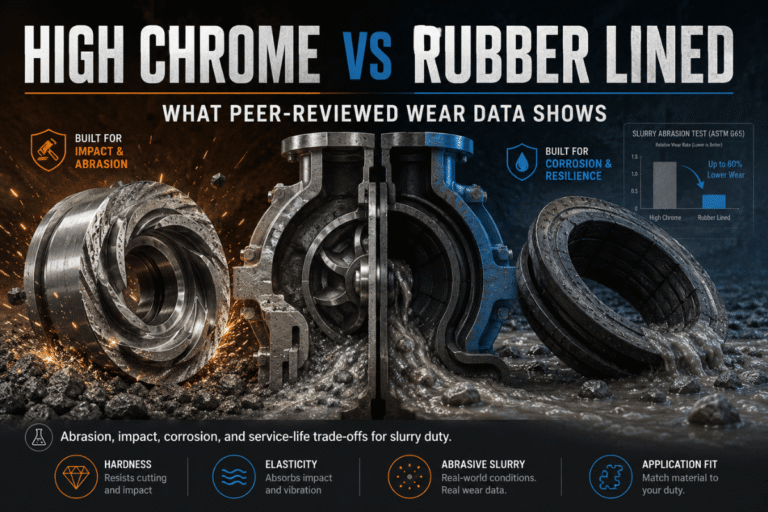
| Heavy-duty slurry (high-chrome) | Abrasive tailings, mineral sludge, 20–70% solids | Weir/Warman, EDDY, Ebara, BBP, Atlas Copco |
| Progressive cavity | Thick, viscous sludge & cake to ~45% DS; dosing | NETZSCH, SEEPEX, Sulzer |
| Rotary lobe | Primary/digested sludge, in-place service | Vogelsang, NETZSCH |
| Peristaltic (hose) | Abrasive/shear-sensitive sludge, accurate dosing, to 80% solids in suspension | Watson-Marlow (Bredel) |
The dividing line between centrifugal and positive-displacement is real and measurable: industry and EPA guidance hold that centrifugal pumps handle raw or digested solutions up to roughly 6–8% solids (sources vary), provided their NPSH is adequate. Above that range, progressive-cavity, rotary-lobe and peristaltic pumps take over. BBP, for instance, splits its own sludge pump line across submersible (AFEC), centrifugal (SP) and chopper (WQ) classes to cover that spread. Innovation is concentrated at the messy end: chopper and grinder impellers have drawn decades of patented design work aimed squarely at non-clog solids handling.
📐 Engineering Note
Wet-end metallurgy is the first-order choice, not an afterthought. For abrasive sludge and tailings, high-chrome white iron to ASTM A532 Class III (Brinell ~700) is the wear-resistant baseline for long-term durability; CD4MCu duplex stainless handles corrosive/acidic sludge; 316L suits food and pharmaceutical waste. Performance is normally accepted to ISO 9906 hydraulic test grades. Match the alloy to your abrasion and pH before you compare price.
How to Choose a Sludge Pump Manufacturer
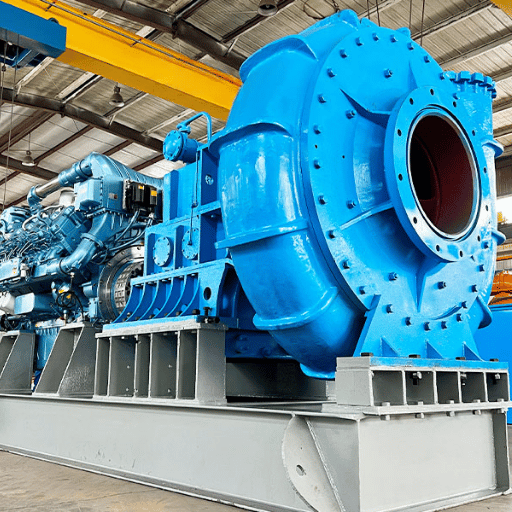
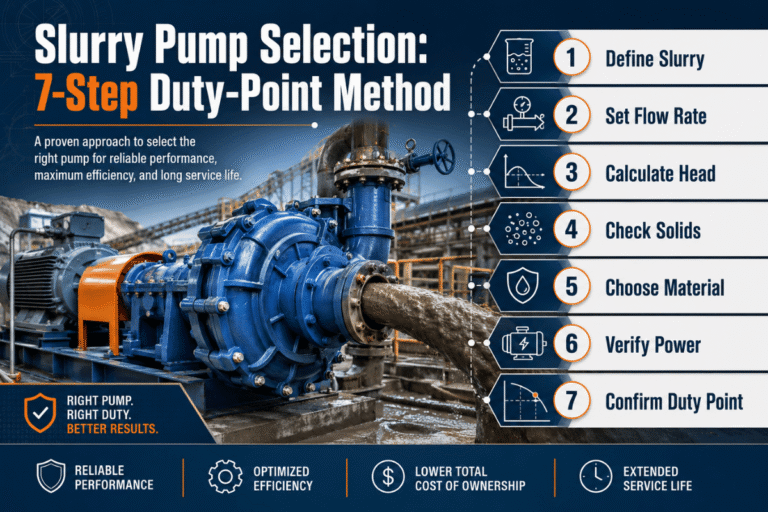
The best supplier depend less on brand prestige than on matching the pump class to how your sludge actually behaves, its solids content, abrasiveness and viscosity. The Solids-Percent Sludge Pump Match Method below turns the 20-name shortlist into a focused decision in four practical steps.
Solids-Percent Sludge Pump Match Method
- Thin sludge under ~8–12% solids → submersible or horizontal centrifugal non-clog (Xylem Flygt, KSB Amarex, Grundfos, Wilo, Tsurumi, Hidrostal, BBP).
- Rag-laden or fibrous influent → chopper or grinder pumps that cut solids at the intake (Vaughan, Gorman-Rupp).
- Abrasive mining tailings or high-solids slurry → heavy-duty high-chrome slurry pumps (Weir Warman, EDDY, BBP slurry pumps, Ebara SAL).
- Thick, viscous, high-dry-solids cake or precise dosing → positive-displacement pumps: progressive cavity, rotary lobe or peristaltic (NETZSCH, SEEPEX, Vogelsang, Watson-Marlow Bredel).
What is the best pump for sludge?
There’s no single best pump for sludge, the right answer depend on solids content, abrasiveness and viscosity. For thin biological sludge below roughly 6–8% solids, a non-clog centrifugal or submersible pump is usually the most economical choice. For rag-heavy municipal influent, a chopper pump cut solids at the intake.
For abrasive mining tailings, a high-chrome slurry pump resists wear, and for thick dewatered cake or high-viscosity sludge, positive-displacement pumps move material that would stall a centrifugal. Industry practitioners commonly report that switching the pump classnot just buying a bigger centrifugal, is what fixes chronic clogging and seal wear.
After pump class, weigh wet-end metallurgy against your abrasion and corrosion profile, spare-parts logistics and lead time, local service coverage, and total cost of ownership. Purchase price is the smallest part of the bill: a Hydraulic Institute life-cycle cost analysis attributes roughly 40% of a pump’s lifetime cost to energy and 25% to maintenance, with capital a minority share, corroborated by the US Department of Energy’s pumping-system LCC guide. A cheaper pump that wears fast or runs off its efficiency point usually costs more over a 10-year horizon.
Sludge Pump Pricing, Lead Times and Procurement
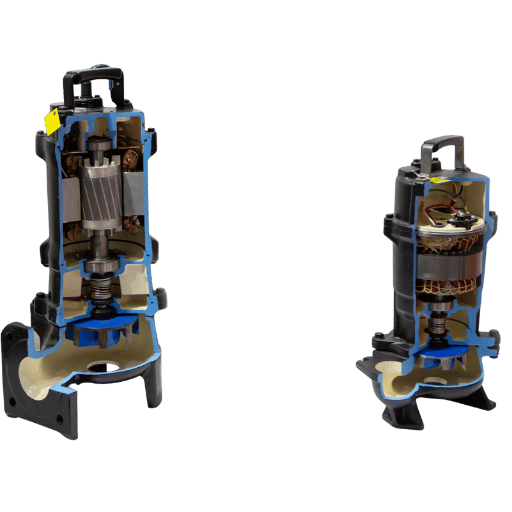
Most sludge pump manufacturers quote per project rather than publishing prices, which makes apples-to-apples comparison slow. As one published reference point, BBP lists sludge pump price bands from roughly US$2,500 for small grey-iron units up to US$45,000+ for large duplex-stainless, high-flow models, with standard lead times around four to eight weeks ex-works.
$2.5k–$45k+
Published price band (BBP, EXW)
~6–8%
Solids ceiling for centrifugal
~65%
Energy + maintenance share of lifecycle cost
One useful discipline: ask each shortlisted manufacturer for a head-to-head benchmark against a model you already know. BBP, for instance, publishes a benchmark rating its SP-200 at 520 GPM and 140 ft head against a comparable competitor submersible model, the kind of like-for-like number that cuts through marketing claims.
“We tested fourteen impeller geometries against high-abrasion tailings before settling on the A532 Class III wet-end paired with a duplex liner. It is the only configuration that passed our accelerated-wear bench test without measurable shaft vibration shift.”
BBP Engineering Team, Sludge & Slurry Product Line
When you reach the quoting stage, BBP’s sludge pump selector and total-cost-of-ownership calculator let you size and cost a unit against your own flow, head and fluid data.
Industry Outlook: The Sludge Pump Market Through 2032
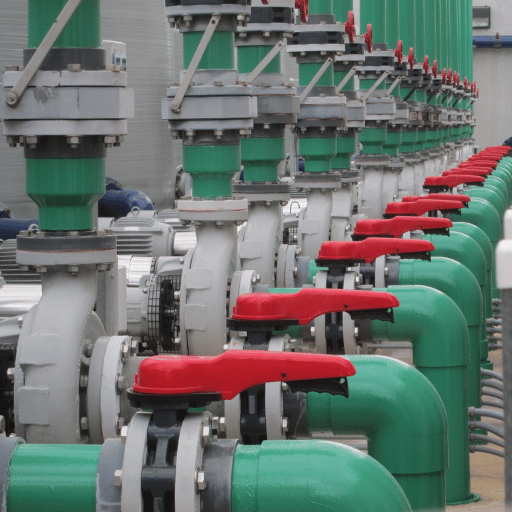
Demand for sludge pumps is set to grow through the rest of the decade. Recent market-research estimates value the global sludge pump market at roughly US$3.26 billion in 2025, rising to about US$5.7 billion by 2032, a compound annual growth rate near 8.3% — while the broader water and wastewater pump market is forecast to climb from about US$11.7 billion to US$15.69 billion over the same window. Rising biosolids volumes, U.S. treatment plants produce millions of dry tons of biosolids a year, managed under tightening EPA Part 503 oversight, keep that demand structural rather than cyclical.
Three shifts should shape your 2026 shortlist. First, energy efficiency: IE5 motors and VFD-ready hydraulics (KSB AmaRex Pro, Wilo’s Nexos line) directly attack the ~40% energy share of lifecycle cost. Second, smart non-clog: self-cleaning controls and IoT condition monitoring are moving from premium option to baseline expectation. Third, continued innovation in solids handling, visible in active patenting around chopper and grinder impellers. The practical takeaway: specify an energy-efficient, VFD-ready, monitoring-capable pump now, because the makers that lead on those features are the ones whose total cost of ownership will look best by 2032.
Frequently Asked Questions
What is a sludge pump?
View Answer
A sludge pump is a pump built to move thick, semi-solid, solids-laden liquid that would clog or quickly wear an ordinary water pump. It handles media such as wastewater biosolids, primary and digested sludge, and dewatered cake, typically in the 2–30% solids range. Unlike a clean-water pump, it is engineered around solids passage, abrasion resistance and clog-free flow paths. Common designs include submersible non-clog, chopper, slurry, progressive-cavity, rotary-lobe and peristaltic pumps.
What is the difference between a sludge pump and a slurry pump?
View Answer
A sludge pump moves organic semi-solids at roughly 2–30% solids, such as wastewater sludge, with low-to-medium abrasion. A slurry pump moves mineral solids at far higher concentrations (often 20–70%) with severe abrasion, such as mining tailings. Their impeller and wet-end designs differ, so the two are not interchangeable: running a slurry pump on thin wastewater, or a sludge pump on abrasive tailings, wears it out prematurely.
Who are the largest sludge pump manufacturers?
View Answer
Among the largest global manufacturers whose pumps are widely used in sludge and wastewater duty are Xylem (Flygt and Godwin), Grundfos, KSB, Sulzer, Flowserve, Wilo and Ebara — all multi-billion-dollar or long-established engineering groups. In positive-displacement sludge pumps, the recognized specialists include NETZSCH, SEEPEX, Vogelsang and Watson-Marlow, while Weir Minerals (Warman) leads the heavy-duty mining-slurry segment. Size alone, though, is no guarantee of the best fit for a particular duty point.
What type of pump is best for sludge?
View Answer
It depends on the sludge. Thin sludge suits non-clog centrifugal pumps, rag-laden influent suits chopper pumps, and abrasive mining tailings suit high-chrome slurry pumps. For thick, high-viscosity or shear-sensitive sludge, positive-displacement pumps — progressive-cavity, rotary-lobe or peristaltic — move material that a centrifugal would stall on.
How long do sludge pumps last?
View Answer
Service life depends on duty cycle, fluid abrasiveness and maintenance. Mainline sludge duty commonly shows mean time between failures in the 8,000–12,000-hour range, with wear-resistant high-chrome wet ends extending that in abrasive service. Condition-based monitoring usually adds further time.
How much does a sludge pump cost?
View Answer
Prices vary widely by size, materials and technology, and most makers quote per project rather than publishing list prices. As a published reference, BBP lists sludge pump bands from about US$2,500 for small grey-iron units up to US$45,000+ for large duplex-stainless models.
References & Sources
- Basic Information about Sewage Sludge and BiosolidsUS Environmental Protection Agency (40 CFR Part 503)
- Pump Lifecycle Cost AnalysisHydraulic Institute (pumps.org)
- Going with the Flow: Life Cycle Costing for Industrial Pumping SystemsUS Department of Energy (OSTI)
- ISO 9906, Hydraulic performance acceptance tests, Grades 1, 2 and 3International Organization for Standardization
- Sludge Handling 101Pumps & Systems
Why We Published This Sludge Pump Comparison
As a sludge and slurry pump manufacturer, BBP competes with many of the companies on this list. We still chose to publish a fair roundup, including an honest “potential disadvantages” column for every maker, ourselves included, because buyers told us existing lists read like brochures. The pricing bands and the SP-200 versus Sulzer XJS 110 benchmark above come from our own published data and bid records. Reviewed by the BBP Manufacturing Co., Ltd. technical team.