Get in Touch with BBP

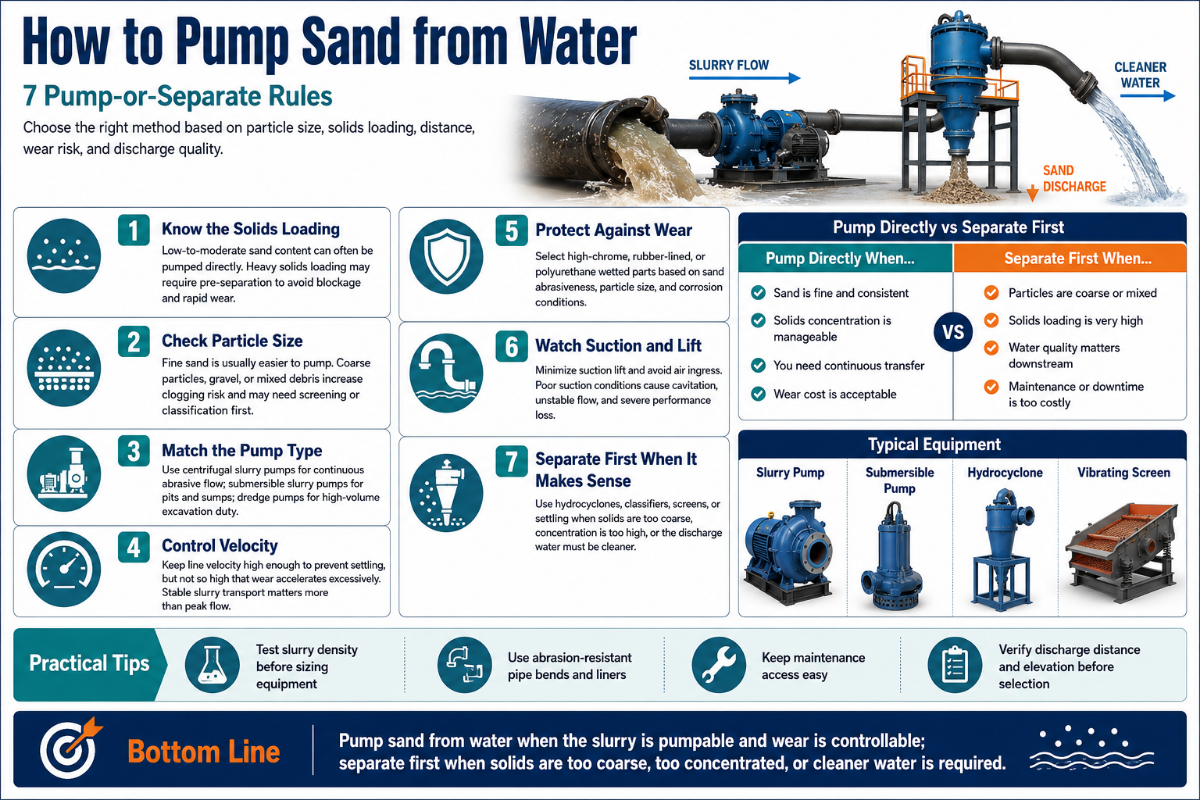
Learning how to pump sand from water starts with one rule: sand moves safely only when the job is treated as slurry. Clean-water pumps can survive a little grit, but they are the wrong tool for steady sand, silt, gravel, or dredged sediment.
Water can carry sand, but that answer is not enough. Your real choice is whether to pump the mixture, separate the solids first, dredge the material in place, or stop and fix the source of sand. That choice depends on solids percent, particle size, hose length, head, intake position, and the wear parts inside the pump.
Quick Specs
- Material being moved: sand, silt, grit, gravel, or sediment mixed with water.
- Normal water pump: acceptable only for trace sand, not sustained abrasive solids.
- Safer industrial choices: slurry pump, sand suction pump, submersible dredge pump, or dredge pump.
- Key sizing inputs: particle size, solids concentration, gpm or m3/h, total dynamic head, pipe length, pump material, and seal plan.
- Industrial next step: review industrial sand dredge pump specifications before asking for a duty-point quote.
Can You Pump Sand from Water? Start With Solids Percent and Particle Size
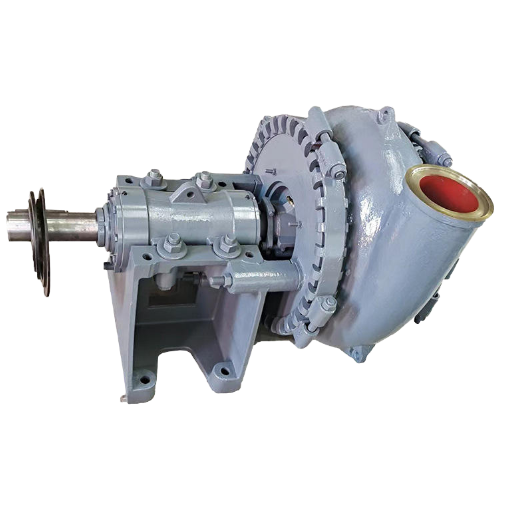
Yes, you can pump sand and water together, but the pump must be selected for a moving slurry. Sand that looks harmless in a bucket becomes abrasive once it passes through an impeller, casing, seal area, and discharge hose at speed. Fine sand can also behave differently from coarse sand: it may stay suspended longer, while heavier grains settle and create plugs when velocity drops.
USGS sediment guidance supports this basic split: sand tends to settle at lower flow velocity, while finer silt and clay remain suspended longer. That is why a pump setup that moves cloudy water may still fail when visible sand builds at the intake or in a low spot in the hose.
| What You See | Likely Job Type | First Decision |
|---|---|---|
| A few grains or grit after water sits | Water-quality or well issue | Test the water and protect the pump from grit. |
| Visible fine sand in well water | Separator/filter plus source check | Inspect well screen, pump depth, and treatment options. |
| Wet sand pile, pond sediment, or channel bottom material | Slurry or dredging job | Use a solids-handling slurry or dredge pump. |
| Coarse sand, gravel, or cobbles | Heavy solids transfer | Confirm particle passage and wear material before running. |
Can a water pump pump sand?
Most water pumps can pass a small amount of sand by accident. They should not be assigned a steady sand job unless the manufacturer rates them for abrasive solids. Once abrasive particles scour the casing, widen clearances, damage the impeller, and reduce flow, the pump may overheat or lose prime before the operator sees a clean warning sign.
Key takeaway: If sand is part of the work, size the pump as a slurry pump job. If sand is a contaminant in drinking water, treat it as a water-quality and well-condition problem first.
The 4-Failure Solids Path Ladder: Pump, Separate, Dredge, or Stop
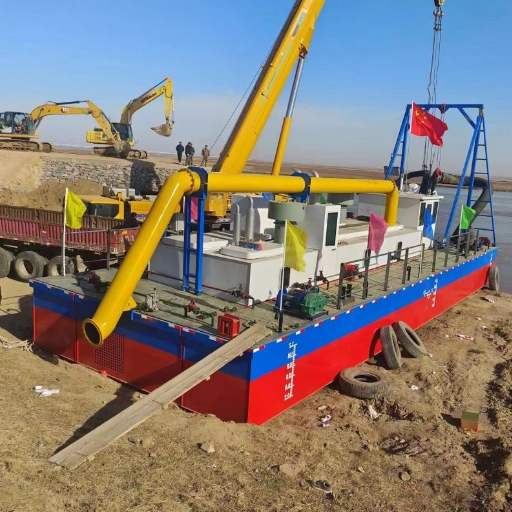
Choosing the wrong equipment often starts with asking for “a pump that handles sand” without naming the failure path. Use the 4-Failure Solids Path Ladder before buying: first decide whether the material should be filtered, pumped as slurry, dredged in place, or investigated because the sand should not be there.
EPA dredging guidance defines dredging as removing sediment from the bottom of lakes, rivers, harbors, and other water bodies, with materials that can include gravel, coarse sand, fine sand, silt, clay, and mixtures. That wording matters: the pump is not moving dry sand. It is moving a controlled mixture with enough water, velocity, and passage area to keep solids from packing the line.
| Scenario | Best Method | Why Clean-Water Pumps Fail | Industrial Next Step |
|---|---|---|---|
| Trace grit after settling | Test, screen, or filter | A bigger pump does not fix the source. | Use water testing and separator guidance. |
| Fine sand in well water | Separator plus well inspection | Sand returns as long as the well source remains open. | Inspect well casing, screen, and pump depth. |
| Wet sand in a sump or pit | Submersible slurry pump | Small passages and light seals wear fast. | Shortlist a submersible slurry pump. |
| Sand and gravel in a pond, river, or lagoon | Dredge or gravel pump | Solids pack in the intake or erode the wet end. | Compare a gravel pump with a dredge pump. |
| Long discharge pipeline | Engineered slurry line | Velocity loss lets sand settle in bends and low spots. | Calculate head, pipe friction, and solids load. |
| Coarse abrasive material | Heavy-duty slurry pump | Light casings lose clearance and efficiency. | Review a heavy-duty slurry pump. |
| Unknown chemical or drinking-water concern | Stop and test | Pumping can spread a problem instead of solving it. | Use certified water testing before equipment changes. |
Key takeaway: The right path is controlled by the failure mode. Settling, abrasion, clogging, and water-quality risk each point to a different answer.
Choose the Right Pump Type: Trash, Slurry, Submersible, or Dredge Pump
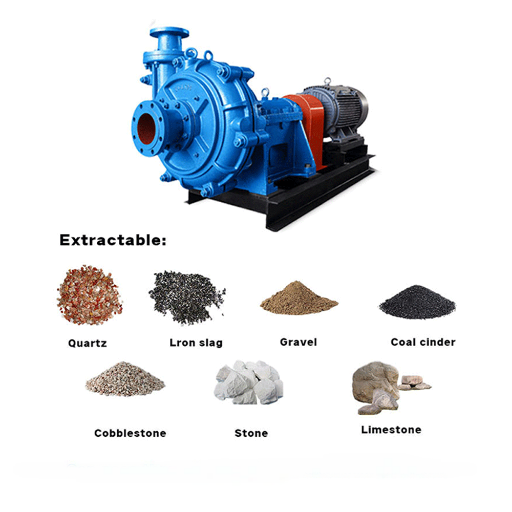
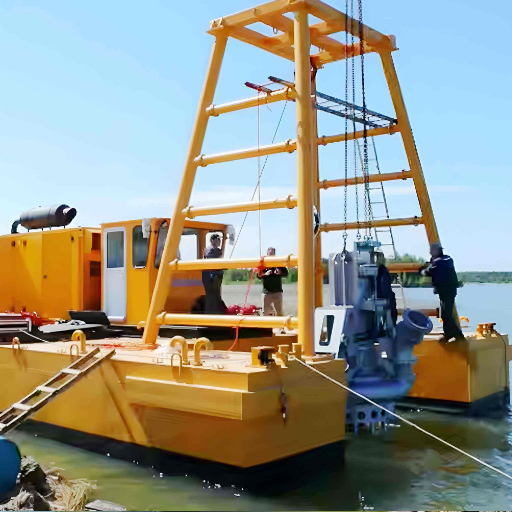
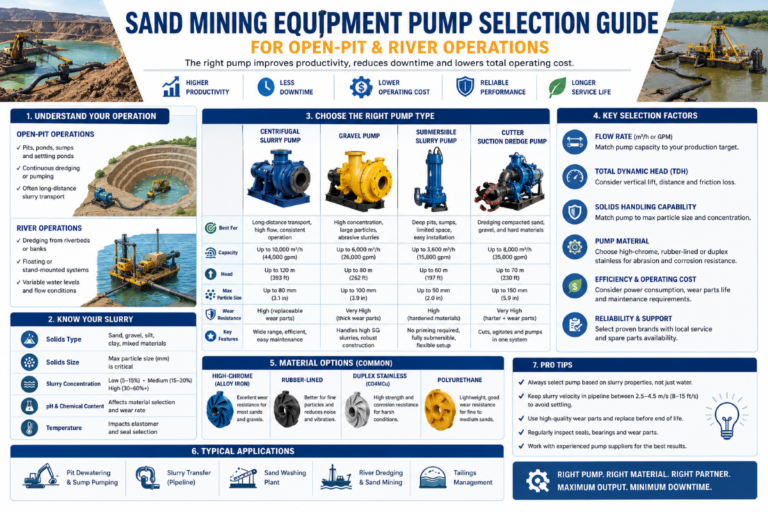
Pump names can be misleading. Trash pumps may pass debris, yet that does not mean they are built for continuous abrasive sand. Slurry pumps are built around solids, wear material, and duty point. Dredge pumps add the intake, cutter, ladder, or suction arrangement needed to remove sediment from a bottom surface.
| Pump Type | Use It When | Watch Point |
|---|---|---|
| Trash pump | Water has leaves, soft debris, and occasional grit. | Check whether abrasive sand is allowed before using a trash pump. |
| Slurry pump | Sand particles are expected, not accidental. | Confirm impeller, liner, seal, and solids concentration. |
| Submersible slurry pump | The intake must sit in a pit, pond, tank, or flooded excavation. | Cable protection, agitator needs, and solids passage control uptime. |
| Sand suction pump | The job is to draw sand-water slurry through a suction line. | Suction lift and NPSH can limit performance. |
| Dredge pump | Sediment must be removed from a bottom surface and moved through pipe. | Confirm duty point, particle size, pipeline route, and wear metal. |
What can I use to pump sand?
Short, wet, abrasive jobs usually start with a slurry pump or submersible slurry pump. River, pond, mining, tailings, and dredging work usually starts with a dredge pump or sand suction pump, followed by a duty-data review with the supplier. If solids include gravel, cobbles, or oversize debris, ask about particle passage before discussing motor power.
Key takeaway: Do not choose by horsepower first. Choose by solids path, particle passage, wear material, and the required flow/head point.
How to Set Up the Hose, Intake, and Nozzle Without Clogging
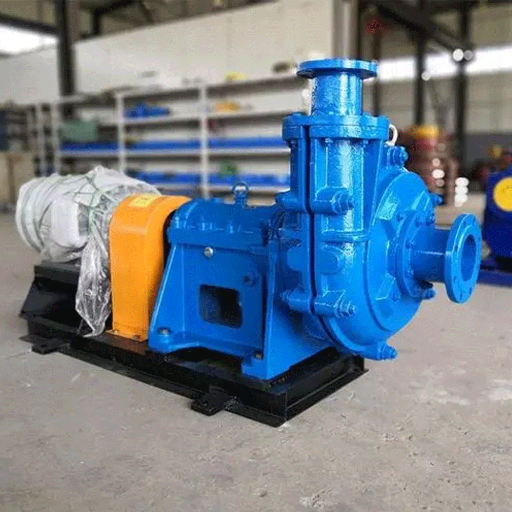
Even the right pump can clog when the intake eats a pile of settled sand faster than water can carry it. Slurry needs movement; when the intake sits directly against packed sand, the hose can choke before the pump reaches its intended flow.
- Keep the intake from sealing flat against the bottom. Leaving a small gap lets water enter with the sand.
- Use agitation only when the pump and downstream pipe can pass the stirred material.
- Limit sharp 90-degree bends. Each bend adds loss and gives sand a place to settle.
- Do not rely on a fine strainer in front of a sand job. It can blind quickly.
- Match hose or pipe diameter to the solids path. Undersized line raises friction and plugging risk.
- Treat temporary pvc pipe as a light-duty water path unless its pressure, abrasion, and joint limits are checked for slurry service.
- Flush with water before shutdown so the pipe is not parked full of sand.
- For temporary dewatering where solids are not the main product, compare the duty with a drainage pump instead of forcing dredging equipment into a cleanout role.
How to extract sand from water?
Loose settled sand needs controlled water, suspension, and a solids-rated path before it reaches the impeller. Drinking water or process water where sand is a contaminant needs testing first, then settling, centrifugal separation, or filtration. Those two jobs sound similar, but one moves solids and the other removes them.
Field warning: In well and groundwater discussions, users often report that adding more water alone does not solve clogging. The intake, screen slot, filter pack, and discharge path still need to fit the sediment size.
When Filtering or Separating Sand Works Better Than Pumping
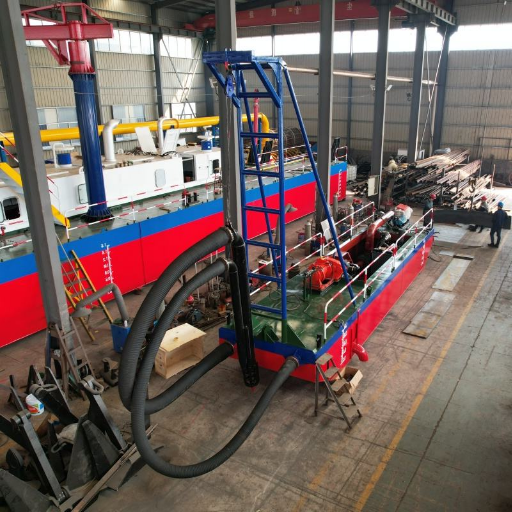
If the goal is clean water, do not jump straight to a dredge pump. Sand in well water can point to a screen, casing, pump-depth, or aquifer problem. It can also be a drinking-water testing issue, especially when the water has a new taste, odor, color, or visible sediment.
EPA notes that private well owners are responsible for protecting their drinking water and recommends annual private-well testing for total coliform bacteria, nitrates, total dissolved solids, and pH. CDC guidance on treating well water says contaminated water should not be consumed until treated. Those sources support a clear boundary: household well water with sand is not solved by buying a larger pump.
Ground Water, New Well, and Sand and Sediment Checks
In a new well, ask the well driller whether the screen, filter pack, and pump intake match the local sand and silt. If sand in your well water appears after a pump change, a drop in water pressure, or a change near the bottom of the well, the water system may need inspection before sediment filters or water treatment equipment are selected. That small pause keeps a pump purchase from hiding the real water supply issue.
| Goal | Better First Tool | Why |
|---|---|---|
| Clean drinking water | Certified water test | The health question comes before pump selection. |
| Remove sand after well pump | Separator or settling tank | The pump keeps water moving while the device removes particles. |
| Drain muddy wastewater | Sludge pump or slurry pump review | Solids load and viscosity may exceed a drainage pump. |
| Move collected sand to another location | Slurry or dredge pump | The sand is the material being transported. |
Key takeaway: Filtering removes sand from water. Pumping sand moves a water-sand mixture. Mixing those goals causes clogged filters, damaged pumps, and poor water decisions.
Sizing Checklist: GPM, Head, Solids, Pipe Length, and Wear Parts
No supplier can size a sand slurry pump from gpm alone. Water flow tells only part of the story. During operation, the pump also sees solids concentration, particle size, particle hardness, pipe length, vertical lift, bends, duty hours, and how often the line starts and stops.
Hydraulic Institute guidance ties slurry properties to specific gravity, wear, and material selection. PIA’s handbook excerpt also notes that d50 and maximum particle size belong in slurry selection data. Put plainly, particle size plus solids concentration matters more than water flow alone.
RFQ Inputs to Collect
- Flow: gpm or m3/h at the discharge point.
- Total dynamic head: static lift + pipe friction + discharge pressure allowance.
- Pipe route: diameter, length, vertical lift, number of bends, and material.
- Solids: percent by weight or volume, d50 if known, and maximum particle size.
- Liquid: water, seawater, process water, pH range, and temperature.
- Wear parts: hard metal, rubber lining, seal type, and planned spare parts.
- Drive: electric, diesel, hydraulic, or excavator-mounted power.
- Run pattern: duty hours per day, starts per shift, and shutdown flushing plan.
| Specification Type | Duty Data to Write Down | Why the Number Changes the Pump Choice |
|---|---|---|
| Flow type | Use the project duty point, then compare it with the published BBP range only after conversion. | Too much flow can pull extra sand; too little flow lets solids settle. |
| Head type | Record static lift and total dynamic head in m; BBP’s page lists head ranges from 7 m to 96 m across the relevant series. | Head changes motor load, impeller choice, and whether a single pump is enough. |
| Pipe-route type | Map actual pipe distance, such as 25 m, 100 m, or 500 m, instead of saying “a long hose.” | Longer routes raise friction and give sand more chances to settle. |
| Vertical-lift type | Separate vertical lift from pipe length; note values such as 5 m, 20 m, or 60 m when comparing options. | Lift affects suction condition, discharge pressure, and cavitation margin. |
| Pipe-diameter type | List the pipe or hose bore, such as 50 mm, 100 mm, or 200 mm. | Diameter sets velocity; velocity controls whether sand remains suspended. |
| Particle type | Provide d50 if known and maximum particle examples such as 2 mm, 25 mm, or 80 mm. | Particle size determines passage, liner choice, and impeller clearance. |
| Solids-concentration type | State whether the mixture is closer to 5%, 15%, or 30% solids by weight or volume. | Concentration changes slurry density, wear, and power draw. |
| Material type | Flag fine particles below 6 mm when rubber lining is under review, and flag coarse abrasive sand for hard-metal wet ends. | Material choice controls erosion life and maintenance intervals. |
| Drive type | Give available power or target drive sizes, such as 15 kW, 75 kW, or 250 kW. | Drive choice changes starting torque, site power, and service access. |
| Seal-flush type | If a flush plan is required, record available clean-water pressure such as 20 psi or 40 psi. | Seal protection can decide whether the pump survives abrasive grit. |
Engineering Note: In slurry duty, total dynamic head is not just vertical lift. It includes pipe friction, bend losses, discharge pressure, and the effect of solids on pump performance. Ask whether the proposed duty point is based on clear-water curves with correction or on slurry-tested data. On rotodynamic pumps, ISO 9906 hydraulic performance testing can be part of the acceptance discussion.
Standards and site-safety boundary: ISO 9906, ISO 9001, ISO 14001, and ISO 45001 answer different questions, so do not treat a certificate list as proof that a pump fits a slurry project. Ask for the ISO 9906 test basis, then keep the installation plan separate. If the deployment puts workers in a pit, tank, wet well, trench, or excavation, OSHA confined-space guidance and OSHA trenching guidance can affect access, ventilation, rescue, shoring, and the baseline work method before the pump is installed.
BBP publishes AMG and AWN sand dredge pump ranges that span 36-14,000 m3/h across the listed series, with published head ranges from 7-96 m depending on model family. Its product page also lists high-chromium/Ni-Hard wet parts above 58 HRC and ISO 9906 hydraulic performance testing. The AMG rows list solids passage from 82 mm to 241 mm, while route drawings should flag whether the discharge run is closer to 100 m or 500 m. Because the product page has conflicting particle-size values, confirm maximum particle passage on the quotation sheet instead of relying on a single page number.
Project scenario: a contractor moving sand through 100 m of pipe with 20 m of lift has a different throughput risk than a maintenance crew flushing a 25 m hose from a shallow sump. The first installation needs a duty-point review and wear-parts baseline; the second may only need a short deployment plan, a flush routine, and a clear stop point.
Horizontal installations can be checked against a horizontal slurry pump. In sumps, pits, or vertical tanks, a vertical slurry pump may be a better mechanical fit.
Key takeaway: A good RFQ says what the pump must move, where it must move it, and how long the wear parts must survive.
Failure Signs: Wear, Cavitation, Grit, and Lost Flow
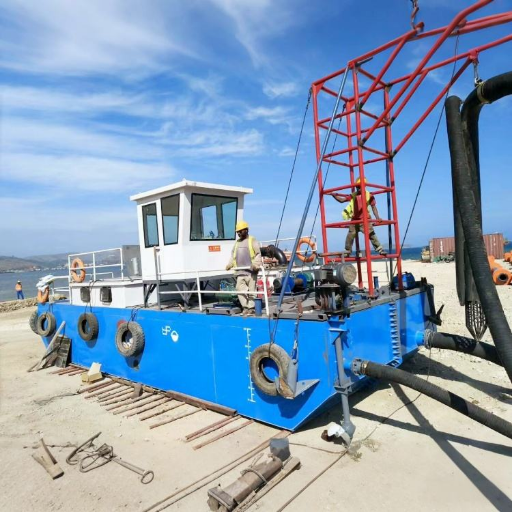
Sand damage usually announces itself before total failure. Operators may see lower discharge, rising motor load, seal leakage, or a hose that pulses as plugs form and break. Treat those signs as data. They tell you whether the setup needs more water, less lift, a wider solids path, different wet-end material, or a new pump class.
| Symptom | Likely Cause | Immediate Action |
|---|---|---|
| Flow falls while speed stays steady | Wear clearance opened or pipe is settling sand | Flush line, inspect impeller and casing, check duty point. |
| Seal leak starts after gritty operation | Abrasive particles reached the seal area | Review seal plan and flush requirements. |
| Pump rattles or sounds starved | Cavitation, poor suction condition, or blocked intake | Reduce suction lift, clear intake, and check NPSH margin. |
| Hose plugs at shutdown | Sand settled in the line | Flush with water before stopping and reduce low spots. |
| Wet-end life is much shorter than expected | Material hardness does not match abrasive solids | Review slurry pump spare parts, liners, and impeller material. |
Maintenance planning is part of selection. Passing sand is not enough if wet-end life, seal service, and spare-parts access do not match the operating schedule. Before the pump ships, the buying conversation should include the wear-parts plan.
Key takeaway: Lost flow, seal leakage, and line plugs are not random. They usually point back to solids concentration, particle size, velocity, or material mismatch.
What’s Changing in Sand Pumping and Dredging in 2026
The useful trend is not a market-growth claim. A stronger signal is engineering discipline: buyers are asking for clearer solids data, better abrasion control, documented performance tests, and systems that can handle mixed sediment without wasting dredged material.
In 2024, ERDC/CHL authors David W. Perkey, David C. Yearwood, Brian C. McFall, Brian D. Harris, Christopher J. Hardy, Timothy L. Welp, Adrienne M. Eckstein, and Zachary J. Tyler evaluated hydraulic sorting of dredged sediment in a pipeline. Buyers should treat that as a practical warning: mixed sand and mud behavior inside pipe is still an active engineering issue, so quote requests need particle and pipeline details, not only pump size.
ERDC/CHL’s 2024 pipeline-sorting work treats dredged sediment as a mixture whose behavior changes inside the pipe. For pump buyers, that supports one habit: describe the slurry before choosing the machine.
BBP readers can turn that trend into a simple buying checklist: confirm abrasion-resistant wet parts, verify the published flow/head range against the duty point, ask for the maximum particle passage in writing, and decide whether the setup needs a dredge pump, submersible slurry pump setup, or a wear-focused rebuild plan.
Key takeaway: In 2026, better slurry data beats bigger motor guesses. Treat the solids, pipe route, and wear parts as the buying center.
FAQ
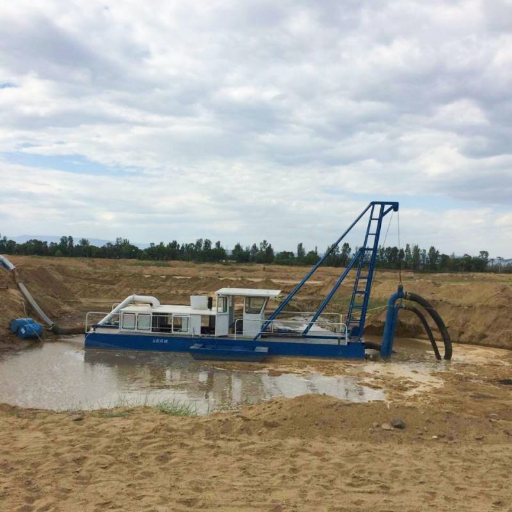
Can a water pump pump sand?
Only in small accidental amounts unless the pump is rated for abrasive solids. Clean-water pumps may pass a little grit, but steady sand can erode the impeller, casing, and seal area. Once sand is part of the expected load, treat the job as slurry duty. Check particle passage, wear material, seal design, suction condition, and discharge distance before running the pump; a few minutes spent on those inputs can prevent a ruined impeller, a plugged hose, and a shutdown that looks like an operator error even though the equipment was never suited to the material.
How do you extract sand from water?
Clean-water goals call for testing, settling, separation, and filtration. Industrial transfer needs enough water to form a slurry, then a solids-rated pump and pipe.
What is the best method to separate sand from water?
The best method depends on the goal and the particle load. Settling can work when time, tank volume, and a calm water path are available. Centrifugal sand separators can protect downstream equipment in some well or process-water systems. Filters are better as a polishing step after larger particles are removed; when used as the first barrier for heavy sand, they can blind quickly and create a maintenance problem instead of a fix.
Is it possible to pump sand without clogging the hose?
Yes, but the setup must keep sand suspended. Use enough water, avoid sharp bends, keep the intake from sealing against packed sand, and flush the line before shutdown. Long lines need extra attention because sand can settle where velocity drops.
Can a trash pump pump sand?
Trash pumps may handle debris and occasional grit, but they are not automatically sand slurry pumps. Check the manual for abrasive solids, particle size, seal design, and allowable duty. If sand is continuous, move to a slurry or dredge pump discussion.
What kind of pump moves sand and water together?
Common choices include slurry pumps, submersible slurry pumps, sand suction pumps, gravel pumps, and dredge pumps. The right choice depends on particle size, solids concentration, head, pipe length, mounting position, and whether the pump must remove sediment from a bottom surface.
How far can a dredge pump move sand?
Distance is a design result, not a fixed promise. It depends on pump head, slurry density, pipe diameter, pipe length, bend count, vertical lift, and target discharge pressure. Long pipelines often require a detailed head-loss calculation and sometimes booster or series pumping.
When should I contact a sand dredge pump manufacturer?
Contact a manufacturer when sand is continuous, particle size is known or measurable, the discharge path is longer than a simple hose run, the job involves gravel or dredged sediment, or wear life matters. Bring flow, head, pipe route, solids data, and operating hours to the first conversation.
Prepare a Quote-Ready Sand Pump Request
If your project is moving sand, gravel, or dredged sediment instead of cleaning trace grit from water, collect the duty data and ask BBP to review the pump family, wet-end material, and particle-passage requirement.
References and Sources
- Dredging and Dredged Material Management – U.S. Environmental Protection Agency.
- Sediment in Streams – U.S. Geological Survey.
- Potential Well Water Contaminants and Their Impacts – U.S. Environmental Protection Agency.
- Guidelines for Treating Well Water – CDC.
- Protect Your Home’s Water – U.S. Environmental Protection Agency.
- Slurry Properties for Pump Systems – Hydraulic Institute Data Tool.
- Rotodynamic Centrifugal Slurry Pumps ANSI/HI 12.1-12.6 – Hydraulic Institute.
- Selecting and Applying Slurry Pumps – Pump Industry Magazine / PIA handbook excerpt.
- Hydraulic Sorting of Dredged Sediment in a Pipeline – ERDC/CHL TR-24-1, February 2024.
- ISO 9906:2012 Rotodynamic Pumps – International Organization for Standardization.
- Confined Spaces – OSHA.
- Trenching and Excavation – OSHA.

![Sand Dredge Pump vs Slurry Pump: Key Differences [2026]](https://bbpmfg.com/wp-content/uploads/2026/04/2-17-768x512.png)