Get in Touch with BBP

Self-Priming Sewage Pump
Self-Priming Non-Clog Sewage & Trash Pump — AZX Series by BBP
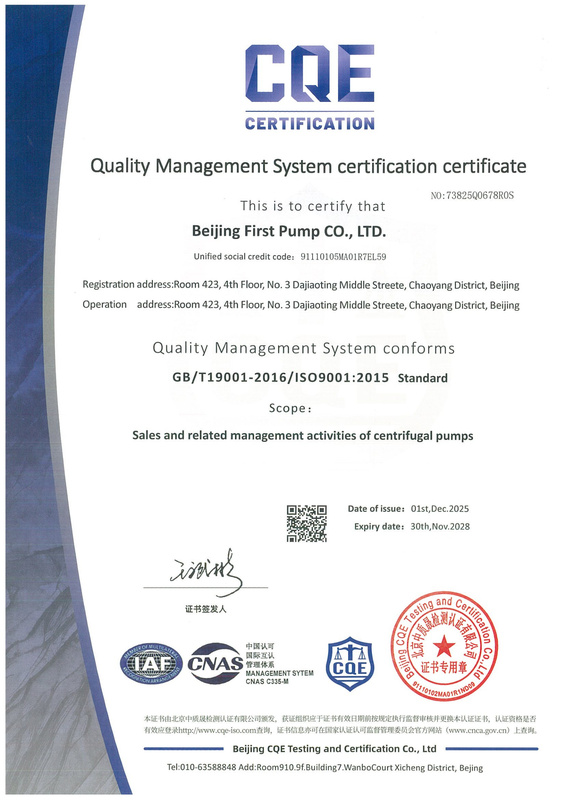
ISO 9001:2015
ISO 2858 Compliant
36 Models · 3–800 m³/h (13–3,520 GPM)
Cast Iron · SS304/316 Options
In-House Foundry Since 2010
Replacing the old submersible clogged pumps are the AZX self-priming sewage pump now available for operations with service access from the floor and 60%-of-outlet solids handling performance. Case castings are produced in BBP Manufacturing’s vertically integrated cast iron foundry for 36 models flows to 13-3,520 GPM (3-800 m/h) and develops to 3-55 kW (4-75 HP) heads to 60 m. Your operators may work on the ground – not in the pit. This is a non clog centrifugal pump designed for local and regional municipal sewage and industrial effluent treatment.
Get Quick Quote
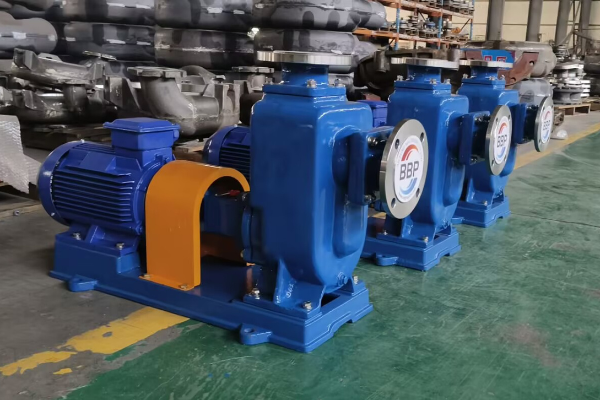
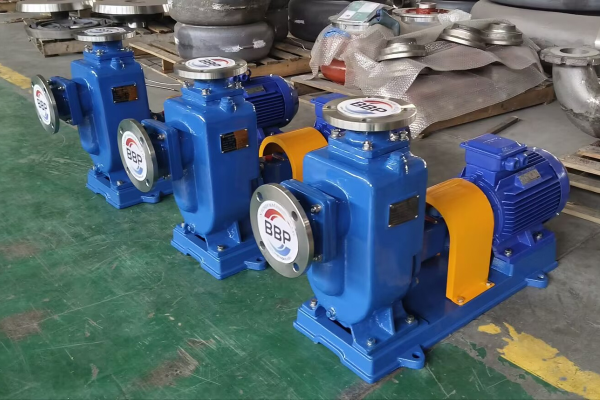
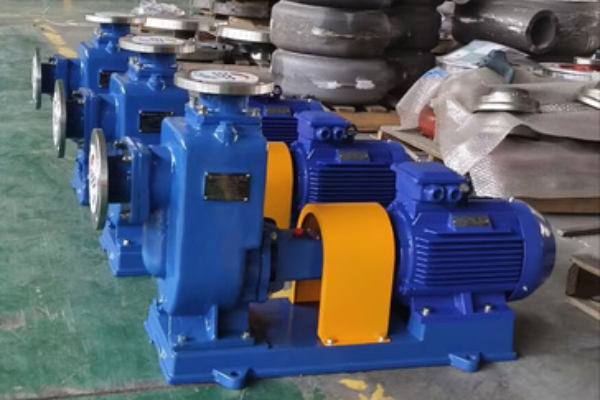
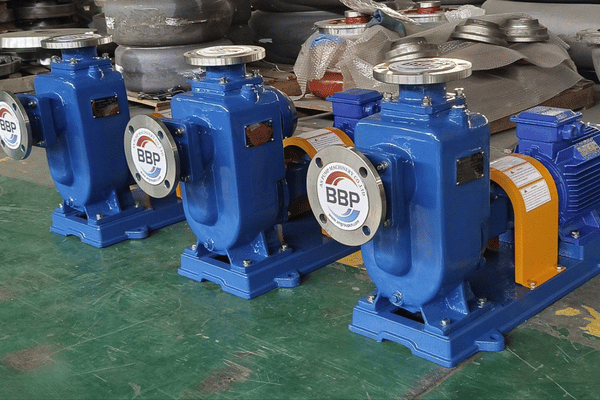
3–800
Flow m³/h
15–60
Head meters
60%
Solids / outlet dia
6.5 m
Max suction lift
36
Model configs
43–75%
Efficiency range
Why Site Managers Replace Submersibles With Self-Priming AZX Pumps
Every2-3weeks your crew extracts a submersible sewage pump from the wet well. Rags and other debris accumulated behind the impeller; all are pulled out at each service interval. Confined-space entry procedures are needed when removing the pump, including atmospheric testing (OSHA 29 DR 1910.146), retrieval harnesses, standby attendants and permit paper work. The pump is submerged in a full wet well, the electrical drops are live, and they all shut off when the pump fails until the hoist gets there.
Self-priming centrifugal pump reverses that logic. Pumps sit above grade, suction pipe reduces in the wet well, self-priming casing draws in the air automatically so the liquid fills the pump avoiding manual priming. Service is done at grade-level—open the clean-out opening, clear out the impeller, fire it up. No confined-space permit. No crane.
AZX goes beyond generic self-priming designs with three architectural choices matched to municipal and industrial sewage:
Rapid-axial-flow air-liquid separating pipe - in the typical vertical gas-liquid separator, everything accelerates re-prime each time, even when the suction pipe empties itself right between cycles.
Clean-out port—front access—clog clearance without disassembly, a single bolted cover leaves impeller eye exposed at ground level.
Oil bath m.e. seal with s/c faces – runs dry upon re-primes without scoring, rated 80C continuous service.
What this really addresses is the real issue: the length and severity of required pump entry and removal events are on the thief, not on the purchase price of the pump. Excel Fluid Group reports self-priming wet-well designs lose about 3 feet of suction lift in-year owing to grit abrasion to their internal clearances, starting from a baseline 15ft MAHL in typical sewage. We explicitly accommodate that wear characteristic in our allowable in-service MAHL specifications, applying the AZX 6.5 m maximum suction height requirement.
We specified 6.5m as the AZX max suction lift because we assumed that operators are going to lose 1-2m of effective lift in five years carrying sewage. The spec allows room for this. A pump rated at 8m on day one is a pump that ceases to prime in year three.
AZX Model Range — 36 Configurations From 3 to 800 m³/h
Thirty-six factory-catalogued models of AZX operate at either 1450 or 2900 rpm drive speed, within the flow and head envelope required by municipal lift stations, industrial process water or construction dewatering. They are identified directly from the envelope:
Model Designation — Read the Spec from the Name
50-20-25 = DN50 inlet × 20 m³/h rated flow × 25 m rated head
300-800-14 = DN300 inlet × 800 m³/h rated flow × 14 m rated head
Decision Matrix — Pick a Series by Flow and Head
Flow < 50 m³/h, Head > 20 m
DN25 / DN32 / DN50 series @ 2900 rpm
Flow 50–200 m³/h, Head 14–35 m
DN65 / DN80 / DN100 series (dual speed)
Flow 200–800 m³/h, Head < 20 m
DN150 / DN200 / DN250 / DN300 @ 1450 rpm
Solids content > 50% outlet dia needed
Upsize by one DN step
Complete Performance Specifications
Figure below is the working spec sheet according to duties calculated by engineers to match an AZX model. All these are obtained from factory acceptance test report of ISO 9906 Grade 2B. All the rows are through hydraulic acceptance before displacement.
| Model | Flow m³/h (GPM) | Head m (ft) | Speed rpm | Power kW (HP) | Efficiency % | NPSHr m | Suction H m | Inlet in |
|---|---|---|---|---|---|---|---|---|
| 25-8-15 | 8 | 15 | 2900 | 3.0 | 45 | 2.0 | 5.5 | 1 |
| 32-5-20 | 5 | 20 | 2900 | 3.0 | 43 | 2.5 | 5.5 | 1.25 |
| 32-9-30 | 9 | 30 | 2900 | 4.0 | 46 | 2.5 | 5.5 | 1.25 |
| 32-10-20 | 10 | 20 | 2900 | 3.0 | 45 | 2.5 | 5.5 | 1.25 |
| 32-18-30 | 18 | 30 | 2900 | 5.5 | 48 | 3.0 | 5.5 | 1.25 |
| 40-10-20 | 10 | 20 | 2900 | 3.0 | 50 | 2.5 | 5.5 | 1.5 |
| 40-20-20 | 20 | 20 | 2900 | 4.0 | 52 | 3.0 | 5.5 | 1.5 |
| 40-15-35 | 15 | 35 | 2900 | 5.5 | 48 | 3.0 | 5.5 | 1.5 |
| 50-10-20 | 10 | 20 | 2900 | 3.0 | 55 | 2.5 | 5.5 | 2 |
| 50-20-20 | 20 | 20 | 2900 | 4.0 | 58 | 3.0 | 5.5 | 2 |
| 50-16-20 | 16 | 20 | 2900 | 4.0 | 56 | 3.0 | 5.5 | 2 |
| 50-20-12 | 20 | 12 | 2900 | 3.0 | 58 | 3.0 | 6.0 | 2 |
| 50-26-30 | 26 | 30 | 2900 | 7.5 | 60 | 3.5 | 5.5 | 2 |
| 65-25-30 | 25 | 30 | 2900 | 7.5 | 62 | 3.5 | 5.5 | 2.5 |
| 65-25-40 | 25 | 40 | 2900 | 11 | 60 | 4.0 | 5.0 | 2.5 |
| 65-40-20 | 40 | 20 | 1450 | 5.5 | 65 | 3.5 | 6.5 | 2.5 |
| 65-40-25 | 40 | 25 | 1450 | 7.5 | 66 | 4.0 | 6.5 | 2.5 |
| 65-65-25 | 65 | 25 | 2900 | 11 | 68 | 4.0 | 5.5 | 2.5 |
| 65-66-25 | 66 | 25 | 2900 | 11 | 68 | 4.0 | 5.5 | 2.5 |
| 80-50-35 | 50 | 35 | 2900 | 15 | 68 | 4.5 | 5.0 | 3 |
| 80-50-60 | 50 | 60 | 2900 | 22 | 62 | 5.5 | 4.5 | 3 |
| 80-65-25 | 65 | 25 | 2900 | 11 | 70 | 4.5 | 5.5 | 3 |
| 80-40-16 | 40 | 16 | 1450 | 5.5 | 70 | 3.5 | 6.5 | 3 |
| 80-80-35 | 80 | 35 | 2900 | 22 | 70 | 5.0 | 5.0 | 3 |
| 100-100-30 | 100 | 30 | 1450 | 18.5 | 72 | 4.5 | 6.0 | 4 |
| 100-80-20 | 80 | 20 | 1450 | 11 | 72 | 4.0 | 6.5 | 4 |
| 100-100-15 | 100 | 15 | 1450 | 11 | 74 | 4.0 | 6.5 | 4 |
| 125-120-20 | 120 | 20 | 1450 | 18.5 | 74 | 4.5 | 6.5 | 5 |
| 150-180-38 | 180 | 38 | 1450 | 37 | 74 | 5.5 | 5.5 | 6 |
| 150-180-30 | 180 | 30 | 1450 | 30 | 75 | 5.0 | 6.0 | 6 |
| 150-180-20 | 180 | 20 | 1450 | 22 | 75 | 4.5 | 6.5 | 6 |
| 200-280-28 | 280 | 28 | 1450 | 45 | 75 | 5.5 | 5.5 | 8 |
| 200-280-14 | 280 | 14 | 1450 | 22 | 75 | 4.0 | 6.5 | 8 |
| 250-420-14 | 420 | 14 | 1450 | 37 | 75 | 4.5 | 6.5 | 10 |
| 300-800-14 | 800 | 14 | 1450 | 55 | 75 | 5.0 | 6.5 | 12 |
| 80-80-20 | 80 | 20 | 1450 | 11 | 72 | 4.0 | 6.5 | 3 |
All models are supplied with a complete hydraulic acceptance report: head-flow performance curves, efficiency curve, NPSHr curve, and measured shutoff head. Serial numbers are retained with the casting heat number for identification of pit failures to the foundry lot within forty-eight hours. Heavy duty AZX self priming pumps are the industrial workhorse configuration capable of reliable sewage and slurry pumping; the high head 80-50-60 version will lift to 60 m while the high flow 300-800-14 will pump 800 m/h at 14 m head with no surprises.
Because these self priming pumps use automatic priming rather than operator-initiated manual priming, the self-primes cycle is the critical mechanical moment in every start. Durability design concentrates on that cycle: a heavy oil bath bearing chamber, a replaceable wear plate for impeller adjustment during scheduled service intervals, and vane geometry that resists wear during abrasive handling applications. Marine transfer, power plant makeup water, river and mine overtopping, quarry dewatering, secondary fresh water systems, and bulk pulp transfer all run the AZX envelope at its rated efficient operation range across a service life typical of industrial-duty centrifugal pumps. AZX is a durable alternative to submersible pumps and classic trash pumps, designed for non-clogging performance in the challenging environments where wastewater pumps must keep working.
AZX vs Submersible Sewage Pump — 8-Dimension Data Comparison
Choosing between a surface-mounted self-priming pump and a submersible is seldom about which pump delivers more volume. Today, pumps from either architecture can deliver comparable flow and head. What really matters is the total cost of operating the station over a decade or more — hours of maintenance, unplanned downtime, safety compliance, and the cost of confined-space entry procedures when things go wrong at 2 AM.
Below is a data-driven comparison across eight operational dimensions. Absolutely no "high/medium/low" judgments--only specific numbers, specific units, and specific tradeoffs.
Below is a data-driven comparison across eight operational dimensions. Absolutely no "high/medium/low" judgments--only specific numbers, specific units, and specific tradeoffs.
Dimension
AZX Self-Priming
Conventional Submersible Sewage Pump
Maintenance interval (typical sewage duty)
6–12 months scheduled
2–4 weeks unscheduled clog clearing
Downtime per routine service
30–45 minutes (surface access)
2–4 hours (hoist + confined-space permit)
Wet well or pit requirement
None — surface mounted
Required, per OSHA 1910.146 confined space
Unclogging method
Front clean-out port, standard tools
Full pump extraction, rail guide lift
Solids passage capability
60% of outlet diameter
Typically 40–50% without chopper upgrade
Suction lift
Up to 6.5 m (architecture limit: ~7 m practical)
No suction lift — pump submerged
Service life (sewage duty, typical)
8–12 years with seal replacement at year 5
4–6 years; motor seal failure is typical end-of-life
Rated power at 200 m³/h reference point
18.5–22 kW (AZX 150-180-20 / 100-100-30)
22–28 kW (typical submersible non-clog)
Gold-Tier ROI Benchmark — Independently Documented
56%
reduction in operational costs
$2,750
saved per station per year
30
reduction in labor hours achieved by station per year
A decade-long, municipal survey of 53 pump stations operated by the Unified Government of Wyandotte County, Kansas (32 above-grade wet-well mounted stations and 21 submersible stations), found that the cost of surfaceaccess pump architecture was 56% less than the cost of operating submersible pumps, representing a benefit of around $400,000 over the duration of the study period for the municipality's sumps. Cost savings were identified in the areas of preventative maintenance time, corrective maintenance time, and the costs of confined-space entry procedures.
Proven In Municipal, Industrial & Aquaculture Applications
AZX envelope — 3 to 800 m³/h (13–3,520 GPM), heads to 60 m, 60% solids handling capability — maps cleanly onto seven named municipal and industrial duty profiles. Each profile lists one representative model, its typical operational flow range, and the particular fluid challenge for which the pump is configured across sewage treatment, dewatering, and process water applications.
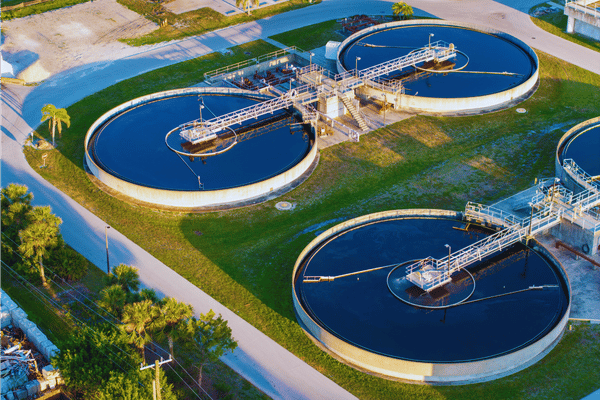
Municipal Sewage Lift Stations
AZX 80-65-25 · 65 m³/h
Continuous-duty lift station service and urban storm water or urban drainage networks where OSHA confined-space rules prevent pit entry. The axial-flow air separator handles rag-laden waste streams and flotation-type scum, and will pass wipes and other large fibers without chopping. Construction of a surface-access station eliminates the confined-space permit cycle that adds municipal maintenance over-time.
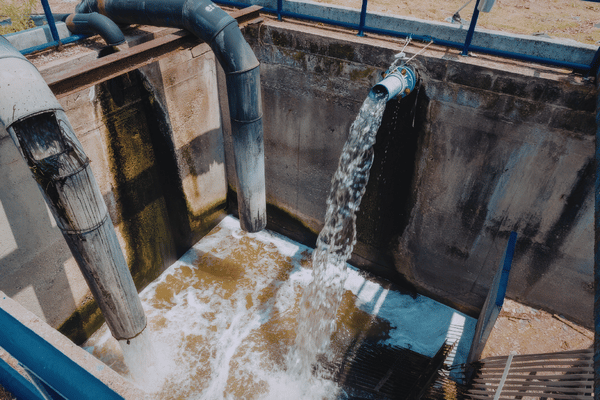
Food & Beverage Wastewater
AZX 50-20-25 · 316L option
Caustic wash-in-place cycles plus long-term suspended organic solids require stainless steel wetted parts. The 316L wetted part version handles caustic chemistry, while the oil-bath mechanical seal is capable of handling dry-running during CIP dry-outs without face scoring.
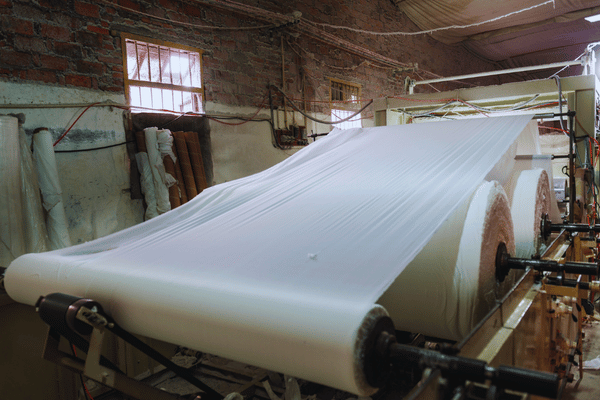
Paper & Pulp Effluent
AZX 100-100-15 · 100 m³/h (440 GPM)
Fibrous suspensions and pulp sludge wrap standard open impellers within hours, and the open impeller volute design plus 60% solids-outlet ratio will withstand fiber wrap across a wide typical paper mill or tannery effluent streams. Stringy materials pass through the discharge port without balling inside the casing.
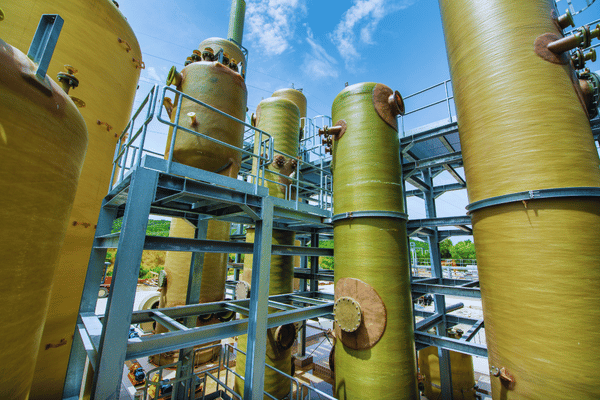
Chemical Process Transfer
AZX 65-40-20 · SS316 body
AZX handles pH 2–12 across the standard wetted-part option list. Silicon carbide mechanical seal faces survive abrasive chemical solids and tolerate short dry-prime intervals during process upsets. Useful for polymer dosing and acid neutralization transfer.
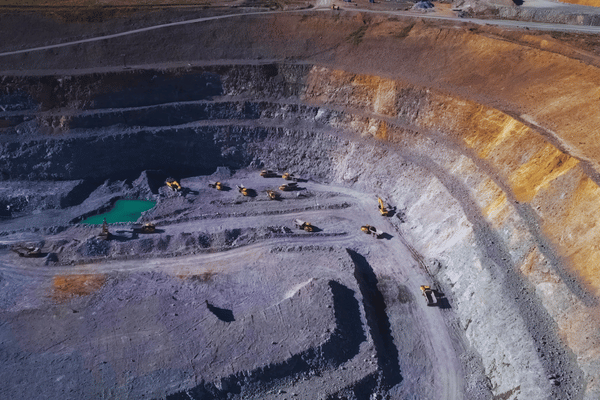
Construction & Mining Dewatering
AZX 150-180-20 · portable skid
Storm water bypass and foundation dewatering duty, and as a sump pump in mining applications. The self-priming stroke cycle will operate solid-free in sediment impairment, and address the intermittent flow interruption with a pump that will re-prime automatically when the sump refills operating overnight through rain events. Standard dewatering pump configuration with ash handling or raw water use includes a self-contained electric or diesel drive plus discharge check valve for back-flow prevention.
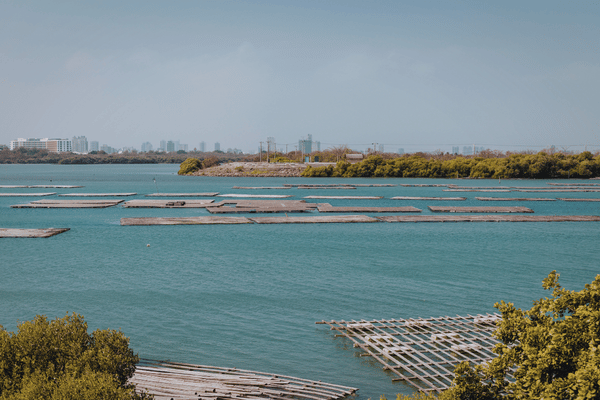
Aquaculture & Pond Management
AZX 40-15-20 · low-shear
Low-shear circulation for inter-pond movement, and solids draw-down with solid-laden water. A single-vane impeller minimizes mortality and bleeding out during fish transfer, and the 60% solids handling capacity is capable of backflushing the bed for sludge removal during watersheds empties.
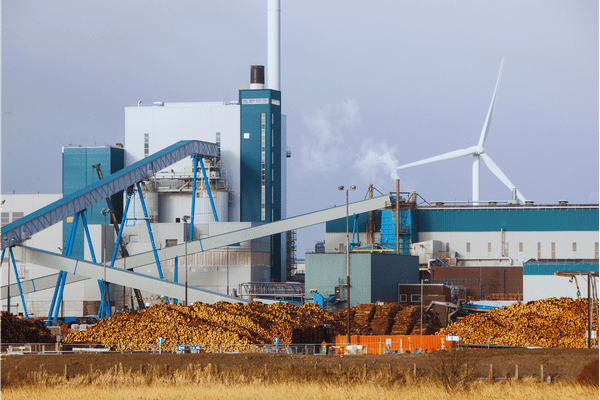
Power Plant Cooling Slurry
AZX 200-280-14 · 280 m³/h
For destruction of condenser cooling water blow-downs, or as a slurry pump in ash handling. Sealed silicon carbide mechanical faces can be used in continuous 80C ambient, while oil-bath housing provides longer life in effective thermal cycling. Suitable for combined-cycle gas turbines.
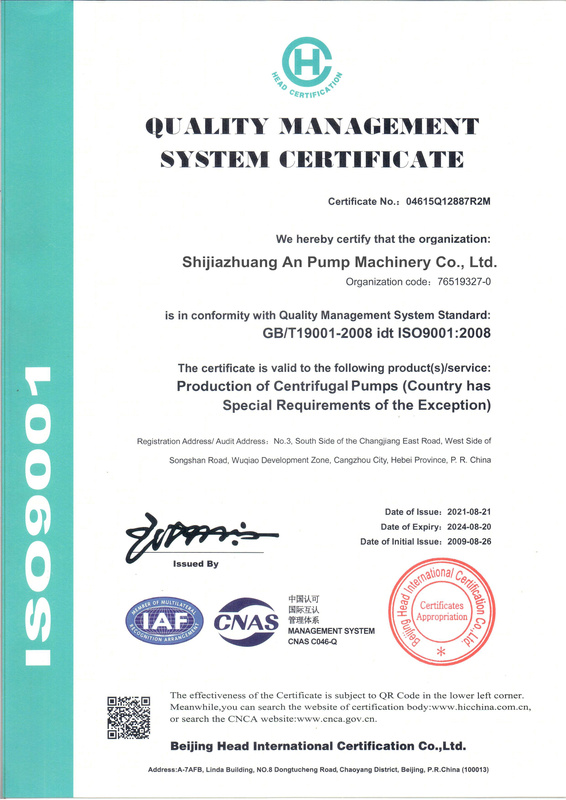
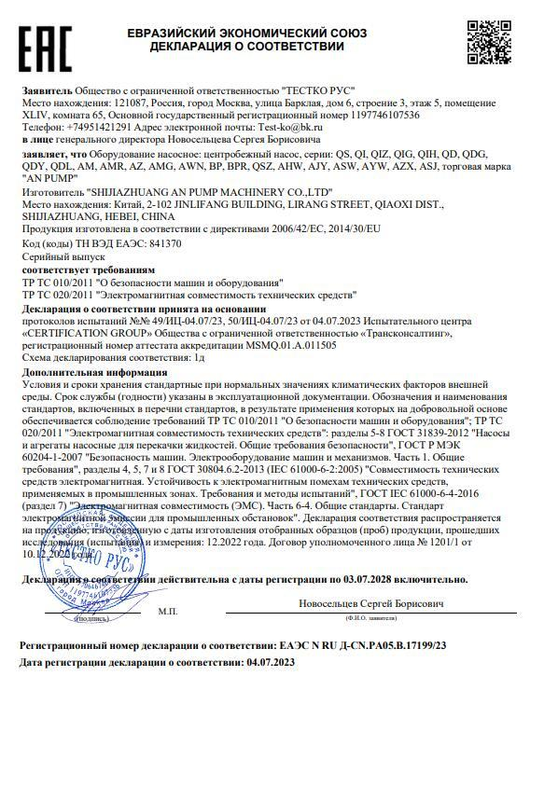
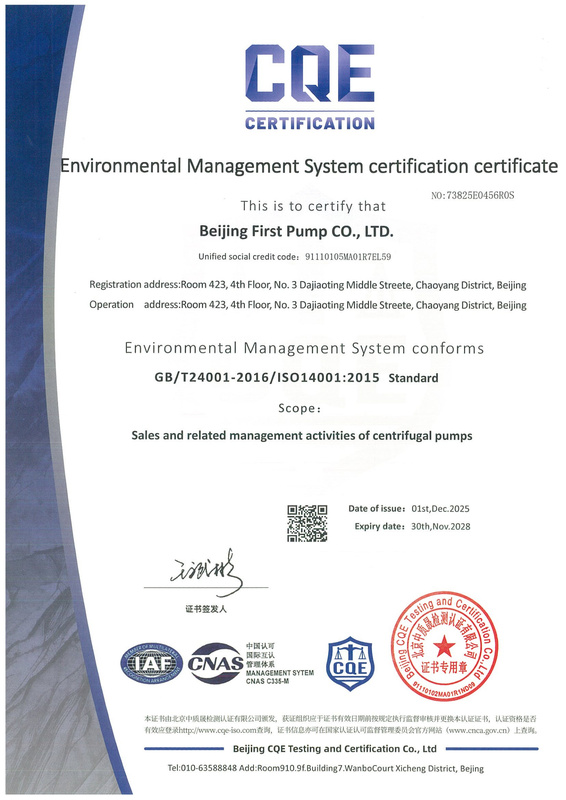
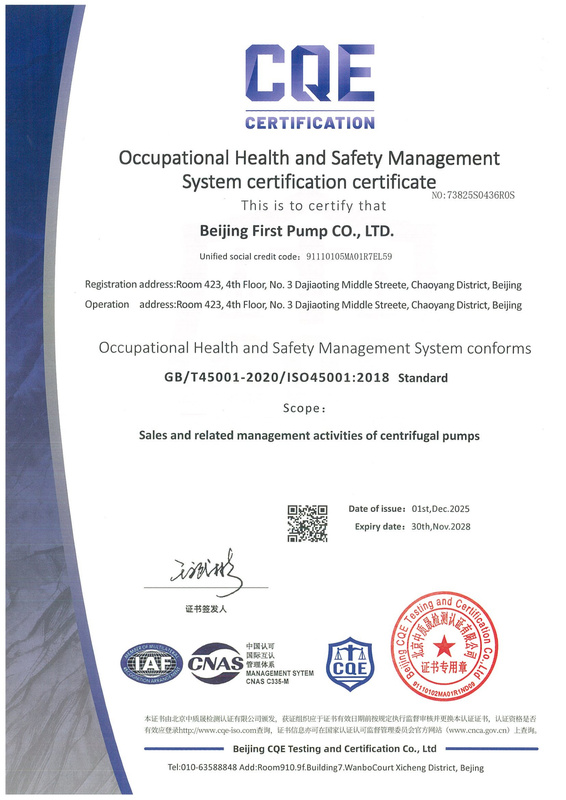
ISO 9001:2015
Quality management system, audited annuallyISO 2858
Centrifugal pump dimensional envelope (EN 733 equivalent)ISO 9906 Grade 2B
Hydraulic performance acceptance testingASTM A276 / A351
Stainless steel material spec — SS304 / SS316 / SS316LCE Declaration
Conformance on request for EU-destined shipments❮
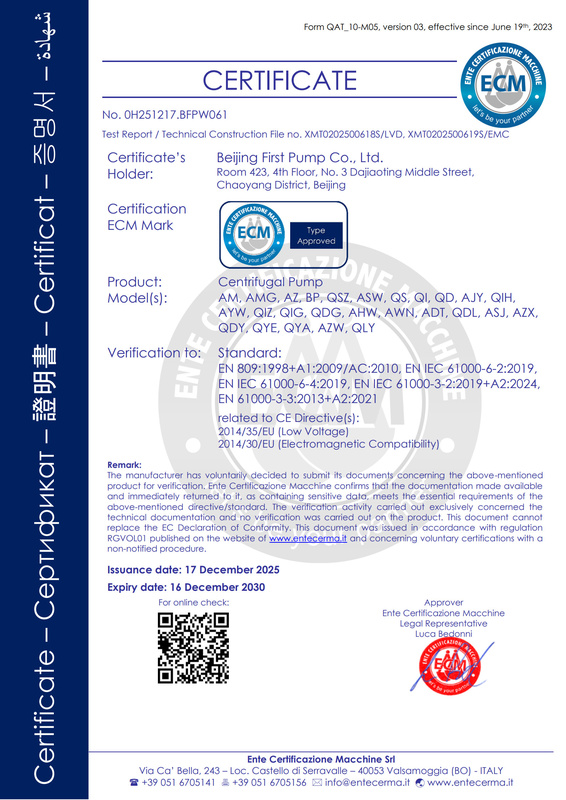
❯
Seven-Process Vertical-Integration Foundry
All AZX pumps are cast, machined, assembled and tested at the BBP Manufacturing foundry—none are sub-contracted to a secondary out-source vendor with its own quality system which we do not audit directly. We process cast-meltcure-machined-assemble-integrate-MC hydraulic-testing internally seven steps processing as follows: casting heat treatment machining assembly mechanical seal, integrating, coating.
Cast in a heat treatment oven; machined to the ISO recognized dimensional envelope for centrifugal magnetic drive interchangeability of the ISO 2858 spec; designed for long bearing life following ISO standard radial load distribution; silicon carbide mechanical seal sealing face mounted in an oil bath bearing-house (accepting dry run brief intervals due to re-prime events); corrosion resistant chrome plated wear zones on stainless shaft; copy-cat self-priming pumps from the expired Gorman-Rupp Super T-Series patent un-trackable in their foundry identification vis-à-vis OEM-source traceability for specifiers demanding certification.
Hydraulic Acceptance Protocol
Each AZX pump enters an ISO 9906 Grade 2B bilateral acceptance test prior to shipment: flow deviation from target:8%; head tolerance of 5%; input power over or underrun by8% or within5% of the rated duty point. Each pump has a serial, lot and heat testing number that coincides with the casting heat number: the test result report shippable with the documentation folder.
Procurement Factors — What to Specify When Requesting a Quote
Pricing is contingent on six parameters that you shall indicate on your enquiry for quote; lead time, warranty terms also follow accordingly. Specification first conversation moves faster than price first discussion- engineering parameter transparency allows procurement solutioning within one working day.
Factors That Drive AZX Pricing
Pump series model
Each DN series has a different casting volume, machining envelope, and shaft diameter. Larger models carry more material and machining time per unit.Material of construction
Gray iron body is standard; stainless steel wetted parts (SS304, SS316, SS316L) step pricing up according to raw material cost at time of order.Mechanical seal grade
Standard mechanical seal, silicon carbide faces for abrasive duty, or double-seal arrangement for regulated chemical service.Motor and drive option
Bare pump for customer-supplied drive, IE3 electric motor, diesel engine drive, or VFD-ready configuration.Packaging specification
Domestic crating, export-grade plywood, or fumigated ISPM-15 compliant case for regulated destinations.Inco terms
EXW Beijing, FOB Tianjin, CIF destination port, or DDP full landed cost—each shifts the quotation structure.Factors That Drive Lead Time
Stock models port out of Beijing warehouse faster than custom configuration can be delivered. Material sourced for specialty alloys (Duplex, CD4MCu) outliers the standard gray iron/SS316 lead time for delivery. Pump accepted-hydraulics tests (customer or third-party witnessed) extend the schedule for FAT protocol compliance.
MOQ & Payment:
Sample orders of one unit are accepted for qualification testing. Volume tier pricing applies above five units; payment is structured on letter of credit or telegraphic transfer aligned to shipment milestones. Standard duty point severity brings standard warranty terms.
self-priming:
A centrifugal pump that has a quantity of liquid remaining in the casing after shutdown. When started the impeller stirs this remnant, which forms a vacuum ring that primes the suction line and lifts liquid from the wet well. There is no manual priming procedure, and no foot valve required in our AZX model.
AZX Model Selector — Match Your Duty Point to 1 of 36 Models
Enter your required flow and head. The tool matches your duty point against the AZX Series factory catalog and returns the three closest model matches ranked by efficiency at your operating point.
Duty Point
Enter flow in m³/h (range 3 – 800)
Enter head in meters (range 12 – 60)
Model Matches
Enter flow and head values, then click Find Matching AZX Models to see up to three closest configurations.
No close AZX match at this duty point.
Your flow/head combination sits outside the AZX Series envelope (3–800 m³/h, 12–60 m head). Our engineering team can design a custom configuration or pair multiple pumps in series or parallel.
Your flow/head combination sits outside the AZX Series envelope (3–800 m³/h, 12–60 m head). Our engineering team can design a custom configuration or pair multiple pumps in series or parallel.
Request factory acceptance test report + quotation:
Get Quick Quote →Matches ranked by efficiency at your duty point. All figures are from the AZX factory catalog 2024 revision and reference ISO 9906 Grade 2B hydraulic acceptance test results.
FAQ — Engineering Questions Before You Specify AZX
How does a self-priming sewage pump work — and when does it beat a submersible?
A centrifugal prime pump that introduces a suction volumeto whatever size lends itself to self-priming without sacrificing flow efficiency. The recommended model match, and a reference for the FAT protocol, are included with a typical response time of one business day.
What solids size can an AZX pump pass through?
An impeller designed to transit solids. For this half-inch outlet, up to 60% of the cross-section as a continuous solid, and fibrous material up to five times the outlet diameter in length. Together, the impeller and diffuser simulate a one-and-a-half-inch pipe, 60 mm spherical porosity and 500 mm stringy porosity.
Can AZX pumps run dry without damage?
For brief after-priming periods, such as restart, yes. Silicon carbide faces on the mechanical seal function without scoring anywhere within a hundred percent duty cycle in the oil bath bearing assembly. Long-term dry-running - such as power loss through upstream gate valve malfunction - requires external float switch or transducer protection.
What is the maximum suction lift of AZX models?
The architectural end-of-life rated maximum is 6.5 meters, from the center of the impeller to the minimum wet well liquid level. The pump is specified with this 6.5 m limit with a safety factor built into the design because self-primers naturally lose a meter or two of effective lift over their first five years in sewage service, due to grit-corrosion wearing-away the internal running-clearances. Piping the pump closer to the spec absolute maximum can extend the water-pumping service life.
Are AZX pumps suitable for corrosive chemicals?
Gray iron is alkaline-neutral, acceptable for pH 6-9. Stainless steel options are available for acid- or chloride-carrying liquors. For corrosion-resistance in high-halide environments, the SS316L or Duplex CD4MCu wetted-part choice is specified; standard mechanical face-seal materials of silicon carbide and carbon are used.
How long does initial priming take, and is re-priming automatic?
Filling the pump casing until all air bubbles are swept out of the pipeline installed during the initial hook-up, and then tightening the fillport. On every subsequent start, however, the centrifugal design self-evacuates: within thirty to ninety seconds the air-liquid separator no longer needs to mix the fluid and can begin pressurizing to the specified operating points.
What certifications do AZX pumps carry?
ISO 9001:2015 quality management at the manufacturing level, ISO 2858 dimensional compliance at the pump level, and ISO 9906 Grade 2B hydraulic acceptance at the individual pump level. CE conformance declarations are issued on request for EU-bound shipments. Material test reports reference ASTM A276 or A351 for stainless steel wetted parts.
Do AZX pumps require a foot valve or check valve in the suction line?
AZX self-priming pumps do not depend on a suction foot valve to maintain prime; the air-liquid separating pipe retains priming fluid inside the pump casing between cycles. A discharge-side check valve is still recommended to prevent reverse flow when the pump stops — particularly in municipal lift-station service where downstream head would otherwise back-drive the impeller and stress the mechanical seal.
I've had self-priming pumps lose prime after a year in sewage service — does AZX have the same problem?
Operators with five-plus years on self-priming sewage pumps cite the wear-driven prime loss - the grit in sewage wearing open the internal clearances and reducing the effective suction lift by three feet in the first year (described in Excel Fluid Group field documentation). AZX accomplishes this in three design categories: conservative 6.5m suction lift rating (so wear does not push past the operating envelope), standard wear plates which are replaceable and documented in the operator manual as a spare part, published tolerance-adjustment service procedure in the O&M manual. And wear is real. We specify around it instead of pretending it does not exist.
"Gorman-Rupp pumps are trash" — I've seen that comment in wastewater operator forums. How is AZX different from generic copycat self-priming pumps?
Super T-Series patent expired a few years back, and world markets now carry a population of visually indistinguishable self-priming pumps from unidentified foundries. Two items separate AZX from that population: every pump is cast, machined and tested inside BBP Manufacturing's own seven-process foundry — no outsourced casting — and every unit ships with a serial-numbered FAT report traceable back to the casting heat batch. When a field failure occurs, we identify the casting heat lot within 48 hours. That chain of custody is the spec-grade difference between OEM manufacturing and aftermarket copycat sourcing.