Get in Touch with BBP

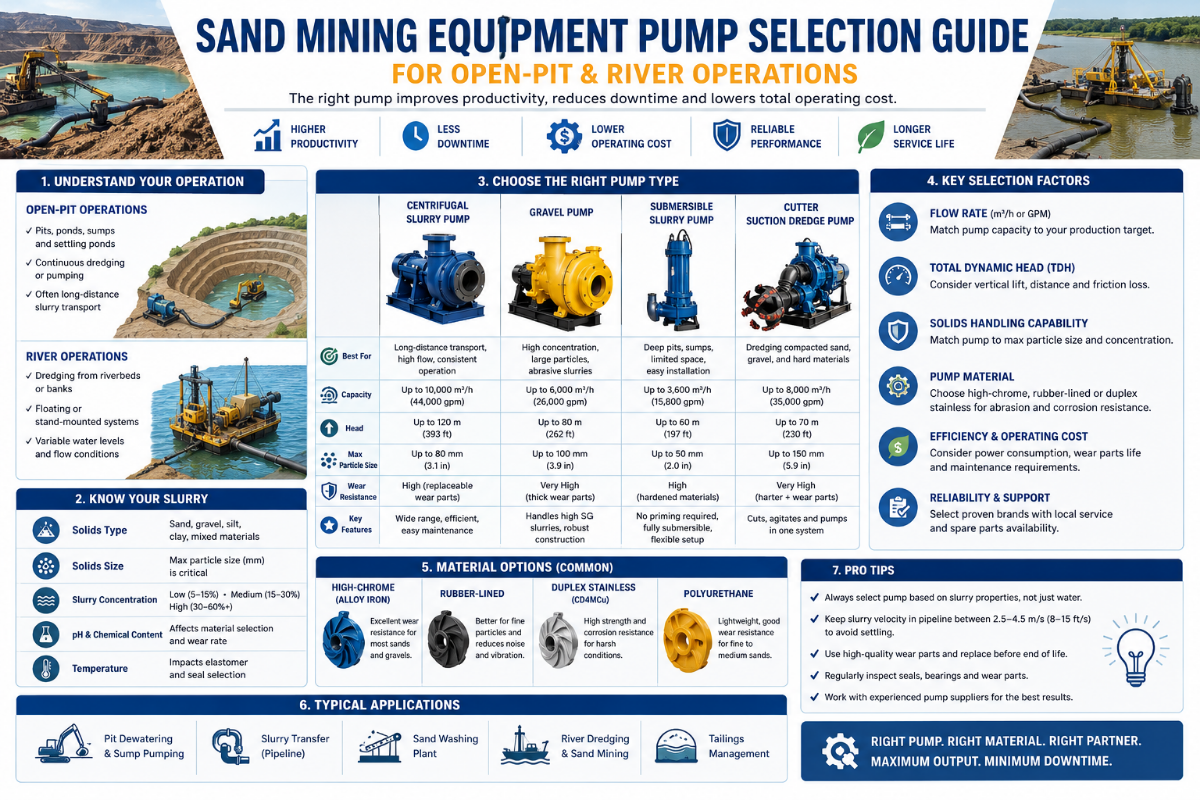
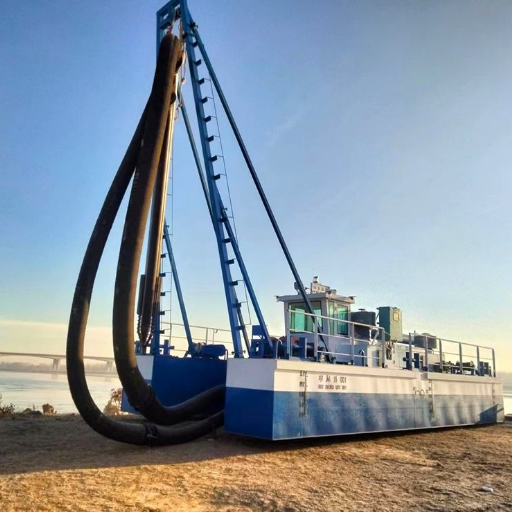
A Sand mining Equipment pump Selection Guide should start with the duty, not the catalog. Open-pit sand mines, aggregate pits, river dredges, and barge-mounted systems all move abrasive slurry, but their suction conditions, solids passage, pipeline length, and maintenance access are not the same.
Use this guide to narrow the pump family before you ask for price. It covers the numbers a supplier needs, where BBP sand dredge pumps fit, and why the cheapest quote can become expensive once wear, energy consumption, and downtime enter the calculation.
Quick Specs: Sand Mining Pump Selection
- Best-fit pump families: dredge pump, gravel pump, slurry pump, submersible dredge pump, and booster pump.
- Minimum RFQ inputs: flow rate, total dynamic head, slurry concentration, maximum particle size, suction condition, pipeline distance, and drive type.
- Market context: USGS estimated 890 million tons of U.S. construction sand and gravel production in 2024, valued at about 12 billion dollars.
- Selection shortcut: fixed open-pit extraction often starts with horizontal sand or gravel pumps; river and vessel work often starts with dredge or submersible configurations.
- BBP page evidence: BBP lists AMG pumps at 36-2,700 m3/h and AWN pumps at 600-14,000 m3/h, with high-chrome / Ni-Hard wet parts for abrasive service.
When Sand Mining Equipment Needs a Sand Pump Instead of a Water Pump
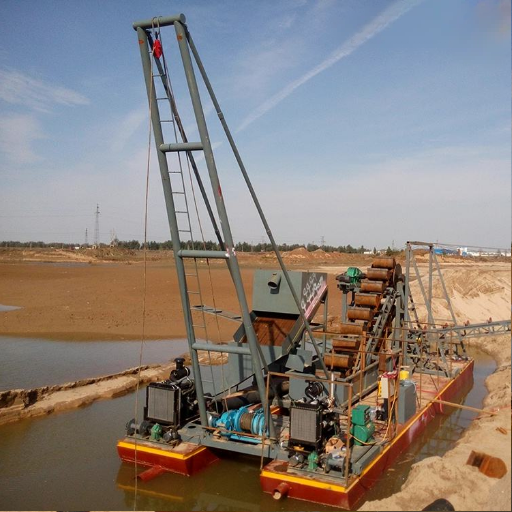
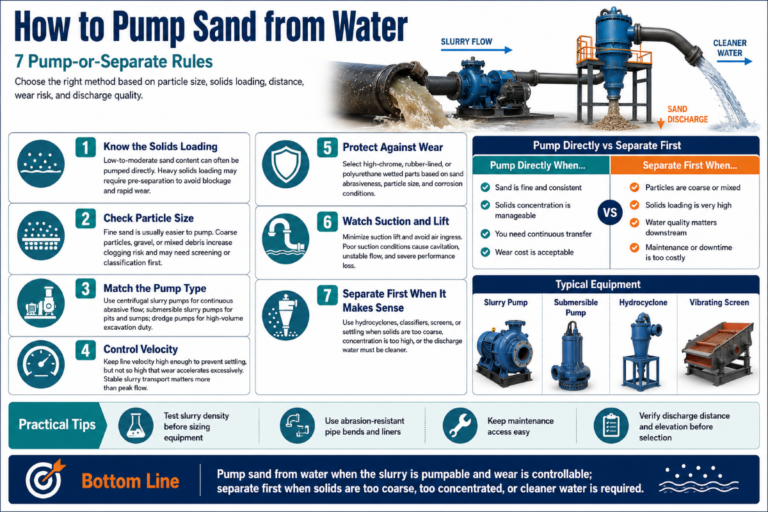
A water pump is built for liquid. By contrast, a sand pump is built for slurry, meaning water plus abrasive solids. Once a site moves sand, gravel, silt, clay lumps, or mixed aggregate, the pump must pass particles, resist wear, and hold pump performance away from damaging suction conditions.
Simple rule: if the liquid carries abrasive solids during normal production, do not size the pump as clean water. Clean-water equipment may move the first load, then lose clearance, cavitate, plug, or burn energy because the impeller and casing were never chosen for slurry.
What can I use to pump sand?
For thin sand slurry, start with a sand pump or slurry pump. For coarse sand and gravel, consider a gravel pump for coarse solids. For river suction, dredging, or vessel-mounted work, start with a dredge pump. For a flooded pit, deep sump, or excavator-mounted system, a submersible dredge pump can reduce suction-lift problems because the pump sits in the slurry.
| Pump family | Use it when | Do not assume |
|---|---|---|
| Sand pump | Sand is the main solid and particle size is controlled. | It can pass cobbles without checking solids passage. |
| Slurry pump | The process includes abrasive solids, fines, or mining slurry. | Every slurry pump fits river dredging. |
| Dredge pump | The pump works with cutter suction, jet suction, barge, or vessel layouts. | Flow and head alone are enough to select it. |
| Submersible pump | The pump must sit in a pit, pond, or river intake zone. | It has unlimited cable, motor, or agitator duty. |
Open-Pit vs River Operations: The Duty Profile Changes the Pump
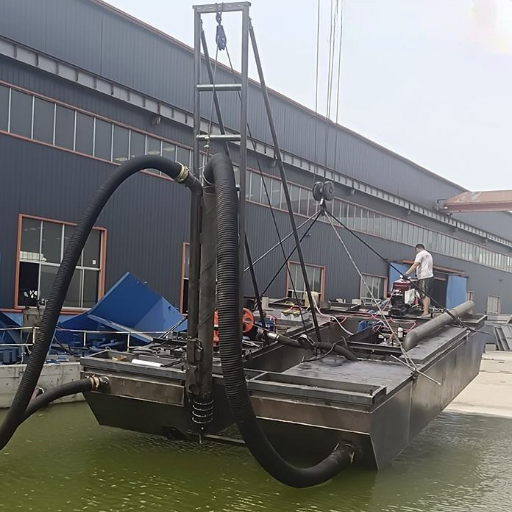
Open-pit sand mining and river dredging may both use sand mining equipment, but they stress the pump in different ways. In a pit, changing water level, access roads, mobile excavators, and sump cleaning shape the duty. On a river job, current, suction position, floating hose, pipeline route, barge stability, and environmental windows shape the duty.
| Selection input | Open-pit sand mine | River operation |
|---|---|---|
| Water source | Sump, pond, settling basin, or pit floor water. | River channel, borrow area, or suction ladder. |
| Solids mix | Sand, fines, clay pockets, occasional gravel. | Sand, silt, shell, gravel, wood, and channel debris. |
| Suction risk | Air entrainment after rain, poor sump depth, suction lift. | Ladder angle, intake burial, water level, river current. |
| Pipeline | Often shorter, with road crossings or plant elevation. | Often longer, floating plus shore pipeline, booster possible. |
| Installation | Skid, pontoon, excavator, or submersible pit setup. | Barge, cutter suction dredge, or shore-based booster. |
| Access | Maintenance crew can often reach pump by road. | Service access depends on vessel, crane, and weather. |
| Drive choice | Electric where power is stable, diesel where mobile. | Diesel, hydraulic, or electric based on vessel package. |
| Wear driver | High sand load and start-stop operation. | Velocity swings, debris, and long discharge distance. |
| Quote priority | Wear life, easy liner change, spare inventory. | Solids passage, NPSH margin, hose and booster plan. |
The 7-Input Sand Duty Map for Pump Selection
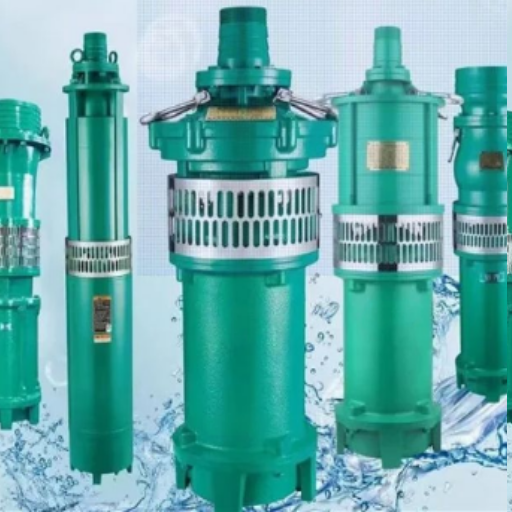
Use the 7-Input Sand Duty Map to move from a vague request to a supplier-ready pump selection. It also prevents the common mistake of asking pump manufacturers for “a big sand pump” before the duty point is known.
- flow rate: required slurry flow in m3/h or gpm, not just water flow.
- Total dynamic head: static lift plus pipeline friction, fittings, discharge pressure, and elevation change.
- slurry concentration: percent solids by weight or volume, with a realistic operating range.
- Maximum particle size: top particle or cobble size in mm, plus if trash or wood is allowed.
- Suction condition: flooded, floatover or free flooding, suction lift, submersion,pump, ladder depth, orpit depth.
- Pipeline length: pipe length, pipe diameter, bends, hose sections, and particular discharge location.
- Power and drive: electric, diesel, hydraulic, voltage, frequency, available power, control method.
Engineering Note. ISO 9906 is the best-known pump acceptance limits standard used by bidders for rotodynamic pumps. It doesn’t substitute slurry-duty construction, but it gives the buyer and seller a common language for hydraulic performance acceptance grades.
If you supply these seven data points, a bidder can crosscheck the pump curve, motor torque, NPSH, wear-part material, and pipeline risk. If you don’t, follow a low-friction methodology such as the BBP sand dredge pump selector before mining out a formal quote request.
Pump Type Selection Matrix: Dredge, Gravel, Slurry, Submersible, or Booster?
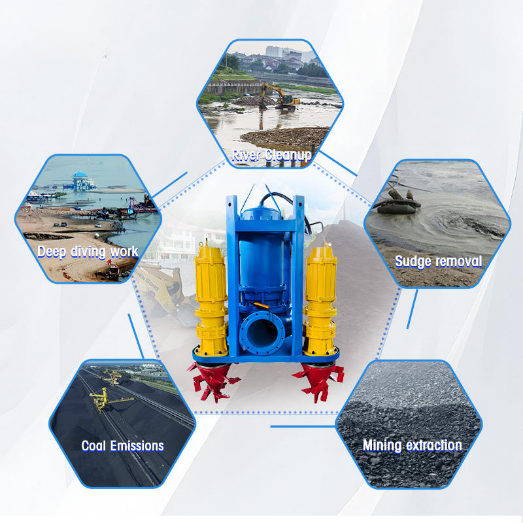
A suitable pump selection supports the installation, working subsurface inlet,and solids passage.A pump can meet the flow ratebut still fail if the inlet design, solids passage, or wear material fails.
What kind of pump do you need for a dredge?
For dredging, start with a dredge pumpif the pump is part of a cutter suction, jet suction, barge, or vessel package. Select a submersible dredge pumpif the pump mustsit at the working face. Add a booster pumpif the pipeline length or discharge height exceeds the calculator curve. Select a gravel pumpif the design has coarse sand, gravel, larger solids.
| Pump type | Best fit | Main limitation | BBP link |
|---|---|---|---|
| Dredge pump | River, lake, channel, cutter suction, and discharge pipeline work. | Needs suction and pipeline checks, not just a motor size. | Dredge pump |
| Gravel pump | Coarse sand, gravel, and aggregate mixtures. | May not be the most efficient choice for fine slurry only. | Gravel pump selector |
| Heavy-duty slurry pump | Mining circuits, tailings, process slurry, and abrasive transfer. | Suction dredging geometry may need a dredge-specific wet end. | Heavy-duty slurry pump |
| Submersible dredge pump | Deep pit, pond, excavator, or confined river intake. | Motor cooling, cable, agitator, and lifting plan must be checked. | Submersible pump selector |
| Booster pump | Long discharge pipelines or high discharge elevation. | Bad staging can add wear and energy use without raising production. | Wear-life and TCO tool |
Wet-End Materials and Wear Life: Why Sand Makes Pump Selection Expensive
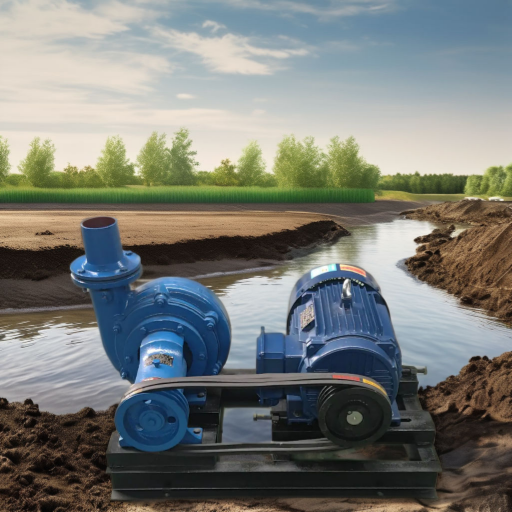
Sand is a cheap commodity, but it wears the hell out of the pump parts. Impeller,volute, liner, throatbush, frame plate liner, and wear rings may be exposed to constant abrasive impact. BBP product page says its sand dredge pumpwet-end components use Ni-Hard high-chrome material at hardness5 FROOHJH7, and it names ISO 9001:2015, ISO 14001:2015, ISO 45001:2018, CE, and hydraulic performance testing claims.
Advantages
- High-chrome and Ni-Hard alloys resist abrasive sand than cast iron.
- Replaceable liners and impellers help crews plan wear-part inventory.
- Alloy additive selectors only reduce preventing a pump from flow rate.
Limitations
- Impact causes cracked buildings, especially if large tramp material gets into the pump.
- Would a rubber-lined design be appropriate where the particles are tiny, but the gravel is sharp?
- Material choice cannot compensate for a pump that isn’t designed for the duty point.
For material review, couple the sand pump request with a high-chrome slurry pump material selectorand a spare parts strategythrough slurry pump parts material selector. This might be wherelow purchase costloses to longer liner life and minimization of downtime.
Solids Passage, NPSH, and Pipeline Distance: The Three Specs That Break Most Selections
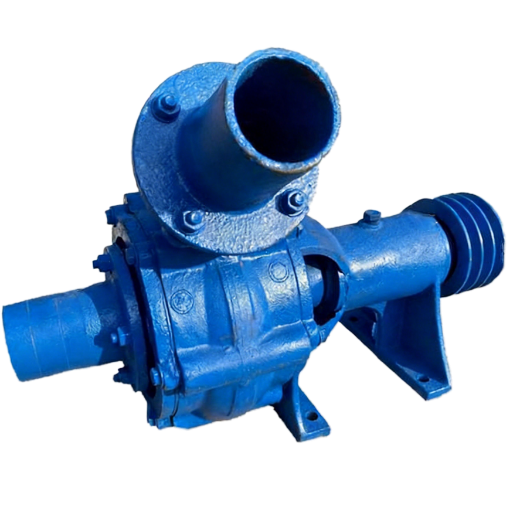
Typical field-failure reasons are easy to analyze. Either the pump can’t pass the solids, cavitation exists at the inlet, or the pipeline is built too long for the curve. NOAA dredging systems material citing cavitation and NPSH as limits of solids production at the inlet, and TU Delft dredging course citing pipeline length, density, velocity as limits of production at the inlet established the principles.
How far can a dredge pump move sand?
There is no one size fits all distance. The same dredge pump may move sand a short plant distance or feed a long pipeline, but distance depends on pipe diameter, slurry density, particle size, elevation, pump speed, and Booster location. At one IADC long pipeline case, solids were pumped more than 10 km of pipeline with three booster stations. That is not a design promise; it is evidence that pipeline length is an engineered system, not a catalog line.
| Risk spec | Field symptom | Wrong assumption | Required check |
|---|---|---|---|
| Solids passage | Plugging, vibration, broken impeller vane. | Average sand size is enough. | Maximum particle size plus trash screen plan. |
| NPSH margin | Noise, pitting, flow collapse, unstable vacuum. | Clear-water NPSH behavior equals slurry behavior. | Suction lift, submergence, density, and pump curve review. |
| Pipeline distance | Settling, low production, high motor load. | Higher head fixes every distance issue. | Pipe route, velocity, bends, elevation, and booster staging. |
TU Delft’s dredging engineering material uses the dry solids delivered at the pipeline outlet as the economic base, then links that output to slurry density, pump speed, pipeline length, and cavitation limits.
Energy, Downtime, and TCO: Compare Quotes Beyond Pump Price
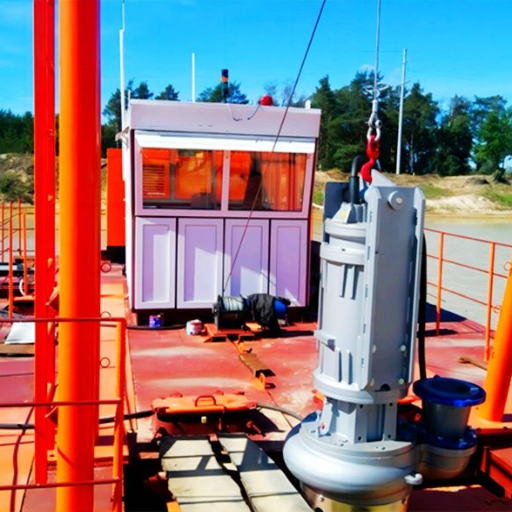
Pump life-cycle cost is initial cost, installation, energy, operation, repair, downtime, environmental cost, and disposal. That DOE / Hydraulic Institute / Europump LCC guide is sound: the minimum purchase price does not equal the minimum life-of-pump cost.
| Cost driver | What to ask | Why it changes the quote |
|---|---|---|
| Power draw | What is motor load at the slurry duty point? | Oversizing can burn more power if the pump runs away from its curve. |
| Wear parts | Which liners, impellers, and seals are stocked? | Lead time can decide downtime cost. |
| Seal plan | What seal is used for abrasive slurry? | Wrong seals raise water use, leakage, and service time. |
| Standby risk | Is a spare wet end or spare pump justified? | One lost production day can erase a cheaper quote. |
| Pipeline change | Will the discharge point move during mine life? | Booster and pipe planning may matter more than pump price. |
For sand and gravel projects, the colleague you want is not, “pump A vs pump B.” It is “pump A with liner life, spare parts, energy, pipe route, and downtime plan vs pump B with those two assumptions.” BBP’s wear-life and TCO calculator is the final stop for that discussion than a single list price.
The RFQ Packet: 12 Fields to Send Before Asking for Price
A pump quote is only as trustworthy as the duty data behind it. For mining operations, these 12 fields help a supplier choose the right pump for your project instead of guessing.
- Operation type: open-pit, river, pond, lake, vessel, or plant transfer.
- Required slurry flow rate in m3/h or gpm.
- Full pipe route or total dynamic head for supplier calculation.
- Pipe diameter, pipe material, port length, port bends, and port discharge.
- Solids concentration by weight or volume.
- Particle-size distribution, including maximum particle size.
- Material description: sand, gravel, shell, clay, silt, or mixed aggregate.
- Suction condition: flooded, lift, submersed, ladder, excavator, or sump.
- Power source: voltage/frequency, diesel, hydraulic, or site power limit.
- Expected operating hours per day and days per year.
- Preferred seal, material, or wear-life requirement if known.
- Photos, layout sketch, and any existing pump nameplate or curve.
If you have these fields prepared, send them via the BBP sand dredge pump quote form. Otherwise, begin with the slurry pump selection calculator or mining/mining-slurry-pump-selection-calculator”>mining slurry pump selection calculator to assemble the critical details.
Common Selection Mistakes in Sand Mining and River Dredging
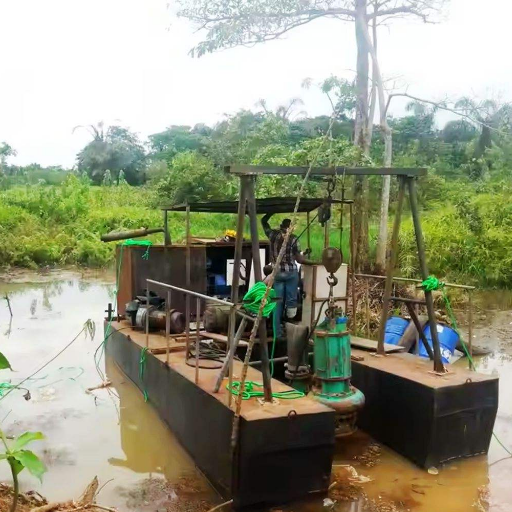
Most erroneous selections are the result of missing inputs. Often, the buyer provides a pump size but the supplier would do better to give duty map. Symptoms of equipment mismatch appear as cavitation, suction plugging, liner wear, unstable flow, or motor overload.
| Mistake | Symptom | Prevention |
|---|---|---|
| Sizing on water flow only | Low production once solids enter. | Give slurry concentration and density range. |
| Ignoring maximum particle size | Clogging or impeller damage. | Specify top particle size and screen plan. |
| Treating pipe distance as a note | Settling, poor discharge, unstable motor load. | Submit pipe length, diameter, bends, and elevation. |
| Buying no spare wet-end parts | A minor wear event becomes a production stop. | Plan impeller, liner, seal, and bearing inventory. |
| Overlooking pump access | Slow service in flood, river, or barge conditions. | Check lifting, crane, access road, and retrieval plan. |
For related maintenance planning, see BBP’s guides on dredge pump wear parts, mining slurry pump selection, and submersible slurry pump utilization.
What Is Changing in Sand Mining Pump Selection for 2026?
The 2026 buyer expects more than a pump curve. Sand and gravel outputs remain significant, however, operators are being advised to minimize energy and negative social impacts. USGS reported a 6% decline in estimated U.S. construction sand and gravel use during the first nine months of 2024 compared with the same period in 2023.
| 2026 request | Why it matters | Where to start |
|---|---|---|
| Slurry-duty sizing, not clean-water sizing | Sand density and particles change pump load. | Mining slurry pump applications |
| Wear-life assumption in the quote | Liner and impeller life affect downtime cost. | Mineral-to-wear-life reference |
| Submersible and hydraulic options | Pit access and mobile extraction are changing layouts. | Submersible slurry pump options |
| Quote comparison by life-cycle cost | Energy, repair, and downtime can exceed purchase price. | Slurry pump TCO calculator |
Trend note: recent search behavior points toward interest in submersible dredge and hydraulic dredge layouts, but recent short-term search behavior can’t be equated with a full-year marketplace prediction. Use that as a buyer question, not a production prediction.
FAQ
What pump is best for sand mining?
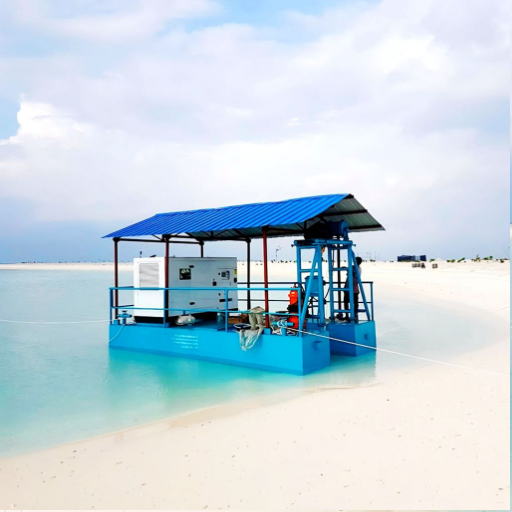
The right pump depends on the duty. Use a sand or slurry pump for controlled abrasive slurry, a gravel Tidaod for coarse aggregate, a dredge pump for river or suction dredging, and a submersible pump when pump must work from the pit or water.
Can a slurry pump pump sand?
Yes, if slurry pump offers the right combination of sand concentration, particle size, flow rate, head, and material wear. Lighter slurry pumps may transport the fines but fail in gravel or long pipeline transit.
What is the difference between a dredge pump and a sand pump?
sand pump refers generally to pumps that transport sand slurry. The dredge pump design is based largely on dredging system such as suction ladder, cutter suction system, pontoon, or discharge pipeline. Many dredge pumps are sand pumps but not all sand pumps are able to dredge.
How far can a dredge pump move sand?
Distance depends on pipe diameter, slurry weight, particle size, elevation, pipe turns, pump curve, and booster stations. Long-distance sand transport may require booster stations. Provide the complete pipe run before requesting a distance promise.
What particle size should I specify for a sand dredge pump?
Specify the maximum particle size expected—not only average sand size. Denote gravel, cobbles, shell, wood, and debris if they enter the suction. Then compare that figure to the pump’s solids passage and wear parts design.
How do I choose between shore-based and vessel-mounted dredging pumps?
Select shore-based equipment if the suction point is near, the pipe run is stable, and access from land is more convenient. Select vessel-mounted or barge-mounted equipment if the working face crosses a river, channel, or pond. Confirm lifting, fuel or electricity, hose swing, and access before choosing a pump type.
What information do I need before requesting a sand pump quotation?
Compile flow rate, total dynamic head, slurry grade, maximum particle size, pipe run, suction condition, installed type, power delivery, operational hours, material preference, and availability photos. That’s enough to select the right sand pump as a bidder with less presumption.
Require a pump recommendation from your sand mining or river dredging project?
Submit BBP your 7-input duty map, or begin with our selector if figures are not confirmed yet.
Related BBP Resources
- Submersible dredge pump cost comparison
- Gravel pump seal selector
- Slurry pump spare parts
- Heavy-duty slurry pump selection calculator
References & Sources
- U.S. Geological Survey, Mineral Commodity Summaries 2025: Sand and Gravel (Construction)
- ISO 9906, Rotodynamic pumps hydraulic performance acceptance tests
- pump Life Cycle Costs: A Guide to LCC Analysis for pumping Systems
- TU Delft OpenCourseWare: Trakitog Punimuns and slurry Transport
- NOAA Institutional Repository: System Engineering and Dredging
- IADC: Solids Transport in a Long Pipeline Connected with a dredge
![Sand Dredge Pump vs Slurry Pump: Key Differences [2026]](https://bbpmfg.com/wp-content/uploads/2026/04/2-17-768x512.png)
![Cutter Suction Dredge Pump: Selection Guide [2026]](https://bbpmfg.com/wp-content/uploads/2026/04/3-3-768x512.png)